BackgroundPrimary biliary cholangitis (PBC) is characterized by increased biliary damage, inflammation and liver fibrosis. Early stage PBC is marked by biliary proliferation, whereas late stage PBC shows ductopenia. We have shown that dominant‐negative transforming growth factor b receptor II (dnTGFβRII) mice at 12 wk of age mimic early stage PBC. We have found that melatonin therapy or prolonged exposure to complete darkness reduces biliary hyperplasia and liver fibrosis in models of cholestasis. However, the impact of melatonin or dark therapy on PBC‐related injury is unknown. The aim of our study was to evaluate the effects of melatonin or dark therapy in a mouse model of early stage PBC.MethodsWe used background‐matched, male wild‐type (WT) and dnTGFβRII at 12 wk of age that were given drinking water containing melatonin (0.03%) or placed in complete darkness for 1 wk along with the related controls. Liver damage was evaluated by H&E. Intrahepatic bile duct mass (IBDM) was measured by CK‐19 staining. Biliary senescence was evaluated by staining for p16 and p21, and SA‐β‐galactosidase activity. Biliary and liver inflammation were determined by IL‐6 and F4/80 (Kupffer cell marker) staining. Liver fibrosis was determined by Sirius Red staining and immunofluorescence for collagen type‐1a. Hepatic stellate cell (HSC) activation was shown by SYP‐9 and α‐SMA staining. Human control and early stage PBC serum samples were obtained, and serum melatonin levels were measured by EIA.ResultsdnTGFβRII at 12 wk of age (early stage PBC mouse model) treated with melatonin or complete darkness had decreased (i) IBDM, (ii) biliary senescence, (iii) liver fibrosis, (iv) biliary and liver inflammation, and (v) HSC activation/liver fibrosis. Human early stage PBC samples had decreased serum melatonin levels.ConclusionInhibition of melatonin signaling perpetuates biliary damage associated with PBC. Restoration of melatonin‐dependent signaling via melatonin treatment or dark therapy may be therapeutic for patients with early stage PBC.Support or Funding InformationNIH NIDDK R01, VA MeritThis abstract is from the Experimental Biology 2018 Meeting. There is no full text article associated with this abstract published in The FASEB Journal.
Objective Conflicting microbiota data exist for primary sclerosing cholangitis (PSC) and experimental models. Goal: Define complex interactions between resident microbes and their association in PSC patients by studying antibiotic-treated specific pathogen-free (SPF) and germ-free (GF) multi-drug-resistant 2 deficient ( mdr2 -/- ) mice. Design We measured weights, liver enzymes, RNA expression, histological, immunohistochemical and fibrotic biochemical parameters, fecal 16s rRNA gene profiling, and metabolomic endpoints in gnotobiotic and antibiotic-treated SPF mdr2 -/- mice and targeted metagenomic analysis in PSC patients. Results GF mdr2 -/- mice had exaggerated hepatic inflammation and fibrosis with 100% mortality by 8 weeks; early SPF autologous stool transplantation rescued liver-related mortality. Broad-spectrum antibiotics and vancomycin alone accelerated disease in weanling SPF mdr2 -/- mice, indicating that vancomycin-sensitive resident microbiota protect against hepatobiliary disease. Vancomycin treatment selectively decreased Lachnospiraceae and short-chain fatty acids (SCFAs) but expanded Enterococcus and Enterobacteriaceae. Antibiotics increased cytolysin-expressing E. faecalis and E. coli liver translocation; colonization of gnotobiotic mdr2 -/- mice with translocated E. faecalis and E. coli strains accelerated liver inflammation and mortality. Lachnospiraceae colonization of antibiotic pre-treated mdr2 -/- mice reduced liver fibrosis, inflammation and translocation of pathobionts, while Lachnospiraceae-produced SCFA decreased fibrosis. Fecal E. faecalis / Enterobacteriaceae was positively and Lachnospiraceae was negatively associated with PSC patients’ clinical severity Mayo risk scores. Conclusions We identified specific functionally protective and detrimental resident bacterial species in mdr2 -/- mice and PSC patients with associated clinical outcomes. These insights may guide personalized targeted therapeutic interventions in PSC patients.
 Gianfranco Alpini合作论文数School of Medicine, Indiana University199
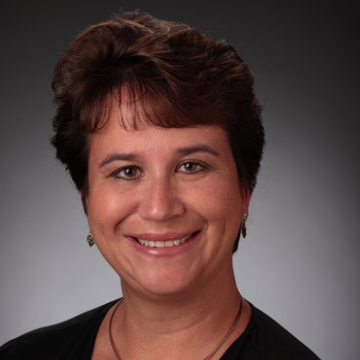 Shannon S. Glaser合作论文数Naresh K. Vashisht College of Medicine, Texas A&M University152
 Fanyin Meng合作论文数146
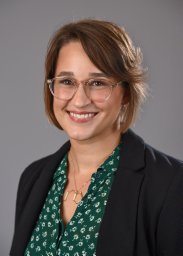 Kennedy Lindsey合作论文数Department of Research, Central Texas Veterans Health Care System;M Health Science Center College of Medicine, Temple, Texas.;Department of Research, Texas A&M Health Science Center College of Medicine132Nan Wu (吴楠)合作论文数118
 Tianhao Zhou合作论文数Department of Research, Central Texas Veterans Health Care System;Department of Medicine, Digestive Disease Research Center;White Healthcare, Texas A&M Health Science Center, College of Medicine, Baylor Scott &White Health;College of Medicine, Texas A&M Health Science Center103Julie Venter合作论文数99Konstantina Kyritsi合作论文数Department of Medicine, Indiana University School of Medicine69
 Lixian Chen合作论文数School of Medicine, Indiana University58Ludovica Ceci合作论文数55
 Kelly Mcdaniel合作论文数53
 Eugenio Gaudio合作论文数Dipartimento di Scienze Anatomiche, Istologiche, Medico Legali e dell'Apparato Locomotore, Sapienza Università di Roma52Paolo Onori合作论文数Università degli Studi dell'Aquila, University of L'Aquila50
 Vik Meadows合作论文数Department of Gastroenterology, Indiana University School of Medicine47
 Yuyan Han合作论文数School of Biological Sciences, College of Natural and Health Sciences, University of Northern Colorado41
 Burcin Ekser合作论文数40Hargrove Laura A合作论文数40
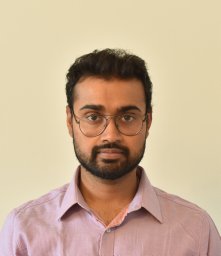 Debjyoti Kundu合作论文数Department of Medicine, Indiana University School of Medicine39Keisaku Sato合作论文数Department of Medicine, Indiana University School of Medicine39Antonio Franchitto合作论文数Department of Human Anatomy, University of Rome “La Sapienza”,39Ying Wan合作论文数29Sharon Demorrow合作论文数27
 Chaodong Wu 合作论文数Department of Nutrition and Food Science, Texas A&M University22
 Suthat Liangpunsakul合作论文数School of Medicine, Indiana University21
 Romina Mancinelli合作论文数20Standeford Holly合作论文数17Yoshiyuki Ueno合作论文数17
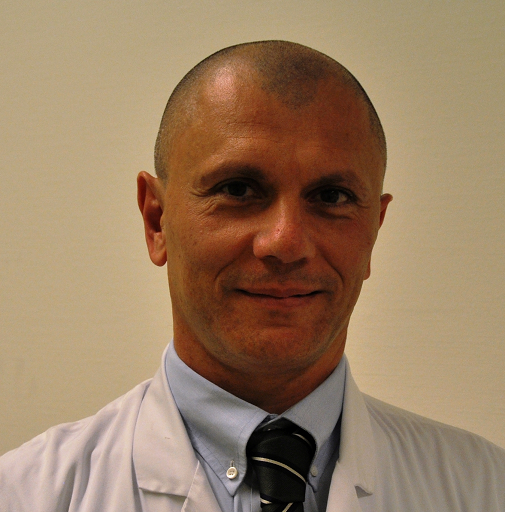 Pietro Invernizzi合作论文数S.C. Gastroenterologia17Wenjun Zhang合作论文数16Guido Carpino合作论文数Department of Health Sciences, University of Rome “Foro Italico”16
 Sugeily Ramos-Lorenzo合作论文数15Jennifer Demieville合作论文数15Zhihong Yang合作论文数13Domenico Alvaro合作论文数13Francesca Bernuzzi合作论文数12Graf Allyson合作论文数11Thao Giang合作论文数10
 Debolina Ray合作论文数Department of Internal Medicine, College of Medicine, Texas A&Health Science Center, M University;College of Medicine, Texas A&M University Health Science Center10Alison Ann Meyer合作论文数9Tori White合作论文数9
 Haibo Bai (白海波)合作论文数School of Mechanics and Civil Engineering, China University of Mining and Technology9Kusumanchi Praveen合作论文数9Hidekazu Tsukamoto合作论文数9Tami Annable合作论文数9Mellanie White合作论文数9Tina Kyritsi合作论文数8Corinn N. Marakovits合作论文数8
 April O'Brien合作论文数8Avila Shanika合作论文数8




