This qualitative study focused on the perspectives of forced migrants' and their pursuit of mental health services, specifically as they relate to language use in therapy. Semistructured interviews were held during two face-to-face focus groups consisting of 16 adult participants identifying as forced migrants. Analysis of translated and transcribed interviews was conducted by a research team utilizing a constructivist approach to grounded theory. A substantive theoretical model on engagement in therapy emerged, with the core category of culture, which influences forced migrants' level of trust and mistrust in psychotherapy. Multiple factors, including perceptions of therapy and English language facility, impacted forced migrants' willingness to engage in psychotherapy. Findings supported language as a barrier to psychotherapy, even when an interpreter was utilized. Consistencies and inconsistencies of findings between the present study and existing literature were offered. Clinical, training, advocacy, and research implications of this study were explored.
This chapter highlights findings from the range of scholarly contributions that have informed understanding and practice of career development and career counseling with Lesbian, Gay, Bisexual, and Transgender (LGBT) people. It brings together theoretical and empirical work with practical recommendations to enable career professionals to work more effectively with sexual minority clients. The earliest publication to examine a theory of person–environment fit for its relevance to sexual minority populations was an empirical study by Chung and Harmon. Developmental theories have historically viewed career development as occurring within a broader social context in which a person's vocational identity and self-concept develop over time, as an individual interacts with the environment. The psychology of working theory was developed to supplement existing career development theories by focusing on social, systemic, and other contextual factors responsible for predicting work outcomes.
The current study explores the moderating role of racial socialization in the relation between experiences of racial microaggressions and individual self-esteem and racial microaggressions and collective self-esteem for Asian American emerging adults. Asian American emerging adults (M-age = 23.83 years, SD = 2.83; N = 87) completed the Racial and Ethnic Microaggression Scale, the Perceived Racial Socialization Scale, the Rosenberg Self-Esteem Scale, and the Collective Self-Esteem Scale. Results suggest a negative correlation between racial microaggression experiences with both individual self-esteem, r = -.34, p = .001 and public self-esteem, r = -.35, p = .001, a component of collective self-esteem. Depending on type and level of message, racial socialization may serve as a protective factor in racial microaggressions and self-esteem relations. Specifically, results suggest a significant interaction when promotion of mistrust was tested as a moderator of the microaggressions-individual self-esteem relation (b = .063, SE = .026), t(86) = 2.47, p = .015, where the relation between microaggressions and self-esteem was only significant at low and moderate levels of promotion of mistrust. Promotion of mistrust also moderated the microaggressions-private self-esteem relation (b = .045, SE = .02), t(86) = 2.30, p = .024. However, when promotion of mistrust moderated this relation, the relation was nonsignificant at all levels (low, moderate, and high). An examination of simple slopes suggests a change in the direction of the relation between microaggressions and private self-esteem from negative for low and moderate levels of promotion of mistrust to positive for high levels of promotion of mistrust.
Through qualitative inquiries with Japanese/Japanese American females married to White males, the present study investigated 2 unexplored areas related to racial microaggressions: (a) the major themes experienced by this specific ethnic group and gender, and (b) the coping and regulatory strategies used to deal with these covert forms of racial discrimination. The study also explored how being in an interracial marriage influences the experience of and response to racial microaggressions. The analysis of 22 individual semistructured interviews using the consensual qualitative research approach (Hill et al., 2005) revealed the relevance of Sue and colleagues' microaggression themes (Sue, Bucceri, Lin, Nadal, & Torino, 2007; Sue, Capodilupo, et al., 2007) and Gross's (1998, 2002) model of emotional regulation strategies. Specifically, 2 major themes of microaggressions for the foreign-born participants were purposeful discriminatory action and second class citizen whereas alien in own land and exoticization of Asian women were reported by the U.S.-born participants. No group differences were found on common types of emotion regulation strategies. For both groups, situation modification and cognitive change were the 2 most commonly applied methods followed by situation selection and suppression. Although the presence of White husbands generally acted as a protective layer, being married to White men sometimes led to being a discriminatory target by other Whites including in-laws and extended family members. Intentionality and flexibility in participants' selection of emotion regulation strategies suggest adaptive coping in response to various types of microaggressions. Clinical implications for couple and marriage therapy are discussed.
Novel approaches for assessing patients with chest pain and related symptoms may improve outpatient care. The REGISTRY I study measured the impact of a personalized gene expression score (GES) on subsequent cardiac referral decisions by primary care providers. Of the 342 stable, nonacute patients evaluated, the mean age was 55 years, 53% were female, and mean (SD) GES was 16 (±10) (range = 1-40). Low GES (≤15), indicating a low current likelihood of obstructive coronary artery disease (CAD), was observed in 49% of patients. After clinical covariate adjustment, each 10-point GES decrease was associated with a 14-fold decreased odds of cardiac referral (P < .0001). Low GES patients had 94% reduced odds of referral relative to elevated GES patients (P < .0001), with follow-up supporting a favorable safety profile. This genomic-based test demonstrated clinical utility by guiding decision making during assessment of symptomatic patients with suspected obstructive CAD.
The present study tested 2 competing, extended models of the theory of work adjustment (TWA) with a sample of 100 economically distressed working African Americans receiving services at a nonprofit community center. Model 1 depicted a mediated model consistent with postulations of the TWA's original theorists. Model 2 depicted a moderated mediation model consistent with cultural critiques of the TWA. Bivariate correlations indicated that perceptions of person-organization (P-O) fit were positively related to job satisfaction and negatively related to turnover intentions, and job satisfaction was negatively related to turnover intentions. Furthermore, perceptions of racial climate were positively related to perceptions of P-O fit and job satisfaction and negatively related to turnover intentions. Moreover, results of the path analyses indicated stronger support for Model 2, the moderated mediation model, in which the indirect link of P-O fit with turnover intentions through job satisfaction was conditional on levels of racial climate. Specifically, when racial climate was perceived as less supportive, the indirect link of P-O fit with turnover intentions was nonsignificant, but when employees reported moderate and more supportive levels of racial climates, this indirect relation was significant. Research and career counseling implications of the present study's findings for financially distressed African American employees are discussed.
The qualitative research process can offer counselors and psychologists the opportunity to participate in social justice practice. Qualitative research contributes to social justice when researchers promote the following principles: equity, access, participation, and harmony for culturally diverse populations, those currently most at risk for acts of social injustice. In this manuscript we suggests ways in which qualitative approaches can provide a vehicle by which social justice can be enacted when researchers are conscious and deliberate about these intentions. To this end, we review and highlight best practices in socially just qualitative research processes across the following aspects of research: design, data collection, data analysis and interpretation, and application of findings.
Social justice enjoys a long history in the fields of counseling and psychology. Despite this, several authors have noted barriers to a more thorough integration of a social justice orientation into these fields. With this special issue we attempt to address some of these barriers by focusing on the ways that research may be used to promote social justice. Specifically, we aim to guide counselors and psychologists in the production and consumption of research that promotes social justice by modeling this research and providing recommendations for implementing it. With five interrelated papers, including this introduction paper and a conclusion paper, we hope to meet three major goals. First, we intend to extend the existing awareness and understanding of research that promotes social justice, especially where understudied populations (e.g., those experiencing material poverty, immigrants, people of color, LGBTQ individuals) are concerned. Second, we hope that by engaging in a discussion of socially just research we highlight one means of strengthening the relationship between research and practice. Third, we intend to offer “best practices” recommendations. In working toward these three goals, we hope to encourage rigor and a high standard for socially just research as well as an appreciation of diverse methodologies.
Qualitative research studies are underrepresented in psychology journals, and those that are published vary in quality. As such, researchers have called for an improvement in the quantity and quality of qualitative research. This article represents an attempt to guide researchers wishing to conduct culturally competent qualitative research with people of African descent. To do so, the authors review potential areas of confluence between qualitative research and African cultural values (e.g., holism, emphasis on relationships). The authors also review and highlight best practices throughout the qualitative research process (e.g., topic selection, research team development, data analysis) that may facilitate a sense of safety for people of African descent as well as holistically and usefully represent their experiences.
In this final article of the special section, the authors offer their beginning theoretical model of graduate advising relationships. The authors' framework characterizes the advising relationship as a multicultural endeavor. The authors offer eight theoretical propositions with the intent to articulate aspects of good advising and those variables that appear to be related to successful advising relationships. As part of this model, the authors attend to both the process and the outcome of advising relationships. The authors close with implications for research, training, and practice, and offer suggestions for future research.
The already limited vocational prospects of low-income African Americans in New Orleans were further devastated by Hurricane Katrina in 2005. The 2010 Deepwater Horizon oil spill added to the devastation, highlighting the continued vulnerability of New Orleanians seeking employment. As a result, opportunities persist for vocational practitioners to lend their expertise. In this article, the post-Katrina vocational situation of low-income African American residents is conceptualized using Bronfenbrenner's (1977) ecological model. Furthermore, needed interventions are described at each level of this ecological model.
Although advisor-advisee relationships are ubiquitous to graduate training, there is relatively little scholarship bearing on advising relationships. Not surprisingly, the intersection between multiculturalism and advising relationships is also sparse. Given the potential increase in the numbers of People of Color entering graduate training due to the changing demographics in the United States and the influence of advising relationships on advisees' personal and professional development, it is imperative to address the role of culture in the advising relationship-in this article, we will address race, sex, and sexual orientation. Hence, in this article, we address the potential impact of racial and cultural socialization processes on the advising relationship and organizational contexts.
An initial test and validation of a model predicting perceived organizational citizenship behaviors (OCBs) of lesbian and gay employees were conducted using structural equation modeling. The proposed structural model demonstrated acceptable goodness of fit and structural invariance across 2 samples (ns = 311 and 295), which suggested that altruistic OCB performance is precipitated by workplace outness. Furthermore, stigmatization salience and organizational climate for heterosexism predict levels of workplace outness. Organizational climate for heterosexism is negatively related to stigmatization salience. When the model was tested on 2 samples, all structural paths except 1 were significant.
The present study tested the effect of counselor self-disclosure on lesbian, gay, and bisexual individuals’ perceptions of counselor expertness, trustworthiness, and attractiveness. A national sample of 275 lesbian, gay, and bisexual university students was recruited for an online survey. Participants were randomly assigned to read a written vignette with varying levels of counselor self-disclosure. According to an a priori comparison test, lesbian, gay, and bisexual participants who received professional and personal background disclosure rated the counselor as significantly more expert, trustworthy, and attractive than participants who received professional background disclosure alone. An overall main effect for therapist self-disclosure was also revealed by multivariate analysis of variance. These findings were consistent with the study's hypotheses and previous research in the area of counselor self-disclosure. Practice implications and suggestions for future research are discussed.
Recognizing research which suggests that many practicing psychologists enter the field without training or with inadequate training in the knowledge, skills, and awareness needed to treat lesbian, gay, and bisexual (LGB) clients, the authors in this Focus on Ethics provide suggestions for psychologists seeking competence with this population. In the lead article, Lyons fleshes out the contours of competent practice, presents the current state of psychologist competence, and calls for greater levels of competence. Next, Bieschke and Dendy respond by applying the Ethical Acculturation Model to describe the question of competence for those who may come from cultures not condoning of an LGB affirmative stance. Worthington provides hypotheses for the current rates of competence in the field and encourages the use of evidenced-based training and practice to increase competence. Finally. Georgemiller confirms the role of practicing psychologists who are heterosexual allies and identifies resources for gaining competence.
Researchers have hypothesized about the potentially competing demands of sexual identity development and career development (e.g., Chen, Stracuzzi, & Ruckdeschel, 2004; Fassinger, 1996; Morrow, 1997; Schmidt, 2004). In the present study, we explored these hypotheses focusing specifically on career decision making. Using cluster analysis, we identified three groups of lesbian, gay, and bisexual young adults who differed in terms of the conflict experienced between sexual identity and career development: career conflict group (n = 11), sexual identity conflict group (n = 45), and those who experienced low levels of conflict between the two domains (n = 71). Differences were found between the clusters in levels of career decision making supports, career decision making barriers, and career decision making self-efficacy. Results tentatively suggest the importance of considering within-group differences when using Social Cognitive Career Theory to understand the career decision making of this population.
 Bradley R. Brenner合作论文数8Regine M. Talleyrand合作论文数5
 Denise Bike合作论文数5Lewis Z. Schlosser合作论文数5Janet Schmidt合作论文数3
 Robert W. Lent合作论文数Department of Counseling, Higher Education, and Special Education, College of Education, University of Maryland3
 Brian S. Kim合作论文数Icahn School of Medicine at Mount Sinai;Alys Pharmaceuticals3
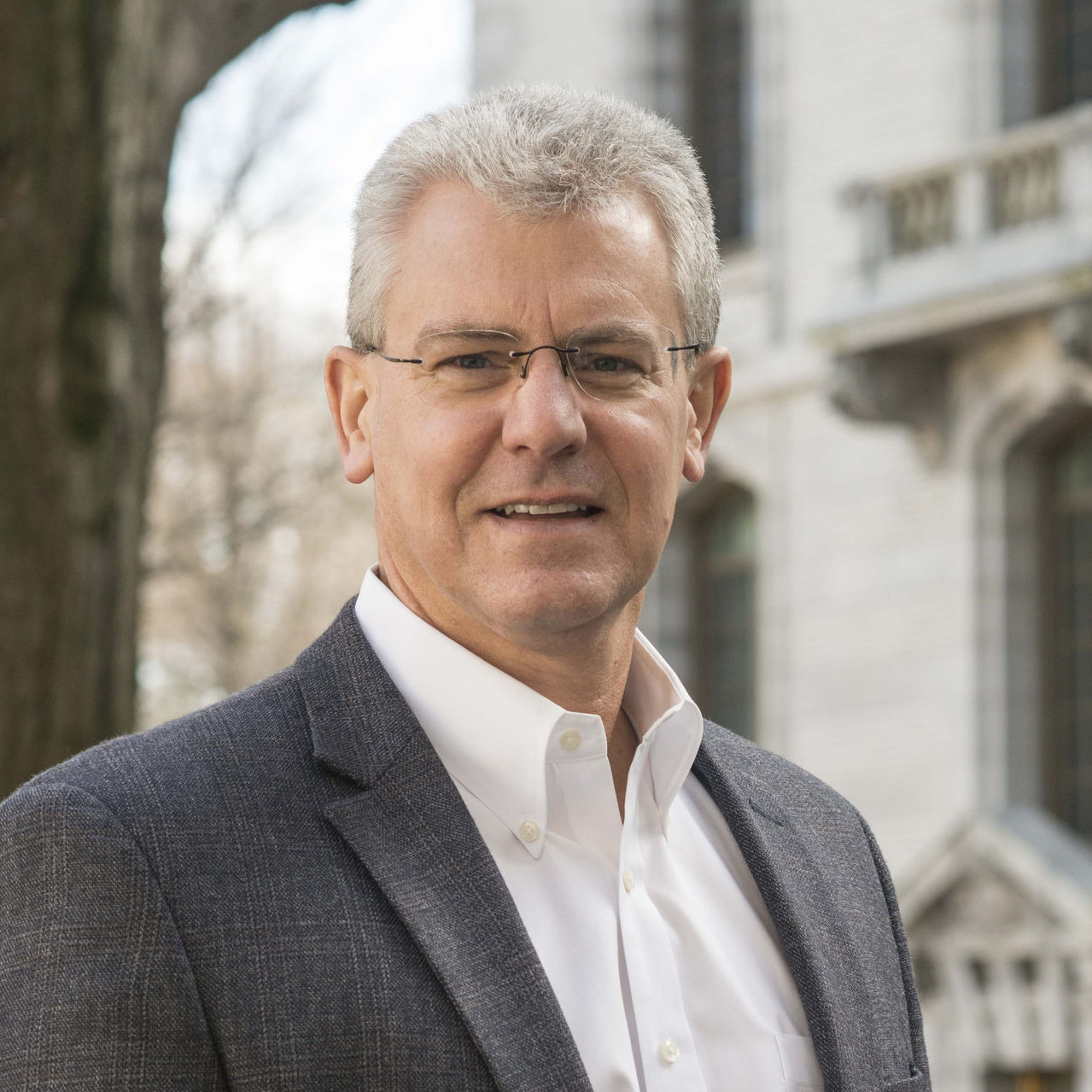 W. Brad Johnson合作论文数Department of Psychology,National Naval Medical Center 20889-5000 Bethesda MD3Adanna J. Johnson合作论文数Shippensburg University3Dana Treistman合作论文数3
 Christina J Thai合作论文数2Stephen Stemkowski合作论文数2Michiko Iwasaki合作论文数2
 Lindsay A. Borden合作论文数School of Medicine, Johns Hopkins University2Ladapo Joseph A合作论文数2Yau May合作论文数2Zhou Yunping合作论文数2Bruce-Mensah Kofi合作论文数2Rich Paul合作论文数2Mark Monane合作论文数2BSK Kim合作论文数1C M Mazure合作论文数1Joanne M. Greer合作论文数1Re Fassinger合作论文数1C. Kevin Gillespie合作论文数1matthew r lee合作论文数1
 Brandon L. Velez合作论文数Teachers College, Columbia University1Lipman Jennifer合作论文数1
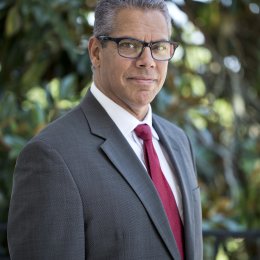 Roger L. Worthington合作论文数Department of Counseling, Higher Education and Special Education, College of Education, University of Maryland/Center for Diversity and Inclusion in Higher Education1Neill Natalie合作论文数1Mehta Mansi合作论文数1Newton Dedra合作论文数1Steven D. Brown合作论文数Loyola University of Chicago1Kirkhart M W合作论文数1
 Steven Brown合作论文数Department of Chemistry and Biochemistry, University of Delaware1Bruce E. Wexler合作论文数1
 Lisa Y. Flores合作论文数University of Missouri-Columbia1
 Randy Georgemiller合作论文数1Karen M. O’Brien合作论文数1Kathleen J. Bieschke合作论文数1George Kallampally合作论文数1
 Lizette Ojeda合作论文数University of Missouri-Columbia1
 K. Elizabeth Oakes合作论文数1Angela R. Bethea合作论文数St. Luke’s-Roosevelt Hospital Center1
 Martin F Sherman合作论文数Department of Psychology;Loyola College;Department of Psychology, Loyola College1Charles Lopresto合作论文数1Anna K. Dendy合作论文数1
 Rocio Rosales合作论文数University of Missouri-Columbia1




