Background Sleep disturbances and poor health-related quality of life (HRQoL) are common in people with rheumatoid arthritis (RA). Sleep disturbances, such as less total sleep time, more waking periods after sleep onset, and higher levels of nonrestorative sleep, may be a driver of HRQoL. However, understanding whether these sleep disturbances reduce HRQoL has, to date, been challenging because of the need to collect complex time-varying data at high resolution. Such data collection is now made possible by the widespread availability and use of mobile health (mHealth) technologies. Objective This mHealth study aimed to test whether sleep disturbance (both absolute values and variability) causes poor HRQoL. Methods The quality of life, sleep, and RA study was a prospective mHealth study of adults with RA. Participants completed a baseline questionnaire, wore a triaxial accelerometer for 30 days to objectively assess sleep, and provided daily reports via a smartphone app that assessed sleep (Consensus Sleep Diary), pain, fatigue, mood, and other symptoms. Participants completed the World Health Organization Quality of Life-Brief (WHOQoL-BREF) questionnaire every 10 days. Multilevel modeling tested the relationship between sleep variables and the WHOQoL-BREF domains (physical, psychological, environmental, and social). Results Of the 268 recruited participants, 254 were included in the analysis. Across all WHOQoL-BREF domains, participants’ scores were lower than the population average. Consensus Sleep Diary sleep parameters predicted the WHOQoL-BREF domain scores. For example, for each hour increase in the total time asleep physical domain scores increased by 1.11 points (β=1.11, 95% CI 0.07-2.15) and social domain scores increased by 1.65 points. These associations were not explained by sociodemographic and lifestyle factors, disease activity, medication use, anxiety levels, sleep quality, or clinical sleep disorders. However, these changes were attenuated and no longer significant when pain, fatigue, and mood were included in the model. Increased variability in total time asleep was associated with poorer physical and psychological domain scores, independent of all covariates. There was no association between actigraphy-measured sleep and WHOQoL-BREF. Conclusions Optimizing total sleep time, increasing sleep efficiency, decreasing sleep onset latency, and reducing variability in total sleep time could improve HRQoL in people with RA.
Abstract Background People with rheumatic diseases experience troublesome fluctuations in fatigue. Debated causes include pain, mood and inflammation. To determine the relationships between these potential causes, serial assessments are required but are methodologically challenging. This mobile health (mHealth) study explored the viability of using a smartphone app to collect patient-reported symptoms with contemporaneous Dried Blood Spot Sampling (DBSS) for inflammation. Methods Over 30 days, thirty-eight participants (12 RA, 13 OA, and 13 FM) used uMotif, a smartphone app, to report fatigue, pain and mood, on 5-point ordinal scales, twice daily. Daily DBSS, from which C-reactive Protein (CRP) values were extracted, were completed on days 1–7, 14 and 30. Participant engagement was determined based on frequency of data entry and ability to calculate within- and between-day symptom changes. DBSS feasibility and engagement was determined based on the proportion of samples returned and usable for extraction, and the number of days between which between-day changes in CRP which could be calculated (days 1–7). Results Fatigue was reported at least once on 1085/1140 days (95.2%). Approximately 65% of within- and between-day fatigue changes could be calculated. Rates were similar for pain and mood. A total of 287/342 (83.9%) DBSS, were returned, and all samples were viable for CRP extraction. Fatigue, pain and mood varied considerably, but clinically meaningful (≥ 5 mg/L) CRP changes were uncommon. Conclusions Embedding DBSS in mHealth studies will enable researchers to obtain serial symptom assessments with matched biological samples. This provides exciting opportunities to address hitherto unanswerable questions, such as elucidating the mechanisms of fatigue fluctuations.
Abstract Background Patients with glioblastoma (GBM) typically have high symptom burden impacting on quality of life. Mobile apps may help patients track their condition and provide real-time data to clinicians and researchers. We developed a health outcome reporting app (OurBrainBank [OBB]) for GBM patients. Our primary aim was to explore the feasibility and take-up of OBB. Secondary aims were to examine the potential value of OBB app usage for patient well-being and clinical research. Methods Participants (or caregiver proxies) completed baseline surveys and tracked 10 health outcomes over time. We evaluated usage and engagement, and relationships between clinical/sociodemographic variables and OBB use. Participant satisfaction and feedback were described. To demonstrate usefulness for clinical research, health outcomes were compared with corresponding items on a validated measure (EQ-5D-5L). Results From March 2018 to February 2021, OBB was downloaded by 630 individuals, with 15 207 sets of 10 health outcomes submitted. Higher engagement was associated with being a patient rather than a caregiver (χ 2(2,568) = 28.6, P < .001), having higher self-rated health scores at baseline (F(2,460) = 4.8, P = .009) and more previous experience with mobile apps (χ 2(2,585) = 9.6, P = .008). Among the 66 participants who completed a feedback survey, most found health outcome tracking useful (average 7/10), and would recommend the app to others (average 8.4/10). The OBB health outcomes mapped onto corresponding EQ-5D-5L items, suggesting their validity. Conclusions OBB can efficiently collect GBM patients’ health outcomes. The long-term goal is to create a unique database of thousands of deidentified GBM patients, with open access to qualified researchers.
BackgroundThis study aims to explore the association between the total number of non-motor symptoms and the Parkinson’s disease (PD) patients’ health-related quality of life quantitatively, using data from one of the largest smartphone-powered studies and a simplified version of 8-item Parkinson’s disease Quality of life Questionnaire (PDQ-8).MethodsThe data used for analysis constitutes one part of a dataset derived from the project named ‘100 for Parkinson’s’. 1246 patients were included in the baseline survey. The 30-item Non-Motor Symptom (NMS-30) Questionnaire and PDQ-8 Summary Index (PDQ-8 SI) were used to measure health-related quality of life and a generalized linear model was used to analyze the association of the non-motor symptoms and quality of life.ResultsThe mean number of NMS per patient was 11.81 ± 5.53. For patients with limited ability to work: the key symptoms were urgency (77.4%), sad or blue (71.05%) and difficulty getting to sleep or staying asleep (70.90%). After controlling for the life-style determinants and psychological symptoms prior PD diagnosis determinants, GLM presented the total sum of NMS-30 questions had the strongest positive influence on health-related quality of life as measured by the PDQ-8 SI. Where the sum of NMS scores increases by 1 point, the PDQ-8 SI will increase by 1.33 points (95%CI: 1.13, 1.52; P < 0.001). For patients without limited ability to work: urgency (62.45%), difficulty getting to sleep or staying asleep (59.81%) and getting up regularly at night to pass urine (55.09%) were the most frequent symptoms. GLM showed that where the total sum of NMS scores increases by 1 point, the PDQ-8 SI will increase by 1.56 points (95%CI: 1.37, 1.76; P < 0.001) after controlling for other confounders.ConclusionsThis smartphone-based study finds a higher total number of non-motor symptoms is related to a lower health-related quality of life for PD patients. It provides useful evidence for the PDQ-8 instrument and is helpful for a multidisciplinary approach to patient care and facilitate the provision of more comprehensive education for patients and caregivers.
Fluctuations in fatigue severity are common in people with inflammatory (e.g. rheumatoid arthritis (RA)) and non-inflammatory (e.g. fibromyalgia (FM) and osteoarthritis (OA)) rheumatic diseases. We tested whether fluctuations in fatigue in RA, OA and FM were explained by fluctuations in inflammation (C-reactive protein (CRP)), pain and mood. Participants in the GIRAF (Gaining Insight into RheumAtic Fatigue) study used a patient co-configured app to report fatigue severity, pain severity and mood on a 5-point ordinal scale (increasing scores = worse state) twice daily for 7 days. Daily CRP (mg/L) was measured via dried blood spot sampling. Fluctuations in fatigue were calculated as within-day (morning to evening variability) and between-days (morning to morning; evening to evening variability). Multi-level mixed effects ordered logistic regression models tested the relationship between fluctuations in CRP and fatigue over 7 days. The relationships between fluctuations in fatigue, pain and mood were also examined. Models were adjusted for age, sex and disease diagnosis. Thirty-eight people (RA:12, OA:13, FM:13) participated and contributed data on 190 (71% of eligible) days. Participants were mostly female (81.6%), with a median age of 56 years. There were no demographic differences between disease groups. Within-day changes in fatigue severity of ≥one point were observed on 97 (51.1%) days and between-days changes were observed on 52% of mornings (92/177 eligible periods) and 49.4% of evenings (85/172 eligible). Fluctuations in pain severity and mood of ≥one point were similarly common (data not shown). Median CRP levels were low (<5mg/L) across all diseases and did not fluctuate substantially between days (change ≥1mg/L:17.5% (33/189) of days). 8 participants (21.1%: RA:4, OA:2, FM:2) had “active inflammation” (CRP>5mg/L) on a total 22 (8.3%) days in the study (range:1-8 days). Fluctuations in CRP were not associated with fluctuations in fatigue (odds-ratio:1.01, 95%CI:0.83-1.22). Fluctuations in pain severity (6.93, 4.68-10.28) and mood (4.58, 3.26-6.45) were associated with fluctuations in fatigue (Table 1). Fluctuations in fatigue severity were common in people with rheumatic diseases. Inflammation was low and did not predict fatigue variability. Optimal management should target fatigue independently of inflammatory disease management and may benefit from modification of pain and mood. K.L. Druce None. D.S. Gibson None. K. McEleney None. S. Meleck None. B. James None. B. Hellman None. W.G. Dixon None. J. Mcbeth None.
Background The BRAIN tap test is an online keyboard tapping task that has been previously validated to assess upper limb motor function in Parkinson’s disease (PD). Objectives To develop a new parameter which detects a sequence effect and to reliably distinguish between PD patients ‘on’ and ‘off’ medication. Alongside, we sought to validate a mobile version of the test for use on smartphones and tablet devices. Methods BRAIN test scores in 61 patients with PD and 93 healthy controls were compared. A range of established parameters captured speed and accuracy of alternate taps. The new VS (Velocity Score) recorded the inter-tap speed. Decrement in the VS was used as a marker for the sequence effect. In the validation phase, 19 PD patients and 19 controls were tested using multiple types of hardware platforms including smart devices. Results Quantified slopes from the VS demonstrated bradykinesia (sequence effect) in PD patients (slope cut-off −0.002) with sensitivity of 58% and specificity of 81% (discovery phase of the study) and sensitivity of 65% and specificity of 88% (validation phase). All BRAIN test parameters differentiated between ‘on’ medication and ‘off’ medication states in PD. Most BRAIN tap test parameters had high test-retest reliability values (ICC>0.75). Differentiation between PD patients and controls was possible on all hardware versions of the test. Conclusion The BRAIN tap test is a simple, user-friendly and free-to-use tool for assessment of upper limb motor dysfunction in PD, which now includes a measure of bradykinesia.
Patients with chronic pain commonly believe their pain is related to the weather. Scientific evidence to support their beliefs is inconclusive, in part due to difficulties in getting a large dataset of patients frequently recording their pain symptoms during a variety of weather conditions. Smartphones allow the opportunity to collect data to overcome these difficulties. Our study Cloudy with a Chance of Pain analysed daily data from 2658 patients collected over a 15-month period. The analysis demonstrated significant yet modest relationships between pain and relative humidity, pressure and wind speed, with correlations remaining even when accounting for mood and physical activity. This research highlights how citizen-science experiments can collect large datasets on real-world populations to address long-standing health questions. These results will act as a starting point for a future system for patients to better manage their health through pain forecasts.
e13574 Background: Self-reports from patients done monthly or every few months in the doctor’s office have several limitations, including poor recall, under- or over-reporting of events, among other biases. Methods: We developed a glioblastoma specific app (OurBrainBank) using a platform designed by uMotif, which was previously used in other conditions but has been customized for glioblastoma. All data are sent to a HIPPA compliant database. The subject can view or export their own data as well and create data reports to their medical team. Inclusion criteria included age 18 years or older, diagnosis of glioblastoma, English-speaking subject, and availability of a smartphone or tablet. After electronic informed consent, patients completed baseline questionnaires about their treatment and validated surveys (EORTC-QLQ, EORTC-BN20). Certain parameters such as sleep quality, exercise, mood, and fatigue were captured for all patients. In addition, patients picked 6 additional symptoms most relevant to their clinical condition. Results: Since the study was IRB-approved and the app made available free of charge on app stores, there have been 305 individual patients who registered on this app. Recruitment has relied heavily on social media and patient run online support groups. The most commonly tracked symptoms were exercise, fatigue, mood, sleep quality, appetite, memory and concentration. Patients were alerted to capture symptoms at least weekly and more than 5,000 datapoints were captured. The median age was 48 (18-83). 53% of patients had received the GBM diagnosis < 1 year and 25% between 1-2 years. Most patients found symptom tracking useful (average rating of 7 in 0-10 scale). Conclusions: At this initial stage, OurBrainBank has shown that it can efficiently collect glioblastoma patients’ symptoms. In the next steps, we plan to collect passive data from smartphones and other device trackers. Additionally, OurBrainBank will enable patients to donate their medical records to a national and international database. The goal over the next few years is to create an unprecedented database of high quality and granularity with tens of thousands of de-identified glioblastoma patients, with open-access to qualified academic researchers. In addition, this powerful ‘real world experience’ database will be useful for pharma/biotech companies.
IntroductionPeople with rheumatoid arthritis (RA) frequently report reduced health-related quality of life (HRQoL), the impact one’s health has on physical, emotional and social well-being. There are likely numerous causes for poor HRQoL, but people with RA have identified sleep disturbances as a key contributor to their well-being. This study will identify sleep/wake rhythm-associated parameters that predict HRQoL in patients with RA.Methods and analysisThis prospective cohort study will recruit 350 people with RA, aged 18 years or older. Following completion of a paper-based baseline questionnaire, participants will record data on 10 symptoms including pain, fatigue and mood two times a day for 30 days using a study-specific mobile application (app). A triaxial accelerometer will continuously record daytime activity and estimate evening sleep parameters over the 30 days. Every 10 days following study initiation, participants will complete a questionnaire that measures disease specific (Arthritis Impact Measurement Scale 2-Short Form (AIMS2-SF)) and generic (WHOQOL-BREF) quality of life. A final questionnaire will be completed at 60 days after entering the study. The primary outcomes are the AIMS2-SF and WHOQOL-BREF. Structural equation modelling and latent trajectory models will be used to examine the relationship between sleep/wake rhythm-associated parameters and HRQoL, over time.Ethics and disseminationResults from this study will be disseminated at regional and international conferences, in peer-reviewed journals and Patient and Public Engagement events, as appropriate.
Background: This study aims to assess the specific difference of the health-related quality of life between people with Parkinson’s and non-Parkinson’s. Methods: A total of 1710 people were drawn from a prospective study with a smartphone-based survey named ‘100 for Parkinson’s’ to assess health-related quality of life. The EQ-5D-5L descriptive system and the EQ visual analogue scale were used to measure health-related quality of life and a linear mixed model was used to analyze the difference. Results: The mean difference of EQ-5D-5L index values between people with Parkinson’s and non-Parkinson’s was 0.15 (95%CI: 0.12, 0.18) at baseline; it changed to 0.17 (95%CI: 0.14, 0.20) at the end of study. The mean difference of EQ visual analogue scale scores between them increased from 10.18 (95%CI: 7.40, 12.96) to 12.19 (95%CI: 9.41, 14.97) from baseline to the end of study. Conclusion: Data can be captured from the participants’ own smart devices and support the notion that health-related quality of life for people with Parkinson’s is lower than non-Parkinson’s. This analysis provides useful evidence for the EQ-5D instrument and is helpful for public health specialists and epidemiologists to assess the health needs of people with Parkinson’s and indirectly improve their health status.
In the original version of this article the copyright notice was missing from Tables 1 and 3. This has now been added alongside the three relevant references inserted as refs. 21–23. The correction has been published and is appended to both the HTML and PDF versions of this paper. The errors have been fixed in the paper.
BACKGROUND:The increasing ownership of smartphones provides major opportunities for epidemiological research through self-reported and passively collected data. OBJECTIVE:This pilot study aimed to codesign a smartphone app to assess associations between weather and joint pain in patients with rheumatoid arthritis (RA) and to study the success of daily self-reported data entry over a 60-day period and the enablers of and barriers to data collection. METHODS:A patient and public involvement group (n=5) and 2 focus groups of patients with RA (n=9) supported the codesign of the app collecting self-reported symptoms. A separate "capture app" was designed to collect global positioning system (GPS) and continuous raw accelerometer data, with the GPS-linking providing local weather data. A total of 20 patients with RA were then recruited to collect daily data for 60 days, with entry and exit interviews. Of these, 17 were loaned an Android smartphone, whereas 3 used their own Android smartphones. RESULTS:Of the 20 patients, 6 (30%) withdrew from the study: 4 because of technical challenges and 2 for health reasons. The mean completion of daily entries was 68% over 2 months. Patients entered data at least five times per week 65% of the time. Reasons for successful engagement included a simple graphical user interface, automated reminders, visualization of data, and eagerness to contribute to this easily understood research question. The main barrier to continuing engagement was impaired battery life due to the accelerometer data capture app. For some, successful engagement required ongoing support in using the smartphones. CONCLUSIONS:This successful pilot study has demonstrated that daily data collection using smartphones for health research is feasible and achievable with high levels of ongoing engagement over 2 months. This result opens important opportunities for large-scale longitudinal epidemiological research.
Background The huge increase in smartphone use heralds an enormous opportunity for epidemiology research, but there is limited evidence regarding long-term engagement and attrition in mobile health (mHealth) studies. Objective The objective of this study was to examine how representative the Cloudy with a Chance of Pain study population is of wider chronic-pain populations and to explore patterns of engagement among participants during the first 6 months of the study. Methods Participants in the United Kingdom who had chronic pain (≥3 months) and enrolled between January 20, 2016 and January 29, 2016 were eligible if they were aged ≥17 years and used the study app to report any of 10 pain-related symptoms during the study period. Participant characteristics were compared with data from the Health Survey for England (HSE) 2011. Distinct clusters of engagement over time were determined using first-order hidden Markov models, and participant characteristics were compared between the clusters. Results Compared with the data from the HSE, our sample comprised a higher proportion of women (80.51%, 5129/6370 vs 55.61%, 4782/8599) and fewer persons at the extremes of age (16-34 and 75+). Four clusters of engagement were identified: high (13.60%, 865/6370), moderate (21.76%, 1384/6370), low (39.35%, 2503/6370), and tourists (25.44%, 1618/6370), between which median days of data entry ranged from 1 (interquartile range; IQR: 1-1; tourist) to 149 (124-163; high). Those in the high-engagement cluster were typically older, whereas those in the tourist cluster were mostly male. Few other differences distinguished the clusters. Conclusions Cloudy with a Chance of Pain demonstrates a rapid and successful recruitment of a large, representative, and engaged sample of people with chronic pain and provides strong evidence to suggest that smartphones could provide a viable alternative to traditional data collection methods.
Background: Long-term conditions (LTC) or chronic diseases are the leading causes of mortality and morbidity worldwide. Self-management is now an accepted method to manage LTC. Parkinson’s disease (PD) is a long-term neurological condition with self-management being a core component of managing the condition optimally. Aims: The primary aim was to evaluate use of 2 versions of a PD tracker app and assess the impact of use on a range of outcomes including: self-reported measures of adherence to treatment, quality of life, happiness and non-motor symptoms. Qualitative interviews were carried out with a sub-group of participants to assess usability.The study was funded by the Department of Health's Small Business Research Initiative (SBRI). Methods: 36 patients with PD took part in a 55 day pilot study and were randomised into 2 groups – the limited app group (n=19) received an app which had tools for daily self-tracking on 10 measures of symptom severity, general well-being and health behaviours along with a daily diary; and the full app group (n=17) received an app which had the same tools as the limited app group with the addition of medication reminders and 2 games to assess cognition. Results: Participants used the app for 55 days, and entered data on at least 70% of those days. There were no statistically significant differences between the two versions of the app on selfreported measures of adherence to treatment, quality of life, happiness and non-motor symptoms. However, there were increases in absolute scores in self-reported measures of adherence to treatment and quality of life. Participants provided positive feedback on the ease of use of the app and value of symptom tracking. Conclusion: The PD tracker app was used regularly as a self-management tool by patients and could help in improving self-reported measures of adherence and well-being. A larger sample size and stronger study design are needed to confirm these findings conclusively. International Digital Health and Care Congress, The King’s Fund, London, September 10-12 2014. International Journal of Integrated Care – Volume 14, 01 November – URN:NBN:NL:UI:10-1-116512– http://www.ijic.org/
BACKGROUND:Nonadherence to treatment leads to suboptimal treatment outcomes and enormous costs to the economy. This is especially important in Parkinson's disease (PD). The progressive nature of the degenerative process, the complex treatment regimens and the high rates of comorbid conditions make treatment adherence in PD a challenge. Clinicians have limited face-to-face consultation time with PD patients, making it difficult to comprehensively address non-adherence. The rapid growth of digital technologies provides an opportunity to improve adherence and the quality of decision-making during consultation. The aim of this randomised controlled trial (RCT) is to evaluate the impact of using a smartphone and web applications to promote patient self-management as a tool to increase treatment adherence and working with the data collected to enhance the quality of clinical consultation.METHODS/DESIGN:A 4-month multicentre RCT with 222 patients will be conducted to compare use of a smartphone- and internet-enabled Parkinson's tracker smartphone app with treatment as usual for patients with PD and/or their carers. The study investigators will compare the two groups immediately after intervention. Seven centres across England (6) and Scotland (1) will be involved. The primary objective of this trial is to assess whether patients with PD who use the app show improved medication adherence compared to those receiving treatment as usual alone. The secondary objectives are to investigate whether patients who receive the app and those who receive treatment as usual differ in terms of quality of life, quality of clinical consultation, overall disease state and activities of daily living. We also aim to investigate the experience of those receiving the intervention by conducting qualitative interviews with a sample of participants and clinicians, which will be administered by independent researchers.TRIAL REGISTRATION:ISRCTN45824264 (registered 5 November 2013).
The International Journal of Integrated Care (IJIC) is an online, open-access, peer-reviewed scientific journal that publishes original articles in the field of integrated care on a continuous basis.IJIC has an Impact Factor of 2.913 (2021 JCR, received in June 2022)The IJIC 20th Anniversary Issue was published in 2021.
 Ben James合作论文数9John Mcbeth合作论文数Division of Musculoskeletal and Dermatological Sciences, School of Biological Sciences, Faculty of Biology, Medicine and Health, The University of Manchester8
 Will Dixon合作论文数Centre for Musculoskeletal Research, The University of Manchester;Division of Informatics, Imaging & Data Sciences, School of Health Sciences, The University of Manchester8
 Duolao Wang合作论文数London School of Hygiene & Tropical Medicine, London School of Hygiene and Tropical Medicine5
 Katie Druce合作论文数5
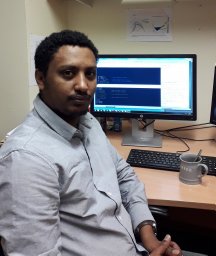 Belay Birlie Yimer合作论文数Ctr Musculoskeletal Res, Univ Manchester4
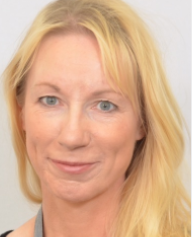 Caroline Sanders合作论文数Division of Population Health, Health Services Research and Primary Care, The University of Manchester/Manchester Institute for Collaborative Research on Ageing, School of Social Sciences, The University of Manchester4
 Mark Lunt合作论文数Division of Musculoskeletal and Dermatological Sciences, School of Biological Sciences, Faculty of Biology, Medicine and Health, The University of Manchester4
 Jamie Sergeant合作论文数Division of Population Health, Health Services Research & Primary Care, School of Health Sciences, Faculty of Biology, Medicine and Health, The University of Manchester4
 David Schultz合作论文数Department of Earth and Environmental Sciences, University of Manchester4
 Rashmi Lakshminarayana合作论文数Centre for Economic Performance, London School of Economics4Jon Stamford合作论文数3Stephanie Meleck合作论文数2Kelli Duprey合作论文数2Louise Cook合作论文数2malcolm j steiger合作论文数2Jessica Morris合作论文数2
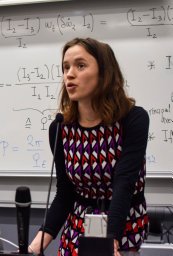 Anna Beukenhorst合作论文数Univ Manchester, Manchester Acad Hlth Sci Ctr, Ctr Epidemiol Versus Arthrit, Manchester, Lancs, England2
 Suvankar Pal合作论文数Centre for Clinical Brain Sciences, Edinburgh Medical School, The University of Edinburgh;UK Dementia Research Institute;NHS Forth Valley2
 Thomas House合作论文数Department of Mathematics, School of Natural Sciences, Faculty of Science and Engineering, The University of Manchester2
 John Ainsworth合作论文数Division of Informatics, Imaging and Data Sciences, School of Health Sciences, Faculty of Biology, Medicine and Health, The University of Manchester2
 Lis Cordingley合作论文数Division of Musculoskeletal and Dermatological Sciences, School of Biological Sciences, Faculty of Biology, Medicine and Health, The University of Manchester2
 K. Ray Chaudhuri合作论文数Parkinson's Disease Non Motor Group;Kings College Hospital;NIHR London South ARC2
 Xiaojing Fan (范小静)合作论文数School of Public Policy and Administration, Xi'an Jiaotong University2
 David Burn合作论文数Faculty of Medical Sciences, Newcastle University2Clare M. Galtrey合作论文数Cambridge Centre for Brain Repair, University of Cambridge2
 Malcolm Maclure合作论文数Department of Anesthesiology, Pharmacology & Therapeutics, Faculty of Medicine, The University of British Columbia2
 Simon Kyle合作论文数Nuffield Department of Clinical Neurosciences, Medical Sciences Division, University of Oxford;Department of Psychiatry, University of Oxford2Lakshmi Nayak合作论文数2
 David S Gibson合作论文数Ophthalmology and Vision Science, Queen's University Belfast2
 Ana Maria Vicedo-Cabrera合作论文数Department of Preventive Medicine, University of Valencia2Antonio Gasparrini合作论文数2Tal El-Hay合作论文数School of Computer Science & Engineering, Hebrew University2Carolyn Gamble合作论文数1
 Martijn van der Eijk合作论文数1Kevin G. McEleney合作论文数1Maggie Burrows合作论文数1Gemma Cummins合作论文数1Susan Moore合作论文数1Jacob G. Ellen合作论文数1
 Huanyuan Luo合作论文数1Susan Mary Moore合作论文数1
 David Selby合作论文数Ctr Musculoskeletal Res, Univ Manchester1
 Huai Leng Pisaniello合作论文数1
 Yaxin Zhao合作论文数1
 James T H Teo合作论文数Kings Coll Hosp NHS Fdn Trust, London, England1Matthew Sperrin合作论文数Division of Informatics, Imaging and Data Sciences, School of Health Sciences, Faculty of Biology, Medicine and Health, The University of Manchester1
 Dilan Athauda合作论文数University College London1
 Tom Warner合作论文数Department of Clinical and Movement Neurosciences, Queen Square Institute of Neurology, University College London;Reta Lila Weston Institute of Neurological Studies, Institute of Neurology, University College London;University College London Hospitals NHS Foundation Trust1




