This review describes the tracking and assessment of eutrophication in boreal lakes, using Finland as an example. The coverage of key ecosystem components sensitive to eutrophication in the ecological status assessment was evaluated. Key approaches for the assessment of these components are reported and discussed to offer a comprehensive view of eutrophication dynamics in Finland as a good example of cold climate regions sensitive to climate change. Our review revealed that, whereas parameters included in the monitoring schemes of the Water Framework Directive (water quality, phytoplankton, benthic invertebrates, macrophytes, and fish) were frequently addressed by Finnish eutrophication studies, other relevant indicators were also included. Such parameters include zooplankton and the overall quality of the sediment, which offer key insights into internal nutrient loading and help define a lake's reference conditions. The discussion highlights overlooked issues in ecological assessments and offers recommendations for improving eutrophication assessment and guiding future monitoring and research.
Species Distribution Models (SDMs) are frequently applied in ecological research, but geographic transferability of SDMs holds major uncertainties. Here, we assess the cross-realm (sea to lake) geographic transferability of four SDM methods: Generalized Linear Models (GLMs), Generalized Additive Models (GAMs), Boosted Regression Trees (BRTs), and Bayesian Additive Regression Trees (BARTs) predicting occurrences of freshwater macrophytes from brackish water sea area (Bothnian Bay) to a freshwater lake environment in Finland. We found that the SDM method applied did not affect model transferability, and majority of the variation in transferability performance was associated with species. For most species model transferability was low, but reasonably good on one third of the species modelled, which had similar prevalences in both marine and freshwater data. These were emergent species or species growing close to shoreline, which presumably share similar environmental niche in terms of growing depth and water turbidity between the two environments. Generally, models which had high interpolation performance, also had higher transferability, but this relationship was not dependent on the SDM method applied. Our results suggest that species prevalence and species-specific characteristics, such as growth form, life history traits and ecological niche, are main contributors to geographic transferability of SDMs.
There is a lack of empirical evidence on how biotic and abiotic mechanisms interact to structure freshwater metacommunities. We explored using Hierarchical Modelling of Species Communities whether consistent species-to-species associations remain after accounting for species’ different responses to environmental and spatial variation in lake macrophyte communities across seven regions. We found that environmental filtering, a concept suggesting that the abiotic environment selects species with similar trait values within communities, was the primary mechanism structuring these metacommunities. Variance explained by environmental features varied from one region to another, showing context dependency. Species functional traits explained a relatively modest proportion of the total variation in species occurrences and species niches; however, environmental features had a statistically significant contribution to individual species traits. Phylogenetic signals were generally weak, and species-to-species associations showed context dependency across study regions. Alien-invasive species showed mostly negative associations with native species, whereas positive relationships between alien-invasive species were also evidenced. Moreover, we did not find any relationship between certain known alien-invasive and native species. Overall, metacommunity research in freshwater ecosystems should more resolutely integrate potential biotic interactions to future investigations to comprehensively understand the interplay between environmental factors, dispersal and biotic interactions in shaping freshwater community dynamics.
This report provides a showcase of three essential biodiversity variables (EBVs) related to the EU Water Framework Directive (WFD) and possible synergies with other EU policies. The report consists of two major parts: the species level EBV on macrophyte species in Nordic lakes and the community condition EBVs for phytoplankton in lakes and benthic invertebrates in rivers based on their deviation from reference conditions measured by Ecological Quality Ratios (EQR-values). The macrophytes species modelling predicts species distribution for two species (Isoetes lacustris and Potamogeton lucens) selected from a dataset of more than 2000 lakes and close to 100 single species. The model is based on observations of each species occurrence and abiotic co-variates (alkalinity, temperature, phosphorus-concentration) from the same lakes identifying the niche for each species. The outputs of the model show all lakes where each of the species potentially can occur. The model is also used to predict impacts of nutrient pollution on the species distribution of each species, showing a clear reduction in their distribution range. The community condition EBVs are based on data reported annually by countries to the European level (EEA). The data are used to assess community condition and trends, showing a recent improvement of condition for water bodies that were in poor or bad condition in 2015, thereby demonstrating the positive effect of mitigation measure to nutrient and organic pollution. Interactive dashboards showing maps and timeseries are developed and fully accessible. Initial analysis of land-use effects shows a negative impact on the condition in areas with > 30% agriculture and > 10% urban areas.
Sustainable management of lakes requires us to overcome ecological, economic, and social challenges. These challenges can be addressed by focusing on achieving ecological improvement within a multifaceted, co‐beneficial context. In‐lake restoration measures may promote more rapid ecosystem responses than is feasible with catchment measures alone, even if multiple interventions are needed. In particular, we identify restoration methods that support the overarching societal target of a circular economy through the use of nutrients, sediments, or biomass that are removed from a lake, in agriculture, as food, or for biogas production. In this emerging field of sustainable restoration techniques, we show examples, discuss benefits and pitfalls, and flag areas for further research and development. Each lake should be assessed individually to ensure that restoration approaches will effectively address lake‐specific problems, do not harm the target lake or downstream ecosystems, are cost‐effective, promote delivery of valuable ecosystem services, minimize conflicts in public interests, and eliminate the necessity for repeated interventions. Achieving optimal, sustainable results from lake restoration relies on multidisciplinary research and close interactions between environmental, social, political, and economic sectors. This article is categorized under: Science of Water > Water Quality Water and Life > Stresses and Pressures on Ecosystems Water and Life > Conservation, Management, and Awareness
The change in the global energy production mix towards variable renewable energy sources requires efficient utilization of regulated rivers to optimise hydropower operations meet the needs of a changing energy market. However, the flexible operation of hydropower plants causes non-natural, sub-daily fluctuating flows in the receiving water bodies, often referred to as ‘hydropeaking’. Drastic changes in sub-daily flow regimes undermine attempts to improve river system health. Environmental decision makers, including permitting authorities and river basin managers facing the intense and increasing pressure on river environments, should consider ecosystem services and biodiversity issues more thoroughly. The need for research innovations in hydropeaking operation design to fulfil both the water and energy security responsibilities of hydropower is highlighted. Our paper outlines optimized hydropeaking design as a future research direction to help researchers, managers, and decision-makers prioritize actions that could enable better integration of river science and energy system planning. The goal of this is to find a balanced hydropower operation strategy.
Hydropower is a flexible form of electricity generation providing both baseload and balancing power to accommodate intermittent renewables in the energy mix. However, hydropower also generates various externalities. This study investigates individuals' preferences for policies aiming to reduce short-term regulations (i.e., hydropeaking in regulated rivers) while accounting for associated externalities with a discrete choice experiment. This is the first valuation study focusing on hydropeaking that considers both negative and positive externalities. The results imply that most individuals prefer stronger restrictions on short-term regulations to mitigate local environmental impacts. Individuals especially value improvements in recreational use, fish stocks, and the ecological state. On the other hand, potential increases in CO2 emissions are linked with a clear disutility. The estimated benefits obtained from an improved state of the river environment due to such restrictions exceed the disutility caused by increased CO2 emissions. The results also reveal unobserved preference heterogeneity among individuals, which should be accounted for in the willingness-to-pay (WTP) estimation using a model specification with correlated utility coefficients. Overall, the findings can inform policy-makers and environmental managers on the economic value of hydropeaking externalities and further guide the sustainable management of rivers regulated for hydropower generation.
Detecting human impact on freshwater ecosystems is problematic without rigorous assessment of temporal changes. Assessments of mining impacts are further complicated by the strong influence of local catchment geology on surface waters even in unmined environments. Such influence cannot be effectively considered by using broad-scale reference frameworks based on regionalization and stream types. Using the BACI (Before-After Control-Impact) design, we examined the impact of mining discharges on freshwater algae and macroinvertebrate communities resulting from the rerouting of treated wastewaters through a pipeline to larger water bodies in Northern and North-Eastern Finland. Impacted sites and control sites were sampled 1 to 2 years before and 1 to 3 years after the pipelines became operational. Stream diatom communities recovered from past loadings upstream of the pipeline (which was no longer impacted by wastewaters) after rerouting of the wastewaters, while no changes downstream from the pipeline were detected. Upstream from the pipeline, diatom species richness increased and changes in relative abundances of the most common diatom taxa as well as in the overall community composition were observed. The effects of the pipeline were less evident for stream macroinvertebrate communities. There was an indication that regional reference conditions used in national biomonitoring may not represent diatom communities in areas with a strong geochemical background influence. Lake profundal macroinvertebrate communities were impacted by past loadings before the construction of the pipeline, and the influence of the pipeline was observed only as changes in the abundances of a few individual species such as phantom midges (which increased in abundance in response to discharges directed through the pipeline). Our results highlight the variable influence of mining discharges on aquatic communities. Statistically strong monitoring programmes, such as BACI designs, are clearly needed to detect these influences.
In Northern Finland, the most significant land use challenges are related to bioenergy production from peat extraction and forest biomass. Increasing societal demand for bioenergy may increase production rates. However, environmental impacts of peat extraction are of increasing concern, which has led to a decline in production, thereby freeing up these areas for other uses. Using storylines for different societal futures and process-based models (PERSiST and INCA), we simulated the effect of simultaneous land use change and climate change on water quality (phosphorus, nitrogen and suspended sediments concentration). Conversion of peat extraction areas to arable land, together with climate change, may pose a risk for deterioration of ecological status. On the other hand, continuous forestry may have positive impacts on water quality. Suspended sediment concentrations in the river do not exceed water quality requirements for salmonids, but nitrogen concentrations may exceed threshold values especially during high flows. A storyline emphasizing sustainable development in energy pro-duction led to the best outcome in terms of water protection.
Future development of bioeconomy is expected to change land use in the Nordic countries in agriculture and forestry. The changes are likely to affect water quality due to changes in nutrient run-off. To explore possible future land-use changes and their environmental impact, stakeholders and experts from four Nordic countries (Denmark, Finland, Norway and Sweden) were consulted. The methodological framework for the consultation was to identify a set of relevant land-use attributes for agriculture and forestry, e.g. tillage conservation effort, fertiliser use, animal husbandry, biogas production from manure, forestry management options, and implementation of mitigation measures, including protection of sensitive areas. The stakeholders and experts provided their opinions on how these attributes might change in terms of their environmental impacts on water quality given five Nordic bioeconomic scenarios (sustainability, business as usual, self-sufficiency, cities first and maximizing economic growth). A compilation methodology was developed to allow comparing and merging the stakeholder and expert opinions for each attribute and scenario. The compiled opinions for agriculture and forestry suggest that the business-as-usual scenario may slightly decrease the current environmental impact for most attributes due to new technologies, but that the sustainability scenario would be the only option to achieve a clear environmental improvement. In contrast, for the self-sufficiency scenario, as well as the maximum growth scenario, a deterioration of the environment and water quality was expected for most of the attributes. The results from the stakeholder consultations are used as inputs to models for estimating the impact of the land-use attributes and scenarios on nutrient run-off from catchments in the Nordic countries (as reported in other papers in this special issue). Furthermore, these results will facilitate policy level discussions concerning how to facilitate the shift to bioeconomy with increasing biomass exploitation without deteriorating water quality and ecological status in Nordic rivers and lakes.
This paper synthesizes a five-year project (BIOWATER) that assessed the effects of a developing bioeconomy on Nordic freshwaters. We used a catchment perspective and combined several approaches: comparative analyses of long-term data sets from well-monitored catchments (agricultural, with forestry, and near pristine) across Fennoscandia, catchment biogeochemical modelling and ecosystem services assessment for integration. Various mitigation measures were also studied. Benchmark Shared Socio-economic Pathways were downscaled and articulated in dialogue with national stakeholder representatives leading to five Nordic Bioeconomy Pathways (NBPs) describing plausible but different trajectories of societal development towards 2050.These were then used for catchment modelling and ecosystem service assessment. Key findings from the work synthesized here are: (a) The monitoring results from 69 catchments demonstrate that agricultural lands exported an order of magnitude more nutrients than natural catchments (medians 44 vs 4 kg P km-2 y-1 and 1450 vs 139 kg N km-2 y-1) whilst forests were intermediate (7 kg P km-2 y-1 and 200 kg N km-2 y-1). (b) Our contrasting scenarios led to substantial differences in land use patterns, which affected river flow as well as nutrient loads in two of the four modelled catchments (Danish Odense angstrom and Norwegian Skuterud), but not in two others (Swedish catchment C6 and Finnish Simojoki). (c) Strongly contrasting scenarios (NBP1 maximizing resource circularity versus NBP5 maximizing short-term profit) were found to lead to similar monetary estimates of total societal benefits, though for different underlying reasons - a pattern similar across the six studied Nordic catchments. (d) The ecological status of small to medium sized rivers in agricultural landscapes benefitted greatly from an increase in riparian forest cover from 10 % to 60 %. Riparian buffer strips, constructed wetlands, rewetting of ditched peatlands, and similar nature-based solutions optimize natural biogeochemical processes and thus can help in mitigating negative impacts of intensified biomass removal on water quality.
The characterization of lake hydromorphology is crucial to understand the dynamics of biodiversity. In Europe, it is also a regulatory requirement of the Water Framework Directive. However, according to the literature, few methods include this characterization. The aim of this study is to review the state of the art of the methods currently used or under development in European countries to assess lake hydromorphological status for the implementation of the WFD. Our analysis is based on responses to a questionnaire distributed to national experts on hydromorphology of the 28 countries implementing the WFD. Our results highlighted significant progress in the assessment of hydromorphological features and processes. Water level regime, through the range of water flow or existing water management, and structure of the shore zone through macrophytes and substrate characteristics or measurement of lateral connectivity, are the most frequently assessed features. Stratification, surface/groundwater connection and planform pattern are the lake features most frequently omitted from the methods. However, in most of the countries, the development of methods was still in progress to meet the WFD requirement. Definition of reference condition is a central component of all WFD compliant assessment tools but this is a challenge particularly in the assessment of hydromorphological alteration of reservoirs. Similarly, demonstrating strong links between hydromorphological indicators and biological quality elements remains a challenge with many knowledge gaps still evident. These results highlight the need for rapid collection of new environmental data and the need for conceptual and applied research to make methodological progress in assessing lake hydromorphology and ensuring habitat quality.
Fluctuating energy prices call for short-term river flow regulation at hydropower plants (HPPs), which can lead to hydropeaking - the pulsating water flow downstream from a HPP. Hydropeaking can affect land use areas of regulated rivers and subsequently their socio-recreational ecosystem services (SRESs). These areas often offer a range of services, such as swimming, boating, fishing, hiking, cycling, and berry picking. Such activities hold significant value in Nordic culture and for human wellbeing. We have examined how SRES land use areas are affected by hourly hydropeaking in a reach of the Kemijoki River in Finland. First, we determined the state of hydropeaking in the river by employing two indicators, normalized daily maximum flow difference and sub-daily flow ramping. Next, we looked at the spatiotemporal impacts of peaking hydrology using inundation maps derived from 2D-hydrodynamic modeling and a high-resolution land use map with clearly identified SRES areas. Finally, we examined the hazards to hydraulic safety in the river channel in the context of instream recreation. Our results show that hydropeaking levels in the study area remained consistently high throughout the entire study period, from 2010 to 2021. This was the case in all seasons except for the spring of 2013, 2016 and 2019. We determined that hydropeaking impacts on SRESs are mostly felt in the littoral zone (0.84 km2 i.e., 3.1 % of the study area) during the summer season as 25 % (0.21 km2) of this zone is influenced by hydropeaking. In addition, multiple recreational use areas in this zone, such as beaches, riparian forest, and summer cottages, were found to be affected by hydropeaking. The results show that most of the river channel becomes hydraulically unsafe during high ramping flows. The highest hazard to instream recreation opportunities is likely to occur during summer. Consequently, hydropeaking can threaten the social and recreational services of Nordic rivers.
Iron (Fe) is an important element in aquatic ecosystems worldwide because it is intimately tied with multiple abiotic and biotic phenomena. Here, we give a survey of manifold influences of Fe, and the key factors affecting it in the boreal catchments and their waters. It includes the perspectives of biogeochemistry, hydrology, ecology, and river basin management. We emphasize views on the dynamics and impacts of different forms of Fe in riverine environments, including organic colloids and particles, as well as inorganic fractions. We also provide perspectives for land use management in boreal catchments and suggest guidelines for decision making and water management. Based on our survey, the main emphases of water protection and management programs should be (i) prevention of Fe mobilization from soil layers by avoiding unnecessary land-use activities and minimizing soil disturbance in high-risk areas; (ii) disconnecting Fe-rich ground water discharge from directly reaching watercourses; and (iii) decreasing transport of Fe to watercourses by applying efficient water pollution control approaches. These approaches may require specific methods that should be given attention depending on catchment conditions in different areas. Finally, we highlight issues requiring additional research on boreal catchments. A key issue is to increase our understanding of the role of Fe in the utilization of DOM in riverine food webs, which are typically highly heterotrophic. More knowledge is needed on the metabolic and behavioral resistance mechanisms that aquatic organisms, such as algae, invertebrates, and fish, have developed to counter the harmful impacts of Fe in rivers with naturally high Fe and DOM concentrations. It is also emphasized that to fulfil the needs presented above, as well as to develop effective methods for decreasing the harmful impacts of Fe in water management, the biogeochemical processes contributing to Fe transport from catchments via rivers to estuaries should be better understood.
Nutrient targets based on pressure-response models are essential for defining ambitions and managing eutrophication. However, the scale of biogeographical variation in these pressure-response relationships is poorly understood, which may hinder eutrophication management in regions where lake ecology is less intensively studied. In this study, we derive ecology-based nutrient targets for five major ecoregions of Europe: Northern, Central-Baltic, Alpine, Mediterranean and Eastern Continental. As a first step, we developed regressions between nutrient concentrations and ecological quality ratios (EQR) based on phytoplankton and macrophyte communities. Significant relationships were established for 13 major lake types; in most cases, these relationships were stronger for phosphorus than for nitrogen, and stronger for phytoplankton than for macrophytes. Using these regressions, we estimated the total phosphorus (TP) and total nitrogen (TN) concentrations at which lakes of different types are likely to achieve good ecological status. However, in the very shallow lakes of the Eastern Continental region, relations between nutrient and biological communities were weak or non-significant. This can be attributed to high nutrient concentrations (in the asymptotic zone of phosphorus-phytoplankton models) suggesting other factors (light, grazing) limit primary production. However, we also show that fish stocking is a major pressure on Eastern Continental lakes, negatively affecting ecological status: lakes with low fish stocking show low chlorophyll-a concentrations and good ecological status despite high nutrient levels, while the lakes with high fish stocking show high chlorophyll-a and low ecological status. This study highlights the need to better understand lakes in biogeographic regions that have been, for historical reasons, less studied. This, in turn, helps reveal factors that challenge the dominant paradigms of lake assessment and management.
Iron (Fe) is an important element in aquatic ecosystems worldwide because it is intimately tied with multiple abiotic and biotic phenomena. Here, we give a survey of manifold influences of Fe, and the key factors affecting it in the boreal catchments and their waters. It includes the perspectives of biogeochemistry, hydrology, ecology, and river basin management. We emphasize views on the dynamics and impacts of different forms of Fe in riverine environments, including organic colloids and particles, as well as inorganic fractions. We also provide perspectives for land use management in boreal catchments and suggest guidelines for decision making and water management. Based on our survey, the main emphases of water protection and management programs should be (i) prevention of Fe mobilization from soil layers by avoiding unnecessary land-use activities and minimizing soil disturbance in high-risk areas; (ii) disconnecting Fe-rich ground water discharge from directly reaching watercourses; and (iii) decreasing transport of Fe to watercourses by applying efficient water pollution control approaches. These approaches may require specific methods that should be given attention depending on catchment conditions in different areas. Finally, we highlight issues requiring additional research on boreal catchments. A key issue is to increase our understanding of the role of Fe in the utilization of DOM in riverine food webs, which are typically highly heterotrophic. More knowledge is needed on the metabolic and behavioral resistance mechanisms that aquatic organisms, such as algae, invertebrates, and fish, have developed to counter the harmful impacts of Fe in rivers with naturally high Fe and DOM concentrations. It is also emphasized that to fulfil the needs presented above, as well as to develop effective methods for decreasing the harmful impacts of Fe in water management, the biogeochemical processes contributing to Fe transport from catchments via rivers to estuaries should be better understood. (c) 2021 The Authors. Published by Elsevier B.V. This is an open access article under the CC BY license (http://creativecommons.org/licenses/by/4.0/).
1. Riparian zones are vital areas of interaction between land and rivers and are often degraded by several pressures such as urbanisation, intensive agriculture and river engineering works. 2. This policy brief provides five key policy messages and recommendations to be considered by policy-makers, scientists, managers, and stakeholders to enhance riparian zone management. 3. Adopting an integrated socio-economic and environmentally dynamic view will ensure the sustainable management of riparian zones. 4. In light of climate change, it is critically important to conserve and/or restore the ecological integrity of riparian zones. 5. European Union Directives and national-scale legislation and regulations need updating to ensure coordinated implementation of riparian zone-related policies. 6. Stakeholder knowledge exchange, policy co-creation and adaptive management are key to enhancing riparian zone functions.
Riparian zones are the paragon of transitional ecosystems, providing critical habitat and ecosystem services that are especially threatened by global change. Following consultation with experts, 10 key challenges were identified to be addressed for riparian vegetation science and management improvement: (1) Create a distinct scientific community by establishing stronger bridges between disciplines; (2) Make riparian vegetation more visible and appreciated in society and policies; (3) Improve knowledge regarding biodiversity-ecosystem functioning links; (4) Manage spatial scale and context-based issues; (5) Improve knowledge on social dimensions of riparian vegetation; (6) Anticipate responses to emergent issues and future trajectories; (7) Enhance tools to quantify and prioritize ecosystem services; (8) Improve numerical modeling and simulation tools; (9) Calibrate methods and increase data availability for better indicators and monitoring practices and transferability; and (10) Undertake scientific validation of best management practices. These challenges are discussed and critiqued here, to guide future research into riparian vegetation. This article is categorized under: Water and Life > Nature of Freshwater Ecosystems Water and Life > Stresses and Pressures on Ecosystems Water and Life > Conservation, Management, and Awareness
Purpose Adsorbent amendment to contaminated sediments is one in situ remediation method to decrease the bioaccessibility of pollutants from the sediments. In this work, alkali-activated blast furnace slag (BFS) granules were used in a field experiment at Lake Kivijärvi (Finland). The lake was heavily affected by a mining accident in 2012, which released a significant peak load of metals and sulfate. The purpose of this work was to evaluate the performance of the novel amendment material for in situ remediation in real conditions with a preliminary cost estimation. Methods Alkali-activated BFS granules were prepared and characterized for composition, microstructure, and surface properties. Two mesocosms were placed in the lake: one with granule dosing and another without. Sediment and pore water samples were collected after a two-week period. Similar small-scale experiment was performed in laboratory with a three-month duration. Bioaccessibility of metals from sediments was assessed with a three-stage leaching procedure. Results The granules were effective in decreasing the mobility of Fe, Zn, Ni, and Cr in all leaching stages by approximately 50–90% in comparison with unamended sediment in the mesocosm experiment. Laboratory-scale incubation experiments also indicated decreased release of Ba, Co, Ni, Al, Fe, Mg, Mn and S. The estimated material costs were lower than the removal of the contaminated sediments with dredging and off-site treatment. Conclusion The results showed preliminarily the effectiveness of alkaline-activated BFS in the remediation of metal-contaminated sediments in a field experiment. However, topics requiring further study are the leaching of trace elements from the material and impact on the sediment pH.
 Minna Kuoppala合作论文数16Marit Mjelde合作论文数NIVA Gaustadalléen 21 0349 Oslo Norway15
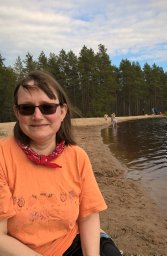 Satu Maaria Karjalainen合作论文数North Ostrobothnia Regional Environment Centre15
 Frauke Ecke合作论文数Luleå University of Technology14
 Juha Riihimaki合作论文数University of Helsinki13
 Hannu Marttila合作论文数Water Resources & Environm Engn, Univ Oulu12
 Agnieszka Kolada合作论文数Institute of Environmental Protection;Department of Freshwater Assessment;Department of Freshwater Assessment, Institute of Environmental Protection12
 Anne Lyche Solheim合作论文数Norwegian Institute for Water Research (NIVA)11
 Bernard Dudley合作论文数11
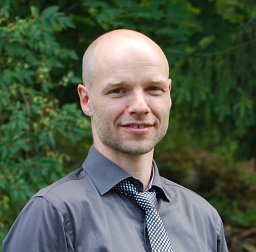 Jukka Aroviita合作论文数University of Jyväskylä, Jyväskylä University11
 Martin Søndergaard合作论文数Department of Ecoscience, Aarhus University9
 Janne Alahuhta合作论文数University of Oulu9
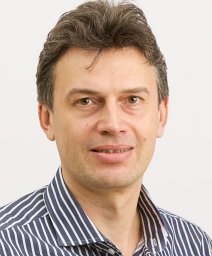 Mika Marttunen合作论文数Finnish Environment Institute9
 W. Ellis Penning合作论文数Centre for Limnology, Netherlands Institute of Ecology (NIOO-KNAW),9
 Jani Heino合作论文数Geography Research Unit, Faculty of Science, University of Oulu8Anne Tarvainen合作论文数8mika visuri合作论文数7
 Annika Vilmi合作论文数Organization Finnish Environment Institute Division7Antton Keto合作论文数7
 Nigel Willby合作论文数University of Stirling7
 Mikko Olin合作论文数Evo Fisheries Research Station Finnish Game and Fisheries Research Institute7Tapio Sutela合作论文数7
 Sandra Poikane合作论文数Joint Research Centre, European Commission7
 Geoff Phillips合作论文数7Antti Kanninen合作论文数6Heikki Hamalainen合作论文数Dept Biol & Environm Sci, Univ Jyvaskyla6
 Georg A. Janauer合作论文数Institut für Pflanzenphysiologie der, Universität Wien6
 Artti Juutinen合作论文数Department of Economics;University of Oulu;Department of Economics, University of Oulu6
 Kari-Matti Vuori合作论文数Central Finland Regional Environment Centre6Sari Partanen合作论文数6
 Teppo Vehanen合作论文数Finnish Game and Fisheries Institute6a h pieterse合作论文数5
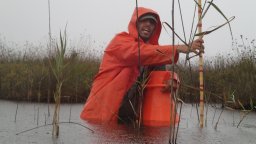 Vincent Bertrin合作论文数UR EABX, INRAE5
 Bjørn Kløve合作论文数Water, Energy and Environmental Engineering Unit, Faculty of Technology, University of Oulu5
 Peeter Noges合作论文数Institute of Agricultural and Environmental Sciences, Estonian University of Life Sciences5
 Laurence Carvalho合作论文数Norwegian Institute for Water Research (NIVA)5
 Katri Rankinen合作论文数Finnish Environment Institute5
 Marko Jarvinen合作论文数SYKE Jyväskylä, University of Jyväskylä5
 Jan E Vermaat合作论文数Vrije Universiteit Institute for Environmental Studies5
 Jenica Hanganu合作论文数DDNI5Tero Väisänen合作论文数5
 Ana Cristina Cardoso合作论文数5
 Kimmo T. Tolonen合作论文数Department of Botany;University of Helsinki;Department of Botany, University of Helsinki5
 Ali Torabi Haghighi合作论文数Islamic Azad University5
 Sari Mitikka合作论文数Finnish Environment Institute5A. Keto合作论文数4
 Pertti Martikainen合作论文数Unversity of Eastern Finland;University of Helsinki4
 Daniel Hering合作论文数Department of Aquatic Ecology, Faculty of Biology, University of Duisburg-Essen4
 Martti Rask合作论文数Evo Game and Fisheries Research, Finnish Game and Fisheries Research Institute4




