Mentor: Kathryn Hutchins Program: Internal Medicine Type: Case Report Background: Listeria Monocytogenes is a rare infection with approximately 800 confirmed cases per year. The pathogen can present as a mild infection but can be more severe in immunocompromised patients. We present a case of invasive listeriosis in an ulcerative colitis patient. Case: A 58-year-old male with a past medical history significant for refractory ulcerative colitis (UC) presented to the emergency department after 3-days of worsening hematochezia and abdominal pain. Patient had transitioned to ustekinumab from infliximab and started a 40 mg prednisone taper two weeks prior due to refractory UC symptoms. On admission, the heart rate was 125, blood pressure was 82/55, and temperature was 102.1. Pertinent labs included white blood cell count 20.8, procalcitonin 0.37, lactic acid 1.7, and CRP <0.5. Patient was given fluids and broad-spectrum antibiotics along with methylprednisolone. CT significant for mild to moderate mural thickening in distal colon and rectum. Gastrointestinal pathogen panel (GIPP) was negative. Flexible sigmoidoscopy revealed diffuse disease consistent with active ulcerative colitis the following day. Two days after admission, 2/2 blood cultures were positive for Listeria Monocytogenes. Infectious disease was consulted, and the patient was treated with ampicillin and gentamicin. Following treatment initiation, hematochezia decreased, and abdominal pain subsided. Patient was discharged on amoxicillin with a continued prednisone taper and mesalamine suppositories without recurrence of symptoms. Conclusion: Patients on immunosuppressive therapy are at higher risk of developing listeriosis. Clinicians should be aware that listeria is not a tested pathogen on GIPP and can present as invasive diarrhea.
There is concern that subvisible aggregates in biotherapeutic drug products pose a risk to patient safety. We investigated the threshold of biotherapeutic aggregates needed to induce immunogenic responses. Highly aggregated samples were tested in cell-based assays and induced cellular responses in a manner that depended on the number of particles. The threshold of immune activation varied by disease state (cancer, rheumatoid arthritis, allergy), concomitant therapies, and particle number. Compared to healthy donors, disease state patients showed an equal or lower response at the late phase (7 days), suggesting they may not have a higher risk of responding to aggregates. Xeno-het mice were used to assess the threshold of immune activation in vivo. Although highly aggregated samples ( 1,600,000 particles/mL) induced a weak and transient immunogenic response in mice, a 100-fold dilution of this sample ( 16,000 particles/mL) did not induce immunogenicity. To confirm this result, subvisible particles (up to 18,000 particles/mL, containing aggregates and silicone oil droplets) produced under representative administration practices (created upon infusion of a drug product through an IV catheter) did not induce a response in cell-based assays or appear to increase the rate of adverse events or immunogenicity during phase 3 clinical trials. The ability of biotherapeutic aggregates to elicit an immune response in vitro, in vivo, and in the clinic depends on high numbers of particles. This suggests that there is a high threshold for aggregates to induce an immunogenic response which is well beyond that seen in standard biotherapeutic drug products.
We report a case of a male in his thirties who presented with rapidly progressive encephalopathy, mediastinal abscess, and multiple ring-enhancing lesions throughout the brain. Extensive evaluation revealed Streptococcus intermedius septic emboli to the brain from dental sources via a right-to-left anatomic shunt. The patient completed an 11-week course of IV antibiotic therapy after which he made a near complete recovery. We provide a comprehensive review of the literature with Streptococcus intermedius CNS septic emboli and source of infection.
Background: The Society for Healthcare Epidemiology of America (SHEA) serves as a national platform for infection prevention and antibiotic stewardship. Like many professional healthcare societies over the last decade, the SHEA has pledged to provide equitable opportunities to individuals in the organization. The impact of these efforts remains undetermined. This study evaluated trends in speaker demographics at the annual SHEA Spring Conference from 2019 to 2022. Methods: SHEA leadership or staff provided demographic information on SHEA members and Spring conference speakers (excluding poster sessions) from 2019 to 2022. We excluded 2020 due to conference cancellation. Data were summarized using descriptive statistics, and χ 2 analysis was used to evaluate changes over time. Individual speakers were compared with member demographics. Self-reported SHEA speaker and member demographics were available for sex, race or ethnicity, age, primary practice setting, and professional degrees. Speaker professional degree was not available for 2022. Results: In total, 447 speaker slots were filled by 218 unique speakers over the 3-year period. The SHEA average annual membership between 2019 and 2022 with self-reported demographics included 55.2% female and 44.8% male members, with race reported as follows: 69.3% White, 21.4% Asian, 6.0% Hispanic or Latino, 2.9% Black, 0.4% American Indian/Alaska Native/Native Hawaiian/Pacific Islander (AIAN/NHPI). However, almost half of the members did not report a race or ethnicity. The SHEA speakers during the same period were 63.5% female and 36.5% male, with 68.2% White, 13.3% Asian, 3.8% Black, 3.4% Hispanic/Latino, and 0.8% AIAN/NHPI. Only 13.4% of speakers did not report race or ethnicity. Every year, there were fewer than 6 speakers in each of the Black, Hispanic or Latino, AIAN/NHPI race or ethnicity categories. In 2019, 49.2% of speakers were aged 41–50 years, compared with 28.6% of members in that age group ( P = 0.0029). By 2022, 35.6% of speakers were aged 41–50 years, compared with 29.3% of members in that age group ( P = .074). In 2021, pharmacists represented 11.9% of speakers compared with 2.9% of members, and members with nondoctoral degrees represented 11.1% of speakers compared with 21.4% of members ( P < .0001). In each year, there was a statistically significant association between primary practice setting and speaker or member representation, with underrepresentation of community or private-practice speakers relative to their proportion of membership: 2019 (7.5% speakers vs 14.3% members), 2021 (6.5% speakers vs 15.2% members), 2022 (4.3% speakers vs 15.7% members) ( P < .05) . Conclusions: Although there has been more equitable speaker age representation and an increase in pharmacist speakers at the SHEA Spring Conference over time, practitioners from community settings and those with nondoctoral degrees remain underrepresented relative to the SHEA membership. Racial or ethnic minoritized individuals remain underrepresented as members and speakers compared with the general US population. Intentional interventions are needed to consistently achieve equitable speaker representation across multiple demographic groups at the SHEA Spring Conference. Disclosures: None
First identified as a viral defense mechanism, clustered regularly interspaced short palindromic repeats (CRISPR) and CRISPR-associated proteins (Cas) has been transformed into a gene-editing tool. It now affords promise in the treatment and potential eradication of a range of divergent genetic, cancer, infectious, and degenerative diseases. Adapting CRISPR-Cas into a programmable endonuclease directed guide RNA (gRNA) has attracted international attention. It was recently awarded the 2020 Nobel Prize in Chemistry. The limitations of this technology have also been identified and work has been made in providing potential remedies. For treatment of the human immunodeficiency virus type one (HIV-1), in particular, a CRISPR-Cas9 approach was adapted to target then eliminate latent proviral DNA. To this end, we reviewed the promise and perils of CRISPR-Cas gene-editing strategies for HIV-1 elimination. Obstacles include precise delivery to reservoir tissue and cell sites of latent HIV-1 as well as assay sensitivity and specificity. The detection and consequent excision of common viral strain sequences and the avoidance of off-target activity will serve to facilitate a final goal of HIV-1 DNA elimination and accelerate testing in infected animals ultimately for use in man.
Severe acute respiratory syndrome coronavirus 2 (SARS-CoV-2) has spread to nearly every corner of the globe, causing societal instability. The resultant coronavirus disease 2019 (COVID-19) leads to fever, sore throat, cough, chest and muscle pain, dyspnoea, confusion, anosmia, ageusia and headache. These can progress to life-threatening respiratory insufficiency, also affecting the heart, kidney, liver and nervous systems. The diagnosis of SARS-CoV-2 infection is often confused with that of influenza and seasonal upper respiratory tract viral infections. Due to available treatment strategies and required containments, rapid diagnosis is mandated. This Review brings clarity to the rapidly growing body of available and in-development diagnostic tests, including nanomaterial-based tools. It serves as a resource guide for scientists, physicians, students and the public at large. This Review highlights the progress that has been made in the development of diagnostic tools for the detection of SARS-CoV-2 in the fight against COVID-19.
A barrier to HIV-1 cure rests in the persistence of proviral DNA in infected CD4+ leukocytes. The high mutation rate of HIV-1 gives rise to numerous circulating strains with increased capacity for immune evasion and antiretroviral drug resistance. To facilitate viral elimination while accounting for this diversity, we propose genetic inactivation of proviral DNA with CRISPR-spCas9. We designed a library of “mosaic gRNAs” against a HIV-1 consensus sequence constructed from 4004 clinical strains, targeting the viral transcriptional regulator tat. Testing in 7 HIV-1 transmitted founder strains led, on average, to viral reductions of 82% with tandem TatD and TatE (TatDE) treatment. No off-target cleavages were recorded. Lentiviral transduction of TatDE attenuated latency reversal by 94% in HIV-infected, transcriptionally silent ACH2 T cells. In all, TatDE guide RNAs successfully disrupted 5 separate HIV-1 exons ( tat 1-2 / rev 1-2 / gp41 ) providing a pathway for CRISPR-directed HIV-1 cure therapies. Significance Statement Over 38 million individuals worldwide are infected with HIV-1, which necessitates lifelong dependence on antiretroviral therapy (ART) to prevent viral replication that leads to AIDS. Efforts to rid hosts of HIV-1 are limited by the virus’ abilities to integrate proviral DNA in nuclei, mutate their genomes, and lay dormant for decades during ART treatment. We developed mosaic guide RNAs, TatD and TatE, for CRISPR-Cas9 that recognize the majority of known HIV-1 strains and inactivate 94% of proviral DNA in latently infected cells. Tandem TatDE-CRISPR inactivation of 5 viral exons (t at 1-2 , rev 1-2 , and gp41 ), which blocked HIV-1 replication for 28 days in CD4+ T cells without unwanted editing to the host genome, may serve as a viable strategy for HIV cure.
Background: Delivery of long-acting nanoformulated antiretroviral drugs (ARVs) to human immunodeficiency virus type one cell and tissue reservoirs underlies next generation antiretroviral therapeutics.Nanotheranostics, comprised of trackable nanoparticle adjuncts, can facilitate ARV delivery through real-time drug tracking made possible through bioimaging platforms.Methods: To model HIV-1 therapeutic delivery, europium sulfide (EuS) nanoprobes were developed, characterized and then deployed to cells, tissues, and rodents.Tests were performed with nanoformulated rilpivirine (NRPV), a non-nucleoside reverse transcriptase inhibitor (NNRTI) used clinically to suppress or prevent HIV-1 infection.First, CD4+ T cells and monocyte-derived macrophages were EuS-treated with and without endocytic blockers to identify nanoprobe uptake into cells.Second, Balb/c mice were co-dosed with NRPV and EuS or lutetium 177 -doped EuS ( 177 LuEuS) theranostic nanoparticles to assess NRPV biodistribution via mass spectrometry.Third, single photon emission computed tomography (SPECT-CT) and magnetic resonance imaging (MRI) bioimaging were used to determine nanotheranostic and NRPV anatomic redistribution over time.Results: EuS nanoprobes and NRPV entered cells through dynamin-dependent pathways.SPECT-CT and MRI identified biodistribution patterns within the reticuloendothelial system for EuS that was coordinate with NRPV trafficking.Conclusions: EuS nanoprobes parallel the uptake and biodistribution of NRPV.These data support their use in modeling NRPV delivery to improve treatment strategies.
The COVID-19 pandemic has affected more than 38 million people world-wide by person to person transmission of the severe acute respiratory syndrome coronavirus 2 (SARS-CoV-2). Therapeutic and preventative strategies for SARS-CoV-2 remains a significant challenge. Within the past several months, effective treatment options have emerged and now include repurposed antivirals, corticosteroids and virus-specific antibodies. The latter has included convalescence plasma and monoclonal antibodies. Complete viral eradication will be achieved through an effective, safe and preventative vaccine. To now provide a comprehensive summary for each of the pharmacotherapeutics and preventative strategies being offered or soon to be developed for SARS-CoV-2.
The SARS-CoV-2 global pandemic has seen rapid spread, disease morbidities and death associated with substantive social, economic and societal impacts. Treatments rely on re-purposed antivirals and immune modulatory agents focusing on attenuating the acute respiratory distress syndrome. No curative therapies exist. Vaccines remain the best hope for disease control and the principal global effort to end the pandemic. Herein, we summarize those developments with a focus on the role played by nanocarrier delivery.
ABSTRACT Infection with severe acute respiratory syndrome coronavirus 2 (SARS-CoV-2) can lead to coronavirus disease 2019 (COVID-19). Virus-specific immunity controls infection, transmission and disease severity. With respect to disease severity, a spectrum of clinical outcomes occur associated with age, genetics, comorbidities and immune responses in an infected person. Dysfunctions in innate and adaptive immunity commonly follow viral infection. These are heralded by altered innate mononuclear phagocyte differentiation, activation, intracellular killing and adaptive memory, effector, and regulatory T cell responses. All of such affect viral clearance and the progression of end-organ disease. Failures to produce effective controlled antiviral immunity leads to life-threatening end-organ disease that is typified by the acute respiratory distress syndrome. The most effective means to contain SARS-CoV-2 infection is by vaccination. While an arsenal of immunomodulators were developed for control of viral infection and subsequent COVID-19 disease, further research is required to enable therapeutic implementation.
Extracellular vesicles (EVs) are the common designation for ectosomes, microparticles and microvesicles serving dominant roles in intercellular communication. Both viable and dying cells release EVs to the extracellular environment for transfer of cell, immune and infectious materials. Defined morphologically as lipid bi-layered structures EVs show molecular, biochemical, distribution, and entry mechanisms similar to viruses within cells and tissues. In recent years their functional capacities have been harnessed to deliver biomolecules and drugs and immunological agents to specific cells and organs of interest or disease. Interest in EVs as putative vaccines or drug delivery vehicles are substantial. The vesicles have properties of receptors nanoassembly on their surface. EVs can interact with specific immunocytes that include antigen presenting cells (dendritic cells and other mononuclear phagocytes) to elicit immune responses or affect tissue and cellular homeostasis or disease. Due to potential advantages like biocompatibility, biodegradation and efficient immune activation, EVs have gained attraction for the development of treatment or a vaccine system against the severe acute respiratory syndrome coronavirus 2 (SARS CoV-2) infection. In this review efforts to use EVs to contain SARS CoV-2 and affect the current viral pandemic are discussed. An emphasis is made on mesenchymal stem cell derived EVs’ as a vaccine candidate delivery system.
Background Alzheimer’s disease (AD) is a progressive neurodegenerative disorder characterized by pathological deposition of misfolded self-protein amyloid beta (Aβ) which in kind facilitates tau aggregation and neurodegeneration. Neuroinflammation is accepted as a key disease driver caused by innate microglia activation. Recently, adaptive immune alterations have been uncovered that begin early and persist throughout the disease. How these occur and whether they can be harnessed to halt disease progress is unclear. We propose that self-antigens would induct autoreactive effector T cells (Teffs) that drive pro-inflammatory and neurodestructive immunity leading to cognitive impairments. Here, we investigated the role of effector immunity and how it could affect cellular-level disease pathobiology in an AD animal model. Methods In this report, we developed and characterized cloned lines of amyloid beta (Aβ) reactive type 1 T helper (Th1) and type 17 Th (Th17) cells to study their role in AD pathogenesis. The cellular phenotype and antigen-specificity of Aβ-specific Th1 and Th17 clones were confirmed using flow cytometry, immunoblot staining and Aβ T cell epitope loaded haplotype-matched major histocompatibility complex II IA b (MHCII-IA b –KLVFFAEDVGSNKGA) tetramer binding. Aβ-Th1 and Aβ-Th17 clones were adoptively transferred into APP/PS1 double-transgenic mice expressing chimeric mouse/human amyloid precursor protein and mutant human presenilin 1, and the mice were assessed for memory impairments. Finally, blood, spleen, lymph nodes and brain were harvested for immunological, biochemical, and histological analyses. Results The propagated Aβ-Th1 and Aβ-Th17 clones were confirmed stable and long-lived. Treatment of APP/PS1 mice with Aβ reactive Teffs accelerated memory impairment and systemic inflammation, increased amyloid burden, elevated microglia activation, and exacerbated neuroinflammation. Both Th1 and Th17 Aβ-reactive Teffs progressed AD pathology by downregulating anti-inflammatory and immunosuppressive regulatory T cells (Tregs) as recorded in the periphery and within the central nervous system. Conclusions These results underscore an important pathological role for CD4+ Teffs in AD progression. We posit that aberrant disease-associated effector T cell immune responses can be controlled. One solution is by Aβ reactive Tregs. Graphical Abstract
Antiretroviral therapy (ART) has improved the quality and duration of life for people living with human immunodeficiency virus (HIV) infection. However, limitations in drug efficacy, emergence of viral mutations and the paucity of cell-tissue targeting remain. We posit that to maximize ART potency and therapeutic outcomes newer drug formulations that reach HIV cellular reservoirs need be created. In a step towards achieving this goal we harnessed the aggregation-induced emission (AIE) property of the non-nucleoside reverse transcriptase inhibitor rilpivirine (RPV) and used it as a platform for drug cell and subcellular tracking. RPV nanocrystals were created with endogenous AIE properties enabling the visualization of intracellular particles in cell and tissue-based assays. The intact drug crystals were easily detected in CD4+ T cells and macrophages, the natural viral target cells, by flow cytometry and ultraperformance liquid chromatography tandem mass spectrometry. We conclude that AIE can be harnessed to monitor cell biodistribution of selective antiretroviral drug nanocrystals.
Severe acute respiratory syndrome coronavirus 2 (SARS-CoV-2) is the etiological agent of coronavirus disease 2019 (COVID-19). SARS-CoV-2, is a positive-sense single-stranded RNA virus with epithelial cell and respiratory system proclivity. Like its predecessor, SARS-CoV, COVID-19 can lead to life-threatening disease. Due to wide geographic impact affecting an extremely high proportion of the world population it was defined by the World Health Organization as a global public health pandemic. The infection is known to readily spread from person-to-person. This occurs through liquid droplets by cough, sneeze, hand-to-mouth-to-eye contact and through contaminated hard surfaces. Close human proximity accelerates SARS-CoV-2 spread. COVID-19 is a systemic disease that can move beyond the lungs by blood-based dissemination to affect multiple organs. These organs include the kidney, liver, muscles, nervous system, and spleen. The primary cause of SARS-CoV-2 mortality is acute respiratory distress syndrome initiated by epithelial infection and alveolar macrophage activation in the lungs. The early cell-based portal for viral entry is through the angiotensin-converting enzyme 2 receptor. Viral origins are zoonotic with genomic linkages to the bat coronaviruses but without an identifiable intermediate animal reservoir. There are currently few therapeutic options, and while many are being tested, although none are effective in curtailing the death rates. There is no available vaccine yet. Intense global efforts have targeted research into a better understanding of the epidemiology, molecular biology, pharmacology, and pathobiology of SARS-CoV-2. These fields of study will provide the insights directed to curtailing this disease outbreak with intense international impact. Graphical Abstract
Human immunodeficiency virus theranostics facilitates the development of long acting (LA) antiretroviral drugs (ARVs) by defining drug-particle cell depots. Optimal drug formulations are made possible based on precise particle composition, structure, shape and size. Through the creation of rod-shaped particles of defined sizes reflective of native LA drugs, theranostic probes can be deployed to measure particle-cell and tissue biodistribution, antiretroviral activities and drug retention. Methods: Herein, we created multimodal rilpivirine (RPV) (177)lutetium labeled bismuth sulfide nanorods ((177)LuBSNRs) then evaluated their structure, morphology, configuration, chemical composition, biological responses and adverse reactions. Particle biodistribution was analyzed by single photon emission computed tomography (SPECT/CT) and laser ablation inductively coupled plasma mass spectrometry (LA-ICP-MS) imaging. Results: Nanoformulated RPV and BSNRs-RPV particles showed comparable physicochemical and cell biological properties. Drug-particle pharmacokinetics (PK) and biodistribution in lymphoid tissue macrophages proved equivalent, one with the other. Rapid particle uptake and tissue distribution were observed, without adverse reactions, in primary blood-derived and tissue macrophages. The latter was seen within the marginal zones of spleen. Conclusions: These data, taken together, support the use of (177)LuBSNRs as theranostic probes as a rapid assessment tool for PK LA ARV measurements.
 Howard E. Gendelman合作论文数Department of Pharmacology and Experimental Neuroscience, College of Medicine, University of Nebraska Medical Center15
 Bhavesh D. Kevadiya合作论文数Council of Scientific and Industrial Research (CSIR),, Central Salt and Marine Chemicals Research Institute13
 Jatin Machhi合作论文数Dept Pharmacol & Expt Neurosci, Univ Nebraska Med Ctr12
 Mahmudul Hasan合作论文数11
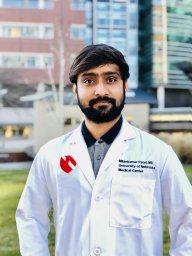 Milankumar Patel合作论文数Department of Pharmacology and Experimental Neuroscience, University of Nebraska Medical Center8
 JoEllyn McMillan合作论文数Department of Pharmacology and Experimental Neuroscience, College of Medicine, University of Nebraska Medical Center8
 Maxim D. Oleynikov合作论文数6
 Dhruvkumar M. Soni合作论文数Dept Pharmaceut Sci, Univ Nebraska Med Ctr6
 Insiya Mukadam合作论文数5
 Srijanee Das合作论文数Department of Pathology and Microbiology, University of Nebraska Medical Center5
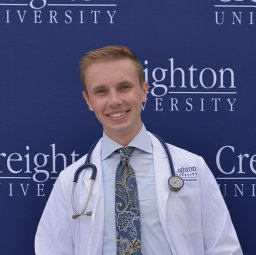 Wilson R. Blomberg合作论文数Dept Pharmacol & Expt Neurosci, Univ Nebraska Med Ctr5
 Benson Edagwa合作论文数Dept Pharmacol & Expt Neurosci, Univ Nebraska Med Ctr5
 Linda Chang合作论文数Department of Diagnostic Radiology and Nuclear Medicine, School of Medicine, University of Maryland;Department of Neurology, School of Medicine, Johns Hopkins University5
 R. Lee Mosley合作论文数Center for Neurovirology and Neurodegenerative Disorders, University of Nebraska Medical Center5Luis Zuniga合作论文数4Kyle J Scholten合作论文数4
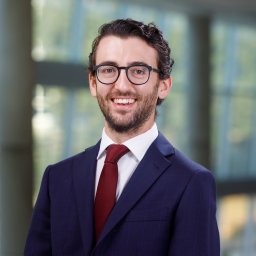 Jacob D Cohen合作论文数Department of Pharmacology and Experimental Neuroscience, University of Nebraska Medical Center4
 Farah Shahjin合作论文数Department of Pharmacology and Experimental Neuroscience, University of Nebraska Medical Center4
 Neha Bajwa合作论文数University Institute of Pharma Sciences (UIPS),, Chandigarh University4Kevin Brittan合作论文数3Pravin Yeapuri合作论文数Dept Pharmaceut Sci, Univ Nebraska Med Ctr3
 James R Hilaire合作论文数Univ Nebraska Med Ctr, Dept Pharmacol & Expt Neurosci, Omaha, NE 68198 USA3
 Ahmed M. Senan合作论文数Glycomics and Glycan Bioengineering Research Center School of Food Science and Technology, Nanjing Agricultural University3Hettie Kenneth S合作论文数Department of Chemistry, University of Missouri3
 Channabasavaiah Basavaraju Gurumurthy合作论文数Department of Genetics, Cell Biology and Anatomy, University of Nebraska Medical Center3Santhi Gorantla合作论文数Department of Pharmacology and Experimental Neuroscience, University of Nebraska Medical Center3
 Vibha Jawa合作论文数Amgen, Inc.3Anandakumar Sarella合作论文数2Melinda Wojtkiewicz合作论文数2Rajashree Chakraborty合作论文数2Robert Eisenberg合作论文数2Chamindie Punyadeera合作论文数2Caroline G Saksena合作论文数2
 Raj Kumar合作论文数2
 Douglas D Meigs合作论文数Department of Pharmacology and Experimental Neuroscience, University of Nebraska Medical Center2
 Preet Amol Singh合作论文数Univ Inst Pharm Sci UIPS, Chandigarh Univ2
 Bhagya Laxmi Dyavar Shetty合作论文数Univ Nebraska Med Ctr, Dept Pharmacol & Expt Neurosci, Omaha, NE 68198 USA2
 Lei Zhou合作论文数2
 David Brooks合作论文数Department of Immunology, Temerty Faculty of Medicine, University of Toronto;Princess Margaret Cancer Centre, University Health Network2
 Ryan F Donnelly合作论文数School of Pharmacy, Queen's University Belfast2
 St Patrick Reid合作论文数2
 Nagsen Gautam合作论文数Dept Pharmaceut Sci, Univ Nebraska Med Ctr2
 Patel Tapan A合作论文数2
 Prasanta Dash合作论文数2
 Das Suvarthi合作论文数Environm Hlth & Dis Lab, Univ S Carolina2
 Katherine E Olson合作论文数2
 Ashish Baldi合作论文数2
 Lalitkumar K. Vora合作论文数Department of Diagnostic Radiology, City of Hope National Medical Center2
 Marcelin Jasmine Riviere合作论文数Department of Medicine, Mayo Clinic2




