Regulatory T cells (Tregs) promote immune tolerance by recognizing non-foreign self-antigens. Consequently, Tregs suppress chronic immune responses and prevent autoimmunity. Chimeric antigen receptor Tregs (CAR Tregs) enhance Treg responses by genetic modification for cell-specific targeting. This can lead to effective treatments for autoimmune diseases, transplant rejection, and graft-versus-host disease. An extension of CAR Tregs involves their potential ability to regulate immune responses to misfolded and aggregated proteins, which drive neurodegenerative diseases. These protein aggregates can trigger immune responses that lead to neural injury. Early preclinical and translational strategies suggest CAR Treg therapies can treat Alzheimer’s disease, Parkinson’s disease, amyotrophic lateral sclerosis, and multiple sclerosis. In each case, a Treg-based approach transforms a neurotoxic, inflammatory environment through neurotrophic responses. By doing so, CAR Tregs may restore brain balance and slow disease progression. This review highlights ongoing efforts to develop CAR Treg strategies as potential therapies for neurodegenerative disorders.
INTRODUCTION:A higher incidence of dementia, including Alzheimer 's-like pathology, is observed in aged people living with HIV-1. However, mechanisms linking HIV-1 to Alzheimer's disease (AD) pathology remain unclear, due to the lack of animal models that allow for concurrent study. METHODS:We created a novel APP knock-in (KI) AD mouse, NOG/APP KM670,671NL /IL-34 (hNAIL) that permits study of progressive brain HIV-1 replication. The mice harbor human microglia-like cells. Four-month-old CD34+ human cell reconstituted mice infected with the HIV-1 ADA strain facilitated studies of HIV-1 replication on AD pathologies. RESULTS:HIV-1 replication increased Aβ levels and reduced synaptic and neuronal integrity. Spatial transcriptomics demonstrated distinct Aβ and HIV-1 transcriptional patterns, whereas dual diseased combinations amplified AD pathology. Neurons showed highest transcriptional change, with genes linked to neuroinflammation, protein trafficking, and synaptic dysfunction. DISCUSSION:The hNAIL mice enable interrogation of HIV-AD comorbidities, with a future potential for the development of novel therapeutic interventions.
Lifelong antiretroviral therapy extends the lifespan of individuals with human immunodeficiency virus (HIV). However, HIV-associated neurocognitive disorders (HAND) remain with age-linked comorbidities. Despite viral suppression, the co-development of Alzheimer's disease (AD) remains a concern. Both HAND and AD share key mechanisms, including chronic neuroinflammation, glial dysfunction, and progressive neurodegeneration. Microglial activation is a key contributor that generates persistent proinflammatory neurotoxins, promoting amyloid-β aggregation, disrupting clearance, and accelerating neurodegeneration. Persistent viral reservoirs and low-level viral protein expression disrupt glial homeostasis, enhancing oxidative stress, tau hyperphosphorylation, and synaptic damage in the brain. This review highlights the intersections between both disorders and discusses emerging rodent models to investigate convergent pathways with the goal of improving therapeutic strategies to preserve cognitive health.
Rationale: Parkinson's disease (PD) is a progressive neurodegenerative disorder that affects movement, muscle control, and balance. Effective therapeutic options for this condition are limited. Natural therapies, including lifestyle changes, probiotics, and muscle relaxants, have received attention for symptomatic relief. Colostrum, particularly its extracellular vesicles (C-EVs), has emerged as a promising nutraceutical with the potential to improve therapeutic outcomes in divergent diseases. Methods: We purified and characterized (C-EVs) as a putative cell-based therapy. Theranostic (biodistribution, diagnostic, and therapeutic) efficacy studies were performed in C-EV-treated mice intoxicated with methyl-4-phenyl-1,2,3,6-tetrahydropyridine (MPTP). The C-EV tissue distribution, anti-inflammatory and neurorestorative activities were examined. These include transcriptomic, immune, and neuroprotective profiles linked to disease outcomes. Results: C-EV-treated MPTP mice showed reduced microglial activation and restored neuronal responses. RNA sequencing and transcriptomic analyses have demonstrated reduced immune cell recruitment and activation in the disease-affected brain subregions. The activation of canonical inflammasomes, pro-inflammatory cytokines, and chemokine expression was controlled. C-EV treatment reduced the levels of disease-associated immune-regulatory transcription factors. Simultaneously, Treg-associated adaptive immune responses increased. Multiple C-EV-miR-isolated immune regulatory cargos are linked to neuroinflammation and nigral preservation. C-EVs loaded with miR-20a-5p, miR-23b-3p, let-7a-5p, miR-22-3p, and miR-30a-3p mimics attenuated pro-inflammatory cytokines in activated microglia. Conclusions: C-EVs elicit neuroprotective responses in MPTP-intoxicated mice. These responses control microglial activation and facilitate neuroprotective responses.
Advances in stem cell transplantation, broadly neutralizing antibodies, ultra-long-acting antiretroviral drugs, therapeutic vaccines, cell engineering, gene therapy, and immune-based molecular therapies have highlighted efforts to cure human immunodeficiency virus type 1 (HIV-1). However, none of these are durable. The challenges to achieve complete viral eradication include durability, accessibility, delivery, off-target effects, and practicality. All approaches, including combinatorial therapies with ultra-long-acting antiretrovirals, broadly neutralizing antibodies, or latency-reversing agents, which reduce reservoir size and achieve durable viral suppression, are discussed. These include key translational insights for clinical relevance. Among these, gene-editing technologies have shown promise in disrupting proviral DNA and delivering targeted therapies by targeting latent reservoirs and host viral receptors. This review examines the scientific, clinical, and ethical considerations, focusing on direct viral excision and co-receptor editing as key strategies for a viral cure.
Parkinson's disease (PD) is a progressive neurodegenerative disorder characterized by the loss of both dopaminergic and non-dopaminergic neurons associated with the accumulation of α-synuclein aggregates and signs of neuroinflammation. This inflammatory aspect of PD neuropathology has led to the hypothesis that the immune system, both adaptive and innate, contributes to the neurodegenerative process. While the adaptive immune system is discussed in detail in another article in this collection, this review focuses on the innate immune system, which includes monocytes, macrophages, microglia, and dendritic cells. We will also discuss the increasingly recognized link between genetic and immune response and the cross talk between peripheral and central immune cells, and its contribution to the overall immune response in PD. Finally, we will propose therapeutic strategies aimed at modulating immunity for neuroprotective and disease-modifying benefits in PD and related disorders.
The connection between immunity and Parkinson’s disease (PD) is well-established. Myeloid immune responses influence the microenvironment of the central nervous system (CNS), which can be modulated by sargramostim, a recombinant granulocyte-macrophage colony-stimulating factor (GM-CSF). Previous studies have demonstrated sargramostim’s neuroprotective effects, which are linked to its safety and tolerability, as well as its ability to regulate innate immunity. Changes in myeloid biomarkers correlate with clinical responses. PD symptoms were assessed using the Unified PD Rating Scale (UPDRS). Ten subjects received sargramostim through subcutaneous injections of 3 µg/kg, administered five days every week. Myeloid biomarkers were measured before treatment and at six and twelve months of treatment. Protein expression by Western blotting and gene expression by transcriptomic analysis was correlated with UPDRS III scores. Recognizing the exploratory nature of this study, patient responses were classified into potent, moderate, or no change groups based on UPDRS III score reductions of 9–13, 5–7, or none, respectively. Biomarkers from all 10 patients identified FOXP3 as a “potential” signature biomarker. The potent responders showed biomarkers linked to autophagy, inflammatory, and antioxidant proteins, including ATG7, HMOX1, RELA, and TLR8. Moderate responders displayed biomarkers associated with RELA and LRRK2. Transcriptomic analysis revealed over 2000 differentially expressed anti-inflammatory, calcium-binding, and epigenetic genes. Among these, genes such as ANXA9, CALM3, CY7B1, HDAC4, HMGB2, NR2F6, PDIA3, REST, SACS and SOX4 were identified as potential predictors of changes in UPDRS III scores. Baseline levels of ATG7, CARD9, and SACS may serve as initial biomarkers to identify subjects likely to respond to sargramostim. Female patients exhibited unique UPDRS III scores in response to sargramostim treatment. Novel cell-based biomarker signatures were identified that may predict responses to sargramostim treatment in this hypothesis-generating study. We acknowledge the inherent study limitations by limited patient numbers. This was reflected in the comparisons offered for the patient sub-groups in the year-long trial. Trial Registration The trial is registered on ClinicalTrials.gov under identifier NCT03790670, dated 01.30.2019. Schematic representation of blood cell isolation by leukapharesis from Parkinson’s disease patients entered in the clinical trial. After centrifugal elutriation, enriched populations of monocytes and lymphocytes were recovered and then used to investigate key biomarkers associated with changes in movement-related functions. Tests were done at entry and after six and 12 months of treatment with Sargramostim. The image has been created by Biorendor.com.
Chronic hepatitis B (CHB) infection is a major risk factor for progressive cirrhosis and hepatocellular carcinoma. Persistent virus-induced inflammation alters liver function, leading to accelerated disease and increased mortality. Although lifelong treatment with nucleos(t)ide analogs (NAs) is highly effective at suppressing viral replication, covalently closed circular DNA (cccDNA) persists in hepatocytes to sustain chronic infection, underscoring the need for better interventions and combination therapies. The durable suppression of viral replication and restoration of immune responses through long-acting (LA) therapies offer a promising strategy for sustained HBV control. We transformed tizoxanide (TIZ), a broad-spectrum anti-infective and immunomodulatory agent, into a LA lipophilic prodrug formulation (NM2TIZ) for intramuscular or subcutaneous administration. NM2TIZ exhibited long-term stability during storage and was evaluated in AAV-HBV mice using monotherapy and combination therapy approaches with an LA tenofovir prodrug formulation (NM5TFV). NM5TFV reduced the HBV DNA levels by >2 log10 fold. Furthermore, coadministration of NM5TFV with M2TIZ reduced the expression of liver inflammasomes and profibrotic markers. The NM5TFV and NM2TIZ combination reduced HBV replication, inflammation, and fibrogenesis in AAV-HBV-transduced mice.
Background: Colostrum extracellular vesicles (C-EVs) are nanoscale, bioactive vesicles with therapeutic potential. The mechanisms of action include the control of cellular and tissue homeostasis. These make C-EVs a novel means to control inflammatory and cellular dysfunctions. However, a limitation for their broad use is the ease of C-EV isolation and in ensuring their stability. Methods: Standard ultracentrifugation and gradient techniques used for EV recovery were employed, which included ultracentrifugation. Exodus dual-frequency ultrasonic nanofiltration (UNF) was a comparator used to overcome standard limitations by recovering pure vesicles at high concentrations. Both systems were evaluated for their abilities to recover clinical-grade C-EVs with optimal vesicle structural integrity and intact biological functions. Results: This study affirms UNF C-EV recovery by demonstrating intact Alix, CD63, Tsg101, and Flotillin antigens. The EVs maintained an intact bilayer structure with sizes ranging from to 50-200 nm. Functional tests showed preservation of their anti-inflammatory activities by suppression of pro-inflammatory cytokines and the NLRP3 inflammasome, caspase 1, interleukin-1, and 18 and maintaining cellular homeostasis. Processing time, high yield, and functional responses controlled cellular function. Conclusions: These data support the notion that UNF C-EVs can be recovered safely, at high yields, and reproducibly for future clinical applications.
INTRODUCTION:A higher incidence of dementia, including Alzheimer's-like pathology, is observed in aged people living with human immunodeficiency virus-1 (HIV-1). However, mechanisms linking HIV-1 to Alzheimer's disease (AD) pathology remain unclear, due to the lack of animal models that allow for concurrent studies of HIV-1 and AD. METHODS:We created a novel amyloid precursor protein (APP) (Swedish mutation) knock-in (KI) AD mouse on an immunocompromised NOG background, NOG/APPKM670,671NL/IL-34 (NAIL). Following CD34+ hematopoietic stem cell (HSC) reconstitution, humanized hNAIL mice develop human microglia-like cells in the brain and human immune system in the periphery. This allows, for the first time, studies of progressive brain HIV-1 replication in an AD brain. Four-month-old HSC reconstituted mice were infected with the HIV-1ADA strain, and evaluated at 8 weeks post infection to study the role of brain HIV-1 replication on AD-like pathologies. RESULTS:HIV-1 replication increased amyloid-beta (Aβ) load in the brain and reduced synaptic and neuronal integrity. Cell type-specific spatial transcriptomic analysis demonstrated that Aβ and HIV-1 drive distinct transcriptional patterns, whereas dual pathology amplified AD-like pathology. Neurons showed the highest transcriptional change, with genes linked to neuroinflammation, protein trafficking, and synaptic dysfunction. DISCUSSION:The hNAIL mice enable interrogation of HIV-AD comorbidities, with a future potential for the development of novel therapeutic interventions.
Ultra-long-acting (ULA) antiretroviral parenteral formulations, with low injection volumes, high resistance barriers, and short pharmacokinetic (PK) tails, can transform HIV-1 therapeutics. Here, we converted bictegravir (BIC), a potent daily oral antiretroviral drug, into monomeric and homodimeric ester prodrugs. The homodimeric prodrug nanosuspension, NMXBIC, shows sustained plasma BIC levels > 16 times the protein-adjusted 95% inhibitory concentration (PA-IC95) for six months after a single injection in Sprague Dawley rats. The results paralleled a short PK tail with the potential for late dose forgiveness. The monomeric prodrug nanosuspension, NM2BIC, shows lower year-long plasma BIC concentrations above PA-IC95 after a single injection. After repeated injections, NMXBIC and NM2BIC are well tolerated in New Zealand White rabbits. NMXBIC's physicochemical properties and high BIC loading/unit mass of the prodrug contribute to its unique ULA PK profile. These results support its development as a ULA formulation for HIV-1 treatment and prevention.
The intractable and devastating nature of pancreatic ductal adenocarcinoma (PDAC) necessitates an urgent need for novel therapies. This study presents the development of a novel polymer prodrug system for the combination treatment of PDAC, based on an optimized pharmacologically active anti-metastatic macromolecular carrier, PCQ, conjugated with gemcitabine (GEM). Structure-activity relationship evaluations showed that random PCQ copolymers exhibited superior anti-migratory activity compared to the gradient PCQ analogs. GEM was incorporated into the random PCQ copolymers using disulfide linker to prepare a reduction-responsive prodrug, PCQ (r)6-SS-GEM12. The resultant therapeutic system presents a pharmacologically active delivery strategy that targets both the proliferative and the metastatic phenotype in PDAC. The PCQ(r)6-SS-GEM12 prodrug demonstrated a selective release of GEM under the reductive tumor environment leading to a significant inhibition of tumor growth with pronounced anti-metastatic effect. Collectively, our data show that the combination of antimetastatic PCQ and cytotoxic GEM-based reduction-responsive prodrug polymer offers an innovative strategy to treat PDAC.
α(1,3)-exofucosylation is an enzymatic process whereby the monosaccharide L-fucose is added in α(1,3)-linkage onto a pertinent acceptor glycan displayed by a cell membrane glycoprotein or glycolipid. One pertinent acceptor glycan is the terminal trisaccharide unit known as a "sialylated type 2 lactosamine". In this case, α(1,3)-exofucosylation creates the glycan motif sialylated Lewis X (sLeX, CD15 s), the canonical E-selectin binding determinant. At sites of tissue inflammation, endothelial E-selectin enables sLeX-laden blood-borne cells to migrate to, and then extravasate at, diseased sites. Thus, α(1,3)-exofucosylation facilitates T cell tissue infiltration. Considerable data demonstrate the capacity of regulatory T cells (Tregs) to suppress pro-inflammatory processes in the central nervous system. In this review, we describe how α(1,3)-exofucosylation of antigen-specific Tregs can be harnessed to optimize neuroprotection and neurorestoration for both inflammatory and neurodegenerative diseases.
Long-acting (LA) extended-release formulations are revolutionizing treatment and prevention of HIV infection. However, none of the existing LA therapies are active against hepatitis B virus (HBV), a common coinfection with HIV. Managing coinfection requires therapy to be effective against both viruses. Notable candidates are tenofovir (TFV) prodrugs. We have previously developed an LA TFV through a modified lipophilic ProTide strategy. Given the process chemistry challenges presented by amino acid chiral centers in ProTides, a simplified lipophilic amino acid-free crystalline phosphonate prodrug of TFV (M5TFV) has been created. Intramuscular injections of M5TFV nanosuspension (NM5TFV) were well tolerated in Sprague-Dawley rats and HBV transgenic mice. Notably, single doses at 200 and 400 milligrams per kilogram TFV equivalents produced >2.5 log10 reduction in HBV DNA beyond 2 months in transgenic mice. Reductions of covalently closed circular DNA were seen in hepatocyte-like cells. These promising findings support further development of NM5TFV as an ultra-LA formulation.
Neuroimmunity drives the pathophysiology of Parkinson's disease (PD). This disease affects both the central and peripheral nervous systems. The immune system is engaged through the progressive accumulation of alpha-synuclein (α-syn), a driver of immunity and a pathological hallmark of PD. Consequent α-syn-induced immune activation leads to neuronal damage. This leads not only to the activation of microglia within the central nervous system, but also to the recruitment and activation of peripheral immune cells that infiltrate the brain and contribute to a widespread immune response. Moreover, PD-associated genes and risk factors have been increasingly recognized as essential regulators of immune functions. This review summarizes the current understanding of adaptive immunity in PD and explores emerging immunomodulatory strategies that may inform future therapeutic development.
Advancements in antiretroviral therapy (ART) enable those living with the human immunodeficiency virus type one (HIV-1) to lead longer, healthier lives free from disease comorbidities. However, lifelong ART poses challenges. These include social stigma, medication costs, drug accessibility, mental health, and drug-related toxicities. Moreover, ART does not eliminate latent HIV-1 DNA. Viral persistence in tissue and cell reservoirs results in viral rebound after ART interruption. New strategies are required to achieve a functional HIV-1 cure. To excise latent HIV-1, C-X-C motif chemokine receptor 4 (CXCR4) ligand-decorated lymphoid tissue-targeting lipid nanoparticles (LNPs) for CRISPR-Cas9/gRNA delivery are developed. These LNPs enhance mRNA translation and demonstrate CXCR4-mediated improved uptake to eliminate HIV-1 DNA in infected CD4+ T cells. LNPs also facilitate targeted drug delivery, achieving HIV-1 DNA excision in ART-treated, infected humanized mice. This study emphasizes the potential of tissue and cell-targeted LNPs for effective HIV-1 DNA excision.
Antiretroviral therapy (ART) improves the quality of life for those living with the human immunodeficiency virus type one (HIV-1). However, poor compliance reduces ART effectiveness and leads to immune compromise, viral mutations, and disease co-morbidities. Here we develop a drug formulation in which a lipid-based nanoparticle (LBNP) carrying rilpivirine (RPV) is decorated with the C-C chemokine receptor type 5 (CCR5) targeting peptide. This facilitates extended drug persistence within myeloid cells. Particle delivery to viral reservoirs is tracked by positron emission tomography. The CCR5-mediated LBNP cell uptake and retention reduce HIV-1 replication in human monocyte-derived macrophages and infected humanized mice (hu mice). Focused ultrasound with microbubbles mediated blood brain barrier (BBB) disruption allows the CCR5-targeted LBNP to penetrate the BBB and reach brain myeloid cells. These findings offer a role for CCR5-targeted therapeutics in antiretroviral delivery to optimize HIV suppression.
On June 8, 2025, the 29th Scientific Conference of the Society on NeuroImmune Pharmacology (SNIP) hosted a workshop on the Creation, Care, and Translation of Humanized Mouse for HIV/AIDS Research. The workshop was convened by the society officers Drs. Howard E. Gendelman and Santhi Gorantla. A series of four presentations provided details about the generation, care and use of humanized mouse models. The presentation titles and presenters were: (i) "Next-Generation Humanized Mouse Models of HIV/AIDS Research" by Dr. Angela Wahl; (ii) "Advancing Humanized Mice Research Through Shared Resources" by Dr. Jennifer Koblinski; (iii) "NeuroHIV Humanized Mouse Models" by Dr. Santhi Gorantla; and (iv) "Studies on HIV Evolution, Latency, and Elite Control in Humanized Mice" by Dr. Ramesh Akkina. The presentations were followed by a discussion with workshop participants led by Dr. Paul W. Denton. Presentation summaries are provided in this report and are followed by questions offered by workshop participants alongside panel responses.
The 29th Scientific Conference of the Society on Neuroimmune Pharmacology (SNIP) in Omaha, NE, will occur from June 8th to 11th, 2025. This four-day conference showcases world-renowned biomedical research, providing insights into the latest advancements in the intersecting fields of neuroscience, immunology, pharmacology, and virology. Presentation abstracts are organized into sections that include early career development investigators, mouse models, neurodegenerative diseases, therapeutics, substance use disorders, counseling, drug targeting, disease pathobiology, Blood-Brain Barrier integrity, educational opportunities, young investigator talks, and translational medicine. SNIP remains the sole global meeting dedicated to neuroimmune pharmacology. The focus of research centers on how the neuroimmune axis connects drug abuse, inflammation, and brain functional integrity. The conference features several plenary speakers who have made unique and significant contributions to their fields alongside renowned physician-scientists and luminaries. Symposia will include the SNIP Presidential Symposium on Pathobiology and Novel Therapies for Neurodegenerative Diseases, Ultra Long-Acting Medicines, Development and Delivery of Diagnostic and Therapeutic Biomarkers to disease regions, overcoming barriers to treating neurological disorders, neuroinflammation, and reward pathways for addiction, as well as neuron-glia interaction. All presentations are framed within the context of microbial infections, drugs of abuse, and therapeutics. Therapeutics include nanopharmacology and advances in informatics analysis of multi-omics data to decipher the complex cell and molecular interactions that underpin the function of the nervous system. SNIP member symposia and a local series of presentations will highlight outstanding talent from the University of Nebraska. Additional events include lunch with NIH program officials and a NeuroImmune Pharmacology and Therapeutics Journal dinner. The goal is to unite investigators from diverse basic, clinical, and translational fields to discuss and advance our understanding of the multifactorial impact of substance abuse, inflammation, and infections critical to human health. We aim to engage and mentor young investigators in neuroimmune pharmacology and disseminate information presented at the conference to the scientific community, the general public, and healthcare providers. Cultivating the next generation of scientists is vital to our mission. The agenda encompasses early-career investigator presentations, poster sessions, meet-the-mentors luncheons, and a special panel of junior faculty. The conference also provides an enriching environment for scientists and clinicians to share ideas, foster the next generation of scientists, and promote current disease pathobiology and therapeutics trends. Opportunities to visit the Omaha zoo will be available with guest passes. We thank Dr. Carol Swarts, the Robert Eisenberg Family, Howard Kooper, the Gendelman Family Research Endowment, Fisher Scientific, Amy Sather, and the research community for sponsoring this meeting and its exchanges.
INTRODUCTION:Transgenic mice overexpressing familial Alzheimer's disease (AD) mutations (FAD) show non-physiological traits, and their immunocompetent backgrounds limit their use in AD immunotherapy research. Preclinical models that reflect human immune responses in AD are needed. METHODS:Using CRISPR-Cas9, we developed single (NA) and double (NAPS) knock-in (KI) amyloid precursor protein (APP)KM670,671NL (Swedish) and presenilin 1 (PS 1)M146VFAD mutations on an immunodeficient NOG (NOD.Cg-PrkdcscidIl2rgtm1Sug/JicTac) background. The models were confirmed by Sanger sequencing and evaluated for AD-like pathology. RESULTS:Both NA and NAPS mice developed pathology without overexpression artifacts. Mutation-induced upregulation of APP-CTF-β led to intraneuronal human amyloid beta (Aβ) (6E10) deposits and amyloid-associated microgliosis as early as 3 months, which increased with age. The addition of the PS 1M146V mutation doubled the amyloid load. The models displayed broad neuronal loss, resulting in brain atrophy in older mice. DISCUSSION:These models replicate intraneuronal amyloid pathology and, with human immune reconstitution potential, enable novel studies of human immune responses in AD. HIGHLIGHTS:A novel Alzheimer's disease (AD) knock-in (KI) mouse was developed and characterized on an immunodeficient NOG background. The model provides a platform for human immune studies and the evaluation of immunotherapies for AD. The KI mice demonstrate intraneuronal Aβ deposits and amyloid-associated microglial reactions. KI mice demonstrate extensive neuronal loss. Human immune reconstitution enables studies of infectious AD co-morbidities, such as the human immunodeficiency and herpes simplex viruses.
 R. Lee Mosley合作论文数Center for Neurovirology and Neurodegenerative Disorders, University of Nebraska Medical Center141
 JoEllyn McMillan合作论文数Department of Pharmacology and Experimental Neuroscience, College of Medicine, University of Nebraska Medical Center122
 Santhi Gorantla合作论文数Department of Pharmacology and Experimental Neuroscience, University of Nebraska Medical Center108
 Larisa Poluektova合作论文数Univ Nebraska Med Ctr102
 Benson Edagwa合作论文数Dept Pharmacol & Expt Neurosci, Univ Nebraska Med Ctr76
 Prasanta Dash合作论文数51Yuri Persidsky合作论文数51
 Aditya N. Bade合作论文数University of Nebraska Medical Center, Univ. of Nebraska Medical Center43
 Monte Meltzer合作论文数The Walter Reed Army Institute of Research43
 Michael Boska合作论文数42
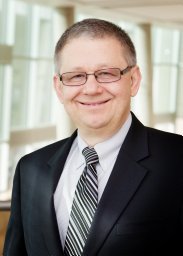 Pawel Ciborowski合作论文数Center for Neurovirology and Neurodegenerative Disorders, University of Nebraska Medical Center41
 Bhavesh D. Kevadiya合作论文数Council of Scientific and Industrial Research (CSIR),, Central Salt and Marine Chemicals Research Institute37
 Harris A. Gelbard合作论文数university of rochester medical center35
 Yazen M Alnouti合作论文数Department of Pharmaceutical Sciences, College of Pharmacy, University of Nebraska Medical Center33Susan Swindells合作论文数Department of Internal Medicine, University of Nebraska Medical Center32
 Jialin Zheng (郑加麟)合作论文数Laboratory of Neurodegenerative Disease and Stem Cell Therapy, School of Medicine, Tongji University30Huanyu Dou合作论文数Department of Pharmacology and Experimental Neuroscience, University of Nebraska Medical Center30
 Jatin Machhi合作论文数Dept Pharmacol & Expt Neurosci, Univ Nebraska Med Ctr29
 Huangui Xiong合作论文数University of Nebraska Medical Center Neurophysiology Laboratory, the Center for Neurovirology and Neurodegenerative Disorders29
 Katherine E Olson合作论文数28
 Howard Fox合作论文数Department of Neurological Sciences, College of Medicine, University of Nebraska Medical Center28
 Yutong Liu合作论文数Logistical Engineering University China, Logistical Engineering University27Yaman Lu合作论文数26
 Tsuneya Ikezu合作论文数Department of Pharmacology and Experimental Neuroscience, University of Nebraska Medical Center26
 Nagsen Gautam合作论文数Dept Pharmaceut Sci, Univ Nebraska Med Ctr25Ashley D. Reynolds合作论文数23
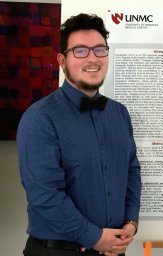 Brady Sillman合作论文数Univ Nebraska Med Ctr, Dept Pharmacol & Expt Neurosci, Omaha, NE 68198 USA22Xinming Liu合作论文数21Pravin Yeapuri合作论文数Dept Pharmaceut Sci, Univ Nebraska Med Ctr21Balkundi Shantanu合作论文数Dept Pharmacol & Expt Neurosci, Univ Nebraska Med Ctr21
 Tatiana Bronich合作论文数Department of Pharmaceutical Science, Bouvé College of Health Sciences, Northeastern University;School of Pharmacy and Pharmaceutical Sciences, Bouvé College of Health Sciences, Northeastern University20
 Irena Kadiu合作论文数Department of Pharmacology and Experimental Neuroscience, University of Nebraska Medical Center20Edward Makarov合作论文数Departments of Pharmacology and Experimental Neuroscience, University of Nebraska Medical Center19
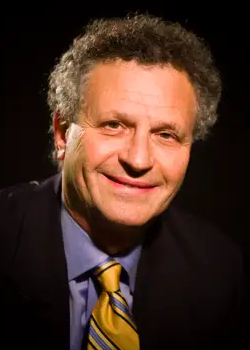 Stuart A. Lipton合作论文数Department of Molecular and Cellular Biology, The Scripps Research Institute;Skaggs Graduate School of Chemical and Biological Sciences, The Scripps Research Institute;Department of Neurosciences/Neurology, School of Medicine, University of California, San Diego17
 Alexander V. Kabanov合作论文数Division of Pharmacoengineering and Molecular Therapeutics, Eshelman School of Pharmacy, The University of North Carolina at Chapel Hil16Stephen Dewhurst合作论文数16Dc Kalter合作论文数15
 Mahmudul Hasan合作论文数15David Stone合作论文数15Rabinow Barrett E合作论文数15Herskovitz Jonathan合作论文数15
 Elena Batrakova合作论文数Eshelman School of Pharmacy, University of North Carolina at Chapel Hill15Anuja Ghorpade合作论文数15
 Zhiyi Lin合作论文数14
 Krista Namminga合作论文数14
 Hang su合作论文数Univ Nebraska Med Ctr, Dept Pharmacol & Expt Neurosci, Omaha, NE USA14
 Milankumar Patel合作论文数Department of Pharmacology and Experimental Neuroscience, University of Nebraska Medical Center14
 Gang Zhang合作论文数Department of Pharmacology and Experimental Neuroscience, University of Nebraska Medical Center14
 Chen Zhang (张臣)合作论文数School of Earth and Space Sciences, Peking University14




