Seed dormancy and germination are tightly regulated by complex signaling networks that integrate internal and external cues, including the endogenous phytohormone abscisic acid (ABA). ABA HYPERSENSITIVE GERMINATION 1 (AHG1), a group A type 2C protein phosphatase (PP2C), is thought to modulate the activity of transcription factors such as ABA INSENSITIVE 5 (ABI5) in seeds and during germination. AHG1 is regulated by DELAY OF GERMINATION 1 (DOG1), a key regulator of seed dormancy, through physical interaction. We previously reported that AHG1 also interacts with ABI FIVE BINDING PROTEIN 2 (AFP2), a member of the AFP family; however, the molecular basis of AHG1-AFP coordination has remained unclear. In this study, we show that AHG1 interacts with all AFP family members and that AFP3 binds AHG1 and ABI5 through adjacent but distinct amino acid residues within its C-domain, allowing simultaneous association with both proteins. In addition, AHG1 modulates the phosphorylation status of AFP3 at Ser60 in a DOG1-dependent manner, suggesting that DOG1-AHG1 regulates AFP3 post-translationally. Transcriptomic analyses of AHG1- or AFP3-overexpressing lines revealed that these factors are associated with the regulation of a shared set of ABA-responsive genes, including AFPs, and that AFP3 overexpression is predominantly associated with altered expression of genes involved in transcriptional regulation. Large-scale protein interaction analyses showed that AFPs interact with multiple classes of transcription factors, suggesting their involvement in diverse regulatory pathways, including ABA signaling. Together, these findings demonstrate that DOG1 regulates ABI5 function and modulates ABA responses, at least in part, by controlling AHG1-mediated dephosphorylation of AFPs.
Plants activate pattern-triggered immunity through key immune components, including pattern recognition receptors (PRRs), receptor-like cytoplasmic kinases (RLCKs), and transcription factors (TFs), to combat pathogens. However, a comprehensive transcriptional overview of these immune regulators at the subfamily level during biotic stress in rice is currently lacking. The aims of this study were to characterize the expression profiles of Oryza sativa (Os)PRRs, OsRLCKs, and OsTFs, and establish a robust pipeline for selecting novel candidate genes involved in plant immunity. We identified differentially expressed genes (DEGs) within these families using transcriptomic data from both rice plants infected with Magnaporthe oryzae infection and rice suspension cells subjected to chitin treatment. Our analysis revealed the transcriptional regulation of well-known immune-related subfamilies of OsPRRs, OsRLCKs, and OsTFs, such as receptor-like kinase-leucine-rich repeat XII (RLK-LRR-XII) and RLCK-VII, and identified several novel subfamilies with high proportions of DEGs that may contribute to pathogen perception and plant defense. We demonstrated that selecting candidates from overlapping DEGs between plant and suspension cell systems is an effective strategy for screening genes involved in rice immunity. Using this pipeline, novel immune regulators were identified, and their functions were confirmed. Two RLCKs, i.e. OsRLCK298 and OsBSR1, act as positive regulators of immunity against rice blast fungus, whereas two TFs, i.e. OsERF65 and OsERF96.2, act as negative regulators. This study provides a valuable transcriptomic resource and establishes a validated pipeline for gene discovery that could be applied to other stress responses and in other plant species.
NLR family proteins act as intracellular receptors. Gene duplication amplifies the number of NLR genes, and subsequent mutations occasionally provide modifications to the second gene that benefits immunity. However, evolutionary processes after gene duplication and functional relationships between duplicated NLRs remain largely unclear. Here, we report that the rice NLR protein Pit1 is associated with its paralogue Pit2. The two are required for the resistance to rice blast fungus but have different functions: Pit1 induces cell death, while Pit2 competitively suppresses Pit1-mediated cell death. During evolution, the suppression of Pit1 by Pit2 was probably generated through positive selection on two fate-determining residues in the NB-ARC domain of Pit2, which account for functional differences between Pit1 and Pit2. Consequently, Pit2 lost its plasma membrane localization but acquired a new function to interfere with Pit1 in the cytosol. These findings illuminate the evolutionary trajectory of tandemly duplicated NLR genes after gene duplication.
Small signalling peptides play important roles in various plant processes, but information regarding their involvement in plant immunity is limited. We previously identified a novel small secreted protein in rice, called immune response peptide 1 (IRP1). Here, we studied the function of IRP1 in rice immunity. Rice plants overexpressing IRP1 enhanced resistance to the virulent rice blast fungus. Application of synthetic IRP1 to rice suspension cells triggered the expression of IRP1 itself and the defence gene phenylalanine ammonia-lyase 1 (PAL1). RNA-seq results revealed that 84% of genes up-regulated by IRP1, including 13 OsWRKY transcription factors, were also induced by a microbe-associated molecular pattern (MAMP), chitin, indicating that IRP1 and chitin share a similar signalling pathway. Co-treatment with chitin and IRP1 elevated the expression level of PAL1 and OsWRKYs in an additive manner. The increased chitin concentration arrested the induction of IRP1 and PAL1 expression by IRP1, but did not affect IRP1-triggered mitogen-activated protein kinases (MAPKs) activation. Collectively, our findings indicate that IRP1 functions as a phytocytokine in rice immunity regulating MAPKs and OsWRKYs that can amplify chitin and other signalling pathways, and provide new insights into how MAMPs and phytocytokines cooperatively regulate rice immunity.
To utilize a transposon-tagged mutant as a breeding material in rice, an endogenous DNA transposon, nDart1-0, was introduced into Koshihikari by successive backcrossing together with aDart1-27, an active autonomous element. The founder line for nDart1-tagged lines of Koshihikari carried nDart1-0 on chromosome 9 and transposed nDart1-12s on chromosomes 1 and 8 and nDart1-3 on chromosome 11. In nDart1-tagged lines, there were the most abnormal phenotypic mutants and many aberrant chlorophyll mutants at seedling stage. At mature stage, many semi-sterile mutants were observed. Dwarf, reduced culm number and lesion mimic mutants were also found. In total, 43.2% of the lines segregated some phenotypic mutants. Thus, the nDart1-tagged lines of Koshihikari are expected to be potentially useful for screening stress-tolerant mutants under abiotic or biotic stress conditions.
Sporobolus virginicus is a halophytic C4 grass found worldwide, from tropical to warm temperate regions. One Japanese genotype showed a salinity tolerance up to 1.5 M NaCl, a three-fold higher concentration than the salinity of sea water. To identify the key genes involved in the regulation of salt tolerance in S. virginicus, we produced 3500 independent transgenic Arabidopsis lines expressing random cDNA from S. virginicus and screened 10 lines which showed enhanced salt tolerance compared with the wild type in a medium containing 150 mM NaCl. Among the selected lines, two contained cDNA coding glycine-rich RNA-binding proteins (SvGRP1 and SvGRP2). This is the first reports on the function of GRPs from halophytes in salt tolerance though reports have shown GRPs are involved in diverse biological and biochemical processes including salt tolerance in Arabidopsis and some other glycophytes. Transcriptomic analysis and GO enrichment analysis of SvGRP1-expressing Arabidopsis under salt stress revealed upregulation of polyol and downregulation of glucosinolate and indole acetic acid biosynthesis/metabolic pathways. Metabolomic analysis of the SvGRP1-transformant suggested that the increase in 3-aminoppropanoic acid, citramalic acid, and isocitric acid content was associated with enhanced salt tolerance. These findings could provide novel insight into the roles of GRPs in plant salt tolerance.
Dart1-24, one of the 37 autonomous DNA transposon Dart1s, was heritably activated by the demethylation of the 5′ region following 5-azaC treatment of rice seeds.
Starch is a biologically and commercially important polymer of glucose. Starch is organized into starch grains (SGs) inside amyloplasts. The SG size differs depending on the plant species and is one of the most important factors for industrial applications of starch. There is limited information on genetic factors regulating SG sizes. In this study, we report the rice (Oryza sativa) mutant substandard starch grain6 (ssg6), which develops enlarged SGs in endosperm. Enlarged SGs are observed starting at 3 d after flowering. During endosperm development, a number of smaller SGs appear and coexist with enlarged SGs in the same cells. The ssg6 mutation also affects SG morphologies in pollen. The SSG6 gene was identified by map-based cloning and microarray analysis. SSG6 encodes a protein homologous to aminotransferase. SSG6 differs from other rice homologs in that it has a transmembrane domain. SSG6-green fluorescent protein is localized in the amyloplast membrane surrounding SGs in rice endosperm, pollen, and pericarp. The results of this study suggest that SSG6 is a novel protein that controls SG size. SSG6 will be a useful molecular tool for future starch breeding and applications.
Starch grain size is an important factor for industrial applications of starch and is affected by a novel amyloplast membrane protein. Starch is a biologically and commercially important polymer of glucose. Starch is organized into starch grains (SGs) inside amyloplasts. The SG size differs depending on the plant species and is one of the most important factors for industrial applications of starch. There is limited information on genetic factors regulating SG sizes. In this study, we report the rice (Oryza sativa) mutant substandard starch grain6 (ssg6), which develops enlarged SGs in endosperm. Enlarged SGs are observed starting at 3 d after flowering. During endosperm development, a number of smaller SGs appear and coexist with enlarged SGs in the same cells. The ssg6 mutation also affects SG morphologies in pollen. The SSG6 gene was identified by map-based cloning and microarray analysis. SSG6 encodes a protein homologous to aminotransferase. SSG6 differs from other rice homologs in that it has a transmembrane domain. SSG6-green fluorescent protein is localized in the amyloplast membrane surrounding SGs in rice endosperm, pollen, and pericarp. The results of this study suggest that SSG6 is a novel protein that controls SG size. SSG6 will be a useful molecular tool for future starch breeding and applications.
An endogenous 0.6-kb rice DNA transposon, nDart1 , has been identified as a causative element of a spontaneous mutable virescent allele pyl-v conferring pale-yellow leaves with dark-green sectors in the seedlings, due to somatic excision of nDart1 integrated into the OsClpP5 gene encoding the nuclear-coded chloroplast protease. As the transposition of nDart1 depends on the presence of an active autonomous aDart element in the genome, the plants exhibiting the leaf variegation carry the active aDart element. As several mutable alleles caused by nDart1 insertions have subsequently been identified, nDart1 -promoted gene tagging has been proven to be an effective system. At present, the nDart/aDart system appears to be the only endogenous rice DNA transposon system whose transposition activity can be controlled under natural growth conditions without any artificial treatments, including tissue cultures. To apply the nDart/aDart tagging system in various cultivated rice varieties, we explored the presence and distribution of an active autonomous aDart element in 19 temperate japonica, 30 tropical japonica, and 51 indica varieties. Only eight temperate japonica varieties were found to bear a single copy of an active aDart element, and no aDart activity could be detected in the indica varieties examined. Six of seven japonica varieties appear to carry the active aDart element at the identical site on chromosome 6, whereas the remaining one contains aDart on chromosome 5. Leaf variegations in the plants with the mutable pyl-v allele and the excision frequencies of endogenous nDart1 elements indicated that the aDart element on chromosome 6 is more active than that on chromosome 5. The findings described here are an important step in the development of a new and efficient nDart1 -promoted gene-tagging system in various rice cultivars.
 Masahiko Maekawa合作论文数Kindai University6
 Kazuo Tsugane合作论文数5
 Yoji Kawano (河野洋治)合作论文数Institute of Plant Science and Resources, Okayama University2
 Naoko Crofts合作论文数Department of Biological Production, Akita Prefectural University2Shigeru Iida合作论文数2Huimin Jia (贾慧敏)合作论文数2
 Eiko Himi合作论文数2Hidekazu Takahashi合作论文数1Soichi Ozaki合作论文数1mami okamoto合作论文数1Kentaro Yano合作论文数1Pingyu Wang合作论文数1
 Daisuke Miki合作论文数Center of Excellence in Molecular Plant Sciences, Chinese Academy of Sciences;University of Chinese Academy of Sciences1Mika Tsugane合作论文数1Qiong Wang合作论文数1
 Alfino Sebastian合作论文数Gadjah Mada University1Kazuya Ishikawa合作论文数1Mika Hayashi-Tsugane合作论文数1
 Masayuki Fujiwara合作论文数Nara Inst Sci & Technol, Grad Sch Biol Sci, Plant Sci Educ Unit, Nara 6300101, Japan1
 Nisar Ahmed合作论文数1Ting Guo合作论文数1Takamitsu Kurusu合作论文数1
 Fumi Fukada合作论文数1
 Yu-Ying Li (李玉英)合作论文数1
 Ryohei Terauchi (寺内良平)合作论文数Graduate School of Agriculture, Kyoto University;Laboratory of Crop Evolution, Kyoto University;Iwate Biotechnology Research Center1
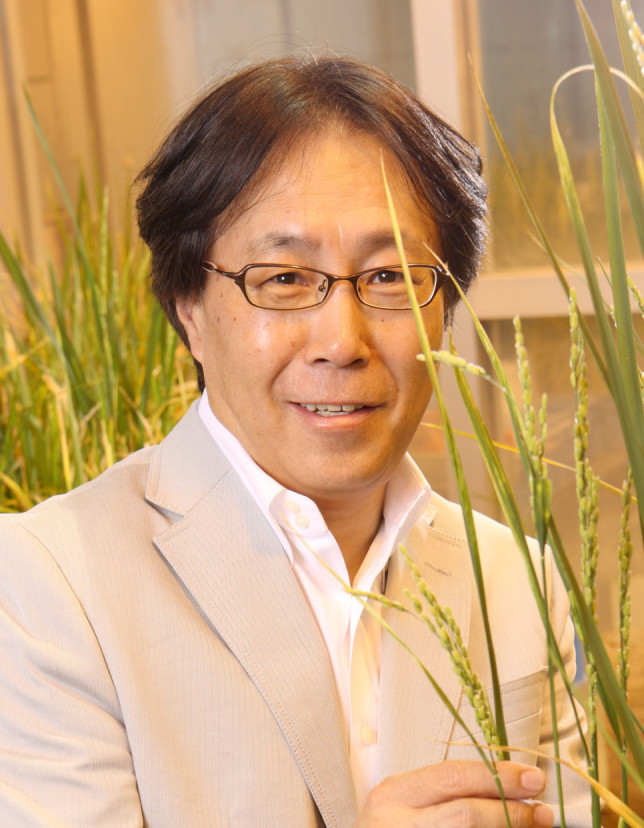 Ko Shimamoto合作论文数Laboratory of Plant Molecular Genetics, Graduate School of Biological Sciences, Nara Institute of Science and Technology1
 Masami Yokota Hirai合作论文数RIKEN Center for Sustainable Resource Science, Metabolic Systems Research Team;Nagoya University1Hideki Kondo合作论文数Inst Plant Sci & Resources, Okayama Univ1
 Maki Katsuhara (且原真木)合作论文数Institute of Plant Science and Resources, Okayama University1Terashima Shin合作论文数1Endo Chisato合作论文数1
 Wataru Sakamoto (坂本亘)合作论文数Institute of Plant Science and Resources, Okayama University1Kaneko-Kawano Takako合作论文数1Shimizu Motoki合作论文数1Komatsubara Shiho合作论文数1
 Kosami Ken-ichi合作论文数Institute for Protein Research, Osaka University1
 Qingfeng Niu合作论文数1Muneo Sato合作论文数1
 Rod A. Wing合作论文数Division of Biological and Environmental Science and Engineering, King Abdullah University of Science and Technology;Center for Desert Agriculture, King Abdullah University of Science and Technology1
 Kentaro Yoshida合作论文数1
 Zhengguo Li (李正国)合作论文数School of Life Sciences, Chongqing University1
 Yuanyuan Zhang (张媛媛)合作论文数Institute of Botany, The Chinese Academy of Sciences;University of Chinese Academy of Sciences1Yuji Sawada合作论文数1
 Yoichiro Fukao (深尾陽一朗)合作论文数Department of Bioinformatics, College of Life Sciences, Ritsumeikan University1Kazuhide Rikiishi合作论文数1
 Miyako Kusano合作论文数RIKEN Plant Science Center1
 Naoko Fujita合作论文数1Katsura Tomita合作论文数1
 Chojiro Kojima (児嶋長次郎)合作论文数Division of Materials Science and Chemical Engineering, Faculty of Engineering, Yokohama National University1




