This dataset is from a study undertaken to understand pollinator abundance with respect to the shade tree type present in a set of indigenous coffee plantations in the Nilgiris Biosphere Reserve, India.
The Sustainable Development Goals (SDGs) are a major focus for policy globally. Pollinators provide an informative nexus between natural ecosystems and human society, upon which both are highly dependent. Many SDGs are thought to have intrinsic links with pollinators because of their importance to crop production and ecosystem maintenance. However, the magnitude of these relationships, and the reciprocal impact of progress towards these SDGs on pollinators, have not been evaluated. Here, through an expert elicitation approach we quantify bi-directional relationships across 58 shortlisted targets. 24 targets were found to have strong links with pollinators, Seven of have important bidirectional relationships, whereby they both influence and are influenced by pollinators, six targets impact pollinators but are not influenced by them, and eleven are influenced by pollinators. Understanding and measuring the strength and direction of these links identifies synergies and avoids trade-offs from actions designed to achieve sustainable development that may affect biodiversity. This process, however, is complicated by the design of the SDG targets, many of which lack obvious, measurable links with biodiversity.
The challenges of bee research in Asia are unique and severe, reflecting different cultures, landscapes, and faunas. Strategies and frameworks developed in North America or Europe may not prove applicable. Virtually none of these species have been assessed by the IUCN and there is a paucity of public data on even the basics of bee distribution. If we do not know the species present, their distribution and threats, we cannot protect them, but our knowledge base is vanishingly small in Asia compared to the rest of the world. To better understand and meet these challenges, this perspective conveys the ideas accumulated over hundreds of years of cumulative study of Asian bees by the authors, including academic, governmental, and other researchers from 13 Asian countries and beyond. We outline the special circumstances of Asian bee research and the current state of affairs, highlight the importance of highly social species as flagships for the lesser-known solitary bees, the dire need for further research for food security, and identify target research areas in need of further study. Finally, we outline a framework via which we will catalyze future research in the region, especially via governmental and other partnerships necessary to effectively conserve species.
Earth’s biodiversity and human societies face pollution, overconsumption of natural resources, urbanization, demographic shifts, social and economic inequalities, and habitat loss, many of which are exacerbated by climate change. Here, we review links among climate, biodiversity, and society and develop a roadmap toward sustainability. These include limiting warming to 1.5°C and effectively conserving and restoring functional ecosystems on 30 to 50% of land, freshwater, and ocean “scapes.” We envision a mosaic of interconnected protected and shared spaces, including intensively used spaces, to strengthen self-sustaining biodiversity, the capacity of people and nature to adapt to and mitigate climate change, and nature’s contributions to people. Fostering interlinked human, ecosystem, and planetary health for a livable future urgently requires bold implementation of transformative policy interventions through interconnected institutions, governance, and social systems from local to global levels.
Transformative governance is key to addressing the global environmental crisis. We explore how transformative governance of complex biodiversity-climate-society interactions can be achieved, drawing on the first joint report between the Intergovernmental Panel on Climate Change and the Intergovernmental Science-Policy Platform on Biodiversity and Ecosystem Services to reflect on the current opportunities, barriers, and challenges for transformative governance. We identify principles for transformative governance under a biodiversity-climate-society nexus frame using four case studies: forest ecosystems, marine ecosystems, urban environments, and the Arctic. The principles are focused on creating conditions to build multifunctional interventions, integration, and innovation across scales; coalitions of support; equitable approaches; and positive social tipping dynamics. We posit that building on such transformative governance principles is not only possible but essential to effectively keep climate change within the desired 1.5 degrees Celsius global mean temperature increase, halt the ongoing accelerated decline of global biodiversity, and promote human well-being.
A multitude of actions to protect, sustainably manage and restore natural and modified ecosystems can have co‐benefits for both climate mitigation and biodiversity conservation. Reducing greenhouse emissions to limit warming to less than 1.5 or 2°C above preindustrial levels, as outlined in the Paris Agreement, can yield strong co‐benefits for land, freshwater and marine biodiversity and reduce amplifying climate feedbacks from ecosystem changes. Not all climate mitigation strategies are equally effective at producing biodiversity co‐benefits, some in fact are counterproductive. Moreover, social implications are often overlooked within the climate‐biodiversity nexus. Protecting biodiverse and carbon‐rich natural environments, ecological restoration of potentially biodiverse and carbon‐rich habitats, the deliberate creation of novel habitats, taking into consideration a locally adapted and meaningful (i.e. full consequences considered) mix of these measures, can result in the most robust win‐win solutions. These can be further enhanced by avoidance of narrow goals, taking long‐term views and minimizing further losses of intact ecosystems. In this review paper, we first discuss various climate mitigation actions that evidence demonstrates can negatively impact biodiversity, resulting in unseen and unintended negative consequences. We then examine climate mitigation actions that co‐deliver biodiversity and societal benefits. We give examples of these win‐win solutions, categorized as ‘protect, restore, manage and create’, in different regions of the world that could be expanded, upscaled and used for further innovation.
A COVID-19 járvány világszerte drámai és soha nem látott hatást gyakorolt az egészségügyre és a gazdaságra. Sok kormány gazdasági mentőcsomagot állít össze, hogy segítse a normális működéshez való visszatérést, ám az IPBES (Biológiai Sokféleség és Ökoszisztéma-szolgáltatás Kormányközi Testület) 2019-ben elfogadott Globális Felmérése szerint a gazdaság megszokott működése az ökoszisztémák állapotának nagyfokú és széleskörű romlásához vezetett az elmúlt időkben. A pandémia utáni világrendnek lehetősége van megfékezni azokat a gazdasági folyamatokat, amelyek mindeddig súlyosbították az ökológiai vészhelyzetet. Tanulmányunk ebből a szemszögből vizsgálja meg a különböző érintettek számára rendelkezésre álló gazdaságpolitikai eszközöket, legyenek azok rövidtávú ösztönzők vagy a globális, nemzeti és helyi gazdaságot hosszabb távon megreformáló, átfogó intézkedések. Olyan beavatkozásokat mutatunk be e két kategória mentén, amelyek az ökológiai rendszer rugalmas alkalmazkodóképességét fenntartó tevékenységeket helyezik előtérbe a biodiverzitást károsító tevékenységek helyett – ilyenek például a pénzügyi támogatások, a jogszabályi korlátozások, valamint a gazdaság- és foglalkoztatáspolitikai intézkedések. Ha a pandémia nyomán kialakult krízist a globális gazdaság átalakítására nyíló lehetőségként tekintjük, esélyünk lehet az évtizedek óta zajló természetkárosító folyamatok visszafordítására.
Pollination management recommendations are becoming increasingly precise, context-specific and knowledge-intensive. Pollination is a service delivered across landscapes, entailing policy constructs across agricultural landscapes. Diversified farming practices effectively promote pollination services. Yet it remains difficult to secure large-scale uptake by farming communities. A strong foundation upon which to base policy formulation stems from respecting the perspective of farmers and local communities on the need to conserve pollinators, alongside scientific understanding. Ecological intensification resonates with both indigenous knowledge, local communities and scientific understanding. It emphasizes that the regulating functions of nature require both landscape-level agroecosystem design and recognition of the complexity of agricultural systems. Facilitating ecological intensification across landscapes requires collective decision-making, with institutional innovation in local structures and food system governance.
The chapter references enclosed in curly brackets (e.g.{2.3.1, 2.3.1.2,2.3.1.3})are traceable accounts and refer to sections of the chapters of the IPBES Global Assessment.A traceable account is a description within the corresponding texts of these chapters, reflecting the evaluation of the type, amount, quality, and consistency of evidence and the degree of agreement for that particular statement or key finding.
This chapter makes a strong case for greater inclusion of Indigenous and Local Knowledge (ILK) in global environmental policy fora and in science-policy interfaces. The chapter specifically looks at the IPBES Global Assessment which has developed one of the first global-scale mechanisms for operationalizing ILK in sustainability decision-making. The types of knowledges that have been successfully integrated into this assessment include ways in which ILK can help (1) to assess ecosystem change and associated human vulnerability; (2) to inform the achievement of global goals like the Sustainable Development Goals and Aichi Targets; and (3) to inform policy-relevant options for decision-makers. It is argued that other global initiatives seeking to engage ILK in their endeavours can learn from the ILK approach of the IPBES Global Assessment.
The two most urgent and interlinked environmental challenges humanity faces are climate change and biodiversity loss. We are entering a pivotal decade for both the international biodiversity and climate change agendas with the sharpening of ambitious strategies and targets by the Convention on Biological Diversity and the United Nations Framework Convention on Climate Change. Within their respective Conventions, the biodiversity and climate interlinked challenges have largely been addressed separately. There is evidence that conservation actions that halt, slow or reverse biodiversity loss can simultaneously slow anthropogenic mediated climate change significantly. This review highlights conservation actions which have the largest potential for mitigation of climate change. We note that conservation actions have mainly synergistic benefits and few antagonistic trade‐offs with climate change mitigation. Specifically, we identify direct co‐benefits in 14 out of the 21 action targets of the draft post‐2020 global biodiversity framework of the Convention on Biological Diversity, notwithstanding the many indirect links that can also support both biodiversity conservation and climate change mitigation. These relationships are context and scale‐dependent; therefore, we showcase examples of local biodiversity conservation actions that can be incentivized, guided and prioritized by global objectives and targets. The close interlinkages between biodiversity, climate change mitigation, other nature's contributions to people and good quality of life are seldom as integrated as they should be in management and policy. This review aims to re‐emphasize the vital relationships between biodiversity conservation actions and climate change mitigation in a timely manner, in support to major Conferences of Parties that are about to negotiate strategic frameworks and international goals for the decades to come.
Pollinator decline has attracted global attention and substantial efforts are underway to respond through national pollinator strategies and action plans. These policy responses require clarity on what is driving pollinator decline and what risks it generates for society in different parts of the world. Using a formal expert elicitation process, we evaluated the relative regional and global importance of eight drivers of pollinator decline and ten consequent risks to human well-being. Our results indicate that global policy responses should focus on reducing pressure from changes in land cover and configuration, land management and pesticides, as these were considered very important drivers in most regions. We quantify how the importance of drivers and risks from pollinator decline, differ among regions. For example, losing access to managed pollinators was considered a serious risk only for people in North America, whereas yield instability in pollinator-dependent crops was classed as a serious or high risk in four regions but only a moderate risk in Europe and North America. Overall, perceived risks were substantially higher in the Global South. Despite extensive research on pollinator decline, our analysis reveals considerable scientific uncertainty about what this means for human society. The predominant threats to pollinators vary across locations, as do perceptions of the consequences of pollinator loss. Here, the authors use formal expert elicitation methods to identify how pollination conservation experts rank the various drivers of pollinator decline and the range of risks to humans if pollination activity is lost.
There have been calls for greater inclusion of Indigenous and local knowledge (ILK) in applied ecosystems research and ecological assessments. The Intergovernmental Science-Policy Platform on Biodiversity and Ecosystem Services (IPBES) Global Assessment (GA) is the first global scale assessment to systematically engage with ILK and issues of concern to Indigenous peoples and local communities (IPLC). In this paper, we review and reflect on how the GA worked with ILK and lessons learned. The GA engaged in critical evaluation and synthesis of existing evidence from multiple sources, using several deliberative steps: having specific authors and questions focus on ILK; integrating inputs from ILK across all chapters; organizing dialogue workshops; issuing calls for contributions to identify other forms and systems of knowledge; and encouraging IPLC to be key stakeholders and contributors. We identify content areas where attention to ILK was particularly important for questions in applied ecology. These include: (a) enriching understandings of nature and its contributions to people, including ecosystem services; (b) assisting in assessing and monitoring ecosystem change; (c) contributing to international targets and scenario development to achieve global goals like the Aichi Biodiversity Targets and the Sustainable Development Goals and (d) generating inclusive and policy-relevant options for people and nature. However, challenges in engaging different knowledge systems were also encountered. Policy implications. The Intergovernmental Science-Policy Platform on Biodiversity and Ecosystem Services (IPBES) Global Assessment (GA) demonstrated the importance of Indigenous peoples and local communities (IPLC) to global biodiversity conservation and ecosystem management. Initiatives seeking to engage Indigenous and local knowledge (ILK) can learn from the experience of the GA. Successfully bringing ILK into assessment processes and policy arenas requires a deliberate framework and approach from the start that facilitates recognition of different knowledge systems, identifies questions relevant at various scales, mobilizes funding and recognizes time required and engages networks of stakeholders with diverse worldviews. In turn, fostering inclusion of ILK and partnering with IPLC can help future assessments understand how natural and cultural systems co-produce each other, identify trends of change through diverse biocultural indicators and improve sustainable development goals and policies.
The workshop brought together 22 experts from all regions of the world, to discuss 1) how pandemics emerge from the microbial diversity found in nature; 2) the role of land-use change and climate change in driving pandemics; 3) the role of wildlife trade in driving pandemics; 4) learning from nature to better control pandemics; and 5) preventing pandemics based on a “One Health” approach.
Abstract Humanity is on a deeply unsustainable trajectory. We are exceeding planetary boundaries and unlikely to meet many international sustainable development goals and global environmental targets. Until recently, there was no broadly accepted framework of interventions that could ignite the transformations needed to achieve these desired targets and goals. As a component of the IPBES Global Assessment, we conducted an iterative expert deliberation process with an extensive review of scenarios and pathways to sustainability, including the broader literature on indirect drivers, social change and sustainability transformation. We asked, what are the most important elements of pathways to sustainability? Applying a social–ecological systems lens, we identified eight priority points for intervention (leverage points) and five overarching strategic actions and priority interventions (levers), which appear to be key to societal transformation. The eight leverage points are: (1) Visions of a good life, (2) Total consumption and waste, (3) Latent values of responsibility, (4) Inequalities, (5) Justice and inclusion in conservation, (6) Externalities from trade and other telecouplings, (7) Responsible technology, innovation and investment, and (8) Education and knowledge generation and sharing. The five intertwined levers can be applied across the eight leverage points and more broadly. These include: (A) Incentives and capacity building, (B) Coordination across sectors and jurisdictions, (C) Pre‐emptive action, (D) Adaptive decision‐making and (E) Environmental law and implementation. The levers and leverage points are all non‐substitutable, and each enables others, likely leading to synergistic benefits. Transformative change towards sustainable pathways requires more than a simple scaling‐up of sustainability initiatives—it entails addressing these levers and leverage points to change the fabric of legal, political, economic and other social systems. These levers and leverage points build upon those approved within the Global Assessment's Summary for Policymakers, with the aim of enabling leaders in government, business, civil society and academia to spark transformative changes towards a more just and sustainable world. A free Plain Language Summary can be found within the Supporting Information of this article.
The COVID-19 pandemic has caused dramatic and unprecedented impacts on both global health and economies. Many governments are now proposing recovery packages to get back to normal, but the 2019 Intergovernmental Science-Policy Platform for Biodiversity and Ecosystem Services Global Assessment indicated that business as usual has created widespread ecosystem degradation. Therefore, a post-COVID world needs to tackle the economic drivers that create ecological disruptions. In this perspective, we discuss a number of tools across a range of actors for both short-term stimulus measures and longer-term revamping of global, national, and local economies that take biodiversity into account. These include measures to shift away from activities that damage biodiversity and toward those supporting ecosystem resilience, including through incentives, regulations, fiscal policy, and employment programs. By treating the crisis as an opportunity to reset the global economy, we have a chance to reverse decades of biodiversity and ecosystem losses.
Multiple anthropogenic challenges threaten nature's contributions to human well-being. Agricultural expansion and conventional intensification are degrading biodiversity and ecosystem functions, thereby undermining the natural foundations on which agriculture is itself built. Averting the worst effects of global environmental change and assuring ecosystem benefits, requires a transformation of agriculture. Alternative agricultural systems to conventional intensification exist, ranging from adjustments to efficiency (e.g. sustainable intensification) to a redesign (e.g. ecological intensification, climate-smart agriculture) of the farm management system. These alternatives vary in their reliance on nature or technology, the level of systemic change required to operate, and impacts on biodiversity, landscapes and agricultural production. Different socio-economic, ecological and political settings mean there is no universal solution, instead there are a suite of interoperable practices that can be adapted to different contexts to maximise efficiency, sustainability and resilience. Social, economic, technological and demographic issues will influence the form of sustainable agriculture and effects on landscapes and biodiversity. These include: (1) the socio-technical-ecological architecture of agricultural and food systems and trends such as urbanisation in affecting the mode of production, diets, lifestyles and attitudes; (2) emerging technologies, such as gene editing, synthetic biology and 3D bioprinting of meat; and (3) the scale or state of the existing farm system, especially pertinent for smallholder agriculture. Agricultural transformation will require multifunctional landscape planning with cross-sectoral and participatory management to avoid unintended consequences and ultimately depends on people's capacity to accept new ways of operating in response to the current environmental crisis.
In their Review “Pervasive human-driven decline of life on Earth points to the need for transformative change” (13 December 2019, p. [eaax3100][1]), Diaz et al. discuss the results of the first integrated global-scale assessment report on biodiversity and ecosystem services. The authors identify extraction of resources to provide food, feed, and industrial feedstocks as the main direct driver of the observed changes in the ecosystems on which humans depend. Socioeconomic and institutional factors represent the indirect drivers. Although Diaz et al. mention that tax havens channel funds to support illegal fishing ([ 1 ][2]), they do not sufficiently emphasize the systemic role of investments in capitalist society. Almost all provisions of food, feed, and raw materials, as well as socioeconomic and institutional changes, happen within the structural constraints and incentives of capitalism ([ 2 ][3]), a system based on private property, the competitive search for profit, and the reinvestment of profits. This system is extremely productive, generating enormous amounts of wealth, estimated at US$360 trillion in 2019 ([ 3 ][4]). However, the laws of competition demand that this wealth be reinvested somewhere to yield a return, a fact that can have striking environmental consequences. The investment decisions of a small number of financial intermediaries are responsible for substantial changes to the Amazon and boreal forests biomes ([ 4 ][5]). In addition, wealth is distributed very unequally ([ 5 ][6]). The investments of individuals with a high net worth have a disproportionately large impact on the expansion of cropland in the Global South ([ 6 ][7]). These considerations raise two fundamental questions: If we succeed in finding investment opportunities for the global wealth, what will the ecological consequences be? And if we fail, what will the economic consequences be? At this point, greater attention should be paid to the nexus between wealth generation, investment, and environmental degradation in terms of both research effort and policy initiatives. 1. [↵][8]1. V. Galaz et al ., Nat. Ecol. Evol. 2, 1352 (2018). [OpenUrl][9] 2. [↵][10]1. B. Milanovic , Capitalism, Alone: The Future of the System That Rules the World (Harvard University Press, 2019). 3. [↵][11]1. A. Shorrocks, 2. J. Davies, 3. R. Lluberas , “Global wealth report 2019” (Credit Suisse, 2019); [www.credit-suisse.com/about-us/en/reports-research/global-wealth-report.html][12]. 4. [↵][13]1. V. Galaz, 2. B. Crona, 3. A. Dauriach, 4. B. Scholtens, 5. W. Steffen , Glob. Environ. Change 53, 296 (2018). [OpenUrl][14] 5. [↵][15]1. C. Coffey, 2. P. E. Revollo, 3. R. Harvey, 4. M. Lawson , “Time to Care: Unpaid and underpaid care work and the global inequality crisis” (Oxfam, 2020), p. 63. 6. [↵][16]1. M. G. Ceddia , Nat. Sustain., 10.1038/s41893-020-0480-2 (2020). [1]: http://www.sciencemag.org/content/366/6471/eaax3100 [2]: #ref-1 [3]: #ref-2 [4]: #ref-3 [5]: #ref-4 [6]: #ref-5 [7]: #ref-6 [8]: #xref-ref-1-1 View reference 1 in text [9]: {openurl}?query=rft.jtitle%253DNat.%2BEcol.%2BEvol.%26rft.volume%253D2%26rft.spage%253D1352%26rft.genre%253Darticle%26rft_val_fmt%253Dinfo%253Aofi%252Ffmt%253Akev%253Amtx%253Ajournal%26ctx_ver%253DZ39.88-2004%26url_ver%253DZ39.88-2004%26url_ctx_fmt%253Dinfo%253Aofi%252Ffmt%253Akev%253Amtx%253Actx [10]: #xref-ref-2-1 View reference 2 in text [11]: #xref-ref-3-1 View reference 3 in text [12]: http://www.credit-suisse.com/about-us/en/reports-research/global-wealth-report.html [13]: #xref-ref-4-1 View reference 4 in text [14]: {openurl}?query=rft.jtitle%253DGlob.%2BEnviron.%2BChange%26rft.volume%253D53%26rft.spage%253D296%26rft.genre%253Darticle%26rft_val_fmt%253Dinfo%253Aofi%252Ffmt%253Akev%253Amtx%253Ajournal%26ctx_ver%253DZ39.88-2004%26url_ver%253DZ39.88-2004%26url_ctx_fmt%253Dinfo%253Aofi%252Ffmt%253Akev%253Amtx%253Actx [15]: #xref-ref-5-1 View reference 5 in text [16]: #xref-ref-6-1 View reference 6 in text
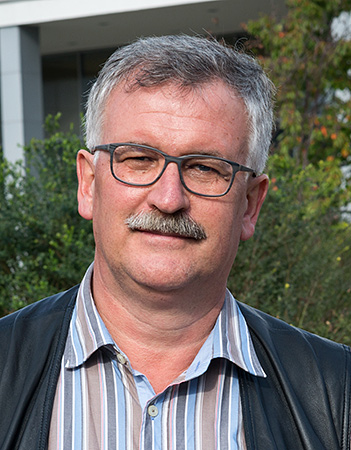 Josef Settele合作论文数Department of Conservation Biology and Social-Ecological Systems, Helmholtz-Zentrum für Umweltforschung;Helmholtz-Centre for Environmental Research, Helmholtz-Zentrum für Umweltforschung15
 Lucas A Garibaldi合作论文数Laboratorio Ecotono, INIBIOMA-CONICET and CRUB-UNCOMA14
 Sandra Díaz合作论文数School of Geography and the Environment, University of Oxford;Instituto Multidisciplinario de Biologia Vegetal, Universidad Nacional de Córdoba11
 John Agard合作论文数Dept Life Sci, Univ West Indies9
 Pamela D. McElwee合作论文数Department of Human Ecology, Rutgers University9
 Eduardo S. Brondizio合作论文数Department of Anthropology, The College of Arts & Sciences, Indiana University9
 Almut Arneth合作论文数Institute of Geography and Geoecology, Karlsruhe Institute of Technology9
 David Obura合作论文数Tel.: +254415486473; fax: +254415480117.8
 Guy Midgley合作论文数Department of Botany and Zoology, Stellenbosch University;The Open University;University of Western Australia8
 Kazuhito Ichii合作论文数Department of Environmental Geochemical Cycle Research;Japan Agency for Marine-Earth Science and Technology;Yo;Department of Environmental Geochemical Cycle Research, Japan Agency for Marine-Earth Science and Technology8
 Yunne-Jai Shin合作论文数IRD8
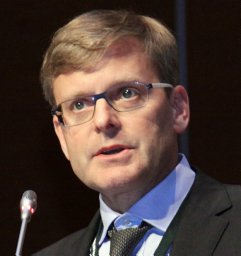 Paul W. Leadley合作论文数Lab Ecol Systemat & Evolut, Univ Paris 117
 Unai Pascual合作论文数BC3 Basque Centre for Climate Change7
 Victoria Reyes García合作论文数Institut de Ciència i Tecnologia Ambiental, Universitat Autònoma de Barcelona;Department of Anthropology, Universitat Autònoma de Barcelona;ICREA6
 Andy Purvis合作论文数Department of Life Sciences, Faculty of Natural Sciences, Imperial College London6
 Guèze Maximilien合作论文数Institut de Ciència i Tecnología Ambientals, Universitat Autònoma de Barcelona6
 Simon Potts合作论文数Department of Sustainable Land Management, University of Reading6
 Zsolt Molnár合作论文数Institute of Ecology and Botany, Centre for Ecological Research6
 Bernardo Baeta Neves Strassburg合作论文数International Institute for Sustainability;Pontifical Catholic University of Rio de Janeiro5
 Suneetha M. Subramanian合作论文数5
 Marcelo A. Aizen合作论文数Centro Regional Universitario Bariloche, National University of Comahue5
 Lynn Dicks合作论文数Department of Zoology, University of Cambridge;Conservation Research Institute, University of Cambridge5
 Alexander Pfaff合作论文数Sanford School of Public Policy, Duke University5
 David Barnes合作论文数British Antarctic Survey5
 Robert J. Scholes合作论文数Global Change and Sustainability Research Institute, Witwatersrand University5
 Kate Brauman合作论文数Inst Environm, Univ Minnesota5
 Patricia Miloslavich合作论文数Simon Bolivar University5
 Belinda Reyers合作论文数Future Africa, University of Pretoria5
 Patricia Balvanera合作论文数Centro de Investigaciones en Ecosistemas;noma de Mexico, Universidad Nacional Auto;Centro de Investigaciones en Ecosistemas, Universidad Nacional Autonoma de Mexico5
 Jona Razzaque合作论文数College of Business and Law, University of the West of England5
 Rinku Roy Chowdhury合作论文数Department of Geography, Indiana University5Barbara Gemmill-Herren合作论文数4
 Steve Polasky合作论文数Department of Applied Economics, University of Minnesota;Department of Ecology, Evolution, and Behavior, University of Minnesota4
 Christopher H Trisos合作论文数Univ Maryland, Natl Socioenvironm Synth Ctr, Annapolis, MD 21401 USA4
 Kai Chan合作论文数Institute for Resources, Environment and Sustainability, Faculty of Science, The University of British Columbia;Institute for Oceans and Fisheries, The University of British Columbia;Chans Lab, Vancouver Campus, The University of British Columbia4
 Aliny P. F. Pires合作论文数4
 Carlos M. Duarte合作论文数Biological and Environmental Science and Engineering Division, King Abdullah University of Science and Technology4
 Alex Rogers合作论文数Department of Computer Science, University of Oxford;St. Anne’s College, University of Oxford4
 Ingrid Visseren-Hamakers合作论文数Forest and Nature Conservation Policy Group, Wageningen University4
 Jacobus C Biesmeijer合作论文数4
 Adam J. Vanbergen合作论文数Centre for Ecology and Hydrology, Hill of Brathens, Banchory, Aberdeenshire AB31 4BW, UK4
 Shizuka Hashimoto合作论文数Faculty of Agriculture, Kyoto University4
 Alexander Popp合作论文数Potsdam Institute for Climate Impact Research;Kassel Institute for Sustainability, University of Kassel4
 Stuart Butchart合作论文数Department of Zoology, University of Cambridge;Global Science Division, BirdLife International4
 Hans-Otto Poertner合作论文数Department of Integrative Ecophysiology, Helmholtz-Zentrum für Polar- und Meeresforschung, Alfred-Wegener-Institut;University of Bremen4
 Vera Lucia Imperatriz-Fonseca合作论文数Laboratório de Abelhas, Universidade de São Paulo4
 Damayanti Buchori合作论文数Department of Plant Pests and Diseases, Institut Pertanian Bogor4
 Thomas Hickler合作论文数Department of Physical Geography and Ecosystems Analysis;Geobiosphere Science Centre;Lund University;Geobiosphere Science Centre, Lund University4Mark I. Stevens合作论文数3




