This paper investigated the similarities in vibration and acoustic radiation characteristics of single-layer cylindrical shells subjected to mechanical excitations in different media. Based on acoustic similarity principle, the dimensionless coefficients under the condition of equal similarity numbers were derived using the dimensional theory, and the acoustic similarity conditions of cylindrical shells in water and air were given. In addition, the similarity of vibration and acoustic radiation in different media was verified through numerical simulations. The results show that the predictions of vibration and acoustic radiation from the results obtained in air were in good agreement with the results in water. Notably, in the low frequency bands, the predicted radiated sound power level and sound pressure level directivity curves exhibited significant overlap with the results in water. Although deviations were observed at higher frequencies due to the effects of acoustic wave fluctuations and fluid medium properties, these discrepancies were minor, and the numerical results remained consistent with the established similarity relationships. Furthermore, an examination of stiffened cylindrical shells confirmed the applicability of the proposed similarity theory to more complex thin shell structures. Experimental validations indicate that this method has certain applicability. However, the experimental results and numerical prediction results have discrepancies in some frequency bands.
Dynamic docking control technology is crucial for autonomous underwater vehicles (AUV) to perform tasks underwater. To enhance the docking success rate of AUVs during dynamic docking, this paper presents a robust anti-disturbance control algorithm specifically designed for overactuated AUV dynamic docking scenarios. During a dynamic docking mission, the AUV's depth control is adversely affected by the complex flow field generated by the underwater recovery device. To address this issue, this research proposes an AUV control scheme that combines an extended state observer (ESO) with a combined disturbance rejection method of the elevator-vertical tunnel controller. First, an ESO is constructed to estimate and compensate for complicated disturbances such as model uncertainty and environmental disturbances. These estimations are then incorporated into the control law to mitigate the effects of the complicated flow field interference experienced during the AUV's dynamic docking process. Second, as turbulence intensifies at the end of the docking stage, the vertical thrust allocation is achieved using a hyperbolic tangent transition function. This ensures the stability of the AUV's attitude and depth, thereby enabling precise docking. Finally, the effectiveness of the proposed control algorithm is verified through lake trials and compared against the classic proportional-integral-differential (PID) and active disturbance rejection control (ADRC) methods. The trial results indicate that the proposed control algorithm significantly reduces the pitch and depth errors of the AUV, resulting in a remarkable 91% success rate for dynamic docking (based on 45 tests). The lake trials demonstrate that the proposed control algorithm is highly precise and robust.
Underwater absorptive metamaterials are rapidly developed duo local resonance mechanisms, but they still suffer from the disadvantages of poor hydrostatic resistance. The poor acoustic absorption performance at high hydrostatic pressure mainly attributes to the decreased damping coefficient and increased modulus of substrate at high hydrostatic pressure. Acoustic metastructures with helical oscillators are proposed and optimized with simulating annealing algorithm, where the helical oscillators are beneficial for easing the stress in the polymer substrate and resulting in good acoustic absorption abilities. Four acoustic absorptive metastructures without any oscillators (pure polymer substrate), with cylindrical oscillators, with helical oscillators, with both cylindrical and helical oscillators are proposed and experimentally verified in this study. All three metastructures with oscillators demonstrate excellent acoustic absorption coefficient with the absence of the hydrostatic pressure, while the metastructures with helical oscillators exhibit better hydrostatic pressure resistance compared with the metastructures with cylindrical oscillators. Besides, the coupling of helical oscillators and helical oscillators enhanced the acoustic performance furtherly. It is revealed that the acoustic metamaterials with a combination of cylindrical oscillator and helical oscillator exhibit superior performance under hydrostatic pressure up to 3MPa in the frequency range of 0.5kHz∼10kHz compared with the others, demonstrating a new avenue for underwater acoustic metamaterials application.
In this paper, a deep learning-based underwater positioning scheme is proposed to achieve robust feature tracking of an autonomous underwater vehicle (AUV) in sonar image during dynamic docking. To address the issues that the distorted feature and acoustic noises lead significant difficulty to detection and tracking of AUV in acoustic image during dynamic docking, first, a pre-trained You Only Look Once (YOLO) network is applied to detect both body and head features of AUV. Second, we introduce an Intersection Over Union (IOU) match-based backend which preliminarily filters the error detections of AUV head based on the rigid relationship between body and head of AUV. Subsequently, Simple Online and Realtime Tracking with a deep association metric (DeepSort) is utilized to achieve track matching of all detection results including error detections and real target. Moreover, a scoring mechanism is presented to further remove the unfiltered error detections based on the motion tendency of detection tracks. Experiment result shows that the proposed scheme enables real-time and robust feature tracking of AUV with the interference of feature distortion, reverberation and environmental noises.
It is a challenge to investigate the interrelationship between the geometric structure and performance of sensor networks due to the increasingly complex and diverse architecture of them. This paper presents two new formulations for the information space of sensor networks, including Lagrangian and energy–momentum tensor, which are expected to integrate sensor networks target tracking and performance evaluation from a unified perspective. The proposed method presents two geometric objects to represent the dynamic state and manifold structure of the information space of sensor networks. Based on that, the authors conduct the property analysis and target tracking of sensor networks. To the best of our knowledge, it is the first time to investigate and analyze the information energy–momentum tensor of sensor networks and evaluate the performance of sensor networks in the context of target tracking. Simulations and examples confirm the competitive performance of the proposed method.
Studies on multi-stable metamaterials mainly focus on the quasi-static performance and the viscoelastic properties of the substrate are ignored, which could cause great deviations in shock migration performance evaluation. In the study, a multi-stable mechanical metamaterial prototype with 2 x 4 cells are investigated and fabricated by thermoplastic polyurethanes (TPU). An analytical, experimental and numerical model was developed to evaluate the dynamic characteristics of the TPU substrate from 0.001 s-1 to 33 s-1, which illustrates significant higher stress levels at higher strain rates. A generalized Maxwell viscoelastic constitutive model was constructed for numerical analysis. Experiments involving quasi-static compression and drop-impact were done to evaluate the prototype's energy absorption and shock reduction capabilities. Quasi-static compression tests and simulations revealed that the peak force of the prototype is about 2.20kN, which presented great repeatability at different loading velocities. The prototype showed significant shock mitigation ability, which could reduce shock acceleration amplitude from 147.02 g to 22.54 g. But the peak reaction force obtained through the acceleration response curve was 3.21 kN, which was 50 % larger than those obtained by quasi-static experiments and simulations. Numerical simulation considering viscoelasticity of the substrate could accurately predict the response of this type of prototype with different shock amplitude, which demonstrates an effective method for the design of protective facilities with specified requirements.
Pentamode material (PM) is a special fluid-like acoustic metamaterial with intrinsic broadband merits. The unit cells of PM acoustic devices were based on single-material in previous reports, whose features make the available fabrication techniques very limited and the corresponding fabrication is not economic. In this investigation, a novel PM configuration composed of multi-materials is proposed to facilitate the designing and fabrication of PM devices. The novel multiphase PM configuration contains three parts: honeycomb-corrugation latticed microstructures, mass adjusting weights and interconnecting phases. The mass adjusting weights are bond to metallic latticed structure via interconnecting materials, while metallic lattices are fabricated by stamping forming technique. Simulated Annealing algorithm integrated with numerical homogenization method is developed for optimization of PM designing. A water impedance matching multiphase PM device based on this novel configuration was designed and verified in this study, and it was revealed from both numerical simulation and experiments that the designed multiphase PM device mimicked the acoustic properties of water below 25 kHz. The results indicate that the multiphase PM configuration exhibits superior performance on many aspects such as withstanding much higher hydrostatic pressure, cutting down manufacturing cost by 90% and reducing construction period by 98% compared with conventional techniques.
Autonomous underwater vehicle (AUV) docking technique attracts attention which leverages the long-term, on-station vehicle launch and recovery for the underwater missions. In this paper, an acoustic communication and imaging sonar guided docking method is proposed to improve the docking accuracy for AUV. In docking system, multibeam forward looking sonar (MFLS) is deployed on the submerged docking station to reduce the noise in acoustic images rather than being fixed on AUV, and the ultra short base line (USBL) transceiver with acoustic communication modules is used to achieve positioning while AUV is out of the view of MFLS. For the docking methodology, a dedicated three-stage docking strategy is presented to guide AUV to the docking station. In the homing stage, AUV navigates to a preset homing place not very far from the docking station via the way-point guidance and self-positioning of the on-board inertial navigation system (INS). In the next stage, USBL provides the relative position for AUV controller via acoustic channel. Moreover, an exponential decay model based filtering algorithm is proposed to eliminate the positioning outliers of USBL. It is expected that AUV will be guided into the perceptual field of MFLS in this stage. In the final stage, the docking accuracy in short range should be improved while USBL may generate outliers due to the louder noise. In this case, the relative positioning is implemented by using kernelized correlation filter (KCF), which is a fast objective tracking algorithm to keep track of the AUV feature in acoustic image until AUV navigates into the docking station or out of the view of sensor. To validate feasibility and performance of the proposed system infrastructure and docking methodology, the docking results are analyzed by contrast with the experiments only use USBL during lake trials.
Autonomous underwater vehicle (AUV) docking technique attracts attention which leverages the long-term, on-station vehicle launch and recovery for the underwater missions. In this paper, an acoustic communication and imaging sonar guided docking method is proposed to improve the docking accuracy for AUV. In docking system, multibeam forward looking sonar (MFLS) is deployed on the submerged docking station to reduce the noise in acoustic images rather than being fixed on AUV, and the ultra short base line (USBL) transceiver with acoustic communication modules is used to achieve positioning while AUV is out of the view of MFLS. For the docking methodology, a dedicated three-stage docking strategy is presented to guide AUV to the docking station. In the homing stage, AUV navigates to a preset homing place not very far from the docking station via the way-point guidance and self-positioning of the on-board inertial navigation system (INS). In the next stage, USBL provides the relative position for AUV controller via acoustic channel. Moreover, an exponential decay model based filtering algorithm is proposed to eliminate the positioning outliers of USBL. It is expected that AUV will be guided into the perceptual field of MFLS in this stage. In the final stage, the docking accuracy in short range should be improved while USBL may generate outliers due to the louder noise. In this case, the relative positioning is implemented by using kernelized correlation filter (KCF), which is a fast objective tracking algorithm to keep track of the AUV feature in acoustic image until AUV navigates into the docking station or out of the view of sensor. To validate feasibility and performance of the proposed system infrastructure and docking methodology, the docking results are analyzed by contrast with the experiments only use USBL during lake trials.
The accurate and rapid prediction of hydrodynamic characteristics greatly affects the monitoring of the manoeuvring performance of unidentified underwater vehicles. This work proposes a novel SEConv1D frame-work for the hydrodynamics prediction of the unidentified underwater vehicle. Firstly, a novel framework in-tegrated with one-dimensional convolutional neural networks (Conv1D) and a squeeze-and-excitation network (SENet) is proposed. Secondly, a hydrodynamic dataset based on computational fluid dynamics (CFD) is con-structed and verified by experiments. Finally, the proposed framework is applied to predict the total resistance coefficient (Cd) of REMUS UUV and SUBOFF AFF-1. The predicted results agree well with experimental results, and the error of Cd between the experimental data and predicted results for REMUS UUV and SUBOFF AFF-1 is less than 3.39% and 1.97%, respectively, which proved that the proposed framework is effective. Compared with those of the most popular networks (i.e., support vector machine, multilayer perceptron, artificial neural network and Conv1D), the mean error of the Cd and friction resistance coefficient (Cf) between the CFD and predicted results is small at only 0.19%, depicting reductions of 91.5%, 85.9%, 66.7% and 40.6%, respectively. The per inference time of the proposed framework is only 0.164 s form the real-time prediction.
To realize the dynamic walking of quadruped robot in underwater environment, a stable controller based on the optimization of Ground Reaction Force (GRF) is proposed. First, we develop the integrated equations of motion for underwater quadruped robot. They describe the characteristics consisting of both hydrodynamic forces and multi-body model. The main highlight is that the GRF optimization is consistent with the particular underwater equations of motion, and it takes into account the force constraints employing Quadratic Program (QP) method. The inputs of the optimization model are the required acceleration commands, which are solved by state feedback controller according to the desired response performances. To achieve continuous walking, the gait planner is developed. It plans the motion instructions, and schedules the states between stance and swing for each leg. Simulation results show that the underwater quadruped robot can track the motion commands accurately with certain robustness to external disturbance force.
High-dimensional high-frequency continuous-vibration control problems often have very complex dynamic behaviors. It is difficult for the conventional control methods to obtain appropriate control laws from such complex systems to suppress the vibration. This paper proposes a new vibration controller by using reinforcement learning (RL) and a finite-impulse-response (FIR) filter. First, a simulator with enough physical fidelity was built for the vibration system. Then, the deep deterministic policy gradient (DDPG) algorithm interacted with the simulator to find a near-optimal control policy to meet the specified goals. Finally, the control policy, represented as a neural network, was run directly on a controller in real-world experiments with high-dimensional and high-frequency dynamics. The simulation results show that the maximum peak values of the power-spectrum-density (PSD) curves at specific frequencies can be reduced by over 63%. The experimental results show that the peak values of the PSD curves at specific frequencies were reduced by more than 47% (maximum over 52%). The numerical and experimental results indicate that the proposed controller can significantly attenuate various vibrations within the range from 50 Hz to 60 Hz.
The computational fluid dynamics (CFD) simulation method is commonly used for large-scale computational engineering problems. However, it usually leads to higher computational costs. The deep learning method has gained significant attention in recent years. However, the traditional methods fail to achieve high-precision pixel-level predictions. They are difficult to predict more detailed, multi-scale features of complex engineering. This study proposes a novel deep U-shaped network-long short term memory (U-Net-LSTM) framework for the rapid time-sequenced hydrodynamic prediction of the SUBOFF. First, a novel framework composed of a deep U-shaped network, two LSTM layers, and a skip connection part is proposed for time-sequenced hydrodynamics prediction. Second, the CFD simulation results of the SUBOFF AFF-8 are validated by referring to published experimental data. Finally, three types of AFF-8 motions are investigated to demonstrate the advantages of the proposed framework in detail. The results demonstrate that the predicted outputs agree well with the CFD simulation results, show good stability and ability to predict additional future results. Compared with the traditional hybrid convolutional neural network-LSTM (CNN-LSTM) framework, the mean square error and mean absolute error are reduced by almost one order of magnitude and two orders of magnitude, respectively, showing that the proposed framework is highly competitive. The GPU cost utilized for running the deep U-Net-LSTM is only 0.33 s for each result, making it possible to achieve real-time prediction. In addition, the computation costs are reduced by six orders of magnitude compared with those in the CFD method.
Pentamode material (PM) possesses great potential in underwater acoustic metamaterial device applications due to its broadband and solid-state merits. Previously proposed PM devices are all designed with single materials, where the additional weights for mass adjustment are connected directly to the struts for modulus adjustment. The coupling effects between them severely restrict available fabrication techniques and the realizable range of physical properties of PM devices. A multiphase PM configuration, the additional weights of which are bonded to the struts with interconnecting materials, is proposed, and a waterlike multiphase PM device based on the proposed configuration is developed to assess the validity of the multiphase PM configuration. It is revealed from both simulation and experimental results that the acoustic properties of the proposed multiphase PM device mimics water within the simulation frequency range of 3--24 kHz. The fabrication cost of the proposed multiphase PM device is reduced by 80%, and the duration is only 1/15 when compared to that of a single-phase PM device. Additionally, the multiphase PM has great advantages over single-phase PM for aspects such as withstanding higher hydrostatic pressure due to much more uniform stress distribution and broadening the realizable range of physical properties of PM devices significantly.
This paper discusses affine immersion of multivariable Gaussian statistical manifolds for multi-sensor networks. Firstly, the potential function that can represent the manifold is obtained from the statistical significance, that is, the shape of the manifold is expressed by the potential function, and the high-dimensional manifold of the sensor network information is embedded into the Euclidean space for research and representation, and its characteristics are studied. Then the Ricci curvature of the information space is calculated to obtain the degree of curvature of the manifold to represent the changing trend of information.
It is a challenging problem to explore the capability of multi-sensor networks due to the identity of the underlying information space across modalities. In this paper, the information space for multi-sensor networks is developed from information geometry. The relationship between information space and the performance of multi-sensor networks is investigated. Different sensor information obtained by multi-sensor networks is represented, analyzed and fused concisely. The structure of the information space is studied such as geodesic, Ricci tensor and the information metric matrix. The structural properties of the information space are introduced: i) the symmetry; ii) the connection between information space’s curvature and Einstein’s field equation; iii) noise essence conjecture. The proposed analysis techniques are validated in many scenarios. The theoretical demonstration and numerical results indicate that the information described in different coordinate systems is equivalent.
A broadband waterborne acoustic reflective metasurface is developed and investigated in this study, theoretically and experimentally. With a thickness less than one-third of the peak working wavelength, the metasurface can shift the direction of propagation of backward waves reflected from a rigid wall. In order to ensure a broad working band, the proposed metasurface was assembled from a series of pentamodal unit cells with different effective bulk moduli and mass densities. In order to ensure fabricability, the effect of manufacturing precision on the ranges of the effective properties was analyzed. Then, the device was fabricated by wire cut electrical discharge machining-low speed technology. Shifts in the broadband reflected waves of 15° were observed in both finite element simulations and underwater measurements (6 kHz–18 kHz). These results contribute to understanding and application of broadband control of waterborne reflected acoustic waves.
Micro-structured surfaces are desirable in achieving good drag reduction performance for underwater applications. In the study, comprehensive investigation including numerical study, application analysis, precision manufacturing and accurate drag measurement of micro-structured surfaces have been taken for better understanding of drag reduction mechanisms. Five types of micro grooves are firstly proposed and comparisons of respective hydrodynamic performance reveal that the rectangle grooves perform the best, followed by the semicircular ones, the triangle ones, shark skin, and the U-shaped grooves with 5. attack angle has the least effect. Theoretical calculation of optimal groove width has been conducted for application analysis and the optimal groove width decreases dramatically with travel speed, while as increases slightly along with the increasing vehicle length. Considering both drag reduction ability and manufacturing feasibility, the semicircular grooves are emphasized and micro fly milling is adopted for high-precision machining four groups of grooves. Drag reduction tests of these grooves are conducted by a specially designed measuring system. Experimental results show that the smaller lateral spacing of grooves, the better hydrodynamic performance and S4 surfaces exhibits the maximum drag reduction rate with 27.7%. In case fluid velocities in the range of 0.5 m/s and 4.5 m/ s, the averaged drag reduction rate is 13.05%.
Borochromized coatings on 5CrNiMo steel were prepared by thermo-reactive diffusion in a molten borax salt bath at 1173 K, 1223 K, and 1273 K for 0.5–6 h. The cross-sectional observation of optical microscopy (OM) revealed that the as-obtained coatings possessing a comb-like or needle-like microstructure with 21.4–84.7 µm thickness were smooth, compact, and homogeneous. X-ray diffractometry (XRD) results expressed that the borochromized coatings mainly consisted of FeB, Fe2B, Cr5B3, and a small amount of M7C3 (M–Cr, Fe) and α-Fe(Cr). B4C, as a boron-donating agent, first reacted with NaF (activator) to produce active boron atoms and then reduced Cr2O3 (chromium-donating agent) to generate active chromium atoms, whereas borax was only used as the base salt or heating medium in the present experiment. The activation energy of the as-prepared borochromized coating on 5CrNiMo steel was calculated as 161 kJ/mol.
In an effort to mitigate the difficulty of acquisition and transfer of liquid propellant in space systems, existing in-space gas-liquid separation techniques for cryogenic propellants are evaluated. In particular, the theoretical knowledge and experimental results of screen channel liquid acquisition devices (LADs) are investigated from the vantage point of three aspects—bubble point, pressure drop, and performance optimization. The following conclusions can be drawn: 1) The bubble point is generally higher for finer screens; however, as the density of the mesh increases, the bubble point of the 510 × 3600 Dutch Twill (DT) screen becomes lower than that of the DT-450 × 2750 screen; 2) Compared to ground conditions, the pressure drop of the screen channel LAD is much lower and mainly governed by the flow-through-screen pressure drop under microgravity, which corresponds to a higher critical mass flow rate and could meet the requirement of higher delivery mass flow rate; 3) Reducing the fluid temperature and using a non-condensable gas (such as helium) to pressurize the tank could enhance the screen bubble point and improve the separation performance of screen channel LAD; 4) The DT-450×2750 screen might be a preferential weave for future liquid hydrogen fuel depots, because it could simultaneously meet the requirement of high bubble point and high critical mass flux.
 Lei Wang合作论文数8Aiguo Zhao合作论文数8
 Mangong Zhang合作论文数Wuhan Second Ship Design & Res Inst, Wuhan 430064, Peoples R China6Xiawei Guan合作论文数5Zhigao Zhao合作论文数5Xinliang Wang合作论文数4
 Shaolong Yang (杨少龙)合作论文数School of Naval Architecture & Ocean Engineering of Huazhong University of Science and Technology4Zhi Liu合作论文数4
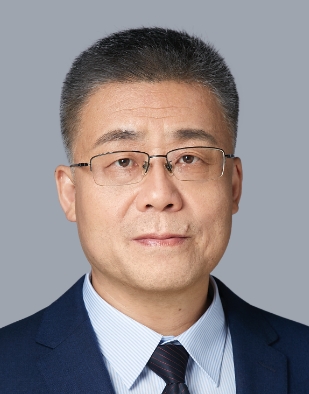 Xiangdong Zhang (张向东)合作论文数School of Physics, Beijing Institute of Technology4
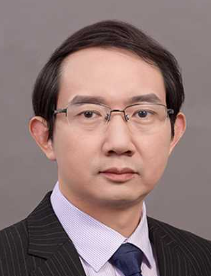 Xianbo Xiang (向先波)合作论文数Laboratory of Advanced Robotic Marine Systems, School of Naval Architecture and Ocean Engineering, Huazhong University of Science and Technology4
 Mo Tao合作论文数3
 Tao Wu合作论文数3TianJian Li (李天箭)合作论文数3Chuang Liu (刘闯)合作论文数College of Automation Engineering, Nanjing University of Aeronautics and Astronautics3
 Xiaohong Ding (丁晓红)合作论文数School of Mechanical Engineering, University of Shanghai for Science and Technology3
 Zhao Wang合作论文数Harbin Institute of Technology, Harbin Institute of Technology3
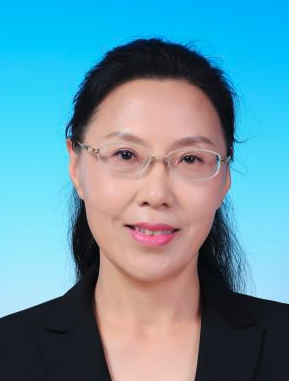 Shaoping Wang (王少萍)合作论文数School of Automation Science and Electrical Engineering, Beihang University3Han Zou合作论文数2Jiayue Wang合作论文数2Yuqing Hou合作论文数2Chuan Liu合作论文数2Zhen Wang (王臻)合作论文数2
 Yicang Huang合作论文数2Peng He合作论文数2AnFu Zhang (张安付)合作论文数2MingYang Yu (于明洋)合作论文数2
 Hui Li (李辉)合作论文数The Institute of Technological Sciences, Wuhan University;School of Power and Mechanical Engineering, Wuhan University2
 Yanzhong Li (厉彦忠)合作论文数School of Energy and Power Engineering, Xi'an Jiaotong University2Han Jia (贾晗)合作论文数University of Chinese Academy of Sciences;Institute of Acoustics, Chinese Academy of Sciences2
 Han Pan (潘汉)合作论文数School of Aeronautics and Astronautics, Shanghai Jiao Tong University2Ping Zhou合作论文数1Yinghao Liao合作论文数1Qianjin Xiao合作论文数1Yu Duan合作论文数1Xing-long XIA (夏兴隆)合作论文数1Wei Wei合作论文数1
 Yifan Liu合作论文数1
 Jian Wang (王健)合作论文数School of Ocean and Civil Engineering, Shanghai Jiao Tong University1
 Hao Zhang合作论文数1Shikun Pang合作论文数1Chenggang Pan合作论文数1Xuan Cai合作论文数1Zhesong MA (马哲松)合作论文数1Xiong Pengjun (熊鹏俊)合作论文数1
 Yuwei Zhang合作论文数School of Automation Science and Electrical Engineering, Beihang University1Zhiqiang Qiu合作论文数1




