The SF3B complex plays a critical role in branch point adenosine recognition during pre-mRNA splicing. Its largest subunit SF3B1 is frequently mutated in cancers, leading to aberrant alternative splicing. Besides its function in pre-mRNA splicing, the SF3B complex also binds mature or intronless mRNAs to facilitate their nuclear export. Notably, the RNA motifs recognized by the SF3B complex exhibit no apparent sequence similarities, raising the question of how the SF3B complex recognizes diverse mRNA sequences for various cellular activities. Here we report the cryo-EM structures of the human SF3B complex associated with either intronless histone mRNAs or intron-U2 snRNA. These structures unveil that both mRNA molecules adopt a similar conformation featuring a bulged adenosine and bind the SF3B complex in a remarkably resembling manner, suggesting that SF3B recognizes the specific shape rather than the sequence of its RNA targets. Further cryo-EM and molecular dynamics analyses of the hotspot-mutant SF3B complexes bound to intron-U2 snRNA demonstrate that the SF3B1K700E and SF3B1R625H mutations similarly repel the attachment of the intronic polypyrimidine tract around the mutation sites, leading to reduced RNA-binding affinity. Altogether, our study provides structural insights into the RNA-recognition mechanism of the SF3B complex and suggests that the cancer-associated SF3B1 mutations could potentially affect multiple cellular processes including mRNA splicing and export, which advances our understanding of the pathogenic mechanisms of the SF3B1 mutations.
Coat color polymorphism in domestic animals provides a robust framework for elucidating mechanisms of species adaptation, domestication, and genomic diversity. Leiqiong cattle, a representative indicine breed from southern China, are predominantly yellow-coated, although a subset exhibits a solid black phenotype. To determine the genetic basis of this variation, a genome-wide association study (GWAS) was performed in 212 Leiqiong bulls. A pronounced association signal was detected on chromosome 6 within the fifth intron of the CORIN gene, providing the first evidence of the potential influence of CORIN on bovine coat color variation. Integration of these results with publicly available genomic datasets and haplotype analyses indicated that the yellow coat phenotype is derived from Indian indicine ancestry, whereas the black coat phenotype emerged through introgression from wild bovine lineages and artificial hybridization with Wagyu cattle. Comparative analysis of Indian indicine cattle with divergent coat colors revealed distinct LEF1 haplotypes within a shared CORIN background, suggesting an ancient and complex domestication history underlying coat color variation. These findings provide direct evidence that introgression has shaped phenotypic variation in East Asian cattle and offer novel insights into the genetic architecture of pigmentation, with implications for future breeding strategies.
Posttranslational modifications of tubulin give microtubule distinct properties to support diverse cellular functions. Trimethylation on lysine-40 of α-tubulin (α-TubK40me3) is involved in cell division and neuronal development. The “writer” (SETD2) and “reader” (PBRM1) of α-TubK40me3 have been identified. However, the “eraser” of α-TubK40me3 and the impact of α-TubK40me3 dynamic balance on cells are still unclear. Here, we report that KDM4A, a member of the histone demethylase family, binds α-tubulin through its catalytic core domain and demethylates α-tubulin. KDM4A knockout significantly enhances α-TubK40me3, inducing microtubule polymerization and mitotic defects. Furthermore, the overpolymerized microtubules and cell mitotic defects caused by KDM4A knockout are rescued by reducing α-TubK40me3 with overexpression of an α-tubulin mutant α-tubulin K40A or depolymerizing microtubules with nocodazole treatment in cells. Together, our study identifies KDM4A as an α-tubulin demethylase, and this demethylation is important for regulating microtubule polymerization and cell mitosis.
Alternative polyadenylation (APA) modulates gene expression by altering 3 ' untranslated region (3 ' UTR) length. Although 3 ' UTR lengthening typically accompanies cell differentiation, we unexpectedly observed preferential APA-mediated 3 ' UTR shortening events during muscle stem cell (satellite cell, SC) differentiation, coinciding with increased muscle-specific miRNAs (myomiRs) targeting at alternative 3 ' UTRs. Mechanistically, this shortening primarily results from reduced cleavage factor I (CFI) expression and allows transcripts to escape repression by differentiation-induced myomiRs. Interestingly, perturbation of mRNA 3 ' UTR shortening of multiple genes impairs myogenic differentiation. Focusing on Matr3-a gene linked to muscle disorders-we demonstrate that its APA-miRNA regulatory balance is critical for efficient SC differentiation in vitro. Genetically mutating Matr3 proximal polyadenylation site (pA site) impaired mouse muscle regeneration in vivo. Together, our findings reveal that APA-mediated 3 ' UTR shortening counteracts miRNA repression to orchestrate the gene expression program essential for robust muscle regeneration.
Nuclear RNA decay has emerged as a mechanism for post-transcriptional gene regulation in cultured cells. However, whether this process occurs in animals and holds biological relevance remains largely unexplored. Here, we demonstrate that MTR4, the central cofactor of the nuclear RNA exosome, is essential for embryogenesis and spermatogenesis. Embryonic development of Mtr4 knockout mice arrests at 6.5 day. Germ cell-specific knockout of Mtr4 results in male infertility with a specific and severe defect in meiotic initiation. During the pre-meiotic stage, MTR4/exosome represses meiotic genes, which are typically shorter in size and possess fewer introns, through RNA degradation. Concurrently, it ensures the expression of mitotic genes generally exhibiting the opposite features. Consistent with these regulation rules, mature replication-dependent histone mRNAs and polyadenylated retrotransposon RNAs were identified as MTR4/exosome targets in germ cells. In addition, MTR4 regulates alternative splicing of many meiotic genes. Together, our work underscores the importance of nuclear RNA degradation in regulating germline transcriptome, ensuring the appropriate gene expression program for the transition from mitosis to meiosis during spermatogenesis.
Increasing number of structural variations (SVs) have been identified as causative mutations for diverse agronomic traits. However, the systematic exploration of SVs quantity, distribution, and contribution in wheat was lacking. Here, we report high-quality gene-based and SV-based pangenomes comprising 22 hexaploid wheat assemblies showing a wide range of chromosome size, gene number, and TE component, which indicates their representativeness of wheat genetic diversity. Pan-gene analyses uncover 140,261 distinct gene families, of which only 23.2 % are shared in all accessions. Moreover, we build a ∼16.15 Gb graph pangenome containing 695,897 bubbles, intersecting 5132 genes and 230,307 cis-regulatory regions. Pairwise genome comparisons identify ∼1,978,221 non-redundant SVs and 497 SV hotspots. Notably, the density of bubbles as well as SVs show remarkable aggregation in centromeres, which probably play an important role in chromosome plasticity and stability. As for functional SVs exploration, we identify 2769 SVs with absolute relative frequency differences exceeding 0.7 between spring and winter growth habit groups. Additionally, several reported functional genes in wheat display complex structural graphs, for example, PPD-A1, VRT-A2, and TaNAAT2-A. These findings deepen our understanding of wheat genetic diversity, providing valuable graphical pangenome and variation resources to improve the efficiency of genome-wide association mapping in wheat.
Mendel1 studied in detail seven pairs of contrasting traits in pea (Pisum sativum), establishing the foundational principles of genetic inheritance. Here we investigate the genetic architecture that underlies these traits and uncover previously undescribed alleles for the four characterized Mendelian genes2-7, including a rare revertant of Mendel's white-flowered a allele. Primarily, we focus on the three remaining uncharacterized traits and find that (1) an approximately 100-kb genomic deletion upstream of the Chlorophyll synthase (ChlG) gene disrupts chlorophyll biosynthesis through the generation of intergenic transcriptional fusion products, conferring the yellow pod phenotype of gp mutants; (2) a MYB gene with an upstream Ogre element insertion and a CLE peptide-encoding gene with an in-frame premature stop codon explain the v and p alleles, which disrupt secondary cell wall thickening and lignification, resulting in the parchmentless, edible-pod phenotype; and (3) a 5-bp exonic deletion in a CIK-like co-receptor kinase gene, in combination with a genetic modifier locus, is associated with the fasciated stem (fa) phenotype. Furthermore, we characterize genes and alleles associated with diverse agronomic traits, such as axil ring anthocyanin pigmentation, seed size and the 'semi-leafless' form. This study establishes a foundation for fundamental research, education in biology and genetics, and pea breeding practices.
In eukaryotic cells, gene expression begins with transcription in the nucleus, followed by the maturation of messenger RNAs (mRNAs). These mRNA molecules are then exported to the cytoplasm through the nuclear pore complex (NPC), a process that serves as a critical regulatory phase of gene expression. The export of mRNA is intricately linked to precursor mRNA (pre-mRNA) processing, ensuring that only properly processed mRNA reaches the cytoplasm. This coordination is essential, as recent studies have revealed that mRNA export factors not only assist in transport but also influence upstream processing steps, adding a layer of complexity to gene regulation. Furthermore, the export process competes with RNA processing and degradation pathways, maintaining a delicate balance vital for accurate gene expression. While these mechanisms are generally conserved across eukaryotes, significant differences exist between yeast and higher eukaryotic cells, particularly due to the more genome complexity of the latter. This review delves into the current research on mRNA export in higher eukaryotic cells, focusing on its role in the broader context of gene expression regulation and highlighting how it interacts with other gene expression processes to ensure precise and efficient gene functionality in complex organisms.
Harnessing genetic diversity in major staple crops through the development of new breeding capabilities is essential to ensure food security1. Here we examined the genetic and phenotypic diversity of the A. E. Watkins landrace collection2 of bread wheat (Triticum aestivum), a major global cereal, by whole-genome re-sequencing of 827 Watkins landraces and 208 modern cultivars and in-depth field evaluation spanning a decade. We found that modern cultivars are derived from two of the seven ancestral groups of wheat and maintain very long-range haplotype integrity. The remaining five groups represent untapped genetic sources, providing access to landrace-specific alleles and haplotypes for breeding. Linkage disequilibrium-based haplotypes and association genetics analyses link Watkins genomes to the thousands of identified high-resolution quantitative trait loci and significant marker-trait associations. Using these structured germplasm, genotyping and informatics resources, we revealed many Watkins-unique beneficial haplotypes that can confer superior traits in modern wheat. Furthermore, we assessed the phenotypic effects of 44,338 Watkins-unique haplotypes, introgressed from 143 prioritized quantitative trait loci in the context of modern cultivars, bridging the gap between landrace diversity and current breeding. This study establishes a framework for systematically utilizing genetic diversity in crop improvement to achieve sustainable food security.
ABSTRACTPea,Pisum sativum, is an excellent model system through which Gregor Mendel established the foundational principles of inheritance. Surprisingly, till today, the molecular nature of the genetic differences underlying the seven pairs of contrasting traits that Mendel studied in detail remains partially understood. Here, we present a genomic and phenotypic variation map, coupled with haplotype-phenotype association analyses across a wide range of traits in a globalPisumdiversity panel. We focus on a genomics-enabled genetic dissection of each of the seven traits Mendel studied, revealing many previously undescribed alleles for the four characterized genes,R,Le,IandA, and elucidating the gene identities and mutations for the remaining three uncharacterized traits. Notably, we identify: (1) a ca. 100kb deletion upstream of theChlorophyll synthase(ChlG) gene, which generates aberrant transcripts and confers the yellow pod phenotype ofgpmutants; (2) an in-frame premature stop codon mutation in a Dodeca-CLE41/44 signalling peptide which explains the parchmentless mutant phenotype corresponding top; and (3) a 5bp in-frame deletion in aCIK-likereceptor kinase gene corresponding to the fasciated stem phenotypefa, which Mendel described in terms of flower position, and we postulate the existence of aModifier of fa(Mfa) locus that masks this meristem defect. Mendel noted the pleiotropy of theamutation, including inhibition of axil ring anthocyanin pigmentation, a trait we found to be controlled by allelic variants of the geneDwithin anR2R3-MYBgene cluster. Furthermore, we characterize and validate natural variation of a quantitative genetic locus governing both pod width and seed weight, characters that Mendel deemed were not sufficiently demarcated for his analyses. This study establishes a cornerstone for fundamental research, education in biology and genetics, and pea breeding practices.
Protein methylation is a functionally important post-translational modification that occurs on diverse amino acid residues. The current proteomics approaches are inefficient to discover the methylation on residues other than Arg and Lys, which hinders the deep understanding of the functional role of rare protein methylation. Herein, we present a methyl-specific metabolic labeling approach for global methylome mapping, which enable the acquisition of methylome dataset covering diverse methylation types. Interestingly, of the identified methylation events, His methylation is found to be preferably occurred in C3H1 zinc fingers (ZFs). These His methylation events are determined to be Nπ specific and catalyzed by CARNMT1. The His methylation is found to stabilize the structure of ZFs. U2AF1 is used as a proof-of-concept to highlight the functional importance of His methylation in ZFs in RNA binding and RNA metabolism. The results of this study enable novel understanding of how protein methylation regulates cellular processes.
Identifying the regulatory effects of noncoding variants presents a significant challenge. Recently, the accumulation of epigenomic profiling data in wheat has provided an opportunity to model the functional impacts of these variants. In this study, we introduce Language of Genome for Wheat (LOGOWheat), a deep learning-based tool designed to predict the regulatory effects of noncoding variants in wheat. LOGOWheat initially employs a self-attention-based, contextualized pretrained language model to acquire bidirectional representations of the unlabeled wheat reference genome. Epigenomic profiling data are also collected and utilized to fine-tune the model, enabling it to discern the regulatory code inherent in genomic sequences. The test results suggest that LOGOWheat is highly effective in predicting multiple chromatin features, achieving an average area under the receiver operating characteristic (AUROC) of 0.8531 and an average area under the precision-recall curve (AUPRC) of 0.7633. Two case studies illustrate and demonstrate the main functions provided by LOGOWheat: assigning scores and prioritizing causal variants within a given variant set and constructing a saturated mutagenesis map in silico to discover high-impact sites or functional motifs in a given sequence. Finally, we propose the concept of extracting potential functional variations from the wheat population by integrating evolutionary conservation information. LOGOWheat is available at http://logowheat.cn/.
The export and degradation pathways compete to sort nuclear RNAs, yet the default pathway remains unclear. Sorting of mature RNAs to degradation, facilitated by the exosome co-factor poly(A) exosome targeting (PAXT), is particularly challenging for their resemblance to mRNAs intended for translation. Here, we unveil that ZFC3H1, a core PAXT component, is co-transcriptionally loaded onto the first exon/intron of RNA precursors (pre-RNAs). Interestingly, this initial loading does not lead to pre-RNA degradation, as ZFC3H1 adopts a "closed" conformation, effectively blocking exosome recruitment. As processing progresses, RNA fate can be reshaped. Longer RNAs with more exons are allowed for nuclear export. By contrast, short RNAs with fewer exons preferentially recruit transient PAXT components ZC3H3 and RBM26/27 to the 3' end, triggering ZFC3H1 "opening" and subsequent exosomal degradation. Together, the decoupled loading and activation of ZFC3H1 pre-configures RNA fate for decay while still allowing a switch to nuclear export, depending on mature RNA features.
Oocytes are the largest cell type in multicellular animals. Here, we show that mRNA transporter 4 (MTR4) is indispensable for oocyte growth and functions as part of the RNA surveillance mechanism, which is responsible for nuclear waste RNA clearance. MTR4 ensures the normal post-transcriptional processing of maternal RNAs, their nuclear export to the cytoplasm, and the accumulation of properly processed transcripts. Oocytes with Mtr4 knockout fail to accumulate sufficient and normal transcripts in the cytoplasm and cannot grow to normal sizes. MTR4-dependent RNA surveillance has a previously unrecognized function in maintaining a stable nuclear environment for the establishment of non-canonical histone H3 lysine-4 trimethylation and chromatin reorganization, which is necessary to form a nucleolus-like structure in oocytes. In conclusion, MTR4-dependent RNA surveillance activity is a checkpoint that allows oocytes to grow to a normal size, undergo nuclear and cytoplasmic maturation, and acquire developmental competence.
In the cytoplasm, mRNAs are dynamically partitioned into translating and non-translating pools, but the mechanism for this regulation has largely remained elusive. Here, we report that m6A regulates mRNA partitioning between polysome and P-body where a pool of non-translating mRNAs resides. By quantifying the m6A level of polysomal and cytoplasmic mRNAs with m6A-LAIC-seq and m6A-LC-MS/MS in HeLa cells, we observed that polysome-associated mRNAs are hypo-m6A-methylated, whereas those enriched in P-body are hyper-m6A-methylated. Downregulation of the m6A writer METTL14 enhances translation by switching originally hyper-m6A-modified mRNAs from P-body to polysome. Conversely, by proteomic analysis, we identify a specific m6A reader IGF2BP3 enriched in P-body, and via knockdown and molecular tethering assays, we demonstrate that IGF2BP3 is both necessary and sufficient to switch target mRNAs from polysome to P-body. These findings suggest a model for the dynamic regulation of mRNA partitioning between the translating and non-translating pools in an m6A-dependent manner.
CDK11 is an emerging druggable target for cancer therapy due to its prevalent roles in phosphorylating critical transcription and splicing factors and in facilitating cell cycle progression in cancer cells. Like other cyclin-dependent kinases, CDK11 requires its cognate cyclin, cyclin L1 or cyclin L2, for activation. However, little is known about how CDK11 activities might be modulated by other regulators. In this study, we show that CDK11 forms a tight complex with cyclins L1/L2 and SAP30BP, the latter of which is a poorly characterized factor. Acute degradation of SAP30BP mirrors that of CDK11 in causing widespread and strong defects in pre-mRNA splicing. Furthermore, we demonstrate that SAP30BP facilitates CDK11 kinase activities in vitro and in vivo, through ensuring the stabilities and the assembly of cyclins L1/L2 with CDK11. Together, these findings uncover SAP30BP as a critical CDK11 activator that regulates global pre-mRNA splicing.
The polyA tail of mRNAs is important for many aspects of RNA metabolism. However, whether and how it regulates pre-mRNA splicing is still unknown. Here, we report that the polyA tail acts as a splicing enhancer for the last intron via the nuclear polyA binding protein PABPN1 in HeLa cells. PABPN1-depletion induces the retention of a group of introns with a weaker 3' splice site, and they show a strong 3'-end bias and mainly locate in nuclear speckles. The polyA tail is essential for PABPN1-enhanced last intron splicing and functions in a length-dependent manner. Tethering PABPN1 to nonpolyadenylated transcripts also promotes splicing, suggesting a direct role for PABPN1 in splicing regulation. Using TurboID-MS, we construct the PABPN1 interactome, including many spliceosomal and RNA-binding proteins. Specifically, PABPN1 can recruit RBM26&27 to promote splicing by interacting with the coiled-coil and RRM domain of RBM27. PABPN1-regulated terminal intron splicing is conserved in mice. Together, our study establishes a novel mode of post-transcriptional splicing regulation via the polyA tail and PABPN1.
Lysosomal amino acid accumulation is implicated in several diseases, but its role in insulin resistance, the central mechanism to type 2 diabetes and many metabolic diseases, is unclear. In this study, we show the hepatic expression of lysosomal membrane protein solute carrier family 7 member 14 (SLC7A14) is increased in insulin-resistant mice. The promoting effect of SLC7A14 on insulin resistance is demonstrated by loss- and gain-of-function experiments. SLC7A14 is further demonstrated as a transporter resulting in the accumulation of lysosomal γ-aminobutyric acid (GABA), which induces insulin resistance via inhibiting mTOR complex 2 (mTORC2)'s activity. These results establish a causal link between lysosomal amino acids and insulin resistance and suggest that SLC7A14 inhibition may provide a therapeutic strategy in treating insulin resistance-related and GABA-related diseases and may provide insights into the upstream mechanisms for mTORC2, the master regulator in many important processes.
 Jing Fan合作论文数15Lantian Wang合作论文数13
 Ke Wang (王珂)合作论文数Technology and Engineering Center for Space Utilization, Chinese Academy of Sciences11Jianshu Wang合作论文数11
 Guohui Li (李国辉)合作论文数Interdisciplinary Research Center for Biology and Chemistry, Liaoning Normal University10Suli Chen合作论文数9Min Shi合作论文数9
 Yu Zhou (周宇)合作论文数College of Life Sciences, Wuhan University;State Key Laboratory of Virology, Wuhan University9Yimin Wang合作论文数8
 Xudong Wu (吴旭东)合作论文数Department of Cell Biomedicine, School of Basic Medical Sciences, Tianjin Medical University8Binkai Chi合作论文数Shanghai Institute for Biological Sciences Chinese Academy of Sciences, Chinese Academy of Sciences8
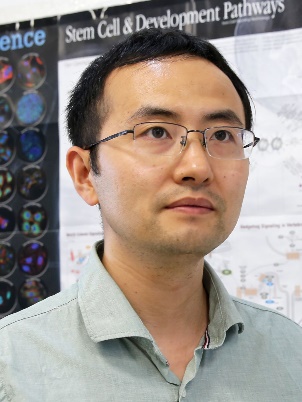 Yu Jiang (姜雨)合作论文数College of Animal Science and Technology, Northwest A&F University7
 Robin Reed合作论文数Reed Lab, Department of Cell Biology, Harvard Medical School6Li Zhang合作论文数5
 Bin Tian合作论文数Univ Med & Dent New Jersey, New Jersey Med Sch, Dept Biochem & Mol Biol, Newark, NJ 07103 USA5
 Ming Li (李明)合作论文数Key Laboratory of Animal Ecology and Conservation Biology, Institute of Zoology, Chinese Academy of Sciences5Changshou Wang合作论文数4Bin Kuai合作论文数4Mei Jiang合作论文数4Yi Shen合作论文数4
 Heng Zhang (张蘅)合作论文数Department of Genetics and Developmental Science, School of Life Sciences and Biotechnology, Shanghai Jiao Tong University4Li Xiu-Miao合作论文数4
 Biao Yan (颜标)合作论文数Eye and ENT Hospital of Fudan University4
 Qin Jiang (蒋沁)合作论文数Eye Hospital,Nanjing Medical University4
 Chang Liu (刘畅)合作论文数南京师范大学生命科学学院4
 Jin Yao (姚进)合作论文数The Affiliated Eye Hospital of Nanjing Medical University4Bo Song合作论文数3程时锋合作论文数3Guifen Wu合作论文数3Chen Baizhi合作论文数3
 Wenlei Fan (凡文磊)合作论文数青岛农业大学动物科技学院3Xian Du合作论文数3
 Zhisong Jeff He (何志嵩)合作论文数The Quantitative Developmental Biology Lab, Eidgenössische Technische Hochschule Zürich;Department of Biosystems Science and Engineering, Eidgenössische Technische Hochschule Zürich;Treutlein Lab, Eidgenössische Technische Hochschule Zürich3
 Ping Hu (胡苹)合作论文数Guangzhou Laboratory;The Fifth Affiliated Hospital of Guangzhou Medical University3
 She Chen (陈涉)合作论文数Proteomics Center, National Institute of Biological Sciences, Beijing3
 Shuisheng Hou (侯水生)合作论文数Institute of Animal Sciences, Chinese Academy of Agricultural Sciences3
 Zheng Dinghai合作论文数Department of Microbiology, Biochemistry and Molecular Genetics, Rutgers New Jersey Medical School;Rutgers Cancer Institute of New Jersey;Rutgers New Jersey Medical School, Rutgers Cancer Institute of New Jersey3Wang Xiao-Qun合作论文数3
 Shan Kun合作论文数Institute of Hydrobiology, Chinese Academy of Sciences;University of Chinese Academy of Sciences;Chinese Academy of Sciences, University of Chinese Academy of Sciences3
 Xingya Chang合作论文数3
 Li Zou (邹丽)合作论文数Union Hospital, Tongji Medical College, Huazhong University of Science and Technology3
 Yangyang Zhang (张杨杨)合作论文数School of Medicine, Tongji University;Shanghai Chest Hospital3Jun Yuan合作论文数3
 Zhengkui Zhou (周正奎)合作论文数Institute of Animal Sciences, Chinese Academy of Agricultural Sciences3Zejian Huang合作论文数2Anusha Dias合作论文数2Miaomiao Wen合作论文数2Zihua Liu合作论文数2Ruimiao Ma合作论文数2




