Reconstructing dynamic visual experiences from brain activity provides a compelling avenue for exploring the neural mechanisms of human visual perception. While recent progress in fMRI-based image reconstruction has been notable, extending this success to video reconstruction remains a significant challenge. Current fMRI-to-video reconstruction approaches consistently encounter two major shortcomings: (i) inconsistent visual representations of salient objects across frames, leading to appearance mismatches; (ii) poor temporal coherence, resulting in motion misalignment or abrupt frame transitions. To address these limitations, we introduce SemVideo, a novel fMRI-to-video reconstruction framework guided by hierarchical semantic information. At the core of SemVideo is SemMiner, a hierarchical guidance module that constructs three levels of semantic cues from the original video stimulus: static anchor descriptions, motion-oriented narratives, and holistic summaries. Leveraging this semantic guidance, SemVideo comprises three key components: a Semantic Alignment Decoder that aligns fMRI signals with CLIP-style embeddings derived from SemMiner, a Motion Adaptation Decoder that reconstructs dynamic motion patterns using a novel tripartite attention fusion architecture, and a Conditional Video Render that leverages hierarchical semantic guidance for video reconstruction. Experiments conducted on the CC2017 and HCP datasets demonstrate that SemVideo achieves superior performance in both semantic alignment and temporal consistency, setting a new state-of-the-art in fMRI-to-video reconstruction.
Multimodal Large Language Models (MLLMs) have advanced image and video understanding and can increasingly handle longer visual inputs. Long-horizon tasks such as autonomous driving and robotic navigation require more than recognizing the current view, as models must remember and retrieve previously observed spatial layouts, routes, viewpoint changes, and object states. To evaluate this capability, we introduce LongSpace-Bench, a room-tour video benchmark for long-horizon spatial memory, covering scene perception, spatial relations, and spatial memory. In this work, we further propose LongSpace, a memory framework for long-video spatial reasoning. LongSpace models long videos as sequential chunks, incorporates 3D structural cues into early decoder layers, and constructs layer-aware memory for question-guided retrieval. Experiments on multiple spatial reasoning benchmarks show that LongSpace improves long-video spatial understanding, further demonstrating explicit spatial memory as a key capability for long-horizon video MLLMs.
Link prediction is a fundamental task in graph machine learning. While Graph Neural Network (GNN)-based methods are mainstream, they exhibit limitations: restricted receptive fields hinder their ability to capture long-range structural information between target node pairs; the node-centric paradigm may lead to information loss as it mismatches the nature of link-centric tasks; and neighborhood node features may introduce task-irrelevant noise in link prediction scenarios, which has been less addressed by existing improvements built on the inherent GNN message-passing paradigm. We propose a Topology-Aware Graph Neural Network (TAGNN) framework for link prediction, achieving breakthroughs from two key perspectives. First, during the GNN neighborhood structure encoding stage, we innovatively propose to discard neighborhood node attributes that may introduce interference in the link-centric task, retaining only topological information encoded via Double-Radius Node Labeling (DRNL) for neighborhood structure encoding. DRNL transforms topological relationships into learnable structural features by computing distances between nodes within the subgraph and the target nodes, enabling the model to focus more precisely on fitting neighborhood topology and avoiding interference from irrelevant features. Second, we design a Reinforced Structural Transformer (RST) module, with its core being the Reinforced Structural Attention (RSA) mechanism. RSA first extracts structural correlation features of target node pairs using topological heuristics like shortest path distance, Adamic-Adar index, and Jaccard coefficient. These features are then fused with node features to form a structural encoding that directly models pairwise relationships, compensating for GNN’s deficiency in long-range structural perception. Crucially, RST confines attention computation strictly to the target node pair rather than all nodes, simultaneously avoiding noise from non-target nodes and reducing the computational complexity from quadratic (as in a standard Transformer) to linear, significantly boosting efficiency. Experiments on six datasets (three from OGB and three classic attributed graphs) demonstrate the outstanding performance of TAGNN, achieving top rankings on ogbl-ppa, ogbl-citation2, and Pubmed. The variant without neighborhood features performs even better. Ablation studies confirm the contribution of RST, and TAGNN shows a 10–16 × computational efficiency gain over a fully-connected Transformer baseline.
Recent advances in fMRI-based image reconstruction have achieved remarkable photo-realistic fidelity. Yet, a persistent limitation remains: while reconstructed images often appear naturalistic and holistically similar to the target stimuli, they frequently suffer from severe semantic misalignment -- salient objects are often replaced or hallucinated despite high visual quality. In this work, we address this limitation by rethinking the role of explicit semantic interpretation in fMRI decoding. We argue that existing methods rely too heavily on entangled visual embeddings which prioritize low-level appearance cues -- such as texture and global gist -- over explicit semantic identity. To overcome this, we parse fMRI signals into rich, sentence-level semantic descriptions that mirror the hierarchical and compositional nature of human visual understanding. We achieve this by leveraging grounded VLMs to generate synthetic, human-like, multi-granularity textual representations that capture object identities and spatial organization. Built upon this foundation, we propose SynMind, a framework that integrates these explicit semantic encodings with visual priors to condition a pretrained diffusion model. Extensive experiments demonstrate that SynMind outperforms state-of-the-art methods across most quantitative metrics. Notably, by offloading semantic reasoning to our text-alignment module, SynMind surpasses competing methods based on SDXL while using the much smaller Stable Diffusion 1.4 and a single consumer GPU. Large-scale human evaluations further confirm that SynMind produces reconstructions more consistent with human visual perception. Neurovisualization analyses reveal that SynMind engages broader and more semantically relevant brain regions, mitigating the over-reliance on high-level visual areas.
Existing state-of-the-art symbolic music generation models represent symbolic music as a sequence of attribute tokens with fixed unidirectional dependencies. However, from the perspective of music theory, the attributes of a musical note are inherently a set rather than a sequence. Building on this insight, we propose Amadeus, a novel symbolic music generation framework that adopts a two-level architecture: an autoregressive model for note sequences and a bidirectional discrete diffusion model for note attributes. This design enables flexible attribute control and adjustable decoding speed during inference. To further enhance sequential modeling, we introduce the Conditional Information Enhancement Module (CIEM). We also constructed AMD (Amadeus MIDI Dataset)—the largest open-source symbolic music dataset to date—supporting both pre-training and fine-tuning. We trained two models of different scales, Amadeus and Amadeus-M, and conducted extensive experiments, demonstrating substantial improvements over state-of-the-art methods across both objective and subjective metrics.
The development of multimodal large language models (MLLMs) has become a fundamental research direction, paralleling the progress of standard large language models. Owing to the abundance and accessibility of image-text data, image-based MLLMs have matured more rapidly than their video counterparts. In this paper, we propose a training-free framework that leverages pre-trained image-based MLLMs to enhance video understanding. To preserve spatio-temporal information while reducing computational redundancy, we introduce a dynamic keyframes sampling strategy that adaptively selects frames from the video input. Furthermore, to address the distinct challenges of short and long video sequences, we design a memory-based mechanism that samples keyframes from short videos and merges semantically similar frames in long videos. This design improves storage efficiency and reduces representational drift. Extensive experiments on three widely-used video-language benchmarks validate the effectiveness and generalizability of our approach.
Test-time training (TTT) adapts large language models (LLMs) during inference using only unlabeled test inputs. Existing methods, however, face two major bottlenecks on hard reasoning tasks: (1) lack of learnable samples, as self-generated pseudo-labels on difficult questions are often noisy and yield unstable rewards; and (2) inefficient exploration, as performance gains depend on repeatedly sampling many rollouts without explicit diagnosis of why previous attempts fail. We propose TTSR (Test-Time Self-Reflection), a self-evolving framework based on a reflect-then-synthesize paradigm. A single pretrained model alternates between a Student role and a Teacher role: the Student solves test questions and updates, while the Teacher analyzes failed trajectories and synthesizes targeted variant questions closer to the Student's capability frontier. TTSR further maintains a cross-iteration weakness memory and compiles persistent weaknesses into a lightweight strategy note prepended to subsequent Student inputs, so diagnostic knowledge can guide exploration and gradually fade as weaknesses are resolved. Experiments on challenging mathematical reasoning benchmarks show consistent test-time improvements, strong cross-backbone generalization, and transfer to general-domain reasoning tasks.
Sketching represents humanity's most intuitive form of visual expression -- a universal language that transcends barriers. Although recent diffusion models integrate sketches with text, they often regard the complete sketch merely as a static visual constraint, neglecting the human preference information inherently conveyed during the dynamic sketching process.This oversight leads to images that, despite technical adherence to sketches, fail to align with human aesthetic expectations. Our framework, SketchEvo, harnesses the dynamic evolution of sketches by capturing the progression from initial strokes to completed drawing. Current preference alignment techniques struggle with sketch-guided generation because the dual constraints of text and sketch create insufficiently different latent samples when using noise perturbations alone. SketchEvo addresses this through two complementary innovations: first, by leveraging sketches at different completion stages to create meaningfully divergent samples for effective aesthetic learning during training; second, through a sequence-guided rollback mechanism that applies these learned preferences during inference by balancing textual semantics with structural guidance. Extensive experiments demonstrate that these complementary approaches enable SketchEvo to deliver improved aesthetic quality while maintaining sketch fidelity, successfully generalizing to incomplete and abstract sketches throughout the drawing process.
The proliferation of Large Language Models (LLMs) necessitates robust and efficient hardware accelerators. This paper investigates the performance and practical usability of the Huawei Ascend 910B2 Neural Processing Unit (NPU) in the domain of LLM inference, aiming to delineate its standing relative to established Nvidia T4 and V100 GPUs. We conduct a comparative benchmark using Qwen2.5-7B-Instruct and QwQ-32B models across inference frameworks like vLLM, SGLang, and Huawei's MindIE, considering various quantization schemes. Key metrics include accuracy preservation on GSM8K/MMLU, Time To First Token (TTFT), and output throughput. Furthermore, batch processing on a 4x 910B2 NPU cluster and the evolving ecosystem support are analyzed. Our findings highlight that the Ascend 910B2, particularly with MindIE, offers compelling inference capabilities, characterized by significantly reduced TTFT and competitive throughput, while maintaining baseline model accuracy. The study underscores the Ascend 910B2's considerable usability and its emergence as a viable alternative for LLM deployment.
Background:Conventional approaches for major depressive disorder (MDD) screening rely on two effective but subjective paradigms: self-rated scales and clinical interviews. Artificial intelligence (AI) can potentially contribute to psychiatry, especially through the use of objective data such as objective audiovisual signals. Objective:This study aimed to evaluate the efficacy of different paradigms using AI analysis on audiovisual signals. Methods:We recruited 89 participants (mean age, 37.1 years; male: 30/89, 33.7%; female: 59/89, 66.3%), including 41 patients with MDD and 48 asymptomatic participants. We developed AI models using facial movement, acoustic, and text features extracted from videos obtained via a tool, incorporating four paradigms: conventional scale (CS), question and answering (Q&A), mental imagery description (MID), and video watching (VW). Ablation experiments and 5-fold cross-validation were performed using two AI methods to ascertain the efficacy of paradigm combinations. Attention scores from the deep learning model were calculated and compared with correlation results to assess comprehensibility. Results:In video clip-based analyses, Q&A outperformed MID with a mean binary sensitivity of 79.06% (95%CI 77.06%-83.35%; P=.03) and an effect size of 1.0. Among individuals, the combination of Q&A and MID outperformed MID alone with a mean extent accuracy of 80.00% (95%CI 65.88%-88.24%; P= .01), with an effect size 0.61. The mean binary accuracy exceeded 76.25% for video clip predictions and 74.12% for individual-level predictions across the two AI methods, with top individual binary accuracy of 94.12%. The features exhibiting high attention scores demonstrated a significant overlap with those that were statistically correlated, including 18 features (all Ps<.05), while also aligning with established nonverbal markers. Conclusions:The Q&A paradigm demonstrated higher efficacy than MID, both individually and in combination. Using AI to analyze audiovisual signals across multiple paradigms has the potential to be an effective tool for MDD screening.
Visual mathematical reasoning, as a fundamental visual reasoning ability, has received widespread attention from the Large Multimodal Models (LMMs) community. Existing benchmarks mainly focus more on the end-to-end performance, but neglect the underlying principles of knowledge acquisition and generalization. Instead, we introduce WE-MATH, the first benchmark specifically designed to explore the problem-solving principles. We meticulously collect 6.5K visual math problems and decompose them into 10.9K step-level questions for evaluation, spanning 5 layers of knowledge granularity and 67 hierarchical knowledge concepts. Specifically, we decompose composite problems into sub-problems according to the required knowledge concepts and introduce a novel four-dimensional metric to hierarchically assess inherent issues in LMMs’ reasoning process. With WE-MATH, we conduct a thorough evaluation of existing LMMs in visual mathematical reasoning and provide comprehensive analysis and insight for future development. We anticipate that WE-MATH will open new pathways for advancements in visual mathematical reasoning for LMMs. Data and code are available at https://github.com/We-Math/We-Math.
Despite the rapid advancements in text-to-image (T2I) synthesis, enabling precise visual control remains a significant challenge. Existing works attempted to incorporate multi-facet controls (text and sketch), aiming to enhance the creative control over generated images. However, our pilot study reveals that the expressive power of humans far surpasses the capabilities of current methods. Users desire a more versatile approach that can accommodate their diverse creative intents, ranging from controlling individual subjects to manipulating the entire scene composition. We present VersaGen, a generative AI agent that enables versatile visual control in T2I synthesis. VersaGen admits four types of visual controls: i) single visual subject; ii) multiple visual subjects; iii) scene background; iv) any combination of the three above or merely no control at all. We train an adaptor upon a frozen T2I model to accommodate the visual information into the text-dominated diffusion process. We introduce three optimization strategies during the inference phase of VersaGen to improve generation results and enhance user experience. Comprehensive experiments on COCO and Sketchy validate the effectiveness and flexibility of VersaGen, as evidenced by both qualitative and quantitative results.
Recently, diffusion models have achieved great success in mono-channel audio generation.However, when it comes to stereo audio generation, the soundscapes often have a complex scene of multiple objects and directions.Controlling stereo audio with spatial contexts remains challenging due to high data costs and unstable generative models. To the best of our knowledge, this work represents the first attempt to address these issues.We first construct a large-scale, simulation-based, and GPT-assisted dataset, BEWO-1M, with abundant soundscapes and descriptions even including moving and multiple sources.Beyond text modality, we have also acquired a set of images and rationally paired stereo audios through retrieval to advance multimodal generation. Existing audio generation models tend to generate rather random and indistinct spatial audio. To provide accurate guidance for Latent Diffusion Models, we introduce the SpatialSonic model utilizing spatial-aware encoders and azimuth state matrices to reveal reasonable spatial guidance. By leveraging spatial guidance, our model not only achieves the objective of generating immersive and controllable spatial audio from text but also extends to other modalities as the pioneer attempt.Finally, under fair settings, we conduct subjective and objective evaluations on simulated and real-world data to compare our approach with prevailing methods. The results demonstrate the effectiveness of our method, highlighting its capability to generate spatial audio that adheres to physical rules.
How to prompt a foundation model like CLIP towards a sketch expert is the question we seek to answer in this paper. Debates on the best way to prompt have been intense and divided, however converged on one particular point that of modelling prompt learning as context token optimisation. This paper scrutinises such technical route for sketch and argues the challenge is more than a stereotyped ask from context change. In particular, we pin down the problem to the dramatic cross-modality gap between sketch and the photo-centric visual world formed within CLIP. We first show through a pilot study that relocating a sketched object to a different spatial locality can significantly improve zero-shot CLIP performance on sketch. Our core contribution is then to regard spatial misalignment as the key to explaining poor sketch adaptation in CLIP prompts that a sketched object does not reside in a place as if it were part of the scene compositions of photo. Methodologically, we leverage a lightweight network that explicitly allows differentiable spatial manipulation of sketch data and design regulatory self-supervised signals to encourage proper convergence. We showcase consistent complementary power of this simple approach by building on top of 10 existing contemporary prompting methods on the sketch recognition task. For example, we outperform the strong prompting baseline CoOp by 2.57%, MaPle by 4.83% and AdaptFormer by 5.07%. Notably, the latter two beat the traditional full parameter fine-tuning (82.98%83.39% vs. 81.51%), and does so with less than 1% of the total training parameters.
In this paper, we propose sketch-based video object segmentation (SKVOS), a novel task that segments objects consistently across video frames using human-drawn sketches as queries. Traditional reference-based methods, such as photo masks and language descriptions, are commonly used for segmentation. Photo masks provide high precision but are labor intensive, limiting scalability. While language descriptions are easy to provide, they often lack the specificity needed to distinguish visually similar objects within a frame. Despite their simplicity, sketches capture rich, fine-grained details of target objects and can be rapidly created, even by non-experts, making them an attractive alternative for segmentation tasks. We introduce a new approach that utilizes sketches as efficient and informative references for video object segmentation. To evaluate sketch-guided segmentation, we introduce a new benchmark consisting of three datasets: Sketch-DAVIS16, Sketch-DAVIS17, and Sketch-YouTube-VOS. Building on a memory-based framework for semi-supervised video object segmentation, we explore effective strategies for integrating sketch-based references. To ensure robust spatiotemporal coherence, we introduce two key innovations: the Temporal Relation Module and Sketch-Anchored Contrastive Learning. These modules enhance the model’s ability to maintain consistency both across time and across different object instances. Our method is evaluated on the Sketch-VOS benchmark, demonstrating superior performance with overall improvements of 1.9%, 3.3%, and 2.0% over state-of-the-art methods on the Sketch-YouTube-VOS, Sketch-DAVIS 2016, and Sketch-DAVIS 2017 validation sets, respectively. Additionally, on the YouTube-VOS validation set, our method outperforms the leading language-based VOS approach by 10.1%.
Recent advancements in Large Multimodal Models have demonstrated impressive performance in various tasks. However, their capabilities in error detection and resolution for Optical Character Recognition (OCR) remain underexplored. To address this gap, we construct the first visual instruction tuning dataset specifically for detailed OCR error analysis. Building on this foundation, we develop a universal, plug-and-play OCR-Critic model that incorporates three novel dynamic alignment strategies. These strategies systematically mitigate LMMs' weaknesses in OCR tasks by providing coarse-to-fine error feedback. To comprehensively evaluate these capabilities, we introduce OCR-ERROR, a benchmark designed to assess LMMs' ability to detect and categorize OCR errors, covering two task types, diverse error categories, and 2,400 rigorously validated samples. Experimental results show that OCR-Critic effectively identifies fine-grained OCR errors across multiple domains. With the integration of our dynamic alignment strategies, the LMM further achieves substantial performance gains on four prominent benchmarks, demonstrating both versatility and effectiveness.
The rapid development of generative artificial intelligence has significantly increased the risk of realistic video forgeries, posing severe challenges to face verification scenarios. Existing deepfake datasets typically lack diversity in generation methods and facial dynamic features. To address this gap, we introduce LiveForgery, a multi-model synthetic video dataset containing 15,579 forged video clips (each $4-10$ seconds long) and 3,000 real videos. These clips are generated by multiple state-of-the-art tools, including seven primary methods (such as LivePortrait, Hunyuan Video, Echomimic, etc.) and additional samples from other models, collectively covering seven dynamic facial actions (head up/down, head left/right turn, head shake, eye blink, mouth opening) to simulate common verification behaviors. By combining multi-model generation, we establish a comprehensive benchmark that better reflects real-world conditions. Experimental evaluation demonstrates that this dataset poses significantly greater challenges to representative detection architectures compared to existing benchmarks. LiveForgery is the first dataset specifically designed for video face verification scenarios.
With the rapid advancement of video communication technologies, deepfake techniques have posed severe challenges to content authenticity and system trustworthiness. To address the limitations of existing detection methods in terms of generalization and accuracy, this paper proposes a deepfake detection method based on an optimized XceptionNet architecture. By refining the network structure and building dataset, the proposed model achieves over 95% accuracy across datasets involving multiple forgery techniques, with an inference speed of up to 409 frames per second. Furthermore, fairness and consistency evaluations demonstrate that the proposed method maintains stable performance and coherent video-level decisions across diverse forgery types, and outperforms three representative generalization-focused baselines, highlighting its superior generalization and applicability in real-world communication scenarios.
 Jun Guo (郭军)合作论文数School of Artificial Intelligence, Beijing University of Posts and Telecommunications73
 Yi-Zhe Song合作论文数Centre for Vision, Speech and Signal Processing, University of Surrey;School of Computer Science and Electronic Engineering, University of Surrey35
 Lan Yang合作论文数Beijing University of Posts and Telecommunications23
 Kaiyue Pang (逄开岳)合作论文数SketchX17
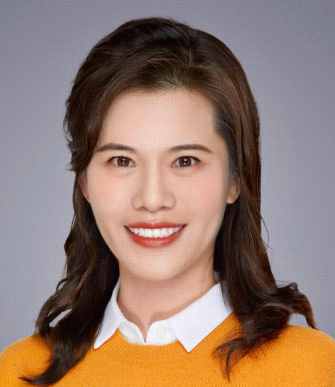 Kaili Zhao (赵凯莉)合作论文数Meta15
 Tianming Du合作论文数Beijing Univ Posts & Telecommun, Beijing, Peoples R China14
 Yonggang Qi (齐勇刚)合作论文数School of Artificial Intelligence, Beijing University of Posts and Telecommunications14
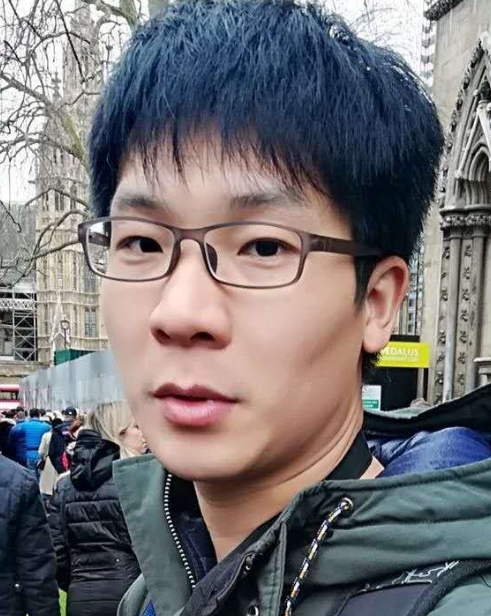 Ke Li合作论文数School of Artificial Intelligence, BUPT13
 Chunguang Li (李春光)合作论文数School of Artificial Intelligence, Beijing University of Posts and Telecommunications13
 Gang Liu (刘刚)合作论文数School of Artificial Intelligence, Beijing University of Posts and Telecommunications12Lunshao Chai合作论文数12Lihua Xie合作论文数9
 Bo Xu (徐波)合作论文数Beijing Friendship Hospital, Capital Medical University9
 Timothy Hospedales合作论文数Institute of Perception, Action and Behaviour, School of Informatics, The University of Edinburgh;Samsung AI Research Centre9Xiaolin Song合作论文数8
 Zhen Qin (秦臻)合作论文数Google DeepMind GenAI Unit8
 Weihong Deng (邓伟洪)合作论文数School of Information and Communication Engineering, Beijing University of Posts and Telecommunications8Xuqing Liu合作论文数7
 Wenting Lu (陆文婷)合作论文数College of Business Administration, Capital University of Economics and Business7
 Bir Bhanu合作论文数Department of Electrical & Computer Engineering, University of California, Riverside;Visualization and Intelligent Systems Laboratory, University of California, Riverside7
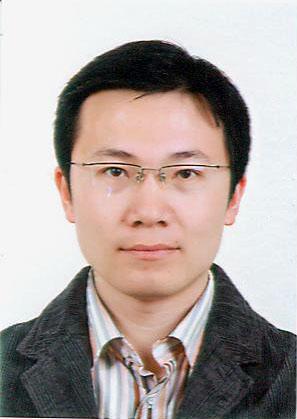 Guang Chen (陈光)合作论文数Department of Intelligent Information Engineering, School of Artificial Intelligence, Beijing University of Posts and Telecommunications7
 Shi Pu合作论文数Tencent AI Platform Department7Peiwen Sun合作论文数6Donghao Chen (陈东浩)合作论文数6Ruolin Yang合作论文数Beijing Univ Posts Telecommun6Guan Changdong合作论文数6
 Zhanyu Ma (马占宇)合作论文数PRIS Laboratory, School of Artificial Intelligence, Beijing University of Posts and Telecommunications6
 Qun Li (李群)合作论文数School of Computer Science, Nanjing University of Posts and Telecommunications6
 Guanting Dong (董冠霆)合作论文数Gaoling School of Artificial Intelligence, Renmin University of China5Siyuan Li合作论文数5
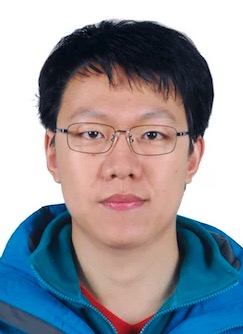 Jianlou Si (四建楼)合作论文数Alibaba Group5
 Tao Xiang合作论文数Facebook AI Applied Research;Centre for Vision Speech and Signal Processing, Department of Computer Vision and Machine Learning, Faculty of Engineering and Physical Sciences, University of Surrey5
 Haibin Ling (凌海滨)合作论文数Westlake Intelligent Computing and Application Lab, Department of Artificial Intelligence, School of Engineering, Westlake University5Li Qiaohong (李巧红)合作论文数4
 Shuai Di合作论文数4Wangding Zeng (曾旺丁)合作论文数Beijing University of Posts and Telecommunications4Xiaotong Shi合作论文数4
 Yue Zhong合作论文数Beijing University of Posts and Telecommunications4Jin Feng合作论文数4Xiaofei Wang合作论文数4
 Yi Lin合作论文数4Shuang Chen合作论文数Beijing Univ Posts & Telecommun, Beijing, Peoples R China4
 Han-Bing Yan (严寒冰)合作论文数National Computer Network Emergency Response Technical Team4
 Chong Sun合作论文数Tencent4
 Jiani Hu (胡佳妮)合作论文数School of Artificial Intelligence, Beijing University of Posts and Telecommunications4
 Tao Li (李涛)合作论文数School of Computing and Information Sciences, Florida International University4
 Wen-Sheng Chu合作论文数Google4
 Ming-Hsuan Yang合作论文数Vision and Learning Lab, University of California, Merced;Google DeepMind4




