This study attempts to address the low separation efficiency of iron ore in Hebei Province. We conducted a single factor test based on the properties of iron ore to investigate the effects of ball mill medium filling rate, material-ball ratio and rotation rate on the grade and recovery rate of iron concentrate in grinding products. Then, based on this single factor test, we established the response surface model of the grade and recovery rate of iron concentrate by introducing the response surface design so as to reveal the coupling effect between multiple parameters in the grinding process and optimize process parameters. Three-dimensional modeling and decoupling analysis were carried out. Results show the optimum grinding conditions, 42% medium filling rate, 0.064 material-ball ratio and 77.3% rotation rate. Under such conditions, 3 verification tests revealed that the average values of TFe grade and recovery rate were 65.18% and 84.22%, respectively, and the separation efficiency reached 73.24%. Compared with the single factor test, the TFe grade and recovery rate increased by 1.13 percentage points and 2.39 percentage points, respectively, and the separation efficiency increased by 4.59 percentage points.
This study uses response surface methodology (RSM) with a central composite design to optimize the HY wet ball mill work index. Key operational parameters—ore quantity, water addition, and media proportion—were systematically investigated. Variance analysis identified these factors as statistically significant ( p < 0.0001), with ore quantity exhibiting the strongest influence ( F value = 82.67). Optimal conditions (water addition: 1083.880 mL, media filling rate: 40.362%, ore quantity: 1827.130 g) achieved a minimum work index of 10.195 kW h t −1 . Validation tests confirmed the model’s accuracy, yielding an average work index of 10.168 kW h t −1 (deviation: 0.027 kW h t −1 ). Compared to single-factor tests, RSM optimization reduced energy consumption by 3.76% (0.3975 kW h t −1 ), translating to annual savings of $214,000 for a mid-sized processing plant. This demonstrates RSM’s efficacy in bridging the gap between laboratory-scale experiments and industrial grinding optimization.
In evaluating ore grinding energy consumption using the Bond ball mill work index, discrepancies were identified. As a result, an investigation into the determination method of Hou Ying (HY) wet ball milling work index (WHY) for Gongchangling magnetite ore was conducted to determine the correlation between WHY and grinding energy consumption at varying particle sizes. The research results indicated that WHY had an error less than 3.33
In order to improve the automation level of the concentrator,the magnetic separation process was investigated for the low level of the magnetic separation control system of the concentrator,and many factors affecting the grade of concentrate and tailings were studied.The results show that the magnetic separation process has many influencing factors,the process is complex,there are many uncontrollable factors,and there are some problems of lagging operation parameter information.Different types of magnetic separators have different adjustment methods,so it is necessary to design a specific adjustment scheme in automatic control.The lack of sensors and operating systems also affects the quality and efficiency of beneficiation.The automation of magnetic separation process should also be fully integrated into new research to promote the development and application of automation in concentrators and improve the economic benefits of concentrators.
Mining operations usually provide ore of varying characteristics. At the Donganshan Sintering Plant, the ore is a low-grade, complex, hard-to-separate carbonate containing iron ore, and a two-step flotation circuit was previously developed to overcome the negative impact of the carbonates on the reverse flotation process. However, with the further expansion in the mining operations, it was difficult to maintain a highly efficient flotation process. Thus, the mineral liberation analyzer (MLA) was utilized to conduct an in-depth process mineralogy investigation. MLA showed that the main useful minerals in this ore are magnetite/hematite of 45% total iron, and the main gangue mineral is quartz of 29.97%, followed by 2.55% chlorite and 1.48% ankerite with about 0.03% siderite. Accordingly, flotation circuit modification was mandatory by eliminating the direct flotation process used prior to reverse flotation. Therefore, two-step and reverse flotation circuits were balanced using nodal simulation, and the two circuits produced 48.91% and 49.45% yield, 65.03% and 65.22% total iron grade, and 70.96% and 72.08% total iron recovery, respectively. Thus, reverse flotation is comparable with two-step flotation by 0.54%, 0.19%, and 1.12% higher yield, grade, and recovery, respectively. In addition, the process flow sheet was not only simplified but it also enhanced the performance with reduced reagent consumption.
Grinding is commonly responsible for the liberation of valuable minerals from host rocks but can entail high costs in terms of energy and medium consumption, but a tower mill is a unique power-saving grinding machine over traditional mills. In a tower mill, many operating parameters affect the grinding performance, such as the amount of slurry with a known solid concentration, screw mixer speed, medium filling rate, material-ball ratio, and medium properties. Thus, 25 groups of grinding tests were conducted to establish the relationship between the grinding power consumption and operating parameters. The prediction model was established based on the backpropagation “BP” neural network, further optimized by the genetic algorithm GA to ensure the accuracy of the model, and verified. The test results show that the relative error of the predicted and actual values of the backpropagation “BP” neural network prediction model within 3% was reduced to within 2% by conducting the generic algorithm backpropagation “GA-BP” neural network. The optimum grinding power consumption of 41.069 kWh/t was obtained at the predicted operating parameters of 66.49% grinding concentration, 301.86 r/min screw speed, 20.47% medium filling rate, 96.61% medium ratio, and 0.1394 material-ball ratio. The verifying laboratory test at the optimum conditions, produced a grinding power consumption of 41.85 kWh/t with a relative error of 1.87%, showing the feasibility of using the genetic algorithm and BP neural network to optimize the grinding power consumption of the tower mill.
塔磨机是一种高效、节能的细磨和超细磨设备,在矿山行业中,被广泛应用于非金属矿山和金属矿山的细磨矿和精矿再磨作业中,研究塔磨机的磨矿机理,分析塔磨机的影响因素有着重要意义.本文介绍了塔磨机的发展历史,从微观和宏观上叙述了塔磨机的工作原理,分析了操作参数和结构参数对塔磨机磨矿效率的影响,同时在优化操作参数时提供了多种科学的数值分析方法.为选矿厂优化塔磨机操作参数提供了新思路,并为塔磨机磨矿效果优化工作提供理论支撑及技术指导.
为了进一步实现某铁矿碎磨工艺的节能降耗,以某铁矿石高压辊磨—预选精矿为研究对象,磨矿功耗作为评价指标,在单因素试验的基础上采用正交试验方法进行塔磨机磨矿参数优化试验.结果表明:① 单因素试验确定适宜的磨矿浓度为 60%、螺旋搅拌器转速为 300 r/min、介质充填率为 16.15%、介质配比(?8 mm钢球质量占比)为 50%,料球比为 0.1664.② 正交试验确定适宜的磨矿浓度为 60%、螺旋搅拌器转速为 360 r/min、介质充填率为20.77%、介质配比(?8 mm钢球质量占比)为 100%和料球比为 0.16.③ 正交试验的磨机-0.074 mm利用系数比单因素试验高 44.32%,磨矿功耗比单因素试验低 9.68%.④ 塔磨机的 5 个影响因素对磨矿功耗的影响作用由大到小依次为磨矿浓度、螺旋搅拌器转速、料球比、介质充填率和介质配比.正交试验优化进一步降低了塔磨机磨矿功耗,且磨矿产品的粒度分布更加均匀,有利于提高后续分选效果.
为提高矿山磨矿效率、实现节能降耗,以某铁矿高压辊磨—预选精矿为研究对象,分别采用球磨机和塔磨机为粗磨设备开展磨矿试验.结果表明:① 采用球磨机磨矿,磨矿时间为 200 s时,新生成-0.074 mm产品的能耗为 150.08 kW·h/t,磨机-0.074 mm 利用系数为 0.586 t/(m3·h);采用塔磨机磨矿,磨矿时间为 600 s 时,新生成-0.074 mm产品的能耗为138.53 kW·h/t,磨机-0.074 mm利用系数为0.195 t/(m3·h).2 种磨矿方式的产品各粒级产率差异主要集中在+0.150 mm和 0.150~0.074 mm.② 优化试验确定适宜的塔磨工艺参数为:磨矿时间 300 s、磨矿浓度 60%、搅拌器转速 300 r/min、介质充填率 16.15%、料球比 0.1664.该条件下,磨机-0.074 mm利用系数为0.625 t/(m3·h),新生成-0.074 mm产品的能耗为 53.62 kW·h/t.与球磨机相比,-0.074 mm利用系数提高 6.66%,新生成-0.074 mm产品的能耗降低 64.27%.研究结果可为塔磨机的应用提供有益参考.
为了实现赤铁矿选矿过程的降本增效及工艺参数的自动化控制,针对赤铁矿选矿工艺中仍存在的手动操作及浮选过程的动态性、不稳定性,进行了赤铁矿反浮选工艺的建模、选矿指标的在线检测和浮选过程优化算法设定等研究.研究得到了选矿工艺中不同工艺参数的建模方法、控制方法和优化算法,浮选过程关键指标的测量方法不同,需采用相应的方法进行控制.
The iron grade of the mixed concentrate after low-intensity magnetic separation or high-intensity magnetic separation in Donganshan sintering plant is 45.48%, in which the main minerals are magnetite, hematite and siderite, along with few quartz and chlorite. In order to obtain higher grade iron concentrate, step-by-step flotation test was carried out. The results showed that under the conditions of 800 g/t for starch and 200 g/t for TD-Ⅱ in direct flotation, 500 g/t for starch and 800 g/t for calcium oxide and 800 g/t for TD-Ⅱin reverse flotation during coarsing, and 400 g/t for TD-Ⅱ in reverse flotation during cleaning,the sample is subjected to once direct flotation. A concentrate with grade of 65.58% and recovery rate of71.97% was obtained with one roughing, one cleaning, three scavenging and middling ore return in sequence.
Removal of quartz from iron ore was accomplished industrially via an anionic reverse flotation technique. However, in that kind of flotation, the interaction of the flotation reagents with the components of the feed sample makes the flotation a complicated system. Thus, the selection and optimization of regent dosages at various temperatures were performed using a uniform experimental design to estimate the optimum separation efficiency. Besides, the produced data as well as the reagent system were mathematically modeled at different flotation temperatures, and the graphical user interface GUI of MATLAB was conducted. The advantage of this procedure is that the user interface displayed in real-time can be conducted by adjusting the temperature at different values to automatically control the reagent system, besides predicting the concentrate yield, total iron grade, and total iron recovery.
Pyrite (PR), as a representative sulfide mineral, possesses the advantages of abundancy, thermodynamic stability, non-toxicity and semi-conductivity. In this study, an amperometric glucose biosensor (GOD/CS/PR/GCE) based on layer-by-layer of glucose oxidase (GOD), chitosan (CS) and pyrite (PR) on a glassy carbon electrode (GCE) was fabricated through electrostatic force. In this research, PR suspension prepared in phosphate buffer (pH 5.5) was first immobilized on the GCE surface, which exhibits a negative charge. Then, positively charged CS was adsorbed on the PR/GCE by electrostatic force. Finally, negatively charged GOD was further modified on the CS/PR/GCE surface through electrostatic force again. The surface morphology and adsorbance mechanism were supported by field emission scanning electron microscopy, quartz crystal microbalance with dissipation and atomic force microscope. The step-by-step procedure gives both strong adhesion ability and good bioelectrocatalytic activity of GOD on the CS- and PR-modified electrode surface. The linear range of this GOD/CS/PR/GCE biosensor was achieved from 0.5 to 60 mM with the linear regression equation of y = 0.897x − 0.3016 (R2 = 0.9996) and a limit of detection value of 50 µM. This approach of using pyrite and chitosan as physically modified GOD to serve as electrostatic glues could be useful for designing better enzyme-based biosensors for a wide variety of practical applications.
Most iron reserves are low in grade with quartz as the main gangue mineral, and anionic reverse flotation has become the most crucial separation method in the processing plants of iron ore.Thus, a flotation feed sample that is a mixture of low-intensity and high-gradient magnetic separators concentrates was acquired from a processing plant.The sample characterizations with X-ray diffraction (XRD), X-ray fluorescence (XRF), laser particle size analyzer, and mineral liberation analysis (MLA) confirmed that the sample consists of iron oxide as a valuable mineral and quartz as a gangue mineral with adequate liberation degree.In the anionic reverse flotation, the interaction of the flotation reagents with the constituents of the feed makes the flotation a complex system.Thus, the selection and optimization of regent dosages were performed using a uniform experimental design to estimate the optimum separation efficiency.The optimum reagent system was 1.6 kg/Mg starch depressant, 1.0 kg/Mg calcium oxide (lime) activator, and 0.8 kg/Mg TD-II anionic collector.At the optimum, 68.90% iron grade with 92.62% recovery was produced.
为了探讨显著影响赤铁矿强磁分选效果的影响因素,针对SLon立环脉动高梯度磁选机的影响因素进行分析,论述了结构参数、工作参数、给矿性质和日常生产管理对赤铁矿强磁分选的影响.反洗结果表明:转环外径、介质盒结构及材质等结构参数,脉动冲程、脉动冲次、背景磁感应强度、转环转速等工作参数,给矿浓度和给矿粒度等给矿性质参数,分选槽液位和磁选机清理等日常生产管理均会显著影响其分选效果;同时指出了赤铁矿在强磁分选过程中SLon立环脉动高梯度磁选机影响因素的调控方向,明确提出分选槽液位监控和给矿浓度智能控制等自动化技术在实际应用方面仍需加强推广.
为进一步完善石英和赤铁矿浮选作用机理,探讨了活化剂CaCl2在石英和赤铁矿表面吸附特性的差异.通过研究纯矿物吸附特性试验,采用原子力显微镜(AFM)、傅里叶红外光谱(FTIR)和Zeta电位检测进行分析和表征,阐释了CaCl2在石英和赤铁矿表面的吸附作用机理.试验结果表明:CaCl2与石英和赤铁矿均在pH值为11~12时吸附作用较强;当CaCl2浓度超过3.0 g/L时,石英和赤铁矿表面的吸附量差异逐渐增大;CaCl2与淀粉抑制剂在矿物表面发生了竞争吸附,在赤铁矿表面的活化吸附作用弱于抑制吸附作用;CaCl2在石英表面的吸附作用符合单分子层的物理吸附模型,且主要表现为静电吸附,CaCl2可提高石英在矿浆中的分散度,有利于石英在活化过程中暴露出更多的吸附活性位点,易于被捕收富集.
Abstract Mining operations usually provide ore of varying characteristics. Similarly, for Donganshan Sintering Plant, the charges in iron oxide ore especially prior flotation process were investigated by conducting mineral liberation analyzer “MLA”. This in-deep study of process mineralogy explored and analyzed the mechanism of difficulty to obtain high-efficient flotation process. The MLA analysis results showed also that the main useful minerals in this ore are magnetite/hematite, and the main gangue minerals is quartz, followed by chlorite and ankerite. In addition, two-step “direct then reverse” and one step “reverse” flotation experiments were carried out and produced iron oxide concentrates of 48.91% and 49.45% yield; 65.03% and 65.22% grade; 70.96% and 72.08% recovery respectively. Besides, the process flow sheet was simplified with reduced reagent consumptions.
In order to improve the economic benefits of Qidashan Concentrator,the flotation process was investigated to solve the problem of high grade of flotation tailings in the reverse flotation process of mixed magnetic concentrate. The effects of flotation machine structure,ore feeding properties,operating conditions and production management on the flotation process were studied. The research results show that the large-scale flotation machine is conducive to reducing costs and improving the level of automation. The working parameters of flotation machine,such as air volume,liquid level and reagent system,ore feeding property parameters,such as feed concentration,feed particle size and daily production management,will all significantly affect the flotation effect. The control direction of each influencing factor in the reverse flotation process of mixed magnetic separation concentrate in the future is obtained. It is clearly proposed that automation technologies such as intelligent control of flotation tank liquid level,intelligent perception technology of flotation concentrate grade and intelligent control of flotation reagent addition still need to be strengthened and promoted in practical application.
In order to reduce the medium consumption of heavy medium coal washing in the second workshop of Shuiyu Coal Preparation Plant,aiming at the problems of medium removal screen and medium running of magnetic separator,the magnetic material recovery rate of magnetic separator,slime removal rate and water spraying structure of medium removal screen surface,water spraying pressure and distribution of weir sieve plate were studied. The test results show that when the length of the nozzle on the sieve surface of the medium removal sieve is staggered,the spray water pressure on the sieve surface is increased,the narrow back width arc sieve plate is used,and the slime content in the feed of the magnetic separator is reduced,the medium consumption is significantly reduced,and the medium consumption is expected to be reduced to about 1.0 kg/t. While the non-technical loss has been reduced to the lowest level,the medium consumption can be reduced by optimizing the process parameters of the medium sieve and the magnetic separator,and the economic benefits of the plant can be improved.
以油酸钠(SODI)、苯甲羟肟酸(BHA)、十二烷基磺酸钠(SDS)三种阴离子捕收剂对彩钼铅矿表面的吸附为研究对象,首先考察了矿浆pH值和捕收剂用量对彩钼铅矿浮选行为的影响,并进行了吸附量测定以及采用红外光谱分析手段判定了药剂在矿物表面的吸附形态,最后为了验证上述研究在实际矿石浮选中的适用性,进行了实际矿石浮选试验.研究结果表明,在各自适宜的矿浆pH值范围内,三种捕收剂在彩钼铅矿表面的饱和吸附量排序为油酸钠>十二烷基磺酸钠>苯甲羟肟酸,且油酸钠在矿物表面物理吸附与化学吸附形式共存.针对实际矿石,采用油酸钠作捕收剂,浮选获得了钼品位17.25%、钼回收率86.32%的钼粗精矿,可为后续钼湿法浸出工艺提供品质更好的原材料,并大幅降低尾矿直接浸出钼工艺流程的生产成本.
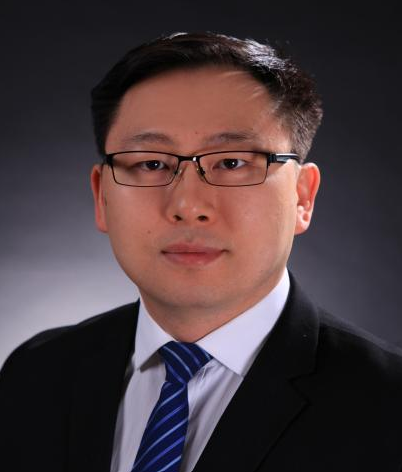 Jin Yao (姚金)合作论文数School of Resources and Civil Engineering, Northeastern University22
 Wanzhong Yin (印万忠)合作论文数Zijin School of Geology and Mining, Fuzhou University13
 Yulian WANG (王余莲)合作论文数12LUO Xi-mei合作论文数9
 Ahmed Sobhy合作论文数Cent Met Res & Dev Inst, Min Technol9Cheng Han (韩呈)合作论文数8YaZhuo Ding (丁亚卓)合作论文数8DongDong Xie (谢冬冬)合作论文数8
 Yingqiang Ma (马英强)合作论文数Zijin School of Geology and Mining, Fuzhou University7Zhongxian Wu (吴中贤)合作论文数6Zhu Jujian合作论文数5WANG Ziyang (王子扬)合作论文数5Donglin XU (徐冬林)合作论文数5Zhuang Gai (盖壮)合作论文数5LaiBao Chen (陈来保)合作论文数5
 Dongping Tao (陶东平)合作论文数University of Science and Technology LiaoNing5Guichen HUANG (黄贵臣)合作论文数4Dayong SUN (孙大勇)合作论文数4TongLin Zhao (赵通林)合作论文数4
 Chuanyao Sun (孙传尧)合作论文数BGRIMM Technology Group4Zhengchao Lv (吕政超)合作论文数4Yiyuan XU (徐亦元)合作论文数3Chun YANG (杨春)合作论文数3Qianfeng WU (吴前锋)合作论文数3Dong Wang (王冬)合作论文数3
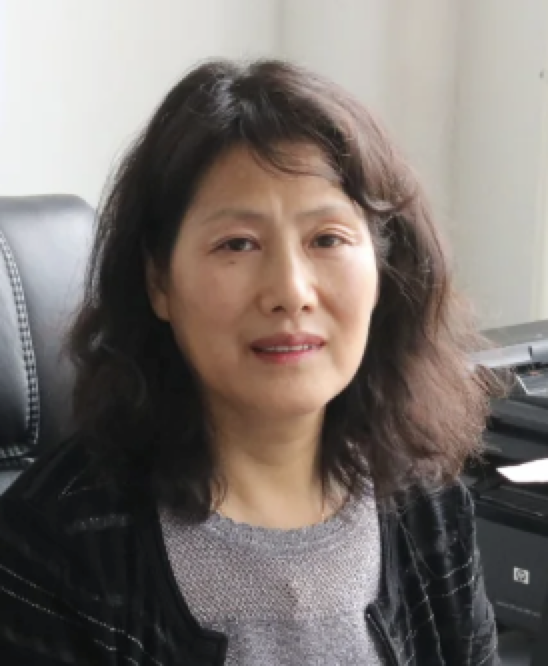 Hongying Yang (杨洪英)合作论文数School of Metallurgy, Northeastern University3Lingtao Kong (孔令涛)合作论文数3Ju Jian Zhu合作论文数2Nailing Wang合作论文数2Zilin Deng (邓紫林)合作论文数2Yulian Wang合作论文数2SONG Changchun (宋长春)合作论文数2JIN Da (靳达)合作论文数2Li-cong XIAO (肖丽聪)合作论文数2YU Guang-tao (于光涛)合作论文数2Li-li ZHANG (张丽丽)合作论文数2Haiyang Xu (徐海阳)合作论文数2Xu Zhang (张旭)合作论文数2Guohui FU (傅国辉)合作论文数2Ya Haibin (亚海斌)合作论文数2Xu Kang (亢旭)合作论文数2BaoXu Song (宋宝旭)合作论文数2WenJun Zhang (张文军)合作论文数2Wenxing Zhong (钟文兴)合作论文数2
 Yue Wang (王越)合作论文数School of Pharmacy, East China University of Science and Technology2Libo Jiang (姜力波)合作论文数2Enlei Wang (王恩雷)合作论文数2




