The 2',5'- oligoadenylate synthetase (OAS) – ribonuclease L (RNAseL) - phosphodiesterase 12 (PDE12) pathway is an essential interferon-induced effector mechanism against RNA virus infection. Inhibition of PDE12 leads to selective amplification of RNAseL activity in infected cells. We aimed to investigate PDE12 as a potential pan-RNA virus antiviral drug target and develop PDE12 inhibitors that elicit antiviral activity against a range of viruses. A library of 18 000 small molecules was screened for PDE12 inhibitor activity using a fluorescent probe specific for PDE12. The lead compounds (CO-17 or CO-63) were tested in cell-based antiviral assays using encephalomyocarditis virus (EMCV), hepatitis C virus (HCV), dengue virus (DENV), West Nile virus (WNV) and severe acute respiratory syndrome coronavirus 2 (SARS-CoV-2), in vitro. Cross reactivity of PDE12 inhibitors with other PDEs and in vivo toxicity were measured. In EMCV assays, CO-17 potentiated the effect of IFNα by 3 log10. The compounds were selective for PDE12 when tested against a panel of other PDEs and non-toxic at up to 42 mg kg−1 in rats in vivo. Thus, we have identified PDE12 inhibitors (CO-17 and CO-63), and established the principle that inhibitors of PDE12 have antiviral properties. Early studies suggest these PDE12 inhibitors are well tolerated at the therapeutic range, and reduce viral load in studies of DENV, HCV, WNV and SARS-CoV-2 in human cells and WNV in a mouse model.
Background and aims: Understanding of the significant genetic risk factors for Cholangiocarcinoma (CC) remains limited. Polymorphisms in the natural killer cell receptor G2D (NKG2D) gene have been shown to increase risk of CC transformation in patients with Primary Sclerosing Cholangitis (PSC). We present a validation study of NKG2D polymorphisms in CC patients without PSC. Methods: Seven common Single Nucleotide Polymorphisms (SNPs) of the NKG2D gene were genotyped in 164 non-PSC related CC subjects and 257 controls with HaploView. The two SNPs that were positively identified in the previous Scandinavian study, rs11053781 and rs2617167, were included. Results: The seven genotyped SNPs were not associated with risk of CC. Furthermore, haplotype analysis revealed that there was no evidence to suggest that any haplotype differs in frequency between cases and controls (P > 0.1). Conclusion: The common genetic variation in NKG2D does not correlate significantly with sporadic CC risk. This is in contrast to the previous positive findings in the Scandinavian study with PSC-patients. The failure to reproduce the association may reflect an important difference between the pathogenesis of sporadic CC and that of PSC-related CC. Given that genetic susceptibility is likely to be multifaceted and complex, further validation studies that include both sporadic and PSC-related CC are required.
Associations between the &ggr;-aminobutyric acid type-A receptors (GABAA) and alcohol dependence risk have been reported, although the receptor subunit driving the association is unclear. Recent work in mice has highlighted a possible role for variants in the Gabr &bgr;1 subunit (Gabr&bgr;1) in alcohol dependence risk, although this gene does not contain any common nonsynonymous variants in humans. However, the GABAA receptor is a heteropentamer so multiple potential variants within the gene complex could generate the alcohol dependence phenotype. The association between GABR&bgr;1 variants and alcohol dependence risk was explored in a British and Irish population of alcohol-dependent cases (n=450) and ancestrally-matched controls screened to exclude current or historical alcohol misuse (n=555). Twelve common single nucleotide polymorphisms (SNPs) and a rare nonsynonymous variant, rs41311286, were directly genotyped; imputation was then performed across the whole gene. No allelic association was observed between alcohol dependence risk and any of the directly genotyped or imputed SNPs. However, post-hoc testing for genotypic association identified five common intronic SNPs that showed modest evidence for association after correction for multiple testing; two, rs76112682 and rs141719901, were in complete linkage disequilibrium [Pcorrected=0.02, odds ratio (95% confidence interval)=5.9 (1.7–2.06)]. These findings provide limited support for an association between GABR&bgr;1 and the risk for developing alcohol dependence; further testing in expanded cohorts may be warranted.
In the WHO-EURO region, around 28 million people are currently living with chronic viral hepatitis, and 120,000 people die every year because of it. Lack of awareness and understanding combined with the social stigma and discrimination exacerbate barriers related to access to prevention, diagnosis and treatment services for those most in need. In addition, the persisting economic crisis has impacted on public health spending, thus posing challenges on the sustainable investment in promotion, primary and secondary prevention, diagnosis and treatment of viral hepatitis across European countries. The Hepatitis B and C Public Policy Association in cooperation with the Hellenic Center for Disease Prevention and Control together with 10 partner organizations discussed at the Athens High Level Meeting held in June 2014 recent policy developments, persisting and emerging challenges related to the prevention and management of viral hepatitis and the need for a de minimis framework of urgent priorities for action, reflected in a Call to Action (Appendix S1). The discussion confirmed that persisting barriers do not allow the full realisation of the public health potential of diagnosing and preventing hepatitis B and C, treating hepatitis B and curing hepatitis C. Such barriers are related to (a) lack of evidence-based knowledge of hepatitis B and C, (b) limited access to prevention, diagnosis and treatment services with poor patient pathways, (c) declining resources and (d) the presence of social stigma and discrimination. The discussion also confirmed the emerging importance of fiscal constraints on the ability of policymakers to adequately address viral hepatitis challenges, particularly through increasing coverage of newer therapies. In Europe, it is critical that public policy bodies urgently agree on a conceptual framework for addressing the existing and emerging barriers to managing viral hepatitis. Such a framework would ensure all health systems share a common understanding of definitions and indicators and look to integrate their responses to manage policy spillovers in the most cost-effective manner, while forging wide partnerships to sustainably and successfully address viral hepatitis.
Background Seven drugs are licensed for the treatment of chronic hepatitis B (CHB) in the United Kingdom. Which initial treatment, secondary therapy, and whether antivirals should be given alone or in combination are questions of considerable uncertainty. Objective The aim of this model was to undertake a comprehensive economic evaluation of all antiviral treatments for CHB to recommend the most cost-effective therapeutic sequence. Methods We developed a probabilistic Markov model to compare the cost-effectiveness of all clinically relevant antiviral treatment sequences for nucleos(t)ide-naive adults with hepatitis B e-antigen (HBeAg)-positive or HBeAg-negative CHB. Relative rates of HBeAg seroconversion and viral suppression were obtained from a network meta-analysis. Data on mortality, antiviral drug resistance, durability of response, adverse events, and costs were obtained from published literature. Results are reported in terms of lifetime costs, quality-adjusted life-years (QALYs), and expected net benefit. Results In the base-case analysis, pegylated interferon alpha-2a (peg-IFN α-2a) followed by tenofovir disoproxil fumarate was most effective and cost-effective in HBeAg-positive patients, with a cost of £7488 per QALY gained compared with no treatment. In HBeAg-negative patients, peg-IFN α-2a followed by entecavir was most effective and cost-effective, with a cost of £6981 per QALY gained. The model was robust to a wide range of sensitivity analyses. Conclusions Peg-IFN α-2a followed by tenofovir disoproxil fumarate or entecavir is the most effective antiviral treatment strategy for people with both variants of CHB. At a cost of less than £10,000 per QALY gained, these sequences are considered cost-effective in England and Wales. The results of this analysis were used to inform 2013 National Institute for Health and Care Excellence guideline recommendations.
Background & Aims: Hepatitis C virus (HCV) associates with lipoproteins to form "lipoviral particles'' (LVPs) that can facilitate viral entry into hepatocytes. Initial attachment occurs via heparan sulphate proteoglycans and low-density lipoprotein receptor (LDLR); CD81 then mediates a post-attachment event. Proprotein convertase subtilisin kexin type 9 (PCSK9) enhances the degradation of the LDLR and modulates liver CD81 levels. We measured LVP and PCSK9 in patients chronically infected with HCV genotype (G)3. PCSK9 concentrations were also measured in HCV-G1 to indirectly examine the role of LDLR in LVP clearance.Methods: HCV RNA, LVP (d < 1.07 g/ml) and non-LVP (d > 1.07 g/ml) fractions, were quantified in patients with HCV-G3 (n = 39) by real time RT-PCR and LVP ratios (LVPr; LVP/(LVP + non-LVP)) were calculated. Insulin resistance (IR) was assessed using the homeostasis model assessment of IR (HOMA-IR). Plasma PCSK9 concentrations were measured by ELISA in HCV-G3 and HCV-G1 (n = 51).Results: In HCV-G3 LVP load correlated inversely with HDL-C (r = -0.421; p = 0.008), and apoE (r = -0.428; p = 0.013). The LVPr varied more than 35-fold (median 0.286; range 0.027 to 0.969); PCSK9 was the strongest negative predictor of LVPr (R-2 = 16.2%; p = 0.012). HOMA-IR was not associated with LVP load or LVPr. PCSK9 concentrations were significantly lower in HCV-G3 compared to HCV-G1 (p < 0.001). PCSK9 did not correlate with LDL-C in HCV-G3 or G1.Conclusions: The inverse correlation of LVP with apoE in HCV-G3, compared to the reverse in HCV-G1 suggests HCV genotype-specific differences in apoE mediated viral entry. Lower PCSK9 and LDL concentrations imply upregulated LDLR activity in HCV-G3. (C) 2014 European Association for the Study of the Liver. Published by Elsevier B.V. All rights reserved.
Hepatitis C virus (HCV) utilises cholesterol and lipoprotein metabolism for replication and infectivity. Statins and omega‐3 (n–3) polyunsaturated fatty acids (PUFA) have been shown to have antiviral properties in vitro. This open label pilot study evaluated the efficacy of fluvastatin (Lescol® 40–80 mg) and n‐3 PUFA (Omacor®1 g and 2–4 g) on HCV‐RNA and lipoviral particles (LVP) in difficult to treat prior non‐responders.
Hepatic encephalopathy (HE) is a common and potentially devastating neuropsychiatric complication of acute liver failure and cirrhosis. Even in its mildest form, minimal HE (MHE), the syndrome significantly impacts daily living and heralds progression to overt HE. There is maturity in the scientific understanding of the cellular processes that lead to functional and structural abnormalities in astrocytes. Hyperammonemia and subsequent cell swelling is a key pathophysiological abnormality, but this aspect alone is insufficient to fully explain the complex neurotransmitter abnormalities that may be observable using sophisticated imaging techniques. Inflammatory cytokines, reactive oxygen species activation and the role of neurosteroids on neurotransmitter binding sites are emerging pathological lines of inquiry that have yielded important new information on the processes underlying HE and offer promise of future therapeutic targets. Overt HE remains a clinical diagnosis and the neurophysiological and imaging modalities used in research studies have not transferred successfully to the clinical situation. MHE is best characterized by psychometric evaluation, but these tests can be lengthy to perform and require specific expertise to interpret. Simpler computer-based tests are now available and perhaps offer an opportunity to screen, diagnose and monitor MHE in a clinical scenario, although large-scale studies comparing the different techniques have not been undertaken. There is a discrepancy between the depth of understanding of the pathophysiology of HE and the translation of this understanding to a simple, easily understood diagnostic and longitudinal marker of disease. This is a present area of focus for the management of HE.
Neuro-psychiatric and cognitive disorders are frequent in patients with chronic hepatitis C (CHC) virus (HCV) infection which adversely impact quality of life, antiviral treatment adherence and outcome. HCV has neurotrophic properties and affects lipid metabolism, essential for cognitive function. We evaluated the relationship of lipid profiles with depression and anxiety symptoms and the effects of 12-weeks of therapy with fluvastatin and omega-3 ethyl esters (n-3 PUFA) in a randomised pilot study of CHC prior non-responders. Participants (n = 60) had fasting lipid profiles and assessment of depression and anxiety symptoms using the Hospital Anxiety and Depression Scale (HADS) questionnaire at each study visit. At screening 26/60 (43 %) had HADS-A score ≥8 and 13/60 (22 %) had HADS-D scores ≥8. Depressed patients had significantly lower apolipoprotein-E concentrations (30 mg/l vs 39 mg/l, P = 0.029) than those without depression and a tendency toward lower total cholesterol (3.8 vs 4.4 mmol/l, P = 0.053). 3 patients discontinued lipid-modifying treatment because of worsening depression. However, there was a small but significant improvement in anxiety symptoms after 12-weeks of high-dose (2–4 g daily) n-3 PUFA. In conclusion, depression in CHC is associated with plasma apoE deficiency. We postulate that apoE deficiency disrupts blood brain barrier integrity to promote HCV infection of the CNS. High-dose n-PUFAs may alleviate anxiety in some CHC patients but the use of lipid lowering therapy must be balanced against risks of worsening depression.
The division of hepatitis B virus (HBV) isolated from different geographical regions into genotypes and subtypes has long been recognized. This division is based on amino acid variation in the hepatitis B surface antigen (HBsAg) encoding region and, more specifically, the hydrophilic region that constitutes the a antigenic determinant. This same region constitutes the major neutralizing epitope recognized by natural infection- and vaccine-induced antibodies. However, a number of mutations have been described in different clinical settings that allow the virus to evade the neutralizing immune response. This chapter aims to review the current level of knowledge regarding HBsAg variants.
Hepatitis B virus (HBV) is highly evolved. It has a small and compact genome that makes very efficient use of its nucleotide sequence. Many regions are highly conserved, even between different hepadnaviruses. Yet the potential for significant change is also present. The precore/core gene and basal core promoter (BCP) variants, which reduce or abrogate HBeAg production, usually appear at the beginning of the seroconversion phase from HBeAg to anti-HBe. The gradual removal of the tolerogenic effect of HBeAg leads to the awakening of the immune response. Precore and basal core promoter variants have been associated with fulminant hepatitis, but host factors are also implicated. Resolution of the mechanisms by which these variants are selected, their effects on HBV replication, and their pathogenicity have been hampered by the absence of a reliable and robust cell culture system, and the use of viral strains with additional sequence changes in many studies.
Objective: To measure changes in psychometric state, neural activation, brain volume (BV), and cerebral metabolite concentrations during treatment of minimal hepatic encephalopathy.Methods: As proof of principle, 22 patients with well-compensated, biopsy-proven cirrhosis of differing etiology and previous minimal hepatic encephalopathy were treated with oral L-ornithine L-aspartate for 4 weeks. Baseline and 4-week clinical review, blood chemistry, and psychometric evaluation (Psychometric Hepatic Encephalopathy Score and Cognitive Drug Research Score) were performed. Whole-brain volumetric and functional MRI was conducted using a highly simplistic visuomotor task, together with proton magnetic resonance spectroscopy of the basal ganglia. Treatment-related changes in regional BV and neural activation change (blood oxygenation level dependent) were assessed.Results: Although there was no change in clinical, biochemical state, basal ganglia magnetic resonance spectroscopy, or in regional BV, there were significant improvements in Cognitive Drug Research Score (+1.2, p = 0.003) and Psychometric Hepatic Encephalopathy Score (+1.5, p = 0.003) with treatment. This cognitive amelioration was accompanied by changes in blood oxygenation level-dependent activation in the posterior cingulate and ventral medial prefrontal cortex, 2 regions that form part of the brain's structural and metabolic core. In addition, there was evidence of greater visual cortex activation.Conclusions: These structurally interconnected regions all showed increased function after successful encephalopathy treatment. Because no regional change in BV was observed, this implies that mechanisms unrelated to astrocyte volume regulation were involved in the significant improvement in cognitive performance. Neurology (R) 2013; 80: 1041-1047
Alcohol dependence is a common, complex and debilitating disorder with genetic and environmental influences. Here we show that alcohol consumption increases following mutations to the γ-aminobutyric acid A receptor (GABA A R) β1 subunit gene ( Gabrb1 ). Using N -ethyl- N -nitrosourea mutagenesis on an alcohol-averse background (F1 BALB/cAnN x C3H/HeH), we develop a mouse model exhibiting strong heritable preference for ethanol resulting from a dominant mutation (L285R) in Gabrb1 . The mutation causes spontaneous GABA ion channel opening and increases GABA sensitivity of recombinant GABA A Rs, coupled to increased tonic currents in the nucleus accumbens, a region long-associated with alcohol reward. Mutant mice work harder to obtain ethanol, and are more sensitive to alcohol intoxication. Another spontaneous mutation (P228H) in Gabrb1 also causes high ethanol consumption accompanied by spontaneous GABA ion channel opening and increased accumbal tonic current. Our results provide a new and important link between GABA A R function and increased alcohol consumption that could underlie some forms of alcohol abuse.
Hepatocellular carcinoma (HCC) is the commonest primary hepatic malignancy and the third most common cause of cancer-related death worldwide. Incidence remains highest in the developing world and is steadily increasing across the developed world. The majority of HCC occurs on a background of cirrhosis, principally caused by two major risk factors, chronic hepatitis B and hepatitis C infection. Current diagnostic modalities, of ultrasound and α-fetoprotein, are expensive and lack sensitivity in tumour detection. Early diagnosis is integral to improved survival rates and there have been recent advances in technology that have enabled early identification of the process of hepatocarcinogenesis. This review outlines the epidemiological trends and risk factors for HCC; diagnostic techniques and current guidelines for screening and surveillance; and newer methods of screening.
The British Society of Gastroenterology guidelines on the management of cholangiocarcinoma were originally published in 2002. This is the first update since then and is based on a comprehensive review of the recent literature, including data from randomised controlled trials, systematic reviews, meta-analyses, cohort, prospective and retrospective studies.
Background & Aims: Hepatitis C virus (HCV) interacts with apolipoproteins B (apoB) and E (apoE) to form infectious lipoviral particles (LVP). Response to peginterferon is influenced by interferon-stimulated genes (ISGs) and IL28B genotype. LDL cholesterol (LDL-C) also predicts interferon response, therefore we hypothesised that LVP may also be associated with interferon sensitivity.Methods: LVP (HCV RNA density <= 1.07 g/ml) and 'non-LVP' (d > 1.07 g/ml) were measured in 72 fasted HCV-G1 patients by iodixanol density gradient ultracentrifugation and the LVP ratio (LVP/LVP + non-LVP) was calculated. Fasting lipid profiles and apolipoproteins B and E were measured. Interferon-gamma-inducible protein 10 kDa (IP10), a marker of ISGs, was measured by ELISA.Results: Complete early virological response (EVR) was associated with lower apoE (23.9 +/- 7.7 vs. 36.1 +/- 15.3 mg/L, p = 0.013), higher LDL-C (p = 0.039) and lower LVP ratios (p = 0.022) compared to null responders. In multivariate linear regression analysis, apoE was independently associated with LVP (R-2 19.5%, p = 0.003) and LVP ratio (p = 0.042), and negatively with LDL-C (p < 0.001). IP10 was significantly associated with ApoB (p = 0.001) and liver stiffness (p = 0.032). IL28B rs12979860 CC was associated with complete EVR (p = 0.044), low apoE (CC 28 +/- 11 vs. CT/TT 35 +/- 13 mg/L, p = 0.048) and higher non-LVP (p = 0.008). Logistic regression analysis indicated that patients with high LVP ratios were less likely to have EVR (odds ratio 0.01, p = 0.018).Conclusions: In HCV-G1, interferon sensitivity is characterised by low LVP ratios and low apoE levels in addition to higher LDL-C and IL28B rs12979860 CC. Null-response is associated with increased LVP ratio. The association of apoE and LVP with peginterferon treatment response suggests that lipid modulation is a potential target to modify interferon sensitivity. (C) 2012 European Association for the Study of the Liver. Published by Elsevier B.V. All rights reserved.
 Peter Karayiannis合作论文数Department of Medicine;Imperial College;School of Medicine;School of Medicine, Imperial College146
 Mark Thursz合作论文数Department of Metabolism, Digestion and Reproduction, Faculty of Medicine, Imperial College London;St Mary's Hospital87
 Robert Goldin合作论文数Department of Metabolism, Digestion and Reproduction, Faculty of Medicine, Imperial College London74
 S Sherlock合作论文数71
 Simon Taylor-Robinson合作论文数Department of Electrical and Electronic Engineering, Faculty of Engineering, Imperial College London;Hepatology Clinical Research Facility, St Mary's Hospital54J Monjardino合作论文数48Jenny Waters合作论文数Blizard Institute - Faculty of Medicine and Dentistry, Queen Mary University of London29
 Janice Main合作论文数29
 Stephanos Hadziyannis合作论文数Division of Internal Medicine II, National and Kapodistrian University of Athens28
 Daniel Forton合作论文数St George's University Hospital28M.J.F. Fowler合作论文数27W.F. Carman合作论文数27A.S.F. Lok合作论文数23
 Andrew Lever合作论文数Department of Medicine, University of Cambridge;Addenbrooke's Hospital23
 Graham Foster合作论文数Faculty of Medicine and Dentistry, Blizard Institute, Queen Mary University of London22Margaret Bassendine合作论文数21L.J. Scully合作论文数21I.V.D. Weller合作论文数21Mark Wright合作论文数Department of Hepatology, University Hospital Southampton20
 Jane Cox合作论文数School of Immunology & Microbial Sciences, Faculty of Life Sciences & Medicine, King’s College London20
 Quentin Anstee合作论文数Faculty of Medical Sciences, Newcastle University18
 Jeremy Cobbold合作论文数University of Oxford;Nuffield Health The Manor Hospital;John Radcliffe Hospital17Angela J. Frodsham合作论文数Wellcome Trust Centre for Human Genetics;University of Oxford;Churchill Hospital;School of Biochemistry and Immunology;Trinity College16Jonathan Brown合作论文数15Massimo Pignatelli合作论文数Director's Laboratory, Imperial Cancer Research Fund15
 Alison H. Goodall合作论文数Department of Cardiovascular Sciences, The University of Leicester15Mary M. E. Crossey合作论文数15Michael Bamber合作论文数15Pj Scheuer合作论文数14
 ALFREDO ALBERTI合作论文数Veneto Institute of Molecular Medicine;Department of Molecular Medicine, University of Padova;Institute of Internal Medicine, University of Padova14M G Brook合作论文数13
 Christian Trepo合作论文数Liver Unit, Lyon Medical School;Croix-Rousse University Hospital;Inserm Unit 1052 of Lyon Cancer Research Center;CHU de Lyon - Hôpital De la Croix-Rousse13SA Khan合作论文数12R SHEIN合作论文数12Pba Kernoff合作论文数12
 Shahid Ullah Khan合作论文数KFUPM, King Fahd Univ Petr & Minerals12
 Julie Anne Fitzpatrick合作论文数12Ca Lee合作论文数11N Patel合作论文数11
 Anna Lok (駱淑芳)合作论文数Department of Internal Medicine, Medical School, University of Michigan11
 Michael McGarvey合作论文数Department of Infectious Disease, Faculty of Medicine, Imperial College London11
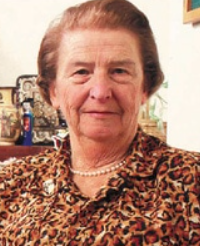 Sheila Sherlock合作论文数Royal Free Hospital11
 Mireille B Toledano合作论文数Centre for Environment and Health, MRC11Aa Dunk合作论文数11David M. Novick合作论文数11Jp Monjardino合作论文数10
 Mark McPhail合作论文数School of Immunology & Microbial Sciences, Faculty of Life Sciences & Medicine, King’s College London;Department of Metabolism, Digestion and Reproduction, Faculty of Medicine, Imperial College London10
 Patrizia Farci合作论文数Hepatic Pathogenesis Section, Laboratory of Infectious Diseases, National Institute of Allergy and Infectious Diseases, National Institutes of Health10




