BackgroundAdolescent depression is associated by substantial cognitive impairment and poor treatment response, yet its neurobiological underpinnings remain insufficiently understood. Resting-state functional near-infrared spectroscopy (fNIRS) offers a portable and developmentally sensitive tool to examine intrinsic prefrontal activity and network properties.MethodsSeventy-nine adolescents with depressive disorder (DD) and age-matched healthy controls (HC) underwent 6-min resting-state fNIRS recording over the prefrontal cortex. We extracted fractional amplitude of low-frequency fluctuations (fALFF) and resting-state functional connectivity were computed, and graph-theoretical metrics, including clustering coefficient, local/global efficiency, path length, and small-worldness were derived. Depressive and anxiety symptoms was assessed using the 17 - item Hamilton Depression Scale (HAMD-17) and Hamilton Anxiety Scale (HAMA), and cognitive performance was assessed with the Brief Assessment of Cognition in Schizophrenia (BACS).ResultsCompared with HC, the DD group exhibited elevated prefrontal fALFF in multiple channels (e.g., ch11, ch26, ch31), reduced average functional connectivity within and between bilateral frontal regions (including FPA and Broca’s area), and lower clustering coefficient, local efficiency, and global efficiency relative to healthy controls, whereas path length and small-worldness were preserved. Region-specific associations with cognition were observed: fALFF in ch11 positively correlated with verbal fluency, whereas fALFF in ch31 negatively correlated with executive functioning, these associations remained significant after controlling for depressive and anxiety symptom severity. Conclusions: Adolescents with depression show elevated prefrontal fALFF and reduced network efficiency, with region-specific associations with cognitive performance. These findings suggest that resting-state fNIRS is a developmentally suitable method for probing prefrontal neurocognitive alterations in youth depression.
BackgroundEpilepsy is a common neurological disorder with high genetic heterogeneity and affects approximately 70 million people worldwide. Although several studies have combined Genome-Wide Association Studies (GWAS) with bulk expression quantitative trait loci (eQTLs) to explore epilepsy risk genes, the cellular context of genetic regulation remains insufficiently defined.MethodsWe integrated epilepsy GWAS data with brain bulk and single-cell eQTLs using summary-data-based Mendelian randomization (SMR) and Bayesian colocalization to identify causal genes. The identified genes were validated in an independent RNA-seq cohort of patients with refractory epilepsy. We then characterized cell-type specificity and intercellular signaling using single-cell RNA sequencing (scRNA-seq) and CellChat. Druggability and drug-repurposing analyses were performed using DSigDB to identify targeted therapeutic compounds for epilepsy.ResultsSeven epilepsy causal genes (FGFR3, PM20D1, ZNF564, HAGH, CAPN15, CCDC117 and DARS1-AS1) were identified, with FGFR3 and HAGH identified as druggable targets. FGFR3 was predominantly expressed in astrocytes and involved in an astrocyte-centered FGF2-FGFR signaling loop, whereas HAGH was enriched in neurons. DSigDB analysis highlighted the FGFR inhibitor, Ro-4396686, as the top candidate compound.ConclusionsMulti-scale integration of eQTL, GWAS and transcriptomic datasets reveals the genetic variants of epilepsy, with FGFR3-driven FGF signaling representing a principal molecular axis. This study reveals the cellular context of this disorder and highlights FGFR3 and HAGH as promising therapeutic targets.
We previously reported, using in-vivo fiber photometry, that operant responding reinforced by access to a peer (social self-administration) is associated with phasic dopamine increases in nucleus accumbens (NAc) core following lever insertion (reward-availability cue) and gradual increases preceding lever-pressing. Here, we sought to replicate these findings and determine whether dopamine signals (1) generalize to responding for high-carbohydrate palatable food, (2) show opposite patterns during negative reinforcement (shock avoidance/escape), and (3) depend on whether reinforcers are experienced alone or together. We trained rats (n=11; 6 females) to lever-press for access to a same-sex peer (15 s/trial) and palatable food (45-mg pellet/trial), followed by shock avoidance/escape (0.18-0.26 mA). After training, we expressed the dopamine sensor GRAB-DA2m and implanted optic fibers into NAc core. We measured dopamine activity during sessions with either one- or three-reinforcers. During social self-administration, dopamine activity showed phasic increases following lever insertion and gradual increases preceding lever-pressing; responses were moderately greater during sessions with all three reinforcers. Palatable food self-administration showed a similar pattern, but responses were approximately twofold greater during single-reinforcer sessions. During shock avoidance/escape, dopamine activity showed phasic decreases at warning onset, lever insertion, and shock onset; responses were also greater during single-reinforcer sessions. Results suggest that NAc core dopamine signaling distinguishes positive from negative reinforcement and is modulated by reinforcer availability. Compared with single-reinforcer sessions, dopamine responses during food self-administration and shock avoidance/escape were reduced during sessions with all three reinforcers, whereas responses during social self-administration modestly increased.
Introduction Machine learning (ML) approaches are a promising venue for identifying vocal markers of neuropsychiatric disorders, such as schizophrenia. While recent studies have shown that voice-based ML models can reliably predict diagnosis and clinical symptoms of schizophrenia, it is unclear to what extent such ML markers generalize to new speech samples collected using a different task or in a different language: the assessment of generalization performance is however crucial for testing their clinical applicability. Objectives In this research, we systematically assessed the generalizability of ML models across contexts and languages relying on a large cross-linguistic dataset of audio recordings of patients with schizophrenia and controls. Methods We trained ML models of vocal markers of schizophrenia on a large cross-linguistic dataset of audio recordings of 231 patients with schizophrenia and 238 matched controls (>4.000 recordings in Danish, German, Mandarin and Japanese). We developed a rigorous pipeline to minimize overfitting, including cross-validated training set and Mixture of Experts (MoE) models. We tested the generalizability of the ML models on: (i) different participants, speaking the same language (hold-out test set); (ii) different participants, speaking a different language. Finally, we compared the predictive performance of: (i) models trained on a single language (e.g., Danish) (ii) MoE models, i.e., ensemble of models (experts) trained on a single language whose predictions are combined using a weighted sum (iii) multi-language models trained on multiple languages (e.g., Danish and German). Results Model performance was comparable to state-of-the art findings (F1: 70%-80%) when trained and tested on participants speaking the same language (out-of-sample performance). Crucially, however, the ML models did not generalize well - showing a substantial decrease of performance (close to chance) - when trained in a language and tested on new languages (e.g., trained on Danish and tested on German). MoE and multi-language models showed a better increase of performance (F1: 55%-60%), but still far from those requested for achieving clinical applicability. Conclusions Our results show that the cross-linguistic generalizability of ML models of vocal markers of schizophrenia is very limited. This is an issue if our first goal is to translate these vocal markers into effective clinical applications. We argue that more emphasis needs to be placed on collecting large open datasets to test the generalizability of voice-based ML models, for example, across different speech tasks or across the heterogeneous clinical profiles that characterize schizophrenia spectrum disorder. Disclosure of Interest None Declared
Disorganized thinking is a prominent feature of schizophrenia that becomes persistent in the presence of treatment resistance. Disruption of the default mode network (DMN), which regulates self-referential thinking, is now a well-established feature of schizophrenia. However, we do not know if DMN disruption affects disorganization and contributes to treatment-resistant schizophrenia (TRS). This study investigated the DMN in 48 TRS, 76 non-TRS, and 64 healthy controls (HC) using a spatiotemporal approach with resting-state functional magnetic resonance imaging. We recovered DMN as an integrated network using multivariate group independent component analysis and estimated its loading coefficient (reflecting spatial prominence) and Shannon Entropy (reflecting temporal variability). Additionally, voxel-level analyses were conducted to examine network homogeneity and entropy within the DMN. We explored the relationship between DMN measures and disorganization using regression analysis. TRS had higher spatial loading on population-level DMN pattern, but lower entropy compared to HC. Non-TRS patients showed intermediate DMN alterations, not significantly differing from either TRS or HC. No voxel-level differences were noted between TRS and non-TRS, emphasizing the continuum between the two groups. DMN's loading coefficient was higher in patients with more severe disorganization. TRS may represent the most severe end of a spectrum of spatiotemporal DMN dysfunction in schizophrenia. While excessive spatial contribution of the DMN (high loading coefficient) is specifically associated with disorganization, both excessive spatial contribution and exaggerated temporal stability of DMN are features of schizophrenia that become more pronounced with refractoriness to first-line treatments.
Background and Hypothesis Schizophrenia is linked to hippocampal dysfunction and microglial inflammatory activation. Our prior clinical findings revealed significantly reduced transient receptor potential vanilloid 1 (TRPV1) expression in both first-episode and recurrent schizophrenia patients, with levels inversely correlating with symptom severity, implicating TRPV1 dysfunction in disease progression. Preclinical maternal separation (MS) models recapitulate schizophrenia-like behavioral and synaptic deficits, paralleled by hippocampal microglial TRPV1 downregulation. We hypothesize that early-life stress-induced TRPV1 deficiency in microglia disrupts the calmodulin-dependent protein kinase II (CaMKII)/nuclear factor-erythroid 2-related factor 2 (NRF2)/Sirtuin 3 (SIRT3) signaling axis, thereby amplifying microglial inflammatory responses and synaptic dysfunction underlying cognitive and behavioral impairments.Study Design Using a 24-h acute MS model in postnatal day 9 rats, we assessed hippocampal microglial TRPV1 expression, synaptic plasticity, and schizophrenia-like behaviors. Pharmacological (capsaicin, CAP) and genetic (adeno-associated virus (AAV)-mediated overexpression/knockdown (KD)) TRPV1 manipulations were applied. Co-cultures of TRPV1-knockout (KO) microglia and neurons were used to dissect cell-specific effects.Study Results MS reduced microglial TRPV1, increased pro-inflammatory cytokines, and induced hyperlocomotion, cognitive deficits, and impaired sensory gating. CAP or microglial TRPV1 overexpression restored synaptic plasticity and reversed behavioral deficits. Conversely, TRPV1 KD worsened neuronal dysfunction. TRPV1-KO microglia, but not neurons, promoted inflammation and neuronal damage via CaMKII/NRF2/SIRT3 downregulation.Conclusions These findings provided novel insights into the role of microglial TRPV1 in schizophrenia pathogenesis, establishing it as an upstream regulator of the CaMKII/NRF2/SIRT3 signaling axis-a pathway not previously linked to TRPV1 in neuroinflammation. Our work identifies microglia-specific TRPV1 modulation as a new therapeutic strategy for schizophrenia, highlighting its therapeutic potential for cognitive and negative symptoms in schizophrenia.
Growth hormone secretagogue receptors (GHSRs) modulate reward and cost processing separately, but their role in conflict-based decision-making is unclear. We observed dose-dependent effects of the GHSR agonist ibutamoren (IBU) on rat decision-making performance. Moderate, but not low or high doses, increased cost sensitivity selectively in conflict paradigms. We observed dense GHSR expression in dorsomedial striosomes, a region critical for conflict decision-making. Moderate GHSR activation increased neuronal activity in dorsomedial striosomes that project to lateral habenula (LHb) and enhanced inactivation of dopaminergic neurons in the substantia nigra pars compacta (daSNc). Chemogenetic manipulation of dorsomedial striosomes activity confirmed their causal influence on both GHSR-mediated increases in cost-sensitivity and circuit activity in LHb and daSNc. Our results identify a novel circuit mechanism linking endocrine activity with conflict decision-making.
Importance:There is an urgent need for algorithm trials that address treatment steps in schizophrenia sequentially. Moreover, there is a debate about whether clozapine should be used after 1 failed antipsychotic drug trial. Objective:To investigate whether switching to clozapine is effective in patients with first-episode psychosis (FEP) who have not responded to 1 previous antipsychotic drug. Design, Setting, and Participants:This was a sequential, assessor-blind trial with 2 randomizations conducted across 7 centers in China from February 2019 to October 2022. Included were individuals aged 16 to 45 years and with FEP (schizophrenia, schizophreniform disorder, or schizoaffective disorder). In phase 1, patients with FEP were randomized to receive oral olanzapine, risperidone, amisulpride, aripiprazole, or perphenazine for 8 weeks. In phase 2, nonresponders were rerandomized to receive olanzapine, amisulpride, or clozapine for another 8 weeks. Responders entered a 1-year naturalistic follow-up. Study data were analyzed from February to August 2025. Interventions:Specific antipsychotic drugs. Main Outcomes and Measures:The primary outcomes were as follows (1) symptomatic response, defined as the proportion of patients achieving a greater than or equal to 40% reduction in Positive and Negative Syndrome Scale (PANSS) total score and (2) time to all-cause discontinuation, defined as discontinuation of antipsychotic drugs for any reason. Results:A total of 762 participants were randomized, and 654 (mean [SD] age, 26.9 [7.5] years; 328 male [50.2%]) were eligible for the study. Of the eligible participants, 556 (85.4%) completed phase 1, and 359 (55.1%) responded to treatment. Response rates were 60.5% (78 of 129) for olanzapine, 63.4% (83 of 131) for risperidone, 61.8% (81 of 131) for amisulpride, 44.3% (58 of 131) for aripiprazole, and 45.7% (59 of 129) for perphenazine (χ2 = 18.3; P = .001). In phase 2, 111 nonresponders were rerandomized (41 taking olanzapine, 38 taking amisulpride, and 32 taking clozapine). A total of 92 patients (82.9%) completed phase 2, and the following achieved a response: 13 (31.7%) taking olanzapine vs 17 (44.7%) taking amisulpride and 20 (62.5%) taking clozapine (χ2 = 6.9; P = .03). Conclusions and Relevance:The majority of patients with FEP responded to an initial antipsychotic drug trial, with risperidone and amisulpride being superior to aripiprazole and perphenazine. In those who initially did not respond to antipsychotic treatment, clozapine was more efficacious than olanzapine and amisulpride based on the PANSS ratings criteria outcome. This study provides some evidence for clinicians to consider regarding use of clozapine as the next sequential treatment after patients have failed an adequate trial with 1 of the more traditional antipsychotics. Trial Registration:ClinicalTrials.gov Identifier: NCT03510325.
This randomized clinical trial investigates if clozapine is more efficacious than olanzapine or amisulpride in patients who fail to respond to an initial antipsychotic drug trial. QuestionsIs clozapine more efficacious than olanzapine or amisulpride in patients who fail to respond to an initial antipsychotic drug trial?FindingsIn this randomized clinical trial including 654 participants, clozapine was found to be more efficacious than olanzapine or amisulpride, and there was no clear difference in all-cause treatment discontinuation between treatment groups.MeaningClozapine may be considered as a preferred subsequent option for patients with first-episode psychosis who have not responded to an initial antipsychotic drug. ImportanceThere is an urgent need for algorithm trials that address treatment steps in schizophrenia sequentially. Moreover, there is a debate about whether clozapine should be used after 1 failed antipsychotic drug trial.ObjectiveTo investigate whether switching to clozapine is effective in patients with first-episode psychosis (FEP) who have not responded to 1 previous antipsychotic drug.Design, Setting, and ParticipantsThis was a sequential, assessor-blind trial with 2 randomizations conducted across 7 centers in China from February 2019 to October 2022. Included were individuals aged 16 to 45 years and with FEP (schizophrenia, schizophreniform disorder, or schizoaffective disorder). In phase 1, patients with FEP were randomized to receive oral olanzapine, risperidone, amisulpride, aripiprazole, or perphenazine for 8 weeks. In phase 2, nonresponders were rerandomized to receive olanzapine, amisulpride, or clozapine for another 8 weeks. Responders entered a 1-year naturalistic follow-up. Study data were analyzed from February to August 2025.InterventionsSpecific antipsychotic drugs.Main Outcomes and MeasuresThe primary outcomes were as follows (1) symptomatic response, defined as the proportion of patients achieving a greater than or equal to 40% reduction in Positive and Negative Syndrome Scale (PANSS) total score and (2) time to all-cause discontinuation, defined as discontinuation of antipsychotic drugs for any reason.ResultsA total of 762 participants were randomized, and 654 (mean [SD] age, 26.9 [7.5] years; 328 male [50.2%]) were eligible for the study. Of the eligible participants, 556 (85.4%) completed phase 1, and 359 (55.1%) responded to treatment. Response rates were 60.5% (78 of 129) for olanzapine, 63.4% (83 of 131) for risperidone, 61.8% (81 of 131) for amisulpride, 44.3% (58 of 131) for aripiprazole, and 45.7% (59 of 129) for perphenazine (chi 2 = 18.3; P = .001). In phase 2, 111 nonresponders were rerandomized (41 taking olanzapine, 38 taking amisulpride, and 32 taking clozapine). A total of 92 patients (82.9%) completed phase 2, and the following achieved a response: 13 (31.7%) taking olanzapine vs 17 (44.7%) taking amisulpride and 20 (62.5%) taking clozapine (chi 2 = 6.9; P = .03).Conclusions and RelevanceThe majority of patients with FEP responded to an initial antipsychotic drug trial, with risperidone and amisulpride being superior to aripiprazole and perphenazine. In those who initially did not respond to antipsychotic treatment, clozapine was more efficacious than olanzapine and amisulpride based on the PANSS ratings criteria outcome. This study provides some evidence for clinicians to consider regarding use of clozapine as the next sequential treatment after patients have failed an adequate trial with 1 of the more traditional antipsychotics.Trial RegistrationClinicalTrials.gov Identifier: NCT03510325
Cognitive impairment in schizophrenia is inadequately treated. The molecular link between oxidative stress and neuroinflammation in its pathophysiology remains unclear. We measured CB2R in circulating microglia‑derived exosomes from schizophrenia patients and healthy controls. In a maternal separation rat model, we assessed brain reactive oxygen species, microglial activation, and the 2‑AG/CB2R signaling axis. A microglia‑targeted hydrogen‑releasing nanoplatform (PdH0.12@CM) was administered to maternal separation rats, followed by behavioural, histological and transcriptomic analyses. In primary microglia, we examined the effects of hydrogen peroxide on CB2R, 2‑AG and inflammatory responses, and tested rescue with a CB2R agonist or exogenous 2‑AG. CB2R was reduced in patient-derived microglia exosomes and correlated with cognitive performance and symptom severity. Maternal separation rats showed elevated brain reactive oxygen species, microglial activation, and selective decreases in microglial 2-AG and CB2R, with reduced CB2R expression observed in the hippocampal CA1 region. PdH0.12@CM treatment scavenged reactive oxygen species, restored 2‑AG/CB2R signaling, suppressed pro‑inflammatory cytokines, and rescued cognitive and sensorimotor deficits. In vitro, hydrogen peroxide directly reduced CB2R and 2‑AG levels, increased CD86 and cytokine release; these effects were reversed by a CB2R agonist or 2‑AG. Elevated oxidative stress is associated with disruption of the microglial 2‑AG/CB2R axis, which correlates with neuroinflammation and cognitive deficits. Targeted ROS scavenging restores this pathway, identifying the 2‑AG/CB2R axis as a potential therapeutic target in schizophrenia.
Modern psychiatry is shifting from unitary diagnostic models toward identifying biologically distinct depression subtypes. Despite the potential of multi-omics and AI, the field is hindered by non-standardized pipelines and poor reproducibility. We propose a four-pillar computational framework to standardize the subtyping process: (1) standardized preprocessing and feature embedding to ensure data integrity; (2) integrative multi-omics modeling strategies tailored to diverse sample sizes; (3) robust subtype identification and Explainable Artificial Intelligence (XAI) interpretation, where we propose the Minimum Reporting Standards for Computational Psychiatry Subtyping (MiR-CPS) to ensure methodological transparency; and (4) hierarchical clinical validation to benchmark subtype stability and utility. Beyond this core trajectory, we extend the framework to longitudinal trajectories and cross-diagnostic approaches to address temporal and diagnostic heterogeneity. This framework provides a reproducible roadmap for transitioning from raw high-dimensional data to clinically actionable subtypes, advancing evidence-based precision psychiatry.
BACKGROUND AND HYPOTHESIS:The multifactorial pathogenesis of schizophrenia (SZ) hinders the diagnosis and treatment of this disorder. Niacin skin flushing response (NSFR) has been identified as an endophenotype for SZ, but the proportion of blunted NSFR (BNR) varied between studies. This study aims to clarify the relationship between NSFR and SZ through a meta-analysis. STUDY DESIGN:PubMed, Embase, Web of Science, Cochrane, and Scopus databases were searched for articles published until May 2024, and 32 studies were eligible. Using random-effects models, we examined the characteristics of NSFR in SZ, including the reaction degree, speed, sensitivity, and risk and prevalence of BNR. Subgroup analyses and regression analyses were performed to investigate the relevant effect factors of NSFR. STUDY RESULTS:The reaction degree (SMD = -0.90; CI, -1.08 to -0.72), speed (SMD = 0.64; CI, 0.02-1.25), and sensitivity (SMD = 0.89; CI, 0.49-1.29) of NSFR was significantly reduced in SZ compared to healthy controls (HC). Moreover, we observed a positive association between BNR and SZ (OR = 8.50; CI, 5.93-12.19). The overall prevalence of BNR was 58.5% in SZ (CI, 49.3%-67.8%) compared to 11.8% in HC (CI, 7.7%-15.9%). In addition, NSFR detection method, geographical regions, and age were found to have effects on reaction degree and prevalence of BNR. CONCLUSIONS:This study confirmed a significantly abnormal NSFR and higher prevalence of BNR in SZ, which highlights the potential facilitation of the diagnosis and personalized intervention of SZ subgroups. In addition, the study points to a need to establish a standardized method for NSFR assessment.
We propose TB-GCAN, a tri-branch cross-attention graph neural network for schizophrenia classification using multimodal MRI, including sMRI, fMRI, and DTI. Built on a multi-site dataset of 1191 samples from seven scanning sites, the model exploits atlas-defined one-to-one anatomical correspondence across modalities to enable node-level cross-attention during intermediate representation learning. In 7-site leave-one-site-out evaluation, TB-GCAN achieved 84.63% accuracy and outperformed GAT, GCN, CNN, SVM, and MMGNN in the tri-modal setting. Attention-based region ranking highlighted biologically plausible schizophrenia-related regions, and downstream analyses linked the learned imaging representations to PANSS dimensions and transcriptional programs. Unlike generic multimodal GNNs that learn cross-modal relations from data, TB-GCAN directly leverages atlas-aligned regional correspondence to perform anatomically constrained node-level interaction. These findings indicate that anatomically grounded node-level multimodal fusion can improve classification performance while preserving neurobiological interpretability, thereby providing a principled framework for multimodal schizophrenia classification and biomarker discovery.
Early-life stress (ELS) is a major environmental risk factor for schizophrenia, yet effective preventive strategies targeting its neurodevelopmental consequences remain limited. Here, we show that adolescent environmental enrichment (EE) prevents the emergence of schizophrenia-like behavioral and cognitive deficits induced by maternal separation (MS), a validated ELS model. Mechanistically, MS induced oxidative stress, mitochondrial dysfunction, neuroinflammation, neuronal apoptosis, and synaptic deficits in the hippocampus, accompanied by suppression of the CREB-BDNF-TrkB (cAMP response element-binding protein-brain-derived neurotrophic factor-tropomyosin receptor kinase B) signaling. Adolescent EE robustly reversed these abnormalities and restored neuroplasticity-related signaling. Importantly, we provide evidence supporting a causal role of TrkB signaling in these protective effects within the experimental framework used here: pharmacological activation of TrkB rescued oxidative stress-induced synaptic deficits in vitro, whereas pharmacological inhibition of TrkB abolished the behavioral and cognitive benefits of EE in vivo. To establish translational relevance, we further show that TrkB levels are significantly reduced in neuron-derived exosomes (NDEs) from patients with schizophrenia, with moderate diagnostic performance (AUC = 0.784). Together, these findings support CREB-BDNF-TrkB signaling as a key mechanistic node linking ELS to schizophrenia-related phenotypes and suggest adolescent EE as a developmentally timed, non-pharmacological intervention with translational relevance within the experimental framework used here.
Background speech carries cues to variation in mental state in schizophrenia spectrum disorders/psychotic disorders, typically indexed with clinician-rated scales such as the PANSS. Progress in the automation of speech- based symptom modelling has been constrained by data scale and the underrepresentation of low-resource languages. In this study, we aggregate multi-center recordings to assemble a large corpus and assess symptom-prediction models at scale, to enable more objective and efficient assessments and the early detection of relapse-related signals from speech. Methods We compiled data from 453 patients with schizophrenia spectrum disorders, recruited from ten global sites, and clipped their speech recordings into 6,664 segments. Across three feature sets, acoustic-prosodic profile, pretrained multilingual embeddings, and their concatenation, we compared 16 algorithms to predict eight relapse-related PANSS items, including three positive (P1, P2, P3), three negative (N1, N4, N6), and two general (G5, G9) items, on speaker-disjoint splits (80% train, 10% test, and 10% validation). Performance was assessed by root-mean-squared-error (RMSE) at both segment and participant (median aggregation) levels. Best model per item underwent bias checks for age, sex, education, and symptom severity. Outcomes Best-performing models predicted symptoms with prediction errors of 1.5 PANSS points or lower: P1 1.494/1.527, P2 1.318/1.107, P3 1.407/1.542, N1 1.029/1.030, N4 1.452/1.430, N6 0.860/0.855, G5 0.850/0.882, G9 1.213/1.282 (segment/participant). Performance of the pretrained multilingual embeddings surpassed acoustic-prosodic features and their concatenation. Results were comparable in low-resource languages (e.g., Czech). We found no bias by age, sex, or education, aside from reduced N4 accuracy in males; but performance degraded with higher symptom severity. Interpretation Speech can support automatic assessment of schizophrenia symptoms using pretrained multilingual embeddings, even without the use of transcripts. Such models show promise as clinically meaningful, efficient, and low-burden tools for real-time monitoring of symptom trajectories. Funding EU Horizon research and innovation programme. ### Competing Interest Statement LP reports personal fees for serving as chief editor from the Canadian Medical Association Journals, speaker/consultant fee from Janssen Canada and Otsuka Canada, SPMM Course Limited, UK, Canadian Psychiatric Association; book royalties from Oxford University Press; investigator-initiated educational grants from Janssen Canada, Sunovion and Otsuka Canada outside the submitted work. IS reports charity grant fro Janssen, speaker fee from Otzuka and Ludbeck. All other authors report no relevant conflicts. SXT owns equity and serves on the board and as a consultant for North Shore Therapeutics, received research funding and serves as a consultant for Winterlight Labs, is on the advisory board and owns equity for Psyrin, and serves as a consultant for Catholic Charities Neighborhood Services and LB Pharmaceuticals. PH has received grants and honoraria from Novartis, Lundbeck, Takeda, Mepha, Janssen, Boehringer Ingelheim, Neurolite and OM Pharma outside of this work. All other authors reported no conflict of interests. ### Funding Statement This work is part of the project "TRUSTworthy speech-based AI monitorING system for the prediction of relapse in individuals with schizophrenia (TRUSTING)", funded by the European Union Horizon Europe research and innovation programme under grant agreement No. 101080251. The views and opinions expressed are those of the author(s) only and do not necessarily reflect those of the European Union or the European Health and Digital Executive Agency (HaDEA). Neither the European Union nor the granting authority can be held responsible for them. Authors are listed in alphabetical order, except for local members of the leading research group and the TRUSTING Pis. Additional funders for data collection are as follows. English data: Brain and Behavior Research Foundation Young Investigator Grant (K23 MH130750, to SXT). Spanish data: Carlos III Health Institute (PI14/00639, PI14/00918, PI17/00221, PI20/00066, and PI23/00076, to RAA). Chilean Spanish data: National Agency for Research and Development (ANID), Chile (Fondecyt Regular Grant No. 1241618, to AFB). Swiss German data: Swiss National Science Foundation (Grant No. 191938, to PH), Brain and Behavior Research Foundation (Grant No. 28997, to PH), and OPO Foundation (Grant No. 2020-0075, to PH). Dutch data: RAPSODI study funded by ZonMW, Netherlands (Grant No. 80-83600-98-40120), as part of the research program Rational Pharmacotherapy (Goed Gebruik Geneesmiddelen) (Grant No. 836041008, to IS), and the HAMLETT study funded by ZonMW, Netherlands (Grant No. 80-84800-98-41015, to IS). Turkish data: Scientific and Technological Research Council of Turkey (TUBITAK 2247, Project No. 120C141). In addition, RAA was funded by a Miguel Servet contract from the Carlos III Health Institute (Grant No. CP18/00003) and a Consolidator Grant from the Ministerio de Ciencia e Innovacion (Grant No. CNS2022-136110). A.P. was supported by a Marie Sklodowska-Curie Actions H2020 MSCA IF 2018 grant (ID: 832518, Project: MOVES). A.S. was supported by the Carlsberg Foundation. KK was supported by the Japan Society for the Promotion of Science (JSPS). RHe was funded by the China Scholarship Council (Grant No. 202108390062) during part of this work and is currently funded by the DELTA-Lang project (Synergy Grant 2023, Grant No. 101118756). ### Author Declarations I confirm all relevant ethical guidelines have been followed, and any necessary IRB and/or ethics committee approvals have been obtained. Yes The details of the IRB/oversight body that provided approval or exemption for the research described are given below: Ethics commission of National Institute of Mental Health (NIMH) of the Czech Republic. IRB at Feinstein Institutes for Medical Research, Northwell Health. Local Institutional Board at Valdecilla Research Institute (IDIVAL) in Santander, Spain. Review board (Ethics Committee for Clinical Research, CEC SSMS of Santiago, Chile). Ethical commission of the Department of Psychiatry in Montperrin Hospital, CH Aix-en-Provence, France. Ethics committee of Kantonale Ethikkommission Zurich. Review boards of the University medical center Utrecht and Groningen. Ethics Committee of Dokuz Eylul University. Ethics Committee of the State Chamber of Physicians Westphalia-Lippe and the University of Muenster. Ethics committee of Renmin Hospital of Wuhan University and the Institutional Review Board of the Institute of Psychology, the Chinese Academy of Sciences. I confirm that all necessary patient/participant consent has been obtained and the appropriate institutional forms have been archived, and that any patient/participant/sample identifiers included were not known to anyone (e.g., hospital staff, patients or participants themselves) outside the research group so cannot be used to identify individuals. Yes I understand that all clinical trials and any other prospective interventional studies must be registered with an ICMJE-approved registry, such as ClinicalTrials.gov. I confirm that any such study reported in the manuscript has been registered and the trial registration ID is provided (note: if posting a prospective study registered retrospectively, please provide a statement in the trial ID field explaining why the study was not registered in advance). Yes I have followed all appropriate research reporting guidelines, such as any relevant EQUATOR Network research reporting checklist(s) and other pertinent material, if applicable. Yes The original data cannot be publicly shared due to ethical restrictions. However, all scripts and results will soon be available at https://github.com/RuiHe1999/PANSS_prediction.
BACKGROUND:Findings regarding the efficacy of n-3 polyunsaturated fatty acid (PUFA) supplementation as an adjunct treatment for schizophrenia (SZ) have been inconsistent. This study investigated whether n-3 PUFA supplementation was associated with changes in niacin skin flush response (NSFR) and clinical symptoms in patients with SZ, and explored the value of baseline NSFR for patient stratification. METHODS:A total of 99 patients with SZ and 30 healthy controls (HCs) were enrolled. Patients with SZ were randomized in a 1:2 ratio to standard pharmacotherapy alone or standard pharmacotherapy plus n-3 PUFA supplementation for 21 days. NSFR and Positive and Negative Syndrome Scale (PANSS) assessments were performed at baseline and post-intervention. RESULTS:Patients with SZ showed significantly lower baseline NSFR than HCs (P = 7.097 × 10⁻⁶). Following intervention, total PANSS scores decreased in both groups, while significant NSFR improvement was observed only in the n-3 PUFA supplementation group. Adjusted linear mixed-effects models revealed a significant "group × time" interaction for NSFR (standardized β = 0.57, 95% CI: 0.08 to 1.06, P = 0.025). Exploratory stratified analysis showed that patients with blunted baseline NSFR who received n-3 PUFA supplementation exhibited the most favorable short-term response, reflected by the largest and statistically significant NSFR increase, with a directionally favorable change in PANSS total score. CONCLUSIONS:Baseline NSFR blunting may help identify a subgroup of SZ patients with greater short-term responsiveness to adjunctive n-3 PUFA supplementation. These findings support further investigation of NSFR as a candidate stratification marker for targeted adjunctive intervention in schizophrenia.
Postpartum period being a critical phase affecting women's health recovery, and stressful events during this period are major risk factors for postpartum depression. Pup separation (PS) serves as a natural model of postpartum maternal care. However, the effects of different PS (no separation, NPS; 15 min/day, PS15, brief PS; 180 min/day, PS180, long PS) during lactation on stress-induced behavioral deficits in dams, along with the underlying mechanisms of resilience remain unclear. In this study, we assessed cognitive and emotional behaviors in lactating C57BL/6 J dams subjected to different PS from postnatal day 1 to day 21, along with chronic restraint stress (CRS). Subsequently, hippocampal samples were collected to analyze the expression of NLRP3, IL-18, and IL-1β, along with microglial activation and adult hippocampal neurogenesis (AHN) in the hippocampal dentate gyrus. We further modulated AHN using viral and examined the effects of AHN overexpression or inhibition on behavior and hippocampal neuroinflammation. Dams subjected to brief PS exhibited reduced anxiety and depressive-like behaviors and improved cognitive function. Additionally, PS15 dams showed decreased hippocampal expression of NLRP3, IL-18, and IL-1β, reduced microglia activation, and increased AHN. Overexpression of AHN can significantly improved cognitive function, but no significant changes in emotional behaviors were observed. Besides, AHN-mediated cognitive behavior participates in resilience to anxiety and depression-like behaviors of dams after CRS. Similarly, inhibition of hippocampal NLRP3 expression enhanced AHN-related cognitive behavior and promoted stress resilience in adult female mice. Brief PS resulted in resilience to anxiety and depressive-like behaviors in dams and mitigated memory impairments induced by CRS. This study confirmed AHN-mediated cognitive behavior participates in stress resilience to anxiety and depression-like behaviors in postpartum dams after CRS.
Objectives: The transient receptor potential vanilloid type 1 (TRPV1) is a factor that mediates glial cell response with effects on mitochondrial function. It may affect the occurrence and development of schizophrenia. The aim of this study is to further explore schizophrenia biomarkers by analyzing TRPV1 and oxidative stress in astrocyte-derived extracellular vesicles (ADEs) and peripheral blood mononuclear cells (PBMCs). Methods: A case–control study was conducted. The Positive and Negative Syndrome Scale and the Brief Assessment of Cognition in Schizophrenia (BACS) clinical data were obtained from 50 symptomatic patients with schizophrenia and 50 controls, and fasting peripheral blood samples were collected for the isolation of PBMCs and ADEs. Western blotting was used to assess TRPV1, Sirtuin3 (Sirt3), SOD2, and acetyl-SOD2. Results: The patient group exhibited significantly reduced TRPV1 and Sirt3 expression levels in PBMCs and ADEs compared with the control group. In addition, there was a marked increase in SOD2 and acetyl-SOD2 levels. TRPV1 was negatively correlated with the negative symptom score in the patient PBMCs and ADEs. SOD2 showed positive correlations with the general psychopathology symptom score, and acetyl-SOD2 was positively correlated with the negative symptom score. The BACS total score was positively correlated with TRPV1 levels and negatively correlated with acetyl-SOD2 levels in the patient group. Conclusion: TRPV1 expressions in PBMCs and ADEs were reduced and closely correlated, and TRPV1 levels were associated with psychiatric symptoms and cognitive function in patients with schizophrenia. It was indicated that TRPV1 could be a biomarker for schizophrenia and reflect the disease severity.
Schizophrenia is associated with widespread gray matter reduction. This is influenced by the underlying connectivity, resulting in covarying patterns of structural changes that are more pronounced in treatment-resistant individuals. However, it remains uncertain whether a distinct network of brain regions, with specific neurotransmitter basis, forms the substrate for treatment resistance in schizophrenia. We investigated the structural covariance networks (SCN) in 198 individuals; 55 with treatment-resistant schizophrenia (TRS) and 79 without TRS (non-TRS) in active symptomatic phase, and 64 healthy controls (HC) using Calhoun’s Source-Based Morphometry. We mapped the putative neurotransmitter basis of the SCNs using a PET-based chemoarchitectural atlas. Twelve independent components (i.e., SCNs) were identified. A prefrontal-limbic SCN had lower gray matter volume (GMV) in TRS compared to HC and non-TRS (F = 7.757, p < 0.001, FDR-corrected). Spatial correlation with chemoarchitectural atlas revealed predominant contributions from serotonergic [5HT1b and 5HT2a], glutamatergic [mGluR5], histaminergic [H3], and opioid [MOR] receptors for this TRS-related SCN (all pspin-permutation < 0.05, FDR-corrected). A different SCN comprised of dorsal fronto-temporal and parieto-occipital regions, not associated with any specific neurotransmitter distribution, exhibited reduced GMV in both TRS and non-TRS groups vs. HC (F = 7.239, p < 0.001, FDR-corrected). Amidst the generic GMV reduction that is shared with non-TRS patients, patients with TRS have specific prefrontal-limbic structural deficits with a unique non-dopaminergic chemoarchitecture. These findings indicate a putative molecular and structural basis for poor treatment response, guiding the development of second- and third-line pharmacotherapies for TRS.
BACKGROUND:Ventral tegmental area (VTA) dopamine (DA) neurons are intermixed with glutamate and GABA (gamma-aminobutyric acid) neurons, which have been implicated in aversion. While the neuronal circuitry involved in regulation of different VTA neurons that mediate aversion is unclear, a potential component of this circuitry is the parabrachial nucleus (PBN), which is involved in encoding threats and innervating the VTA. METHODS:To characterize synaptic connectivity between VTA neurons and PBN inputs, we applied neuronal tract tracing, RNAscope, immunohistochemistry, electron microscopy, and ex vivo electrophysiology. To test the role of different types of VTA neurons and PBN inputs in behavior, we applied a combination of behavioral assays, photometry recordings, optogenetics, pharmacology, and neuronal genetic ablation. RESULTS:We found that lateral PBN (LPBN) glutamatergic neurons innervate the VTA and photoactivation of this pathway induced long-term aversive memory, and whereas LPBN neurons innervating VTA increased their activity in response to innate or learned threats, their genetic ablation eliminated responses to threats. We determined that LPBN-glutamatergic neurons established monosynaptic connections with VTA-DA, VTA-GABA, and VTA-glutamate neurons. However, VTA-DA neurons, but not VTA-GABA or VTA-glutamate neurons, via their regulation by LPBN-glutamatergic neurons mediated long-term aversive memory to innate and learned threats, blocked by a VTA D1 receptor antagonist. CONCLUSIONS:Our findings indicate that while different types of VTA neurons are regulated by LPBN-glutamate neurons, the LPBN neurons relay information on threatening stimuli to VTA-DA neurons. This pathway mediates the acquisition and expression of long-term aversive memory via a mechanism that involves somatodendritic release of DA and activation of VTA D1 receptors.
 Gaohua Wang (王高华)合作论文数Hubei General Hospital;Renmin Hospital of Wuhan University83
 Zhongchun Liu (刘忠纯)合作论文数Taikang Center for Life and Medical Sciences, Wuhan University42
 Marisela Morales合作论文数36Huan Huang合作论文数28
 Yuan Zhou (周媛)合作论文数Key Laboratory of Behavioral Science, Institute of Psychology, Chinese Academy of Sciences;University of Chinese Academy of Sciences23Zhang Shiliang合作论文数Neuronal Networks Section, Integrative Neuroscience Research Branch and.19
 Ling Xiao (肖玲)合作论文数School of Resource and Environmental Sciences, Wuhan University16
 Tianzi Jiang (蒋田仔)合作论文数University of Chinese Academy of Sciences;Brainnetome Center, Institute of Automation, Chinese Academy of Sciences;Centre for Advanced Imaging, University of Queensland16Zuotian Wu合作论文数15
 Lin Lu (陆林)合作论文数Peking University Sixth Hospital;Shandong First Medical University15
 Jun Chen (陈俊)合作论文数School of Medicine, Shanghai Jiao Tong University15
 Yunchun Chen (陈云春)合作论文数The First Affiliated Hospital of Xi'an Jiao Tong University14
 Cheng Chen (陈铖)合作论文数Renmin Hospital of Wuhan University14
 Luxian Lv (吕路线)合作论文数The Second Affiliated Hospital of Xinxiang Medical University13
 Yongfeng Yang (杨永峰)合作论文数中国科学院圳先进技术研究院13
 Hua Guo (郭华)合作论文数Department of Biomedical Engineering, School of Medicine, Tsinghua University13Hongxing Zhang (张红星)合作论文数the Second Affiliated Hospital, Xinxiang Medical College13
 Huaning Wang (王化宁)合作论文数Xijing Hospital, Air Force Medical University13
 Dai Zhang (张岱)合作论文数Peking University Sixth Hospital13
 Xiaoping Wang (王晓平)合作论文数Shanghai General Hospital, Shanghai Jiao Tong University School of Medicine12Qirong Wan (万其容)合作论文数12Ping Wan合作论文数11Yan Jun合作论文数11
 Hao Yan (阎浩)合作论文数Peking University Sixth Hospital11Chang Shu (舒畅)合作论文数11Keke Hao合作论文数10Lin Zhou合作论文数10
 Can Yang (杨灿)合作论文数School of Computer Science & Engineering, South China University of Technology10
 Ming Song (宋明)合作论文数National Laboratory of Pattern Recognition, Institute of Automation, Chinese Academy of Sciences;Sino-French Laboratory in Computer Science, Automation and Applied Mathematics, Institute of Automation, Chinese Academy of Sciences;School of Artificial Intelligence, University of Chinese Academy of Sciences10
 Jia Qi (亓佳)合作论文数9
 Lingzhong Fan (樊令仲)合作论文数Institute of Automation, Chinese Academy of Sciences9Ning Yuping合作论文数8Yao Li-hua合作论文数8
 Fan Zhu (朱帆)合作论文数School of Basic Medical Sciences, Wuhan University;State Key Laboratory of Virology and Biosafety, Wuhan University8
 Wanhong Liu (刘万红)合作论文数School of Basic Medical Sciences, Wuhan University8Shihao Wu合作论文数7
 David Barker合作论文数Oregon Health and Science University7
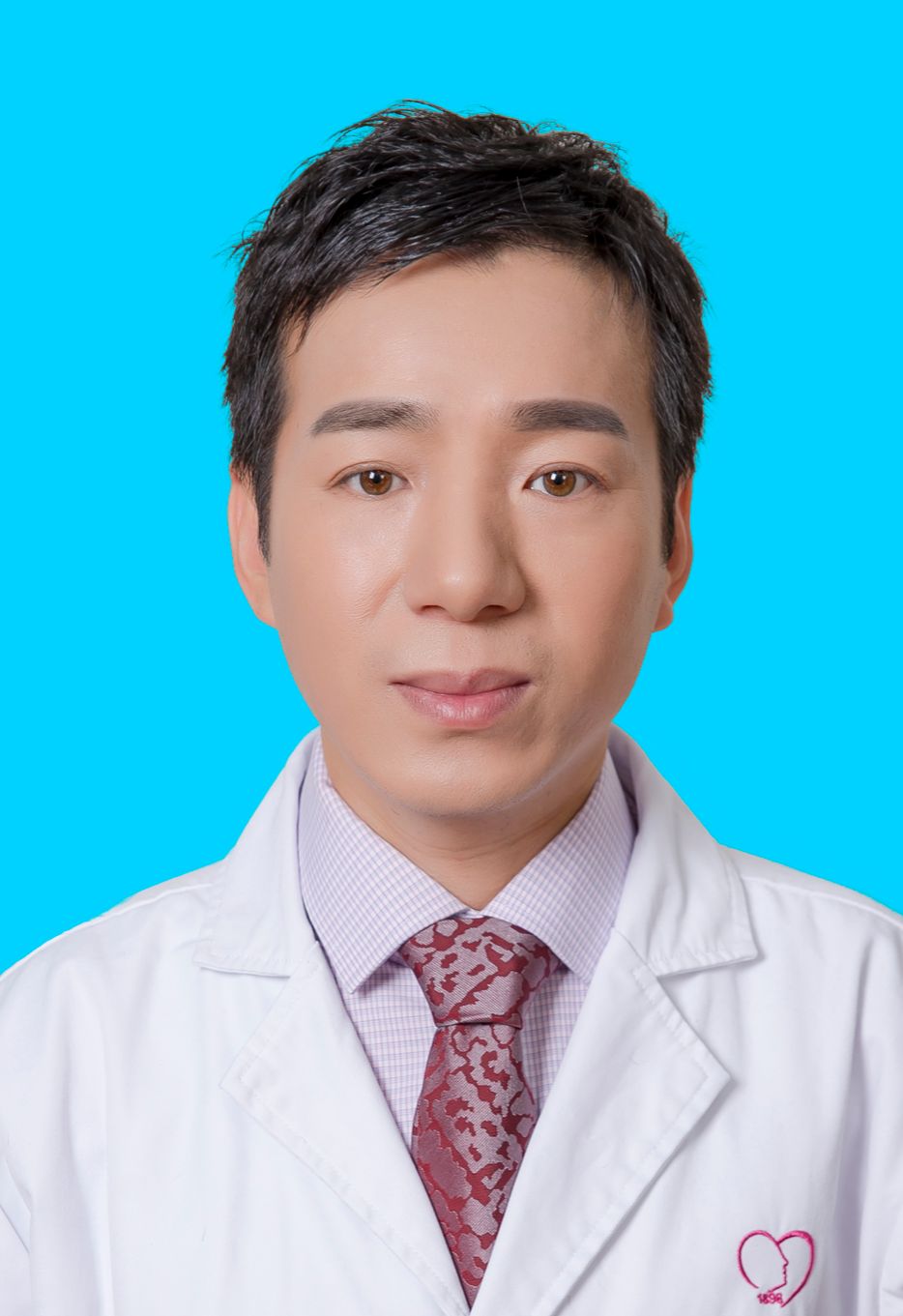 Huawang Wu (吴华旺)合作论文数The Affiliated Brain Hospital of Guangzhou Medical University7
 Jorge Miranda-Barrientos合作论文数7Yanyan Wei (魏艳艳)合作论文数7
 Bing Liu (刘冰)合作论文数State Key Laboratory of Cognitive Neuroscience and Learning, Beijing Normal University;School of Artificial Intelligence, University of Chinese Academy of Sciences7Bei Rong合作论文数6Yumeng Xie合作论文数6Limin Sun合作论文数6
 Na Luo (罗娜)合作论文数Laboratory of Brain Atlas and Brain-inspired Intelligence, Institute of Automation Chinese Academy of Sciences6
 Zheman Xiao (肖哲曼)合作论文数Department of Neurology, Renmin Hospital of Wuhan University6
 Vibeke Bliksted合作论文数6
 Hong Ding (丁虹)合作论文数School of Pharmaceutical Sciences, Wuhan University;Wuhan Worldner United Pharmaceuticals Ltd. Co.6




