The C:N ratio of settling particulate organic matter (POM) in the sea is directly related to both the availability of dissolved nitrogen for primary production and the efficiency of the carbon pump. Little is known about the way lateral transport via intermediate nepheloid layers of organic and lithogenic particles from the continental rivers/shelf/slope affects the C:N ratio of the settling POM at the deep-sea. In this study we analyzed C:N time series of sinking POM, collected by sediment traps at the DeepLev observatory, 50 km offshore Haifa, Israel, and of suspended particles along the water column at the ultra-oligotrophic southeastern Mediterranean Sea. POC:PN ratios in photic layer were 7.2 during HTP (high-transport period in winter) compared to 5.8 during LTP (low-transport period). Using reported POC:PN ratios in suspended sediments over the shelf, we calculated that the higher POC:PN ratios in the open sea sediment traps during HTP resulted from mean contribution of approximately 40% of shelf-derived POM arriving via lateral transport. Additionally, while the POC:PN ratio increase with depth occurred year-round, it was significantly steeper during LTP compared to HTP. This is attributed to the more refractory nature of the laterally transported POM and its association with ample lithogenic particles during HTP which may have hindered POM decay and increased settling velocity. Assuming similar mechanisms in other margins worldwide, this should have an impact on the C:N ratios of marginal seas and basins.
This study presents the first multi-year assessment quantifying the contribution of primary production to vertical carbon flux in the ultra-oligotrophic southeastern Levantine basin of the Mediterranean Sea. Depth-integrated (0-180 m) daily primary productivity (PP) was 25% higher in the mixed winter period than in the stratified period (123 and 98 mg C m(-2) d(-1) respectively) and the predominant photoautotrophs contributed ~ 5%-11% of the bulk particulate organic carbon (POC). Time-resolved sediment trap data at 180 and 280 m from 2016 to 2020 showed POC fluxes ranging from 0.5 to 5.3 mg C m(-2) d(-1) (stratified-period) and 1.8 to 13.5 mg C m(-2) d(-1) (mixed-period), with primary producers potentially contributing 2.6%-7% of the POC flux at 180 m. Our calculated e-ratios are some of the lowest recorded in oligotrophic environments, reaching 0.061 during mixing and 0.026 under stratified conditions. High bacterial-to-primary production ratios and bacterial coupling to dissolved organic carbon (DOC) suggest that intense microbial recycling constrains the transformation of primary production to particulate export and reduces the biological pump efficiency. Our data show that applying generalized export models can overestimate export in the Levantine basin by overlooking microbial recycling and lateral carbon transport, underscoring the need for region-specific models that incorporate these processes under increasingly warm, stratified, and oligotrophic ocean conditions.
The formation of surface blooms by the diazotrophic cyanobacterium Trichodesmium contributes extensively to carbon and nitrogen cycling. Yet the physiological drivers governing its vertical ascent and subsequent tolerance to high surface irradiance remain obscure. By measuring sinking and floating velocities, analyzing transcriptome responses, and tracking the subcellular distribution of gas vesicles, we show that nutrient starvation is the primary trigger for vertical ascent. Specifically, iron or phosphorus depletion inhibits metabolic ballasting, disrupting the equilibrium with gas vesicle lift and driving Trichodesmium towards surface waters. Moreover, this vertical migration is safeguarded by a light-dependent metabolic "safety brake" that prevents irreversible sinking to the deep ocean. Upon reaching the surface, Trichodesmium shifts to utilizing alternative organic phosphorus sources. Particularly, the utilization of methylphosphonate (MPn) activates a distinct "surface-survival mode" characterized by the downregulation of photosynthetic activity and the relocalization of gas vesicles to form peripheral optical shields. Our findings reveal a coordinated strategy linking nutrient sensing, buoyancy regulation, and photoprotection, explaining how Trichodesmium secures its ecological success under the high irradiance of the oligotrophic surface oceans.
Phosphorus scarcity constrains microbial activity in parts of the oligotrophic ocean, yet the extent to which dissolved organic phosphorus (DOP) supports microbial P demand remains unresolved. Here, we quantified the concentrations, turnover times, and uptake kinetics of PO4 and the DOP compound adenosine-triphosphate (ATP) using radiolabeled tracers during winter cruises spanning coastal to offshore waters in the ultra-oligotrophic eastern Mediterranean Sea, and through a series of targeted microcosm experiments. Surface PO4 concentrations were at nano-molar level, while ATP occurred at picomolar levels. Turnover times revealed rapid cycling of both P forms, with offshore stations exhibiting the shortest PO4 turnover and higher reliance on DOP reflected in elevated ATP/PO4 turnover ratios. Kinetic experiments demonstrated that ambient PO4 concentrations were close to the half-saturation constant (Km) for community-level uptake, indicating strong PO4 limitation. The ambient ATP concentrations were below the half-saturation concentration, suggesting strong limitation of ATP availability as labile DOP source. Daily cell-specific uptake rates showed that DOP uptake equaled or exceeded PO4 uptake across all stations (DOP/PO4 ratio ≥ 1). Nutrient manipulations revealed strong microbial ‘metabolic flexibility’, where PO4 additions suppressed DOP uptake, and Saharan dust primarily stimulated DOP uptake. These results indicate that microbial communities dynamically adjust phosphorus acquisition strategies according to substrate availability. We propose that switching between inorganic and organic phosphorus represents a general adaptive mechanism enabling microbial communities to sustain activity under extreme nutrient depletion, with implications for nutrient cycling in oligotrophic oceans under ongoing environmental change.
Urea is an organic nitrogen (N) compound directly utilized by both heterotrophic prokaryotes and some photoautotrophs. Reports of either ambient urea concentrations or urea uptake rates from the ultraoligotrophic eastern Mediterranean Sea are lacking. We investigated urea distribution and uptake in the upper water column in the Levantine basin during three contrasting periods of N-availability: a thermally stratified, ultraoligotrophic period depleted in dissolved inorganic N; a transient mesotrophic period following a winter storm; and a subsequent period of declining inorganic N availability during renewed stratification. Urea concentrations varied seasonally from 280 +/- 82 nM in winter/spring 2022 to 124 +/- 61 nM during summer thermal stratification. Dissolved organic nitrogen (DON) accounted for 85-99% of total dissolved nitrogen in the euphotic zone, while urea utilization accounted for 45% of the observed decrease in DON, making it the most bioreactive of possible organic N sources. Under simulated replete nutrient conditions, ammonium was the dominant N-species utilized by the microbial community displaying higher potential uptake rates compared to urea and nitrate. Yet, under ambient conditions, the highest in situ uptake rates we observed at all seasons were for urea followed by ammonium and then nitrate. Urea uptake consistently predominated, comprising 37-78% out of the total N uptake rates. The high in situ urea uptake rates throughout the year emphasize its importance as the most bioavailable fraction of DON and N source in the Levantine basin and probably in other oligotrophic marine environments that are predicted to expand under climate change.
Abstract Oxic methane (CH4) production (OMP) occurs in diverse oxygenated surface waters worldwide. However, phytoplankton‐driven OMP in natural marine environments remains poorly documented. During a research cruise in the highly productive southern East China Sea, we measured OMP by incubating phytoplankton‐rich surface waters and found that CH4 production was positively correlated with chlorophyll a concentration and primary production, and that natural phytoplankton communities predominated by diatoms led to higher CH4 production. Oxic methane production ranged between 0.9 and 2.1 mg CH4 g Chl a−1 h−1, indicating that 0.02–0.06% of the photosynthetically fixed CO2 could be released as CH4. Measurements of the phytoplankton‐free filtrate demonstrated a negligible contribution to OMP by heterotrophs, substantiating that phytoplankton are contributing to the CH4 oversaturation in the coastal oxic layer of this region. Moreover, high OMP in the photic zone partially counterbalances photosynthetic CO2 sequestration by phytoplankton and should be accounted for in assessing fluxes of greenhouse gases.
Abstract. Mesoscale eddies are fundamental drivers of physical and biological variability in the ultra-oligotrophic Southeastern Mediterranean Sea (SEMS). By integrating two long-term satellite altimetry datasets (DYNED and PET, 1993–2025), this study characterizes the seasonal spatiotemporal dynamics of cyclonic (CE) and anticyclonic (ACE) eddies and assesses their ecological impacts on phytoplankton biomass. Our analysis reveals polarity-based dynamics, though several physical metrics are sensitive to eddy-detection method: ACEs showed a tendency toward longer lifetimes than CEs, rotational velocity rankings reversed between datasets, and CEs consistently dominated high-density spatial hotspots. Seasonal patterns indicate peak eddy activity between February and April, followed by a basin-wide decline during the summer months. Our investigation of surface chlorophyll-a (Chl a) distributions challenges the classical "productive oasis" paradigms; most CEs demonstrate negative Chl a anomalies and depleted cores, potentially driven by intense top-down grazing pressure. Conversely, ACEs encompass larger areas of influence and may therefore facilitate greater horizontal retention, producing a larger area-integrated surface Chl a footprint and potentially supporting greater phytoplankton biomass through bottom-up nutrient accumulation. Our findings suggest that mesoscale features in the SEMS function as active ecological mechanisms, restructuring the basal food web via differential transport, retention, and community succession. This work emphasizes the need for coupled physical-biological frameworks to understand ecosystem resilience in nutrient-impoverished basins facing global climate change.
Marine diazotrophs are microscopic planktonic organisms ubiquitous in the ocean, that play a major ecological role: they supply nitrogen to the surface ocean biosphere, an essential but scarce nutrient in ~60% of the global ocean. Over the past decades, they have attracted considerable attention, with numerous studies providing key insights into their diversity, lifestyle, biogeographical distribution, and biogeochemical role in planktonic ecosystems. An increasing number of studies show that these microbes regulate marine productivity and shape the food web by alleviating nitrogen limitation, thereby contributing to carbon sequestration to the deep ocean. Yet, the diazotroph-derived organic carbon exported to the deep ocean is still poorly quantified, limiting robust estimates of the ocean's contribution to CO₂ sequestration and climate change mitigation under present and future conditions. This knowledge gap reflects the complexity of diazotroph export pathways to the deep ocean, whose quantification and variability drivers remain difficult to resolve with current methods. This review aims to synthesize current knowledge on the role of diazotrophs in their interactions with the food web and the biological carbon pump (BCP), reanalyze existing datasets, identify key knowledge gaps, and propose future research directions.
Ocean warming and bioinvasions act together in many ocean regions to rapidly tropicalize temperate and subtropical marine ecosystems. Tropicalization reshuffles natural communities where tropical species invade and establish in new regions. But will some rapidly warming regions eventually become too warm for some tropical invaders? One place to test this is the southeastern Mediterranean, a global bioinvasion and warming hotspot. This study focuses on the non-indigenous sea urchin Diadema setosum, a recent fast-spreading Mediterranean invader, the Indo Pacific-Red Sea urchin. This research aims to address the present, and future fate of this invasion at the southeastern Mediterranean reef ecosystems given ocean warming, by defining the viable, optimal and lethal temperatures for the Mediterranean D. setosum populations. Specifically, the thermal performance of D. setosum was examined, focusing on metabolic, reproduction, and food assimilation rates as performance proxies. Results show an optimal seawater temperature range of 27-28 °C for metabolic rates, 20-24 °C for gonads growth and maturation as well as food assimilation, while mortality occurred at 36 °C. These results indicate that the urchin can survive even future warming above current peak summer temperatures of 32 °C but will enter the stressful thermal range with further seawater temperature elevation. The species might already physiologically underperform under current summer temperatures in the region, which might affect its population viability. However, warming might increase the probability of spreading to new colder regions. Thus, we expect that the invader will eventually occupy most Mediterranean regions, but fitness might be eroded in the warmest part, the SE Levantine basin.
We investigated the spatiotemporal variability of photosynthesis and dark carbon fixation (DCF) in the photic layer of the eastern Mediterranean Sea (EMS). Our results show that the contribution of DCF to primary productivity (PP) was generally low in the coastal area (typically ∼ 2–4 %) and higher offshore (often ≥ 10 %). We show that the contribution of DCF to PP was higher during the thermally-stratified summer period (low nutrient availability) when heterotrophic microbial metabolism prevailed compared to the thermally-mixed winter period (higher nutrient availability) when photoautotrophy predominated. Depth-integrated DCF contributed ∼ 5 g C m−2 y−1 at both offshore and coastal waters, which was ∼ 3.5–11 % of the annual photic zone PP. Our results substantiate previous studies indicating that inorganic carbon fixation by chemoautotrophs should be considered and included in production estimates, especially in low production areas and in systems where oligotrophy is expanding, such as the subtropical and tropical oceans.
Dark inorganic carbon fixation (DCF) by chemoautotrophs is thought to play a significant role in marine systems, especially in oligotrophic marine ecosystems where photosynthesis is typically low. We investigated DCF and its contribution to the total primary productivity (PP) in the ultra-oligotrophic eastern Mediterranean Sea (2021-2024) and the meso/oligotrophic northern Red Sea (2010-2023). Our results show that DCF is indeed substantial, and corresponds to ~25-40% of the annual primary productivity rates in both areas. The contribution of DCF to PP was high during the summer and increased from the coast to the offshore water. During wintertime, the contribution of DCF to PP was typically low, without clear spatial or vertical trends. Additionally, aphotic DCF rates were similar to those found in the photic zone. Lastly, our results show that organic nutrient amendments significantly elevate dark inorganic carbon fixation, whereas the addition of inorganic nutrients elevates photosynthesis and to a lesser extent DCF. These results suggest that DCF may be an important biochemical process throughout the water column of oligotrophic seas, and thus should be incorporated into oceanic carbon production estimates.
Photosynthetically derived organic matter sinking to depth from the illuminated layers is often not sufficient to meet the energy demands of microbes in the dark ocean. This “mismatch” is especially notable in the warm and oligotrophic eastern Mediterranean Sea where the annual primary production is one of the lowest in the world's oceans. Yet its aphotic zone is considered a hotspot for microbial activity. Here, we investigated the role of photic and aphotic dark inorganic carbon fixation rates (DCF) and their contribution to bacterial carbon demand in the southeastern Mediterranean Sea during the mixed and stratified periods. Our results demonstrate that DCF rates are measurable throughout the water column (0–1750 m) and are the same order of magnitude as photosynthesis (34 vs. 45 g C m−2 yr−1, respectively). Using a carbon mass balance that considers photosynthesis, DCF and bacterial production, we show that chemoautotrophy provides ∼ 35 % of the “missing carbon” supply needed for microbial growth and activity in the aphotic layer, while other sources of dissolved organic carbon remain to be elucidated. These findings underscore the need for further research into the factors affecting DCF, its role in global carbon budgets, and its potential to enhance atmospheric inorganic carbon sequestration.
Sediment trap data set and 234Th profiles (deep water excesses and deficits) reveal that particulate organic carbon (POC) export at the highly oligotrophic Levantine Sea is dominated by lateral transport from the nearby margin. These intermediate nepheloid layers (INL) operate at multi-depth, with the silt-to-clay size particulate matter (PM) fraction transported at water depths of about 100-500 m, while finer fraction arrives also at deeper depths. The shallow NIL is triggered by winter storms, manipulated by coastal flash floods and shelf resuspension and assisted by cross-shore currents, which allow the arrival of PM at a distance of 50 km within about 10 days. The deeper INL could be related to sediments initially driven to depth by density currents. Our data show that inter-annual differences in sediment trap fluxes were related to changes in both the intensity of coastal floods and current velocity. The frequent observation of deep-water 234Th excesses during a (relatively) low export winter (2018) is related to lessened cleansing of the water column, that is, reduced removal of fine-grained PM by sinking coarser-grained material. These observations highlight the importance of winter storm intensity in the POC budget of marginal seas like the Levantine Basin (LB) even in areas with limited river discharge. This further suggests that the anticipated increase in extreme weather events due to the on-going climate change should have an impact on this coastal-deep sea conveyor and on POC export in the LB. We present sediment traps and radioisotope results from the DeepLev marine station, the first deep water mooring to be deployed in the highly fragile ecosystem of the Levantine Basin (eastern Mediterranean Sea). Unlike the open ocean, particulate organic carbon export from surface to deep water is controlled by the transport of particulate matter from the nearby coast/continental shelf. We show that this land-sea conveyor is nurtured by flash floods and shelf sediment resuspension, and is further manipulated by cross-shore currents. The conveyor operates at multiple depths, with silt and clay transported sub-horizontally from the shelf, arriving at DeepLev within ca. 10 days at 100-500 m depth (shallow intermediate nepheloid layer, INL), while colloids being carried through the whole water column (deep INL). The latter is probably related to particle-laden density currents, which flow down submarine canyons, cutting into the nearby continental slope. Inter-annual changes in winter events and cross-shore current velocity result in significant changes of POC export intensity. This further implies that the predicted increase in the occurrence of extreme meteorological events could result in an enhanced transport of particular carbon, with important implications to the POC export in this and other marginal basins. POC export in the Levantine Basin is controlled by lateral transport of multi-depths intermediate nepheloid layers (INL) The shallow INL carries silt and clay from the coast and shelf, while the deep INL hauls colloids related to transport through submarine canyons Inter-annual variability in winter event intensity results in lateral transport and vertical export variability
Global climate change is predicted to reduce nutrient fluxes into the photic zone, particularly in tropical and subtropical ocean gyres, while the occasional major storms will result in increased nutrient pulses. In this study the nutrient and phytoplankton dynamics have been determined at a new time-series station in the southeastern Levantine basin of the Eastern Mediterranean Sea (EMS) over 4.5 years (2017-2022). In 2018 and 2019, there was a moderate concentration of residual nitrate and nitrite (N + N) in the photic zone (280-410 nM) in winter, resulting in phytoplankton dynamics dominated by cyanobacteria with relatively few picoeukaryotes (280 +/- 90 mu gC m(-2)). Winter storm driven mixing was much reduced in 2020 and particularly in 2021, resulting in a lower concentration of N + N in the photic zone, which decreased during summer stratification, such that by August 2021, the N + N was highly depleted (<60 nM) resulting in an integrated phytoplankton biomass of 23 mu gC m(-2). A major storm in December 2021 (Storm Carmel) injected high N + N (750 nM; max = 1090 nM) in the upper 100 m, which stimulated pico and nanophytoplankton biomass (similar to 2400 mu gC m(-2)) and according to our inference increased eukaryotes (diatoms). The pattern of measured silica reinforced our conclusion that we sampled 3 different nutrient and ecosystem states. Phosphate was always at or close to limit of detection (LoD) because of rapid uptake by cyanobacteria into their periplasm. These results predict that climate change in the EMS will result in periods of nutrient and phytoplankton depletion (Famine) interrupted by short periods of Mesotrophy (Feast) caused by major storms.
Estimates of primary productivity have traditionally disregarded dark inorganic carbon fixation by marine microorganisms. Currently, only limited data are available from different systems on this potentially ecologically important process. We present monthly dark inorganic carbon fixation and photosynthetic rates from the euphotic layer of the northern Gulf of Aqaba collected over a decade between 2010 and 2020. Averaged dark inorganic carbon fixation rates from surface to 100 m depth, ranged from 99 to 173 mg C m(-2) d(-1), which corresponds to similar to 43% of the annual primary productivity at this location. The lowest dark inorganic carbon fixation rates were found during winter, contributing similar to 7.5% of the integrated primary productivity. During the oligotrophic summer, dark inorganic carbon fixation comprised a larger fraction of the integrated primary productivity estimated as similar to 12%. In accordance, dark inorganic carbon fixation contributed similar to 6% to the particulate organic carbon flux during the winter and similar to 30% during summertime. Complimentary nutrient-enrichment bioassays of seawater from 5 m show that dissolved organic nutrient enrichment (P and C based) significantly elevates dark inorganic carbon fixation, whereas addition of dissolved inorganic nutrients (PO43+, NO3-, or both) significantly increased photosynthesis but to a lesser extent dark inorganic carbon fixation. These results suggest that dark inorganic carbon fixation may be an important biochemical process throughout the euphotic zone of oligotrophic seas, and thus should be incorporated into oceanic carbon production estimates.
Processed and analyzed sea surface wave characteristics derived from an up-looking acoustic Doppler current profiler (ADCP) for the period 2016–2022 are presented as a dataset available from the public open-access repository of SEA scieNtific Open data Edition (SEANOE) at https://doi.org/10.17882/96904 (Haim et al., 2022). The collected data include full two-dimensional wave fields, along with computed bulk parameters, such as wave heights, periods, and directions of propagation. The ADCP was mounted on the submerged Deep Levantine (DeepLev) mooring station located 50 km off the Israeli coast to the west of Haifa (bottom depth ∼1470 m). It meets the need for accurate and reliable in situ measurements in the eastern Mediterranean Sea as the area significantly lacks wave data compared to other Mediterranean sub-basins. The developed long-term time series of wave parameters contribute to the monitoring and analysis of the region's wave climate and the quality of wind–wave forecasting models.
The diazotrophic cyanobacterium Trichodesmium has been recognized as a potentially significant contributor to aerobic methane generation via several mechanisms including the utilization of methylphophonate (MPn) as a source of phosphorus. Currently, there is no information about how environmental factors regulate methane production by Trichodesmium. Here, we grew Trichodesmium IMS101 at five temperatures ranging from 16 to 31°C, and found that its methane production rates increased with rising temperatures to peak (1.028 ± 0.040 nmol CH4 μmol POC−1 day−1) at 27°C, and then declined. Its specific growth rate changed from 0.03 ± 0.01 d−1 to 0.34 ± 0.02 d−1, with the optimal growth temperature identified between 27 and 31°C. Within the tested temperature range the Q10 for the methane production rate was 4.6 ± 0.7, indicating a high sensitivity to thermal changes. In parallel, the methane production rates showed robust positive correlations with the assimilation rates of carbon, nitrogen, and phosphorus, resulting in the methane production quotients (molar ratio of carbon, nitrogen, or phosphorus assimilated to methane produced) of 227–494 for carbon, 40–128 for nitrogen, and 1.8–3.4 for phosphorus within the tested temperature range. Based on the experimental data, we estimated that the methane released from Trichodesmium can offset about 1% of its CO2 mitigation effects.
Calculating the surface area and volume of coral fragments is required in many research and monitoring settings, from ecological studies to university classes. Photogrammetry enables accurate and detailed 3D image based modeling which is perfect for this purpose. However, there is still room to determine the precision of 3D imaging on coral fragments. Moreover, little is known about the accuracy of 3D imaging with phone-based applications for scientific research. To bridge these gaps, we studied the ability of two 3D software platforms in modeling seven coral fragments. Our results show sub-cm precision in measuring surface area and volume of coral fragments. We found that utilizing a phone app enables accurate, high-resolution, 3D modeling of corals within minutes. This is important in light of the demand for such measurements in the coral research community, together with the global demise of coral reefs- urging for new technologies to become standardized.
 Eyal Rahav合作论文数Faculty of Life Sciences;Bar Ilan University;Faculty of Life Sciences, Bar Ilan University41
 Barak Herut合作论文数Israel Oceanographic and Limnological Research;University of Haifa30
 Sophie Bonnet合作论文数Mediterranean Institute of Oceanography, Aix Marseille Université24
 Belkin Natalia合作论文数19Spungin Dina合作论文数17
 Orly Levitan合作论文数Environm Biophys & Mol Ecol Program, Rutgers State Univ17
 Edo Bar-Zeev合作论文数Mina and Everard Goodman Faculty of Life Sciences and16
 Mar Benavides合作论文数Aix Marseille Univ, Univ Toulon13
 Tom Berman合作论文数Kinneret Limnological Lab, Israel Oceanographic and Limnological Research Institute12
 Wolfgang R. Hess合作论文数University of Freiburg;University of Otago11Margaret R. Mulholland合作论文数10
 Pfreundt Ulrike合作论文数Department of Biology, University of Freiburg10Nurit Kress合作论文数Israel Oceanographic and Limnological Research, National Institute of Oceanography10
 Katja Fennel合作论文数Department of Oceanography, Dalhousie University10
 Paul Falkowski合作论文数Department of Earth and Planetary Sciences, Rutgers, The State University of New Jersey10
 Hugo Berthelot合作论文数Lab Sci Environm Marin LEMAR, Inst Univ Europeen Mer IUEM9
 Hila Elifantz合作论文数8
 Julie Laroche合作论文数Department of Biology, Dalhousie University8
 Ondřej Prášil合作论文数Corresponding authors.8
 Kendra Turk-Kubo合作论文数Physical & Biological Sciences Division, University of California, Santa Cruz;Ocean Sciences Department, University of California, Santa Cruz8
 Yishai Weinstein合作论文数Scripps Institution of Oceanography, University of California8Tatiana M. Tsagaraki合作论文数8
 Kay D. Bidle合作论文数Dept Marine & Coastal Sci, Rutgers State Univ8
 Paraskevi Pitta合作论文数Institute of Marine Biology of Crete8Timor Katz合作论文数8Tal Ben-Ezra合作论文数7
 Lasse Riemann合作论文数Department of Biology, Faculty of Science, University of Copenhagen7
 Anastasia Tsiola合作论文数Hellenic Center for Marine Research7
 Anat Tsemel合作论文数The Leon Recanati Institute for Maritime Studies, University of Haifa7
 Stella Psarra合作论文数Institute of Marine Biology of Crete7Ronen Alkalay合作论文数6
 Douglas Capone合作论文数Department of Biological Sciences, Dornsife College of Letters, Arts and Sciences, University of Southern California6
 Tamar Zohary合作论文数Yigal Alon Kinneret Limnological Laboratory, Israel Oceanographic and Limnological Research Institute6
 Yoav Lehahn合作论文数Weizmann Institute, Tel Aviv University6
 Björn Rost合作论文数Alfred Wegener Institute for Polar and Marine Research6
 Sven Kranz合作论文数Alfred Wegener Institute for Polar and Marine Research6
 Michael Krom合作论文数School of Earth and Environment, Faculty of Environment, University of Leeds;Department of Marine Geosciences, School of Marine Sciences, University of Haifa;Department of Marine Biology, School of Marine Sciences, University of Haifa;College of Environment and Ecology, Xiamen University6
 Rachel Ann Foster合作论文数Dept Ecol Environm & Plant Sci, Stockholm Univ6
 Antonia Giannakourou合作论文数National Center for Marine Research6Dikla Man-Aharonovich合作论文数5Tom Reich合作论文数5
 Mina Bizic合作论文数Leibniz Inst Freshwater Ecol & Inland Fisheries, Dept Expt Limnol, Stechlin, Germany5
 Oded Béjà合作论文数NITech Frontier Research Institute for Materials Science, Inc.;Technion-Israel Institute of Technology5
 Mark Moore合作论文数School of Ocean and Earth Science, National Oceanography Centre Southampton, Faculty of Environmental and Life Sciences, University of Southampton5
 Emilio Marañón合作论文数Departamento de Ecologia y Biologia Animal, Universidade de Vigo5
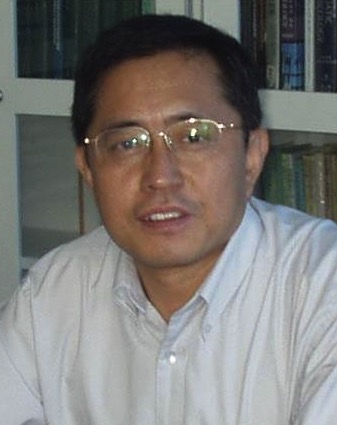 Kunshan Gao (高坤山)合作论文数State Key Laboratory of Marine Environmental Science, Xiamen University5
 Emmanuel S. Boss合作论文数Maine In-situ Sound & Color Lab, School of Marine Sciences, University of Maine5
 Guy Sisma-Ventura合作论文数Department of Environmental Sciences and Energy Research, Weizmann Institute of Science5
 Angelicque White合作论文数Department of Oceanography, School of Ocean and Earth Science and Technology, Oregon State University5




