Background and Aims: Clinical triage of suspected non-ST elevation myocardial infarction remains challenging, with 80-90% of patients not having ACS. Clinical risk scores have been developed to assist early decision making, but are often inconclusive for intermediate values. We hypothesized that machine learning based modeling including troponin and blood cell characteristics upon arrival improves early triage in patients with HEARTscores between 3 and 7.
Background and Aims: Red Cell Distribution Width (RDW) reflects mean corpuscular volume (MCV) variation and is a measure of erythrocyte (an)isocytosis. Elevated RDW has been associated with negative outcome in cardiovascular disease patients and other disorders. Using Electronic Health Record Data from >1.5 million samples, we sought to identify the - yet unknown - pathophysiological mechanisms underlying the connection between risk and high RDW.
There is an ongoing search for biomarkers that can facilitate the diagnosis of subclinical or clinically manifest cardiovascular disease. One of the emerging biomarkers currently under investigation is ST2, which is the receptor of Interleukin-33 (IL-33). ST2 is a member of the Interleukin-1 receptor family and exists in a transmembrane (ST2L) and a soluble form (sST2) due to alternative splicing. Several groups have reported sST2 elevations in serum of cardiovascular disease patients. There is consisting evidence that sST2 is independently predictive for mortality in patients with heart failure or myocardial infarction. In addition to its potential as a biomarker for adverse cardiovascular events, ST2 is considered to play a causal role in chronic cardiovascular diseases such as atherosclerosis and heart failure. Signaling of IL-33 via ST2 has been shown to be cardioprotective in mouse models of myocardial infarction, heart transplantation and cardiac hypertrophy and fibrosis. Furthermore, treatment with IL-33 reduced the development of plaques in atherosclerotic mice. In this paper we will review the currently available literature on sST2 as a biomarker for adverse cardiovascular events. In addition, we will elaborate on the potential mechanistic role of the IL-33/ST2 pathway in chronic inflammatory cardiovascular diseases.
Disclaimer/Complaints regulations If you believe that digital publication of certain material infringes any of your rights or (privacy) interests, please let the Library know, stating your reasons. In case of a legitimate complaint, the Library will make the material inaccessible and/or remove it from the website. Please Ask the Library: http://uba.uva.nl/en/contact, or a letter to: Library of the University of Amsterdam, Secretariat, Singel 425, 1012 WP Amsterdam, The Netherlands. You will be contacted as soon as possible.
To evaluate the role of neuronal nitric oxides synthase (nNOS) in collateral artery growth (arteriogenesis), we analyzed the expression pattern of nNOS at distinct time points on RNA and protein levels in a rabbit and a murine model of peripheral arteriogenesis. In the rabbit model, Northern blot analyses revealed a significant upregulation of nNOS at 6 h (1.6-fold), 12 h (2.2-fold) and 24 h (2.0-fold) after induction of arteriogenesis via femoral artery ligation, when compared to the sham operated side. In mice, an upregulation of nNOS was also detected using Northern blot (at 6 h, 12 h) and qRT-PCR (12 h: 2.4-fold). On the protein level, nNOS was found to be upregulated 24 h after femoral artery ligation. Immunohistochemical staining showed that nNOS was localized in endothelial and smooth muscle cells of collateral arteries, as well as in skeletal muscle and nerves. In summary, our data provide evidence that nNOS is not constitutively expressed, but is induced during arteriogenesis, playing a role in supplying reactive oxygen species such as H2O2 and low levels of NO.
The aim of the study was to investigate the pattern of glucose transporter-1 (Glut-1) expression in primary and recurrent head and neck squamous cell carcinomas (HNSCCAs) and the relation between Glut-1 expression and 2-[18F]fluoro-2-deoxy-D-glucose - positron emission tomography (FDG-PET). Standardised uptake values (SUVs) were used to evaluate FDG uptake by the tumour. Sections were stained immunohistochemically for Glut-1, which showed that high SUVs were seen in all HNSCCAs, and patients with higher T stage tumours or less well-differentiated tumours showed significantly higher SUVs than those with lower stage tumours or better-differentiated tumours (P = 0.001 and 0.04, respectively). Glut-1 immunostaining was present in all cases. The Glut-1 staining index in primary HNSCCAs was significantly lower than that in recurrent HNSCCAs (P = 0.03), and the index of better-differentiated tumours lower than that of poorly-differentiated tumours (P = 0.02). However, there was no significant correlation between SUVmean and the Glut-1 staining index. In conclusion, our data suggest that high FDG uptakes were seen with overexpression of Glut-1 in primary and recurrent HNSCCAs. SUVmean was related to tumour T stage and grade of differentiation, which indicated that SUV was helpful in evaluating tumours. The expression of Glut-1 in recurrent HNSCCAs was higher than that in primary HNSCCAs, and in poorly-differentiated HNSCCAs higher than in better-differentiated HNSCCAs, which indicated that Glut-1 may have a useful role as a predictor for poor prognosis in HNSCCAs. However, there was no significant correlation between FDG accumulation and Glut-1 expression.
The stimulation of the endogenous adaptive vessel growth (angiogenesis, arteriogenesis) provides a promising therapeutic approach for the large number of patients with vascular occlusive disease that is not eligible for current interventional treatments. Despite the proven efficacy of various factors in pre-clinical experimental studies, the successful translation of angiogenic therapies into clinical practice yet remains to be made. Most authors identified the mode of administrations as culprit for the neutral effects observed in the majority of clinical trials. Although experimental studies have proven the superiority of continuous intra-arterial application above other routes (iv, im, sc), clinical trials focused on either bolus therapy, iv or sc application respectively, due to the lack of technical solutions to fulfill the requirements of intra-arterial delivery. The recent developments in the field of drug eluting stents may offer new possibilities for local drug delivery. Local release of cytokines, such as TGF-beta, has been shown to induce collateral growth in an experimental model of PAD. Other factors might eventually render useful to stabilize atherosclerotic plaques downstream of the site of stent implantation.
 van Royen N合作论文数33Ivo Buschmann合作论文数32
 Jan Jacob Piek合作论文数Amsterdam UMC25Wolfgang Schaper合作论文数22
 G. Pasterkamp合作论文数Circulatory Health Research Center, University Medical Center Utrecht;Central Diagnostic Laboratory, University Medical Center Utrecht21C. Bode合作论文数16Grundmann Sebastian合作论文数14
 Michiel Dirk Voskuil合作论文数Department of Gastroenterology and Hepatology, University Medical Center Groningen12M Heil合作论文数9
 Stephan H. Schirmer合作论文数Kardiopraxis Schirmer;Universität des Saarlandes8Jing Hua合作论文数Wills Eye Hospital, Thomas Jefferson University7E Katzer合作论文数6S Kostin合作论文数6Arjan H. Schoneveld合作论文数5
 Mark Roest合作论文数Research Laboratory of the Department of Clinical Chemistry, University Medical Center Utrecht5P. T. G. Bot合作论文数4F. Hedwig合作论文数4Ir Buschmann合作论文数4R van der Neut合作论文数4Steven T. Pals合作论文数4
 C. Keith Ozaki合作论文数University of Florida College of Medicine and the Malcom Randall VAMC4
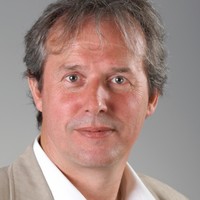 Dominique de Kleijn合作论文数Department of Vascular Surgery, University Medical Center Utrecht;ICIN Netherlands Heart Institute4S Ulusans合作论文数4Urbanus Rolf T合作论文数Dept Clin Chem & Haematol, Univ Med Ctr Utrecht3Marco Jost合作论文数Department of Chemistry and3Jutta Schaper合作论文数Max-Planck-Institut für Herz- und Lungenforschung(),Bad Nauheim,Germany3Philip G. de Groot合作论文数Utrecht University3
 Paulus Quax合作论文数Faculteit Geneeskunde, Medische Faculteit Leiden, Leiden University Medical Center;Department of Surgery, Leiden University Medical Center3
 Henri Timmers合作论文数Department of Internal Medicine, Radboud University Nijmegen Medical Centre3J Rectenwald合作论文数2J. K. Van Keulen合作论文数2D De Kleijn合作论文数2
 Niels van Royen合作论文数2D. De Groot合作论文数2EE Katzer合作论文数2F. Moll合作论文数2M. De Groot合作论文数2
 Folkert Asselbergs合作论文数University of Amsterdam;Institute of Health Informatics, University College London;Dutch CardioVascular Alliance2
 Henricus J Duckers合作论文数2
 Saskia Haitjema合作论文数Experimental Cardiology Laboratory, University Medical Center Utrecht2Willems Sanne合作论文数2
 Johan Jukema合作论文数Department of Cardiology, Leiden University Medical Center2
 Elisabeth Deindl合作论文数2
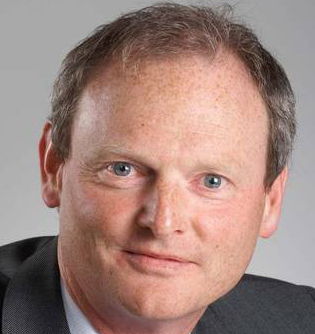 Wouter van Solinge合作论文数Department of Clinical Chemistry and Haematology, UMC Utrecht2Elena Ninci合作论文数2Aryan Vink合作论文数Department of Pathology, University Medical Center Utrecht2
 Marie-José Goumans合作论文数Department of Cell and Chemical Biology, Leiden University Medical Center2




