Background There is a persistent need for effective anti-inflammatory therapies for people with cystic fibrosis (pwCF), even in the era of highly effective modulator therapy (hEMT). Although hEMT improves clinical outcomes, this treatment does not fully resolve the chronic airway inflammation that contributes to progressive lung damage and recurrent pulmonary exacerbations. Existing anti-inflammatory drugs have shown benefit, but their severe side effects limit long-term use. To address this therapeutic gap, we aimed to establish a robust ex vivo model of CF airway inflammation based on the differentiation of primary bronchial epithelial cells from pwCF. This model, induced by biological and biochemical stimuli, represents a potentially valuable tool for preclinical studies of novel anti-inflammatory agents. Methods To evaluate the efficacy of this model, we analyzed the expression and release of pro-inflammatory cytokines and chemokines in primary human bronchial epithelial (HBE) cells obtained ex vivo from different pwCF carrying the F508del mutation, exposed to Pseudomonas aeruginosa (PAO-1), its secretome, TNF-α, IL-17, and their combination. Results Both bacterial and biochemical stimuli induced a strong inflammatory response, characterized by marked upregulation of pro-inflammatory cytokine gene expression. Protein analysis confirmed increased secretion of inflammatory mediators, demonstrating that differentiated air liquid interface -HBE cells cultures reproduce key features of CF airway inflammation and provide a reliable ex vivo model for studying inflammation-driven molecular responses. Conclusions This ex vivo model of inflammation shows strong potential as a tool for preclinical evaluation of new therapeutic strategies for people with cystic fibrosis and for other lung inflammatory diseases.
Multifunctional drugs represent an emerging strategy for treating complex skin disorders and melanoma. A series of benzothiazole-based hybrids incorporating gallic and syringic acid moieties was synthesized and evaluated as multifunctional agents for skin-related applications. Six hydrazone (GAHYDR1–3) and acyl-hydrazone (GACIN1–3) derivatives were obtained and fully characterized. Hydroxylated compounds showed the strongest antioxidant activity, with GAHYDR1 and GACIN1 displaying low DPPH IC50 values and high FRAP reducing power. UV–Vis studies revealed strong UVA–UVB absorption, with molar extinction coefficients comparable to or exceeding those of PBSA. Photoprotective evaluation showed SPF values up to 10.09 (GACIN2) and broad-spectrum behavior for selected derivatives. Antioxidant activity remained substantially stable over 3 months in solution. Antiproliferative assays against Colo38, A375, and HaCaT cell lines indicated generally low cytotoxicity toward non-tumor cells. Notably, GAHYDR3 exhibited selective activity against A375 melanoma cells (IC50 = 8.75 µM; SI = 8.12). Overall, phenolic substitution emerged as a key determinant of biological activity, highlighting hydroxylated benzothiazole hybrids as promising antioxidant and photoprotective agents, with GAHYDR3 representing a potential lead for anti-melanoma development.
Two series of 3-substituted (Z)-5-(3,4,5-trimethoxybenzylidene)thiazolidine-2,4-dione derivatives were designed, synthesized, and evaluated for their anticancer potential. The first series (9a-f) incorporates carbamate moieties, whereas the second series (10a-e and 11a,b) contains urea functionalities. The synthetic route involved hydrolysis of the ester 4 into the corresponding acid 6, followed by conversion to the acid azide intermediate 8, and subsequent Curtius rearrangement in the presence of alcohols or amines to afford the target compounds. The antiproliferative activity of the synthesized derivatives was assessed against a panel of human cancer cell lines (MCF-7, MDA-MB-231, A2780, A2780cis, and K562), as well as the non-tumorigenic HaCaT cell line, using cisplatin as a reference drug. Several derivatives demonstrated promising cytotoxicity; in particular, the six compounds (9c, 9e, 9f, 10a, 10b, and 10c) exhibited IC50 values below 20 µM. Notably, compounds 9c, 9e, 10a, and 10b showed pronounced selectivity toward the aggressive triple-negative breast cancer MDA-MB-231 cell line, underscoring this scaffold as a promising platform for anticancer drug development. The urea derivatives 10a and 10b demonstrated superior activity compared with the carbamate analogues 9c and 9e. Compound 10b exhibited the highest activity (IC50 = 6.02±0.91 µM) and appeared as an MDA-MB-231 hit compound. Computational investigations, including DFT calculations and molecular docking, supported the experimental findings and suggested a multitarget mechanism of action.
The involvement of oxidative stress in the aetiology of various multifactorial diseases is well known, just as the design of multifunctional compounds is recognized as an innovative strategy to control complex-spectrum diseases. The purpose of this work was to synthesize a small library of six benzothiazole derivatives with hydrazonic spacers and to evaluate their multifunctional efficacy in terms of antioxidant, UV-filtering, antiproliferative, and anti-inflammatory activities. From the SAR study it emerged that the hydrazone linker, when coupled with a hydroxyl group in position 4 and another hydroxyl or methoxyl in position 3, seems to direct the profile of the molecule towards multifunctionality. The antitumor activity against melanoma cells seems to be related to the inhibition of tyrosinase (BZTidr10-12). All the compounds of the series have shown to be direct inhibitors of 5-lipoxygenase (5-LO). In particular, compound BZTidr12, with an IC50 of 0.03 µM, proved to be the most potent inhibitor of the series against isolated 5-LO activity in a cell-free assay.
Background There is a prominent need for anti-inflammatory agents for people with Cystic Fibrosis (pwCF), even in the era of CFTR modulators. ETI (Elexacaftor/Tezacaftor/Ivacaftor) reduces but does not eliminate pulmonary inflammation, that chronically damages CF pulmonary tissues and favors recurrent pulmonary exacerbations. Furthermore, although known anti-inflammatory drugs are beneficial to pwCF, their side effects are limiting the clinical use. To address this issue, we developed a new synthetic furocoumarin molecule named GY971, able to reduce the excessive accumulation of neutrophils in the bronchial lumen, by targeting the NF-κB transcription factor (TF). Methods To assess its efficacy, GY971 was tested in human primary bronchial and nasal epithelial cells obtained ex vivo from different pwCF carrying the F508del mutation and infected with Pseudomonas aeruginosa. Moreover, GY971 was also administered in a zebrafish model infected with P. aeruginosa in vivo. Results GY971 reduced neutrophil chemotaxis mediators both in CF bronchial epithelial cell lines and in CF primary bronchial and nasal epithelial cells ex vivo. The expression of key inflammatory proteins involved in CF lung disease, including IL-8, IL-1β, TNF-α and IL-6, was significantly reduced using nanomolar concentrations of GY971. Importantly, GY971 does not interfere with the ETI-mediated rescue of CFTR protein and showed no cytotoxic effects. Lastly, in vivo testing with a zebrafish model confirmed its effectiveness: GY971 decreased neutrophil recruitment in treated larvae across different concentrations, supporting earlier results from murine studies. Conclusions GY971 appears to be a promising molecule for the future development of combinatorial anti-inflammatory treatments together with ETI.
A current trend in healthcare research is to discover multifunctional compounds, able to interact with multiple biological targets, in order to simplify multi-drug therapies and improve patient compliance. The aim of this work was to outline the growing demand for innovative multifunctional compounds, achieved through the synthesis, characterisation and SAR evaluation of a series of 2-styrylbenzothiazole derivatives. The six synthesised compounds were studied for their potential as photoprotective, antioxidant, antiproliferative, and anti-inflammatory agents. In order to profile antioxidant activity against various radical species, in vitro DPPH, FRAP and ORAC assays were performed. UV-filtering activity was studied, first in solution and then in formulation (standard O/W sunscreen containing 3% synthesised molecules) before and after irradiation. Compound BZTst6 proved to be photostable, suitable for broad-spectrum criteria, and is an excellent UVA filter. In terms of antioxidant activity, only compound BZTst4 can be considered a promising candidate, due to the potential of the catechol moiety. Both also showed exceptional inhibitory action against the pro-inflammatory enzyme 5-lipoxygenase (LO), with IC50 values in the sub-micromolar range in both activated neutrophils and under cell-free conditions. The results showed that the compounds under investigation are suitable for multifunctional application purposes, underlining the importance of their chemical scaffolding in terms of different biological behaviours.
Our search of new organopalladium compounds able to promote an effective antiproliferative action towards ovarian cancer cells continues. In this paper we have examined for the first time the anticancer activity of palladium imidoyl complexes, for which two different types of phosphines have been chosen as ancillary ligands: i) PTA and DAPTA to take advantage from their solubility in aqueous environment, and ii) dppf for combining the action of the Pd-imidoyl fragment with that, well-known, of ferrocene. The synthetic protocols as well as the exhaustive characterisation of the complexes through spectroscopic and diffractometric methods are described. In vitro tests carried out to assess the cytotoxicity of the new compounds towards two ovarian cancer cell lines (one cisplatin sensitive and the other cisplatin resistant) have revealed an interesting effect of the halide coordinated to the palladium centre (halogen effect). Moreover, all complexes have shown the same activity against the cisplatin-sensitive (A2780) and cisplatin-resistant (A2780cis) cell lines, suggesting a different mode of action with respect to the "classical" platinum-based drugs. Finally, a selection of the most active compounds has shown an interesting selectivity towards ovarian cancer cells. Palladium(II)-Imidoyl Complexes: A New Piece in the Puzzle of Organopalladium Anticancer Agents. The library of organopalladium compounds with anticancer properties was expanded. The new class of Pd-imidoyl complexes bearing PTA, DAPTA and dppf phosphines showed promising results against ovarian cancer in terms of selectivity and apoptosis induction. image
Cystic fibrosis transmembrane conductance regulator (CFTR) modulators, a new series of therapeutics that correct and potentiate some classes of mutations of the CFTR, have provided a great therapeutic advantage to people with cystic fibrosis (pwCF). The main hindrances of the present CFTR modulators are related to their limitations in reducing chronic lung bacterial infection and inflammation, the main causes of pulmonary tissue damage and progressive respiratory insufficiency, particularly in adults with CF. Here, the most debated issues of the pulmonary bacterial infection and inflammatory processes in pwCF are revisited. Special attention is given to the mechanisms favoring the bacterial infection of pwCF, the progressive adaptation of Pseudomonas aeruginosa and its interplay with Staphylococcus aureus, the cross-talk among bacteria, the bronchial epithelial cells and the phagocytes of the host immune defenses. The most recent findings of the effect of CFTR modulators on bacterial infection and the inflammatory process are also presented to provide critical hints towards the identification of relevant therapeutic targets to overcome the respiratory pathology of pwCF.
Induction of fetal hemoglobin (HbF) is highly beneficial for patients carrying β-thalassemia, and novel HbF inducers are highly needed. Here, we describe a new class of promising HbF inducers characterized by an isoxazole chemical skeleton and obtained through modification of two natural molecules, geldanamycin and radicicol. After preliminary biological assays based on benzidine staining and RT-qPCR conducted on human erythroleukemic K562 cells, we employed erythroid precursors cells (ErPCs) isolated from β-thalassemic patients. ErPCs weretreated with appropriate concentrations of isoxazole derivatives. The accumulation of globin mRNAs was studied by RT-qPCR, and hemoglobin production by HPLC. We demonstrated the high efficacy of isozaxoles in inducing HbF. Most of these derivatives displayed an activity similar to that observed using known HbF inducers, such as hydroxyurea (HU) or rapamycin; some of the analyzed compounds were able to induce HbF with more efficiency than HU. All the compounds were active in reducing the excess of free α-globin in treated ErPCs. All the compounds displayed a lack of genotoxicity. These novel isoxazoles deserve further pre-clinical study aimed at verifying whether they are suitable for the development of therapeutic protocols for β-thalassemia.
Background: Effective interactions between universities, patient organizations, and industries are a key factor in organizing competitive projects against rare diseases, including b-thalassemia. One of the missions of the “Center Chiara Gemmo and Elio Zago for the Research on Thalassemia” (Ferrara University, Italy) is to propose clinical trials based on orphan drug designation of repurposed compounds for β-thalassemias. In this communication, we present updates on sirolimus and cinchona alkaloids. Drug repositioning has gained attention in the field of rare diseases, and represents a relevant novel drug development strategy. A key advantage of drug repurposing over traditional drug development is that the repositioned drug has already passed toxicity, pharmacokinetic and pharmacodynamic tests, significantly reducing the probability of project failure, the time needed to reach the market and overall costs. Results: As far as sirolimus, a fetal hemoglobin (HbF) inducer, the biochemical, molecular and clinical results of the NCT03877809 clinical trial suggest that expression of γ-globin mRNA increases in 8 β-thalassemia patients (β+/β+ and β+/β0) treated with low-dose sirolimus (1 mg/day sirolimus). A second important conclusion of the trial was that sirolimus influences erythropoiesis and reduces biochemical markers associated with ineffective erythropoiesis. In most of the patients, a decrease of the transfusion demand index was observed [1]. Moreover, a recent study identified Cinchona alkaloids as natural HbF-inducing agents [2]. Two highly active compounds, cinchonidine and quinidine, were able to induce γ-globin mRNA and HbF in ErPCs isolated from β-thalassemia patients, strongly indicating that these compounds deserve consideration in the development of pre-clinical approaches for therapeutic protocols of β-thalassemia. These compounds should be considered as repurposed drugs, as quinidine has been employed in a variety of cardiac complications, such as arrhythmias, atrial fibrillation, idiopathic ventricular fibrillation, Brugada syndrome, and Short QT syndrome. Conclusion: HbF induction can be combined with novel therapeutic approaches, such as gene editing. We have recently reported the efficient correction, by CRISPR-Cas9 gene editing, of the β039-thalassemia mutation in ErPCs from homozygous β039-thalassemia patients [3]. Accumulation of corrected β-globin mRNA and relevant “de novo” production of β-globin and adult hemoglobin (HbA) were found. We are at present verifying whether co-expression of HbF and HbA can be achieved using HbF inducers and CRISPR-Cas9 gene editing in combinantion. References 1. Zuccato, Cristina, et al. “Expression of γ-globin genes in β-thalassemia patients treated with sirolimus: results from a pilot clinical trial (Sirthalaclin).” Therapeutic Advances in Hematology 13 (2022): 20406207221100648. https://doi/10.1177/20406207221100648 2. Zuccato, Cristina, et al. “Treatment of erythroid precursor cells from β-thalassemia patients with cinchona alkaloids: induction of fetal hemoglobin production.” International Journal of Molecular Sciences 22.24 (2021): 13433. https://doi.org/10.3390/ijms222413433 3. Drago, Daniela, et al. “Global regulatory progress in delivering on the promise of gene therapies for unmet medical needs.” Molecular Therapy-Methods & Clinical Development 21 (2021): 524-529. https://doi.org/10.1016/j.omtm.2021.03.025
This research investigated plant extracts as a source of potential new actives in the nutritional, cosmetic, and pharmaceutical fields. Moringa oleifera, which is extensively known for its nutritional properties, has been investigated in this work by preparation, characterization, and evaluation of the antioxidant (FRAP, DPPH, ORAC, and PCL test), antifungal, photoprotective, and cytotoxicity profile against human melanoma Colo38 cell line of two different extracts (hydroalcoholic and methanolic) and one infusion of dry leaves collected from Paraguay in four distinct harvest times (February, March, April, and May 2017). The outcomes of this study highlight Moringa oleifera as a potential ally to counteract skin aging and oxidative stress, as indicated by the favorable antioxidant profile of the extracts and infusions of Paraguay, which was, in all cases, superior to that provided by the same plant species when collected from Senegal. Moreover, some samples were more efficient in preventing the photodegradation of UVA filter butyl methoxydibenzoylmethane (Avobenzone) compared to commercial filters, thus suggesting an interesting future role as natural additives in sunscreens.
The human homologue of mouse Ly-1 antibody reactive clone protein (LYAR) is a putative novel regulator of γ-globin gene transcription. The LYAR DNA-binding motif (5′-GGTTAT-3′) is located within the 5′-UTR of the Aγ-globin gene. The LYAR rs368698783 (G>A) polymorphism is present in β-thalassemia patients and decreases the LYAR binding efficiency to the Aγ-globin gene. The objective of this study was to stratify β-thalassemia patients with respect to the rs368698783 (G>A) polymorphism and to verify whether their erythroid precursor cells (ErPCs) differentially respond in vitro to selected fetal hemoglobin (HbF) inducers. The rs368698783 (G>A) polymorphism was detected by DNA sequencing, hemoglobin production by HPLC, and accumulation of globin mRNAs by RT-qPCR. We found that the LYAR rs368698783 (G>A) polymorphism is associated with high basal and induced production of fetal hemoglobin in β-thalassemia patients. The most striking association was found using rapamycin as an HbF inducer. The results presented here could be considered important not only for basic biomedicine but also in applied translational research for precision medicine in personalized therapy of β-thalassemia. Accordingly, our data suggest that the rs368698783 polymorphism might be considered among the parameters useful to recruit patients with the highest probability of responding to in vivo hydroxyurea (HU) treatment.
Background: Increased production of fetal hemoglobin (HbF) can be beneficial for β-thalassemia patients and several clinical trials in β-thalassemia and/or sickle-cell disease (SCD) are ongoing using HbF inducers, such as NCT01245179 (based on the HDAC inhibitor Panobinostat), NCT00790127 (based on 2,2-dimethylbutyrate, HQK-1001) and NCT03877809 (based on the mTOR inhibitor sirolimus). Methods: In this context, new molecules able to induce HbF are needed. In this communication, we have studied in deep a new class of promising HbF inducers characterized by an isoxazole chemical skeleton. These derivatives are 3,4-isoxazolediamide compounds recently synthesized in our laboratories. The original structures of two natural molecules, geldanamycin and radicicol, known to be natural Hsp (Heat Shot Protein) inhibitors, were modified to lead to a novel class of synthetic compounds, containing the isoxazole nucleus, and displaying potent and selective inhibition of Hsp90. Here we used erythroid precursors cells (ErPCs) isolated from β-thalassemic patients and treated with appropriate concentrations of 8 isoxazole derivatives previously demonstrated to be able to induce erythroid differentiation of K562 cells. Results: We demonstrated the high efficacy of the analyzed isoxazoles in inducing HbF. Some derivatives demonstrated an activity even higher than other HbF inducers used as positive controls, such as Hydroxyurea (HU) or Sirolimus. Most of the isoxazole derivatives displayed high effects in decreasing the excess of free α-globin chains in treated ErPCs. All the compounds were assayed for genotoxicity through the Ames test, employing the histidine-requiring Salmonella typhimurium mutant TA 97A, TA98, TA100 and TA1535 strains that allow to check frameshift mutation and base-pair substitution, with and without metabolic activation induced by S9 Mix. These assays excluded any drawbacks related to genotoxicity. Summary - Conclusion: We may therefore conclude that these novel isoxazoles could be proposed for clinical studies for possible therapeutic application for the treatment of β-thalassemia. These compounds have been recently patented as potential therapeutic agents for β-thalassemia (US Patent 11077116). Acknowledgements This study was sustained by the Wellcome Trust (innovator award 208872/Z/17/Z), by AIFA (AIFA-2016-02364887) and by the UE THALAMOSS Project (Thalassemia Modular Stratification System for Personalized Therapy of Βeta-Thalassemia; no. 306201-FP7-HEALTH-2012-INNOVATION-1). We thank A.L.T. (Associazione per la lotta alla Talassemia) “Rino Vullo” - Ferrara, and A.V.L.T. (Associazione Veneta per la Lotta alla Talassemia) “Elio Zago” - APS – Rovigo.
Combined treatments employing lower concentrations of different drugs are used and studied to develop new and more effective anticancer therapeutic approaches. The combination therapy could be of great interest in the controlling of cancer. Regarding this, our research group has recently shown that peptide nucleic acids (PNAs) that target miR-221 are very effective and functional in inducing apoptosis of many tumor cells, including glioblastoma and colon cancer cells. Moreover, in a recent paper, we described a series of new palladium allyl complexes showing a strong antiproliferative activity on different tumor cell lines. The present study was aimed to analyze and validate the biological effects of the most active compounds tested, in combination with antagomiRNA molecules targeting two miRNAs, miR-221-3p and miR-222-3p. The obtained results show that a "combination therapy", produced by combining the antagomiRNAs targeting miR-221-3p, miR-222-3p and the palladium allyl complex 4d, is very effective in inducing apoptosis, supporting the concept that the combination treatment of cancer cells with antagomiRNAs targeting a specific upregulated oncomiRNAs (in this study miR-221-3p and miR-222-3p) and metal-based compounds represents a promising therapeutic strategy to increase the efficacy of the antitumor protocol, reducing side effects at the same time.
Chronic bacterial infections and exaggerated inflammation of airways are hallmarks of Cystic Fibrosis (CF) and are significant causes of morbidity and mortality in CF patients. Accordingly, development of novel anti-inflammatory and anti-bacterial agents, to combine with CFTR modulators, is a key goal in CF drug discovery. Recent studies, granted by Italian Cystic Fibrosis Research Foundation, revealed the ability of two compounds, the iminosugar L-Miglustat and beta-sitosterol (BSS), to reduce both the levels of inflammation and the bacterial load in murine models of CF infection.
A current trend of research in the health field is toward the discovery of multifunctional compounds, capable of interacting with multiple biological targets, thus simplifying multidrug therapies and improving patient compliance. The aim of this work was to synthesize new multifunctional chemical entities bearing a benzothiazole nucleus, a structure that has attracted increasing interest for the great variety of biological actions that it can perform, and already used as a scaffold in several multifunctional drugs. Compounds are reported, divided into two distinct series, synthetized and tested in vitro for the antioxidant, and include UV-filtering and antitumor activities. DPPH and FRAP tests were chosen to outline an antioxidant activity profile against different radical species. The UV-filtering activity was investigated, pre- and post-irradiation, through evaluation of a O/W sunscreen standard formulation containing 3% of the synthetic compounds. The antitumor activity was investigated both on human melanoma cells (Colo-38) and on immortalized human keratinocytes as a control (HaCat). A good antiproliferative profile in terms of IC50 was chosen as a mandatory condition to further investigate apoptosis induction as a possible cytotoxicity mechanism through the Annexin V test. Compound BZTcin4 was endowed with excellent activity and a selectivity profile towards Colo-38, supported by a good antioxidant capacity and an excellent broad-spectrum photoprotective profile.
Biocatalyzed synthesis can be exploited to produce high-value products, such as prodrugs. The replacement of chemical approaches with biocatalytic processes is advantageous in terms of environmental prevention, embracing the principles of green chemistry. In this work, we propose the covalent attachment of xylitol to ibuprofen to produce an IBU-xylitol ester prodrug. Xylitol was chosen as a hydrophilizer for the final prodrug, enhancing the water solubility of ibuprofen. Ibuprofen is a nonsteroidal anti-inflammatory drug (NSAID) extensively used as an analgesic, anti-inflammatory, and antipyretic. Despite being the third-most-prescribed medicine in the world, the aqueous solubility of ibuprofen is just 21 mg/L. This poor water solubility greatly limits the bioavailability of ibuprofen. We aimed to functionalize ibuprofen with xylitol using the reusable immobilized N435 biocatalyst. Instead of a biphasic media, we proposed a monophasic reaction environment. The characterization of the IBU-xylitol ester was performed by 1H, 13C-NMR, DEPT, COSY, HMQC, HMBC, FTIR, and MS spectroscopy. Preliminary in vitro tests showed that this enzymatically synthesized prodrug of ibuprofen reduced the expression of the interleukin 8 genes in human bronchial epithelial cells (IB3-1) from cystic fibrosis (CF) patients.
Introduction: β-thalassemia is caused by autosomal mutations in the β-globin gene, which induce the absence or low-level synthesis of β-globin in erythroid cells. It is widely accepted that a high production of fetal hemoglobin (HbF) is beneficial for patients with β-thalassemia. Sirolimus, also known as rapamycin, is a lipophilic macrolide isolated from a strain of Streptomyces hygroscopicus that serves as a strong HbF inducer in vitro and in vivo. In this study, we report biochemical, molecular, and clinical results of a sirolimus-based NCT03877809 clinical trial (a personalized medicine approach for β-thalassemia transfusion-dependent patients: testing sirolimus in a first pilot clinical trial, Sirthalaclin). Methods: Accumulation of γ-globin mRNA was analyzed using reverse-transcription quantitative polymerase chain reaction (PCR), while the hemoglobin pattern was analyzed using high-performance liquid chromatography (HPLC). The immunophenotype was analyzed using a fluorescence-activated cell sorter (FACS), with antibodies against CD3, CD4, CD8, CD14, CD19, CD25 (for analysis of peripheral blood mononuclear cells), or CD71 and CD235a (for analysis of in vitro cultured erythroid precursors). Results: The results were obtained in eight patients with the β+/β+ and β+/β0 genotypes, who were treated with a starting dosage of 1 mg/day sirolimus for 24–48 weeks. The first finding of this study was that the expression of γ-globin mRNA increased in the blood and erythroid precursor cells isolated from β-thalassemia patients treated with low-dose sirolimus. This trial also led to the important finding that sirolimus influences erythropoiesis and reduces biochemical markers associated with ineffective erythropoiesis (excess free α-globin chains, bilirubin, soluble transferrin receptor, and ferritin). A decrease in the transfusion demand index was observed in most (7/8) of the patients. The drug was well tolerated, with minor effects on the immunophenotype, and an only side effect of frequently occurring stomatitis. Conclusion: The data obtained indicate that low doses of sirolimus modify hematopoiesis and induce increased expression of γ-globin genes in a subset of patients with β-thalassemia. Further clinical trials are warranted, possibly including testing of the drug in patients with less severe forms of the disease and exploring combination therapies.
Drug repositioning and the relevance of orphan drug designation for β-thalassemia is reviewed. Drug repositioning and similar terms ('drug repurposing', 'drug reprofiling', 'drug redirecting', ‘drug rescue’, ‘drug re-tasking’ and/or 'drug rediscovery') have gained great attention, especially in the field or rare diseases (RDs), and represent relevant novel drug development strategies to be considered together with the “off-label” use of pharmaceutical products under clinical trial regimen. The most significant advantage of drug repositioning over traditional drug development is that the repositioned drug has already passed a significant number of short- and long-term toxicity tests, as well as it has already undergone pharmacokinetic and pharmacodynamic (PK/PD) studies. The established safety of repositioned drugs is known to significantly reduce the probability of project failure. Furthermore, development of repurposed drugs can shorten much of the time needed to bring a drug to market. Finally, patent filing of repurposed drugs is expected to catch the attention of pharmaceutical industries interested in the development of therapeutic protocols for RDs. Repurposed molecules that could be proposed as potential drugs for β-thalassemia, will be reported, with some of the most solid examples, including sirolimus (rapamycin) that recently has been tested in a pilot clinical trial.
 Roberto Gambari合作论文数Dipartimento di Biochimica e Biologia Molecolare, Università degli Studi di Ferrara183
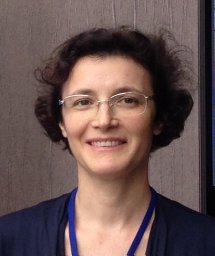 Monica Borgatti合作论文数Department of Biochemistry and Molecular Biology, University of Ferrara123
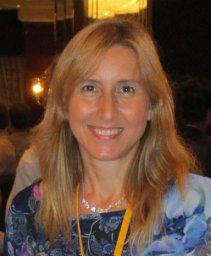 Alessia Finotti合作论文数Department of Biochemistry and Molecular Biology, University of Ferrara73
 Nicoletta Bianchi合作论文数Dipartimento di Biochimica e Biologia Molecolare, Università di Ferrara63
 Giulio Cabrini合作论文数Laboratory of Clinical Chemistry and Haematology, University-Hospital56
 Cristina Zuccato合作论文数Department of Biochemistry and Molecular Biology, University of Ferrara52
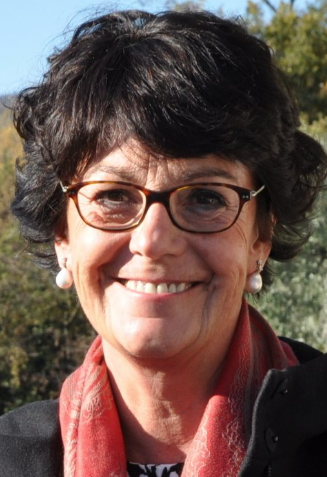 Maria Cristina Dechecchi合作论文数Azienda Ospedaliera Universitaria Integrata Verona44Enrica Fabbri合作论文数39
 Valentino Bezzerri合作论文数37Breveglieri Giulia合作论文数34
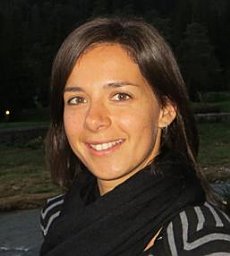 Brognara Eleonora合作论文数Dept Biochem & Mol Biol, Univ Ferrara26
 Francesca Salvatori合作论文数25
 Lucia Cosenza合作论文数Department of Rehabilitation, "Santi Antonio e Biagio e Cesare Arrigo" National Hospital23Irene Mancini合作论文数22
 Jessica Gasparello合作论文数Department of Life Sciences and Biotechnology, University of Ferrara19
 Stefano Manfredini合作论文数18
 Chiara Tupini合作论文数17E. Nicolis合作论文数16Montagner Giulia合作论文数16I Mancini合作论文数15A. Tamanini合作论文数15Anna Tamanini合作论文数15
 Gianni Sacchetti合作论文数Sez. Risorse Agrotecnologiche e Farmaceutiche AgriUnife, Università degli Studi di Ferrara15N Bianchi合作论文数14Giovanni Marzaro合作论文数14
 Silvia Vertuani合作论文数14
 Laura Breda合作论文数13Elena Nicolis合作论文数13
 Adriana Chilin合作论文数13Anna Baldisserotto合作论文数13Francesco Dall'Acqua合作论文数11Daniela Vedaldi合作论文数11Milani Roberta合作论文数10
 Roberto Corradini合作论文数10
 Alex Manicardi合作论文数10
 Giordana Feriotto合作论文数9Antoine M. Saab合作论文数9F Quiri合作论文数8Munari Silvia合作论文数8
 Roberta Piva合作论文数Department of Biochemistry and Molecular Biology, University of Ferrara8Mahmud Tareq Hassan Khan合作论文数8
 Alessandra Romanelli合作论文数8Francesco Chiavilli合作论文数7
 Carlo Mischiati合作论文数7Elisabetta D'Aversa合作论文数7
 Michele Saviano合作论文数Biocrystallography Research Center, C.N.R.7
 Elisabetta Lambertini合作论文数Department of Biochemistry and Molecular Biology, University of Ferrara7Stefano Rivella合作论文数7
 Paola Bergamini合作论文数Dipartimento di Chimica7




