Introducción: La endocarditis infecciosa (EI) es una complicación poco frecuente pero grave tras el reemplazo valvular aórticopor vía transcatéter (TAVR), con una evolución generalmente adversa. Objetivo: Describir la incidencia, características y evolución clínica intrahospitalaria de la EI post-TAVR. Material y métodos: Estudio unicéntrico, observacional y retrospectivo que incluyó pacientes mayores de 18 años con TAVRentre marzo de 2015 y mayo de 2025. La EI se clasificó como precoz (≤1 año post-TAVR) o tardía (>1 año), según criterios deDuke modificados. Se analizaron datos clínicos, microbiológicos e imagenológicos, tratamiento recibido, indicación quirúrgicay mortalidad intrahospitalaria. Resultados: Se incluyeron 521 pacientes con mediana de edad de 84 años (rango intercuartílico, RIC, 79-87); 65 % mujeres. Laincidencia de EI fue del 2,3 % (n=12): 42 % precoces y 58 % tardías. La mediana de edad del subgrupo con EI fue 83 años (RIC78-86), el 75 % hombres. Enterococcus faecalis fue el patógeno más frecuente. Ocho pacientes presentaron fiebre como síntomainicial, nueve vegetaciones ecocardiográficas, y cuatro fenómenos embólicos. Cuatro pacientes tuvieron indicación quirúrgica,pero solo uno fue operado. La mortalidad intrahospitalaria fue del 16 % (n=2), asociada a indicación quirúrgica no llevada acabo por fragilidad. Todos los pacientes recibieron antibiótico dirigido, y un tercio tratamiento supresivo en el seguimiento. Conclusiones: La EI post-TAVR presentó una prevalencia del 2,3 % en nuestra cohorte. Su evolución clínica, con alta morbimortalidad y limitada posibilidad quirúrgica, subraya la necesidad de estrategias diagnósticas y terapéuticas tempranas paramejorar el pronóstico.
INTRODUCTION:The Society of Thoracic Surgeons Predicted Risk of Mortality (STS-PROM) score is widely used to estimate procedural risk in patients with severe aortic stenosis (AS) undergoing transcatheter aortic valve implantation (TAVI). However, its ability to predict acute kidney injury (AKI) after TAVI has not been well established. OBJECTIVES:To evaluate the predictive performance of the STS-PROM score for post-procedural AKI in patients with symptomatic severe AS undergoing transfemoral TAVI. METHODS:We conducted a retrospective observational cohort study including consecutive patients with symptomatic severe AS treated with transfemoral TAVI. The primary outcome was AKI after the procedure. The discriminative performance of the STS-PROM score was assessed using receiver operating characteristic (ROC) curve analysis and the area under the curve (AUC). The optimal cutoff value was determined using the Youden index. RESULTS:82 patients were included (mean age, 82.5±6.6 years; 56.8% women). The median STS-PROM score was 4.18 (interquartile range [IQR], 3.22-6.15). AKI occurred in 9 patients (11.0%). The STS-PROM score demonstrated acceptable discriminative performance for predicting AKI (AUC, 0.732; 95% confidence interval [CI], 0.566-0.898; P=0.034). The optimal cutoff value was 5.75, providing 72% sensitivity and 80% specificity. Of the 9 patients who developed AKI, 8 (88.9%) had an STS-PROM score ≥5.75, whereas only 1 (11.1%) had a score <5.75 (P=0.025). CONCLUSIONS:In patients with symptomatic severe AS undergoing transfemoral TAVI, the STS-PROM score showed acceptable performance for predicting post-procedural AKI. An STS-PROM score ≥5.75 identified patients at increased risk of AKI and may provide additional value for preprocedural risk stratification.
BACKGROUND:Aortic valve stenosis (AS) often coexists with various comorbidities and concurrent cardiovascular risk factors. However, the clinical impact of obesity, considering sarcopenia, remains unexplored in patients with severe symptomatic AS evaluated by a Heart Team. This study evaluates Body Mass Index (BMI)'s discriminative power and clinical implications regarding adverse clinical events in severe symptomatic AS patients assessed by a Heart Team, while considering sarcopenia. METHODS:This retrospective single-center cohort study included severe symptomatic AS patients evaluated by a Heart Team, analyzing baseline characteristics, anatomo-functional data, biochemical parameters, and adverse clinical events during a 2-year follow-up. The cohort was stratified by BMI and the presence of sarcopenia, determined using the validated SARC-F Questionnaire. RESULTS:The mean age of the study cohort (N.=278) was 83.25±6.88 years (51.1% female), with a median follow-up of 13.05 months (IQR 5.96-24.50). The AUC for the primary outcome related to BMI was 0.623 ([95% CI 0.543-0.704]; P=0.004), with the optimal BMI threshold at 24.95 kg/m2. Patients with a BMI>24.95 kg/m2 exhibited improved survival (HR 0.508 [95% CI 0.303-0.853]; P=0.010). Conditional dependence regarding the presence of sarcopenia was observed in the relationship between BMI and adverse clinical events (sarcopenic patients, P=0.015 vs. non-sarcopenic, P=0.618; Cochran-Mantel-Haenszel test P=0.171). CONCLUSIONS:Among severe symptomatic AS patients evaluated by a Heart Team, BMI predicts adverse clinical outcomes. Remarkably, normal-weight patients have higher mortality rates than obese patients. This association was only evident in the absence of sarcopenic obesity.
Introducción: La angioplastia coronaria en octogenarios aumenta, pero esta población está poco representada en los estudios aleatorizados por su alto riesgo.Objetivos: Evaluar los resultados de angioplastia coronaria de pacientes octogenarios e identificar predictores independientes de mala evolución en el seguimiento.Material y métodos: Estudio retrospectivo, pacientes consecutivos con angioplastia coronaria junio 2011 a Septiembre 2013 en un Hospital Polivalente. Se compararon octogenarios (edad ≥ 80 años) con el resto. Se evaluaron las características basales y del procedimiento. Se evaluó la mortalidad y los eventos cardiovasculares mayores (MACE, muerte, infarto o stroke) a 30días, 1 y 3 años. Se realizó un análisis univariado y multivariado para predictores de mala evolución.Resultados: Se incluyeron 1030 pacientes, 20,2% octogenarios. La edad promedio de los octogenarios era de 83 años (RIC 81-86).Estos presentaron más factores de riesgo y comorbilidades. La tasa de éxito y la cantidad de stents fue similar entre los grupos.La tasa de MACE fue mayor en octogenarios a 30 días (14,4% vs. 4,9%; p < 0,001), 1 año (23,9% vs. 8,5%; p < 0,001) y a 3 años (p < 0,0001), a expensas de mortalidad sin diferencias en el infarto (4,8% vs. 3,8%), el stroke (1,7% vs. 1,6%), ni en complicaciones del procedimiento. Los predictores independientes de muerte en octogenarios incluyen IRC, EPOC y deterioro de la función ventricular. La edad ≥ 80 años fue un predictor independiente de MACE en la población general.Conclusiones: Observamos una aceptable tasa de éxito de angioplastia coronaria en pacientes octogenarios, asociada con un aumento de la mortalidad inmediata y alejada que no parece relacionada con el procedimiento. La IRC, el EPOC y el deterioro de la función ventricular son predictores independientes de mal pronóstico en estos pacientes.
BACKGROUND:Inflammation following transcatheter aortic valve implantation (TAVI) is associated with an increased risk of adverse outcomes. The aim of this study was to compare the inflammatory response between low radial force valves (Acurate neo2, Boston Scientific) and high radial force valves (Evolut R/Pro, Medtronic; SAPIEN Edwards Lifesciences; and Myval, Meril valves). METHODS:We conducted a retrospective study of patients with severe aortic stenosis treated with TAVI between 2021 and 2022. The primary endpoint was the difference in the inflammatory response between low radial force valves and high radial force valves, measured as the difference between post-procedural and pre-procedural high-sensitivity C-reactive protein levels (hsCRP delta). RESULTS:A total of 114 patients were included, of which 65 patients (57%) received a low radial force valve. The hsCRP delta was lower in the low radial force valve group compared to the high radial force valve group (8.7 [2.1-15.6] mg/L vs. 18.8 mg/dL [6.4-19] mg/L; P=0.003), due to a lower post-implantation hsCRP (8.9 [5.45-19.6] mg/L vs. 15.8 [9.8-27.3] mg/L; P=0.013). The incidence of new left bundle branch block (LBBB) after TAVI was lower in the low radial force valve group compared to the high radial force valve group (11 [17%] vs. 18 [37%]; P=0.020). CONCLUSIONS:Low radial force TAVI prostheses were associated with a lower inflammatory response, and a lower incidence of new LBBB compared to the radial force valve group, suggesting that inflammation may contribute to the increased risk of conduction disturbances.
Cardiac inflammation and fibrosis are central pathogenic mechanisms leading to heart failure. Transplantation is still the treatment of choice for many patients undergoing end-stage heart failure who remain symptomatic despite optimal medical therapy. In spite of considerable progress, the molecular mechanisms linking inflammation, fibrosis and heart failure remain poorly understood. Galectin-3 (GAL3), a chimera-type member of the galectin family, has emerged as a critical mediator implicated in cardiac inflammatory, vascular and fibrotic processes through modulation of different cellular compartments including monocytes and macrophages, fibroblasts, endothelial cells and vascular smooth muscle cells via glycan-dependent or independent mechanisms. GAL3-driven circuits may hierarchically amplify cytokine production and function, immune cell activation and fibrosis cascades, influencing a wide range of cardiovascular disorders. Thus, GAL3 emerges as a potential therapeutic target to counteract aberrant inflammation and fibrosis during heart failure and a potential biomarker of heart failure and clinical outcome of heart transplantation.
Transcatheter valve-in-valve implantation has emerged as a viable alternative for treating degenerated bioprosthetic tricuspid valves. However, patients with Ebstein's anomaly, characterized by an enlarged right atrium, pose challenges due to difficulties in correct positioning and deployment of transcatheter valves, stemming from inadequate support and coaxial alignment. In our presented case report, we describe a tricuspid valve-in-valve procedure performed on a patient with Ebstein's anomaly and a significantly enlarged right atrium. A novel technique was employed to facilitate the advancement of the transcatheter heart valve within the degenerated bioprosthesis, ultimately ensuring the success of the intervention.
Antecedentes: La estenosis aórtica (EA) es actualmente la enfermedad valvular más frecuente, con una prevalencia estimada de más del 4 % en octogenarios. Objetivo: Describir la prevalencia de estenosis aórtica (EA) moderada-grave en pacientes con amiloidosis por transtiretina wild type (ATTRwt). Además, describir las características clínicas, ecocardiográficas y la evolución en este grupo de pacientes. Método: Estudio de cohorte retrospectiva de pacientes con diagnóstico de ATTRwt, pertenecientes al Registro Institucional de Amiloidosis del Hospital Italiano de Buenos Aires, en el periodo del 30/11/2007 al 31/05/2021. El seguimiento de los pacientes se realizó a través de la historia clínica electrónica de la institución. Se estimó la prevalencia de EA moderada-grave, que se presenta como porcentaje con su intervalo de confianza del 95% (IC 95%). Se compararon las características por grupos según tuvieran o no EA moderada-grave. Resultados: Se incluyeron 104 pacientes con diagnóstico de ATTRwt. La mediana de seguimiento fue de 476 días [rango intercuartílico: 192-749]. La prevalencia de EA moderada-grave al momento del diagnóstico de ATTRwt fue del 10.5% (n = 11; IC95%: 5-18%). La mediana de edad de los pacientes con EA fue de 86 años [78-91] y predominó el sexo masculino (81.8%). La mayoría de los pacientes tenían el antecedente de insuficiencia cardiaca (n = 8) y fibrilación auricular (n = 8). Predominaron los pacientes con EA grave de bajo flujo y bajo gradiente (n = 7). Cuatro pacientes fueron sometidos a alguna intervención en la válvula aórtica. Durante el seguimiento, 5 pacientes (46%) tuvieron internaciones por insuficiencia cardiaca descompensada y 4 (36%) fallecieron. Conclusiones: En nuestra cohorte, la coexistencia de ambas patologías tuvo una prevalencia similar a la reportada en la literatura internacional. Se trató de una población añosa con alto porcentaje de fibrilación auricular y antecedente de insuficiencia cardiaca. La mayoría presentaron EA grave de bajo flujo y bajo gradiente.
Background: Aortic stenosis (AS) is currently the most common valvular disease, with an estimated prevalence of over 4% in octogenarians. Objective: To describe the prevalence of moderate -severe aortic stenosis (AS) in patients with wild type transthyretin amyloidosis (ATTRwt). Also, describe the clinical features, echocardiographic characteristics and clinical evolution. Method: Retrospective cohort of patients with diagnosis of ATTRwt, belonging to Hospital Italiano de Buenos Aires Institutional Amyloidosis Registry, from 30/11/2007 to 31/05/2021. Patients follow up was carried out through the institution clinical history. The prevalence of moderate -severe AE was estimated and presented as a percentage with its 95% confidence interval (95% CI). The characteristics were compared by groups according to whether or not they had moderate -severe AS. Results: 104 patients with ATTRwt were included. Median follow up was 476 days [interquartile range: 192-749]. Moderate -severe AS prevalence at the ATTRwt time of diagnosis was 10.5% (n = 11; 95% CI: 5-18%). The median age of patients with AS moderate -severe at the time of diagnosis of ATTRwt was 86 years [78-91] and the male sex predominated (82%). Most of the patients had a history of heart failure (n = 8) and atrial fibrillation (n = 8) prior to the diagnosis of ATTRwt. Most of the patients were subclassified as low flow low gradient severe AS group (n = 7). Four patients underwent some intervention on the aortic valve. During follow-up, 5 patients (46%) were hospitalized for decompensated heart failure and 4 (36%) died. Conclusions: In our cohort, the coexistence of both pathologies had a similar prevalence as reported in the international literature. It was an elderly population with a high percentage of atrial fibrillation and history of heart failure. Most of the patients presented with severe AS with low flow low gradient.
BACKGROUND:Stroke is a feared complication of transcatheter aortic valve replacement (TAVR). Patients undergoing TAVR typically have multiple comorbidities, such as carotid artery stenosis (CAS). We conducted the present meta-analysis to determine the risk of stroke and mortality following TAVR in patients with CAS. METHODS:We searched PubMed/Medline, Scopus, ScienceDirect, and Cochrane Clinical Trials databases for clinical studies that compared CAS ≥50% and CAS ≥70% versus non-CAS TAVR population. The endpoints included the 30-day incidence of stroke or transient ischemic attack (TIA) and 30-day all-cause of mortality. RESULTS:We identified seven studies that included 12,418 patients in the CAS group and 102,316 in the control group. CAS ≥50% was not associated with an increased risk of 30-day stroke or TIA after TAVR [risk ratio (RR): 1.38; 95% confidence interval (95% CI): 0.95-2.02; p = 0.09]. However, patients with CAS ≥70% had an increased risk of stroke or TIA (RR: 1.43; 95% CI: 1.02-2.01; p = 0.04). No difference in 30-day all-cause mortality was observed between CAS ≥50% or CAS ≥70% and control groups (RR: 1.09; 95% CI: 0.79-1.52; p = 0.59 and RR: 1.11; 95% CI: 0.85-1.45; p = 0.43, respectively). CONCLUSIONS:CAS ≥70% was associated with an increased risk of stroke or TIA following TAVR compared with patients without CAS.
Galectin-3 (Gal-3) is a carbohydrate-binding protein with multiple functions. Gal-3 regulates cell growth, proliferation, and apoptosis by orchestrating cell-cell and cell-matrix interactions. It is implicated in the development and progression of cardiovascular disease, and its expression is increased in patients with heart failure. In atherosclerosis, Gal-3 promotes monocyte recruitment to the arterial wall boosting inflammation and atheroma. In acute myocardial infarction (AMI), the expression of Gal-3 increases in infarcted and remote zones from the beginning of AMI, and plays a critical role in macrophage infiltration, differentiation to M1 phenotype, inflammation and interstitial fibrosis through collagen synthesis. Genetic deficiency of Gal-3 delays wound healing, impairs cardiac remodeling and function after AMI. On the contrary, Gal-3 deficiency shows opposite results with improved remodeling and function in other cardiomyopathies and in hypertension. Pharmacologic inhibition with non-selective inhibitors is also protective in cardiac disease. Finally, we recently showed that Gal-3 participates in normal aging. However, genetic absence of Gal-3 in aged mice exacerbates pathological hypertrophy and increases fibrosis, as opposed to reduced fibrosis shown in cardiac disease. Despite some gaps in understanding its precise mechanisms of action, Gal-3 represents a potential therapeutic target for the treatment of cardiovascular diseases and the management of cardiac aging. In this review, we summarize the current knowledge regarding the role of Gal-3 in the pathophysiology of heart failure, atherosclerosis, hypertension, myocarditis, and ischemic heart disease. Furthermore, we describe the physiological role of Gal-3 in cardiac aging.
Cardiovascular disease is the most prevalent cause of death in Western countries, with acute myocardial infarction (MI) being the most prevalent form. This paper describes a protocol for studying the role of galectin 3 (Gal-3) in the temporal evolution of cardiac healing and remodeling in an experimental animal model of MI. The procedures described include an experimental model of MI with a permanent coronary ligature in male C57BL/6J (control) and Gal-3 knockout (KO) mice, an echocardiography procedure to study cardiac remodeling and systolic function in vivo, a histological evaluation of interstitial myocardial fibrosis with picrosirius red-stained and rhodamine-conjugated lectin-stained sections for studying myocyte hypertrophy by the cross-sectional area (MCSA), and the quantification of infarct size and cardiac remodeling (scar thinning, septum thickness, and expansion index) by planimetry in slices stained with Masson's trichrome and triphenyl tetrazolium chloride. Gal-3 KO mice with MI showed disrupted cardiac remodeling and an increase in the scar thinning ratio and the expansion index. At the onset of MI, myocardial function and cardiac remodeling were also severely affected. At 4 weeks post MI, the natural evolution of fibrosis in infarcted Gal-3 KO mice was also affected. In summary, the experimental model of MI is a suitable model for studying the temporal evolution of cardiac repair and remodeling in mice with the genetic deletion of Gal-3 and other animal models. The lack of Gal-3 affects the dynamics of cardiac repair and disrupts the evolution of cardiac remodeling and function after MI.
INTRODUCTION:TAVI-related complications, such as conduction disturbances, vascular complications or death may be related to increased inflammatory response. The aim of this study was to elucidate the efficacy and safety of the systemic glucocorticoid therapy regarding the adverse events after TAVI deployment. EVIDENCE ACQUISITION:We conducted a systemic search of PubMed, a reference list of relevant articles, and Medline. The main efficacy outcomes of interest were all-cause death, cardiac and non-cardiac death, permanent pacemaker implantation (PPM), new left bundle branch block (LBBB), stroke, and myocardial infarction (MI). Safety endpoints were major vascular complications, major bleeding events, and cardiac tamponade. EVIDENCE SYNTHESIS:A total of 7 studies including data from 3439 patients with a median follow-up was 30 days. Systemic glucocorticoid compared to the control group were associated with an increased risk of non-cardiac death (Relative Risk [RR] 5.90 95%CI [2.95; 11.80], P<0.001) major vascular complications (RR 1.78, 95%CI [1.22 - 2.61], P=0.003) and cardiac tamponade (RR 3.42, 95%CI [1.69 - 6.92], P<0.001). However, there were no differences in all-cause death, cardiac death, new LBBB, stroke, MI, or major bleeding events (all P values >0.05). CONCLUSIONS:Glucocorticoid therapy before the TAVI procedure was associated with an increase in non-cardiac death, major vascular events and cardiac tamponade. There were no differences in the risk of all-cause death, cardiac death, PPM or LBBB, stroke, or MI.
The aim of this work was to propose a preliminary local diagnostic reference levels (DRL) for pediatric interventional cardiology (PIC) procedures in Argentina, for different ranges of age and weight. This work has been conducted in the framework of the "Optimization of Protection in Pediatric Interventional Radiology in Latin America and the Caribbean" (OPRIPALC) program coordinated by the World Health Organization and the Pan American Health Organization in cooperation with the International Atomic Energy Agency to ensuring that radiation exposures of pediatric patients are the minimum necessary during fluoroscopy-guided interventional procedures. The local DRL values presented in this paper by weight group and age group were 7.1 Gy·cm2 (<5 kg), 10.7 Gy·cm2 (5-15 kg), 18.0 Gy·cm2 (15-30 kg), 15.9 Gy·cm2 (30-50 kg), and 28.2 Gy·cm2 (50-80 kg) and 5.3 Gy·cm2 (<1), 11.2 Gy·cm2 (1 to 5<), 19.6 Gy·cm2 (5 to 10<), and 21.4 Gy·cm2 (10 to 16<), respectively. Our dose results are among the values found in other international studies; however, there is great potential for dose optimization.
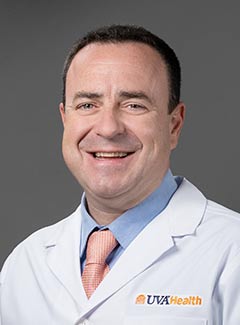 Antonio Abbate合作论文数Advanced Heart Failure and Transplant Center, University of Virginia;Heart and Vascular Center Fontaine, University of Virginia39
 Benjamin Van Tassell合作论文数Department of Pharmacotherapy and Outcomes Science, School of Pharmacy, Virginia Commonwealth University36
 Stefano Toldo合作论文数Department of Internal Medicine, Virginia Commonwealth University32
 Carla Agatiello合作论文数Charles Nicolle Hospital, University of Rouen27
 Daniel Berrocal合作论文数Hospital Italiano de Buenos Aires - Buenos Aires21
 Mezzaroma Eleonora合作论文数Virginia Commonwealth Univ19
 German Gonzalez合作论文数14
 Mariano Falconi合作论文数14
 Juan G Chiabrando合作论文数Department of Interventional Cardiology, Hospital Italiano de Buenos Aires12
 Francisco Romeo合作论文数Icahn School of Medicine at Mount Sinai, Cardiovascular Research Institute10
 Fadi N Salloum合作论文数VCU Pauley Heart Center, Virginia Commonwealth University10
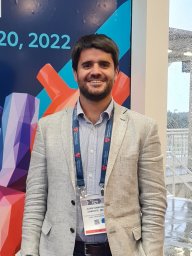 Juan Ignacio Damonte合作论文数Servicio de Cardiología, Hospital Italiano de Buenos Aires9
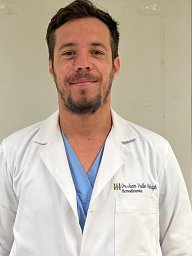 Raleigh Juan M Valle合作论文数9Lisa Smithson合作论文数8Norbert Voelkel合作论文数Pulmonary Division, Frije University, Medical Center7Amit Varma合作论文数7
 Pablo F Oberti合作论文数Cardiology Division, Hospital Italiano de Buenos Aires7Celina Morales合作论文数7Maximiliano Smietniansky合作论文数6
 Vadim Kotowicz合作论文数6
 Charles Dinarello合作论文数Division of Infectious Diseases, School of Medicine, University of Colorado Denver - Anschutz Medical Campus;University of Colorado Health Sciences Center6
 Ricardo J. Gelpi合作论文数Department of Pathology, Faculty of Medicine, Univesity of Buenos Aires;Cardiovascular Physiopathology Institute, Univesity of Buenos Aires6
 Santiago Decotto合作论文数5
 Mariela Cal合作论文数5Miksztowicz Verónica合作论文数5
 Gabriel Adrian Rabinovich合作论文数Laboratorio de Inmunopatología, Instituto de Biología y Medicina Experimental, Consejo Nacional de Investigaciones Científicas y Técnicas;School of Exact and Natural Sciences, University of Buenos Aires5
 Rodolfo Pizarro合作论文数5Horacio Medina de Chazal合作论文数4Florencia Fontana Estevez合作论文数4Vanessa Touceda合作论文数4
 Giuliana Corna合作论文数4
 Ramesh Natarajan合作论文数Center for Vascular Inflammation Research, Virginia Commonwealth University4
 Giuseppe Biondi Zoccai合作论文数Dip. di Scienze e Biotecnologie Medico Chirurgiche, Sapienza University of Rome;Ospedale Santa Maria Goretti4
 Matias Sztejfman合作论文数4Roshanak Robati合作论文数4
 Rocco Vergallo合作论文数3Eugenia Villanueva合作论文数3Cristian Garmendia合作论文数3Jessica Harrington合作论文数3
 Marco Lombardi合作论文数3
 Ignacio Bluro合作论文数3
 Marcelina Carretero合作论文数3Nicholas N. Hoke合作论文数3Angela C. Menna合作论文数3Cassaglia Pablo合作论文数3Goyal Neeru合作论文数3Palleiro Jimena合作论文数3
 Bernard J Fisher合作论文数3Carlos Rojas Matas合作论文数3




