The application of Pd-polydopamine and magnetic Fe3O4@ Pd-polydopamine catalysts in catalytic transfer hydrogenation reactions and the Heck arylation is reported. The reduction of a wide range of aromatic nitro-compounds bearing both electron- donating and -withdrawing substituents to the corresponding anilines could be efficiently performed, although the reduction of carbonyl compounds was found to be less general. In the latter case, only aromatic ketones could be reduced to the corresponding alcohols, whereas aldehyde substrates were unaffected, which may be owing to their reaction with the catalyst support leading to catalyst deactivation. By using magnetic Fe3O4@ Pd-polydopamine system, facilitated catalyst recovery and reuse for five consecutive cycles without considerable loss of activity in nitro-group reduction. The efficiency of the catalyst in Heck reactions was comparable to that in transfer hydrogenation, however, no catalytic activity was observed upon reuse in this case, likely as a result of metal leaching. We also explored tandem Heck reaction/catalytic transfer hydrogenation sequences, however, the two reactions showed limited compatibility under the applied conditions.
Silica-supported Pd catalysts were synthesized in the presence of the ionic liquid 1-butyl-3-methylimidazolium hexafluorophosphate. Two samples with extremely low Pd loadings, 0.35Pd and 0.08Pd, with Pd contents 0.35 and 0.08%, respectively, were subjected to further investigations. Structural characterization was performed by ICP-AES and Raman measurements. Raman spectra indicated the presence of the ionic liquid in the Pd-silica samples. The samples were tested as catalysts in the Heck coupling reactions of methyl acrylate and styrene, with substituted bromoarenes and chloroarenes. Both samples proved to be highly efficient catalysts and displayed excellent activities and selectivities for the reactions of activated haloarenes including chloroarenes, which could be efficiently transformed without applying harsh reaction conditions. As expected, the presence of an electron withdrawing group (EWG) on the aromatic ring of the haloarene was found to increase both the conversion and the selectivity to an appreciable extent. For the transformations of bromoarenes, the sample with the lowest Pd loading proved to be a more efficient catalyst. Upon recycling of the catalysts, a considerable activity loss was detected, which was attributed to an extensive leaching of Pd into the solution, as confirmed by hot filtration measurements.
Supported Pd catalysts were investigated in the Heck coupling reactions: Pd/C; Pd/BaSO4; Pd EnCat. We optimized the experimental conditions of the Heck reaction of bromobenzene and styrene by using various bases in the presence of quaternary ammonium salts. It was found that the examined catalysts work as a reservoir of the catalytically active Pd species during the reaction. However, they have a different activity and recyclability under the investigated reaction conditions. Pd EnCat displayed the highest activity and selectivity in NMP with Na2CO3 as a base and Bu4NCl as an additive. By using this catalytic system, the reactions of para-substituted aryl halides with styrene and methyl methacrylate afforded excellent conversions and selectivities.
The reversal of the enantioselectivity in the heterogeneous asymmetric direct aldol reactions obtained over resin supported di- versus tripeptides was studied in a continuous-flow system.
The enantioselective hydrogenation of ketopantolactone (KPL) on Pt–alumina catalyst modified by β-isocinchonine (β-ICN) and O-phenylcinchonidine (PhOCD) in toluene, acetic acid and their mixtures under otherwise identical experimental conditions was studied. Reversal of the enantioselection was obtained dependent on the concentration of acetic acid (eemax=17% (S) on Pt–PhOCD and 50% (R) on Pt–β-ICN, respectively). The possible role in enantioselection of adducts forming in the reaction mixture and the stability of PhOCD under the conditions of the hydrogenation was investigated by ESI-MS. The results of the nonlinear phenomenon measurements on β-ICN+PhOCD mixtures suggest that the intermediate surface complexes β-ICN–KPL and PhOCD–KPL responsible for the opposite enantioselection include different types of interactions and the enantioselection is directed by the competition between these interactions.
Natural cinchona alkaloids and their derivatives were applied as chiral modifiers in the enantioselective hydrogenation of (E)-2-(2-methoxyphenyl)-3-(4-fluorophenyl)propenoic acid over Pd/Al2O3 catalyst. The effect of the modifier structure on enantioselectivities and reaction rates was investigated. The natural cinchonine and its methyl ether resulted in opposite product enantiomers in excess. However, in the cinchonidine series larger substituents were needed to obtain inversion, such as the tert-butyl-dimethylsilyl group. To find an explanation of the phenomenon, stabilities of cinchona alkaloid derivatives under the reaction conditions were investigated by electron spray ionization mass spectrometry, and the modifiers relative adsorption strengths were studied using mixtures of cinchona alkaloids and sequentially added modifiers Decrease in the interaction strength of the cinchona ether derivatives with the acid and the catalyst surface can tentatively explain the observed decrease in the enantioselectivity and the eventual inversion of its sense. Results of these studies suggested the gradual alteration of the shape of the surface chiral sites by increasing the size of the substituent. The presence of benzylamine always increases the amount of the enantiomer which is formed in excess over the parent cinchona alkaloids and accelerates the desorption of the modifier, suggesting the participation of the additive in the surface intermediate. Occasionally, cinchona alkaloid mixtures provided enantioselectivities above or under the values obtained with both, sole modifiers, which is suggested to be due to the mutual interaction of the two cinchona derivatives on the surface.
A study on the origin of rate enhancement and enantiodifferentiation in the enantioselective hydrogenation of 2,2,2-trifluoroacetophenone (TFAP) over a Pt/alumina catalyst modified by cinchona alkaloids in toluene/acetic acid (AcOH) solvent mixture with and without trifluoroacetic acid (TFA) using continuous-flow fixed-bed reactor system is presented. The experimental data of the racemic - cinchona 1-cinchona 2-cinchona 1 hydrogenation series confirm the intrinsic nature of rate enhancement, namely the so-called "ligand acceleration" phenomenon. Hydrogenation in the presence of 0.1% (v/v) TFA follows the general rule of the Onto reaction, according to which the products formed in excess are (R)-alcohols on Pt-cinchonidine and Pt-quinine and (5)-alcohols on Pt-cinchonine and Pt-quinidine chiral catalysts. In toluene/AcOH mixture without TFA, unexpected inversion took place on the Pt-cinchonine and Pt-quinidine catalysts since the (R)-product formed in excess instead of the (S)-product. The observed unexpected inversion can be interpreted on the basis of the nucleophilic intermediate complex. Based on these observations we propose that in the hydrogenation of TFAP the reaction route involves the equilibrium of electrophilic and nucleophilic intermediate complexes, which was found to be dependent on the acid strength and concentration. (c) 2010 Elsevier B.V. All rights reserved.
Prokiralis C=C vegyuletek es prokiralis ketonok heterogen katalitikus enantioszelektiv hidrogenezesenek vizsgalataval kiralis vegyuletek előallitasa volt a cel. A kutatas soran eddig nem vizsgalt kulonboző szerkezetű ,-telitetlen karbonsavak, telitetlen dikarbonsavak, fluoro telitetlen karbonsavak, dihidropiranil- es tetrahidropiridil karbonsavak, N-acilamino dehidrokarbonsavak valamint fluoroketonok es szteroidketonok hidrogenezeset tanulmanyoztuk folyadekfazisban, sztatikus reaktorokban. Egyes vegyulettipusok kiralis hidrogenezeset kiterjesztettuk a gazdasagosabban hasznosithato folyamatos műkodesű reaktorrendszerre is. Az előallitott kiralis vegyuletek - az eljarasok fejlesztese eseten - hasznosithato vegyuletek lehetnek a szintetikus szerves vegyiparban, s ezen belul a gyogyszeriparban. A hidrogenezesi reakciok mechanizmusanak es ezen belul a kiralis indukcio eredetenek minel melyebb megismeresehez kiserleti bizonyitekokat szolgaltattunk NMR-spektroszkopia, elmeleti szamitasok es ujabb cinkona-alapu kiralis modositok vizsgalataval. Uj kiserleti adatokkal igazoltuk az Orito reakcio korabban feltetelezett, de eddig nem igazolt un. nukleofil mechanizmusat. Az e teren folytatott kutatasok uj jelensegek felismeresehez is vezettek. | The enantioselective heterogeneous catalytic hydrogenation of prochiral C=C bonds and prochiral ketones were studied for the preparation of enantiopure compounds. Liquid phase hydrogenation of various compounds not studied before, such as ,-unsaturated carboxylic acids, unsaturated dicarboxylic acids, unsaturated fluorocarboxylic acids, dihydropyranil- and dihydropyridyl carboxylic acids, N-acylaminodehydrocarboxylic acids, as well as fluoroketones and steroid ketones were examined in a static reactor. For the enantioselective hydrogenation of certain type of compounds the more economical flow reactor system was also used. After the development of the procedure the prepared chiral compounds would be useful ones in the organic chemical industry, especially for the pharmaceutical industry. The study of the new cinchona based chiral modifiers, as well as the NMR spectroscopy and the theoretical calculations provided a deeper insight into the mechanism of the enantioselective hydrogenation, especially into the origin of the chiral induction. On the basis of new experimental data we verified the so called nucleophilic mechanism of the Orito reaction, which was postulated but not confirmed earlier. During this research work new phenomena were also recognized.
Hydrogenation of α-ketoesters containing steroid groups at the ester side and at the keto carbonyl function of substrates was investigated the first time on Pt–alumina–cinchona alkaloids chiral catalysts using mild experimental conditions (room temperature, 1bar hydrogen pressure, modifier concentration 1mM) in the presence of acetic acid. Catalysts modified by cinchona alkaloids ensured enantioselective hydrogenation with 10–70% ee, depending on the steric structure of the substrate. In the absence of cinchonas racemic hydrogenation takes place, i.e. the chiral centers of the substrates do not participate in chiral induction. Experimental data so far obtained support the assumption that under stereochemical conditions not inhibiting adsorption of the substrate and after optimization of the experimental conditions, the Orito reaction may be rendered suitable for the asymmetric hydrogenation of bulky activated ketones. These results also supply additional evidence for the determinant role of the H-bonded adsorbed intermediate, the 1:1 complex of cinchona alkaloid and substrate in chiral induction under protic conditions.
The enantioselective hydrogenation of methyl benzoylformate (MBF) and pyruvaldehyde dimethyl acetal (PA) was investigated under mild experimental conditions on Pt-alumina catalyst modified with MeOCD, MeOCN, MeOQN and MeOQD alkaloid derivatives in acetic acid (AcOH) and in toluene (T). Besides low rate high ee's were achieved (>90%) in the case of PA using MeOCD and MeOQN modifiers in AcOH. Under similar experimental conditions in the case of MBF the highest ee's (50–80%) were obtained in T. Hydrogenation in the presence of MeOCN and MeOQD proceeded with low ee's, namely 4–8% for MBF in AcOH and 40–50% for PA in T. Studies on the hydrogenation of MBF and PA suggested that the low ee are attributable to repulsive interactions of OMe and ethyl groups of the modifiers with the substrates and with Pt surface. The formation of the complex responsible for enantioselection and, as a consequence, for high ee may be presumed to necessitate a two-point interaction between the cinchona alkaloid and the substrate. The two-point interaction requires a closer geometrical fit as compared to a one-point interaction, while the cinchona alkaloid and the substrate are bound to active sites of the catalyst through the quinoline skeleton and the oxo group to be hydrogenated, respectively. These new experimental results can be interpreted on the basis of adsorbed 1:1 interaction model not only of electrophilic mechanism but also in toluene by the nucleophilic mechanism, too.
The enantioselective hydrogenation of methyl benzoylformate (MBF) and pyruvaldehyde dimethyl acetal (PA) was investigated under mild experimental conditions on Pt-alumina catalyst modified with MeOCD, MeOCN, MeOQN and MeOQD alkaloid derivatives in acetic acid (AcOH) and in toluene (T). Besides low rate high ee's were achieved (> 90%) in the case of PA using MeOCD and MeOQN modifiers in AcOH. Under similar experimental conditions in the case of MBF the highest ee's (50-80%) were obtained in T. Hydrogenation in the presence of MeOCN and MeOQD proceeded with low ee's, namely 4-8% for MBF in AcOH and 40-50% for PA in T. Studies on the hydrogenation of MBF and PA suggested that the low ee are attributable to repulsive interactions of OMe and ethyl groups of the modifiers with the substrates and with Pt surface. The formation of the complex responsible for enantioselection and, as a consequence, for high ee may be presumed to necessitate a two-point interaction between the cinchona alkaloid and the substrate. The two-point interaction requires a closer geometrical fit as compared to a one-point interaction, while the cinchona alkaloid and the substrate are bound to active sites of the catalyst through the quinoline skeleton and the oxo group to be hydrogenated, respectively. These new experimental results can be interpreted on the basis of adsorbed 1: 1 interaction model not only of electrophilic mechanism but also in toluene by the nucleophilic mechanism, too. (c) 2008 Elsevier B.V. All rights reserved.
The enantioselective hydrogenations of ethyl pyruvate (EP), methyl benzoylformate (MBF), ketopantolactone (KPL) and pyruvaldehyde dimethylacetal (PADA) were studied on Pt–alumina catalyst modified by a new modifier namely α-isoquinine (α-IQ) with rigid conformation and for comparison by quinine (Q) in toluene and in acetic acid. The effects of modifier concentration, mixtures of modifiers, hydrogenation of α-IQ and theoretical calculations were examined on the interpretation of features of reactions. Using the Engelhard 4759 catalyst under mild experimental conditions (room temperature, 1bar hydrogen pressure) the ees were lower in the case of α-IQ than for Q. The inversion of enantioselectivity observed in the case of the previously studied β-isocinchonine (β-ICN) containing C8(R) and C9(S) atoms in toluene as solvent failed to occur in the presence of α-IQ containing C8(S) and C9(R) atoms. Indirect experimental evidence for structure of adsorbed chiral modifier was supported by studies on hydrogenation and relative adsorption strength of α-IQ as well as by theoretical calculations. The significant enantioselectivity changes along the series of otherwise structurally related modifiers (Q, α-IQ and β-ICN) were compared with the ab initio computed geometrical features. The results revealed that besides the effects disclosed up to now in the literature, the orientational angle of the N-lone pair in the quinuclidine moiety relative to the quinoline also influences the structure and the adsorption mode of the intermediate responsible for the enantioselection.
We studied the enantioselective hydrogenation of ethyl pyruvate (EP) and ketopantolactone (KPL) under mild experimental conditions (hydrogen pressure 1bar, room temperature) on Pt-alumina catalyst modified with O-methyl derivatives of parent cinchona alkaloids (MeOCD, MeOCN, MeOQN, MeOQD) in two solvents with highly different polarities (AcOH, toluene). The best ee's were achieved (91–96%) using MeOCD and MeOQN modifiers in AcOH. Hydrogenation, especially in the presence of the chiral modifiers MeOCN and MeOQD in toluene proceeded with exceptionally low enantioselectivities (35–46% for EP and 2–4% for KPL) as compared to the already well-known Pt-MeOCD catalyst (ee%: 71–74 for EP, 38–48 for KPL). Results of the hydrogenations of the modifiers and studies on the hydrogenation of substrates using modifier mixtures suggested that the low ee are attributable to stereochemical reasons. Namely, it seems justified to suppose that the low ee observed is dependent on the various tilted adsorbed structures of the substrate and modifier 1:1 intermediate complex responsible for enantiodifferentiation.
We synthesized C9-O-silyl ethers of cinchonidine and dihydrocinchonidine (1-8), seven of which have not been known before. The structures of the compounds were verified by ESI-ion-trap MS and 1H-NMR. Fragmentation of silyl ethers containing Si-phenyl bonds was studied for the first time. The compounds obtained will be utilized as chiral catalysts of certain asymmetric syntheses.
The enantioselective hydrogenation of ethyl pyruvate (EtPy) was studied on Pt-alumina catalysts modified by C3-substituted cinchonidines (NC, A, B, C1, C2 in Fig. 1) and for comparison by DHCD and MeO-DHCD in AcOH. The effect of the C3-substituent on the reaction rate and the enantioselectivity were examined. Using the Engelhard 4759 catalyst under mild experimental conditions ( room temperature, hydrogen pressure 1 bar) such as DHCD the (R)-ethyl lactate formed in excess (e. e. max: 79-91%).
Isoparaffin-olefin alkylation was investigated using liquid as well as solid onium poly(hydrogen fluoride) catalysts. These new immobilized anhydrous HF catalysts contain varied amines and nitrogen-containing polymers as complexing agents. The liquid poly(hydrogen fluoride) complexes of amines are typical ionic liquids, which are convenient media and serve as HF equivalent catalysts with decreased volatility for isoparaffin-olefin alkylation. Polymeric solid amine:poly(hydrogen fluoride) complexes are excellent solid HF equivalents for similar alkylation acid catalysis. Isobutane-isobutylene or 2-butene alkylation gave excellent yields of high octane alkylates (up to RON = 94). Apart from their excellent catalytic performance, the new catalyst systems significantly reduce environmental hazards due to the low volatility of complexed HF. They represent a new, "green" class of catalyst systems for alkylation reactions, maintaining activity of HF while minimizing its environmental hazards.
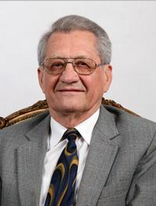 Mihály Bartók合作论文数Magyar Tudomanyos Akademia19
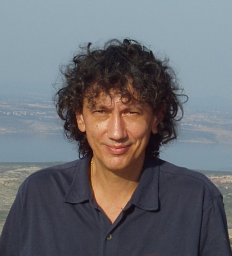 Gyorgy Szollosi合作论文数Stereochemistry Research Group, the Hungarian Academy of Sciences11
 Surya Prakash合作论文数Department of Chemsitry, Dana and David Domsife College of Letters, Arts and Sciences, University of Southern California;Loker Hydrocarbon Research Institute, University of Southern California9
 Katalin Balázsik合作论文数9
 George A. Olah合作论文数Department of Chemistry, College of Letters, Arts and Sciences, University of Southern California8Károly Felföldi合作论文数8Molnár Árpád合作论文数Szegedi Tudományegyetem8
 Robert Aniszfeld合作论文数7Szabolcs Cserenyi合作论文数7Gábor London合作论文数5Dilip K. Sensharma合作论文数4Nirupam J. Trivedi合作论文数4Kornél Szöri合作论文数4Christian Lambert合作论文数4Bela Torok合作论文数Dept Chem, Univ Massachusetts4
 Agnes Mastalir合作论文数4Attila Kunfi合作论文数3Tibor Bartok合作论文数3Patrice Batamack合作论文数Laboratoire de Chimie des Surfaces;Universit ~ Pierre et Marie Curie;Laboratoire de Chimie des Surfaces, Universit ~ Pierre et Marie Curie3Tibor Varga合作论文数3
 Ferenc Fülöp合作论文数Doctoral School of Pharmaceutical Sciences, University of Szeged2
 Thomas Mathew合作论文数Loker Hydrocarbon Research Institute, University of Southern California2Qi Wang合作论文数2Xing-Ya Li (李醒亚)合作论文数2Bulcsu Rac合作论文数2Attila Papp合作论文数Department of Organic Chemistry, University of Szeged2maria sutyinszky合作论文数1R Leino合作论文数1
 Lenke Kovacs合作论文数1Marianna Toeroek合作论文数1Gábor Csjernyik合作论文数1Gabriella Fogassy合作论文数1András A. Gurka合作论文数1Bela Toeroek合作论文数1Vivien Szabo合作论文数1Ping Yan合作论文数1István Ledneczki合作论文数1
 Koppany Juhasz合作论文数1Jog Parag V合作论文数1
 Alain Goeppert合作论文数Loker Hydrocarbon Research Institute, Department of Chemistry, College of Letters, Arts and Sciences, University of Southern California1Kele Zoltán合作论文数1Peter Forgo合作论文数1
 Golam Rasul合作论文数University of Southern California1
 Péter Németh合作论文数Institute for Geological and Geochemical Research, HUN-REN Research Centre for Astronomy and Earth Sciences1Miklos Mohai合作论文数1
 Zoltan Konya合作论文数Department of Applied and Environmental Chemistry, University of Szeged1Miklós Hollósi合作论文数1Ferenc Notheisz合作论文数1
 Juan Colmenares合作论文数Loker Hydrocarbon Research Institute, USC1




