Cigarette smoking is an independent risk factor for drug-resistant tuberculosis (DR-TB), highlighting the importance of developing effective smoking cessation strategies tailored to specific contextual insights.The aim of this study was to assess the smoking behaviours, cessation attempts, and associated factors among patients with drug-resistant tuberculosis (DR-TB). A cross-sectional study was conducted in three specialized DR-TB public hospitals in the KwaZulu-Natal province, South Africa. Data were collected using a structured interviewer-administered questionnaire adapted from the Global Adult Tobacco Survey. 196 participants (172 males, 24 females) with an average age of 36.13 years ± 10.27 SD were included. The study found 172 of the 196 participants to be male. The mean age of the participants was 36.13 years ± 10.27 SD, with 182 between the ages 21 and 50 years old. 64
Schizophrenia significantly impairs daily functioning, requiring innovative, cost-effective treatments beyond standard antipsychotics, and cognitive interventions. This study examined the individual and combined effects of cognitive, music, and aerobic exercise interventions on depression, balance, and mobility in patients with schizophrenia and severe depression. Eighty-four male patients with schizophrenia and severe depression from an inpatient psychiatric centre participated in a 12-week, single-blind, randomised active-controlled trial. Participants were systematically assigned to one of seven equal groups ( n = 12 each): aerobic exercise (AerG), cognitive rehabilitation/treatment-as-usual (CogG), music intervention (MusG), aerobic exercise + music intervention (A&MG), aerobic exercise + cognitive intervention (A&CG), cognitive intervention + music intervention (C&MG), and a comprehensive combination of all three modalities (ACMG). Each intervention was delivered over 60 min, three times weekly for 12 weeks. The study employed the Beck Depression Inventory Short Form, Stork Balance Test, and modified Timed Up and Go Test to assess improvements in depression, balance, and mobility. Statistical analyses were conducted using paired t-tests for within-group comparisons and ANCOVA with Bonferroni post hoc tests for between-group differences, with significance set at p ≤ 0.05. Results showed significant improvements in depression, balance, and mobility across all treatment groups. The CogG group outperformed both AerG and MusG in all outcomes, establishing it as the gold-standard comparator. A&CG yielded greater benefits than other single or dual-modality groups, while the multimodal ACMG group demonstrated the most substantial improvements across all measures. These findings highlight the practical value of incorporating multimodal interventions into standard care to improve both mental health and physical function, offering a scalable, cost-effective approach to addressing the diverse needs of this population of patients with schizophrenia and severe depression. Implementing such interventions in psychiatric care settings could lead to more comprehensive and effective treatment strategies for improving patient outcomes.
OBJECTIVES:The aim of this randomised double-blinded controlled trial was to investigate the effect of Baduanjin Qigong (BQG) and transcranial direct current stimulation (tDCS) on quality of sleep and disease impact in elderly patients with fibromyalgia (FM). METHODS:A randomised, double-blind, clinical trial conducted, involving 68 elderly female and male patients with FM were selected through convenience sampling, and randomly assigned into one of four intervention groups: (1) BQG combined with the tDCS group (BQGT) (n=17); (2) BQG combined with the sham tDCS group (BQGS) (n=17); (3) walking combined with tDCS (WAT) (n=17); and (4) walking combined with sham tDCS (WAS) (n=17). All participants were assessed at baseline and 12 weeks post-test for disease impact and sleep quality using the Revised FM Impact Questionnaire (FIQR) and the Pittsburgh Sleep Quality Index (PSQI), respectively. Data were analysed using Multivariate Analysis of Variance (MANOVA). RESULTS:Sleep quality was significantly associated with individual interventions (F(21, 167) =2.88, p<0.05, Wilk's Λ=0.411, partial η²=0.257). FIQ scores also showed significant associations (F(3, 64) =4.47, p< 0.05, Wilk's Λ=0.210, partial η²=0.173). Treatments significantly affected FIQR (F(3) =3.901, p<0.05, partial η²=0.155), FIQR symptoms (F(3) =4.458, p<0.05, partial η² =0.173), PSQI total (F(3) =6.044, p<0.05, partial η² =0.221), sleep disturbances (F(3) =10.314, p<0.05, partial η²=0.326), and sleep dysfunction (F(3) =11.487, p<0.05, partial η²=0.350). Significant differences were found between WAT and WAS for FIQR (p=0.016), and between BQGT and WAS (p=0.049), and WAT and WAS (p=0.009) for FIQR symptoms. PSQI total showed significant differences between BQGT and BQGS (p=0.030), BQGT and WAT (p=0.039), and BQGT and WAS (p=0.000). Significant differences in sleep disturbances were observed between BQGT and BQGS (p=0.000), BQGT and WAT (p=0.001), and BQGT and WAS (p=0.000). Further differences were found between BQGT and WAS (p=0.000), BQGS and WAS (p=0.004), and WAT and WAS (p=0.000). CONCLUSIONS:This study shows that physical activity interventions, and especially BQG, significantly improve sleep quality and disease symptoms, with notable effects on PSQI scores and FIQR, especially when combined with tDCS across different groups. These findings highlight the importance of combining interventions into holistic brain-body treatments for managing FM effectively.
BACKGROUND:The use of teleconsultation platforms enabling health professionals to provide advice especially in the new normal post COVID-19 situation has increased in both developing and developed countries. This teleconsultation has also expanded beyond that of post COVID-19 application to other purposes such as in the treatment of musculoskeletal pain.OBJECTIVE:The purpose of this commentary is to focus on presenting a feasible guide related to physical as well as psychological aspects in relation to computer based workers that could be taught to the computer-based workers using teleconsultation platforms.METHODS:A multi-criteria search was performed among available guidelines and approaches related to the physical and psychological aspects used for computer-based workers.RESULTS:A continuation of musculoskeletal pain creates a feedforward loop of pain and distress. Several conventional methods exist to manage musculoskeletal pain, however, the new normal situation following COVID-19 has rendered many of these moot, especially in computer based workers and with the increased reliance on teleconsultation platforms.CONCLUSIONS:During the COVID-19 pandemic, individuals were required to stay home due to varying levels of lockdown protocols and provide their usual services using online platforms both increasing sedentary behaviour in computer based workers and limiting the tools available to health professionals. Following in what is now the worldwide new normal post COVID-19 situation, individuals have adapted and accepted that they receive much of their necessary health advice using teleconsultation platforms as well.
Continuing epidemiological and clinical studies have accumulated evidence that appropriate regular physical activity (PA) results in significant health benefits and can even prevent and treat many diseases like cardiovascular diseases, obesity, diabetes, musculoskeletal problems, stress, anxiety, and depression. These benefits are universal to all populations and age groups making physical activity a critical component in reducing many of the leading causes of global mortality. Additional benefits have also been found to follow an expanding quantity and quality of PA through the proper manipulation of the exercise design (i.e., frequency, intensity, duration, and mode). Global health benefits are achievable through physical activity, but this requires competent health professionals able to prescribe appropriate physical activity to their clients, patients, and communities to ensure engagement in increasing their PA levels and thus contribute to their own well-being and the prevention of the main non-communicable chronic diseases (NCDs).
Background This study assessed the specific influence of physical activity (PA) and waist circumference (WC) on the 4-year growth trajectory of blood pressure in UK high-school students. Methods Four-year longitudinal monitoring of 1501 adolescents was conducted as part of the EoEHHS. Measurements were taken in Grades (G)7, 9, and 11. Results Systolic (SBP) and diastolic blood pressure (DBP) increased over the 4-year period (SBP G7 114.6 ± 8.9 mmHg, G9 118.1 ± 9.7 mmHg, G11 122.8 ± 7.8 mmHg; DBP G7 66.7 ± 6.6 mmHg, G9 68.0 ± 6.4 mmHg, G11 70.0 ± 5.2 mmHg). Baseline WC predicted baseline and growth in SBP, but the strongest contribution to SBP came from changes in WC ( β = 0.084, p = 0.002). Baseline PAQ-A score ( β = −0.822, p = 0.020) and changes in PAQ-A score ( β = −0.650, p = 0.019) were associated with smaller increases in DBP over the 4-year measurement period. Conclusions Baseline and change in WC predicted the growth trajectory of SBP, while baseline and change in PA predicted the growth trajectory of DBP. PA and WC have a prognostic value in predicting changes in blood pressure in adolescents. Increasing PA during adolescence could slow the rise in DBP over time. This is meaningful for future hypertension and CVD risk reduction into adulthood. Impact Hypertension in adolescents is a growing health problem that is often overlooked. Baseline and changes in waist circumference over a 4-year period predicted development of systolic blood pressure, while baseline and changes in physical activity predicted development of diastolic blood pressure. Physical activity and waist circumference have a prognostic value in predicting changes in blood pressure in adolescents and could be valuable in planning programmes to prevent hypertension in similar communities and reduce the risk of future adult hypertension.
In ball sports such as soccer, the visual system is critical in guiding a player's search for crucial information that underpins skillful behavior, which requires the incorporation of all of the relevant information in the environment in order to make successful decisions under pressure. However, vision in sport, and focusing on the specific visual skills required to be successful in a particular sport has largely been a practice ignored by experts and coaches as being an essential component of athletic performance. This is the first attempt to summarize and compile the necessary visual skills for soccer. This review's evidence suggests that, while current research still tends to focus on visual skills as a whole, there is a need to streamline this focus to the necessities of a particular sport. Furthermore, in identifying the visual skills essential for soccer, it allows for the effective training and testing of these skills, as well as for talent identification.
 Brandon S Shaw合作论文数Tshwane University of Technology;Vaal University of Technology;Tshwane University of Technology, Vaal University of Technology5
 Hassan gharayagh zandi合作论文数1
 Nonkululeko Mathe合作论文数1
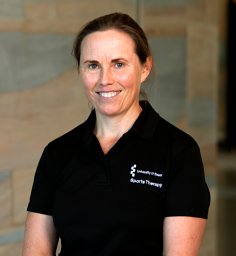 Sally P. Waterworth合作论文数School of Sport, Rehabilitation, and Exercise Sciences, University of Essex Essex1
 Gerrit Jan Breukelman合作论文数Dept Human Movement Sci, Univ Zululand1
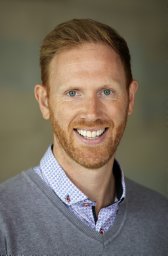 Chris McManus合作论文数School of Sport, Rehabilitation & Exercise Sciences, University of Essex1
 Lourens Millard合作论文数Department of Human Movement Science, University of Zululand1
 Henry Chung合作论文数Department of Entomology, Michigan State University1
 Kerr Catherine J合作论文数1
 Mahboubeh Ghayour Najafabadi合作论文数1
 Musa Lewis Mathunjwa合作论文数Department of Biokinetics &Sports Science, University of Zululand;Department of Biokinetics & Sports Science, University of Zululand1
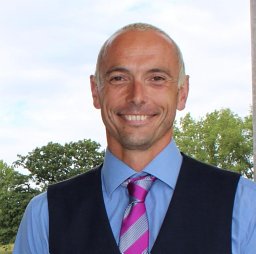 Gavin Sandercock合作论文数School of Biological Sciences, University of Essex1
 Hasan Mohammadzadeh合作论文数1




