OBJECTIVE:High intensity interval training (HIIT) is recognised within many international cardiac rehabilitation guidelines. In the United Kingdom, however, similar guidance does not exist; moderate intensity training regimens have traditionally been advocated. The aim is to provide a pragmatic technical report for practitioners working in CR to implement low-volume HIIT programmes for people with coronary artery disease (CAD). METHODS:We characterised the acute physiological response to low-volume HIIT and outlined patient inclusion and exclusion criteria, along with clinical and safety considerations. Additionally, we explored its practical implications to facilitate implementation in clinical practice. A detailed methodology for the 10 × 1-min low-volume HIIT model is provided, including exercise training progression criteria RESULTS: Key considerations for familiarisation, supervision, prescription, monitoring, recording, and reporting are discussed, underpinned by an overview of the acute physiological response to the training modality. CONCLUSIONS:We anticipate that this pragmatic evidence-based technical report will support practitioners in implementing low-volume HIIT in routine clinical practice, thus, allowing it to be offered as standard care alongside more traditional moderate intensity exercise training programmes.
BackgroundExercise programmes are an important component of comprehensive cardiac rehabilitation (CR). High Intensity Interval Training (HIIT) has been proposed as an alternative to conventional moderate intensity steady state (MISS) exercise. In the 'HIIT or MISS UK' trial, low-volume HIIT was safe, and clinically and cost effective. However, there is a lack of insight into the lived experiences of those who engage in non-conventional approaches to CR exercise training. The aim of this research was to explore the benefits and challenges associated with HIIT and MISS in CR.Materials and methodsA qualitative descriptive methodology was adopted to document participant lived experiences. Participants were purposefully recruited from two 'HIIT or MISS UK' trial CR centres. After consent, participants took part in semi-structured interviews conducted via Voice over Internet Protocol (VoIP) technologies (e.g., Microsoft Teams (MT), Skype or Zoom). A critical realist approach to inductive thematic analysis was used to analyse the data.Findings19 people took part (8 MISS and 11 HIIT; male 18 [95%]; age 59.6 years [SD 10.4]). Analysis revealed a range of perceived psychosocial (e.g., enjoyment, confidence, purpose) and physiological (e.g., weight loss, increased fitness) benefits that were present across both groups (i.e., HIIT and MISS). Participants in both groups identified challenges, for example, a need for exercise to continue beyond what was offered in the trial. There were notable differences across the groups, namely HIIT participants enjoyed feeling challenged, yet grappled with feelings of monotony, whilst MISS participants experienced increased social interaction.ConclusionHIIT in CR offered a range of perceived psychosocial and physiological benefits. Integrating more opportunities for social interaction into the HIIT program could enhance participant experience. Practitioners could investigate the feasibility of support for patients after CR has finished.
According to the National Institute of Cardiovascular Outcomes Research (NICOR) report in 2022, the mean waiting time for urgent coronary artery bypass graft (CABG) surgery in the United Kingdom is 10 days, rather than the recommended 7 days. We conducted a service evaluation of the acute cardiac pathway in our hospital. All patients who received cardiac surgery in 2022 were considered. 611 patients had cardiac surgery; 585 had elective or acute cardiac surgery; 580 had complete data for analysis. Data were reported in counts and percentages. We determined the associations between pre-operative length of stay and post-operative outcomes using negative binomial analysis. Fine-Gray model was used to address survival bias. Median pre-operative LOS for urgent patients referred directly to CHH was 12 days (IQR 8.0-16.5, p < 0.001). Each additional pre-operative day were associated with an increase of stay (LOS) by 3.2
BACKGROUND:Since the Covid-19 pandemic, a surgical backlog for total hip replacement (THR) and total knee replacement (TKR) surgery remains in the United Kingdom. Multimodal prehabilitation pathways (encompassing exercise, nutritional support and psychological wellbeing) can be utilised to 'optimise" physical and mental resilience prior to the challenge of surgical intervention. BoneFit is an open-label, non-randomised feasibility trial to determine the recruitment and attendance/adherence rates, delivery and implementation challenges, fidelity, acceptability, and safety of a student-led multimodal prehabilitation intervention in people listed for THR/TKR surgery. We will also determine participant and clinician views of the intervention, and identify any challenges and enablers of inter-institutional partnership working. METHODS:Individuals listed for THR/TKR surgery aged between 18 to 75 years will be assigned to an intervention (n = 25) or usual-care control group (n = 25). The primary outcome measures will be feasibility of delivering the BoneFit intervention. Physical, psychological, quality of life and clinical outcomes will be assessed at three major time-points; T1 (baseline; 2 months from surgery), T2 (2-10 days from surgery), and T3 (3 months following surgery). We aim to show that the trial is feasible and that we can identify a signal of efficacy based on clinical outcomes collected compared to controls. The study was ethically approved by the Health Research Authority (London Bridge Research Ethics Committee: REC reference: 24/PR/0092) in March 2024. DISCUSSION:The development of a multimodal prehabilitation pathway could improve the physical and mental resilience of individuals awaiting orthopaedic surgery. We aim to determine if this translates to faster discharge and reduced complication rates, thus helping boost surgical throughput and potentially easing surgical backlog. It is likely that the concept of 'waiting' lists for surgery should be challenged, rather, individuals should be encouraged to use the time available to 'prepare' for surgery. TRIAL REGISTRATION:Registration details ClinicalTrials.gov registration number: NCT06341920.
BACKGROUND:Telehealth interventions have proven essential in maintaining healthcare delivery during the global pandemic. However, its broader adoption within different healthcare settings has been impacted by inconsistent and non-standardized terminology, which poses challenges to global implementation and stakeholder communication. This article addresses these barriers by analyzing telehealth-related terms and developing a detailed clinical guide to aid inter-professional health educators in adopting standardized terminology, improving clarity, and fostering collaboration. METHODS:A mixed-methods approach was used, comprising four phases. Phase 1 included weekly online journal club sessions (February to August 2024) focused on digital health topics, where relevant terms were discussed and extracted. Phase 2 involved detailed transcription analysis to identify telehealth-related terms based on their frequency of use and relevance to digital health. Phase 3 was a systematic literature review to contextualize and refine the identified terms. Phase 4 entailed expert validation, where five digital health professionals reviewed the proposed terminology and provided refinements. Additionally, terms were cross-referenced with the Medical Subject Headings (MeSH) database to evaluate their existing definitions. RESULTS:A total of 314 telehealth terms were identified through discussions in the International Journal Club in Digital Health (IJC DH) and a literature review. Approximately 90.44% of these terms were sourced from 12 journal club sessions, covering topics such as Digital Health, Digital Psychiatry, Neurorehabilitation, and Robotic Surgery. The literature review contributed 30 unique terms, with further analysis revealing that 73% of the terms were not defined in the MeSH database. This finding underscores the evolving nature of telehealth and the need for terminology standardization. Expert reviews validated most proposed definitions, though specific terms required additional discussion. CONCLUSIONS:The resulting standardized terminology guide enhances inter-professional collaboration in telehealth by providing clear and consistent definitions. This guide reduces miscommunication, facilitates interdisciplinary research and practice, and can be integrated into educational curricula to prepare future healthcare professionals for the complexities of digital health. By addressing terminology gaps, this study supports the advancement of telehealth education and improves patient care outcomes.
Purpose: The clinical effectiveness of tele-rehabilitation (TR) for improving motor function and activities of daily living (ADLs) has been regularly debated in post-stroke survivors. The objective was to harmonize the current evidence-base by performing an umbrella review. Materials and methods: Randomized controlled trials examining the impact of exercise-based TR interventions in people following stroke were interrogated. We assessed the individual quality of the systematic reviews by applying the Measurement Tool to Assess Systematic Reviews 2 checklist (AMSTAR-2). Results: Evidence from six (for balance) to seven (ADLs) high quality systematic reviews with meta-analyses indicated that TR was effective for improving balance (n = 443; SMD = 1.22, 95% CI: 0.52-1.91; eOR = 9.08, 95% CI: 2.57-32.7), and ADLs (n = 1342; SMD = 0.30, 95% CI: 0.06-0.54; eOR = 1.73, 95% CI: 1.12-2.66), compared to usual-care controls. Conclusions: Our findings highlight the positive impact of TR interventions, supporting their adoption as a front-line post-stroke rehabilitation strategy. Benefits of improved balance may reduce falls risk leading to increased safety and independence. Enhanced ability to perform ADLs contribute to better quality of life, allowing stroke survivors to perform daily tasks more easily and confidently.
Objectives. - This study aimed to assess the relative and absolute reliability (agreement) of various parameters derived from the oxygen pulse ( O(center dot)2Pulse) curve during cardiopulmonary exercise testing (CPET), a tool critical for evaluating cardiopulmonary function and fitness. Design. - Retrospective test-retest reliability study. Equipment and methods. - Twelve recreationally active male participants underwent two CPETs within a test-retest interval of <= 72 hours. The study analysed different components of the O(center dot)2Pulse curve, including the area under the curve (AUC) and its slope in relation to the work-rate. Statistical analysis was then undertaken to determine the associated intraclass correlation coefficient (reliability), standard error of measure and minimal detectable change (agreement - SEM and MDC) values. Results. - Statistical analysis indicated a range in the reliability of O(center dot)2Pulse curve parameters, from poor (intraclass correlation coefficient, ICC = 0.49) for slope values to excellent (ICC = 1.00) for the filtered O(center dot)2Pulse AUC. The mean percentage minimal detectable change (%MDC) for filtered AUC was calculated at 15 +/- 0.8, signifying the threshold for confidently determining true change. Conclusion. - The findings suggest that the O(center dot)2Pulse curve is a stable and robust variable in CPET, offering significant insights into cardiovascular health. These results have implications for exercise prescription, risk stratification, and rehabilitation in clinical settings. The study highlights the importance of adopting consistent reporting criteria like %MDC in future studies for better comparison across research and clinical practices. (c) 2024 The Authors. Published by Elsevier Masson SAS. This is an open access article under the CC BY license (http://creativecommons.org/licenses/by/4.0/).
Objective High intensity interval training (HIIT) is recognised within many international cardiac rehabilitation (CR) guidelines. In the United Kingdom (UK), however, similar guidance does not exist; moderate intensity training regimens have traditionally been advocated. The aim is to develop a pragmatic technical report for practitioners working in CR in order to implement low-volume HIIT programmes for people with coronary artery disease (CAD). Methods We describe patient inclusion and exclusion criteria, clinical and safety considerations, and practical implications to support the implementation of low volume HIIT in practice. Detailed methodology relating to low-volume HIIT using the 10 × 1 minutes model is provided, alongside exercise training progression criteria. Results We provide corresponding percentage heart rate reserve (%HRR) training thresholds which can be used to guide individualised exercise prescription. Key considerations for familiarisation, supervision, monitoring, recording, and reporting are also discussed, underpinned by an overview of the acute physiological response to the training modality. Conclusions We anticipate that this pragmatic evidence-based technical report will support practitioners in implementing low-volume HIIT in routine clinical practice, thus, allowing it to be offered as standard-care alongside more traditional moderate intensity exercise training programmes.
BACKGROUND:The concept of "prehabilitation," or optimising individual physical and mental wellbeing prior to surgery is well established in cancer and orthopaedic populations. However, amongst the cardiac surgery population, the concept is relatively new. Of the few studies available, all focus on the elective surgical population. This pilot feasibility trial is novel as it will focus on the impact of multimodal prehabilitation on the acute inpatient cardiac surgical population. METHODS:This single centre, prospective, single arm pilot feasibility trial will recruit 20 inpatients awaiting cardiac surgery. Measurements will be collected at the start of the trial (baseline), 7 days after intervention, and 14 days after the intervention or before the day of surgery. The primary outcome measure will be feasibility and practicality of the programme in an acute inpatient population. We will be looking into participant eligibility, acceptability, recruitment rates, completion rates and barriers to implementing a prehabilitation programme. Secondary outcomes include incidence of study-related adverse events, improvement in 6 minutes walk test (6MWT), hand grip strength, quality of life, anxiety scores and spirometry. At the end of the trial, we will be seeking the feedback of the participants on key components of the programme to help us inform future work. We hypothesise that light to moderate structured exercise training is low risk and feasible in patients awaiting inpatient cardiac surgery. The study was approved by Health Research Authority and Heath and Care Research Wales (Yorkshire & the Humber- Bradford Leeds Research Ethics Committee: REC reference 23/YH/0255) on the 8th November 2023. DISCUSSION:Multimodal prehabilitation could improve individual physical and mental wellbeing whilst awaiting inpatient cardiac surgery. Prehabilitation can provide individuals with a sense of ownership and control over their condition, improve their motivation and independence, and enhance their mental and physical recovery after surgery. Traditionally, patients waiting for cardiac surgery are discouraged from physical activity/ structured exercise training and receive limited information regarding their health. Appropriate physical and psychological support could improve their confidence to mobilise sooner after surgery. This may then facilitate earlier discharge leading to improved hospital bed utilisation and patient flow. TRIAL REGISTRATION:ClinicalTrials.gov NCT06275100.
Disclosure: D.M. Kelly: None. M. Mirecka: None. T.H. Jones: None. L. Ingle: None. S. Nichols: None. Introduction: Coronary heart disease (CHD) remains a leading cause of mortality, with cardiovascular rehabilitation, including exercise training, playing a key role in long-term management. However, its effectiveness in improving survival is uncertain, particularly in men, who face higher cardiovascular mortality rates linked to low testosterone levels. We investigate whether testosterone levels may enhance cardiovascular function and exercise capacity, highlighting its potential role in optimizing rehabilitation outcomes for CHD patients. Methods: Samples from an eight-week exercise-based cardiac rehabilitation programme in patients with coronary heart disease (CARE-CR study) were assessed for serum total testosterone (TT) and SHBG via LCMS. Bioavailable (BioT) and free testosterone (FT) was calculated by using the Vermeulen equation. Patients undertaking exercise intervention (n=40) or abstention (control group, n=20) were assessed for the primary outcome estimated peak oxygen uptake (V̇O2peak) by cardiopulmonary exercise testing (CPET) and regression analysis was used to investigate correlations with testosterone at baseline, 10 weeks and 12-month follow-up. Results: Mean cohort V̇O2peak was 23.3 ml/kg-1/min-1 at baseline, and there were no changes in V̇O2peak within the groups at any time point. Testosterone was not altered in either group across all time points. Linear regression analysis demonstrated that calculated FT and BioT were significantly (p < 0.05) correlated with V̇O2peak at baseline, 10 weeks and 12 months in combined group analysis, indicating a consistent association between higher bioavailable testosterone levels and greater cardiorespiratory fitness, although the coefficient of determination (R²) was < 0.3 for all analyses. Participation in the exercise-based rehabilitation program did not significantly influence testosterone levels over time, nor did testosterone predict improvements in V̇O2peak following routine cardiac rehabilitation. Discussion: These findings suggest that while endogenous testosterone availability is associated with aerobic capacity in CHD patients, exercise rehabilitation response may not be influenced by testosterone levels. Further research is required to assess whether testosterone therapy could enhance rehabilitation effectiveness and improve cardiovascular outcomes in CHD patients. Presentation: Sunday, July 13, 2025
Objective: To perform a cost-effectiveness analysis of high-intensity interval training (HIIT) compared with moderate intensity steady-state (MISS) training in people with coronary artery disease (CAD) attending cardiac rehabilitation (CR). Design: Secondary cost-effectiveness analysis of a prospective, assessor-blind, parallel group, multi-center RCT. Setting: Six outpatient National Health Service cardiac rehabilitation centers in England and Wales, UK. Participants: 382 participants with CAD (N=382). Interventions: Participants were randomized to twice-weekly usual care (n=195) or HIIT (n=187) for 8 weeks. Usual care was moderate intensity continuous exercise (60%-80% maximum capacity, MISS), while HIIT consisted of 10 pound 1-minute intervals of vigorous exercise (>85% maximum capacity) interspersed with 1-minute periods of recovery. Main Outcome Measures: We conducted a cost-effectiveness analysis of the HIIT or MISS UK trial. Health related quality of life was measured with the EQ-5D-5L to estimate quality-adjusted life years (QALYs). Costs were estimated with health service resource use and intervention delivery costs. Cost-utility analysis measured the incremental cost-effectiveness ratio (ICER). Bootstrapping assessed the probability of HIIT being cost-effective according to the UK National Institute for Health and Care Excellence (NICE) threshold value (20,000 pound per QALY). Missing data were imputed. Uncertainty was estimated using probabilistic sensitivity analysis. Assumptions were tested using univariate/1-way sensitivity analysis. Results: 124 (HIIT, n=59; MISS, n=65) participants completed questionnaires at baseline, 8 weeks, and 12 months. Mean combined health care use and delivery cost was 676 pound per participant for HIIT, and 653 pound for MISS. QALY changes were 0.003 and-0.013, respectively. For complete cases, the ICER was 1448 pound per QALY for HIIT compared with MISS. At a willingness-to-pay threshold of 20,000 pound per QALY, the probability of HIIT being cost-effective was 96% (95% CI, 0.90 to 0.95). Conclusion: For people with CAD attending CR, HIIT was cost-effective compared with MISS. These findings are important to policy makers, commissioners, and service providers across the health care sector.
ObjectiveTo compare the characteristics of “responders” and “non-responders” to 8-weeks of exercise training to determine differences in key cardiovascular disease outcomes in people with coronary artery disease (CAD).DesignSecondary analysis of data from the HIIT or MISS UK trial.SettingSix outpatient National Health Service cardiac rehabilitation centers in the UK. In people with CAD attending cardiac rehabilitation, the HIIT or MISS UK trial reported that short-term, low-volume, high intensity interval training (HIIT) was more effective than moderate intensity steady state (MISS) exercise training for improving peak oxygen uptake (VO2peak).Participants382 participants with CAD (mean age: 58.8 ± 9.6 years; mean BMI: 29.0 ± 4.3 kg∙m−2).Main Outcome MeasuresWe identified “responders” and “non-responders” based on a meaningful change in peak oxygen uptake, using two established methods. Key clinical, quality of life, and cardiopulmonary exercise test (CPET)-derived outcomes were compared between groups.ResultsResponders were more likely to be younger (P<0.05), and demonstrate greater improvement in CPET-related outcomes e.g. oxygen uptake efficiency slope (OUES), ventilatory efficiency (VE/VCO2 slope), and peak power output (all comparisons, P<0.001). Responders were more likely to observe improvements in quality of life (EQ-5D-5L; mean Δ 13.6 v mean Δ 9.4; P=0.045), and HDL-cholesterol (mean Δ 0.09 mmol.L−1 v mean Δ 0.04 mmol.L−1; P=0.004), compared to non-responders.ConclusionsIn people with CAD attending cardiac rehabilitation, “responders” to exercise training were more likely to be younger, and demonstrate greater improvements in health-related QoL and HDL-cholesterol.
Background: The concept of “prehabilitation,” or optimising individual physical and mental wellbeing prior to surgery is well established in cancer and orthopaedic populations. However, amongst the cardiac surgery population, the concept is relatively new. Of the few studies available, all focus on the elective surgical population. This pilot feasibility trial is novel as it will focus on the impact of multimodal prehabilitation on the acute inpatient cardiac surgical population. Methods: This single centre, prospective, single arm pilot feasibility trial will recruit 20 inpatients awaiting cardiac surgery. Measurements will be collected at the start of the trial (baseline), 7 days after intervention, and 14 days after the intervention or before the day of surgery. The primary outcome measure will be feasibility and practicality of the programme in an acute inpatient population. We will be looking into participant eligibility, acceptability, recruitment rates, completion rates and barriers to implementing a prehabilitation programme. Secondary outcomes include incidence of study-related adverse events, improvement in 6 minutes walk test (6MWT), hand grip strength, quality of life, anxiety scores and spirometry. At the end of the trial, we will be seeking the feedback of the participants on key components of the programme to help us inform future work. We hypothesise that light to moderate structured exercise training is low risk and feasible in patients awaiting inpatient cardiac surgery. The study was approved by Health Research Authority and Heath and Care Research Wales (Yorkshire & the Humber- Bradford Leeds Research Ethics Committee: REC reference 23/YH/0255) on the 8th November 2023. Discussion: Multimodal prehabilitation could improve individual physical and mental wellbeing whilst awaiting inpatient cardiac surgery. Prehabilitation can provide individuals with a sense of ownership and control over their condition, improve their motivation and independence, and enhance their mental and physical recovery after surgery. Traditionally, patients waiting for cardiac surgery are discouraged from physical activity/ structured exercise training and receive limited information regarding their health. Appropriate physical and psychological support could improve their confidence to mobilise sooner after surgery. This may then facilitate earlier discharge leading to improved hospital bed utilisation and patient flow. ### Competing Interest Statement The authors have declared no competing interest. ### Clinical Trial NCT06275100 ### Funding Statement The author(s) received no specific funding for this work. ### Author Declarations I confirm all relevant ethical guidelines have been followed, and any necessary IRB and/or ethics committee approvals have been obtained. Yes The details of the IRB/oversight body that provided approval or exemption for the research described are given below: Ethics committee/IRB of Health Research Authority (HRA) and Health and Care Research Wales (HCRW) gave ethical approval for this work I confirm that all necessary patient/participant consent has been obtained and the appropriate institutional forms have been archived, and that any patient/participant/sample identifiers included were not known to anyone (e.g., hospital staff, patients or participants themselves) outside the research group so cannot be used to identify individuals. Yes I understand that all clinical trials and any other prospective interventional studies must be registered with an ICMJE-approved registry, such as ClinicalTrials.gov. I confirm that any such study reported in the manuscript has been registered and the trial registration ID is provided (note: if posting a prospective study registered retrospectively, please provide a statement in the trial ID field explaining why the study was not registered in advance). Yes I have followed all appropriate research reporting guidelines, such as any relevant EQUATOR Network research reporting checklist(s) and other pertinent material, if applicable. Yes No datasets were generated or analysed during the current study. All relevant data from this study will be made available upon study completion.
Introduction A health and lifestyle advisor service embedded within primary care was piloted in Kingston-upon-Hull from January 2021. We aimed to evaluate the first two years of service delivery by identifying patient demographics referred to the service, reason for referral, determine uptake and retention rates, and monitor individual lifestyle-related risk factor changes following discharge. Methods Anonymised data were extracted from the SystmOne database for all patients referred to the service between January 2021 and January 2023. Results In the initial two years of the service, 705 unique patients were referred at a mean rate of ∼29 per month. Each unique patient received a median (robust median absolute deviation; [MAD]) of 3 (Steel N, et al 2018) planned consultations prior to discharge over this period. The majority of referrals were for symptom management and health promotion purposes (95%). Of those referred, 69% attended their appointments, and 14% did not attend. The majority of referrals were white British (55%), however, the service did receive a substantial number of referrals from minority ethnic groups, with only 67% of referrals speaking English as their main language. Eighteen distinct languages were spoken. Most referrals were classified as class I obese (59.4%). Across initial and final appointments, median (robust MAD) systolic blood pressure was 130 (15) mmHg and 130 (15) mmHg, and median (robust MAD) waist circumference was 103.0 (13.3) cm and 101.0 (13.3) cm. Conclusion The evaluation highlighted the demand for this service embedded within primary care settings in Kingston-upon-Hull. Service engagement was evident, and a large proportion of those who engaged were from minority ethnic groups. A high proportion of referrals presented with obesity and/or hypertension which requires further investigation.
Cardiopulmonary exercise testing (CPET) is the 'gold standard' method for evaluating functional capacity, with oxygen pulse (O2Pulse) inflections serving as a potential indicator of myocardial ischaemia. However, the reliability and agreement of identifying these inflections have not been thoroughly investigated. This study aimed to assess the inter- and intra-observer reliability and agreement of a subjective quantification method for identifying O2Pulse inflections during CPET, and to propose a more robust and objective novel algorithm as an alternative methodology. A retrospective analysis was conducted using baseline data from the HIIT or MISS UK trial. The O2Pulse curves were visually inspected by two independent examiners, and compared against an objective algorithm. Fleiss' Kappa was used to determine the reliability of agreement between the three groups of observations. The results showed almost perfect agreement between the algorithm and both examiners, with a Fleiss' Kappa statistic of 0.89. The algorithm also demonstrated excellent inter-rater reliability (ICC) when compared to both examiners (0.92-0.98). However, a significant level (P ≤0.05) of systematic bias was observed in Bland-Altman analysis for comparisons involving the novice examiner. In conclusion, this study provides evidence for the reliability of both subjective and novel objective methods for identifying inflections in O2Pulse during CPET. These findings suggest that further research into the clinical significance of O2Pulse inflections is warranted, and that the adoption of a novel objective means of quantification may be preferable to ensure equality of outcome for patients.
BackgroundThere is a lack of international consensus regarding the prescription of high-intensity interval training (HIIT) for people with coronary artery disease (CAD) attending cardiac rehabilitation (CR).AimsTo assess the clinical effectiveness and safety of low-volume HIIT compared with moderate-intensity steady-state (MISS) exercise training for people with CAD.Methods and resultsWe conducted a multi-centre RCT, recruiting 382 patients from 6 outpatient CR centres. Participants were randomized to twice-weekly HIIT (n = 187) or MISS (n = 195) for 8 weeks. HIIT consisted of 10 x 1 min intervals of vigorous exercise (> 85% maximum capacity) interspersed with 1 min periods of recovery. MISS was 20-40 min of moderate-intensity continuous exercise (60-80% maximum capacity). The primary outcome was the change in cardiorespiratory fitness [peak oxygen uptake (VO2 peak)] at 8 week follow-up. Secondary outcomes included cardiovascular disease risk markers, cardiac structure and function, adverse events, and health-related quality of life. At 8 weeks, VO2 peak improved more with HIIT (2.37 mL.kg(-1).min(-1); SD, 3.11) compared with MISS (1.32 mL.kg(-1).min(-1); SD, 2.66). After adjusting for age, sex, and study site, the difference between arms was 1.04 mL.kg(-1).min(-1) (95% CI, 0.38 to 1.69; P = 0.002). Only one serious adverse event was possibly related to HIIT.ConclusionsIn stable CAD, low-volume HIIT improved cardiorespiratory fitness more than MISS by a clinically meaningful margin. Low volume HIIT is a safe, well-tolerated, and clinically effective intervention that produces short-term improvement in cardiorespiratory fitness. It should be considered by all CR programmes as an adjunct or alternative to MISS.
BackgroundLow muscle mass disproportionately affects people with coronary heart disease compared to healthy controls but is under-researched and insufficiently treated. Inflammation, poor nutrition, and neural decline might contribute to low muscle mass. This study aimed to assess circulatory biomarkers related to these mechanisms [albumin, transthyretin, alanine aminotransferase (ALT), aspartate aminotransferase (AST), and C-terminal agrin fragment] and their relationship with muscle mass in people with coronary heart disease. Our findings could be beneficial to indicate mechanisms of sarcopenia, detect sarcopenia, and evaluate treatment.MethodsSerum blood samples from people with coronary heart disease were analysed for biomarker concentrations using enzyme-linked immunosorbent assays. Skeletal muscle mass was estimated using dual X-ray absorptiometry derived appendicular lean mass and reported as skeletal muscle index (SMI; kg m−2), and as a proportion of total body mass [appendicular skeletal mass (ASM%)]. Low muscle mass was defined as a SMI <7.0 and <6.0 kg m−2, or ASM% <25.72 and <19.43% for men and women, respectively. Associations between biomarkers and lean mass were adjusted for age and inflammation.ResultsSixty-four people were assessed; 14 (21.9%) had low muscle mass. People with low muscle mass had lower transthyretin (effect size 0.34, p = 0.007), ALT (effect size 0.34, p = 0.008), and AST (effect size 0.26, p = 0.037) concentrations, compared to those with normal muscle mass. SMI was associated with inflammation-corrected ALT (r = 0.261, p = 0.039) and with inflammation- and age-adjusted AST/ALT ratio (r = −0.257, p = 0.044). Albumin and C-terminal agrin fragment were not associated with muscle mass indices.ConclusionCirculatory transthyretin, ALT and AST were associated with low muscle mass in people with coronary heart disease. Low concentrations of these biomarkers might indicate that low muscle mass is partially explained by poor nutrition and high inflammation in this cohort. Targeted treatments to address these factors could be considered for people with coronary heart disease.
Abstract Objective To determine the acceptability and feasibility of delivering early outpatient review following cardiac surgery and early cardiac rehabilitation (CR), compared to standard practice to establish if a future large-scale trial is achievable. Methods A randomised controlled, feasibility trial with embedded health economic evaluation and qualitative interviews, recruited patients aged 18–80 years from two UK cardiac centres who had undergone elective or urgent cardiac surgery via a median sternotomy. Eligible, consenting participants were randomised 1:1 by a remote, centralised randomisation service to postoperative outpatient review 6 weeks after hospital discharge, followed by CR commencement from 8 weeks (control), or postoperative outpatient review 3 weeks after hospital discharge, followed by commencement of CR from 4 weeks (intervention). The primary outcome measures related to trial feasibility including recruitment, retention, CR adherence, and acceptability to participants/staff. Secondary outcome measures included health-rated quality of life using EQ-5D-5L, NHS resource-use, Incremental Shuttle Walk Test (ISWT) distance, 30- and 90-day mortality, surgical site complications and hospital readmission rates. Results Fifty participants were randomised (25 per group) and 92% declared fit for CR. Participant retention at final follow-up was 74%; completion rates for outcome data time points ranged from 28 to 92% for ISWT and 68 to 94% for follow-up questionnaires. At each time point, the mean ISWT distance walked was greater in the intervention group compared to the control. Mean utility scores increased from baseline to final follow-up by 0.202 for the intervention (0.188 control). Total costs were £1519 for the intervention (£2043 control). Fifteen participants and a research nurse were interviewed. Many control participants felt their outpatient review and CR could have happened sooner; intervention participants felt the timing was right. The research nurse found obtaining consent for willing patients challenging due to discharge timings. Conclusion Recruitment and retention rates showed that it would be feasible to undertake a full-scale trial subject to some modifications to maximise recruitment. Lower than expected recruitment and issues with one of the clinical tests were limitations of the study. Most study procedures proved feasible and acceptable to participants, and professionals delivering early CR. Trial registration ISRCTN80441309 (prospectively registered on 24/01/2019).
Background: A novel high -intensity interval training (HIIT) program has demonstrated feasibility for patients with intermittent claudication (IC). The aim of this study was to explore patient perspectives of the HIIT program to inform refinement and future research. Methods: All patients screened and eligible for the 'high intensity interval training in patients with intermittent claudication (INITIATE)' study were eligible to take part in a semistructured interview. A convenience subsample of patients was selected from 3 distinct groups: 1) those who completed the HIIT program, 2) those who prematurely discontinued the HIIT program, and 3) those who declined the HIIT program. Interviews considered patients views of the program and experiences of undertaking and/or being invited to undertake it. Interviews were audio recorded, transcribed verbatim, and analyzed via thematic analysis. Results: Eleven out of 31 participants who completed the program and 12 out of 38 decliners were interviewed. No participants who withdrew from the program agreed to interview. The 3 key themes were; personal reflections of the program; program facilitators and barriers; and perceived benefits. Completers enjoyed taking part, reported symptomatic improvement and would complete it again. Practical and psychological barriers exist, such as transport and motivation. Changes to the program were suggested. Conclusions: Findings support the acceptability of this novel HIIT program, which in combination with the feasibility findings, suggest that a fully powered randomized controlled trial, comparing HIIT to usual -care supervised exercise programs is warranted.
 Sean M Carroll合作论文数Carnegie Research Institute, Leeds Metropolitan University42
 John Cleland合作论文数School of Cardiovascular & Metabolic Health, University of Glasgow40
 Andrew Clark合作论文数Department of Academic Cardiology, Hull York Medical School35
 Simon Nichols合作论文数Exercise Physiologist.31
 Amy Elizabeth Harwood合作论文数Centre for Sports, Exercise and Life Sciences, Coventry University14
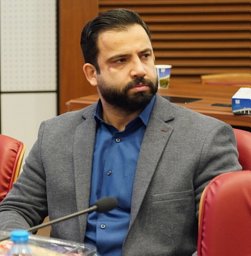 Ardalan Shariat合作论文数Faculty of Educational Studies, University Putra Malaysia;Faculty of Medicine and Health Sciences, University Putra Malaysia;Faculty of Physical Education and Sport Sciences, University of Isfahan;Faculty of Agriculture, Islamic Azad University;University of Isfahan, Islamic Azad University14
 Stefan Birkett合作论文数Manchester Metropolitan University Institute of Sport, Metropolitan University13
 Gordon McGregor合作论文数Division of Nephrology, University Hospitals Coventry and Warwickshire NHS Trust13
 Sean Pymer合作论文数12
 Kevin M Goode合作论文数Postgraduate Medical Institute, The University of Hull11
 Azadeh Hakakzadeh合作论文数Physiotherapy Res Ctr, Shahid Beheshti Univ Med Sci9
 Richard Powell合作论文数University of Birmingham9
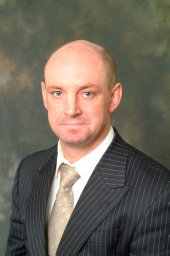 I.C. Chetter合作论文数Academic Vascular Unit, Hull Royal Infirmary9
 Gavin Sandercock合作论文数School of Biological Sciences, University of Essex9
 Claire Taylor合作论文数London North West Healthcare NHS Trust7
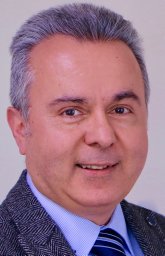 Costas Tsakirides合作论文数7Klaus K Witte合作论文数7As Rigby合作论文数6
 Damien O Gleadall-Siddall合作论文数School of Life Sciences, Coventry University6Rebecca Sloan合作论文数6Saïd Ibeggazene合作论文数Acad Vasc Surg Unit, Hull York Med Sch6O'Doherty Alasdair F合作论文数6Honarpishe Roshanak合作论文数6
 Prithwish Banerjee合作论文数University of Hull;Dept of Academic6Brian Begg合作论文数5
 George E Smith合作论文数5
 Alan Rigby合作论文数5Joanne Palmer合作论文数5
 Shima Ghannadi合作论文数Sports Med Res Ctr, Univ Tehran Med Sci5
 Stuart Ennis合作论文数5
 Mahboubeh Ghayour Najafabadi合作论文数5
 Patrick Doherty合作论文数Department of Health Sciences, University of York5
 Robert Shave合作论文数School of Health and Exercise Sciences, Faculty of Health and Social Development, The University of British Columbia5
 Ansari Noureddin Nakhostin合作论文数Dept Physiotherapy, Univ Tehran Med Sci4
 Vahideh Moradi合作论文数4
 Grant Abt合作论文数School of Health & Human Performance, Central Queensland University4
 David Brodie合作论文数From the Merck Institute for Therapeutic Research4Rhidian J. Shelton合作论文数4Michael Dudfield合作论文数3
 Elisabeth Mary Board合作论文数3Edward Caldow合作论文数3Alaa Khushhal合作论文数3
 Garyfallia Pepera合作论文数School of Health Sciences, University of Thessaly3
 Garry A Tew合作论文数Dept Sport Exercise & Rehabil, Northumbria Univ3
 Maureen Twiddy合作论文数Faculty of Health Sciences, University of Hull;Hull York Medical School, University of Hull;Institute for Clinical and Applied Health Research, University of Hull3
 James William Bray合作论文数3
 James W.D. Moxon合作论文数3
 Ispoglou Theocharis合作论文数Carnegie Faculty of Sport and Education, Leeds Metropolitan University3
 Aynsley Cowie合作论文数3




