Importance: Neuromodulation may be one of the underlying mechanisms of dry needling (DN); however, the mechanism has not yet been fully clarified.Objective: This randomized controlled trial is designed to evaluate DN stimulation of the tibialis anterior and peroneus longus muscles in chronic ankle instability (CAI) and healthy subjects, employing functional magnetic resonance imaging (fMRI).Design: Clinical study protocol, SPIRIT compliant.Setting: Brain Mapping Laboratory.Population: A total of thirty participants aged between 18 and 40 years old will be included in this study. Twenty healthy participants will be randomized into 2 groups (real DN and sham DN). Ten patients with CAI will also be recruited to the third group and receive only real DN for comparison.Exposures: Real and sham DN.Main Outcomes and Measures: The voxel count, coordinates of peak activation, and peak intensity will be obtained as primary outcomes to report brain map activation. Measurements will be taken before, during, and after DN treatment. The strength of the ankle dorsiflexors, active dorsiflexion range of motion, and McGill pain questionnaire short-form will be used as secondary outcome measures.Results : : The results from this study will be published in peer-reviewed journals and disseminated as presentations at national and international congresses.Conclusion : : This trial will explore brain responses to real and sham DN in healthy participants and to real DN in CAI patients. Overall, our results will provide preliminary evidence of the neural mechanism of DN.
No study has evaluated the effects of dry needling on Paralympic athletes. Therefore, in this study, we will evaluate the effect of dry needling on lower limb spasticity and motor performance, as well as the range of motion of Paralympic athletes. The study will be a triple-blinded, randomised controlled trial. Twenty-four athletes aged 18–45 in T35–T38 groups of the International Paralympic Committee classification will be included in the study. Twelve participants will receive dry needling of the quadriceps and gastrocnemius muscles, and 12 will receive placebo treatment with sham needles at similar points. We will assess the spasticity of the quadriceps and gastrocnemius muscles using the Modified Ashworth Scale, evaluate motor function using the Selective Control Assessment of the Lower Extremity Scale and measure ankle range of motion (ROM) with a goniometer. Considering our hypothesis, the athletes who will undergo the dry needling are supposed to achieve better improvements in spasticity, ROM and motor performance. This study can provide useful information to help better decide on managing complications in Paralympics and its long-term outcomes, to cover the current lack in the literature.
Introduction: Teamwork is an essential component of delivering successful physiotherapy services to patients; therefore, the education of physiotherapy students should be directed toward strategies that promote interaction between classmates. A flipped classroom (FC) is a pedagogical strategy that promotes active learning. The present study aimed to design, implement, and evaluate the FC for postgraduate physiotherapy students. Materials and Methods: A total of 44 postgraduate general and sport physiotherapy students participated in this study from 2016 to 2019. Two theoretical courses were designed and delivered based on the FC approach. The data were collected using a questionnaire that contained 12 items based on the 5-point Likert scale. The data were analyzed using descriptive statistics, Mann-Whitney, and Fisher exact tests. Results: The students’ familiarity with FC was 2.52±1.51 (median=3). The total agreement with FC was 3.42±0.92 (median=3). Only 22.7% of the students reported no increase in motivation. Meanwhile, 71% of the students agreed with a blended classroom, while only 52% preferred to teach only with FC. Conclusion: Most students preferred a blended classroom combining in-class and home activities. Also, the FC could augment the interaction and motivation of the students. Accordingly, FC is a valuable teaching strategy for postgraduate physiotherapy students.
Objectives: This study aimed to evaluate the effects of local calf vibration on balance, blood flow, and nerve conductivity in patients with diabetic peripheral neuropathy (DPN).Methods: An open-label controlled trial was designed. Patients with confirmed diagnoses of type 2 diabetes and DPN were enrolled in the study and underwent ten sessions of local calf vibration therapy for the dominant leg. The other leg was considered the control. Balance evaluation, nerve conduction studies, and color Doppler ultrasound were performed before and after the treatment course. The Wilcoxon signed rank test and the Mann-Whitney test were used to evaluate the differences between the test results before and after the intervention and between the intervention and control legs.Results: Seventeen patients with a mean age of 60.3 +/- 5.6 years (11 males) participated in the study. Mean Brief BESTest total scores were significantly improved (14.06 vs. 17.35; P = .01, Cohen's d = 0.743). There were no significant differences between the treated and control legs regarding the nerve conduction and color Doppler ultrasound parameters before and after the intervention (P >= .054). Changes in the parameters were also not significantly different between legs (P >= .078), except for common peroneal nerve conduction velocity, for which there was a higher increase in its value in the treated legs compared to the control legs (4.17 vs. 0.9, P = .002). Conclusion: Local calf vibration may positively affect balance and lower extremities nerve con-duction in patients with DPN, and the findings of this study can be a basis for studies evaluating the efficacy of local calf vibration for treating DPN.
Objective: Plantar vibration is one of the strategies to enhance balance in stroke patients. This study compared the effects of the plantar vibration of both feet and the plantar vibration of the most affected side in patients with stroke. Methods: This study was a single-blind clinical trial. Post-stroke patients with balance impairment were enrolled in the study and underwent two treatment sessions with a one-week interval. They received both feet's plantar vibration in one session and plantar vibration of the most affected side in the other session (frequency 100 Hz, 5 min). Mini-BESTest, Modified Modified Ashworth Scale (MMAS), and Semmes-Weinstein monofilament examination (SWME) were used to evaluate balance, spasticity, and plantar sensation, before and after the treatment sessions. Results: Ten patients with a mean age of 52.9 (SD = 5.48) years were enrolled in the study. Mini-BESTest scores of balance and plantar flexor muscle spasticity were significantly improved after both feet plantar vibration and plantar vibration of the more affected side. There was no significant difference between the effectiveness of both sides plantar vibration and the most affected side plantar vibration. There were no significant improvements in SWME sensory scores after plantar vibration of either both sides or the most affected side. Conclusion: Plantar vibration of both sides had no additional benefits in this group of patients with chronic stroke. Plantar vibration of more affected side can be used for improving balance and plantar flexor spasticity poststroke. The Plantar vibration had no effects on the affected foot sensibility.
Background: Stroke is the leading cause of disability in adults worldwide, with spasticity after stroke being one of the more common complications. Dry needling (DN) has been demonstrated to decrease spasticity in stroke patients, although its effects on improving function remain unclear. The purpose of this study protocol is to compare the short-term effects of DN versus acupoint DN on wrist flexor spasticity and upper extremity function in patients with stroke.Methods: A double-blind, randomized clinical trial will be conducted to include patients with stroke and upper extremity spasticity and functional disability. Twenty-four patients with stroke will be randomly assigned to either the DN or acupoint DN (DNap) group. These groups will receive three DN sessions during a one-week period of the wrist flexor muscles or at the LI4 & TE5 acupoints, respectively. The primary outcome measure is the Modified Modified Ashworth Scale (MMAS) of spasticity. The secondary outcomes are the Fugl-Meyer Assessment of motor function (FMA) and the goniometry to assess the active and passive range of motion of the wrist. Data will be collected at baseline, immediately after the end of three sessions DN, and at a one-week follow-up visit.Discussion: The results of this comparative study will help to determine the more effective method for reducing spasticity and improving motor function in patients with stroke.
Objective: Patients in the chronic phase after a stroke are an underrepresented group in the literature. Therefore, the aim of this study was to compare the effects of cycling and functional electrical stimulation with linear versus interval patterns of timing on gait parameters in patients after stroke. Design: A double blinded, parallel, randomized clinical trial. Setting: Neuroscience Institute. Participants: Patients with lower limb disability due to stroke (N = 30) with a stroke onset >6 months and Interventions: Twenty-eight minutes of leg cycling with functional electrical stimulation with linear or interval patterns of timing applied to the peroneal and biceps femoris muscles, 3 times/week for 4 weeks. Main measures: Timed 10-Meter Walk Test and Functional Ambulation Classification were the primary outcome measures. The Modified Modified Ashworth scale, active range of motion, Timed Up and Go Test, and Single Leg Stance Test were the secondary outcome measures. Evaluation was performed at baseline, after 4, and after 8 weeks. Results: Thirty participants completed the 4-week intervention (interval group, n = 16; linear group, n = 14). The Functional Ambulation Classification, Timed 10-Meter Walk Test, and the Timed Up and Go Test improved significantly in both groups. The Modified Modified Ashworth scale scores for quadriceps and plantar flexion statistically decreased after 4-weeks in the interval group. Significant group-by-time interaction was shown for Timed Up and Go Test (p = 0.003, np(2)=0.228), knee flexion active range of motion (p < 0.001, np(2)=0.256) and dorsiflexion active range of motion (p < 0.001, np(2)=0.359). Modified Modified Ashworth scale and active range of motion in both the ankle and knee improved significantly in the interval group. Conclusions: The functional electrical stimulation with cycling protocols improved the Functional Ambulation Classification, Timed 10-Meter Walk Test, active range of motion, Timed Up and Go Test, and Modified Modified Ashworth scale. An interval protocol of timing was more effective than the linear protocol in terms of spasticity and active range of motion.
Spasticity is one of the main complications of a stroke. This double-blind, randomized controlled trial aimed to compare the result of three sessions of dry needling (DN) versus sham DN on the affected upper limbs in post-stroke survivors. We recruited 24 patients (age 57.0 ± 9.6 years; male 71%). Patients were randomly allocated to two groups: a DN group and a sham DN group. The primary outcome measures were the Modified Modified Ashworth Scale (MMAS) and the Box and Block Test (BBT). Secondary outcome measures included active and passive wrist range of motion (AROM and PROM). All assessments were measured at baseline, immediately after the last session of the intervention, and one month later. Patients in the DN group had improved upper limb spasticity and passive wrist range of motion compared to control group ( P < 0.05). There were no between-group differences in other outcome measures ( P > 0.05). Dry needling is a useful method for improving muscle spasticity in the upper limbs of patients with stroke.
Military workers experience different types of lower back pain (LBP), but there is little evidence concerning the incidence of LBP in this group, especially in Asian countries. Increasing rate of LBP in this group is not considered and there is not a source to distinguish the different types of LBP. One of the most common forms of LBP is discogenic low back pain (DLBP) which is a consequence of internal disc disruption accounting for approximately 40% of LBP cases. This cross-sectional study aimed to determine the incidence of non-specific low back pain (LBP), discogenic LBP, and other forms of LBP in military office workers in Iran. 564 military office workers (303 men and 261 women, age: 20-50 years), who had worked in this setting for at least two years, were randomly selected from one military office. The Cornell Musculoskeletal Discomfort Questionnaire (CMDQ) was used as the primary screening tool. Participants who reported severe and mild LBP (graded low, mild, and severe) received a detailed physical examination including radiological magnetic resonance imaging. Based on the results of the physical examination, in conjunction with individual history, and medical opinion, mild-to-severe LBP was evident in 39% (n=220) of the participants. Of these, non-specific LBP accounted for 60%, discogenic LBP accounted for 31%, and other forms of LBP accounted for the remaining 9% of the sample. We found that LBP is highly incident in military office workers, with non-specific LBP being the most incident form. Considering these high incidence rates, a strategy for preventive health screening and exercise intervention should be considered in this population to help reduce absenteeism and increase workforce productivity.
INTRODUCTION:Stroke is one of the main causes of physical disability in which doing frequent and early exercise is imperative for rehabilitation. Virtual reality gaming has a high potential in rehabilitation leading to increased performance of patients. This study aimed to develop, validate and examine virtual reality games in chronic stroke patients. METHODS:This was a single before-after study. To determine the movements and content of games, 9 physiotherapists and 11 game designers were asked to participate in a questionnaire-based survey. Then, to evaluate the impact of games on rehabilitation, patients (N = 10; mean age = 52 ± 4.38) with chronic stroke were asked to play the games three times a week for four weeks. Outcomes included measurement of the ability to perform shoulder, elbow and wrist movements was performed using goniometric instrument, Modified Motor Assessment Scale (MMAS) was used to assess the functional ability of patients and muscle spasticity, and brunnstrom's stages of recovery test was also used to assess spastic and involuntary muscle movement. RESULTS:Games have positive effects on the horizontal abduction of shoulder (16.26 ± 23.94, P = 0.02), horizontal adduction of shoulder (59.24 ± 74.76, P = 0.00), supination of wrist (10.68 ± 53.52, P = 0.02), elbow flexion (0.1 ± 1.5, P = 0.00), and wrist flexion (0.06 ± 1.34, P = 0.03). However, they had no effects on the flexion of shoulder, flexion of elbow, extension of elbow, and extension of wrist (p-value> 0.05). CONCLUSIONS:The results showed that games improve the range of motion of the participants in terms of horizontal abduction and abduction of the shoulder, elbow flexion, and supination and flexion of the wrist. Due to the small sample size in this study, we recommend more studies with larger samples and a control group.
Kinect-based virtual rehabilitation improves upper extremity motor function in stroke patients by providing intensive and repetitive exercise. This study evaluated the use of Kinect-based virtual rehabilitation in the upper extremity motor recovery of patients with chronic stroke. In this pre-post study, seven stroke patients performed physiotherapy exercises by using games three times a week for one month. The primary outcome was measuring upper extremity motor function by using the Fugl-Meyer Assessment Scale for upper extremities, and measuring shoulder and elbow range of motion by goniometry. The secondary outcome was measuring the Brunnstrom recovery stages and the Modified Modified Ashworth Scale (MMAS). The data were analyzed in SPSS via the Wilcoxon signed-rank test. The Kinect-based virtual rehabilitation led to motor improvement in terms of the Fugl-Meyer assessment scores (p = .01). The range of motion was also improved in terms of shoulder flexion (p = 0.02) and horizontal shoulder adduction (p = 0.02). All the participants believed that virtual rehabilitation was an enjoyable and motivational method and suggested that the number of games and movements be increased. Therefore, Kinect-based virtual rehabilitation led to motor recovery in the participants. Since the sample size was small, it is recommended that future studies examine larger samples and include a control group.
Background: Spasticity is one of the main complications in poststroke survivors leading to difficulties in walking and standing resulting in high levels of disability. Objective: The aim of the study was to investigate the effects of deep dry needling on lower limb dysfunction in poststroke spastic patients. Methods: A randomized clinical trial conducted in poststroke survivors who were assigned to one of 2 groups: Deep dry needling (intervention group) and sham dry needling (control group). The primary outcome measures were Modified Modified Ashworth Scale (MMAS) and functional tests (timed up and go test, 10-meter walk test). Secondary outcome measures were active ankle dorsiflexion range of motion (AROM), passive ankle dorsiflexion range of motion (PROM), single leg stance test, and Barthel index. All measurements were assessed at baseline (T0), immediately after the third session 1 week later (T1), and 1 month after the end of the intervention (T2). Results: We recruited 24 patients (71% male; mean age 57 ± 10 years; 26.4 ± 1.8 kg•m−2; time since event: 25.2 ± 12.5 months). There were significant improvements in MMAS, timed up and go test, 10-meter walk test, Barthel scale, and PROM (P < .05) in the intervention group compared to controls across the time-points. There were no significant improvements in AROM assessments (P > .05). Conclusions: Deep dry needling decreases muscle spasticity and improves lower limb function and gait speed in poststroke survivors.
Stroke can cause balance disorders, which often lead to falls and fall-related injuries. The Mini-Balance Evaluation Systems Test (Mini-BESTest) is a balance test that has been recently translated into Persian. The reliability and validity of the Persian version of Mini-BESTest have not been assessed in patients with stroke. To assess the reliability and validity of the Persian version of the Mini-BESTest in patients with stroke. A cross-sectional study was designed. Thirty patients with stroke participated in this study. Patients were tested using the Mini-BESTest according to the Persian instructions, and two raters independently rated each patient’s performance. Each patient was matched with a healthy adult in the terms of age and gender. Healthy subjects were also tested for discriminative validity. There was excellent correlation between two raters on the Persian version of the Mini-BESTest total scores (rPearson = 0.98, P < 0.001) and its sections (rPearson > 0.9). There was a significant difference between stroke patients and healthy subjects confirming the discriminative validity of the Persian version of the Mini-BESTest (19.4 ± 5.4 vs. 24.8 ± 2.3, P < 0.001). We only assessed stroke patients, and the results may not be generalized to other patients with balance deficits. The Persian version of the Mini-BESTest is a reliable and valid tool for balance evaluation of stroke patients.
BACKGROUND:One of the leading causes of disability in the world with enormous economic burden is stroke.OBJECTIVE:To quantify the effectiveness of different protocols of cycling with/without functional electrical stimulation on functional mobility after stroke.METHODS:Multiple databases were searched till 2018. Data extraction was performed using a pre-determined data collection form. The quality of the evidence was evaluated using the Grading of Recommendations Assessment, Development and Evaluation.RESULTS:A total of 14 trials satisfied eligibility criteria and were included. Cycling had a positive effect on the 6-meter walking test performance (SMD, 0.41; 95% CI, 0.11 -0.71; I2 = 0% ) compared with no or placebo intervention (control). Compared with control, cycling had a positive effect on 10-meter walking speed (SMD, 0.30; 95% CI, 0.05 -0.55; I2 = 0% ), and on balance based on the Berg score (SMD, 0.32; 95% CI, 0.06 -0.57; I2 = 49% ). Cycling with functional electrical stimulation had a positive effect on balance (SMD, 1.48; 95% CI, 0.99 -1.97; I2 = 91% ) compared with cycling alone.CONCLUSIONS:It appears that cycling has a positive effect on walking speed, walking ability and balance. Functional electrical stimulation combined with cycling has positive effects on balance beyond cycling alone.
Knee osteoarthritis (OA) causes functional limitation in weight-bearing actlVltles including walking. To investigate the multimodal impact of acupuncture, exercise therapy, and concurrent functional electrical stimulation (FES) on knee osteoarthritis. We designed a multidisciplinary treatment package including acupuncture; home based exercise therapy, and concurrent functional electrical stimulation during treadmill walking. Outcomes measurements included the numerical rating scale (NRS), the Knee Injury and Osteoarthritis Outcome Score (KOOS), and the Tampa Scale of Kinesiophobia (TSK). Measurements were completed at baseline and following the treatment phase which consisted of six individual sessions. A 48-year-old male, office worker presented with a history of chronic right knee. During the previous year, he was diagnosed with knee osteoarthritis after clinical physical examination by a sports medicine physician. Following our novel training intervention, the patient reported a reduction in pain intensity from 8 to 2 on the NRS, improved in all KOOS subscale scores, and improved in the TSK scale (reduction from 15 to 11). In addition, the patient reported that he was able to return to work and undertake normal activities of daily living with reduced knee pain. This case report showed that our novel multimodal intervention including six sessions of acupuncture, exercise therapy, and treadmill walking with functional electrical stimulation (FES) had a positive impact on knee pain and function in a middle-aged male with knee osteoarthritis.
Background: Stroke causes multi-joint gait deficits, so a major objective of post-stroke rehabilitation is to regain normal gait function. Design and Setting: A case series completed at a neuroscience institute. Aim: The aim of the study was to determine the concurrent impact of functional electrical stimulation (FES) during treadmill walking on gait speed, knee extensors spasticity and ankle plantar flexors spasticity in post-stroke survivors. Participants: Six post-stroke survivors with altered gait patterns and ankle plantar flexors spasticity (4 = male; age 56.8 ± 4.8 years; Body Mass Index (BMI) 26.2 ± 4.3; since onset of stroke: 30.8 ± 10.4 months; side of hemiplegia [L/R]: 3:3) were recruited. Intervention: Nine treatment sessions using FES bilaterally while walking on a treadmill. Main Outcome Measures: Primary outcome measures included the Modified Modified Ashworth Scale (MMAS), Timed Up and Go test (TUG), 10-m walking test, gait speed, and Functional ambulation category (FAC). Secondary outcome measures included the Step Length Test (SLT), and active range of motion (ROM) of the affected ankle and the knee. Measurements were taken at baseline (T0), at the end of last treatment (T1), and 1 month after the final treatment session (T2). Results: The TUG, 10-m walking test, gait speed, FAC, active ROM, and SLT all significantly improved following treatment (P< .05), while ankle plantar flexors spasticity (P = .135), and knee extensors spasticity (P = .368) did not show any significant decrease. Conclusions: A short duration of bilateral FES in conjugation with treadmill walking contributed to significant improvement in gait speed, functional mobility, functional ambulation, range of motion and step length in post-stroke survivors. In contrast, no significant decreases were identified in the spasticity of the ankle plantar flexors and knee extensors muscles.
Stroke is one of the leading causes of disability in western countries. A variety of rehabilitation programs for the treatment of patients after stroke have been proposed. We describe the outcomes of a 49-year-old female patient with a 5-year history of right upper extremity hemiparesis after stroke. Physical examination revealed a right wrist extensor strength grade of 1 according to the Medical Research Council Manual Muscle Testing scale, Stage 4 according to the Brunnstrom hand functional recovery, and Grade 1 in finger flexor and in wrist flexor according to the Modified Modified Ashworth Scale system of muscle spasticity. Magnetic resonance imaging taken immediately after the stroke was indicative of an abnormal signal in the left paraventricular and lentiform nucleus. After receiving a single session of dry needling and electrical stimulation, the patient had significant improvement including a strength grade of 3 for the right wrist extensor muscles, Stage 6 according to the Brunnstrom hand functional recovery, and Grade 0 in finger flexor and in wrist flexor according to the Modified Modified Ashworth Scale system of muscle spasticity. This case report found that dry needling combined with electrical stimulation may be effective in hand function recovery, wrist extensor muscles strength, and decreased wrist and finger spasticity.
[This corrects the article on p. 603 in vol. 15, PMID: 31523684.].
A 43-year-old male, office worker with history of chronic radicular low back pain radiating into the left leg was admitted to a sports medicine research center, neuroscience institute. During the past year, he visited a physiotherapist and orthopedic experts. Magnetic resonance imaging revealed a protruded disc at 14-5 level. Additionally, electromyography indicated that there was bilateral moderate irritation at the L5-S1 root We designed a management package including exercise therapy, dry needling, and nonfunctional electrical stimulation for four sessions. Outcomes included pain intensity, pain with lumbar flexion, with the numerical rating scale (NRS), visual analogue scale (VAS), and function measured with the Oswestry Disability Index before and after the intervention. After 4 treatment sessions, the patient reported a reduction in pain intensity from a 9 to 2 on the NRS and from 90 to 30 on the VAS. In addition, the patient was able to perform lumbar flexion fully without pain.
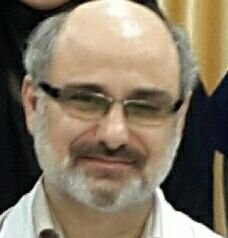 Ansari Noureddin Nakhostin合作论文数Dept Physiotherapy, Univ Tehran Med Sci15
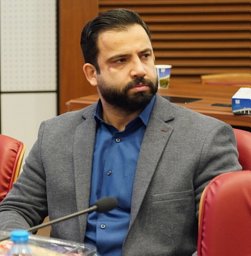 Ardalan Shariat合作论文数Faculty of Educational Studies, University Putra Malaysia;Faculty of Medicine and Health Sciences, University Putra Malaysia;Faculty of Physical Education and Sport Sciences, University of Isfahan;Faculty of Agriculture, Islamic Azad University;University of Isfahan, Islamic Azad University11
 Azadeh Hakakzadeh合作论文数Physiotherapy Res Ctr, Shahid Beheshti Univ Med Sci8
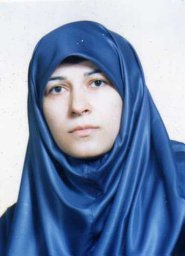 Soofia Naghdi合作论文数Rehabilitation Faculty, Tehran University of Medical Sciences7
 Ingle Lee合作论文数6Joshua A. Cleland合作论文数6
 Shima Ghannadi合作论文数Sports Med Res Ctr, Univ Tehran Med Sci5
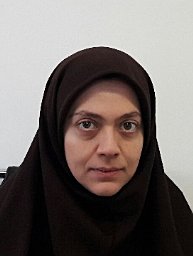 Maryam Selk Ghaffari合作论文数Neurosci Inst, Univ Tehran Med Sci4
 Amin Nakhostin-Ansari合作论文数Neuroscience Institute, Tehran University of Medical Sciences4Noormohammadpour Pardis合作论文数Sports Medicine Research Center, Tehran University of Medical Sciences4
 Tavakol Zahra合作论文数Student ResearchCommittee, Kermanshah University of Medical Sciences4
 Vahideh Moradi合作论文数3
 Jan Dommerholt合作论文数3
 Hossein Ahmadi合作论文数2
 Sohrab Almasi合作论文数School of Allied Medical Sciences, Shahid Beheshti University of Medical Sciences2
 Shahmoradi Leila合作论文数School of Management and Medical Information Sciences, Iran University of Medical Sciences2
 Pablo Herrero合作论文数San Jorge University2Mahsa Sabziparvar合作论文数1Sepehr Haghighi合作论文数1Maedeh Khalifeloo合作论文数1
 Maryam Abolhasani合作论文数1
 Mohammad Saeid Khonji合作论文数Bone and Joint Reconstruction Research Center, Iran University of Medical Sciences1Mitra Varedi合作论文数1Seyed Hossein Hosseini Asl合作论文数Tehran University of Medical Sciences1
 Lida Hosseini合作论文数School of Nursing and Midwifery, Iran University of Medical Sciences1
 Ehsan Moghimi合作论文数Neurosci Inst, Univ Tehran Med Sci1Hamid R. Fateh合作论文数1
 Tania Azadi合作论文数Tehran University of Medical Sciences1
 Azadeh Bashiri合作论文数Dept Hlth Infor, Shiraz Univ Med Sci1
 Maria Fiatarone Singh合作论文数Faculty of Medicine and Health, The University of Sydney1
 Fakhari Zahra合作论文数1
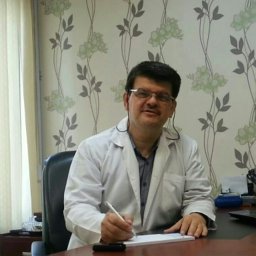 Forogh Bijan合作论文数Department of Physical Medicine and Rehabilitation, Iran University of Medical Sciences1
 Mahboubeh Ghayour Najafabadi合作论文数1
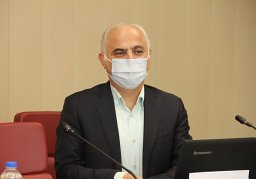 Kordi Ramin合作论文数Neurosci Inst, Univ Tehran Med Sci1
 Halabchi Farzin合作论文数Sports Medicine Research Center, Tehran University of Medical Sciences;Department of Sports &Exercise Medicine, Tehran University of Medical Sciences;Tehran University of Medical Sciences, Tehran University of Medical Sciences1Memari Amir Hossein合作论文数Sports Medicine Research Center and School of Medicine, Tehran University of Medical Sciences1
 Fathali Mojtaba合作论文数1
 Sangelaji Bahram合作论文数Hayat-e-no Physiotherapy Clinic, Iran's Multiple Sclerosis Society1
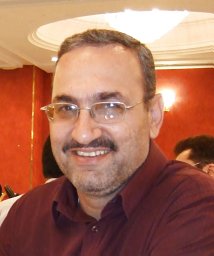 Amir H. Bakhtiary合作论文数Department of Musculoskeletal Science, The Royal Liverpool University Hospital;Fax: +44-151-17065815 GB;Department of Musculoskeletal Science, The Royal Liverpool University Hospital1
 Nastaran Ghotbi合作论文数1Gholamreza Olyaei合作论文数1
 Jim Bartley合作论文数1
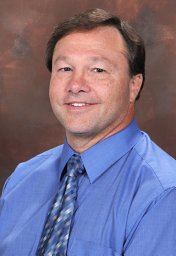 Scott Hasson合作论文数University of Connecticut1Shohreh Jalaei合作论文数1




