STUDY OBJECTIVES:Increasing evidence points towards sleep apnea as a modifiable risk factor for neurodegeneration. This study investigates the longitudinal effect of sleep apnea on brain structures in a general population. METHODS:Data from the Study of Health in Pomerania with baseline laboratory-based polysomnography and magnetic resonance imaging (MRI) (2008-2012) and 7-year follow-up MRI (2016-2019) were used. Sleep apnea was characterized by the apnea-hypopnea index, oxygen desaturation index, mean sleep oxygen saturation, and arousal index; self-reported sleep quality using the Epworth Sleepiness Scale and Pittsburgh Sleep Quality Index. Total brain volume, regional and total gray matter thickness, white matter hyperintensity burden, and brain age were derived from 1.5 tesla T1 and fluid-attenuated inversion recovery sequences. Associations between sleep apnea and follow-up MRI measures were examined using linear regression adjusted for age, sex, intracranial volume, total sleep time, follow-up duration, and baseline MRI values. Restricted cubic splines were used in all continuous variables to model non-linear effects. RESULTS:387 participants were included (age 50.7 ± 12.4 years, 47.3 per cent female). Neither apnea-hypopnea index nor oxygen desaturation index showed significant longitudinal effects. Lower mean sleep oxygen saturation was associated with reduced total brain volume, while a higher arousal index was linked to increase brain age and decreased global and regional gray matter thickness. Self-reported sleep quality correlated with total brain volume changes. CONCLUSIONS:Unlike prior cross-sectional findings, traditional sleep apnea indices were not associated with structural brain changes over 7 years. Instead, sleep fragmentation emerged as a key factor in brain atrophy. Targeting sleep fragmentation may offer neuroprotective benefits.
STUDY OBJECTIVES:To evaluate the effect of daridorexant on nighttime respiratory function and sleep in adults with severe obstructive sleep apnea (OSA) without insomnia. METHODS:This randomized, double-blind, placebo-controlled, two-period, crossover trial was conducted at a single sleep center in 16 adults (≥18 years) with severe OSA without insomnia. In each period, daridorexant 50 mg or placebo was administered every evening for 5 days. Primary and secondary endpoints were the treatment differences (daridorexant - placebo) for apnea/hypopnea index (AHI) and oxygen saturation (SpO2) during total sleep time (TST), respectively, after last dosing. A mean increase in AHI ≥10 events/h and mean decrease in nocturnal SpO2 ≤-2% were the minimum changes considered to be clinically meaningful negative effects. Other endpoints included TST, latency to persistent sleep (LPS), and wake after sleep onset (WASO). RESULTS:Mean baseline AHI was 51.2 events/h (range 30.8, 82.2) and mean SpO2 during TST was 92.1% (range 88.5, 94.3). No clinically meaningful effect of daridorexant on AHI or SpO2 during TST was detected. Treatment differences were -3.7 events/h (one-sided 95% CI≤+4.2) and -0.12 % (one-sided 95% CI≥-0.6), respectively. Compared with placebo, daridorexant increased TST by 32.5 min (90% CI: 6.9, 58.2), associated with shorter LPS (-10.3 min [90% CI:-20.6, -0.02]) and a trend towards reduced WASO (-15.2 min [-31.2, 0.9]). Four adverse events were reported (daridorexant n=3; placebo n=1), all of mild intensity and none related to respiratory function. CONCLUSION:Short-term treatment with daridorexant does not impair sleep-disordered breathing and may improve sleep in patients with severe OSA. CLINICAL TRIAL:ClinicalTrials.gov, https://clinicaltrials.gov/study/NCT05458193, NCT05458193.
INTRODUCTION:Obstructive sleep apnea (OSA) is a clinically heterogeneous disorder. Patients with similar disease severity differ in symptoms and nocturnal oxygenation. However, OSA is still primarily classified according to AHI thresholds, which may not fully reflect the diversity of clinical presentations in OSA. In this study, we applied cluster analysis using clinical and PSG variables to explore heterogeneity in OSA. METHODS:Patients with OSA were included in this monocenter observational study. Unsupervised clustering (k-means clustering) based on clinical characteristics and polysomnographic parameters was performed to explore patterns of heterogeneity in OSA. RESULTS:A total of 248 patients were included in our study. After clustering analysis, three clusters were identified. Cluster 1 (n = 29, 11.7%, Obese hypoxic OSA) showed the highest AHI and oxygen desaturation index (ODI), the lowest mean saturation oxygen(SaO2)and lowest minimal SaO2, the highest body mass index (BMI) and Epworth Sleepiness Scale scores (ESS), and the youngest mean age. Cluster 2 (n = 157, 63.3%, Mild OSA) had the lowest AHI and ODI, the highest mean SaO2, the highest minimal SaO2, and the lowest ESS. Cluster 3 (n = 62, 25%, Older hypoxic OSA) included predominantly patients with severe OSA and showed high AHI and ODI, reduced oxygenation, intermediate BMI and ESS, and the highest mean age. By conventional AHI severity classification, differences were observed in objective measures of disease severity, whereas ESS did not differ between groups. CONCLUSIONS:Three clusters with differing clinical and polysomnographic characteristics were identified among patients with OSA. These findings may provide additional insight into the heterogeneity of OSA.
Abstract Introduction Quantitative assessment of sleep is essential for diagnosing sleep disorders and evaluating treatment efficacy. Polysomnography (PSG), in a laboratory setting, is considered the gold standard for objective sleep assessment, however PSG is resource-intensive, expensive, and can disrupt a patient's normal sleep pattern. Wearable devices based on dry-printed electrode arrays have emerged as a practical and accessible promising alternative to traditional PSG for skin electrophysiology during sleep. Dry printed electrodes offer several advantages, such as signal stability, ease of application especially in the home environment setting, and patient convenience. While wearable devices offer a convenient and simple solution, their accuracy, and particularly concerning metrics like Total Sleep Time (TST) and Apnea Hypopnea Index (AHI), must be validated against the established gold-standard in-laboratory polysomnography. In previous studies we showed accuracy to polysomnography signals and basic sleep stages scoring. This study compares TST and AHI measurements obtained from manual scoring from the tested wearable device with those derived from full PSG. Methods This validation study included 10 healthy subjects as a preparation for additional 40 subjects with suspected sleep disorders. Each subject was connected to both systems simultaneously, the PSG and the tested system. The subjects were monitored during a complete night in a sleep facility. The tested system comprises two novel multi-electrode patches for face and chest including EEG, EOG, EMG, ECG, SpO2 wrist sensor, a wireless recording device, and a mobile application. The raw data from both systems scored manually by the same scorer and compared for validation purposes. The Oxygen Desaturation Index (ODI) scored manually from the SpO2 of the tested device and was compared to the AHI of the PSG. Results The agreement between the TST values of both systems ranged from 93% to 98.8% with an average of 96.5%. Comparing the Oxygen Desaturation Index (ODI) to the AHI of the full PSG shows good agreement with higher correlation in higher values of AHI. Conclusion The parameters agreement of the healthy subjects between the systems is very successful and promising toward the challenge of acquiring high quality medical grade signals at home environment during full night of sleep. Support (if any)
Study objectives Sleep and physical fitness are interrelated, with cardiovascular risk factors potentially influencing this relationship. Sleep disturbances and reduced exercise capacity are linked to higher mortality. This study examined associations between sleep characteristics, cardiopulmonary exercise testing (CPET) measures and all-cause mortality, and assessed whether reduced exercise capacity mediates the link between impaired sleep and mortality. Methods We analysed 1001 participants from the population-based SHIP-TREND cohort (2008–2012) who underwent single-night polysomnography and symptom-limited CPET. Associations between sleep and CPET measures, as well as mortality, were assessed using multivariable linear and Cox regression models. Results The mean age of participants was 54 (range 44–63) years; 47.1% were women. The apnoea–hypopnoea index (AHI) was 4.9 (95% CI 1.4–13.7) events·h −1 and higher in men (7.9, 95% CI 2.6–18.8) than in women (2.6, 95% CI 0.7–9.2; p<0.001). Peak oxygen uptake ( V ′ O 2 peak ) was lower in women (22 (95% CI 18–25) mL·min −1 ·kg −1 ) than in men (27 (95% 22–32) mL·min −1 ·kg −1 ; p<0.001). Higher AHI and oxygen desaturation index were inversely associated with V ′ O 2 peak . Over a median 10.3-year follow-up, 73 deaths occurred. AHI was significantly associated with all-cause mortality across models (hazard ratio 1.31–1.72). Mediation analysis demonstrated a significant direct effect, whereas the indirect effect via V ′ O 2 peak was not statistically significant. Conclusions In the SHIP-TREND-0 cohort, elevated AHI is associated with reduced V ′ O 2 peak and increased all-cause mortality. Mediation analysis suggested a possible, but not statistically significant, contribution of impaired cardiopulmonary fitness to the relationship between sleep apnoea and mortality, highlighting a potential role of fitness that warrants further investigation.
Obstructive sleep apnea (OSA) and smoking are both prevalent and impactful health risks. While smoking may contribute to OSA through inflammatory and neuromuscular pathways, population-based evidence on this relationship remains limited and inconsistent. A sample (N = 1,206) from the population-based Study of Health in Pomerania with complete overnight polysomnography and smoking assessment was investigated in a cross-sectional study for an association between OSA and former as well as recent smoking status. Regression models adjusted for Age and BMI were applied. Current smoking was significantly associated with increased apnea-hypopnea-index (AHI) severity (OR = 1.75, 95% CI [1.27; 2.41], p < .001), with stratified analyses confirming the effect across younger and older participants. Former smokers also showed significantly elevated AHI severity compared to never-smokers (OR = 1.76, 95% CI [1.27; 2.43], p < .001). Both current and former smoking were significantly associated with greater OSA severity in this population-based sample, even after accounting for age and BMI. The findings underscore the long-term respiratory consequences of smoking and highlight the need for integrated approaches in smoking cessation and OSA screening.
Abstract Rationale Evidence on adherence to adaptive servo-ventilation (ASV), sleep architecture, and patient-reported outcomes in patients with central sleep apnea (CSA) in routine clinical practice is limited. Objective The primary objective was to assess adherence to ASV in a real-world population with CSA; secondary objectives were to evaluate longitudinal changes in sleep fragmentation, polysomnographic sleep architecture, and patient-reported outcomes. Methods The multicenter, prospective, observational AutoSV Registry (NCT03421704, 2018-2023) enrolled adult patients with CSA, who were prescribed ASV (Philips DreamStation BiPAP auto SV). The follow-up period was up to 24 months. Adherence data were collected via telemonitoring software (Philips EncoreAnywhere™). Polysomnography (PSG) was performed at diagnosis, during ineffective continuous positive airway pressure with residual CSA (CPAPrCSA) and on ASV. Sleepiness (Epworth Sleepiness Scale, ESS) and subjective sleep quality (Pittsburgh Sleep Quality Index, PSQI) were measured. Results Of the 125 enrolled patients, 66% had impaired subjective sleep quality (PSQI>5) and 33% were sleepy (ESS>10). Adherence to ASV therapy was at least 4 hours/night in 67% of patients. Median adherence was 5.3 (3.1; 6.7) hours/day (n = 103, median (IQR) follow-up 16 months). Sleep fragmentation was reduced during ASV, with decreased sleep stage N1 and increased sleep stage N3 and rapid eye movement sleep compared with diagnostic PSG and CPAPrCSA therapy. The global PSQI (mean [95%CI]) score improved by -1.7 (-2.9; -0.6) (p < 0.001; n = 55), and the ESS score (mean [95%CI]) improved by -1.9 (-3.2; -0.6) (p < 0.001; n = 57) from baseline to 24 months. Conclusions ASV therapy in a sleep-clinic population with CPAPrCSA was associated with high adherence, possibly reflecting clinically meaningful benefits, including reduced sleep fragmentation, improved objective and subjective sleep quality, and reduced sleepiness.
BACKGROUND:Positive airway pressure (PAP) therapy is the gold standard treatment for obstructive sleep apnea (OSA), yet patients often express concern about its impact on sleep quality during the initial phase of treatment. This study investigated whether the first night of PAP therapy adversely affects objective sleep architecture. METHODS:In this retrospective study, polysomnographic data from N = 176 patients with OSA undergoing first-night PAP therapy (continuous, auto titrated, or bilevel) were compared with a healthy sleep control group (N = 73). Sleep efficiency (SE), proportions of sleep stages (N1, N2, N3, and R), number of arousals, residual apnea-hypopnea index (AHI), and amount of AHI reduction were assessed. Group differences were examined using multivariate analyses of variance, and associations between age, residual AHI, and AHI reduction with SE were evaluated using correlation analyses. RESULTS:PAP therapy did not impair overall sleep architecture during the first night. N3 and R sleep were preserved across therapy modalities, with no significant differences compared to the healthy group. SE and stage N2 sleep were modestly reduced in the PAP groups. Across all groups, increasing age was associated with lower SE, indicating this effect was independent of PAP therapy. Residual AHI as well as AHI reduction were not associated with SE. CONCLUSION:During the first night of PAP therapy, N3 and REM sleep were comparable to those of healthy sleepers, whereas SE and N2 sleep were lower. These findings provide clinically reassuring evidence that the first supervised night of PAP therapy is compatible with largely preserved restorative sleep architecture, despite modest reductions in SE and N2 sleep.
The aim of the study was to test the applicability of the action spectrum of melatonin suppression (MS) based on monochromatic experimental data from Brainard et al. (Journal of Neuroscience, 2001, 21, 6405) and Thapan et al. (Journal of Physiology, 2001, 535, 261) to quantify MS using white light and to characterize its temporal course during the first hour of exposure. Using a within-subject design, 32 healthy adults (12 males/20 females) with free pupil adaptation were exposed to white light of 1904-6996 K in correlated color temperature (CCT), and to blue light (BL, 474 nm). Two "circadian effective" irradiances (Ec = 0.264 W m-2 and 0.528 W m-2) based on Gall's metric (Licht, 2002, 54, 1292) were applied for 60 min using ganzfeld devices. Melatonin concentrations were measured in blood plasma. For 25 participants with complete data sets at Ec = 0.264 W m-2, the r-ANOVA indicated a significant difference in MS between the five different light spectra, F(4,96) = 4.97, p = 0.011. The Bonferroni-corrected post hoc paired t-test (α = 0.005) showed significantly lower melatonin reduction by BL than white light of 2883 K and 1904 K, but not vs. 6997 K and 4663 K. This was due to an unexpectedly high proportion of 11 subjects (=44%) who did not respond to BL with MS ("BL non-responders"). For 14 subjects ("BL responders", =56%), r-ANOVA confirmed equivalent values of MS under all five lighting conditions at both irradiances. Additivity of spectral contributions to the circadian effectiveness of white light is limited, as is reciprocity only with respect to cold white light.
In this study, the association between obstructive sleep apnea severity and the parapharyngeal fat pad volume is examined in a population-based sample. We included 680 participants who underwent standardised overnight polysomnography between 2008 and 2012 as part of the Study of Health in Pomerania in a sleep laboratory in Greifswald, Germany. The apnea-hypopnea index was used as a marker of obstructive sleep apnea severity and the parapharyngeal fat pad volume, as our variable of interest, was analysed based on Magnetic Resonance Imaging data by automated image segmentation. We performed an ordinal logistic regression analysis to test the effect of parapharyngeal fat pad volume on apnea-hypopnea index, controlling for body-mass index as a confounder. The results indicated that greater parapharyngeal fat volume was associated with a higher apnea-hypopnea index in an unadjusted analysis. After adjustment for body-mass index, this association was no longer significant. An exploratory body-mass index-stratified analysis suggested that the association between parapharyngeal fat volume and apnea-hypopnea index may be present primarily in non-obese individuals. These findings highlight the importance of considering body-mass index as a measure for overall obesity when evaluating the specific role of parapharyngeal fat in obstructive sleep apnea.
Obstructive sleep apnea (OSA) is a common sleep-related breathing disorder that is diagnosed more frequently in men. The aim of this population-based cross-sectional study was to describe sex-specific differences in sleep stage distribution and subjective daytime sleepiness in individuals with OSA. Special attention was given to the distribution of the apnea-hypopnea index (AHI) in rapid eye movement (REM) and non-REM sleep. This study analyzed data from the SHIP-TREND-0 cohort, a population-based study from northeastern Germany. Standardized polysomnography identified 604 participants with an AHI ≥ 5 (395 men, 209 women) who were included in this study. In addition, daytime sleepiness was recorded using the Epworth Sleepiness Scale (ESS). Sex differences were analyzed descriptively and evaluated according to effect sizes. Compared to males, females were on average older and had higher BMI values. Women showed descriptively higher AHI values in REM sleep than in non-REM sleep, whereas men exhibited a more balanced distribution of AHI across sleep stages. Women had a longer REM sleep latency (d = 0.36). Our results indicate sex-specific differences in the distribution of obstructive events across sleep stages. The AHI during REM sleep should receive greater consideration in the diagnosis and assessment of severity, particularly in women. Further population-based studies are needed to confirm these findings and evaluate their clinical relevance.
BACKGROUND:10-30% of the world's population suffers from insomnia. One-quarter of those who take hypnotic medication become dependent on it. Given the wide variety of available drugs, switching them is complex. The existing recommendations do not cover all drug classes. There is a need for practical, evidence-based recommendations that take account of specific aspects of care both in Europe as a whole and regionally. METHODS:This narrative review is based on publications from May 1953 to February 2026 that were retrieved by a search in six English- and German-language databases, including guidelines, meta-analyses, systematic reviews, randomized controlled trials, and observational studies. Following the literature review, new recommendations were developed in a consensus process (consensus conference followed by the Delphi method) to supplement the current insomnia guideline. RESULTS:Treatment can be discontinued abruptly after short-term use (1-2 weeks) or if the drug in question does not produce withdrawal symptoms, e.g., daridorexant (an orexin receptor antagonist), melatonin, antihistamines, and phytotherapeutic drugs. Benzodiazepine receptor agonists, antidepressants, antipsychotics, and gabapentinoids should be tapered off gradually after medium- or long-term use (> 2 weeks), with a weekly dose reduction of 10-25%. Various gradual tapering methods can be used, depending on the drug, dose, duration of use, treatment regimen, and intended subsequent treatment. A longer taper is advisable after use at high doses (≥ 2/3 of the maximum dose) or over the long term (≥ 1 year). Withdrawal symptoms from benzodiazepine receptor agonists can be alleviated with the overlapping administration of daridorexant or eszopiclone. Cognitive behavioral therapy is recommended as an accompanying nonpharmacological treatment (relative risk [RR]: 1.68; 95% confidence interval: [1.19; 2.39]). CONCLUSION:A drug-specific approach with evidence-based and practice-oriented protocols should be used when hypnotic medications are switched or discontinued.
Background:Obstructive sleep apnoea (OSA) is a prevalent disorder. No consistent mortality benefit from treating OSA has been reported in randomised controlled trials. This analysis of an age-and-sex-representative anonymised German public health insurance database from 2015-2020 investigated mortality and hospitalisation rates in positive airway pressure (PAP)-treated versus non-PAP-treated individuals with OSA, accounting for key confounders, including demographic factors, socioeconomic status, comorbidities and medication use. Methods:Treatment-naïve individuals with OSA were selected and stratified by PAP prescription (PAP treated versus non-PAP-treated (controls)). All-cause mortality rates were compared between groups using Cox proportional hazard models, and all-cause hospitalisation rates were compared using 1:1 nearest neighbour matching based on estimated propensity score, age and sex. Group comparisons were made using Chi-squared tests. Results:The mortality analysis included 12 297 PAP and 10 020 non-PAP-treated individuals. During a mean 4.0 years of follow-up, 1067 people (4.8%) died; the mortality rate was significantly lower in the PAP versus non-PAP group (hazard ratio 0.87, 95% confidence interval (CI) 0.77-0.98; p=0.026). The hospitalisation analysis included 8768 PAP-treated individuals and 8768 matched controls. 1926 people (11.0%) were hospitalised; the hospitalisation rate was significantly lower in the PAP versus non-PAP group (odds ratio 0.81, 95% CI 0.74-0.89; p<0.0001). Conclusion:In this comprehensive analysis, PAP therapy was associated with lower mortality and fewer hospitalisations during the follow-up period compared with no PAP therapy, though residual confounding and the observational nature of the study should be considered when interpreting the results.
IntroductionInsufficient or disturbed sleep impairs nocturnal physiological recovery and may negatively affect autonomic nervous system (ANS) regulation. Astronauts are a particularly vulnerable group due to sustained workloads, isolation, and exposure to extreme operational conditions. The present study investigated the interaction between sleep structure and ANS state under different sleep conditions during a prolonged space analogue mission (SAM) conducted as part of the Scientific International Research in a Unique Terrestrial Station (SIRIUS-19) project.MethodsSix healthy participants (three men and three women; age: 34.3 ± 5.7 years) were studied over eight nights during the four-month SIRIUS-19 mission: one night of undisturbed sleep pre-isolation, one night of undisturbed sleep post-isolation, and six nights during the isolation phase comprising three undisturbed nights, one night of complete sleep deprivation, and two nights of experimentally induced sleep fragmentation (repeated short awakenings vs. one prolonged awakening). Sleep structure and ANS state were assessed using a portable, self-applicable, medical-grade sleep recording system that captured electroencephalography (EEG), electrooculography (EOG), electrocardiogram (ECG), and plethysmography signals.ResultsSignificant differences in total sleep time were observed across different nights (p = 0.003). On nights of undisturbed isolation, participants achieved more than 7 h of sleep, while nights with sleep fragmentation was associated with reduced sleep efficiency (<80%). ANS state parameters differed significantly across conditions, including the pulse rate (PR) (p < 0.0001) and the heart rate variability (HRV) LF/HF ratio (p < 0.005), with the most pronounced autonomic activation occurring during the night of complete sleep deprivation.DiscussionUsing a portable monitoring approach, this study demonstrates that nocturnal ANS regulation during prolonged isolation is relatively resilient to moderate sleep fragmentation, but is markedly affected by sustained sleep loss. These findings highlight the importance of preserving restorative sleep continuity when planning operationally demanding space missions and support the feasibility of portable sleep and ANS monitoring in extreme environments.
Insomnia, especially chronic insomnia, is a common condition that is also listed as a separate clinical entity in the new International Classification of Diseases (ICD). The diagnosis of chronic insomnia is based on the patient's own and third-party medical history, questionnaires on sleep and quality of life, a sleep-wake log, and, if necessary, a measurement of sleep quality. In addition, other factors that disrupt sleep as well as other sleep disorders must be ruled out, if necessary in a sleep laboratory. Cognitive behavioral therapy should be used as a preventive measure and as the first step in treatment. However, there is a lack of structured, comprehensive services. Therefore, digital services can also be used. Moderate to severe insomnia often requires treatment with sleep-promoting medication, as is also stipulated in the guidelines. However, there is a lack of structured, individualized treatment pathways. The authors recommend step-by-step treatment, starting with mild sleep-promoting agents such as melatonin and progressing to hypnotics such as daridorexant. Drug therapy is successful when it is used in a targeted manner and under medical supervision. Since the care situation for people with insomnia is inadequate, there is a need for more education of those affected and the medical profession, as well as collaboration between family doctors, general practitioners, specialists, and sleep medicine physicians.
Die obstruktive Schlafapnoe (OSA) ist eine sehr häufige Schlafstörung und eine meist chronisch verlaufende Erkrankung. Therapieindikation sind abhängig vom Ausmaß der nächtlichen Atmungsstörungen, der spezifischen Symptomatik, wie Tagesmüdigkeit, und der Komorbidität, die zusammen mit den Atmungsstörungen das Risiko einer Schlafapnoe ausmachen. Standardtherapie ist die nächtliche Überdruckatmung, oder, v. a. bei leichter bis moderater Schlafapnoe, eine Unterkieferprotrusionsschiene. Chirurgische Maßnahmen werden nur bei Indikation durchgeführt. Eine spezifische und wirksame Schlafapnoemedikation gibt es bisher nicht. Erstes (von der US-amerikanischen Food and Drug Administration, FDA) zugelassenes Medikament für adipöse OSA-Betroffene ist das Tirzepatid, was durch eine effektive Gewichtsreduktion zur Reduktion der nächtlichen Atmungsstörungen führt. Alternative und z. T. eher spezifische Medikamente sind in der Erforschung. Zu ihnen gehören z. B. Karboanhydrasehemmer, Anticholinergika, Serotonin-Noradrenalin-Wiederaufnahmehemmer, Sympathomimetika und Cannabinoide. Die medikamentöse Therapie der Schlafapnoe wird in Zukunft eine individualisierte und auf den Phänotyp der Schlafapnoe gerichtete Therapie bereichern.
Rationale: Obstructive sleep apnea (OSA) impacts approximately 900 million people globally. Despite the efficacy of positive airway pressure (PAP) therapy in treating OSA, adherence remains around 50% after one year. It has been suggested that patient discomfort from high air pressure therapy is one of the critical barriers to adherence. Our innovation, continuous management of airway pressure (cMAP®), leverages artificial intelligence (AI) for predicting and preventing OSA events and has been shown to reduce therapy pressure by ∼20% while improving patient comfort and maintaining efficacy. However, breathing patterns tend to be diverse and can vary significantly between patients. This results in the need for large amounts of data to train generalized AI models to effectively classify breathing patterns. Building on our previous study, it was our objective to investigate the effectiveness of using a transfer-learning approach to personalize cMAP® to particular patients suffering from OSA. Methods: In a previous study, we completed a randomized crossover study including 45 patients diagnosed with mild to severe OSA who were long-term PAP device users (>1 year). Building on this study, we used a transfer-learning pipeline to train personalized versions of our cMAP® algorithm using previously captured PAP airflow data from the 45 patients. Additionally, we used data obtained in our previous study to create patient-specific test sets (comprising of seven nights of the conventional automatic (A)-PAP therapy). We assessed the effect of cMAP® personalization by analyzing changes in the models’ ability to identify OSA events (maximum F1-score) compared our general cMAP® algorithm (paired t-test). As a pilot study, we also deployed personalized cMAP® algorithms to two patients for seven nights each, monitoring changes in therapy pressure and apnea-hypopnea-index (AHI) compared to general cMAP®(unpaired t-test). Results: Personalized cMAP® significantly improved the models’ ability to identify OSA events, a 38% (p<0.001) increase, on average. The two-patient deployment resulted in a further decreases in the average therapy pressure of 1.7+/-0.5 (p<0.001) and 0.6+/-0.1 (p<0.001) cmH2O compared to previous models, while maintaining AHI in the effective treatment range of less than 5 events/hr. Conclusions: Our preliminary results demonstrate the capability to further improve cMAP® therapy through patient-specific personalization using only a limited amount of personal PAP data. We believe this represents the first step towards identifying and pheynotyping therapy on individuals and specific patient populations. Overall, these improvements may further augment the comfort benefits already attributable to cMAP® therapy.
Severe chronic insomnia is a common sleep disorder that is mostly persistent and needs to be treated. Pharmacologic treatment options and guidelines are sparse, particularly for long-term treatment. Our study aimed to investigate a graduated therapy scheme for moderate-to-severe chronic insomnia in practice, considering the effects on self-reported sleep quality and quality of life. Patients with moderate-to-severe chronic insomnia were given appropriate medication according to a graduated therapy scheme, ranging from l-tryptophan (as the first choice, least potent) to Z-drugs and combination therapies (as the last option, most potent). Each step of the graduated therapy scheme was tested for at least 4 weeks. Data related to sleep and quality of life were collected in questionnaire form (Insomnia Severity Index, Pittsburgh Sleep Quality Index, Beck Depression Inventory, second edition, and Short Form 36 Health Survey) at baseline and during the course of the treatment after 1, 3, 6, 9, and 12 months. Of 86 eligible patients, 60.5 https://drks.de/search/de/trial/DRKS00033175 ; Identifier: DRKS00033175. Boer J, Toncar T, Stange A, Rosenblum L, Fietze I. Effect of graduated drug therapy for moderate-to-severe chronic insomnia on the severity of disease: an observational study in Germany. J Clin Sleep Med. 2025;21(1):33–45.
Sleep apnoea is gaining attention as a modifiable risk factor for neurodegenerative disorders, with recent cross-sectional studies observing associations with advanced brain ageing and increased white matter hyperintensity (WMH) burden. Building upon these findings, we investigate the effects of sleep apnoea on longitudinal changes in brain structural measures using lab-based polysomnography and 7-year follow-up MRI measurements from the general population-based Study of Health in Pomerania (SHIP). Ordinary least square regression was used. Brain measures (brain age, total brain volume (TBV), mean cortical thickness and WMH at follow-up) were chosen as outcomes and sleep apnoea metrics (apnoea hypopnea index (AHI), oxygen desaturation index (ODI), arousal index (ARI) and mean oxygen saturation (meanO2) during sleep) as exposures. All models were adjusted for the corresponding baseline MRI metric, follow-up time, age*sex, intracranial volume and total sleep time (TST). The exposure and all numerical covariates were modelled non-linearly using restricted cubic splines. AHI, ODI, TST and meanO2 were manually scored according to American Academy of Sleep Medicine standards. ARI was automatically assessed using Sleepware (Phillips, Amsterdam, Netherlands). Structural MRI measurements were segmented using T1-weighted images in FreeSurfer v7.2. WMH were segmented with the lesion growth algorithm implemented in the LST toolbox v3.0.0 using T1-weighted and FLAIR sequences. Additionally, brain age scores were generated to represent age-related structural brain changes. N=387 subjects (47.3% female, baseline age 50.7±12.4 years) with baseline and follow-up MRI (mean follow-up time: 7.4±0.6 years) and baseline polysomnography measurements were included. No longitudinal effect was identified when investigating sleep apnoea severity (AHI). Looking at apnoea-related oxygen desaturation subprocesses, only an inverse relationship was observed between meanO2 and TBV. Exploring sleep fragmentation, a positive effect was observed between ARI and brain age and an inverse effect between ARI and TBV and mean cortical thickness. These effects remained stable when additionally accounting for metabolic, socioeconomic or lifestyle factors. Using longitudinal MRI and lab-based polysomnography measurements, we found sleep fragmentation to be associated with brain atrophy after 7 years. While further studies are needed, this indicates that sleep fragmentation might be an interesting target to slow the onset of neurodegenerative disorders.
 Thomas Penzel合作论文数Department of Cardiology, Sleep Medicine Center, Charité Universitätsmedizin Berlin349
 Martin Glos合作论文数164
 Alexander Blau合作论文数72
 Schöbel Christoph合作论文数Sleep Medicine Center, Charité Universitätsmedizin Berlin;Center for Cardiology and Angiology, Charité Universitätsmedizin Berlin;Charité Universitätsmedizin Berlin, Charité Universitätsmedizin Berlin66
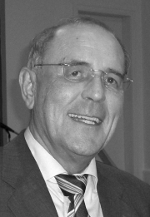 Gert Baumann合作论文数Klinik für Kardiologie, Angiologie und Intensivmedizin, Charité Universitätsmedizin Berlin40
 Ralf Ewert合作论文数Division of Cardiology and Pneumology, University of Greifswald37
 Winfried J. Randerath合作论文数Krankenhaus Bethanien Klinik für Lungen- und Bronchialerkrankungen33
 Joachim H. Ficker合作论文数31
 Michael Arzt合作论文数Center for Sleep Medicine, University of Regensburg31
 Ludger Grote合作论文数Department of Internal Medicine and Clinical Nutrition, University of Gothenburg31
 Jan Hedner合作论文数Department of Sleep Medicine, Sahlgrenska University Hospital28Anne Obst合作论文数28C. Schoebel合作论文数27Katharina Lederer合作论文数26
 Beate Stubbe合作论文数26
 Cameron Garcia合作论文数24
 Peter S. Young合作论文数22
 Henry Völzke合作论文数Institut für Community Medicine, Universitätsmedizin Greifswald;German Centre for Cardiovascular Research22
 Holger Woehrle合作论文数19
 Sandra Zimmermann合作论文数18Bernd Martin Sanner合作论文数18
 Jan W. Kantelhardt合作论文数Institut fur Theoretische17Christian Witt合作论文数16
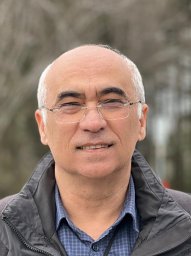 Babak Amra合作论文数Department of Internal Medicine;Isfahan University of Medical Sciences;Department of Internal Medicine, Isfahan University of Medical Sciences16holger hein合作论文数14M. Sebert合作论文数14
 Naima Laharnar合作论文数14Diecker Beate合作论文数14Carmen Garcia合作论文数13
 Christian Veauthier合作论文数13Berger Klaus合作论文数13
 Campbell Witt合作论文数Department of Clinical Immunology, Royal Perth Hospital;Healthy WA, Western Australian Department of Health;Fiona Stanley Hospital13
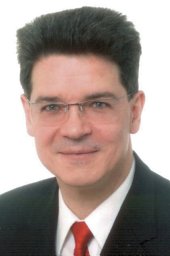 Niels Wessel合作论文数University of Potsdam12
 Ivar Roots合作论文数Institut für Klinische Pharmakologie und Toxikologie, Charité – Universitätsmedizin Berlin12Dalma Seboek Kinter合作论文数11Hans J Grabe合作论文数11Pawel Sliwinski合作论文数11Joachim T. Maurer合作论文数11K Diefenbach合作论文数10David Mayleben合作论文数10
 Matthew Salanitro合作论文数10Antoine Weihs合作论文数Univ Med Greifswald, Dept Psychiat & Psychotherapy, Greifswald, Germany10Graml Andrea合作论文数10Sommermeyer Dirk合作论文数10
 Sabil AbdelKébir合作论文数10
 Ding Zou合作论文数10Scott Pain合作论文数9D. Buck合作论文数9




