Rapid advancements of genome sequencing (GS) technologies have enhanced our understanding of the relationship between genes and human disease. To incorporate genomic information into the practice of medicine, new processes for the analysis, reporting, and communication of GS data are needed. Blood samples were collected from adults with a PCR-confirmed SARS-CoV-2 (COVID-19) diagnosis (target N = 1500). GS was performed. Data were filtered and analyzed using custom pipelines and gene panels. We developed unique patient-facing materials, including an online intake survey, group counseling presentation, and consultation letters in addition to a comprehensive GS report. The final report includes results generated from GS data: (1) monogenic disease risks; (2) carrier status; (3) pharmacogenomic variants; (4) polygenic risk scores for common conditions; (5) HLA genotype; (6) genetic ancestry; (7) blood group; and, (8) COVID-19 viral lineage. Participants complete pre-test genetic counseling and confirm preferences for secondary findings before receiving results. Counseling and referrals are initiated for clinically significant findings. We developed a genetic counseling, reporting, and return of results framework that integrates GS information across multiple areas of human health, presenting possibilities for the clinical application of comprehensive GS data in healthy individuals.
Objectives: Concepts related to SARS-CoV-2 laboratory testing and result interpretation can be challenging to understand. A cross-sectional survey of COVID-19 positive adults residing in Ontario, Canada was conducted to explore how well people understand SARS-CoV-2 laboratory tests and their associated results. Design and methods: Participants were recruited through fliers or by prospective recruitment of outpatients and hospitalized inpatients with COVID-19. Enrolled participants included consenting adults with a positive SARSCoV-2 polymerase chain reaction test result. An 11-item questionnaire was developed by researchers, nurses, and physicians in the study team and was administered online between April 2021 to May 2022 upon enrolment into the study.Results: Responses were obtained from 940 of 1106 eligible participants (85% participation rate). Most respondents understood 1) that antibody results should not influence adherence to social distancing measures (n = 602/888, 68%), 2) asymptomatic SARS-CoV-2 infection following test positivity (n = 698/888, 79%), 3) serological test sensitivity in relation to post-infection timeline (n = 540/891, 61%), and 4) limitations of experts' knowledge related to SARS-CoV-2 serology (n = 693/887, 78%). Conversely, respondents demonstrated challenges understanding 1) conflicting molecular and serological test results and their relationship with immune protection (n = 162/893, 18%) and 2) the impact of SARS-CoV-2 variants on vaccine effectiveness (n = 235/891, 26%). Analysis of responses stratified by sociodemographic variables identified that respondents who were either: 1) female, 2) more educated, 3) aged 18-44, 4) from a high-income household, or 5) healthcare workers responded expectedly more often. Conclusions: We have highlighted concepts related to SARS-CoV-2 laboratory tests and associated results which may be challenging to understand. The findings of this study enable us to identify 1) misconceptions related to various SARS-CoV-2 test results, 2) groups of individuals at risk, and 3) strategies to improve people's understanding of their test results.
DNA biobanks developed for COVID-19 research have the potential to discover medically actionable findings that may be relevant not only for identifying individuals at high risk for COVID-19 related disease, but that also predict genetic conditions for which prevention, treatment or management strategies may be available.
Genome sequencing (GS) can identify genetic factors that may influence variability in COVID-19 symptoms and outcomes. In this context, GS can also be used to screen for secondary findings (SF) about inherited predispositions to several other diseases. Attitudes towards the use of GS as a screening tool in the general Canadian population is limited, warranting exploration of individuals' uptake of SF, knowledge of GS, as well as attitudes toward healthcare and genetics. This study aims to: 1) Determine the uptake of SF (clinically actionable conditions, rare genetic conditions, carrier status, drug reactions, and polygenic risk scores for common conditions) from GS; 2) determine baseline attitudes toward genetics and healthcare; 3) assess the impact of pre-test genetic counseling (GC) interventions on GS knowledge; and, 4) assess the impact of learning SF on patient attitudes, feelings, health outcomes, and health behaviors.
 Jordan Chun Yiu Fung合作论文数6
 Marc Dagher合作论文数6Natasha Zarei合作论文数6Sunakshi Chowdhary合作论文数6Erika Frangione合作论文数6Seth Stern合作论文数6Greg Morgan合作论文数6Selina Casalino合作论文数6
 Chloe Mighton合作论文数Sinai Hlth, Lunenfeld Tanenbaum Res Inst6Zeeshan Khan合作论文数6Erin Bearss合作论文数6
 Ahmed K. Taher合作论文数Division of Emergency Medicine, University of Toronto;HiQuiPs;Toronto General Hospital Research Institute;Emergency Department, University Health Network;Emergency Department, Mackenzie Health6
 Luke Devine合作论文数Department of Medicine, Temerty Faculty of Medicine, University of Toronto;Division of General Internal Medicine, Mount Sinai Hospital6
 Jennifer Taher合作论文数Department of Laboratory Medicine and Pathobiology, Temerty Faculty of Medicine, University of Toronto6
 Jordan Lerner-Ellis合作论文数Department of Laboratory Medicine and Pathobiology, Temerty Faculty of Medicine, University of Toronto6
 Saranya Arnoldo合作论文数Department of Laboratory Medicine and Pathobiology, Temerty Faculty of Medicine, University of Toronto6Borgundvaag Bjug合作论文数Department of Emergency Medicine, University of Toronto6
 McLeod Shelley合作论文数Schwartz Reisman Emergency Med Inst6
 Allison McGeer合作论文数Department of Laboratory Medicine and Pathobiology, Temerty Faculty of Medicine, University of Toronto;Dalla Lana School of Public Health, University of Toronto6Alexandra Binnie合作论文数School of Pathology, Sir William Dunn;University of Oxford;Sir William Dunn School of Pathology, University of Oxford6
 Marc Clausen合作论文数6
 Yvonne Bombard合作论文数Institute of Health Policy, Management and Evaluation, University of Toronto6Elisa Lapadula合作论文数5Georgia MacDonald合作论文数5Monica Chung合作论文数5
 Hanna Faghfoury合作论文数Department of Paediatrics, Temerty Faculty of Medicine, University of Toronto;Mount Sinai Hospital;University Health Network5
 Trevor Pugh合作论文数Department of Medical Biophysics, Temerty Faculty of Medicine, University of Toronto;Princess Margaret Cancer Centre, University Health Network;Translational Genomics Laboratory, Ontario Institute for Cancer Research5
 Tony Mazzulli合作论文数Department of Laboratory Medicine and Pathobiology, Temerty Faculty of Medicine, University of Toronto5Lisa Strug合作论文数Department of Computer Science, Faculty of Arts and Science, University of Toronto5
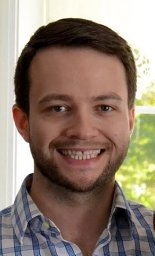 Goneau Lee W合作论文数Department of Microbiology and Immunology, Western University5
 Jared Simpson合作论文数Ontario Institute for Cancer Research;Department of Computer Science, University of Toronto5
 Anne-Claude Gingras合作论文数Lunenfeld Tanenbaum Research Institute, Mount Sinai Hospital;Department of Molecular Genetics, University of Toronto5S. Friedman合作论文数4David B Richardson合作论文数4Deepanjali Kaushik合作论文数3
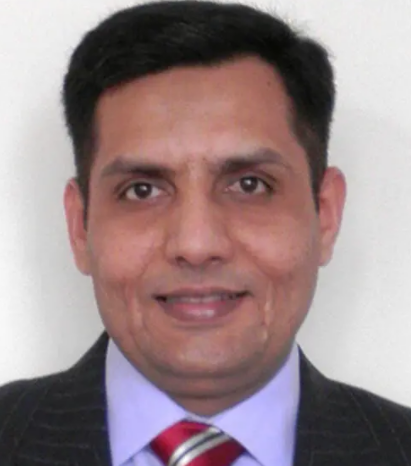 Abdul Noor合作论文数Department of Laboratory Medicine and Pathobiology, Temerty Faculty of Medicine, University of Toronto3
 Kolomietz Greenfeld合作论文数Department of Laboratory Medicine and Pathobiology, Temerty Faculty of Medicine, University of Toronto3Chertkow Howard合作论文数3Konika Nirmalanathan合作论文数2David Di Iorio合作论文数2Steven Marc Friedmen合作论文数2Navneet Aujla合作论文数2
 Laurent Briollais合作论文数Biostatistics Division, Dalla Lana School of Public Health, University of Toronto2
 Howard Chertkow合作论文数Institute of Medical Science, Temerty Faculty of Medicine, University of Toronto;Rotman Research Institute, Baycrest Centre;Kimel Centre for Brain Wellness, Baycrest Centre;Centre for Aging + Brain Health Innovation, Baycrest Centre2
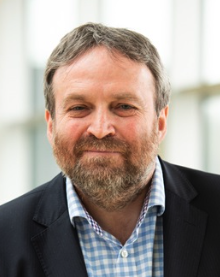 David Richardson合作论文数Microsoft2Tiffany Lu合作论文数1Linda Xu合作论文数1Limin Hao合作论文数1
 Harpreet Kaur合作论文数1




