Correlation between the levels of USP22 mRNA with that of ALDH1A3 mRNA in lung Adenocarcinoma tissues from TCGA portal
Knockdown of USP22 in A549, H1299, and H838 lung cancer cells significantly down-regulated ALDH1A3 mRNA expression in these cells
Correlation between the levels of CD133 (PROM1) mRNA with that of ALDH1A3 mRNA in lung adenocarcinoma tissues from TCGA portal
Abstract Homologous recombination (HR) is a highly conserved pathway that can facilitate the repair of DNA double-strand breaks (DSB). Several Deubiquitinases (DUB) have been implicated as key players in DNA damage repair (DDR) through HR. Here, we report USP22, a DUB that is highly overexpressed in multiple cancer types, is necessary for HR through a direct interaction with PALB2 through its C-terminal WD40 domain. This interaction stimulates USP22 catalytic activity in vitro. Furthermore, we show USP22 is necessary for BRCA2, PALB2, and Rad51 recruitment to DSBs and this is, in part, through USP22 stabilizing BRCA2 and PALB2 levels. Taken together, our results describe a role for USP22 in DNA repair. Implications: This research provides new and exciting mechanistic insights into how USP22 overexpression promotes chemoresistance in lung cancer. We believe this study, and others, will help aid in developing targeted drugs toward USP22 and known binding partners for lung cancer treatment.
DNA damage by environmental stressors and agents is a huge problem for cells and must be repaired quickly for the cell to maintain its integrity. Cells employ several repair pathways and mechanisms to rectify damaged DNA. Homologous Recombination (HR) repair comprises a series of pathways in a cell that can function to repair DNA double-stranded breaks (DSBs) through template-dependent mechanisms to preserve genomic integrity. Failure to repair DSBs can result in chromosomal loss, carcinogenesis, and apoptosis. Deubiquitylases (DUBs) are a family of proteases that cleave ubiquitin from proteins and have been implicated in several biological processes including tumor development, cell growth, cell cycle regulation, and signal transduction. There is a growing catalog of studies showing the vital role of DUB’s in the DNA Damage Response (DDR). But, given that there are over 100 DUBs in the human genome their functions in DDR have still not been fully fleshed out. Along with its role in antibody class switch repair, USP22 is a DUB that has been implicated as a putative oncogene with over-expression observed in various cancer types and is associated with a poor patient prognosis. Furthermore, over-expression of USP22 leads to cisplatin resistance in lung cancer cells strongly suggesting it plays in a vital role in DDR and chemoresistance in recurrent cancers. In this study we show USP22 is necessary for HR, localizes to sites of DNA damage, and is necessary for recruitment of the PALB2-BRCA2-Rad51 complex through stabilizing PALB2 protein levels. Lastly, we show USP22 directly binds to the WD40 domain of PALB2 and this binding stimulates USP22 catalytic activity. Taken together, these findings show a new and novel role of USP22 in the HR pathway. Note: This abstract was not presented at the meeting. Citation Format: Isaac K. Nardi, Jeremy Stark, Adrien Larsen, Dan Raz. USP22 directly interacts with PALB2 and is required for efficient homologous recombination of DNA double-strand breaks [abstract]. In: Proceedings of the American Association for Cancer Research Annual Meeting 2019; 2019 Mar 29-Apr 3; Atlanta, GA. Philadelphia (PA): AACR; Cancer Res 2019;79(13 Suppl):Abstract nr 1750.
Centromeres are specialized chromatin domains specified by the centromere-specific CENP-A nucleosome. The stable inheritance of vertebrate centromeres is an epigenetic process requiring deposition of new CENP-A nucleosomes by HJURP. We show HJURP is recruited to centromeres through a direct interaction between the HJURP centromere targeting domain and the Mis18α-β C-terminal coiled-coil domains. We demonstrate Mis18α and Mis18β form a heterotetramer through their C-terminal coiled-coil domains. Mis18α-β heterotetramer formation is required for Mis18BP1 binding and centromere recognition. S. pombe contains a single Mis18 isoform that forms a homotetramer, showing tetrameric Mis18 is conserved from fission yeast to humans. HJURP binding disrupts the Mis18α-β heterotetramer and removes Mis18α from centromeres. We propose stable binding of Mis18 to centromeres in telophase licenses them for CENP-A deposition. Binding of HJURP deposits CENP-A at centromeres and facilitates the removal of Mis18, restricting CENP-A deposition to a single event per cell cycle.
The Mis18 complex specifies the site of new CENP-A nucleosome assembly by recruiting the CENP-A-specific assembly factor HJURP (Holliday junction recognition protein). The human Mis18 complex consists of Mis18α, Mis18β, and Mis18 binding protein 1 (Mis18BP1/hsKNL2). Although Mis18α and Mis18β are highly homologous proteins, we find that their conserved YIPPEE domains mediate distinct interactions that are essential to link new CENP-A deposition to existing centromeres. We find that Mis18α directly interacts with the N terminus of Mis18BP1, whereas Mis18β directly interacts with CENP-C during G1 phase, revealing that these proteins have evolved to serve distinct functions in centromeres of higher eukaryotes. The N terminus of Mis18BP1, containing both the Mis18α and CENP-C binding domains, is necessary and sufficient for centromeric localization. Therefore, the Mis18 complex contains dual CENP-C recognition motifs that are combinatorially required to generate robust centromeric localization that leads to CENP-A deposition.
Chromosomal instability (CIN) is a common feature of most human neoplasms and was defined, in a seminal study by Vogelstein and colleagues [1], as persistently elevated rates of whole chromosome mis-segregation. Since then, it was shown that certain errors in mitosis, including defects in the spindle assembly checkpoint [2], sister chromatid cohesion [3], kinetochore-microtubule (kMT) attachments 4, 5, and centrosome number [6] can cause chromosome mis-segregation in the form of merotelically attached anaphase lagging chromosomes — chromosomes that lag behind at the spindle equator while all the other chromosomes move toward the spindle poles [7] (Figure 1A). A recent study has suggested that pre-mitotic replication stress generates partially replicated chromosomes during mitosis, and that this results in both numerical and structural chromosome abnormalities through the formation of chromosome bridges and acentric chromosome fragments during anaphase [8]. To determine whether whole chromosome instability in cancer cells is caused by defects originating in mitosis (lagging chromosomes) or from ones originating pre-mitotically (chromatin bridges and acentric fragments), we compared a variety of CIN+ to CIN- cells to determine the types of segregation defects that phenotypically distinguish CIN+ from CIN- cells and whose abrogation can rescue whole chromosomal instability.
Spindle assembly, establishment of kinetochore attachment, and sister chromatid separation must occur during mitosis in a highly coordinated fashion to ensure accurate chromosome segregation. In most vertebrate cells, the nuclear envelope must break down to allow interaction between microtubules of the mitotic spindle and the kinetochores. It was previously shown that nuclear envelope breakdown (NEB) is not coordinated with centrosome separation and that centrosome separation can be either complete at the time of NEB or can be completed after NEB. In this study, we investigated whether the timing of centrosome separation affects subsequent mitotic events such as establishment of kinetochore attachment or chromosome segregation. We used a combination of experimental and computational approaches to investigate kinetochore attachment and chromosome segregation in cells with complete versus incomplete spindle pole separation at NEB. We found that cells with incomplete spindle pole separation exhibit higher rates of kinetochore misattachments and chromosome missegregation than cells that complete centrosome separation before NEB. Moreover, our mathematical model showed that two spindle poles in close proximity do not "search" the entire cellular space, leading to formation of large numbers of syntelic attachments, which can be an intermediate stage in the formation of merotelic kinetochores.
Many cancer cells display a CIN (Chromosome Instability) phenotype, by which they exhibit high rates of chromosome loss or gain at each cell cycle. Over the years, a number of different mechanisms, including mitotic spindle multipolarity, cytokinesis failure, and merotelic kinetochore orientation, have been proposed as causes of CIN. However, a comprehensive theory of how CIN is perpetuated is still lacking. We used CIN colorectal cancer cells as a model system to investigate the possible cellular mechanism(s) underlying CIN. We found that CIN cells frequently assembled multipolar spindles in early mitosis. However, multipolar anaphase cells were very rare, and live-cell experiments showed that almost all CIN cells divided in a bipolar fashion. Moreover, fixed-cell analysis showed high frequencies of merotelically attached lagging chromosomes in bipolar anaphase CIN cells, and higher frequencies of merotelic attachments in multipolar vs. bipolar prometaphases. Finally, we found that multipolar CIN prometaphases typically possessed gamma-tubulin at all spindle poles, and that a significant fraction of bipolar metaphase/early anaphase CIN cells possessed more than one centrosome at a single spindle pole. Taken together, our data suggest a model by which merotelic kinetochore attachments can easily be established in multipolar prometaphases. Most of these multipolar prometaphase cells would then bi-polarize before anaphase onset, and the residual merotelic attachments would produce chromosome mis-segregation due to anaphase lagging chromosomes. We propose this spindle pole coalescence mechanism as a major contributor to chromosome instability in cancer cells.
The mitotic spindle self-assembles in prometaphase by a combination of centrosomal pathway, in which dynamically unstable microtubules search in space until chromosomes are captured, and a chromosomal pathway, in which microtubules grow from chromosomes and focus to the spindle poles. Quantitative mechanistic understanding of how spindle assembly can be both fast and accurate is lacking. Specifically, it is unclear how, if at all, chromosome movements and combining the centrosomal and chromosomal pathways affect the assembly speed and accuracy. We used computer simulations and high-resolution microscopy to test plausible pathways of spindle assembly in realistic geometry. Our results suggest that an optimal combination of centrosomal and chromosomal pathways, spatially biased microtubule growth, and chromosome movements and rotations is needed to complete prometaphase in 10–20 min while keeping erroneous merotelic attachments down to a few percent. The simulations also provide kinetic constraints for alternative error correction mechanisms, shed light on the dual role of chromosome arm volume, and compare well with experimental data for bipolar and multipolar HT-29 colorectal cancer cells.
 Dan J Raz合作论文数7
 Silkworth William T合作论文数6
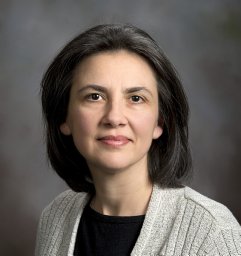 Daniela Cimini合作论文数University of Rome6
 Jami Wang合作论文数5Melissa Bonner合作论文数5Xinwei Yun合作论文数5Rajendra P. Pangeni合作论文数5
 Lu Yang (杨路)合作论文数Ningbo University School of Medicine5
 Jinhui Wang (王金辉)合作论文数Pharmacy School of Shihezi University5
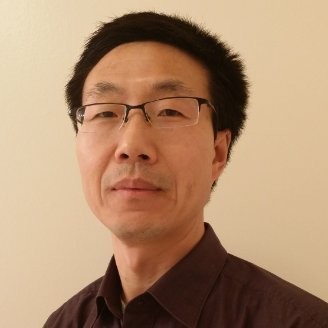 Keqiang Zhang合作论文数Division of Thoracic Surgery, City of Hope Medical Center5
 Ming Gao (高明)合作论文数Cancer Hospital, Tianjin Medical University;Nankai University4Adrien Larsen合作论文数2Lindsey M. Scholl合作论文数2
 Alexander Mogilner合作论文数Department of Biology, College of Arts & Science, New York University2
 Daniel R Foltz合作论文数Department of Biochemistry and Molecular Genetics, Feinberg School of Medicine, Northwestern University2Stellfox Madison E合作论文数2
 Paul Raja合作论文数Department of Solid State Physics, Indian Association for the Cultivation of Science2
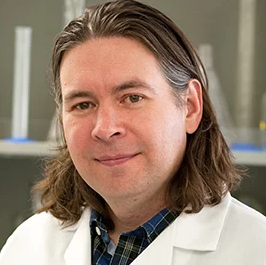 Jeremy Stark合作论文数City of Hope National Medical Center2
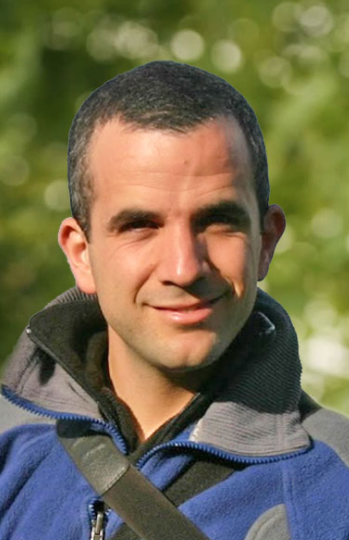 Roy Wollman合作论文数Department of Integrative Biology and Physiology, College of Life Sciences, University of California1
 Samuel Bakhoum合作论文数Cell & Developmental Biology, Weill Cornell Graduate School of Medical Sciences, Cornell University1
 Duane A. Compton合作论文数Department of Biochemistry and Cell Biology, Geisel School of Medicine, Dartmouth College1
 Ewelina Zasadzinska合作论文数Department of Biotechnology and Food Sciences, Lodz University of Technology1
 Ravi Salgia合作论文数Department of Medical Oncology and Therapeutics Research, City of Hope1
 Jun Wu (吴军)合作论文数Medical School, Shenzhen University;School of Pharmaceutical Sciences, Southern Medical University1
 Joshua M. Nicholson合作论文数Donner Laboratory, University of California Berkeley1




