Background: This study evaluated the utility of fluconazole disk diffusion on CHROMagar Candida Plus for differentiating Candidozyma auris from Candida parapsilosis. Methods: In this in vitro study, clinical isolates of both C. auris and C. parapsilosis were used. Antifungal susceptibility testing was performed via broth microdilution and disk diffusion with different fluconazole concentrations on both CHROMagar Candida Plus and RPMI agar. Colony color was also assessed. Results: This study demonstrates high categorical agreement between disk diffusion on CHROMagar Candida Plus and broth microdilution for both species. An optimal cut-off zone diameter of 10 mm was identified on CHROMagar Candida Plus with 50 µg fluconazole, providing 91% sensitivity and 90% specificity for differentiating the two species. Notably, at 24 h, 83 out of 88 (94.3%) C. auris isolates exhibited a bluish, blue-green, or turquoise coloration on the reverse side of the plate, suggesting that reverse-side colony color on CHROMagar may serve as a supportive phenotypic indicator when combined with disk diffusion testing, to differentiate C. auris from C. parapsilosis in the laboratory setting. Conclusions: Fluconazole disk diffusion on CHROMagar Candida Plus, supplemented by reverse-side colony coloration, offers a practical, low-cost adjunctive strategy to aid in the differentiation of C. auris and C. parapsilosis in clinical laboratories.
Fungal infections remain a major threat to human health, with non-albicans Candida (NAC) species causing more than half of all clinical cases and many strains gaining resistance to current treatments rapidly. Previously, N-arachidonoyl ethanolamine (anandamide, AEA) has been studied and shown to possess antibacterial and antifungal properties against various bacteria and Candida albicans. Given the previous findings, we aim here to expand the current preliminary research on AEA to investigate its antifungal activities against clinically relevant NAC species in vitro: Candida glabrata, Candida parapsilosis, and Candidaozyma auris. The minimum inhibitory concentration (MIC) and growth curve analysis determined planktonic inhibition. MTT metabolic assay and ATP production via BacTiter-Glo luminescence assay evaluated biofilm formation. Membrane fluidity, polarization and efflux pump activity were examined using fluorescence probes Laurdan, DiS-C3(3), and Rhodamine 6G, respectively. Reactive oxygen species (ROS) were assessed using DCFH-DA. Biofilm architecture and cell viability were analyzed by spinning disk confocal microscopy (SDCM). AEA reduced MIC values and slowed planktonic growth, while MTT and ATP assays demonstrated a pronounced dose-dependent reduction in biofilm metabolic activity. Membrane-targeted effects revealed increased fluidity and permeability at 125 µg/mL. Notably, AEA rapidly impaired efflux pump activity and induced intracellular ROS production. This effect was accompanied by reduced cell viability, increased proportions of PI-positive cells, and enhanced intracellular dye retention, as confirmed by SDCM. Together, these findings demonstrate that AEA exerts antifungal activity by disrupting membrane integrity and associated cellular functions and provide the first comparative characterization of species-specific membrane and oxidative stress responses to AEA across three major clinically relevant multidrug-resistant NAC species.
Background: Gardnerella vaginalis is a natural inhabitant of the vagina, but when an imbalance occurs in the vaginal microbiota, this bacterium can cause vaginosis, a condition that must be treated when symptomatic and prior to a gynecological intervention. Cannabidiol (CBD) is an anti-inflammatory compound that also has antibacterial activities against several Gram-positive and certain Gram-negative bacteria. Objectives: Since G. vaginalis is an opportunistic pathogenic Gram-variable bacterium, we investigated its response to CBD. Methods: The antibacterial activity of CBD was studied by broth dilution assay, changes in intracellular ATP levels, and the ability of bacteria to recover on chocolate agar plates. The antibiofilm activity was investigated by MTT metabolic assay, crystal violet staining, and HR-SEM. Flow cytometric analyses were performed to measure changes in membrane potential, membrane perforation, and metabolic activity. Reactive oxygen species (ROS) production was analyzed using the nitro blue tetrazolium (NBT) reagent. Gene expression was determined by semi-quantitative real-time PCR, while protein composition was determined by LC-MS/MS analysis. Results: We observed that G. vaginalis clinical isolates exhibited high susceptibility to CBD with a minimum inhibitory concentration (MIC) of 2.5 µg/mL CBD. CBD induced rapid membrane hyperpolarization and caused cytoplasmic leakage of ATP without increasing propidium iodide uptake. This was accompanied by reduced metabolic activity and loss of survivability. Proteomic analysis revealed decreased expression of some ribosomal-associated proteins. CBD exhibited antioxidant activity by reducing intracellular ROS levels in a dose-dependent manner. The antibacterial effect was neutralized by the free radical scavenger α-tocopherol, suggesting the involvement of radicals in executing the antibacterial effect. Importantly, CBD not only prevented the biofilm formation of G. vaginalis but also reduced the metabolic activity and biofilm biomass of preformed, mature biofilms. Real-time PCR analysis of G. vaginalis treated with CBD for 6 h showed an increase in the expression of biofilm-associated genes, suggesting that the antibiofilm activity of CBD is mainly due to its antibacterial effect. CBD did not alter the ability of G. vaginalis to adhere to HeLa cervical carcinoma cells and CBD-treated bacteria were still phagocytosed by RAW264.7 macrophages. Conclusions: Our study shows that CBD exhibits antibacterial and antibiofilm activities against G. vaginalis clinical isolates and is thus a potential drug for the treatment of vaginosis caused by this bacterium.
Streptococcus mutans (S. mutans) is a cariogenic bacterium in the oral cavity that plays a significant role in plaque formation and dental caries. In previous research by our group, we showed that the endocannabinoid anandamide (AEA) has anti-bacterial and anti-biofilm activities against S. mutans. Here, we aimed to investigate its effects on S. mutans through metabolomics analyses. S. mutans was cultivated in the absence or presence of AEA at a sub-minimum inhibitory concentration (MIC), and changes in metabolites and metabolic pathways were assessed through liquid chromatography–mass spectrometry (LC-MS). Treatment of S. mutans using AEA at 10 µg/mL significantly disturbed the glycolytic flux in the bacteria, which was indicated by a reduced glucose uptake into the cell, suppression of key glycolytic intermediates, reduced acid production into the media, imbalance of NAD+/NADH, and decreased adenosine triphosphate (ATP) production. The disruption of carbohydrate metabolism impacts critical cellular processes, including energy production, redox balance, and biosynthetic pathways, leading to metabolic stress and impaired cellular function. These results highlight the mode of action of AEA as an antimicrobial agent. Altogether, these findings suggest that AEA has potential as a novel antimicrobial agent in the development of therapeutics against S. mutans.
ABSTRACT The minimum inhibitory concentration (MIC) of echinocandins against Aspergillus spp. does not represent the actual inhibition threshold of echinocandins. Therefore, the recommended method to evaluate their activity is determining the minimum effective concentration (MEC) in broth microdilution, a method that is less common in clinical settings. This study aimed to assess a user-friendly commercial method, Sensititre YeastOne (SYO), to determine the effectiveness of echinocandins (caspofungin, anidulafungin and micafungin) against Aspergillus spp. Echinocandins MEC was determined against 23 isolates of Aspergillus spp. using SYO and the reference Clinical and Laboratory Standards Institute (CLSI) method. MECs were read with an inverted microscope and a reading mirror. Essential agreement (EA) between the tested methods was defined as a ±twofold dilution difference. There was a high EA (91%–100%) between the reference method and SYO in determining echinocandins MEC against Aspergillus isolates using inverted microscopy. A high EA was also observed between SYO MEC determined by inverted microscopy and a reading mirror, but different incubation times were required. SYO is a reliable, simple method for determining the MEC of echinocandins against Aspergillus isolates, preferably with an inverted microscope, and can be easily used in clinical laboratories when echinocandin susceptibility testing is required.IMPORTANCEUsing a commercial method such as Sensititre YeastOne (SYO) to determine the minimum effective concentration (MEC) of echinocandins against Aspergillus spp. has been shown to be a reliable alternative to the Clinical and Laboratory Standards Institute (CLSI) reference method. This makes it more suitable for high-volume clinical laboratories. SYO provides accurate results comparable to the standard method and could potentially improve patient care by guiding more optimal antifungal treatment choices for patients with Aspergillus infections.
Dematiaceous fungi are pigmented molds with a high content of melanin in their cell walls that can cause fatal infections in immunocompromised hosts. Direct microscopy is the main method for the rapid diagnosis of dematiaceous fungi in clinical specimens. However, it is often difficult to distinguish their hyphae from non-dematiaceous hyphae and yeast pseudohyphae. Our aim was to develop a fluorescence staining method that targets melanin for the detection of dematiaceous molds in clinical specimens. Glass slide smears of clinical samples and sterile bronchoalveolar lavage spiked with dematiaceous and non-dematiaceous fungi were treated with hydrogen peroxide, and digital images were recorded using direct microscopy with different fluorescent filters. The images of fungi were compared for their fluorescence intensity using the NIS-Elements software. The fluorescent signal between dematiaceous and non-dematiaceous fungi demonstrated a markedly increased mean intensity for dematiaceous molds following hydrogen peroxide treatment (7510.3 ± 10,427.6 vs. 0.3 ± 3.1, respectively, p < 0.0001). No fluorescent signal was detected in the absence of hydrogen peroxide. "Staining" fungal clinical specimens with hydrogen peroxide, followed by fluorescence microscopy examination, can differentiate between dematiaceous and non-dematiaceous fungi. This finding can be used for the detection of dematiaceous molds in clinical specimens and enables the early and appropriate treatment of infections.
Streptococcus mutans is a cariogenic bacterium in the oral cavity involved in plaque formation and dental caries. The endocannabinoid anandamide (AEA), a naturally occurring bioactive lipid, has been shown to have anti-bacterial and anti-biofilm activities against Staphylococcus aureus. We aimed here to study its effects on S. mutans viability, biofilm formation and extracellular polysaccharide substance (EPS) production. S. mutans were cultivated in the absence or presence of various concentrations of AEA, and the planktonic growth was followed by changes in optical density (OD) and colony-forming units (CFU). The resulting biofilms were examined by MTT metabolic assay, Crystal Violet (CV) staining, spinning disk confocal microscopy (SDCM) and high-resolution scanning electron microscopy (HR-SEM). The EPS production was determined by Congo Red and fluorescent dextran staining. Membrane potential and membrane permeability were determined by diethyloxacarbocyanine iodide (DiOC2(3)) and SYTO 9/propidium iodide (PI) staining, respectively, using flow cytometry. We observed that AEA was bactericidal to S. mutans at 12.5 µg/mL and prevented biofilm formation at the same concentration. AEA reduced the biofilm thickness and biomass with concomitant reduction in total EPS production, although there was a net increase in EPS per bacterium. Preformed biofilms were significantly affected at 50 µg/mL AEA. We further show that AEA increased the membrane permeability and induced membrane hyperpolarization of these bacteria. AEA caused S. mutans to become elongated at the minimum inhibitory concentration (MIC). Gene expression studies showed a significant increase in the cell division gene ftsZ. The concentrations of AEA needed for the anti-bacterial effects were below the cytotoxic concentration for normal Vero epithelial cells. Altogether, our data show that AEA has anti-bacterial and anti-biofilm activities against S. mutans and may have a potential role in preventing biofilms as a therapeutic measure.
A total of 476 European isolates (310 Cryptococcus neoformans var. grubii, 150 C. neoformans var. neoformans, and 16 C. gattii species complex) from both clinical and environmental sources were analyzed by multi-locus sequence typing. Phylogenetic and population genetic analyses were performed. Sequence analysis identified 74 sequence types among C. neoformans var. neoformans (VNIV), 65 among C. neoformans var. grubii (56 VNI, 8 VNII, 1 VNB), and 5 among the C. gattii species complex (4 VGI and 1 VGIV) isolates. ST23 was the most frequent genotype (22%) among VNI isolates which were mostly grouped in a large clonal cluster including 50% of isolates. Among VNIV isolates, a predominant genotype was not identified. A high percentage of autochthonous STs were identified in both VNI (71%) and VNIV (96%) group of isolates. The 16 European C. gattii species complex isolates analyzed in the present study originated all from the environment and all belonged to a large cluster endemic in the Mediterranean area. Population genetic analysis confirmed that VNI group of isolates were characterized by low variability and clonal expansion while VNIV by a higher variability and a number of recombination events. However, when VNI and VNIV environmental isolates were compared, they showed a similar population structure with a high percentage of shared mutations and the absence of fixed mutations. Also linkage disequilibrium analysis reveals differences between clinical and environmental isolates showing a key role of PLB1 allele combinations in host infection as well as the key role of LAC1 allele combinations for survival of the fungus in the environment. The present study shows that genetic comparison of clinical and environmental isolates represents a first step to understand the genetic characteristics that cause the shift of some genotypes from a saprophytic to a parasitic life style.
Changes in the interpretive-breakpoints for antifungals against various Candida species have raised the need to examine the significance of the phenomenon of the growth of microcolonies in agar diffusion inhibition zones, which has generally been considered negligible. The objective was to determine the incidence of cases in which microcolonies demonstrate fluconazole resistance according to current interpretive-breakpoints and whether their growth is associated with therapeutic failure. The fluconazole minimum inhibitory concentrations (MICs) of 100 blood culture isolates of Candida were performed by E-test on Roswell Park Memorial Institute (RPMI) agar and examined for the appearance of microcolonies. Fluconazole MICs of microcolonies were then determined over three generations. The significance of the phenomenon of microcolonies was determined according to clinical data retrieved from electronic files. Microcolonies were a common phenomenon among Candida isolates following incubation on RPMI agar, with a higher frequency among C. albicans isolates as compared to non-albicans Candida across generations (57-93% vs 31-93%, respectively) and a similar fluconazole susceptibility rate over three generations. The rate of microcolonies was similar in both patients with successful and unsuccessful outcome (41% vs 42%, respectively). Microcolonies are a common phenomenon. No increase in MIC was demonstrated throughout three generations of microcolony inoculation on RPMI, and no difference in clinical outcome was observed.
Fundamental niche prediction of Cryptococcus neoformans and Cryptococcus gattii in Europe is an important tool to understand where these pathogenic yeasts have a high probability to survive in the environment and therefore to identify the areas with high risk of infection. In this study, occurrence data for C. neoformans and C. gattii were compared by MaxEnt software with several bioclimatic conditions as well as with soil characteristics and land use. The results showed that C. gattii distribution can be predicted with high probability along the Mediterranean coast. The analysis of variables showed that its distribution is limited by low temperatures during the coldest season, and by heavy precipitations in the driest season. C. neoformans var. grubii is able to colonize the same areas of C. gattii but is more tolerant to cold winter temperatures and summer precipitations. In contrast, the C. neoformans var. neoformans map was completely different. The best conditions for its survival were displayed in sub-continental areas and not along the Mediterranean coasts. In conclusion, we produced for the first time detailed prediction maps of the species and varieties of the C. neoformans and C. gattii species complex in Europe and Mediterranean area.
Biofilm formation by microorganisms depends on their communication by quorum sensing, which is mediated by small diffusible signaling molecules that accumulate in the extracellular environment. During human infection, the pathogenic yeast Cryptococcus neoformans can form biofilm on medical devices, which protects the organism and increases its resistance to antifungal agents. The aim of this study was to test two novel heterocyclic compounds, S-8 (thiazolidinedione derivative, TZD) and NA-8 (succinimide derivative, SI), for their anti-biofilm activity against strains of Cryptococcus neoformans and Cryptococcus gattii. Biofilms were formed in a defined medium in 96-well polystyrene plates and 8-well micro-slides. The effect of sub-inhibitory concentrations of S-8 and NA-8 on biofilm formation was measured after 48 h by a metabolic reduction assay and by confocal laser microscopy analysis using fluorescent staining. The formation and development of cryptococcal biofilms was inhibited significantly by these compounds in concentrations below the minimum inhibitory concentration (MIC) values. These compounds may have a potential role in preventing fungal biofilm development on indwelling medical devices or even as a therapeutic measure after the establishment of biofilm.
Cryptococcosis is a major fungal disease caused by members of the Cryptococcus gattii and Cryptococcus neoformans species complexes. After more than 15 years of molecular genetic and phenotypic studies and much debate, a proposal for a taxonomic revision was made. The two varieties within C. neoformans were raised to species level, and the same was done for five genotypes within C. gattii. In a recent perspective (K. J. Kwon-Chung et al., mSphere 2:e00357-16, 2017, https://doi.org/10.1128/mSphere.00357-16), it was argued that this taxonomic proposal was premature and without consensus in the community. Although the authors of the perspective recognized the existence of genetic diversity, they preferred the use of the informal nomenclature "C. neoformans species complex" and "C. gattii species complex." Here we highlight the advantage of recognizing these seven species, as ignoring these species will impede deciphering further biologically and clinically relevant differences between them, which may in turn delay future clinical advances.
In order to elucidate the distribution of Cryptococcus neoformans and C. gattii in the Mediterranean basin, an extensive environmental survey was carried out during 2012-2015. A total of 302 sites located in 12 countries were sampled, 6436 samples from 3765 trees were collected and 5% of trees were found to be colonized by cryptococcal yeasts. Cryptococcus neoformans was isolated from 177 trees and C. gattii from 13. Cryptococcus neoformans colonized 27% of Ceratonia, 10% of Olea, Platanus and Prunus trees and a lower percentage of other tree genera. The 13 C. gattii isolates were collected from five Eucalyptus, four Ceratonia, two Pinus and two Olea trees. Cryptococcus neoformans was distributed all around the Mediterranean basin, whereas C. gattii was isolated in Greece, Southern Italy and Spain, in agreement with previous findings from both clinical and environmental sources. Among C. neoformans isolates, VNI was the prevalent molecular type but VNII, VNIV and VNIII hybrid strains were also isolated. With the exception of a single VGIV isolate, all C. gattii isolates were VGI. The results confirmed the presence of both Cryptococcus species in the Mediterranean environment, and showed that both carob and olive trees represent an important niche for these yeasts.
The purpose of this paper was to investigate the aggregation of amphotericin B (AMB) and AMB-arabinogalactan conjugate (AMB-AGC), and the interactions of these drugs with free and membrane-embedded sterols. Aggregation of AMB and AMB-AGC was studied by circular dichroic (CD) and UV absorbance spectroscopic techniques. The effect of liposomes on the spectra was utilized to investigate the interactions of aggregates with membrane-embedded sterols. Interaction with free sterols was studied by measuring sterols' effect on AMB/AMB-AGC susceptibility test. The results demonstrated that AMB-AGC forms unique aggregates in aqueous solution which differ from those formed by free AMB. Ergosterol and cholesterol embedded in liposomes, affected the CD spectra obtained for both AMB and AMB-AGC, indicating interactions of these sterols with both drugs. Interaction with both cholesterol and ergosterol resulted in an increase of AMB-AGC's minimal inhibitory concentration (MIC) in Candida albicans. In conclusion, AMB-AGC forms unique aggregates in aqueous solution; these aggregates interact with membrane-embedded cholesterol and ergosterol and with free sterols. These results indicate that the selectivity of AMB-AGC to fungal cells may not occur due to inability to bind cholesterol but probably as a result of this unique aggregation. Understanding this mechanism may help to develop a safer AMB formulation for therapy.
In order to elucidate the distribution of Cryptococcus neoformans and C. gattii in the Mediterranean basin, an extensive environmental survey was carried out during 2012–2015. A total of 302 sites located in 12 countries were sampled, 6436 samples from 3765 trees were collected and 5% of trees were found to be colonized by cryptococcal yeasts. Cryptococcus neoformans was isolated from 177 trees and C. gattii from 13. Cryptococcus neoformans colonized 27% of Ceratonia, 10% of Olea, Platanus and Prunus trees and a lower percentage of other tree genera. The 13 C. gattii isolates were collected from five Eucalyptus, four Ceratonia, two Pinus and two Olea trees. Cryptococcus neoformans was distributed all around the Mediterranean basin, whereas C. gattii was isolated in Greece, Southern Italy and Spain, in agreement with previous findings from both clinical and environmental sources. Among C. neoformans isolates, VNI was the prevalent molecular type but VNII, VNIV and VNIII hybrid strains were also isolated. With the exception of a single VGIV isolate, all C. gattii isolates were VGI. The results confirmed the presence of both Cryptococcus species in the Mediterranean environment, and showed that both carob and olive trees represent an important niche for these yeasts.
Summary Background Despite the increase in fungal isolates, the significance of chronic Candida albicans airway colonization in CF is unclear. Aim To investigate the impact of C. albicans airway colonization on CF disease severity. Methods Longitudinal analysis of clinical data from CF patients followed during 2003–2009 at our CF center. Patients were stratified based on their C. albicans colonization status – chronic, intermittent, and none. Results A total of 4,244 cultures were obtained from 91 patients (mean age 19.7 years, range 5–68). The three colonization groups were similar in age, gender,and body mass index (BMI). Compared to the non‐colonized group (n = 27, 30%), the chronic C. albicans colonization group (n = 34, 37%), had a significantly lower FEV 1 percent predicted (74.3 ± 23.1% vs. 93.9% ± 22.2) with a higher annual rate of FEV 1 decline (− 1.9 ± 4.2% vs. 0.7 ± 4.5%). The patients who were intermittently colonized with C. albicans had intermediate values. Conclusions Chronic respiratory colonization of C. albicans is associated with worsening of FEV 1 in CF. Prospective studies are needed to confirm this finding and to corroborate whether indeed C. albicans drives a deleterious lung phenotype. Pediatr Pulmonol. 2015; 50:1082–1089. © 2015 Wiley Periodicals, Inc.
Phylogenetic analysis of 11 genetic loci and results from many genotyping studies revealed significant genetic diversity with the pathogenic Cryptococcus gattii/Cryptococcus neoformans species complex. Genealogical concordance, coalescence-based, and species tree approaches supported the presence of distinct and concordant lineages within the complex. Consequently, we propose to recognize the current C. neoformans var. grubii and C. neoformans var. neoformans as separate species, and five species within C. gattii. The type strain of C. neoformans CBS132 represents a serotype AD hybrid and is replaced. The newly delimited species differ in aspects of pathogenicity, prevalence for patient groups, as well as biochemical and physiological aspects, such as susceptibility to antifungals. MALDI-TOF mass spectrometry readily distinguishes the newly recognized species.
The fungal meningitis pathogen Cryptococcus neoformans is a central driver of mortality in HIV/AIDS. We report a genome-scale chemical genetic data map for this pathogen that quantifies the impact of 439 small-molecule challenges on 1,448 gene knockouts. We identified chemical phenotypes for 83% of mutants screened and at least one genetic response for each compound. C. neoformans chemical-genetic responses are largely distinct from orthologous published profiles of Saccharomyces cerevisiae, demonstrating the importance of pathogen-centered studies. We used the chemical-genetic matrix to predict novel pathogenicity genes, infer compound mode of action, and to develop an algorithm, O2M, that predicts antifungal synergies. These predictions were experimentally validated, thereby identifying virulence genes, a molecule that triggers G2/M arrest and inhibits the Cdc25 phosphatase, and many compounds that synergize with the antifungal drug fluconazole. Our work establishes a chemical-genetic foundation for approaching an infection responsible for greater than one-third of AIDS-related deaths.
With interest, we read the paper by Korem et al. describing a case of Exserohilum rostratum sinusitis from which serum galactomannan (GM) levels were elevated upon diagnosis ([1][1]). They further demonstrated that the extract of the E. rostratum clinical isolate yielded positive GM results
 Abraham J. Domb合作论文数Institute for Drug Research, School of Pharmacy, Faculty of Medicine, Hebrew University of Jerusalem16
 Rama Falk合作论文数15Maya Korem合作论文数13
 Teun Boekhout合作论文数College of Science, King Saud University12Sarah Kagan合作论文数9
 Edward Sionov合作论文数Institute of Postharvest and Food Sciences, Volcani Institute8Bart Theelen合作论文数Eindhoven University of Technology
Faculty of Electrical Engineering
Information and Communication Systems Group8
Edward Sionov合作论文数Institute of Postharvest and Food Sciences, Volcani Institute8Bart Theelen合作论文数Eindhoven University of Technology
Faculty of Electrical Engineering
Information and Communication Systems Group8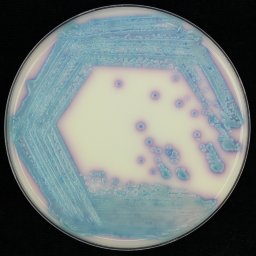 Ferry Hagen合作论文数Fungal Biodiversity Center, CBS-KNAW8R Evron合作论文数7Uri Zehavi合作论文数7Mervyn Shapiro合作论文数7I F Salkin合作论文数6
 Doron Steinberg合作论文数Biofilm Research Laboratory, Hadassah School of Dental Medicine, The Hebrew University of Jerusalem6Michael Naim合作论文数6Simon Benita合作论文数6
 Wieland Meyer合作论文数Faculty of Medicine and Health, The University of Sydney5
 Yechezkel (Chezy) Barenholz合作论文数Liposome and Membrane Research Lab, Hadassah Medical School, Hebrew University of Jerusalem;Department of Biochemistry, Hadassah Medical School, Hebrew University of Jerusalem5
 Maria Francisca Colom Valiente合作论文数Facultad de Medicina, Universidad Miguel Hernández5
 Ana Sampaio合作论文数CETAV - Departamento de Engenharia Biológica e Ambiental, University of Trás-os-Montes e5Jacob Strahilevitz合作论文数5Sébastien Bertout合作论文数5Shimon Farber合作论文数5Ana C.F. Vencà合作论文数4Mohamed S. Ellabib合作论文数4E Segal合作论文数Department of Anesthesiology and Critical Care, Assuta Medical Center4
 Nilgun Cerikcioglu合作论文数4
 Joao P. S. Inacio合作论文数Sch Pharm & Biomol Sci, Univ Brighton4
 Sevim Akcaglar合作论文数School of Medicine, Uludag University4Ferreira-Paim Kennio合作论文数Infectious and Parasitic Diseases Unit and Parasitology Unit, Federal University of Triangulo Mineiro4
 Montagna Maria Teresa合作论文数4
 Cagrı Ergin合作论文数Faculty of Medicine, Pamukkale University4Semis R合作论文数Sackler School of Medicine, Tel Aviv University;Department of Immunology, Beckman Research Institute4Ickowicz Diana合作论文数4
 Esther Segal合作论文数4
 Vincenzo Pasquale合作论文数Settore di Geofisica, Università di Genova4
 Cristina Macci合作论文数Institute of Ecosystem Study (ISE), CNR Via Moruzzi 1 56124 Pisa Italy4Ludovico Dipineto合作论文数4
 Massimo Cogliati合作论文数4
 Dana G. Wolf合作论文数Clinical Virology Unit, Hadassah University Hospital4Laura Trovato合作论文数Department of microbiology of University, Catania, Italy4Serdar Susever合作论文数4
 Luigi Vezzulli合作论文数Department of Biology, University of Genova4Volker Rickerts合作论文数4Simona Nardoni合作论文数4
 Aristea Velegraki合作论文数Dept Microbiol, Natl & Kapodistrian Univ Athens4
 Giuseppe Criseo合作论文数4
 Macit Ilkit合作论文数Faculty of Medicine, University of Cukurova4Anna Marchese合作论文数Dipartimento di Scienze Chirurgiche e Diagnostiche Integrate, Università di Genova;Policlinico San Martino4
 Antonella De Donno合作论文数Faculty of Sciences, University of Salento4




