Systematic complex genetic interaction studies have provided insight into high-order functional redundancies and genetic network wiring of the cell. Here, we describe a method for screening and quantifying trigenic interactions from ordered arrays of yeast strains grown on agar plates as individual colonies. The protocol instructs users on the trigenic synthetic genetic array analysis technique, τ-SGA, for high-throughput screens. The steps describe construction of the double-mutant query strains and the corresponding single-mutant control query strains, which are screened in parallel in two replicates. The screening experimental set-up consists of sequential replica-pinning steps that enable automated mating, meiotic recombination and successive haploid selection steps for the generation of triple mutants, which are scored for colony size as a proxy for fitness, which enables the calculation of trigenic interactions. The procedure described here was used to conduct 422 trigenic interaction screens, which generated ~460,000 yeast triple mutants for trigenic interaction analysis. Users should be familiar with robotic equipment required for high-throughput genetic interaction screens and be proficient at the command line to execute the scoring pipeline. Large-scale screen computational analysis is achieved by using MATLAB pipelines that score raw colony size data to produce τ-SGA interaction scores. Additional recommendations are included for optimizing experimental design and analysis of smaller-scale trigenic interaction screens by using a web-based analysis system, SGAtools. This protocol provides a resource for those who would like to gain a deeper, more practical understanding of trigenic interaction screening and quantification methodology.
Fungal pathogens pose a global threat to human health, with Candida albicans among the leading killers. Systematic analysis of essential genes provides a powerful strategy to discover potential antifungal targets. Here, we build a machine learning model to generate genome-wide gene essentiality predictions for C. albicans and expand the largest functional genomics resource in this pathogen (the GRACE collection) by 866 genes. Using this model and chemogenomic analyses, we define the function of three uncharacterized essential genes with roles in kinetochore function, mitochondrial integrity, and translation, and identify the glutaminyl-tRNA synthetase Gln4 as the target of N-pyrimidinyl-β-thiophenylacrylamide (NP-BTA), an antifungal compound.
Phenotypes associated with genetic variants can be altered by interactions with other genetic variants (GxG), with the environment (GxE), or both (GxGxE). Yeast genetic interactions have been mapped on a global scale, but the environmental influence on the plasticity of genetic networks has not been examined systematically. To assess environmental rewiring of genetic networks, we examined 14 diverse conditions and scored 30,000 functionally representative yeast gene pairs for dynamic, differential interactions. Different conditions revealed novel differential interactions, which often uncovered functional connections between distantly related gene pairs. However, the majority of observed genetic interactions remained unchanged in different conditions, suggesting that the global yeast genetic interaction network is robust to environmental perturbation and captures the fundamental functional architecture of a eukaryotic cell.
Whole-genome duplication has played a central role in the genome evolution of many organisms, including the human genome. Most duplicated genes are eliminated, and factors that influence the retention of persisting duplicates remain poorly understood. We describe a systematic complex genetic interaction analysis with yeast paralogs derived from the whole-genome duplication event. Mapping of digenic interactions for a deletion mutant of each paralog, and of trigenic interactions for the double mutant, provides insight into their roles and a quantitative measure of their functional redundancy. Trigenic interaction analysis distinguishes two classes of paralogs: a more functionally divergent subset and another that retained more functional overlap. Gene feature analysis and modeling suggest that evolutionary trajectories of duplicated genes are dictated by combined functional and structural entanglement factors.
Precise discrimination of tumor from normal tissues remains a major roadblock for therapeutic efficacy of chimeric antigen receptor (CAR) T cells. Here, we perform a comprehensive in silico screen to identify multi-antigen signatures that improve tumor discrimination by CAR T cells engineered to integrate multiple antigen inputs via Boolean logic, e.g., AND and NOT. We screen >2.5 million dual antigens and ∼60 million triple antigens across 33 tumor types and 34 normal tissues. We find that dual antigens significantly outperform the best single clinically investigated CAR targets and confirm key predictions experimentally. Further, we identify antigen triplets that are predicted to show close to ideal tumor-versus-normal tissue discrimination for several tumor types. This work demonstrates the potential of 2- to 3-antigen Boolean logic gates for improving tumor discrimination by CAR T cell therapies. Our predictions are available on an interactive web server resource (antigen.princeton.edu).
Systematic experimental approaches have led to construction of comprehensive genetic and protein-protein interaction networks for the budding yeast, Saccharomyces cerevisiae. Genetic interactions capture functional relationships between genes using phenotypic readouts, while protein-protein interactions identify physical connections between gene products. These complementary, and largely non-overlapping, networks provide a global view of the functional architecture of a cell, revealing general organizing principles, many of which appear to be evolutionarily conserved. Here, we focus on insights derived from the integration of large-scale genetic and protein-protein interaction networks, highlighting principles that apply to both unicellular and more complex systems, including human cells. Network integration reveals fundamental connections involving key functional modules of eukaryotic cells, defining a core network of cellular function, which could be elaborated to explore cell-type specificity in metazoans.
Trigenic interactions in yeast link bioprocesses To dissect the genotype-phenotype landscape of a cell, it is necessary to understand interactions between genes. Building on the digenic protein-protein interaction network, Kuzmin et al. created a trigenic landscape of yeast by using a synthetic genetic array (see the Perspective by Walhout). Triple-mutant analyses indicated that the majority of genes with trigenic associations functioned within the same biological processes. These converged on networks identified in the digenic interaction landscape. Although the overall effects were weaker for trigenic than for digenic interactions, trigenic interactions were more likely to bridge biological processes in the cell. Science , this issue p. eaao1729 ; see also p. 269
Genetic interactions have been reported to underlie phenotypes in a variety of systems, but the extent to which they contribute to complex disease in humans remains unclear. In principle, genome-wide association studies (GWAS) provide a platform for detecting genetic interactions, but existing methods for identifying them from GWAS data tend to focus on testing individual locus pairs, which undermines statistical power. Importantly, a global genetic network mapped for a model eukaryotic organism revealed that genetic interactions often connect genes between compensatory functional modules in a highly coherent manner. Taking advantage of this expected structure, we developed a computational approach called BridGE that identifies pathways connected by genetic interactions from GWAS data. Applying BridGE broadly, we discover significant interactions in Parkinson’s disease, schizophrenia, hypertension, prostate cancer, breast cancer, and type 2 diabetes. Our novel approach provides a general framework for mapping complex genetic networks underlying human disease from genome-wide genotype data.
Providing access to quantitative genomic data is key to ensure large-scale data validation and promote new discoveries. TheCellMap. org serves as a central repository for storing and analyzing quantitative genetic interaction data produced by genome-scale Synthetic Genetic Array (SGA) experiments with the budding yeast Saccharomyces cerevisiae. In particular, TheCellMap. org allows users to easily access, visualize, explore, and functionally annotate genetic interactions, or to extract and reorganize subnetworks, using data-driven network layouts in an intuitive and interactive manner.
Genetic suppression occurs when the phenotypic defects caused by a mutation in a particular gene are rescued by a mutation in a second gene. To explore the principles of genetic suppression, we examined both literature-curated and unbiased experimental data, involving systematic genetic mapping and whole-genome sequencing, to generate a large-scale suppression network among yeast genes. Most suppression pairs identified novel relationships among functionally related genes, providing new insights into the functional wiring diagram of the cell. In addition to suppressor mutations, we identified frequent secondary mutations,in a subset of genes, that likely cause a delay in the onset of stationary phase, which appears to promote their enrichment within a propagating population. These findings allow us to formulate and quantify general mechanisms of genetic suppression.
We generated a global genetic interaction network for Saccharomyces cerevisiae, constructing more than 23 million double mutants, identifying about 550,000 negative and about 350,000 positive genetic interactions. This comprehensive network maps genetic interactions for essential gene pairs, highlighting essential genes as densely connected hubs. Genetic interaction profiles enabled assembly of a hierarchical model of cell function, including modules corresponding to protein complexes and pathways, biological processes, and cellular compartments. Negative interactions connected functionally related genes, mapped core bioprocesses, and identified pleiotropic genes, whereas positive interactions often mapped general regulatory connections among gene pairs, rather than shared functionality. The global network illustrates how coherent sets of genetic interactions connect protein complex and pathway modules to map a functional wiring diagram of the cell.
The fungal meningitis pathogen Cryptococcus neoformans is a central driver of mortality in HIV/AIDS. We report a genome-scale chemical genetic data map for this pathogen that quantifies the impact of 439 small-molecule challenges on 1,448 gene knockouts. We identified chemical phenotypes for 83% of mutants screened and at least one genetic response for each compound. C. neoformans chemical-genetic responses are largely distinct from orthologous published profiles of Saccharomyces cerevisiae, demonstrating the importance of pathogen-centered studies. We used the chemical-genetic matrix to predict novel pathogenicity genes, infer compound mode of action, and to develop an algorithm, O2M, that predicts antifungal synergies. These predictions were experimentally validated, thereby identifying virulence genes, a molecule that triggers G2/M arrest and inhibits the Cdc25 phosphatase, and many compounds that synergize with the antifungal drug fluconazole. Our work establishes a chemical-genetic foundation for approaching an infection responsible for greater than one-third of AIDS-related deaths.
Background: Genome-wide sensitivity screens in yeast have been immensely popular following the construction of a collection of deletion mutants of non-essential genes. However, the auxotrophic markers in this collection preclude experiments on minimal growth medium, one of the most informative metabolic environments. Here we present quantitative growth analysis for mutants in all 4,772 non-essential genes from our prototrophic deletion collection across a large set of metabolic conditions.Results: The complete collection was grown in environments consisting of one of four possible carbon sources paired with one of seven nitrogen sources, for a total of 28 different well-defined metabolic environments. The relative contributions to mutants' fitness of each carbon and nitrogen source were determined using multivariate statistical methods. The mutant profiling recovered known and novel genes specific to the processing of nutrients and accurately predicted functional relationships, especially for metabolic functions. A benchmark of genome-scale metabolic network modeling is also given to demonstrate the level of agreement between current in silico predictions and hitherto unavailable experimental data.Conclusions: These data address a fundamental deficiency in our understanding of the model eukaryote Saccharomyces cerevisiae and its response to the most basic of environments. While choice of carbon source has the greatest impact on cell growth, specific effects due to nitrogen source and interactions between the nutrients are frequent. We demonstrate utility in characterizing genes of unknown function and illustrate how these data can be integrated with other whole-genome screens to interpret similarities between seemingly diverse perturbation types.
 Chad L. Myers合作论文数Department of Computer Science and Engineering, College of Science and Engineering, University of Minnesota26
 Charles Boone合作论文数Donnelly Centre for Cellular and Biomolecular Research, Temerty Faculty of Medicine, University of Toronto;Department of Molecular Genetics, University of Toronto22
 Michael Costanzo合作论文数The Donnelly Centre, University of Toronto21
 Brenda Andrews合作论文数Department of Molecular Genetics, Temerty Faculty of Medicine, University of Toronto;Donnelly Centre for Cellular & Biomolecular Research, Temerty Faculty of Medicine, University of Toronto19
 Anastasia Baryshnikova合作论文数The Donnelly Centre, University of Toronto11
 Kuzmin Elena合作论文数The Department of Molecular Genetics, University of Toronto9Matej Usaj合作论文数9
 Wen Wang合作论文数8
 Deshpande Raamesh合作论文数Department of Computer Science and Engineering, University of Minnesota - Twin Cities8Zhen-Yuan Lin合作论文数6
 Elizabeth Koch合作论文数6
 van Leeuwen Jolanda S合作论文数Department of Chemistry and Pharmaceutical Sciences, VU University Amsterdam6Nelson Justin合作论文数Department of Computer Science and Engineering, University of Minnesota6
 Mojca Mattiazzi合作论文数Department of Molecular and Biomedical Sciences, Jozef Stefan Institute6
 Olga Troyanskaya合作论文数Lewis-Sigler Institute for Integrative Genomics, Princeton University;Department of Computer Science, School of Engineering and Applied Science, Princeton University;Flatiron Institute, Simons Foundation6B.-J. San Luis合作论文数6
 Anne-Claude Gingras合作论文数Lunenfeld Tanenbaum Research Institute, Mount Sinai Hospital;Department of Molecular Genetics, University of Toronto6Carles Pons合作论文数Hospital Universitari de Bellvitge, Universitat de Barcelona6Sondra Bahr合作论文数5Yiqun Chen合作论文数5Zhijian Li合作论文数5Sharifpoor Sara合作论文数5Jeremy Bellay合作论文数Department of Computer Science and Engineering, University of Minnesota5
 Amy A. Caudy合作论文数Lewis-Sigler Institute for Integrative Genomics, Princeton University5
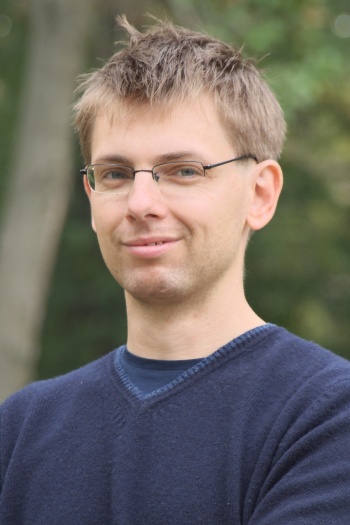 Balázs Papp合作论文数Institute of Biochemistry, Biological Research Centre, Hungarian Academy of Sciences4Julia Hanchard合作论文数4Yizhao Tan合作论文数4Emira Shuteriqi合作论文数4Hongwei Zhu合作论文数4Guihong Tan合作论文数4van Dyk Nydia合作论文数4
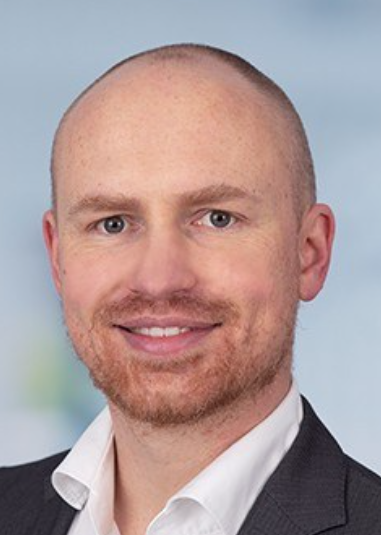 Maximilian Billmann合作论文数Institut für Humangenetik, Universitätsklinikum Bonn4Susan D. Lee合作论文数3Natasha Pascoe合作论文数3
 Harsha Garadi Suresh合作论文数3Erin B Styles合作论文数3
 Sheena Claire Li合作论文数RIKEN, Ctr Sustainable Resource Sci, Wako, Saitama 3510198, Japan3Christoph F Kurat合作论文数3
 Corey Nislow合作论文数Faculty of Pharmaceutical Sciences, The University of British Columbia3
 Hiroki Okada合作论文数Graduate School of Frontier Sciences, University of Tokyo;Graduate School of Frontier Sciences, University of Tokyo3
 Jeff S Piotrowski合作论文数Great Lakes Bioenergy Research Center, University of Wisconsin–Madison;Great Lakes Bioenergy Research Center, University of Wisconsin–Madison3
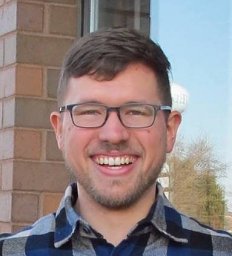 Simpkins Scott W合作论文数3
 Igor Stagljar合作论文数Department of Biochemistry, Temerty Faculty of Medicine, University of Toronto3Janjić Vuk合作论文数3Adam P. Rosebrock合作论文数3Jamie Snider合作论文数3
 Tian Xia (夏天)合作论文数School of Software Engineering, Huazhong University of Science and Technology3
 Vicent Pelechano合作论文数European Molecular Biology Laboratory, Meyerhofstrasse 1, Heidelberg, Germany3
 Noël Malod-Dognin合作论文数South-West University “Neofit Rilski”,3




