Islet transplantation to treat type 1 diabetes has been limited in part by toxicities of current immunosuppression and recipient humoral sensitization. Blockade of the CD28/CD80/86 and CD40/CD154 pathways has shown promise to remedy both these limitations, but translation has been hampered by difficulties in translating CD154-directed therapies. Prior CD40-directed regimens have led to prolonged islet survival, but fail to prevent humoral allosensitization. We therefore evaluated the addition of CTLA4Ig to a CD40 blockade-based regimen in nonhuman primate (NHP) alloislet transplantation. Diabetic rhesus macaques were transplanted allogeneic islets using the CD40-specific antibody 3A8, basiliximab induction, and sirolimus with or without CTLA4Ig maintenance therapy. Allograft survival was determined by fasting blood glucose levels and flow cytometric techniques were used to test for donor-specific antibody (DSA) formation. CTLA4Ig plus 3A8, basiliximab and sirolimus was well tolerated and induced long-term islet allograft survival. The addition of CTLA4Ig prevented DSA formation, but did not facilitate withdrawal of the 3A8-based regimen. Thus, CTLA4Ig combines with a CD40-specific regimen to prevent DSA formation in NHPs, and offers a potentially translatable calcineurin inhibitor-free protocol inclusive of a single investigational agent for use in clinical islet transplantation without relying upon CD154 blockade.
Costimulation blockade of the CD40/CD154 pathway has been effective at preventing allograft rejection in numerous transplantation models. This strategy has largely depended on mAbs directed against CD154, limiting the potential for translation due to its association with thromboembolic events. Though targeting CD40 as an alternative to CD154 has been successful at preventing allograft rejection in preclinical models, there have been no reports on the effects of CD40-specific agents in human transplant recipients. This delay in clinical translation may in part be explained by the presence of cellular depletion with many CD40-specific mAbs. As such, the optimal biologic properties of CD40-directed immunotherapy remain to be determined. In this report, we have characterized 3A8, a human CD40-specific mAb and evaluated its efficacy in a rhesus macaque model of islet cell transplantation. Despite partially agonistic properties and the inability to block CD40 binding of soluble CD154 (sCD154) in vitro, 3A8-based therapy markedly prolonged islet allograft survival without depleting B cells. Our results indicate that the allograft-protective effects of CD40-directed costimulation blockade do not require sCD154 blockade, complete antagonism or cellular depletion, and serve to support and guide the continued development of CD40-specific agents for clinical translation.
 Allan Douglas Kirk合作论文数Department of Surgery, Duke University School of Mediane;Duke Cancer Institute, Duke University School of Mediane5
 Badell Idelberto R合作论文数5
 Christian P. Larsen合作论文数Department of Surgery, School of Medicine, Emory University;Emory Transplant Center, Emory University5
 Jose G. Avila-Calles合作论文数UF Health Flagler Hospital5F. V. Leopardi合作论文数4I. Cherrez Ojeda合作论文数4A. P. Turner合作论文数4
 Juan Carlos Calderon合作论文数4K. Plaza合作论文数3J. M. Robertson合作论文数3Cherrez Annia合作论文数3Peter Thompson合作论文数3J. Gutierrez合作论文数2M. I. Torres Villacreses合作论文数2O. R. Lopez Jove合作论文数2B. E. Johnson合作论文数2S. Cherrez合作论文数2
 Emilia Maria Carmona Calero合作论文数2
 German Dario Ramon合作论文数Inst Alergia & Inmunol Sur, UCARE2Russell Maria C合作论文数2
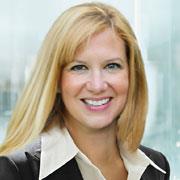 Mandy Ford合作论文数Department of Surgery, School of Medicine. Emory University;Emory Transplant Center, Emory University2A. J. Page合作论文数1M Song合作论文数1
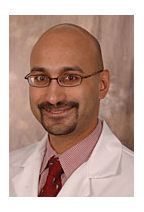 Alan P. Baptist合作论文数Department of Health Behavior and Health Education, School of Public Health, University of Michigan-Ann Arbor1
 Thomas A. Pearson合作论文数Center for Integrative Cardiovascular and Metabolic Disease, University of Florida;Department of Epidemiology, University of Florida1Kenneth Cardona合作论文数1Keith A. Reimann合作论文数1
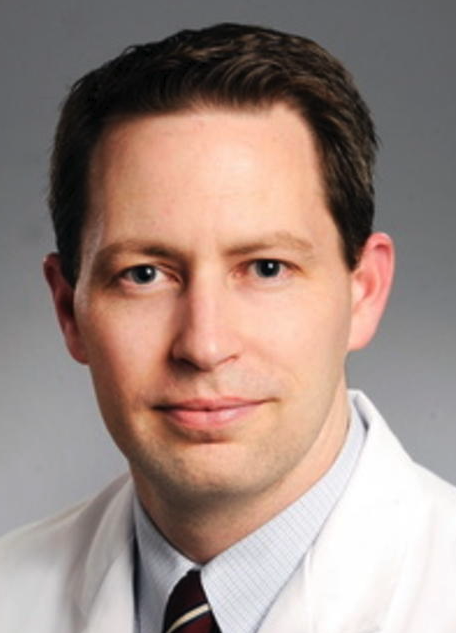 Andrew Adams合作论文数Division of Transplantation, Department of Surgery, Medical School, University of Minnesota1Elizabeth Mattos合作论文数1Neal N. Iwakoshi合作论文数1
 Nicole A Turgeon合作论文数1




