Recent studies show that warm and moist air intrusions are major sources of aerosol particles in the Arctic, affecting local radiative impacts by supplying Cloud Condensation Nuclei (CCN). However, their influence on aerosol size modes, CCN, and cloud droplet number concentrations remains poorly constrained. Here, we use long-term aerosol observations from five Arctic observatories to quantify intrusion impacts. We find that intrusions strongly perturb Arctic CCN, especially in summer, when accumulation-mode and CCN concentrations increase markedly at all sites. In winter and spring, two regimes emerge: intrusions reduce number concentrations at sites near 0° longitude (Zeppelin, Villum, Alert) but enhance them near 180° (Tiksi, Utqiaġvik/Barrow), consistent with competing effects of pollution sources and wet scavenging along trajectories. Intrusions also systematically modify cloud droplet number concentration (Nd): Nd increases at all sites in summer, while in winter it increases at Tiksi and Utqiaġvik/Barrow but decreases at Zeppelin, Villum, and Alert. Overall, intrusions are a key regulator of Arctic aerosol and cloud properties and an important component of the evolving Arctic climate system.Beyond aerosol–cloud number effects, it is unclear how intrusion events modulate cloud optical depth, liquid water content, and precipitation across Arctic sites and seasons. To address this, we will combine cloud and precipitation observations from the year-long Multidisciplinary drifting Observatory for the Study of Arctic Climate (MOSAiC) expedition with reanalysis data to quantify systematic intrusion-driven changes in liquid water content and precipitation occurrence. Finally, we will use the non-hydrostatic mesoscale Weather Research and Forecasting (WRF) model to examine the sensitivity of mixed-phase cloud lifetime and associated precipitation to intrusion occurrence, providing process-level constraints on how intrusions shape Arctic mixed-phase cloud persistence and hydrometeor production.
Abstract. Aerosol, cloud droplet, and meteorological measurements were carried out by the Finnish Meteorological Institute's payload onboard the tethered balloon systems during the Pallas Cloud Experiment 2022 in Finland. This dataset includes 21 flights between September 16th and October 10th. The observations include vertical profiles and time series of aerosol number concentration and size distribution; cloud droplet number concentration and size distribution; and meteorological parameters. This dataset has been uploaded to the common Zenodo PaCE 2022 community archive (https://zenodo.org/communities/pace2022/, last access: Jan 20, 2025). This dataset (Le et al., 2026) is available at: https://doi.org/10.5281/zenodo.18432043.
Organic aerosol particles (OA) can absorb solar radiation with varying efficiencies depending on their chemical composition and physical properties. This light-absorbing fraction of OA, commonly referred to as brown carbon (BrC), is difficult to accurately represent in climate models due to the inherent diversity of its optical properties. This variability arises from differences in emission sources and atmospheric processing, as well as from variations in experimental design and the analytical methods used to quantify BrC absorption. As a result, the climate effect of BrC remains uncertain. Here, we studied the light absorption properties of surface ambient OA using measurements from 17 sites across Europe. Combining multi-wavelength absorption measurements from filter-based photometers with OA mass concentrations and source apportionment derived from ACSM/AMS data, we derive empirical estimates of the OA mass absorption cross section (MACOA), its wavelength dependence (AAEOA), the OA density (⍴OA), and the MAC associated with different primary and secondary OA sources. We further develop parameterizations that relate MACOA, AAEOA and ⍴OA to the ambient black carbon-to-organic aerosol ratio (eBC/OA) and propose a corresponding parameterization for the imaginary refractive index (kOA). Given the widespread availability of eBC and OA measurements in global monitoring networks, the framework presented here provides a practical approach for estimating the absorptive properties of surface OA particles under real-world conditions.
Abstract. Black carbon (BC) aerosol particles strongly absorb solar radiation and heat the atmosphere. BC aerosols also deposit on snow and ice, lowering the surface albedo and accelerate heating of the Arctic. Because these BC radiative effects are size-dependent, an improved understanding of BC size distributions is indispensable for radiative transfer modelling to estimate the aerosol climate effects. We measured BC size distributions at Pallas, northern Finland, for the first time throughout the whole year, to fully capture its seasonal variability connected with the BC atmospheric processing during transport. The shape of the size distribution was very stable, with little seasonal variation. Comparison to previous seasonal observations at Ny-Ålesund in Svalbard, Norway, and Alert in Canada confirmed very similar size distribution shapes at all three sites, suggesting minor spatial variability. Strong temporal variations were observed in the total mass concentration of BC, but not in the shape of the BC core size distributions. The results were additionally used for validation of the state-of-the-art global climate model CAM5-ATRAS monthly BC size at Pallas. Overall, our observational results provide useful constraints for estimating the effects of BC on climate by model simulations, especially in the Arctic, where the measurements were conducted.
We compared aerosol light absorption measurements by a photothermal interferometer (PTI) and by extinction minus scattering (EMS) in a laboratory setting using test aerosols with single scattering albedo (SSA) in the range from about 0.1 to 1. The EMS method reported higher light absorption coefficients, b abs, by 25% up to a factor of 2 compared to PTI, with the deviation increasing when coating fresh soot with secondary organic matter. In a second step, the attenuation measured by numerous filter-based absorption photometers and in-situ-measuring instruments was calibrated against PTI at the wavelengths of 450 and 808 nm to determine reliable calibration factors for each instrument. The attenuation coefficient measured by the filter-based instruments, b atn, was larger by a factor of 4 - 9 than the reference b abs measurements of PTI depending on the instrument model and filter tape. We determined similar multiple-scattering correction factors C for the aethalometer AE33 to those reported by recent studies using PTI as a reference method, but almost two times higher than those reported by older studies referenced to the Multi-Angle Absorption Photometer (MAAP). In-situ-measuring instruments showed a reasonable agreement with PTI despite the low aerosol absorption coefficients which were close to the limit of detection for some of the photoacoustic instruments. In view of the revised Air Quality Directive of the European Union, our study highlights the need for traceable aerosol light absorption measurements to harmonize calibration procedures across Europe.
Abstract. The absorption coefficient of light absorbing aerosols is difficult to measure with low uncertainty and improvements of measurement procedures based on traceable calibration are needed. Reducing measurement artefacts can be achieved by using in-situ direct measurement methods such as photo-acoustic spectroscopy and photo-thermal interferometry. We developed a traceable calibration method based on monodisperse nigrosin particles. Nebulized nigrosin forms nearly spherical particles for which it is possible to calculate the absorption coefficient in the UV-NIR range using Mie theory. In the presented study, we have experimentally tested size- and mass-selection techniques using a differential mobility analyzer (DMA), a centrifugal particle mass analyzer (CPMA) and a tandem of both in series to compare Mie-calculated absorption coefficient with the measured one using the photo-thermal aerosol absorption monitor PTAAM, traceably calibrated with NO2. We observed that the nigrosin particle density changes with particle size. Because the absorption coefficient depends mainly on particle mass it is preferrable to base the Mie calculation on the measured particle mass instead of the mobility diameter. Calculated versus measured absorption coefficients differed by +5 % to +11 % for the DMA, -2 % to -3 % for the CPMA and +2 % to +8 % for tandem of the CPMA and the DMA. Combined standard uncertainties (coverage factor k=1) for PTAAM calibrated with monodisperse nigrosin particles selected by the DMA, the CPMA, and the CPMA and the DMA tandem are 6.9 %, 5.8 % and 5.2 %, respectively. The optimal classification setup is a tandem of the CPMA and the DMA which avoids the systematic bias of both neutral (in the CPMA) and multiply-charged (in the DMA) particles and provides a high enough absorption signal. Experimentally the simplest selection method is based on the CPMA.
Black carbon (BC) aerosol is an important driver of Arctic warming, and China used to be a major contributor to the Arctic BC burden through long-range atmospheric transport. Here we show that China's contribution declined significantly from 2009 to 2022, primarily due to reductions in domestic BC emissions following the implementation of clean air policies. Global chemistry-transport model simulations indicate a relative decline of similar to 3% yr(-1) (p < 0.05) in China's Arctic BC contribution, exceeding the decrease rate in the underlying emission inventory. Sensitivity simulations further suggest that climate change-induced shifts in atmospheric transport may have amplified this decline. Observations of aerosol absorption coefficients (sigma(ap)) at Arctic background observatories revealed steeper declines in sigma(ap) when modeled China-to-total BC ratios were higher. Moreover, sigma(ap) correlated positively with modeled BC from China, with stronger relationships as the modeled China-to-total BC ratios increased. Together, these results provide robust evidence that China's emission reductions have diminished its role in Arctic BC, contributing an estimated 0.02 W m(-2) decrease in the direct radiative effect during the Arctic haze season. Plain Language Summary Black carbon (BC) is a short-lived pollutant that warms the Arctic by absorbing sunlight and darkening snow and ice. Most Arctic BC originates in lower latitudes and is carried northward by winds. Around 2010, China was a major contributor to Arctic BC. Here we show that China's contribution decreased strongly from 2009 to 2022, mainly due to clean air policies that reduced domestic BC emissions, with additional decreases linked to climate-driven changes in transport. Computer model simulations indicate an approximately 3% yr(-1) decline in China's Arctic BC contribution, and long-term measurements at Arctic observatories confirm this trend. These findings show that China's BC emission reductions have played an important role in lessening Arctic air pollution and warming, demonstrating that emission controls in mid-latitude regions can bring clear climate benefits to the Arctic.
Black carbon (BC) aerosol particles are emitted by the incomplete combustion of carbonaceous fuels. These particles absorb solar radiation and BC-dominated aerosol mixtures with low single scattering albedo have a positive radiative forcing, thus heating the atmosphere. Radiative transfer models make use of the BC mass absorption cross section (MACBC) to derive the radiative forcing of BC given a certain particle mass concentration. Freshly emitted BC has a MAC value of 8 ± 1 m2/g at 550 nm (Bond et al., 2013). However, MAC can increase as aerosols age in the atmosphere due to increase in particle coating. This is the so-called lensing effect, which leads to MACBC observations of up to 15 m2/g at 550 nm (Li et al., 2022; Savadkoohi et al., 2024). The effect of coatings and the evolution of MACBC with ageing have been and still are a matter of intense scientific discussions.The determination of MACBC is carried out in the lab and in the field using various methods for light absorption and BC mass measurement. The most common techniques for absorption measurement include filter-based attenuation measurements, whereas the most common technique for mass measurement is thermo-optical analysis, which quantifies elemental carbon mass (EC; EN 16909:2017). The development of more accurate techniques with operational and scientific advantages for both light absorption and BC mass quantification has led to more reliable MACBC field measurements, allowing researchers to have a clearer picture of how atmospheric ageing and regional conditions affect the optical properties of BC.In this study, we have reviewed 63 publications that provide atmospheric MACBC values and present the results in terms of aerosol type, measurement technique, regional variability, and how interpretation of results using these factors can help the community to use the appropriate MAC in models. We provide guidance and perspectives for future studies and how the literature on MACBC can be exploited and interpreted in order to improve radiative models that include BC.References Bond, T. C., Doherty, S. J., Fahey, D. W., Forster, P. M., Berntsen, T., DeAngelo, B. J., Flanner, M. G., Ghan, S., Kärcher, B., Koch, D., Kinne, S., Kondo, Y., Quinn, P. K., Sarofim, M. C., Schultz, M. G., Schulz, M., Venkataraman, C., Zhang, H., Zhang, S., … Zender, C. S. (2013). Bounding the role of black carbon in the climate system: A scientific assessment. Journal of Geophysical Research: Atmospheres, 118(11), 5380–5552. https://doi.org/10.1002/jgrd.50171Hanyang Li & Andrew A. May (2022) Estimating mass-absorption cross-section of ambient black carbon aerosols: Theoretical, empirical, and machine learning models, Aerosol Science and Technology, 56:11, 980-997, https://doi.org/10.1080/02786826.2022.2114311Savadkoohi, Marjan, Marco Pandolfi, Cristina Reche, Jarkko V. Niemi, Dennis Mooibroek, Gloria Titos, David C. Green, et al. (2023) The Variability of Mass Concentrations and Source Apportionment Analysis of Equivalent Black Carbon across Urban Europe. Environment International 178: 108081. https://doi.org/10.1016/j.envint.2023.108081.
Carbonaceous aerosols (CA), composed of black carbon (BC) and organic matter (OM), significantly impact the climate. Light absorption properties of CA, particularly of BC and brown carbon (BrC), are crucial due to their contribution to global and regional warming. We present the absorption properties of BC (b(Abs,BC)) and BrC (b(Abs,BrC)) inferred using Aethalometer data from 44 European sites covering different environments (traffic (TR), urban (UB), suburban (SUB), regional background (RB) and mountain (M)). Absorption coefficients showed a clear relationship with station setting decreasing as follows: TR > UB > SUB > RB > M, with exceptions. The contribution of b(Abs,BrC) to total absorption (b(Abs)), i.e. %Abs(BrC), was lower at traffic sites (11-20 %), exceeding 30 % at some SUB and RB sites. Low AAE values were observed at TR sites, due to the dominance of internal combustion emissions, and at some remote RB/M sites, likely due to the lack of proximity to BrC sources, insufficient secondary processes generating BrC or the effect of photobleaching during transport. Higher b(Abs) and AAE were observed in Central/Eastern Europe compared to Western/Northern Europe, due to higher coal and biomass burning emissions in the east. Seasonal analysis showed increased b(Abs), b(Abs,BC), b(Abs,BrC) in winter, with stronger %Abs(BrC), leading to higher AAE. Diel cycles of b(Abs,BC) peaked during morning and evening rush hours, whereas b(Abs,BrC), %Abs(BrC), AAE, and AAE(BrC) peaked at night when emissions from household activities accumulated. Decade-long trends analyses demonstrated a decrease in b(Abs), due to reduction of BC emissions, while b(Abs,BrC) and AAE increased, suggesting a shift in CA composition, with a relative increase in BrC over BC. This study provides a unique dataset to assess the BrC effects on climate and confirms that BrC can contribute significantly to UV-VIS radiation presenting highly variable absorption properties in Europe.
An accurate assessment of black carbon (BC) climate and health impacts requires knowledge of its mass absorption cross-section (MACBC) – a parameter linking optical and mass measurements. The mean MACBC for freshly emitted soot typically spans a narrow range of 8 ± 1 m2 g⁻1 at 550 nm1,2 but is modified by subsequent atmospheric aging. Determination of MACBC requires simultaneous measurements of aerosol light-absorption coefficient (βabs) and BC mass. Here, we compile 230 measured MACBC values from 80 atmospheric studies and explore the effects of sampling location, study duration, instrumentation, and measurement wavelength. The compiled data set shows a broad variability in MACBC values (a factor of about 200%). We conclude that this variability is attributable to a combination of the above-mentioned effects with additional instrumental uncertainties (e.g., cross-sensitivities and/or inadequate instrument calibration). The current state of knowledge does not support the use of simplistic generalizations or assumptions about MACBC in the atmosphere, motivating a recommendation to further improve and standardize measurement practices.
The optical, physical, and chemical properties of aerosol particles have been previously studied in the United Arab Emirates (UAE), but there is still a gap in the knowledge of particle sources and in the horizontal and vertical transport of aerosol particles and their precursors in the area. To investigate how aerosol particle and SO2 concentrations at the surface responded to changes in horizontal and vertical transport, we used data from a 1-year measurement campaign at a background site where local sources of SO2 were expected to be minimal. The measurement campaign provided a combination of in situ measurements at the surface and the boundary layer evolution from vertical and horizontal wind profiles measured by a Doppler lidar. The diurnal structure of the boundary layer in the UAE was very similar from day to day, with a deep, well-mixed boundary layer during the day transitioning to a shallow nocturnal layer, with the maximum boundary layer height usually being reached around 14:00 local time. Both SO2 and nucleation-mode aerosol particle concentrations were elevated for surface winds coming from the east or western sectors. We attribute this to oil refineries located on the eastern and western coasts of the UAE. The concentrations of larger cloud condensation nuclei (CCN)-sized particles and their activation fraction did not show any clear dependence on wind direction, but the CCN number concentration showed some dependence on wind speed, with higher concentrations coinciding with the weakest surface winds. Peaks in SO2 concentrations were also observed despite low surface wind speeds and wind directions unfavourable for transport. However, winds aloft were much stronger, with wind speeds of 10 m s−1 at 1 km common at night and wind directions favourable for transport; surface-measured concentrations increased rapidly once these particular layers started to be entrained into the growing boundary layer, even if the surface wind direction was from a clean sector. These conditions also displayed higher nucleation-mode aerosol particle concentrations, i.e. new particle formation events occurring due to the increase in the gaseous precursor.
Long-term measurements of the mass concentration of black carbon (BC) in the atmosphere (MBC) with well-constrained accuracy are indispensable to quantify its emission, transport, and deposition. The aerosol light absorption coefficient (babs), usually measured by a filter-based absorption photometer, including an Aethalometer (AE), is often used to estimate MBC. The measured babs is converted to MBC by assuming a value for the mass absorption cross section (MAC). Previously, we derived the MAC for AE (MAC (AE)) from measured babs and independently measured MBC values at two sites in the Arctic. MBC was measured with a filter-based absorption photometer with a heated inlet (COSMOS). The accuracy of the COSMOS-derived MBC (MBC (COSMOS)) was within about 15%. Here, we obtained additional MAC (AE) measurements to improve understanding of its variability and uncertainty. We measured babs (AE) and MBC (COSMOS) at Alert (2018-2020), Barrow (2012-2022), Ny-angstrom lesund (2012-2019), and Pallas (2019-2022). At Pallas, we also obtained four-wavelength photoacoustic aerosol absorption spectrometer (PAAS-4 lambda) measurements of babs. babs (AE) and MBC (COSMOS) were tightly correlated; the average MAC (AE) at the four sites was 11.4 +/- 1.2 m2 g-1 (mean +/- 1 sigma) at 590 nm and 7.76 +/- 0.73 m2 g-1 at 880 nm. The spatial variability of MAC (AE) was about 11% (1 sigma), and its year-to-year variability was about 18%. We compared MAC (AE) in the Arctic with values at mid-latitudes, measured by previous studies, and with values obtained by using other types of filter-based absorption photometer, and PAAS-4 lambda.Copyright (c) 2024 American Association for Aerosol Research
Abstract. Aerosol particles play an important in role in the microphysics of clouds and hence on their likelihood to precipitate. In the changing climate already dry areas such as the United Arab Emirates (UAE) are predicted to become even drier. Comprehensive observations of the daily and seasonal variation in aerosol particle properties in such locations are required reducing the uncertainty in such predictions. We analyse observations from a one-year measurement campaign at a background location in the United Arab Emirates to investigate the properties of aerosol particles in this region, study the impact of boundary layer mixing on background aerosol particle properties measured at the surface and study the temporal evolution of the aerosol particle cloud formation potential in the region. We used in-situ aerosol particle measurements to characterise the aerosol particle composition, size, number and cloud condensation nuclei (CCN) properties, in-situ SO2 measurements as an anthropogenic signature and a long-range scanning Doppler lidar to provide vertical profiles of the horizontal wind and turbulent properties to monitor the evolution of the boundary layer. Anthropogenic sulphate dominated the aerosol particle mass composition in this location. There was a clear diurnal cycle in the surface wind direction, which had a strong impact on aerosol particle total number concentration, SO2 concentration and black carbon mass concentration. Local sources were the predominant source of black carbon, as concentrations clearly depended on the presence of turbulent mixing, with much higher values during calm nights. The measured concentrations of SO2, instead, were highly dependent on the surface wind direction as well as on the depth of the boundary layer when entrainment from the advected elevated layers occurred. The wind direction at the surface or of the elevated layer suggests that the cities of Dubai, Abu Dhabi and other coastal conurbations were the remote sources of SO2. We observed new aerosol particle formation events almost every day (on four days out of five on average). Calm nights had the highest CCN number concentrations and lowest κ values and activation fractions. We did not observe any clear dependence of CCN number concentration and κ parameter on the height of the daytime boundary layer, whereas the activation fraction did show a slight increase with increasing boundary layer height, due to the change in the shape of the aerosol particle size distribution where the relative portion of larger aerosol particles increased with increasing boundary layer height. We believe that this indicates that size is more important than chemistry for aerosol particle CCN activation at this site. The combination of instrumentation used in this campaign enabled us to identify periods when anthropogenic pollution from remote sources that had been transported in elevated layers was present, and had been mixed down to the surface in the growing boundary layer.
Following the emergence of the severe acute respiratory syndrome coronavirus 2 (SARS-CoV-2) responsible for COVID-19 in December 2019 in Wuhan (China) and its spread to the rest of the world, the World Health Organization declared a global pandemic in March 2020. Without effective treatment in the initial pandemic phase, social distancing and mandatory quarantines were introduced as the only available preventative measure. In contrast to the detrimental societal impacts, air quality improved in all countries in which strict lockdowns were applied, due to lower pollutant emissions. Here we investigate the effects of the COVID-19 lockdowns in Europe on ambient black carbon (BC), which affects climate and damages health, using in situ observations from 17 European stations in a Bayesian inversion framework. BC emissions declined by 23 kt in Europe (20 % in Italy, 40 % in Germany, 34 % in Spain, 22 % in France) during lockdowns compared to the same period in the previous 5 years, which is partially attributed to COVID-19 measures. BC temporal variation in the countries enduring the most drastic restrictions showed the most distinct lockdown impacts. Increased particle light absorption in the beginning of the lockdown, confirmed by assimilated satellite and remote sensing data, suggests residential combustion was the dominant BC source. Accordingly, in central and Eastern Europe, which experienced lower than average temperatures, BC was elevated compared to the previous 5 years. Nevertheless, an average decrease of 11 % was seen for the whole of Europe compared to the start of the lockdown period, with the highest peaks in France (42 %), Germany (21 %), UK (13 %), Spain (11 %) and Italy (8 %). Such a decrease was not seen in the previous years, which also confirms the impact of COVID-19 on the European emissions of BC.
The absorption Ångström exponent (AAE) describes the spectral dependence of light absorption by aerosols. AAE is typically used to differentiate between different aerosol types for example., black carbon, brown carbon, and dust particles. In this study, the variation of AAE was investigated mainly in fresh aerosol emissions from different fuel and combustion types, including emissions from ships, buses, coal‐fired power plants, and residential wood burning. The results were assembled to provide a compendium of AAE values from different emission sources. A dual‐spot aethalometer (AE33) was used in all measurements to obtain the light absorption coefficients at seven wavelengths (370–950 nm). AAE470/950 varied greatly between the different emission sources, ranging from −0.2 ± 0.7 to 3.0 ± 0.8. The correlation between the AAE470/950 and AAE370‐950 results was good (R2 = 0.95) and the mean bias error between these was 0.02. In the ship engine exhaust emissions, the highest AAE470/950 values (up to 2.0 ± 0.1) were observed when high sulfur content heavy fuel oil was used, whereas low sulfur content fuels had the lowest AAE470/950 (0.9–1.1). In the diesel bus exhaust emissions, AAE470/950 increased in the order of acceleration (0.8 ± 0.1), deceleration (1.1 ± 0.1), and steady driving (1.2 ± 0.1). In the coal‐fired power plant emissions, the variation of AAE470/950 was substantial (from −0.1 ± 2.1 to 0.9 ± 1.6) due to the differences in the fuels and flue gas cleaning conditions. Fresh wood‐burning derived aerosols had AAE470/950 from 1.1 ± 0.1 (modern masonry heater) to 1.4 ± 0.1 (pellet boiler), lower than typically associated with wood burning, while the burn cycle phase affected AAE variation.
There is ample evidence that Black Carbon (BC) is harmful to the Arctic. BC can darken the otherwise highly reflective surfaces of snow and ice and increase atmospheric and ice surface temperatures. Because of the importance of BC to the Arctic, this work was designed to resolve the most significant source regions of Arctic BC as measured by monitoring stations in the Arctic. Using a bottom‐up approach, it is shown for the first time that there is one particular BC transport pathway from lower latitudes into the Arctic that registers at all but one of the Arctic surface monitoring stations included in this study. Through this pathway, pollutants are transported from the Indo‐Gangetic plane over Central Asia into the high Arctic in as little as 7 days. The measurement sites and BC pathways in this study are shown to be well representative of the Arctic as a whole.
Aerosol light absorption was measured during a 1-month field campaign in June–July 2019 at the Pallas Global Atmospheric Watch (GAW) station in northern Finland. Very low aerosol concentrations prevailed during the campaign, which posed a challenge for the instruments' detection capabilities. The campaign provided a real-world test for different absorption measurement techniques supporting the goals of the European Metrology Programme for Innovation and Research (EMPIR) Black Carbon (BC) project in developing aerosol absorption standard and reference methods. In this study we compare the results from five filter-based absorption techniques – aethalometer models AE31 and AE33, a particle soot absorption photometer (PSAP), a multi-angle absorption photometer (MAAP), and a continuous soot monitoring system (COSMOS) – and from one indirect technique called extinction minus scattering (EMS). The ability of the filter-based techniques was shown to be adequate to measure aerosol light absorption coefficients down to around 0.01 Mm−1 levels when data were averaged to 1–2 h. The hourly averaged atmospheric absorption measured by the reference MAAP was 0.09 Mm−1 (at a wavelength of 637 nm). When data were averaged for >1 h, the filter-based methods agreed to around 40 %. COSMOS systematically measured the lowest absorption coefficient values, which was expected due to the sample pre-treatment in the COSMOS inlet. PSAP showed the best linear correlation with MAAP (slope=0.95, R2=0.78), followed by AE31 (slope=0.93). A scattering correction applied to PSAP data improved the data accuracy despite the added noise. However, at very high scattering values the correction led to an underestimation of the absorption. The AE31 data had the highest noise and the correlation with MAAP was the lowest (R2=0.65). Statistically the best linear correlations with MAAP were obtained for AE33 and COSMOS (R2 close to 1), but the biases at around the zero values led to slopes clearly below 1. The sample pre-treatment in the COSMOS instrument resulted in the lowest fitted slope. In contrast to the filter-based techniques, the indirect EMS method was not adequate to measure the low absorption values found at the Pallas site. The lowest absorption at which the EMS signal could be distinguished from the noise was >0.1 Mm−1 at 1–2 h averaging times. The mass absorption cross section (MAC) value measured at a range 0–0.3 Mm−1 was calculated using the MAAP and a single particle soot photometer (SP2), resulting in a MAC value of 16.0±5.7 m2 g−1. Overall, our results demonstrate the challenges encountered in the aerosol absorption measurements in pristine environments and provide some useful guidelines for instrument selection and measurement practices. We highlight the need for a calibrated transfer standard for better inter-comparability of the absorption results.
Virkkula et al., Aerosol optical properties calculated from size distributions, filter samples and absorption photometer data at Dome C, Antarctica and their relationships between seasonal cycles of sources SUPPLEMENT m(size distributions) m(DMPS,PM 0.8 ), ng m -3 m(DMPS,PM 10 ), ng m -3 Percentiles Percentiles
 Tuukka Petäjä合作论文数Institute for Atmospheric and Earth System Research, Faculty of Science, University of Helsinki33
 Eija Asmi合作论文数33
 Markku Kulmala (马库·库马拉)合作论文数Institute for Atmospheric and Earth System Research, Faculty of Science, University of Helsinki;Institute for Atmospheric and Earth System Research;Nanjing University24Heikki Lihavainen合作论文数17
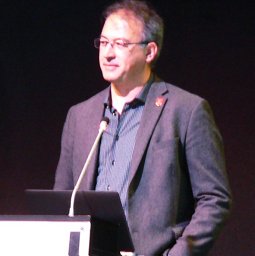 Konstantinos Eleftheriadis合作论文数ENRACT, Institute of Nuclear and Radiological Science &Technology, Energy &Safety, NCSR Demokritos;Institute of Nuclear and Radiological Science & Technology, NCSR Demokritos16
 A.-P. Hyvärinen合作论文数Finnish Meteorological Institute15Peter Tunved合作论文数14Stergios Vratolis合作论文数14
 Aki Virkkula合作论文数13
 Sangeeta Sharma合作论文数Meteorological Service of Canada12
 Radovan Krejci合作论文数Department of Meteorology;Stockholm University;Department of Meteorology, Stockholm University12Elisabeth (Betsy) Andrews合作论文数Cooperative Institute for Research in Environmental Sciences, University of Colorado Boulder11Markus Fiebig合作论文数11
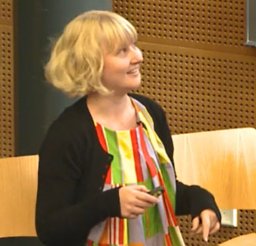 Hanna E Manninen合作论文数Department of Physics;University of Helsinki;Department of Physics, University of Helsinki11
 Tuomo Nieminen合作论文数Institute for Atmospheric and Earth System Research, University of Helsinki10
 Paulo Artaxo合作论文数Instituto de Estudos Avancados, Universidade de São Paulo;Departamento de Física Aplicada, Instituto de Física, Universidade de São Paulo10
 Marco Pandolfi合作论文数Institute of Environmental Assessment and Water Research10Harald Flentje合作论文数10Mika Komppula合作论文数Finnish Meteorological Institute9Kostas Eleftheriadis合作论文数8Jutta Kesti合作论文数8
 Rakesh K Hooda合作论文数8
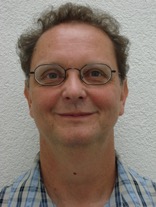 Alfred Wiedensohler合作论文数Department of Atmospheric Microphysics, Leibniz Institute for Tropospheric Research;Calibration Centre, Leibniz Institute for Tropospheric Research;Department of Experimental Aerosol and Cloud Microphysics, Leibniz Institute for Tropospheric Research8
 Pasi Aalto合作论文数Institute for Atmospheric and Earth System Research, Faculty of Science, University of Helsinki8
 Karine Sellegri合作论文数Laboratoire De Météorologie Physique, French National Centre for Scientific Research;Laboratoire de Météorologie Physique, Université Clermont Auvergne8Ewan O’Connor合作论文数Finnish Meteorological Institute8
 Angela Marinoni合作论文数Laboratoire de Photochimie Moléculaire et Macromoléculaire, UMR CNRS 6505 Clermont-Ferrand8
 Martine Collaud Coen合作论文数Laboratory of Atmospheric Chemistry;Paul Scherrer Institut;Laboratory of Atmospheric Chemistry, Paul Scherrer Institut8Y. Kondo合作论文数7Martin Gysel-Beer合作论文数7
 Krista Luoma合作论文数Univ Helsinki, Inst Atmospher & Earth Syst Res, Helsinki, Finland7Brem Benjamin T合作论文数7JA Ogren合作论文数National Oceanic and Atmospheric Administration, Climate Monitoring and Diagnostics Laboratory;Affiliate Faculty, Department of Atmospheric Sciences, Colorado State University7
 Paul Zieger合作论文数Laboratory of Atmospheric Chemistry, Paul Scherrer Institut7
 Paolo Laj合作论文数Laboratoire de Glaciologie et G7
 Heiko Pälike合作论文数School of Ocean and Earth Science, University of Southampton7
 Griša Močnik合作论文数Center for Atmospheric Research, University of Nova Gorica;School of Environmental Sciences, University of Nova Gorica;Haze Instruments d.o.o.;Jozef Stefan International Postgraduate School;Jozef Stefan Institute7Thomas Tuch合作论文数Leibniz Institute for Tropospheric Research7
 Ernest Weingartner合作论文数University of Applied Sciences, FHNW7Ville Vakkari合作论文数7Jean-Philippe Putaud合作论文数7M. Aurela合作论文数6Sho Ohata合作论文数Nagoya Univ, Inst Space Earth Environm Res, Nagoya, Aichi, Japan6
 G. Titos合作论文数Department of Applied Physics, University of Granada6
 Veli-Matti Kerminen合作论文数Department of Physics, University of Helsinki;Institute for Atmospheric and Earth System Research, University of Helsinki6
 Taneil Uttal合作论文数Environmental Technology Laboratory6
 Niku Kivekäs合作论文数ACTRIS6
 Veijo Aaltonen合作论文数6




