Rationale: Very few data exist regarding morphofuntional nutritional parameters in newly diagnosed patients with hematological malignancies.
Perchlorate ions induce structural diversity in a thiosemicarbazone copper( ii ) system, whose aqueous chemistry includes desulfurization reactions even at physiological pH values.
Background: Azacitidine (AZA) is approved for the treatment of high-risk chronic myelomonocytic leukemia (CMML) of myelodysplastic (MD) subtype. Data of response rates using the specific response criteria for this disease are scarce. The aim of this study was to evaluate the response to AZA in patients diagnosed with CMML from the Spanish Registry of Myelodysplastic Syndromes (MDS) applying the overlap myelodysplastic/myeloproliferative neoplasms (MDS/MPN) response criteria. Methods: We retrospectively studied 91 patients with CMML treated with at least one cycle of AZA from the Spanish Registry of MDS. As it was a real-world study, the response rate was evaluated between cycle 4 and 6, applying the MDS/MPN response criteria Findings: The overall response rate at cycle 4-6 was 58%. Almost half of the patients achieved transfusion independence and one quarter showed clinical benefit, regardless of the CMML French-American-British (FAB) and World Health Organization (WHO) subtypes and CMML Specific Prognosis Scoring (CPSS) risk groups. Toxicity was higher in the MD-CMML subtype. Interpretation: In our series, most CMML patients achieved an overall response rate with AZA according to the overlap-MDS/MPN response criteria regardless of the CMML FAB and WHO subtypes and CPSS risk groups. Thus, AZA may also be a treatment option for patients with the myeloproliferative CMML subtype and those with a lower-risk CPSS, but symptomatic.
Background: Epigenetic therapy, using hypomethylating agents (HMA), is known to be effective in the treatment of high-risk myelodysplastic syndromes (MDS) and acute myeloid leukemia (AML) patients who are not suitable for intensive chemotherapy and/or allogeneic stem cell transplantation. However, response rates to HMA are low and there is an unmet need in finding prognostic and predictive biomarkers of treatment response and overall survival. We performed global methylation analysis of 75 patients with high-risk MDS and secondary AML who were included in CETLAM SMD-09 protocol, in which patients received HMA or intensive treatment according to age, comorbidities and cytogenetic. Results: Unsupervised analysis of global methylation pattern at diagnosis did not allow patients to be differentiated according to the cytological subtype, cytogenetic groups, treatment response or patient outcome. However, after a supervised analysis we found a methylation signature defined by 200 probes, which allowed differentiating between patients responding and non-responding to azacitidine (AZA) treatment and a different methylation pattern also defined by 200 probes that allowed to differentiate patients according to their survival. On studying follow-up samples, we confirmed that AZA decreases global DNA methylation, but in our cohort the degree of methylation decrease did not correlate with the type of response. The methylation signature detected at diagnosis was not useful in treated samples to distinguish patients who were going to relapse or progress. Conclusions: Our findings suggest that in a subset of specific CpGs, altered DNA methylation patterns at diagnosis may be useful as a biomarker for predicting AZA response and survival.
Binary Cu(II) complexes of two new N-substituted sulfonamides, N-(pyridin-2-yl-methyl)biphenyl-4-sulfonamide (HL1) and N-bis-(pyridin-2-ylmethyl)biphenyl-4-4'-sulfonamide (H2L2), have been synthesized and characterized by X-ray diffraction, spectroscopic and electrochemical techniques.The structure of complex [Cu(L1)2] consists of a discrete monomeric Cu(II) species stabilized by π-π stacking interactions involving the pyridyl and phenyl rings of the coordinated ligands.In contrast, in the case of complex [Cu(L2)]n, each symmetrical sulfonamide structure coordinates two Cu(II) ions, giving rise to a polymeric chain.Upon coordination, CuN4 chromophores with the N-pyrydil atoms in trans position are generated, and the coordination geometry of both complexes can be best described as highly distorted square-planar.The ability of complex [Cu(L1)2] to promote DNA cleavage with ascorbate activation was also evaluated; the complex has a moderate nuclease activity, being able to partially cleave supercoiled DNA to nicked circular and linear DNA.We herein also report the evaluation of the nuclease activity of complex Cu2(N-(pyridin-2-yl)biphenyl-4-sulfonamidate)4, previously characterized in terms of structure by our group.
Mixed divalent Cu, Co, Ni and Zn complexes containing the new sulfonamide ligand N-(2-(pyridin-2-yl)ethyl) quinoline-8-sulfonamide (HQSEP) were prepared and characterized by physico-chemical techniques. The tetracoordinate [Cu(QSEP)X] [X = Br (1), Cl (2)] compounds present a seesaw geometry (tau(4) = 0.56 (1) and 0.50 (2)). The Cu(II) in the [Cu(QSEP)(NO3)(MeOH)] (3) complex is five coordinate with a slightly distorted SP geometry (tau = 0.11). The [M(QSEP)(benz)] [M = Cu(II) (4), Ni(II) (5), Co(II) (6) and Zn(II) (7); benz = benzoate] compounds are configurationally isotypic. The coordination geometries of the M(II) ions can be best described as distorted SP (tau = 0.29, 0.15, 0.34 and 0.18 for 4, 5, 6 and 7, respectively). The interaction of the compounds with CT-DNA was studied by different techniques. Notably, these studies indicated that the tetracoordinate complexes (1 and 2) present higher DNA affinity than pentacoordinate compounds (3-7). In line with the Irving-Williams order of stability, 5 presented higher propensity for DNA binding than 6. Interestingly, the cleavage activity of 1-4 in the presence of ascorbate/H2O2 follows the same trend as that found for DNA binding affinity, being the tetracoordinate 1 and 2 more effective as nucleases than the five coordinate 3 and 4. Also, the DNA cleavage reaction mechanism was investigated. DNA cleavage experiments upon irradiation indicated the important role of the aromatic nature of the coligand in the photocleavage activity of 1-4. Finally, the interaction of the compounds with bovine serum albumin (BSA) was studied and the binding constants were calculated.
PURPOSE:Germline promoter hypermethylation of BRCA1 and BRCA2 genes is an alternative event of gene silencing that has not been widely investigated in hereditary breast and ovarian cancer (HBOC) syndrome.METHODS:We analyzed germline BRCA promoter hypermethylation in HBOC patients with and without BRCA mutations and control subjects, using a recently developed BRCA methylation-specific multiplex ligation-dependent probe amplification (MS-MLPA) assay.RESULTS:Neither the patients tested nor the control subjects showed germline hypermethylation of the BRCA1 and BRCA2 promoter regions analyzed.CONCLUSIONS:Despite the results achieved at somatic levels by other researchers, these were not confirmed in our study at the germline level. Our results show the need to establish more predictive CpG sites in the BRCA promoter regions to optimize the MS-MLPA assay for the detection of germline hypermethylation as an effective pre-screening tool for whole-BRCA genetic analysis in HBOC, because we can not rule out the existence of germline promoter hypermethylation in BRCA.
Introduction: Colorectal cancer is still a taboo for many patients and there is little information about the patient’s experience in general practice. Much of what is known about their quality-of-life comes from clinical trials – that are not representative of everyday patient experience. To fill this gap, EuropaColon, a European CRC patient organisation, planned and carried out a survey on the Unmet Needs of Patients Living with Metastatic Colorectal Cancer (mCRC). The aim of the survey was to better understand the challenges and needs of those living with mCRC as well as to understand their quality-of-life. Methods: The English survey was translated into 11 languages (German, Greek, Hungarian, Italian, Dutch, Serbian, Spanish, Polish, Portuguese and Turkish). It covered demographics, the illness (discovery, diagnosis, treatment and support), and health-related quality-of-life instruments: EORTC QLQ-C30 and EORTC QLQ-C29. IRB approval, where needed, was obtained at the local hospital level. Recruitment was planned by directly contacting nurses and clinicians in specific hospitals that volunteered to help recruit for the survey, or through EuropaColon partner groups (Portugal, Serbia and Turkey), or both recruitment strategies were used (Spain, Netherlands, Poland and UK). Healthcare teams were asked to inform patients about the survey and provided them with an information leaflet and patients would need to make an effort to complete the survey by visiting a dedicated web-page (europacolon.com/survey). They could either complete the survey on-line or download it, print it and complete on paper. Results: After 4 months of recruitment, because of low response alternative strategies for patient recruitment had to be initiated. Different approaches were used in different countries. In Poland, Spain and Hungary, clinicians printed the survey to give paper copies to patients who would then complete on the spot. In Spain, 4 nurses had active roles in patient recruitment. In Serbia, Serbian CRC Patient Association printed and distributed 300 copies by mail to all centers treating mCRC patients with a pre-stamped envelope for the completed survey to be returned. A nurse from the Association made weekly calls to local clinicians in order to motivate them to recruit patients. By the end of February 2018, 719 patients had completed the survey. 202 patients (28%) completed the survey on-line while 517 patients (72%) completed the paper version. The majority of surveys came from Serbia (170), Poland (163), Spain (112) and Hungary (103). Conclusion: It is possible to reach patients outside of the clinical trial setting and they are interested in expressing their views. Paper versions of the survey were preferred, especially in Central and Eastern Europe. Social media (i.e. Twitter) as a recruitment platform worked only in few Western European countries e. g. Netherlands and UK. This may reflect the access to technology across the elderly population. Patients from Central and Eastern Europe are far better motivated to express their opinion whilst in the Western countries there is greater saturation with this type of research. The recruitment will continue until the number of 1’000 patients is reached.
Thiosemicarbazones (TSCs), and their copper derivatives, have been extensively studied mainly due to the potential applications as antitumor compounds. A part of the biological activity of the TSC-CuII complexes rests on their reactivity against cell reductants, as glutathione (GSH). The present paper describes the structure of the [Cu(PTSC)(ONO2)]n compound (1) (HPTSC=pyridine-2-carbaldehyde thiosemicarbazone) and its spectroscopic and magnetic properties. ESI studies performed on the reaction of GSH with 1 and the analogous [{Cu(PTSC*)(ONO2)}2] derivative (2, HPTSC*=pyridine-2-carbaldehyde 4N-methylthiosemicarbazone) show the absence of peaks related with TSC-Cu-GSH species. However GSH-Cu ones are detected, in good agreement with the release of CuI ions after reduction in the experimental conditions. The reactivity of 1 and 2 with cytochrome c and myoglobin and their activities against HT-29 and SW-480 colon carcinoma cell lines are compared with those shown by the free HPTSC and HPTSC* ligands.
To describe time trends of cancer in Catalonia, Spain, during the period 1993–2007.
Ternary copper(II) complexes [Cu(NST)2(phen)] (1) and [Cu(NST)2(NH3)2]·H2O (2) [HNST = N-(4,5-dimethylthiazol-2-yl)naphthalene-1-sulfonamide] were prepared and characterized by physico-chemical techniques. Both 1 and 2 were structurally characterized by X-ray crystallography. The crystal structures show the presence of a distorted square planar CuN4 geometry in which the deprotonated sulfonamide, acting as monodentate ligand, binds to the metal ion through the thiazole N atom. Both complexes present intermolecular π–π stacking interactions between phenanthroline rings (compound 1) and between naphthalene rings (compound 2). The interaction of the complexes with CT DNA was studied by means of thermal denaturation, viscosity measurements and fluorescence spectroscopy. The complexes display good binding propensity to the calf thymus DNA giving the order: 1 > 2. Complex 1, which has a higher capability for binding to DNA, showed better nuclease activity than 2 in the presence of ascorbate/H2O2. Both the kinetics and the mechanism of the DNA cleavage reaction were investigated. Furthermore, complex 1 showed efficient photo-induced DNA cleavage activity on irradiation with UV light in the absence of any external reagent. The UV light induced DNA cleavage follows a photo-redox pathway with generation of hydroxyl radicals as reactive species. In addition, the cytotoxic properties of both complexes (1 and 2) were evaluated in human cancer cells (HeLa, Caco-2 and MDA-468). The low IC50 values, in particular those against Caco-2, have indicated that the compounds can be considered as promising chemotherapeutic agents.
Four ternary complexes, [Cu(L1)2(bipy)] (1) [HL1 = N-(6-chlorobenzo[d]thiazol-2-yl)-4-methylbenzenesulfonamide], [Cu(L2)2(bipy)] (2) [HL2 = N-(benzo[d]thiazol-2-yl)-4-methylbenzenesulfonamide], [Cu(L3)2(bipy)]·1/2H2O (3) [HL3 = N-(5,6-dimethylbenzo[d]thiazol-2-yl)-4-methylbenzenesulfonamide] and [Cu(L4)2(bipy)] (4) [HL4 = N-(5,6-dimethylbenzo[d]thiazol-2-yl)benzenesulfonamide], were prepared and then characterized by X-ray crystallography, spectroscopy and magnetic measurements. Whereas the molecular structure of 1 and 2 consists of a discrete monomeric copper(II) species with a distorted square planar geometry, that of 3 and 4 consists of two independent molecules. In 3, both molecules present a different coordination geometry (distorted square planar and distorted square pyramidal) while in 4 they have an identical coordination environment (distorted square planar). The propensity for binding of 1-4 to calf thymus DNA was studied by thermal denaturation, viscosimetry, and fluorescence measurements. Results indicated that the N-sulfonamide derivative plays an important role in governing the type of interaction with DNA. The ability of the complexes to cleave DNA was studied in vitro with ascorbate activation and was tested by monitoring the expression of the yEGFP gene containing the RAD54 reporter. Moreover, their antiproliferative activity was verified in two cellular models: yeast and human tumor cells in culture. Their DNA cleavage efficiency at the cellular level was found to be: 1 < 3 ~ 4 < 2. The higher propensity of 2 for inflicting DNA damage was related with its higher binding affinity to DNA. The biological studies carried out with human tumor cells, colon adenocarcinoma Caco-2 cells and leukemia Jurkat T lymphocytes confirmed that the compounds produce cell death mainly by apoptosis, the complex 2 being the most effective.
This work provides structural evidence for different desulfurization processes in aqueous solutions of [CuL](+) derivatives (HL = pyridine-2-carbaldehyde thiosemicarbazone). Structural resolution has been achieved for the [{CuL(SH)}(2)] (1), [CuLCl](2)[Cu(pic)(2)] (pic(-) = picolinato, pyridine-2-carboxilato) (2) and [Cu(HL)(NCS)](NO3) (4) compounds, together with a derivative of 4 with formula [Cu(HL)(NCS)][Cu(HL)-(NCS)(0.72)(NO3)(0.28)](NO3)(2) (5), whose HS-, pic(-) and NCS- ligands come from thiosemicarbazone breakage. The behaviour of the [CuL](+) species in basic aqueous solutions or water under reflux has been compared with that exhibited by iron(III), cobalt(III), zinc(II) and lead(II) derivatives of the same thiosemicarbazone ligand. [Cu(L')](+) species (HL' = pyridine-2-carbaldehyde N4-methylthiosemicarbazone) have also been analyzed by infrared spectroscopy or mass spectrometry under the same experimental conditions. In addition, preparative methods for a rational synthesis of the serendipitously obtained compounds are proposed. In this way, the crystal structure of [CuL(pic)]center dot 3H(2)O (3) has been elucidated too. The partial desulfurization of coordinated thiosemicarbazones could lead to a reinterpretation of their biological activity with consequences for the search for possible therapeutic uses.
 Gloria Alzuet合作论文数52
 Alfonso Castiñeiras Campos合作论文数Departamento de Química Inorgánica, Facultad de Farmacia, Universidad de Santiago de Compostela37Sacramento Ferrer合作论文数24Marta González-Álvarez合作论文数23
 Benigno Macias合作论文数21
 Santiago García-Granda合作论文数Universidad de Oviedo21Alzuet-Piña Gloria合作论文数18Lourdes Perelló合作论文数15Javier Casanova合作论文数13María V. Villa合作论文数Dpto . de Quimica Inorg;Facultad de Farmacia;Universidad de Salamanca13Josep Galceran合作论文数13Malva Liu-Gonzalez合作论文数12A. Izquierdo合作论文数11
 José Antonio Real Cabezos合作论文数Instituto de Ciencia Molecular, Universidad de Valencia;Department of Inorganic Chem, Faculty of Chemistry, Universidad de Valencia11V. Moreno合作论文数10
 Francesc Xavier Bosch Jose合作论文数Institut Català d'Oncologia;Institut de Recerca Biomèdica10M González-Alvarez合作论文数9R Ortiz合作论文数8L SOTO合作论文数8
 Rafael Marcos-Gragera合作论文数7M Liu-González合作论文数7J Bargay合作论文数7
 Jose Luis Garcia-Gimenez合作论文数7J. Montejo-Bernardo合作论文数7Blanca Xicoy合作论文数6Rubén Gil-García合作论文数6H. Jiménez合作论文数6
 Javier Garcia-Tojal合作论文数Dept Chem, Univ Burgos6Luminiţa Oprean合作论文数6Salut Brunet合作论文数6Isabel Garcia合作论文数6A. Jiménez合作论文数5Andreea Bodoki合作论文数Faculty of Pharmacy, Iuliu Hațieganu” University of Medicine and Pharmacy5David Valcárcel合作论文数5Hangan Adriana合作论文数University of Medicine and Pharmacy, Department of Inorganic Chemistry, 400010 Cluj, Romania.5Carme Pedro合作论文数5P. Viladiu合作论文数5
 Josepa Ribes Puig合作论文数5R. Coll合作论文数5Amparo Sancho合作论文数5Ferran Sanz合作论文数index terms collaborative colleagues5
 Mar Tormo合作论文数Universidad de Valencia;Hospital Clinico Universitario5J. Niclos合作论文数4laura b gutierrez合作论文数4J. Guma合作论文数4
 Claudiu Trandafir Supuran合作论文数Dipartimento di Neuroscienze, Psicologia, Area del Farmaco e Salute del Bambino, Università degli Studi di Firenze4Lurdes Zamora合作论文数4
 Martín Martínez-Ripoll合作论文数Department of Crystallography and Structural Biology, Institute of Physical-Chemistry Rocasolano, Spanish National Research Council4
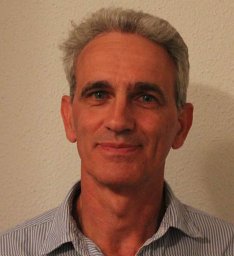 Luis Lezama合作论文数Facultad de Ciencia y Tecnología, Universidad del País Vasco4




