Red blood cell (RBC) transfusions for anemia associated with lower-risk myelodysplastic syndromes/neoplasms (LR-MDS) often contribute to reduced quality of life (QOL). Thus, reduction in RBC transfusion dependency (TD) is a primary therapeutic goal. Imetelstat is a first-in-class, competitive telomerase inhibitor approved to treat certain adult patients with LRMDS with RBC-TD anemia who have not responded to, have lost response to, or are ineligible for erythropoiesis-stimulating agents. In the phase III IMerge study (clinicaltrials.gov identifier: NCT02598661), treatment with imetelstat resulted in clinically meaningful, statistically significant increases in the primary endpoint of ≥8-week RBC transfusion independence (TI) versus placebo. Because patients with LR-MDS experience detrimental effects on numerous facets of QOL (physical, emotional, social, and functional), these exploratory analyses assessed patient-reported outcomes using the Functional Assessment of Chronic Illness Therapy-Fatigue, Quality of Life in Myelodysplasia Scale, and Functional Assessment of Cancer Therapy-Anemia questionnaires as part of the phase III IMerge study. Nominal P values were reported. Fewer imetelstat-treated patients experienced deterioration in fatigue levels and more imetelstat-treated patients experienced sustained improvement in fatigue levels and QOL versus placebo. In the imetelstat group, 8-week, 24-week, and 1-year RBC-TI responders had sustained improvements in predefined significance thresholds versus non-responders for fatigue (70%, 73%, and 88%, respectively, vs. 37%, 41%, and 44%, respectively; P<0.001, P=0.004, and P=0.002) and QOL across different measures of response (43-53% vs. 21-30%; P≤0.0126). These results suggest that treatment with imetelstat may be associated with improvement in QOL beyond fatigue while sustaining RBC-TI in patients with LR-MDS with RBC-TD anemia.
Monotherapy with hypomethylating agents (HMA) remains the standard of care for patients with higher-risk myelodysplastic neoplasms (HR-MDS). Recently, the randomized phase III VERONA study evaluating azacitidine plus venetoclax (VEN) versus azacitidine plus placebo in newly diagnosed HR-MDS showed no difference in overall survival (OS) between the two arms. However, whether the addition of VEN to HMA improves outcomes among subsets of patients with HR-MDS remains debated. We analyzed 1907 patients with HR-MDS from 31 centers in 9 countries who were treated with HMA monotherapy or HMA/VEN in the frontline setting (HMA monotherapy: n = 1773; HMA/VEN: n = 134). Responses were assessed centrally by two investigators using the IWG 2023 response criteria. Addition of VEN improved composite complete remission (cCR) rates (48.8% vs. 27.7%; p < 0.001) but not CR rates (17.1% vs. 11.7%; p = 0.16). In multivariable logistic regression analysis, cCR remained favorable for HMA/VEN vs. HMA monotherapy (Odds Ratio [OR]: 2.49; 95% CI: 1.56-3.96; p < 0.001). However, we did not observe a statistically significant difference in OS for HMA/VEN vs. HMA monotherapy (Hazard Ratio [HR]: 0.83; 95% CI: 0.64-1.07; p = 0.15). In subgroup analyses, patients with TP53 wild-type disease (HR: 0.47; 95% CI: 0.29-0.74; p = 0.002) had a significant improvement in OS and those with ≥10% bone marrow blasts (HR: 0.73; 95% CI: 0.53-1.01; p = 0.06) had a trend towards OS benefit with HMA/VEN.
Myelodysplastic neoplasms (MDS) with TP53 multihit alterations are associated with dismal outcomes. MDS with isolated del(5q) present favorable prognosis but is defined by the absence of TP53 multihit alterations. However, whether TP53 multihit alterations exert the same adverse impact in this genetic context remains uncertain. We retrospectively analyzed the characteristics and outcome of 43 patients with MDS with isolated del(5q) harboring TP53 multihit alterations (MDS-del(5q) TP53 multihit) and compared with 68 patients with low-blast MDS with TP53 multihit and without isolated del(5q) (MDS-LB TP53 multihit). Patients with MDS-del(5q) TP53 multihit showed significantly higher platelet counts, more frequent SF3B1 mutations, were less often classified as high-risk by IPSS-R or IPSS-M, and had significantly better outcomes than patients with MDS-LB TP53 multihit: overall survival of 70.2 vs 13.9 months, and time to acute myeloid leukemia progression (AML) of 31.9 vs 7.2 months, respectively. Moreover, the superior outcomes of MDS-del(5q) TP53 multihit patients persisted significant even when compared with MDS-LB TP53 multihit cases without complex karyotype (survival of 70.2 vs 39.9 months; time to AML progression of 31.9 vs 11.4 months). These findings indicate that, in MDS-del(5q) the adverse impact of TP53 multihit alterations may be less important than in other MDS subtypes.
Myelodysplastic syndromes with isolated deletion of chromosome 5q [MDS-del(5q)] constitute a distinct biological entity traditionally associated with favorable outcomes, although up to one quarter of patients progress to acute myeloid leukemia (AML). Existing prognostic models, developed in heterogeneous MDS populations, may not adequately capture risk within this subgroup. We assembled an international cohort of 682 patients with MDS-del(5q) to evaluate the performance of the IPSS-R and IPSS-M, identify prognostic variables, and develop a disease-specific prognostic tool, the IPSS-del(5q). Most patients were classified as lower-risk by IPSS-R (94.4%) and IPSS-M (85.5%), yet both systems showed limited discriminatory ability (C-indices ≈0.5). Independent adverse prognostic factors included age ≥70 years, male sex, anemia (hemoglobin ≤10 g/dL), thrombocytopenia (platelets ≤100×10⁹/L), the presence of one additional chromosomal abnormality, ≥2 gene mutations, SF3B1 mutations, and high-risk TP53 status. Six variables were included in the IPSS-del(5q), stratifying patients into standard-risk (74.3%) and high-risk (25.7%) groups with significantly different LFS (69.2 vs. 32.0 months; p<0.01). Moreover, this model reclassified 19.1% of lower-risk IPSS-R and 14.6% of lower-risk IPSS-M patients into the high-risk IPSS-del(5q) group. However, its discriminative power remained modest, with a C-index of 0.60. Overall, this study provides the most comprehensive prognostic evaluation of MDS-del(5q) to date, demonstrates the limited discriminatory capacity of existing MDS scores in this entity, and underscores the need to develop refined disease-specific prognostic approaches for this MDS subtype.
Baseline IPSS-M risk, response to hypomethylating agent (HMA) therapy, and receipt of allogeneic stem cell transplant (allo-HCT) have all been individually shown to impact overall survival (OS) in patients with myelodysplastic syndromes (MDS). However, the prognostic impact of response when adjusting for IPSS-M risk and treatment strategy remains unclear. Hence, we used the VALIDATE database of the International Consortium for MDS (icMDS) to evaluate the impact of International Working Group (IWG) 2023 best response on OS in 715 HMA-treated, higher-risk MDS patients stratified by baseline IPSS-M risk and their treatment strategy (subsequent allo-HCT vs. medical therapy alone) treating both best response and allo-HCT as time-dependent variables. Baseline IPSS-M risk (hazard ratio (HR): 0.5, p < 0.001) and receipt of allo-HCT (HR: 0.5, p < 0.001) were the strongest independent predictors of OS, whereas achievement of composite complete response (cCR) had a more modest impact on OS (HR: 0.8, p = 0.004). Among patients treated with medical therapy alone, achieving cCR improved OS significantly (HR: 0.7, p = 0.006). In contrast, among transplanted patients, cCR did not retain independent prognostic value for post-transplant survival after adjusting for baseline IPSS-M (HR: 0.9, p = 0.634). Achieving cCR did not fully overcome adverse disease biology as OS continued to segregate according to baseline IPSS-M risk. In summary, achieving cCR improves outcomes in non-transplanted patients, but it does not significantly impact post-transplant OS, suggesting that failure to achieve cCR with HMA may not warrant delay or preclude allo-HCT. Clinical trials should consider response in the context of IPSS-M risk distribution and treatment strategy (subsequent allo-HCT vs. medical therapy alone) to avoid overinterpretation of high response rates.
6566 Background: In the phase 3 COMMANDS trial (NCT03682536), luspatercept (LUSPA) significantly improved RBC-TI ≥12 wks with concurrent mean hemoglobin (Hb) increase ≥1.5 g/dL during wks 1-24 (primary endpoint) vs epoetin alfa (EA) in pts with ESA-naive transfusion-dependent (TD) LR-MDS. Longer follow-up (>2.5 yrs) showed a favorable OS trend and durable TI responses with LUSPA vs EA. We report updated results with 6 additional mos of follow-up (>3 yrs). Methods: Eligible pts (≥18 yrs; ESA-naive; TD; LR-MDS) were stratified by baseline (BL) transfusion burden (TB), ring sideroblasts (RS), and serum erythropoietin (sEPO). Pts were randomized 1:1 to LUSPA (1.0-1.75 mg/kg; SC Q3W) or EA (450-1050 IU/kg; SC QW) for ≥24 wks. OS (from randomization), RBC-TI responses and Hb improvement (all from wk 1 to end of treatment), predictive BL biomarkers of OS, and safety were evaluated. Results: At cutoff (Oct 6, 2025), median (min-max) follow-up was 35.9 (1-73; LUSPA) and 30.8 (0-77; EA) mos. Median OS was not reached (NR) for LUSPA and 46.0 mos for EA (HR, 0.78; 95% CI, 0.56-1.09), with similar trends in subgroups (Table). RBC-TI ≥12 wks (LUSPA vs EA) occurred in 76.4% vs 55.8% of pts, and in 60.4% vs 39.2% with concurrent mean Hb ≥10 g/dL. Median cumulative duration (95% CI) of RBC-TI ≥12 wks was 184.4 (118.4-NE) wks for LUSPA and 95.1 (74.9-180.1) wks for EA (HR, 0.54; 95% CI, 0.36-0.80). RBC-TI ≥2.5 yrs (LUSPA vs EA) was achieved by 25.3% vs 10.5% of pts. Mean Hb increase ≥1.5 g/dL (LUSPA vs EA) was achieved by 80.2% vs 58.6% of pts; median duration (95% CI) of Hb increase ≥1.5 g/dL was 72.9 (53.9-89.9) and 47.9 (35.9-60.0) wks (HR, 0.61; 95% CI, 0.44-0.85). Improved OS was associated with BL biomarkers of favorable immune (LUSPA) and CV function (LUSPA and EA), less aggressive disease (EA), and preserved megakaryopoiesis (EA); these characteristics may enhance response to therapy. At cutoff, 17.6% (LUSPA) and 7.8% (EA) of pts remained on treatment; 84.6% and 83.2% had ≥1 dose escalation. No new safety concerns emerged. Deaths (any cause) occurred (LUSPA, 36.3%; EA, 43.0%), fewer LUSPA pts progressed to HR-MDS (3.3%; 7.3%), and AML progression was comparable (4.9%; 5.5%). Conclusions: Long-term follow-up demonstrated improved OS trends and sustained responses with LUSPA vs EA, overall and in subgroups. No new safety concerns emerged, reinforcing superior clinical benefit as first-line treatment in LR-MDS. Clinical trial information: NCT03682536 . Median OS, mos LUSPA EA HR (95% CI) Overall (n=182)NR (n=181)46.0 0.78(0.56-1.09) Stratification subgroup TB <4 RBC U/8 wks (n=118)57.5 (n=111)47.2 0.87(0.57-1.33) TB ≥4 RBC U/8 wks (n=64)NR (n=70)39.9 0.62(0.37-1.05) RS+ (n=133)NR (n=130)47.2 0.70(0.47-1.04) RS− (n=49)54.8 (n=50)46.2 0.96(0.53-1.72) sEPO ≤200 U/L (n=145)NR (n=144)51.4 0.81(0.55-1.20) sEPO >200 U/L (n=37)43.0 (n=37)35.4 0.67(0.35-1.28)
Avatrombopag is a thrombopoietin receptor agonist (TPO-RA) suitable for patient-centred care. Avatrombopag achieved lasting platelet count (PC) increases in small series of immune thrombocytopenia (ITP) patients in whom other TPO-RAs had failed. We recruited 208 patients with ITP who switched from eltrombopag or romiplostim to avatrombopag due to ineffectiveness (115 [55.3%]), convenience (66 [31.7%]) or treatment-emergent adverse events (TEAEs) (27 [13.0%]). Patients were followed up for 63.9 (31.1-100.4) weeks (median [interquartile range]). Ninety-two per cent of switchers due to ineffectiveness who had baseline PC <50 × 109/L responded to avatrombopag (PC ≥50 × 109/L with doubling of baseline values). Response was maintained in 81.2% of patients after 56.4 (24.6-90.2) weeks. Ninety-two per cent of switchers due to convenience or TEAEs maintained a long-term response. Fifty-one per cent of switchers due to TPO-RA failure who used concomitant medications discontinued these while on avatrombopag. In switchers due to convenience or TEAEs, the maintenance dose decreased from 140 (140-140) to 80 (60-140) mg/week. Fourteen patients (6.7%) discontinued avatrombopag due to TEAEs. The thromboembolism rate was 3.8%. No new safety concerns arose. In this large real-world cohort, switching from eltrombopag or romiplostim to avatrombopag safely induced durable PC recovery.
Bispecific antibodies (BsAb) targeting CD20 and CD3 have shown efficacy for relapsed/refractory (R/R) B-cell non-Hodgkin lymphoma (B-NHL), but their impact on outcomes following allogeneic hematopoietic cell transplantation (alloHCT) remains unclear. In this international, retrospective study, we compared outcomes of adult patients with R/R B-NHL undergoing first alloHCT after BsAb exposure (n=47) versus a historical BsAb-naïve cohort (n=101). Baseline imbalances were addressed using inverse probability of treatment weighting (IPTW) and propensity score matching (PSM). The primary endpoint was non-relapse mortality (NRM); secondary endpoints included overall survival (OS), progression-free survival (PFS), cumulative incidence of relapse (CIR), graft-versus-host disease (GVHD), engraftment, and GVHD/relapse-free survival (GRFS). In the overall cohort, 2-year NRM did not differ significantly between BsAb-exposed and BsAb-naïve groups (IPTW: 29.1% vs. 31.4%, p=0.80; PSM: 35.8% vs. 27.9%, p=0.43). CIR was significantly lower in BsAb-exposed patients after IPTW (7.4% vs. 20.0%, p=0.01), but not in PSM (9.5% vs. 23.4%, p=0.06). OS, GVHD, GRFS, and engraftment were comparable. In a pre-specified subanalysis limited to large B-cell lymphomas, CIR differences were consistent across IPTW (6.1% vs. 21.1%, p=0.01) and PSM (9.2% vs. 33.3%, p=0.03), reinforcing a potential benefit of prior BsAb therapy. A significant improvement in PFS was observed in this subgroup with IPTW (55.5% vs. 36.6%; p=0.04), but not in PSM (p=0.20). Prior BsAb exposure does not adversely impact alloHCT safety and may be associated with improved disease control. Prospective studies are warranted to define optimal sequencing in this high-risk population.
The optimal donor for allogeneic stem cell transplantation (HSCT) remains debated, particularly when neither a matched related nor an unrelated donor is available, a scenario that is likely to increase in the near future. This study compares the outcomes of haploidentical HSCT (HAPLO group) versus mismatched unrelated donor (MMUD) HSCT performed with reduced-intensity conditioning (allo-RIC) protocols and various graft-versus-host disease (GVHD) prophylaxis strategies. The primary endpoint was to compare GVHD-free and relapse-free survival (GRFS) between the HAPLO and MMUD groups. Outcomes for MMUD transplantations using post-transplantation cyclophosphamide (PTCy) as GVHD prophylaxis (MMUD-PTCy group) were analyzed separately from those using alternative GVHD prophylaxis regimens (MMUD-OTHERS group). Secondary endpoints included acute and chronic GVHD, disease-free survival (DFS), overall survival (OS), nonrelapse mortality (NRM), relapse, organ toxicities, and hospitalization burden. Patients undergoing their first allo-RIC between January 2012 and March 2022 at 12 GETH-TC/EBMT centers were included. HAPLO transplantations used PTCy-based GVHD prophylaxis. MMUD transplantations received either PTCy-based regimens (MMUD-PTCy) or alternative strategies, mainly sirolimus plus tacrolimus (MMUD-OTHERS). A total of 330 HAPLO, 49 MMUD-PTCy, and 76 MMUD-OTHERS HSCTs were analyzed. Two-year GRFS was comparable across the 3 groups: 47% for HAPLO, 52% for MMUD-PTCy, and 43% for MMUD-OTHERS (P = .8). The predominant cause of GRFS failure differed by group: NRM was more common after HAPLO, while relapse was the main contributor to GRFS failure in MMUD transplantations with or without PTCy. No significant differences among the 3 groups were observed in 2-year OS (59% for HAPLO, 64% for MMUD-PTCy, and 64% for MMUD-OTHERS; P = .7) or 2-year DFS (52%, 57%, and 53%, respectively; P = .9). NRM and relapse also were similar across the 3 groups. PTCy-based prophylaxis significantly impacted neutrophil and platelet engraftment times. At 6 months post-HSCT, the incidence of grade II-IV or III-IV acute GVHD did not differ among the groups. The use of antithymocyte globulin in the MMUD-OTHERS group may have contributed to the comparable rates of acute GVHD across the 2 groups; however, patients receiving PTCy-based GVHD prophylaxis had a lower incidence of moderate/severe cGVHD, regardless of donor type: 12.2% (95% confidence interval [CI], 8.8% to 16.2%) for HAPLO, 11% (95% CI, 3.9% to 22.2%) for MMUD-PTCy, and 21.7% (95% CI, 12.8% to 31.7%) for MMUD-OTHERS. Donor selection strategies varied across centers. Although haploidentical donors are often chosen for their ready availability, unrelated donor searches are efficient even in urgent settings, with MMUDs associated with the greatest likelihood of identifying a suitable donor. MMUD and haploidentical transplantations using PTCy achieve comparable GRFS, OS, relapse, and NRM in patients without a fully matched donor. Moreover, MMUD HSCT without PTCy carried a higher incidence of moderate-to-severe cGVHD and should be avoided when a PTCy-based approach is feasible.
IntroductionProlonged SARS-CoV-2 infection in hematologic patients may go unrecognized. The aim of the study is to describe the incidence, risk factors, viral evolution and clinical outcomes of prolonged SARS-CoV-2 infection in patients with hematologic malignancies.MethodsThis is a prospective, observational study. We performed a longitudinal follow-up rRT-PCR with cycle threshold (Ct) assessment until negativization to 500 patients diagnosed with hematologic malignancies who suffered SARS-CoV-2 infection between March 2020 and August 2023. We considered prolonged COVID-19 to a positive rRT-PCR with a Ct <35 beyond 30 days after microbiological diagnosis with the same viral variant.ResultsProlonged SARS-CoV-2 infection is a complication in 44.8% (156/348) of patients diagnosed with hematologic malignancies with a median time of rRT-PCR positivity of 58 days (IQR 43-88). Active treatment with bispecific antibodies, anti-CD20 antibodies, BTK inhibitors and immunosuppressive drugs for GvHD are significantly associated with prolonged viral shedding; as well as lack of vaccination, lesser booster vaccine doses, absence of anti-S seroconversion after immunization, severe acute infection and delayed antiviral treatment. A 56.4% (88/156) of patients exhibit a pattern of remitting and relapsing symptoms and fluctuant viral load. During those exacerbations, 70.5% of patients experienced an increase in the severity of the acute infection and 34% developed pneumopathy, particularly organizing pneumonia. Persistent COVID-19 caused 54.5% (85/156) of patients to interrupt and 19.9% (31/156) to suspend indefinitely their hematologic treatments. Viral intra-host mutations across the entire viral genome, predominantly within the spike were detected in most patients with prolonged COVID-19, especially in those who received anti-SARS-CoV-2 mAb as sotrovimab (E340, R346, K356) and tixagevimab/cilgavimab (R346, K444 and G446). These substitutions are associated with reduced viral susceptibility.DiscussionProlonged SARS-CoV-2 infection in hematologic patients is frequent and leads to persistent viral replication, significant morbidity and the emergence of intra-host viral mutations. Optimizing treatments and monitoring viral clearance are medical needs for high-risk patients.
Autologous CD133+ bone marrow-derived stem cell (BMDSC) therapy has been designated as an Orphan Drug by the EMA and FDA for the treatment of Asherman Syndrome (AS). This phase 1/2, non-randomized, open-label, single-arm trial assessed the safety and efficacy of this novel therapy in 20 infertile women with moderate to severe AS, unresponsive to prior hysteroscopic treatments. Primary endpoints were safety and tolerability over 15 months follow-up, including during pregnancy and after live birth. The therapy was well tolerated with a mean dosage of 125.41 × 10⁶ cells, with no treatment-related serious adverse events and only reversible events such as arm pain, headache, and nausea. In pregnant patients, minor obstetric complications were reflux-related cough (n = 1), gestational diabetes (n = 2), cervical shortening requiring pessary placement (n = 2), and postpartum placenta accreta (n = 1). No preterm labor occurred, and all six newborns remained free of significant adverse events. Our findings suggest that autologous CD133 + BMDSC therapy is a safe and effective treatment for AS. Clinical trial registration (Eudra CT): 2016-003975-23 The authors present the results of a phase I/II clinical trial using autologous CD133+ bone marrow stem cell therapy to restore fertility in patients with Asherman Syndrome. The intervention was safe and showed promising results for the restoration of menstruation and reproductive function.
OBJECTIVE:This systematic review and meta-analysis aimed to evaluate the risk of thromboembolic events and assess the overall safety and effectiveness of avatrombopag in adult patients with immune thrombocytopenia using real-world evidence. METHODS:A systematic search was conducted following the PRISMA 2020 guidelines. Observational studies (2020-2024) on adults with primary immune thrombocytopenia treated with avatrombopag were included. Primary outcomes were thromboembolic complications and treatment response; secondary outcomes included time to response, treatment discontinuation, and adverse events. Random-effects meta-analyses were performed to synthesise pooled proportions and rates. Risk of bias was assessed using the ROBINS-Version 2 tool. RESULTS:Fifteen studies were included. The pooled proportion of patients with thromboembolic events was 2.82% (95% confidence interval: 1.61%-4.27%), with an incidence rate of 3.29 per 100 patient-years (95% CI: 1.81-5.08). Response and complete response were achieved by 80.0% and 92.0% of patients, respectively. The median time to response was 11 days, and the discontinuation rate was 18.9%. Adverse events occurred in 4.1% of patients. CONCLUSION:In real-world practice, avatrombopag demonstrated high platelet response rates and a low pooled incidence of thrombotic events. These findings add real-world evidence on avatrombopag outcomes in adult immune thrombocytopenia.
 Rodrigo Martino合作论文数Hospital de la Santa Creu i Sant Pau121
 Maria Diez Campelo合作论文数Instituto de Investigación Biomédica de Salamanca, Universidad de Salamanca;Hospital Universitario de Salamanca;Complejo Asistencial Universitario de Salamanca110
 Blanca Xicoy合作论文数82Salut Brunet合作论文数77
 Francesc Bosch合作论文数76Valeria Santini合作论文数67Pamela Acha合作论文数MDS Res Grp, Univ Autonoma Barcelona64Antonieta Molero合作论文数59Uwe Platzbecker合作论文数58
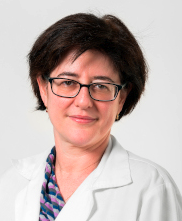 Mar Tormo合作论文数Universidad de Valencia;Hospital Clinico Universitario58
 Jorge Sierra合作论文数INRA Antilles-Guyane57Jerez Andres合作论文数Cleveland Clinic56
 Francesc Sole合作论文数55J. Sierra合作论文数52Pere Barba合作论文数51Barba Pere合作论文数49
 Irene García Cadenas合作论文数Hospital de la Santa Creu i Sant Pau, Universitat Autònoma de Barcelona49Lurdes Zamora合作论文数48
 Laura Palomo Sanchis合作论文数Institut Català d'Oncologia47
 Pierre Fenaux合作论文数Université Paris Cité47
 Teresa Bernal合作论文数School of Veterinary Medicine, Universidad Nacional Mayor de San Marcos47
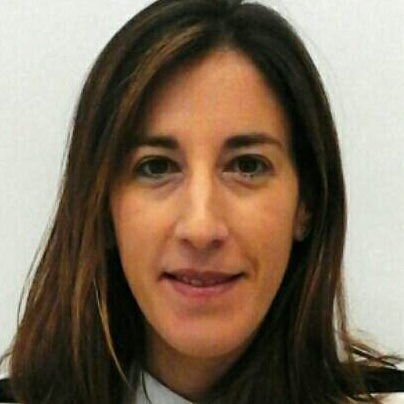 Lucía López Corral合作论文数Instituto de Investigación Biomédica de Salamanca, Universidad de Salamanca44
 Ana Alfonso Pierola合作论文数Clinica Universidad de Navarra42
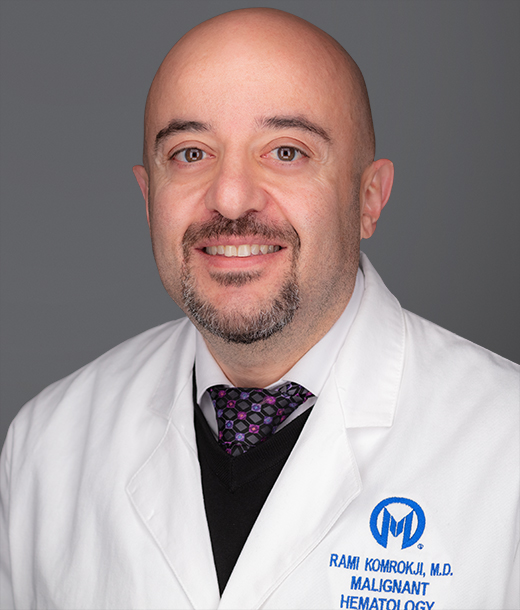 Rami Komrokji合作论文数Malignant Hematology Department, Moffitt Cancer Center;College of Medicine, University of South Florida41
 Silvia Saumell合作论文数40
 Amer Zeidan合作论文数Division of Hematologic Malignancies, Yale University;School of Medicine, Yale University39
 Guillermo Orti合作论文数39Olga Salamero合作论文数39Christelle Ferrà合作论文数38Laura Gallur合作论文数38Ezponda Teresa合作论文数37
 María Dolores Caballero Barrigón合作论文数Instituto De Investigación Biomédica De Salamanca, Universidad de Salamanca37Esquirol Albert合作论文数36Montserrat Arnan合作论文数36Carme Pedro合作论文数35
 Guillermo Sanz Santillana合作论文数Health Department Valencia-La Fe;Health Research Institute La Fe35Elisa Roldán合作论文数Dept Haematol, Sheffield Teaching Hosp NHS Fdn Trust34
 Guillermo Garcia-Manero合作论文数Section of Myelodysplastic Syndromes, Department of Leukemia, Division of Cancer Medicine, The University of Texas MD Anderson Cancer Center;UTHealth Houston Graduate School of Biomedical Sciences34Montoro Julia合作论文数34
 Felipe Prósper Cardoso合作论文数Cancer Center Clínica Universidad de Navarra;Clínica Universidad de Navarra34Maria Julia Montoro合作论文数33Fox María Laura合作论文数32
 Gaël Roué合作论文数Josep Carreras Leukaemia Research Institute32
 José Luis Piñana Sánchez合作论文数Hospitales Vithas31A Sureda合作论文数30
 Silvana Novelli合作论文数30Rocio Parody合作论文数30
 Elisabetta Mereu合作论文数Medicina Clinica e Molecolare, Università degli Studi di Cagliari29
 Veronica Davalos合作论文数Cancer Epigenetics and Biology Program (PEBC),, Bellvitge Biomedical Research Institute (IDIBELL),29




