Diffusion of oxyhemoglobin has been shown to augment the oxygen transport inside the red blood cells. Measurement of hemoglobin diffusion coefficients by pulsed-field gradient (PFG) nuclear magnetic resonance (NMR) technique can be used for estimating this augmentation effect. Self-diffusion coefficients of polymerized and unpolymerized bovine hemoglobin (Hb) and several other proteins were measured using this technique. The Hb diffusion coefficient was used to determine the effective permeability of oxygen and augmentation of oxygen transport through samples of Hb solutions due to diffusion of oxyhemoglobin. The values compared well with our previous diffusion cell measurements of effective diffusivity and augmentation. Our NMR studies show that even at low concentrations the augmentation of oxygen transport due to diffusion can be significant. The PFG NMR technique can thus provide an accurate and easy method for measuring augmentation of oxygen transport, especially in dilute samples of Hb. The results on polyhemoglobin and high-molecular-weight hemoglobin are of both basic interest and practical value in assessing the promise and performance of hemoglobin-based blood substitutes.
Smooth muscle cells (SMC) are the major cellular component of the blood vessel wall and are continuously exposed to cyclic stretch due to pulsatile blood flow. This study examined the effects of a physiologically relevant level of cyclic stretch on rat aortic vascular SMC proliferation. Treatment of static SMC with serum, platelet-derived growth factor, or thrombin stimulated SMC proliferation, whereas exposure of SMC to cyclic stretch blocked the proliferative effect of these growth factors. The stretch-mediated inhibition in SMC growth was not due to cell detachment or increased cell death. Flow cytometry analysis revealed that cyclic stretch increased the fraction of SMC in the G(0)/G(1) phase of the cell cycle. Stretch-inhibited G(1)/S phase transition was associated with a decrease in retinoblastoma protein phosphorylation and with a selective increase in the cyclin-dependent kinase inhibitor p21, but not p27. These results demonstrate that cyclic stretch inhibits SMC growth by blocking cell cycle progression and suggest that physiological levels of cyclic stretch contribute to vascular homeostasis by inhibiting the proliferative pathway of SMC.
In order to further define the influence of microvessel diameter on intraluminal oxygen transport a previously described in vitro artificial capillary system was modified from a vessel diameter of 25 microns to 10 microns. Oxygen uptake and release rates were measured for hemoglobin solutions and red blood cell (Rbc) suspensions of the same overall hemoglobin concentration (10 g/dl). The modified apparatus was tested by comparing data for the hemoglobin solutions with predictive simulations from a validated mathematical model of oxygen transport. Preliminary data for oxygen uptake by Rbc suspensions flowing in 10 microns diameter capillaries are presented. As observed previously oxygen uptake is faster in hemoglobin solutions than in Rbc suspensions.
Smooth muscle cells (SMC) are the major cellular component of the blood vessel wall and are continuously exposed to cyclic stretch due to pulsatile blood flow. This study examined the effects of a physiologically relevant level of cyclic stretch on rat aortic vascular SMC proliferation. Treatment of static SMC with serum, platelet-derived growth factor (PDGF), or thrombin stimulated SMC proliferation while exposure of SMC to cyclic stretch blocked the proliferative effect of these growth factors. The stretch-mediated inhibition in SMC growth was not due to cell detachment or increased cell death. Flow cytometry analysis revealed that cyclic stretch arrested SMC in the G0/G1 phase of the cell cycle. Stretch-inhibited G 1/S phase transition was associated with a decrease in retinoblastoma protein phosphorylation (Rb) and with a selective increase in the cyclin-dependent kinase inhibitor p21, but not p27. These results demonstrate that cyclic stretch inhibits SMC growth by blocking cell cycle progression and suggests that physiological levels of cyclic stretch contribute to vascular homeostasis by maintaining SMC in a quiescent, nonproliferative state
INTRODUCTION The field of biorheology is continuously changing in adaptation to new opportunities for scientific contributions related to the rapidly advancing knowledge base in both the rheological and biological sciences. For several decades we have seen an expansion in emphasis in biorheology from the classical macroscopic approach (e.g., development of constitutive equations for expression for the stress-strain relationships of biological materials) to studies of events at the cellular level. Biorheological phenomena, especially shear stresses, have been found to profoundly affect cellular events including activation, adhesion, motility, and mitosis; as well as events pertaining to coagulation and fibrinolysis of blood. In many cases both the extent and the mechanisms influencing cellular response have been shown to be markedly different under the influence of fluid mechanical shearing stress, than in the quiescent milieu of most classical in vitro studies of biological events. Hence, there has been a great burst of activity in studies at the interface of biology and biorheology. In the last decade we have seen a shift in emphasis from primarily measurement at the cellular level to quantitation at the molecular level. Two of the important areas of activity at the molecular level are (1) Effects of fluid shear stress on gene regulation of vascular cells, and (2) Effects of fluid shear stress on adhesion molecule function in blood and vascular cells. The very large literature in these area is beyond the scope of this paper. Several reviews of the shear-gene regulation literature have appeared recently (Resnick and Gimbrone, 1995; Ando and Kamiya, 1996; Papadaki and Eskin, 1997; Takahashi, et al., 1997). The studies on adhesion molecules can be divided into two parts. We can speak of the first part as pertaining to events related to the adhesion of leukocytes and platelets to the endothelial and sub-endothelial surface of blood vessels. Several aspects of this large and important literature have been reviewed recently (Springer, 1995; Jones, et al., 1996;
BACKGROUND:After activation, platelets adhere to neutrophils via P-selectin and beta2-integrin. The molecular mechanisms and adhesion events in whole blood exposed to venous levels of hydrodynamic shear in the absence of exogenous activation remain unknown.METHODS AND RESULTS:Whole blood was sheared at approximately 100 s(-1). The kinetics of neutrophil-platelet adhesion and neutrophil aggregation were measured in real time by flow cytometry. P-selectin was upregulated to the platelet surface in response to shear and was the primary factor mediating neutrophil-platelet adhesion. The extent of neutrophil aggregation increased linearly with platelet adhesion to neutrophils. Blocking either P-selectin, its glycoprotein ligand PSGL-1, or both simultaneously by preincubation with a monoclonal antibody resulted in equivalent inhibition of neutrophil-platelet adhesion (approximately 30%) and neutrophil aggregation (approximately 70%). The residual amount of neutrophil adhesion was blocked with anti-CD11b/CD18. Treatment of blood with prostacyclin analogue ZK36374, which raises cAMP levels in platelets, blocked P-selectin upregulation and neutrophil aggregation to baseline. Complete abrogation of platelet-neutrophil adhesion required both ZK36374 and anti-CD18. Electron microscopic observations of fixed blood specimens revealed that platelets augmented neutrophil aggregation both by forming bridges between neutrophils and through contact-mediated activation.CONCLUSIONS:The results are consistent with a model in which venous levels of shear support platelet adherence to neutrophils via P-selectin binding PSGL-1. This interaction alone is sufficient to mediate neutrophil aggregation. Abrogation of platelet adhesion and aggregation requires blocking Mac-1 in addition to PSGL-1 or P-selectin. The described mechanisms are likely of key importance in the pathogenesis and progression of thrombotic disorders that are exacerbated by leukocyte-platelet aggregation.
Oxygen transport behavior of erythrocyte/extracellular hemoglobin mixtures flowing in microvessels was studied as a model of hemoglobin-based oxygen carrier (HBOC) performance. An experimentalin vitro25-μm-diameter capillary model was used to provide detailed oxygen flux measurements for hemoglobin solutions, erythrocyte suspensions, and erythrocyte/hemoglobin solution mixtures. The experimental apparatus includes computerized data acquisition and control coupled to a dual wavelength microspectrophotomer. This apparatus had been previously validated by good agreement of experimental measurements with predictive mathematical models of oxygen transport for either erythrocyte suspensions or hemoglobin solutions. The experimental methodology was extended to measurement of oxygen transport in erythrocyte/hemoglobin solutions. The hemoglobin solutions consisted of either purified or gluteraldehyde polymerized bovine hemoglobin. Dose–response plots were generated by varying the extracellular to intracellular hemoglobin ratio while holding the overall hemoglobin concentration constant. Measurements were also made on unmixed erythrocyte suspensions and hemoglobin solutions to generate limiting cases for comparison. Direct comparison of experimental results showed that both types of hemoglobin solutions were substantially more efficient than erythrocyte suspension in uptake and release of oxygen. Increased extracellular hemoglobin concentration increased oxygen transport efficiency for both uptake and release, even when total hemoglobin concentration was held constant. When only 10% of the total hemoglobin was extracellular, approximately half of the increased efficiency of pure hemoglobin solutions was reached. When 50% of the total hemoglobin was extracellular, the increased efficiency was virtually equal to that of pure hemoglobin solutions.
The effects of intravenous Integrelin, an antagonist of platelet glycoprotein (GP) IIb-IIIa, were studied ex vivo in flow models of platelet adhesion/aggregation in patients undergoing angioplasty. Blood was collected from each patient before, during, and after a 24-h Integrelin infusion (0.75 micrograms/kg/min; plasma Integrelin levels, 312-759 ng/ml). The effects of Integrelin administered in vivo were evaluated by using two different models of platelet thrombus formation: (a) platelet adhesion onto von Willebrand factor (vWF)/collagen, followed by platelet aggregation, in a perfusion system; and (b) direct platelet aggregation induced by elevated levels of shear stress imposed by a cone-and-plate viscometer. Neither aspirin nor heparin, also given to the patients, affected platelet adhesion or aggregation in these flow models. In the perfusion studies, platelet adhesion to vWF/collagen I was not inhibited by in vivo Integrelin. In contrast, in each of the six patients studied by using blood collected after 45 min of Integrelin infusion, there was a decrease in the size of platelet aggregates compared with patient baseline samples. In the viscometer experiments, shear-induced platelet aggregation was reduced by 61-71% in samples collected 45 min into the Integrelin infusion (plasma Integrelin levels: 759 +/- 69 ng/ml) compared with baseline samples. Within 24-48 h after termination of the Integrelin, direct shear-induced platelet aggregation and platelet aggregation subsequent to adhesion returned to or near baseline in each of the patients studied. We conclude that Integrelin administered in vivo inhibits both platelet aggregation subsequent to initial platelet adhesion and direct shear-induced platelet aggregation under pathologic flowing conditions, After discontinuation of the drug, these inhibitory effects do not persist in vivo as long as the inhibitory effect on aggregation produced by c7E3 (the monoclonal antibody against GPIIb-IIIa).
Neutrophil emigration into inflamed tissue is mediated by beta 2-integrin and L-selectin adhesion receptors. Homotypic neutrophil aggregation is also dependent on these molecules, and it provides a model system in which to study adhesion dynamics. In the current study we formulated a mathematical model for cellular aggregation in a linear shear field based on Smoluchowski's two-body collision theory. Neutrophil suspensions activated with chemotactic stimulus and sheared in a cone-plate viscometer rapidly aggregate. Over a range of shear rates (400-800 s-1), approximately 90% of the single cells were recruited into aggregates ranging from doublets to groupings larger than sextuplets. The adhesion efficiency fit to these kinetics reached maximum levels of > 70%. Formed aggregates remained intact and resistant to shear up to 120 s, at which time they spontaneously dissociated back to singlets. The rate of cell disaggregation was linearly proportional to the applied shear rate, and it was approximately 60% lower for doublets as compared to larger aggregates. By accounting for the time-dependent changes in adhesion efficiency, disaggregation rate, and the effects of aggregate geometry, we succeeded in predicting the reversible kinetics of aggregation over a wide range of shear rates and cell concentrations. The combination of viscometry with flow cytometry and mathematical analysis as presented here represents a novel approach to differentiating between the effects of hydrodynamics and the intrinsic biological processes that control cell adhesion.
Both nitric oxide (NO) and carbon monoxide (CO) are vessel wall-derived messenger molecules that cause platelet inhibition and vasodilation by activating guanylyl cyclase in target cells. Since vascular smooth muscle cells (SMCs) are exposed to shear and tensile stresses, this study examined the effects of these hemodynamic forces on the enzymes that generate NO and CO in SMCs. Monolayers of cultured rat aortic SMCs were subjected to shear stress using a modified cone and plate viscometer, or cyclic elongational stretch using a compliant silastic culture membrane. Shear stress stimulated time-dependent increases in mRNA and protein for inducible heme oxygenase-1 (HO-1), the enzyme which forms CO as a byproduct of heme degradation. The threshold level of shear necessary to induce HO-1 expression was between 5 and 10 dynes/cm2. In contrast, shear stress did not stimulate inducible NO synthase (iNOS) expression. Cyclic stretch also induced the expression of HO-1 but not of iNOS mRNA. Exposure of vascular SMCs to shear stress stimulated the production and release of CO as demonstrated by the CO-dependent increase in intracellular cGMP levels in coincubated platelets. In addition, ADP-stimulated aggregation was inhibited in platelets exposed to sheared SMCs but not in platelets exposed to untreated control SMCs. Treatment of sheared SMCs with the HO-1 inhibitor, tin protoporphyrin-IX, blocked the antiaggregatory effect of the cells, whereas the iNOS inhibitor, methyl--arginine, had no effect. These results indicate that hemodynamic forces induce HO-1 gene expression and CO production in vascular SMCs, and that SMC-derived CO inhibits platelet aggregation. Thus, CO is a novel endogenous vessel wall-derived messenger molecule that may be selectively induced by hemodynamic forces to inhibit platelet reactivity and preserve blood fluidity at sites of vascular injury.
Shear stress-induced platelet aggregation requires von Willebrand factor (vWF), platelet glycoprotein (GP) Ib, GPIIb-IIIa, Ca2+, and adenosine diphosphate (ADP). Recent reports using vWF labeled with either 125I or fluorescein isothiocyanate (FITC) have demonstrated that in shear-fields, vWF binds to both GPIb and GPHb-IIIa. The sequence of the vWF binding to the two platelet receptors has not been precisely determined in these reports. In this study, a flow cytometry technique using a primary anti-vWF antibody and a secondary FITC IgG antibody was used to measure shear stress-induced vWF binding to platelets. Washed normal platelets suspended at 50,000/μl with purified large VWF multimers were exposed to laminar shear stresses of 15 to 120 dynes/cm2 for 30 sec. At this low platelet count, little or no aggregation occurred in the shear fields. A significant increase in post-shear vWF-positive platelets was consistently observed. Experiments with platelets from normal and severe von Willebrand's disease (vWD) (which lack plasma and platelet α-granule vWF) demonstrated that exogenous vWF predominately contributed to the platelet-vWF binding. Blockade of platelet GPIb with the monoclonal anti-GPIb antibody, 6D1, completely inhibited shear stress-induced platelet-vWF attachment. In contrast, blockade of GPIIb-IIIa with monoclonal anti-GPIIb-IIIa antibodies, 10E5 or c7E3, or with the GPIIb-IIIa-blocking tetrapeptide, RGDS, had little or no inhibitory effect on platelet-vWF binding. These data demonstrate that the binding of vWF to GPIb is likely to be the initial shear-induced platelet-ligand binding event. © 1997 Elsevier Science Ltd
C LINICAL BLEEDING or thrombosis results from a disturbance in the balance between a complex network of procoagulant and anticoagulant factors. This network involves three primary interactions, first described by the eminent pathologist Rudolph Virchow during the previous century, between blood (soluble and cellular constituents), the blood vessel (including fixed and dynamic responses), and blood flow. This review examines one increasingly recognized feature of this interplay that appears to affect both hemostasis and thrombosis. This feature is the effect on blood platelets of the mechanical forces of shear generated by flowing blood. Knowledge of the link between platelets and shear stress provides clues to general mechanisms governing physiologic and pathologic processes by re-emphasizing the importance of physical forces in regulating cellular function in vivo. Platelets have long been regarded as the preeminent cell involved in physiologic hemostasis and pathologic thrombosis. In both cases, the plasma protein von Willebrand factor (vWF) and the blood platelet work together to effect the biologic response. The versatility in biologic responses mediated by a single receptor-ligand coupling has been, and remains, one of the challenging conundrums placed before clinical investigators and practicing hematologists. It is all the more intriguing when one considers that mixing vWF with platelets in a static or stirred suspension evokes no response. The discovery that the mechanism of toxicity of the antibiotic ristocetin is its capacity to induce plasma vWF to bind to platelet glycoprotein (GP) Ib’ stimulated numerous important discoveries about the structure and function of vWF and its platelet receptors, including the nosology of von Willebrand (vWD) disease.’-4 However, elucidation of mechanisms of hemostasis and thrombosis in vivo required the convergence of classical pathology with modem molecular biology. One hundred and forty years after it was proposed, Rudolf Virchow’s concept of the pathogenesis of thrombosis holds the key to understanding the relationship between platelets and shear stress. Virchow’s triad is a concept that is old but does not recidivate; rather, it confronts observations and their interpretation within a context of the interrelated pathophysiologic elements of blood, blood vessel, and blood flow. It is the application of Virchow’s principles to the puzzle of vWF-mediated platelet aggregation that ultimately led to the discovery that rheological factors mediate the binding of vWF to platelets in vivo, and that shear stress appears to be the physiologic, or pathophysiologic, equivalent of ri~tocetin.’.~ This review will attempt to summarize our current understanding of the molecular basis of Virchow’s triad operating in platelet-dependent arterial thrombosis, and to explore the mechanisms by which rheologic and vascular factors interact to effect platelet-dependent hemostasis. The scope of the problem of arterial thrombosis is staggering: at least 5 million adults in the United States alone suffer from related symptoms. About 50% of the annual nonaccident deaths in the United States are caused by thrombi predominantly composed of platelets in coronary or cerebral arteries. In addition, thrombosis of these and the peripheral arteries causes extensive morbidity. Antiplatelet agents presently available in clinical practice, which were originally tested predominantly in static or stirred systems, are only moderately effective in preventing the development or recurrence of thrombotic diseases of the coronary and cerebrovascular circulation.’ To improve the therapy of arterial thrombotic disorders, therefore, it is imperative to establish basic mechanisms of platelet thrombus formation under conditions of arterial blood flow. In vitro systems capable of modeling flow-mediated platelet adhesion and aggregation have been developed to investigate the mechanisms by which mechanical forces affect platelet thrombus formation. The reconstitution in vitro of the components of Virchow’s triad operating in vivo in pathologically constricted arteries is likely to provide improved methods for the evaluation of
Homotypic adhesion o2 neutrophils stimulated with chemoattractant is analogous to capture on vascular endothelium in that both processes depend on L-selectin and beta 2-integrin adhesion receptors. Under hydrodynamic shear, cell adhesion requires that receptors bind sufficient ligand over the duration of intercellular contact to withstand hydrodynamic stresses. Using cone-plate viscometry to apply a uniform linear shear field to suspensions of neutrophils, we conducted a detailed examination of the effect of shear rate and shear stress on the kinetics of cell aggregation. A collisional analysis based on Smoluchowski's flocculation theory was employed to fit the kinetics of aggregation with an adhesion efficiency. Adhesion efficiency increased with shear rate from approximately 20% at 100 s-1 to approximately 80% at 400 s-1. The increase in adhesion efficiency. Adhesion efficiency increased with shear rate from approximately 20% at 100 s-1 to approximately 80% at 400 s-1. The increase in adhesion efficiency with shear was dependent on L-selectin, and peak efficiency was maintained over a relatively narrow range of shear rates (400-800 s-1) and shear stresses (4-7 dyn/cm2). When L-selectin was blocked with antibody, beta 2-integrin (CD11a, b) supported adhesion at low shear rates (< 400 s-1). The binding kinetics of selectin and integrin appear to be optimized to function within discrete ranges of shear rate and stress, providing an intrinsic mechanism for the transition from neutrophil tethering to stable adhesion.
Elevated shear stress levels in pathologically stenosed vessels induce platelet activation and aggregation, and may play a role in the pathogenesis of arterial disease. Increased plasma catecholamine concentrations have also been implicated in the onset of acute coronary ischemic syndromes. This study was designed to examine the synergistic interaction of shear stress and epinephrine in the activation of platelets. Platelets (in PRP) sheared at 60 dyn/cm2 showed little or no aggregation unless pretreated with epinephrine. Pretreatment with 250 nM epinephrine followed by shear at 60 dyn/cm2 induced > 60% platelet aggregation. The specific alpha 2-adrenergic receptor antagonist yohimbine inhibited the synergistic aggregation, as did the ADP scavenging system phosphocreatine/creatine phosphokinase, indicating a three-way synergism with ADP. Chemical or monoclonal antibody blockade of von Willebrand factor (vWF) interactions with either platelet glycoprotein (Gp) Ib or Gp IIb/IIIa completely inhibited platelet aggregation induced by activating levels of shear stress alone. However, the combination of epinephrine and shear stress induced platelet aggregation that was blocked by 10E5, a monoclonal antibody that inhibits vWF binding to Gp IIb/IIIa, but not by aurin tricarboxylic acid or the monoclonal antibody 6D1, both of which inhibit vWF binding to Gp Ib. Synergistic platelet aggregation in response to epinephrine and shear stress was observed in washed platelets, platelet-rich plasma and whole blood in vitro, and also ex vivo following exercise to elevate endogenous levels of catecholamines. These results indicate that epinephrine synergizes with shear stress to induce platelet aggregation. This synergistic response requires functional Gp IIb/IIIa complexes, but is at least partially independent of vWF-Gp Ib interactions.
BACKGROUND:Shear stress-induced platelet aggregation may initiate arterial thrombosis at sites of pathological blood flow. Shear stress-induced platelet aggregation is mediated by von Willebrand factor (vWf) binding to platelet membrane glycoprotein (GP) Ib and GP IIb/IIIa. Tissue-type plasminogen activator (TPA) induces thrombolysis in coronary arteries through the local generation of plasmin. Plasmin also proteolyses GP Ib and plasma vWf.METHODS AND RESULTS:Because these effects could mitigate shear stress-induced platelet aggregation, we investigated the effect of fibrinolytic agents on platelet aggregation in response to a pathological shear stress of 120 dynes/cm2 generated by a cone-and-platen rotational viscometer. Plasmin inhibited shear stress-induced aggregation of washed platelets, and this was associated with a decrease in GP Ib. TPA, at concentrations > or = 2000 IU/mL, significantly inhibited shear stress-induced platelet aggregation of platelet-rich plasma without a decrease in platelet GP Ib. In plasma-platelet mixing experiments, we determined that the TPA effect was localized to plasma. Purified vWf multimer degradation by TPA (in the presence of exogenous plasminogen) was associated with the loss of the capacity of vWf to support shear stress-induced platelet aggregation.CONCLUSIONS:These results demonstrate that TPA inhibits platelet aggregation in response to pathological shear stress by altering the multimeric composition of vWf. This effect of TPA on shear stress-induced platelet aggregation may contribute, along with fibrinolysis, to the therapeutic effect of TPA in restoring blood flow during acute coronary artery thrombosis.
Background Elevated levels of shear stress such as those that occur in stenotic arterial vessels can directly activate and aggregate platelets and thus contribute to the pathogenesis of acute arterial thrombosis. This shear-induced platelet aggregation (SIPA) is mediated by von Willebrand factor binding to platelet membrane glycoprotein (GP) Ib and GPIIb/IIIa. The chimeric Fab fragment of the monoclonal antibody 7E3 (c7E3 Fab) that binds selectively to GPIIb/IIIa is under clinical evaluation in patients undergoing percutaneous transluminal coronary angioplasty (PTCA). This study was undertaken to investigate the effects on ex vivo SIPA of c7E3 Fab administered to patients undergoing PTCA. Methods and Results Six patients received aspirin (325 mg) and boluses of heparin (12 000 U) followed by c7E3 Fab 0.25 mg/kg. Blood collected from each patient before and after heparin treatment and at various time points after c7E3 Fab administration was subjected to laminar shear stress in a cone-and-plate viscometer. Flow cytometry was used to quantify the extents of platelet aggregation and of antibody binding to GPIIb/IIIa. Results indicate that c7E3 Fab injection resulted in a rapid, extensive blockade of GPIIb/IIIa receptors (98.6±0.2%) and a 50% inhibition of ex vivo platelet aggregation induced by shear stress. c7E3 Fab also completely abolished the formation of large platelet aggregates (“large” refers to particles >10 μm in equivalent sphere diameter), which are presumably the aggregates of greatest clinical significance. Partial reversibility of the inhibition was noted within 2 days after drug administration, but even after 1 week, platelet function had not been fully restored. Conclusions This study demonstrates that c7E3 Fab is a potent inhibitor of SIPA, which may be an important mechanism of its beneficial effect in the treatment of arterial occlusive diseases and in the prevention of thrombotic complications of coronary artery disease after angioplasty.
Elevated levels of shear stress that occur in stenotic arteries may induce platelet aggregation and initiate thrombosis. Shear-induced platelet aggregation (SIPA) was studied in groups of ischemic stroke patients and normal subjects using a viscometric-flow cytometric technique. Twenty-three patients who sustained an ischemic stroke that was not of cardiac origin were included in this study, and were classified either as atherosclerotic (n = 15) or as lacunar (n = 8) stroke patients. The results show that shear stresses at the levels which occur in arteries partially occluded by atherosclerosis or vascular spasm strongly activate and aggregate platelets, and this response is much more pronounced in non-lacunar stroke patients who had documented atherosclerotic disease of their cerebral vessels. SIPA is not affected by the time of blood drawing after the onset of stroke suggesting that these platelet abnormalities are not transient but chronic. Furthermore, the extent of platelet activation detected by an anti-P-selectin monoclonal antibody and the proportion of neutrophil-platelet aggregates circulating in vivo are significantly higher in the atherosclerotic stroke patients studied at least one month after the onset of stroke. The results indicate that the enhanced platelet responses observed in atherosclerotic stroke patients are not consequences of ischemia, and therefore both platelet activation and elevated SIPA may be considered as important risk factors for stroke. The methodology developed in this work may be useful for characterization of platelet reactivity, and may contribute to our understanding of thrombotic mechanisms.
 Joel Moake合作论文数Department of Bioengineering, George R. Brown School of Engineering, Rice University;Moake Laboratory in Hemostasis-Thrombosis Research, Rice University;Baylor College of Medicine13
 Ai Schafer合作论文数11
 John Olson合作论文数Department of BioSciences, Rice University9
 Konstantinos Konstantopoulos合作论文数Department of Chemical and Biomolecular Engineering, Whiting School of Engineering, Johns Hopkins University8
 William Durante合作论文数Department of Medical Pharmacology and Physiology, University of Missouri7Mh Kroll合作论文数6Lv Mcintire合作论文数5Cp Alfrey合作论文数5S.I. Simon合作论文数5P K Nair合作论文数5EJ BOLAND合作论文数5
 Todd Giorgio合作论文数Department of Biomedical Engineering, School of Engineering, Vanderbilt University;Vanderbilt Institute for Infection, Immunology and Inflammation, Vanderbilt University Medical Center5
 Sriram Neelamegham合作论文数Department of Chemical and Biological Engineering, School of Engineering and Applied Sciences, University at Buffalo, State University of New York;Department of Biomedical Engineering, School of Engineering and Applied Sciences, University at Buffalo, State University of New York;Clinical and Translational Research Center, Jacobs School of Medicine and Biomedical Sciences, University at Buffalo, State University of New York5NA Turner合作论文数4Na Stathopoulos合作论文数4T W Chow合作论文数4EI BANEZ合作论文数4Sg Kamat合作论文数4LB LEVERETT合作论文数4
 Kenneth K Wu合作论文数University of Texas Health Science Center, Houston;National Health Research Institutes;China Medical University4
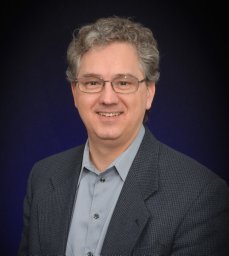 Christopher T. Wagner合作论文数4P.Y. Huang合作论文数3Rt Solis合作论文数3Gb Chapman合作论文数3A D Taylor合作论文数3
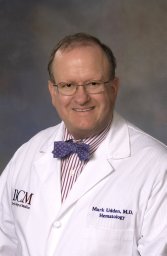 Mark M. Udden合作论文数Department of Medicine, Baylor College of Medicine3NS Kleiman合作论文数3RA HARDWICK合作论文数2Nancy S. Huang合作论文数2DD LEMON合作论文数2DM PETERSON合作论文数2GH ANDERSON合作论文数2Cb Mckay合作论文数2Robert Jordan合作论文数2L. Lopez合作论文数2
 James Grotta合作论文数Stroke Research, Memorial Hermann - Texas Medical Center;Clinical Institute for Research and Innovation, Memorial Hermann - Texas Medical Center;Mobile Stroke Unit, Memorial Hermann Health System2
 George Hirasaki合作论文数Department of Chemical and Biomolecular Engineering, Rice University2
 Nicolaos Christodoulides合作论文数2Stuart W Churchill合作论文数2W. D. George合作论文数2Leticia Nolasco合作论文数2P. T. Baxley合作论文数2D Rajasekhar合作论文数1JK HRBOLICH合作论文数1K Razdan合作论文数1E C Lynch合作论文数1C Sills合作论文数1D D'Souza合作论文数1E Hentzen合作论文数1




