Allogeneic hematopoietic cell transplantation (HCT) likely prolongs survival in high-risk adults with acute myeloid leukemia (AML) in first complete remission (CR1). Prior studies, however, suggest that only about 15% of AML patients age ≥50 with abnormal cytogenetics who entered CR1 at an academic cancer center received a reduced intensity HCT in CR1 (Estey et al., Blood 2007;109:1395-1400). In this study, only HLA-matched siblings were primarily used as donors, raising the question of the frequency with which HCT is performed in adults of all ages entering CR1 if unrelated donors as well as siblings are utilized. Here we address this question and compare high- or intermediate-risk AML patients who did and did not receive HCT while in CR1. Between Jan, 1 2008 and March 1, 2011, 244 patients received treatment for newly-diagnosed AML at our Center and who achieved CR or CRi [98/117 (84%) in CR and 19/117 (16%) in CRi]. Because HCT is generally not recommended/undertaken in patients age >75 or who have favorable cytogenetic risk [inversion 16, t(8,21), or t(15;17)] or who are NPM1 mutated and FLT3 wild-type, we excluded such patients, leaving 117 with high- or intermediate-risk AML in CR1. Logistic regression was used to distinguish characteristics associated with receiving HCT in CR1. Seventy-nine AML patients (68%; 95% CI 59-76%) received HCT in CR1 at a median of 5.1 months (range, 1.2-20 months) from their CR1 date. Characteristics of patients who received or did not receive HCT in CR1 are shown in the Table below:TableHCT vs No HCT in CR1HCT (79 pts)No HCT (38 pts)P-value logistic regressionMean Age (range)53 (18-75)55 (24-73)0.54Mean Performance status at CR1 (range)1.1 (1-2)1.5 (1-4)0.005Mean HCT-CI (range)1.7 (0-11)1.9 (0-7)0.65Unfavorable cytogenetics (n)30 (37%)7 (18%)0.18Secondary AML (n)39 (49%)15 (39%)0.32Early relapse (n) (>5% marrow blasts within 4.9 months of CR1 (range 0.9-10, median 3.75)0 (0%)13 (34%)<0.001 Open table in a new tab Twenty-four of the 38 (63%) non-HCT patients were HLA-typed and matched donors were found for 13 of these 24 patients (54%; 5 related, 8 unrelated). Seven of the 14 non-typed patients (50%) had financial barriers or refused HLA-typing. Only 2 of these 38 (5%) received HCT beyond CR1. These data suggest that HCT can be performed in CR1 in the majority of high-risk AML patients in whom it is currently recommended. Patients in whom HCT is not done are characterized by a poorer performance status (but not older age) and by early relapse. In the absence of these 2 factors, >75% of patients with high-risk AML under the age of 75 can receive HCT in CR1. A national study is planned to assess the extent to which these results can be generalized.
Treosulfan (Treo) is an immuno-suppressive and cytotoxic alkylating agent recently introduced as a conditioning agent for hematopoietic cell transplantation (HCT). Previous studies have evaluated the use of Treo-based conditioning regimens for conventional donor HCT, however, there is minimal experience using Treo in umbilical cord blood transplantation (CBT). Between March 2009 and July 2011, 25 consecutive CBT recipients were enrolled in a prospective phase II study at Fred Hutchinson Cancer Research Center. All patients received intravenous (IV) fludarabine, 30 mg/m2 on days -6 to -2 (total dose: 150 mg/m2), Treo 14 g/m2 IV on days -6, -5, and -4 (total dose: 42 g/m2) and a single dose of 2 Gy of total body irradiation (TBI) on day -2 before HCT. Graft Versus Host Disease (GVHD) prophylaxis consisted of cyclosporine and MMF. Engraftment, non-relapse mortality (NRM) and acute and chronic GVHD were calculated using cumulative incidence (CI) rates. Relapse-free survival (RFS) and overall survival (OS) were determined using Kaplan-Meier estimates. All but 2 patients received double CBT, and the median dose of nucleated cells was 3.8 (range, 2.4-11.2) x 107/Kg. The median age was 48 (range, 5-63) years and weight 76 (range, 17-114) Kg. Eighteen patients (72%) had acute leukemia, 5 (20%) MDS and 2 CML (8%). Four patients (16%) had received a previous allogeneic and 1 a previous autologous HCT. Fifteen patients (60%) had minimal residual disease, and 6 (24%) were in second complete remission (CR2). The median follow-up of survivors was 435 (range 73-947) days. Median time of neutrophil recovery was 23 (range, 13-89) days, with a CI of engraftment of 92% (95% CI, 72-97%). Two patients experienced primary graft failure, and one of these received a second HLA-haploidentical HCT. The 2-year probabilities of OS and RFS were 61.7% (95% CI, 37-79%) and 54% (95% CI, 28-74%), respectively. The CI of NRM at 2 years was 18% (95% CI, 5-37%), and relapse incidence 21% (6-43%). Eight patients (32%) died, relapse and multiorgan failure being the most common causes (n = 6). The CI of grades II-IV and III-IV acute GVHD was 64% (95% CI, 42-80) and 20% (95% CI, 7-38%), respectively. Chronic incidence GVHD at 1 year was 28% (95% CI, 10-45%). Data from this trial suggest that Treo-based conditioning regimens are safe and effective in CBT. Treo represents a promising non-TBI based myeloablative regimen for patients undergoing CBT.
Glucocorticoids remain the standard for initial treatment of acute GVHD. However, toxicities and immunosuppression are severe and steroid-sparing strategies would be desirable. Between 5/96 and 4/07 we treated 55 patients with isolated skin GVHD with methoxsalen plus ultraviolet-A light therapy (PUVA), with the objective of avoiding systemic immunosuppressive therapy. Patients were treated with PUVA three times/week initially at doses of 0.25 J/m2, with exposure increased 0.25 J/m2 per treatment as clinically indicated. The median patient age was 48 (range 4–71) years. Twenty-six received a calcineurin inhibitor plus mycophenolate mofetil for GVHD prophylaxis, 24 received a calcineurin inhibitor plus methotrexate, and 5 received other regimens. Sixteen had related donors (1 HLA-mismatched), and 39 had unrelated donors (15 HLA-mismatched). The median onset of GVHD was 26 days after transplant, and the median start time of PUVA was 43 days. Forty-five patients received PUVA as initial therapy for acute GVHD, and 10 patients received PUVA for recurrent GVHD after discontinuation of prednisone administration. At the start of PUVA therapy, 31 patients (56%) had rash involving > 50% body surface area (BSA), 19 (35%) had rash 26–50% BSA and 5 (9%) had rash ≤ 25% BSA. The median number of PUVA treatments was 13 (range 2–26). Sixteen patients (29%) had complete responses after a median of 14 (range 8–26) PUVA treatments and required no subsequent systemic immunosuppressive therapy for treatment of acute GVHD. Twelve patients required systemic therapy after starting PUVA for treatment of isolated gastrointestinal GVHD, although 8 of these patients had cleared or improved skin rash before starting systemic therapy. Twenty-four patients (44%) required systemic immunosuppressive therapy after starting PUVA for treatment of skin GVHD (18) or skin plus gastrointestinal GVHD (6). Three patients had evidence of skin GVHD when PUVA was discontinued early due to readmission to the hospital or discharge home. Only four patients required secondary systemic therapy for treatment of acute GVHD. Thirty-one of 52 patients who could be evaluated developed chronic GVHD. Thirty-seven patients remain alive at a median of 753 days after transplant. Overall, 24 of 55 patients (44%) responded to PUVA with resolution or improvement of rash. These results suggest that PUVA can be effective in treating skin GVHD and in reducing the need for systemic immunosuppressive treatment.
Allogeneic HCT is currently the only treatment option with curative potential for secondary MDS. The efficacy of nonmyeloablative HCT in patients (pts) with secondary MDS and its impact on the primary disease is unknown. We analyzed data from 25 patients, 38–74 (median 58) years of age, with secondary MDS who were not candidates for myeloablative HCT. The primary diseases included non-Hodgkin’s lymphoma (NHL) (n=11), chronic lymphocytic leukemia (CLL) (n=5), multiple myeloma (n=2), breast cancer (n=2), acute myelogenous leukemia (n=1), Hodgkin lymphoma (n=1), and other carcinomas (n=3). At the time of HCT, 19 pts (76%), including all with non-hematologic primary malignancies, were in complete remission of the primary underlying malignancy, while 4 patients with CLL and 2 patients with follicular NHL had active disease. Twenty-four patients had received 1–6 (median 2) treatments for the primary disease 0.8–10.8 (median 6.2) years before developing MDS, including autologous HCT in 12 (48%). One patient developed MDS after local treatment for squamous cell carcinoma. The secondary MDS status at HCT was RA(RS) (n=10), RAEB/RAEB-t (n=6) or AML (n=9). The interval from MDS diagnosis to HCT was 0.2–1.5 (median 0.5) years. All pts were conditioned with fludarabine, 90mg/m 2 and 2 Gy TBI and received unmodified G-CSF mobilized peripheral blood progenitor cells containing a median 6.2 x10 6 CD34+ and 2.2 x 10 8 CD3+ cells/kg from HLA-matched related (n=13) or unrelated (n=12) donors. Postgrafting immunosuppression consisted of cyclosporine and mycophenolate mofetil. All pts had initial donor engraftment at day 28 after HCT, but 2 pts experienced subsequent graft rejections followed by MDS relapse. The incidences of grades II, III and IV acute GVHD were 28%, 12% and 4%, respectively. Fourteen pts (54%) achieved complete remissions of their MDS. Fourteen (56%) patients died; 3 from non-relapse causes and 11 from relapse/progression of MDS. The 1 year estimates of non-relapse mortality, overall and progression free survivals were 17%, 56% and 36%, respectively. The 3-year overall survival was 35% for pts with RA(RS) (n=10) and 29% for patients with more advanced disease. All pts in complete remission of the primary disease at the time of HCT remained in remission of the primary disease after the HCT. Among four pts with active CLL at the time of HCT, one achieved CR after HCT but died from MDS progression, whereas the other 3 had stable disease at the last follow-up. Among 2 pts with active follicular NHL, one achieved CR after HCT but died from progression of MDS and the other pt died on day 7 from multi-organ failure. In summary, nonmyeloablative HCT allowed for development of graft versus tumor effects for MDS. Encouragingly, none of the patients had relapse or progression of their primary malignancy following nonmyeloablative conditioning and post-grafting immunossupression. Additionally, HCT may control the primary disease (CLL and indolent NHL) if active at the time of HCT.
Donor T cells activated by recipient alloantigens cause graft-versus-host disease (GVHD) after hematopoietic cell transplantation. Activated T cells express CD25, among other components of the interleukin-2 receptor. We conducted a phase I/II study to determine whether administration of CD25-specific antibody conjugated to ricin toxin A could reduce the risk of grade III or IV GVHD after marrow transplantation from HLA-matched unrelated donors. All patients received methotrexate and cyclosporine after the transplantation. The immunotoxin was given to 36 patients for 4 consecutive days beginning approximately 36 hours after the marrow infusion was completed. Fourteen (40%) of the 35 patients who could be evaluated developed grade III or IV GVHD. In a contemporaneous population of 121 patients who received marrow from HLA-matched unrelated donors and were given methotrexate and cyclosporine without the immunotoxin, the incidence of grades III and IV GVHD was 24%. Cyclosporine blocked the induction of CD25 expression on alloactivated T cells in vitro but had no detectable effect on CD25 expression by T-regulatory cells. Taken together, these results are consistent with the hypothesis that cyclosporine protected alloactivated donor T cells from the effects of the immunotoxin, whereas the CD25+ T-regulatory cells remained susceptible, causing an unexpected exacerbation of acute GVHD.
Chronic graft-versus-host disease (GVHD) is the principal cause of transplantation-related morbidity and nonrelapse mortality late after allogeneic hematopoietic stem cell transplantation.The safety and potential efficacy of tacrolimus for the salvage treatment of chronic GVHD was evaluated in a single-arm, open-label phase 2 study.A total of 39 evaluable patients with chronic GVHD who failed previous immunosuppressive therapy with cyclosporine and prednisone were treated with tacrolimus starting at a median of 20 months (range, 3-68 months) after transplantation.At 3 years after the start of treatment, 5 patients (13%) had discontinued tacrolimus and were in complete remission, and 3 were considered clinically stable but not able to discontinue tacrolimus.A total of 31 patients (79%) experienced treatment failure; 22 (56%) who failed therapy had a change in immunosuppressive regimen because of progression (n = 18) or toxicity (n = 4).Nine patients (23%) died during continued treatment with tacrolimus.Two patients were lost to follow-up, at 11 and 19 months.The median duration of treatment with tacrolimus was 9 months (range, 1-29 months).Infections (144 episodes) were the most frequent adverse event.Nephrotoxicity occurred in 16 patients (41%); tacrolimus was discontinued in only 2 patients because of progressive deterioration in renal function.The Kaplan-Meier estimate of survival was 64% (95% confidence interval, 49%-79%) at 3 years posttransplantation.Seven patients had discontinued all immunosuppression at last contact, leading to an estimated 29% probability of stopping all immunosuppression by 3 years posttransplantation.Four patients died after relapse of malignancy.The response rate is consistent with previous reports of salvage treatment for chronic GVHD, indicating that a small group of patients failing cyclosporine may respond or stabilize with tacrolimus.
Busulfan (BU) is included in many conditioning protocols for haematopoietic stem cell transplantation (HSCT). Pharmacokinetic parameters in individual patients have been related to short-term toxicity and risk of relapse after HSCT. In a series of 11 patients receiving the usual 16 × 1 mg/kg schedule over 4 days, we investigated the pharmacokinetics of replacing one dose with an intravenous formulation (BU in DMSO) which we had previously investigated in dogs. A dose of 0.5–0.6 mg/kg was used. No acute side-effects of BU/DMSO infusions administered over 1 h were observed. Bioavailability of BU powder capsules was on average 70% (range, 44–94%). Interindividual variability of the resulting AUC after intravenous doses was still substantial. Further studies are under way to define the possible role of BU/DMSO infusions in conditioning before HSCT.
The effects of recombinant canine granulocyte colony-stimulating factor (rcG-CSF) and recombinant canine stem cell factor (rcSCF), a c-kit ligand, on the circulation of hematopoietic progenitor and stem cells were studied in a canine model. Administration of rcG-CSF (10 micrograms/kg) for 7 days led to a 5.4-fold increase in CFU-GM/mL of blood, while 7 days of rcSCF (200 micrograms/kg) led to an 8.2-fold increase. Although treatment with low-dose rcSCF (25 micrograms/kg) had no effect on the level of peripheral blood progenitors, 7-day exposure to a combination of G-CSF plus low dose SCF led to a 21.6-fold increase (P = .03). To assess the ability of these factors to increase the circulation of cells capable of rescuing animals after lethal total body irradiation (TBI), 1 x 10(8) peripheral blood mononuclear cells (PBMC)/kg were collected and cryopreserved from animals after 7 days of treatment with G-CSF, SCF or a combination of the two. One month later, animals were exposed to 9.2 Gy TBI and transplanted with the previously collected cells. Control animals transplanted with 1 x 10(8) PBMC/kg collected without pretreatment died with marrow aplasia 11 to 29 days after TBI as did animals treated with only low-dose SCF before cell collection. In contrast, all animals given PBMC collected after G-CSF, high-dose SCF, or a combination of G-CSF plus low-dose SCF recovered granulocyte function. Recovery to 500 granulocytes/microL after transplant took 17, 18.8, and 13.6 days, respectively, (P = .056 for the difference between the combination G-CSF-SCF group and the other two groups). In both the G-CSF and SCF groups, 4 of 5 animals completely recovered while 1 of 5 in each group died with prolonged thrombocytopenia. In the combination group, all 5 animals became long- term survivors. These studies demonstrate that both G-CSF and SCF dramatically increase the level of peripheral blood hematopoietic progenitor and stem cells and support the view that these factors can act synergistically.
The probability of relapse after allogeneic bone marrow transplantation is as high as 30% in standard risk patients. Investigators have attempted to improve these results by combining total body irradiation (TBI) and etoposide [1–3]. However, the use of etoposide requires time-consuming dilution steps resulting in large fluid volumes that need to be administered. It was noted recently that the stability of etoposide in saline 0.9% and dextrose 5% is much greater than previously thought [4]. Lazarus et al. [5,6] suggested administering etoposide without prior dilution. However, it is not clear whether administration in undiluted form alters bioavailability. Therefore, we conducted the present study to compare the pharmacokinetics of etoposide given as diluted or undiluted solution.
The transfer of tetanus toxoid (TT) and diphtheria toxoid (DT) specific immunity was evaluated in 209 short-term (less than 120 days postgrafting) and 257 long-term (greater than 198 days postgrafting) non-boosted recipients after HLA-identical, HLA non-identical, and HLA-identical T cell-depleted marrow transplantation. TT or DT immunizations were not given to donors in the 6 months prior to transplant and the recipients received no immunizations post-transplantation. In 209 short-term recipients, 94% and 74% of recipients had detectable anti-TT and anti-DT titers respectively. In long-term recipients, 110 of 210 (52%) who received HLA-identical grafts, 17 of 38 (45%) who received HLA-non-identical grafts, and seven of seven (100%) who received HLA-identical T cell-depleted grafts had anti-TT titers; and 86 of 212 (40%) who received HLA-identical grafts, 11 of 38 (29%) who received HLA-non-identical grafts, and four of seven (57%) who received HLA-identical T cell-depleted grafts had anti-DT titers. When compared to non-boosted normal donor and control subjects, the magnitudes of anti-TT and anti-DT titers from the recipients were comparable to controls. These data show that transferred specific immunity is detectable in long-term recipients of T cell-depleted or HLA-non-identical grafts without immunizations of donors or recipients before or after transplantation.
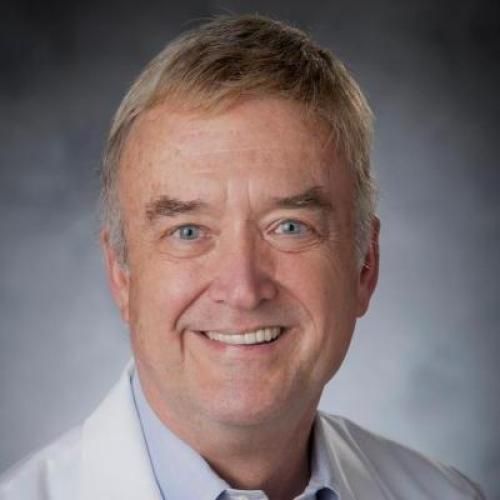 Keith Michael Sullivan合作论文数Division of Hematologic Malignancies and Cellular Therapy, Department of Medicine, Duke University School of Medicine;Duke Cancer Institute, Duke University9
 Frederick R. Appelbaum合作论文数Fred Hutchinson Cancer Research Center9
 K Doney合作论文数6
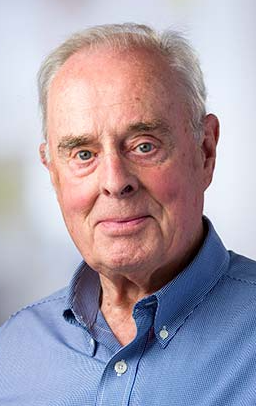 Rainer Storb合作论文数Clinical Research Division, Fred Hutchinson Cancer Center;Division of Medical Oncology, School of Medicine, University of Washington6
 Jean E. Sanders合作论文数Fred Hutchinson Cancer Research Center5Ra Clift合作论文数4JE SANDERS合作论文数3E D Thomas合作论文数3Rp Witherspoon合作论文数3
 Jack W Singer合作论文数Elsomn S Floyd College of Medicine, Washington State University3Claudio Anasetti合作论文数3Richard A. Nash合作论文数3C.D. Buckner合作论文数3E.D. Thomas合作论文数3Terry Furlong合作论文数3M Banaji合作论文数2
 Buckner Cd合作论文数Fred Hutchinson Cancer Research Center2P Stewart合作论文数2
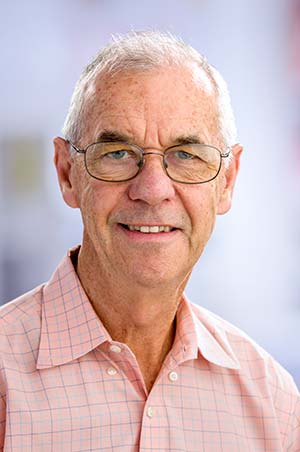 Ross Prentice合作论文数Public Health Sciences Division, Fred Hutchinson Cancer Center;School of Public Health, University of Washington2
 Mary Flowers合作论文数Clinical Research Division, Fred Hutchinson Cancer Center;Division of Hematology and Oncology, University of Washington2
 Ricardo Pasquini合作论文数2Ted Gooley合作论文数2
 Hans-Peter Kiem合作论文数Clinical Research Division, Fred Hutchinson Cancer Center;Vaccine and Infectious Disease Division, Fred Hutchinson Cancer Center2
 Mark Mason合作论文数Faculty of Education, The University of Hong Kong2Marco Mielcarek合作论文数2
 Thomas R. Chauncey合作论文数Division of Hematology & Oncology, University of Washington2R Raff合作论文数2Barry E. Storer合作论文数2M Flowers合作论文数2P A Carpenter合作论文数2F. Milano合作论文数1L Luzzatto合作论文数1R Mcguffin合作论文数1Us Schuler合作论文数1Kc Doney合作论文数1FA HAYES合作论文数1RC HACKMAN合作论文数1Med Flowers合作论文数1J Agosti合作论文数1W. L. LADIGES合作论文数1J Zanis合作论文数1P Mcsweeney合作论文数1Kj Kopecky合作论文数1Lum Lg合作论文数1Ma Bitencourt合作论文数1Ml Friedrich合作论文数1




