Supplementary Tables 1-3 from Epigenetic Deregulation Across Chromosome 2q14.2 Differentiates Normal from Prostate Cancer and Provides a Regional Panel of Novel DNA Methylation Cancer Biomarkers
Background: Ventilator-induced lung injury (VILI) frequently worsens acute respiratory distress syndrome (ARDS) severity. Human mesenchymal stem/stromal cells (MSCs) offer considerable therapeutic promise, but the key impediments of clinical translation stem from limitations due to cell source and availability, and concerns regarding the loss of efficacy following cryopreservation. These experiments compared the efficacy of umbilical-cord-derived MSCs (UC-MSCs), a readily available and homogenous tissue source, to the previously more widely utilised bone-marrow-derived MSCs (BM-MSCs). We assessed their capacity to limit inflammation, resolve injury and enhance repair in relevant lung mechanical stretch models, and the impact of cryopreservation on therapeutic efficacy. Methods: In series 1, confluent alveolar epithelial layers were subjected to cyclic mechanical stretch (22% equibiaxial strain) and wound injury, and the potential of the secretome from BM- and UC-derived MSCs to attenuate epithelial inflammation and cell death, and enhance wound repair was determined. In series 2, anesthetized rats underwent VILI, and later received, in a randomised manner, 1 × 10⁷ MSCs/kg intravenously, that were: (i) fresh BM-MSCs, (ii) fresh UC-MSCs or (iii) cryopreserved UC-MSCs. Control animals received a vehicle (PBS). The extent of the resolution of inflammation and injury, and repair was measured at 24 h. Results: Conditioned medium from BM-MSCs and UC-MSCs comparably decreased stretch-induced pulmonary epithelial inflammation and cell death. BM-MSCs and UC-MSCs comparably enhanced wound resolution. In animals subjected to VILI, both fresh BM-MSCs and UC-MSCs enhanced injury resolution and repair, while cryopreserved UC-MSCs comparably retained their efficacy. Conclusions: Cryopreserved UC-MSCs can reduce stretch-induced inflammation and cell death, enhance wound resolution, and enhance injury resolution and repair following VILI. Cryopreserved UC-MSCs represent a more abundant, cost-efficient, less variable and equally efficacious source of therapeutic MSC product.
Background: Human mesenchymal stromal cells demonstrate promise for acute respiratory distress syndrome, but current studies use highly heterogenous cell populations. We hypothesized that a syndecan 2 (CD362)-expressing human mesenchymal stromal cell subpopulation would attenuate Escherichia coli-induced lung injury and enhance resolution after ventilator-induced lung injury. Methods: In vitro studies determined whether CD362(+) human mesenchymal stromal cells could modulate pulmonary epithelial inflammation, wound healing, and macrophage phagocytosis. Two in vivo rodent studies determined whether CD362(+) human mesenchymal stromal cells attenuated Escherichia coli-induced lung injury (n = 10/group) and enhanced resolution of ventilation-induced injury (n = 10/group). Results: CD362(+) human mesenchymal stromal cells attenuated cytokine-induced epithelial nuclear factor kappa B activation, increased epithelial wound closure, and increased macrophage phagocytosis in vitro. CD362(+) human mesenchymal stromal cells attenuated Escherichia coli-induced injury in rodents, improving arterial oxygenation (mean SD, 83 +/- 9 vs. 60 +/- 8 mmHg, P < 0.05), improving lung compliance (mean +/- SD: 0.66 +/- 0.08 vs. 0.53 +/- 0.09 ml.cm H2O-1, P < 0.05), reducing bacterial load (median [interquartile range], 1,895 [100-3,300] vs. 8,195 [4,260-8,690] colony-forming units, P < 0.05), and decreasing structural injury compared with vehicle. CD362(+) human mesenchymal stromal cells were more effective than CD362(-) human mesenchymal stromal cells and comparable to heterogenous human mesenchymal stromal cells. CD362(+) human mesenchymal stromal cells enhanced resolution after ventilator-induced lung injury in rodents, restoring arterial oxygenation (mean +/- SD: 113 +/- 11 vs. 89 +/- 11 mmHg, P < 0.05) and lung static compliance (mean +/- SD: 0.74 +/- 0.07 vs. 0.45 +/- 0.07 ml.cm H2O-1, P < 0.05), resolving lung inflammation, and restoring histologic structure compared with vehicle. CD362(+) human mesenchymal stromal cells efficacy was at least comparable to heterogenous human mesenchymal stromal cells. Conclusions: A CD362(+) human mesenchymal stromal cell population decreased Escherichia coli-induced pneumonia severity and enhanced recovery after ventilator-induced lung injury.
Xuan, Yan-Yan MD; Wu, Yi-Yi MD; Xie, Yi-Lian MD; Chu, Jin-Guo MD; Li, Guo-Xiang MD; Wang, Li-Ping MD Author Information
Objective:Diverse effects of hypercapnic acidosis are mediated via inhibition of nuclear factor-&kgr;B, a pivotal transcription factor, in the setting of injury, inflammation, and repair, but the underlying mechanisms of action of hypercapnic acidosis on this pathway is unclear. We aim to examine the effect of hypercapnic acidosis on the nuclear factor-&kgr;B pathway in the setting of Escherichia coli–induced lung injury and characterize the underlying mechanisms in subsequent in vitro studies. Design:In vivo animal study and subsequent in vitro studies. Setting:University Research Laboratory. Subjects:Adult male Sprague-Dawley rats and pulmonary epithelial cells. Interventions:Following pulmonary I&kgr;B&agr;-SuperRepressor transgene overexpression or sham and intratracheal E. coli inoculation, rats underwent 4 hours of mechanical ventilation under normocapnia or hypercapnic acidosis, and nuclear factor-&kgr;B activation, animal survival, lung injury, and cytokine profile were assessed. Subsequent in vitro studies examined the effect of hypercapnic acidosis on specific nuclear factor-&kgr;B canonical pathway kinases via overexpression of these components and in vitro kinase activity assays. The effect of hypercapnic acidosis on the p50/p65 nuclear factor-&kgr;B heterodimer was then assessed. Measurements and Main Results:Hypercapnic acidosis and I&kgr;B&agr;-SuperRepressor transgene overexpression reduced E. coli–induced lung inflammation and injury, decreased nuclear factor-&kgr;B activity, and increased animal survival. Hypercapnic acidosis inhibited canonical nuclear factor-&kgr;B signaling via reduced phosphorylative activation, reducing I&kgr;B kinase-&bgr; activation and intrinsic activity, thereby decreasing I&kgr;B&agr; degradation, and subsequent nuclear factor-&kgr;B translocation. Hypercapnic acidosis also directly reduced DNA binding of the nuclear factor-&kgr;B p65 subunit, although this effect was less marked. Conclusions:Hypercapnic acidosis reduced E. coli inflammation and lung injury in vivo and reduced nuclear factor-&kgr;B activation predominantly by inhibiting the activation and intrinsic activity of I&kgr;B kinase-&bgr;.
Objective: Although mesenchymal stem/stromal cells represent a promising therapeutic strategy for acute respiratory distress syndrome, clinical translation faces challenges, including scarcity of bone marrow donors, and reliance on bovine serum during mesenchymal stem/stromal cell proliferation. We wished to compare mesenchymal stem/stromal cells from human umbilical cord, grown in xeno-free conditions, with mesenchymal stem/stromal cells from human bone marrow, in a rat model of Escherichia coli pneumonia. In addition, we wished to determine the potential for umbilical cord-mesenchymal stem/stromal cells to reduce E. coli–induced oxidant injury. Design: Randomized animal study. Setting: University research laboratory. Subjects: Male Sprague-Dawley rats. Interventions: Acute respiratory distress syndrome was induced in rats by intratracheal instillation of E. coli (1.5–2 × 10⁹ CFU/kg). “Series 1” compared the effects of freshly thawed cryopreserved umbilical cord-mesenchymal stem/stromal cells with bone marrow-mesenchymal stem/stromal cells on physiologic indices of lung injury, cellular infiltration, and E. coli colony counts in bronchoalveolar lavage. “Series 2” examined the effects of cryopreserved umbilical cord-mesenchymal stem/stromal cells on survival, as well as measures of injury, inflammation and oxidant stress, including production of reactive oxidative species, reactive oxidative species scavenging by superoxide dismutase-1 and superoxide dismutase-2. Measurements and Main Results: In “Series 1,” animals subjected to E. coli pneumonia who received umbilical cord-mesenchymal stem/stromal cells had improvements in oxygenation, respiratory static compliance, and wet-to-dry ratios comparable to bone marrow-mesenchymal stem/stromal cell treatment. E. coli colony-forming units in bronchoalveolar lavage were reduced in both cell therapy groups, despite a reduction in bronchoalveolar lavage neutrophils. In series 2, umbilical cord-mesenchymal stem/stromal cells enhanced animal survival and decreased alveolar protein and proinflammatory cytokine concentrations, whereas increasing interleukin-10 concentrations. Umbilical cord-mesenchymal stem/stromal cell therapy decreased nicotinamide adenine dinucleotide phosphate-oxidase 2 and inducible nitric oxide synthase and enhanced lung concentrations of superoxide dismutase-2, thereby reducing lung tissue reactive oxidative species concentrations. Conclusions: Our results demonstrate that freshly thawed cryopreserved xeno-free human umbilical cord-mesenchymal stem/stromal cells reduce the severity of rodent E. coli–induced acute respiratory distress syndrome. Umbilical cord-mesenchymal stem/stromal cells, therefore, represent an attractive option for future clinical trials in acute respiratory distress syndrome.
Hypercapnia, with its associated acidosis (HCA), is a consequence of respiratory failure and is also seen in critically ill patients managed with conventional “protective” ventilation strategies. Nuclear factor kappa-B (NF-κB), a pivotal transcription factor, is activated in the setting of injury and repair and is central to innate immunity. We have previously established that HCA protects against ventilation-induced lung injury in vivo, potentially via a mechanism involving inhibition of NF-κB signaling. We wished to further elucidate the role and mechanism of HCA-mediated inhibition of the NF-κB pathway in attenuating stretch-induced injury in vitro.
Background Mesenchymal stromal cells (MSCs) demonstrate considerable promise in preclinical acute respiratory distress syndrome models. We wished to determine the efficacy and mechanisms of action of human MSCs (hMSCs) in the setting of acute lung injury induced by prolonged Escherichia coli pneumonia in the rat.Methods Adult male Sprague Dawley rats underwent intratracheal instillation of E. coli bacteria in all experiments. In Series 1, animals were randomised to intravenous administration of: (1) vehicle (phosphate buffered saline (PBS), 300 mu L); (2) 1x10(7) fibroblasts/kg; (3) 1x10(7) hMSCs/kg or (4) 2x10(7) hMSCs/kg. Series 2 determined the lowest effective hMSC dose. Series 3 compared the efficacy of intratracheal versus intravenous hMSC administration, while Series 4 examined the efficacy of cryopreserved hMSC. Series 5 examined the efficacy of the hMSC secretome. Parallel in vitro experiments further assessed the potential for hMSCs to secrete LL-37 and modulate macrophage phagocytosis.Results hMSC therapy reduced the severity of rodent E. coli pneumonia, improving survival, decreasing lung injury, reducing lung bacterial load and suppressing inflammation. Doses as lowas 5x10(6) hMSCs/kg were effective. Intratracheal hMSC therapy was as effective as intravenous hMSC. Cryopreserved hMSCs were also effective, while the hMSC secretome was less effective in this model. hMSC therapy enhanced macrophage phagocytic capacity and increased lung and systemic concentrations of the antimicrobial peptide LL37.Conclusions hMSC therapy decreased E. coli induced pneumonia injury and reduced lung bacterial burden, potentially via enhanced macrophage phagocytosis and increased alveolar LL-37 concentrations.
Background: Rodent mesenchymal stem/stromal cells (MSCs) enhance repair after ventilator-induced lung injury (VILI). We wished to determine the therapeutic potential of human MSCs (hMSCs) in repairing the rodent lung. Methods: In series 1, anesthetized rats underwent VILI (series 1A, n = 8 to 9 per group) or protective ventilation (series 1B, n = 4 per group). After VILI, they were randomized to intravenous administration of (1) vehicle (phosphate-buffered saline); (2) fibroblasts (1 × 10⁷ cells/kg); or (3) human MSCs (1 × 10⁷ cells/kg) and the effect on restoration of lung function and structure assessed. In series 2, the efficacy of hMSC doses of 1, 2, 5, and 10 million/kg was examined (n = 8 per group). Series 3 compared the efficacy of both intratracheal and intraperitoneal hMSC administration to intravascular delivery (n = 5–10 per group). Series 4 examined the efficacy of delayed hMSC administration (n = 8 per group). Results: Human MSC’s enhanced lung repair, restoring oxygenation (131 ± 19 vs. 103 ± 11 vs. 95 ± 11 mmHg, P = 0.004) compared to vehicle or fibroblast therapy, respectively. hMSCs improved lung compliance, reducing alveolar edema, and restoring lung architecture. hMSCs attenuated lung inflammation, decreasing alveolar cellular infiltration, and decreasing cytokine-induced neutrophil chemoattractant-1 and interleukin-6 while increasing keratinocyte growth factor concentrations. The lowest effective hMSC dose was 2 × 10⁶ hMSC/kg. Intraperitoneal hMSC delivery was less effective than intratracheal or intravenous hMSC. hMSCs enhanced lung repair when administered at later time points after VILI. Conclusions: hMSC therapy demonstrates therapeutic potential in enhancing recovery after VILI.
The potential for mesenchymal stem cells (MSCs) to reduce the severity of experimental lung injury has been established in several pre-clinical studies. We have recently demonstrated that MSCs, and MSC-secreted factors (secretome), enhance lung repair and regeneration at 48 h following ventilation-induced lung injury (VILI). We wished to determine the potential for MSC therapy to exert beneficial effects in the early recovery phase following VILI when ongoing injury coexists with processes of repair, and to compare the efficacy of MSC therapy to the use of the secretome alone.
BACKGROUND:Activation of the nuclear factor-κB (NF-κB) pathway is central to the pathogenesis of lung injury and inflammation. We determined whether targeted overexpression of inhibitor-κBα (IκBα) in the lung could decrease the severity of ventilator-induced lung injury (VILI).METHODS:Anaesthetized adult male Sprague-Dawley rats were randomly allocated to undergo intratracheal instillation of: (i) vehicle alone (surfactant, n=10); (ii) 1×10(10) adeno-associated virus encoding IκBα (AAV-IκBα, n=10); (iii) 5×10(10) AAV-IκBα (n=10); and (iv) 1×10(10) AAV-Null (n=5). This was followed by 4 h of injurious mechanical ventilation. Subsequent experiments examined the effect of IκBα overexpression in animals undergoing 'protective' mechanical ventilation.RESULTS:IκBα overexpression increased survival duration at both the lower [3.8 h (0.4)] and higher [3.6 h (0.7)] doses compared with vehicle [2.7 h (1.0)] or the null transgene [2.2 h (0.8)]. IκBα overexpression reduced the alveolar-arterial oxygen gradient (kPa) at both the lower [53 (21)] and higher [52 (19)] doses compared with vehicle [75 (8.5)] or the null transgene [70 (15)], decreased alveolar neutrophil infiltration, and reduced alveolar concentrations of interleukin (IL)-1β and IL-10. The lower IκBα dose was as effective as the higher dose. IκBα overexpression had no effect in the setting of protective lung ventilation.CONCLUSIONS:Inhibition of pulmonary NF-κB activity by IκBα overexpression reduced the severity of VILI in a rat model.
1. Effect of Periodic Staff Education on Performance Improvement in Assessment and Education of Heart Failure Patients Dheeraj Khurana, Nina Kukar, Nora Gashi, Jennifer Chen, Ofer Sagiv, Aditya Mangla, Sasha Vukelic, Deepinder Osahan, Kyle Gibson, Adam Bierzynski, Jennifer Sillar, Georgia Panagopoulos, Frank Messineo, Neil L. Coplan 1. Cardiology, Lenox Hill Hospital, New York, NY, United States. 2. Five Years Mortality Prediction Performance and Optimization of a New Artificial Intelligence Model for Cardiovascular Risk Oana Sandu, Iulian Nastac, Jaime Uribarri 1. Albert Einstein College of Medicine, Bronx, NY, United States. 2. UPB, Bucharest, Romania. 3. Icahn School of Medicine at Mount Sinai, NY, NY, United States. 3. Families with both Hodgkin’s Lymphoma and Myeloma: Anticipation and Male Transmission Peter H. Wiernik, Janice P. Dutcher 1. Cancer Research Foundation, Chappaqua, NY, United States. 4. Sensitivity and Specificity of Empiric Treatment for Sexually Transmitted Infections in the Pediatric Emergency Department Kristen A. Breslin, Lisa Tuchman, Katie L. Hayes, Monika Goyal 1. Division of Emergency Medicine, Children’s National Medical Center, Washington, DC, United States. 2. Adolescent Medicine, Children’s National Medical Center, Washington, DC, United States. 3. Department of Pediatrics, Children’s Hospital of Philadelphia, Philadelphia, PA, United States. 5. Racial Disparities in Narcotic Administration Among Pediatric Patients Diagnosed With Appendicitis in Emergency Departments Monika K. Goyal, Nathan Kuppermann, Sean Cleary, Stephen Teach, James Chamberlain 1. Pediatrics & Emergency Medicine, Children’s National Medical Center, Washington, DC, United States. 2. Pediatrics & Emergency Medicine, University of California, Davis, Davis, CA, United States. 3. Biostatistics, George Washington University, Washington, DC, United States. 6. Impact Of Obesity On Clinical Outcomes In Inner-City Children Hospitalized For Asthma Exacerbation Elena Aragona, Justin Wang, Tessa Scheckelhoff, Trevor Scheckelhoff, Assata Hyacinthe, Gustavo Nino, Dinesh Pillai 1. Hospital Medicine, Children, Washington, DC, United States. 2. Pulmonary Medicine, Children, Washington, DC, United States. 7. The Effect of Glucose and Alternative Sugars and Sugar Alcohols on the Anoxic Tolerance of the Peripheral Nerve Melanie L. Wegener, Mark Stecker, Matthew Stevenson 1. Stony Brook Medicine, Stony Brook, NY, United States. 2. Neuroscience, Winthrop University Hospital, Mineola, NY, United States. 8. Primary Payer Status is Associated with Mortality and Resource Utilization Among Liver Transplant Recipients: A Nationwide Study Nabila K. Mazumder, Nusrat Mujib, Marjan Mujib, Karen Beekman, John H. Kim 1. Medicine, Flushing Hospital Medical Center, Flushing, NY, United States. 2. Medicine, Cape Fear Valley Hospital, Fayetteville, NC, United States. 3. Medicine, New York Medical College, Valhalla, NY, United States.
Inhibition of the proinflammatory transcription factor NF-κB has previously been shown to attenuate the inflammatory response in tissue after injury. However, the feasibility and efficacy of aerosolized adeno-associated viral (AAV) vector-delivered transgenes to inhibit the NF-κB pathway are less clear. Initial studies optimized the AAV vector for delivery of transgenes to the pulmonary epithelium. The effect of repeated nebulization on the integrity and transduction efficacy of the AAV vector was then examined. Subsequent in vivo studies examined the efficacy of aerosolized rAAV2/6 overexpressing the NF-κB inhibitor IκBα in a rodent endotoxin-induced lung injury model. Initial in vitro investigations indicated that rAAV2/6 was the most effective vector to transduce the lung epithelium, and maintained its integrity and transduction efficacy after repeated nebulization. In our in vivo studies, animals that received aerosolized rAAV2/6-IκBα demonstrated a significant increase in total IκBα levels in lung tissue relative to null vector-treated animals. Aerosolized rAAV2/6-IκBα attenuated endotoxin-induced bronchoalveolar lavage-detected neutrophilia, interleukin-6 and cytokine-induced neutrophil chemoattractant-1 levels, as well as total protein content, and decreased histologic indices of injury. These results demonstrate that aerosolized AAV vectors encoding human IκBα significantly attenuate endotoxin-mediated lung injury and may be a potential therapeutic candidate in the treatment of acute lung injury.
 O'Toole Daniel合作论文数26John G. Laffey合作论文数26
 Gerard F Curley合作论文数Department of Anaesthesia and Intensive Care Medicine, Galway University Hospitals16
 Masterson Claire合作论文数National University of Ireland, National University of Ireland14
 Eric Hoffman合作论文数Department of Pharmaceutical Sciences, School of Pharmacy and Pharmaceutical Sciences, Binghamton University State University of New York14Timothy O'Brien合作论文数10Michael A. Marino合作论文数7H. Gordish Dressman合作论文数6
 MacLoughlin Ronan合作论文数6Elliman Steve合作论文数6
 Shahd Horie合作论文数Johnson & Johnson MedTech5Elena Pegoraro合作论文数5Mairead Hayes合作论文数4
 Linda Pescatello合作论文数Department of Kinesiology, College of Agriculture, Health and Natural Resources, University of Connecticut4
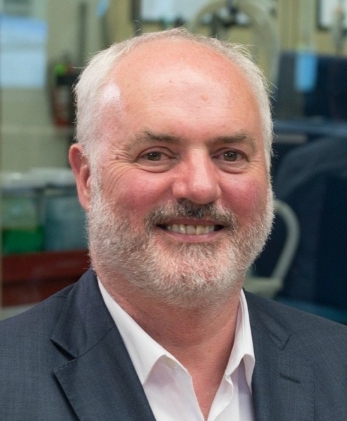 Frank Barry合作论文数Regenerative Medicine Institute, University of Galway4
 Niall Moyna合作论文数School of Health & Human Performance, Dublin City University4S. Horie合作论文数3
 Maya Contreras合作论文数Galway University Hospitals3Ansari Bilal合作论文数3
 Heather Gordish-Dressman合作论文数Research Center for Genetic Medicine, Children's National Medical Center3
 Brendan D Higgins合作论文数Clinical Sciences Institute, National University of Ireland3
 Cliff Taggart合作论文数Wellcome Wolfson Institute for Experimental Medicine, School of Medicine, Dentistry and Biomedical Sciences, Queen's University Belfast3
 Noel G McElvaney合作论文数Department of Medicine, Royal College of Surgeons in Ireland3Z Tezak合作论文数2John B. Wong合作论文数2Michele Writer合作论文数2Grace Hogan合作论文数2JA Houghton合作论文数2Ff Wu合作论文数2Paul S Visich合作论文数2Ruth Pe Benito合作论文数Cota Inc2B. Ansari合作论文数2M. Scully合作论文数2
 Regina Mayor合作论文数2Jenny Z Song合作论文数Garvan Inst Med Res, Canc Res Program, Epigenet Lab, Sydney, NSW 2010, Australia2Michael Scully合作论文数2
 Bruce Tabor合作论文数CSIRO;CSIRO2
 Helen Hailes合作论文数Department of Chemistry, Faculty of Maths & Physical Sciences, University College London2
 Coolen Marcel W合作论文数Canc Program, Garvan Inst Med Res2
 Robin J Mcanulty合作论文数Division of Medicine, University College London2
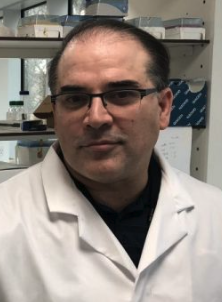 Aristides Tagalakis合作论文数Department of Biology, Faculty of Arts & Sciences, Edge Hill University;Health Research Institute, Edge Hill University;University College London2
 Aaron Luke Statham合作论文数Illumina2Hayes Mairead合作论文数2Hart S L合作论文数2Qu Wenjia合作论文数2
 Richard S. Finkel合作论文数Department of Pediatric Medicine, St. Jude Children's Research Hospital;Center for Experimental Neurotherapeutics, St. Jude Children's Research Hospital2Susan J. Clark合作论文数2
 Corrado Angelini合作论文数Università degli Studi di Padova2
 Paul D. Thompson合作论文数Hartford Hospital;University of Connecticut2




