The performance tradeoffs required for a small satellite synthetic aperture radar (SAR) system designed to measure surface deformations using persistent scatterer interferometry (PSI) are investigated. Existing X-band satellite data is systematically deteriorated to account for the increased range resolution and noise-equivalent sigma zero (NESZ). It is found that with an NESZ below 0 dB, the deformation signal of a selected region of interest (ROI) can be captured with mean absolute errors of 5 and 15 mm, for ground range resolutions of 5 and 20 m, respectively. This analysis is used to develop preliminary SAR system designs suitable for small satellites.
Exploring the physics of low pressure plasmas expanding in a diverging magnetic nozzle, and the resulting acceleration mechanisms, plays an important role in the development of a new-type of electrode-less plasma propulsion systems. This study discusses the effects of input power on plasma expansion and ion beam acceleration in a magnetic nozzle electrode-less plasma thruster. The experiments were conducted in a radio-frequency magnetic nozzle plasma device at The University of Auckland with four different power configurations PRF. Different plasma diagnostics were used to measure the characteristics of the plasma plume. A planar Langmuir probe was used to measure the floating potential and ion saturation current both in the plasma source and in the expansion chamber. The potential drop in the plasma source was obtained with an emissive probe. A retarding field energy analyser was employed to evaluate the local plasma and ion beam potentials, the ion energy distribution functions, and to estimate the ion beam speed in the expansion region. Measurements showed that, as expected, increasing the power input resulted in a higher plasma and supersonic ion density, while the ion beam speed did not increase further for PRF>100 W. Interestingly, and contrary to the idealised physical model, the ion sonic transition did not occur at the magnetic nozzle throat, but instead close to the geometrical expansion point, i.e. near the interface between the source tube and the expansion chamber. This feature would result in a lower performance of the thruster given the reduced expansion ratio. An E-H mode change is also observed to occur in the device with increasing radio-frequency power that would help explain the different plasma characteristics observed at the 200W transition point.
This study investigates turbulent channel flow with condensation at a friction Reynolds number of $$Re_*=590$$ R e ∗ = 590 , focusing on the influence of longwave radiation on fog formation. Two setups are analyzed: one incorporating ground cooling without direct radiative effects, and the other including cooling due to longwave radiation emitted by the fog. The cooling rate and radiative coefficient are varied independently to assess their impacts. In scenarios with excessive ground cooling, turbulence is suppressed, leading to laminarization and delayed condensation higher up. Additionally, longwave radiation is found to either invigorate or dampen turbulence dynamics, depending on the radiative coefficients. At high radiative coefficients, longwave radiation counterbalances ground cooling effects, producing uniform temperature profiles that drive fog formation. These findings underscore the critical role of longwave radiation in atmospheric dynamics.
Networks of ground stations designed to transmit and receive at optical wavelengths through the atmosphere offer an opportunity to provide on-demand, high-bandwidth, secure communications with spacecraft in Earth orbit and beyond. This work describes the operation and activities of current Free Space Optical Communication (FSOC) ground stations in Germany and Australasia. In Germany, FSOC facilities are located at the Oberpfaffenhofen campus of the Deutsches Zentrum fur Luft- und Raumfahrt (German Aerospace Center, DLR), the Laser-Bodenstation in Trauen (Responsive Space Cluster Competence Center, DLR), and the Research Center Space of the University of the Bundeswehr Munich in Neubiberg. The DLR also operates a ground station in Almeria, Spain as part of the European Optical Nucleus Network. The Australasian Optical Ground Station Network (AOGSN) is a proposed network of 0.5 -- 0.7m class optical telescopes located across Australia and New Zealand. The development and progress for each node of the AOGSN is reported, along with optimisation of future site locations based on cloud cover analysis.
Continuous variable quantum key distribution (CVQKD) is the sharing of a secret key between parties using the continuous quadratures of light, the phase and amplitude quadratures, which can infer the presence of an eavesdropper using fundamental quantum mechanics. A significant performance inhibitor of free-space CVQKD is turbulence which gives rise to optical wavefront distortions consisting of random phase and amplitude fluctuations (scintillation). In this work, we experimentally study the negative effects of turbulence on coherent states in a free-space channel for CVQKD. We demonstrate during coherent state transmissions from a continuous-wave laser in a turbulent channel, the interferometric visibility between a local oscillator and signal fluctuates and decreases with higher degrees of scintillation. This leads to the breaking of the phase-lock between the local oscillator and quantum signal and a decrease in the secret key rate (SKR). By incorporating an adaptive optics system, the degraded optical wavefront from turbulence can be corrected using a closed-feedback loop. This leads to the stabilisation and reduction in the decrease of the interferometric visibility in a turbulent channel. The improvement provided by adaptive optics leads to the increased performance of CVQKD, resulting in positive SKRs, which would have otherwise been infeasible in a turbulent channel.
Continuous variable quantum key distribution (CVQKD) uses the continuous quadratures of light to share a secret key between a transmitter and receiver. The presence of an eavesdropper can be detected by fundamental quantum mechanics. Compared to the more established discrete variable QKD, CVQKD uses more cost-effective homodyne detectors which are more compatible with current telecommunication technologies. In a future global quantum network, CVQKD could be used to ensure the secure exchange of information. In this work, the feasibility of a variety of CVQKD protocols in different channels that could be used to establish a global quantum network are studied. These are the Gaussian modulated and discrete modulated CVQKD protocols for satellite to optical ground station downlinks and uplinks for Earth-space connections, inter-satellite links for space connections, satellite to ship and underwater links for maritime connections, and fibre network links for terrestrial connections. Secret key distribution between continents and various regions is simulated while accounting for the different adverse effects associated with each link. The combination of these connections with routing and scheduling ensures inter-continental high-speed information exchange with unconditional security that is required to achieve the goal of a global quantum network.
The standard way to measure the performance of existing continuous variable quantum key distribution (CVQKD) protocols is by using the achievable secret key rate (SKR) with respect to one parameter while keeping all other parameters constant. However, this atomistic method requires many individual parameter analyses while overlooking the co-dependence of other parameters. In this work, a numerical tool is developed for comparing different CVQKD protocols while taking into account the simultaneous effects of multiple CVQKD parameters on the capability of protocols to produce positive SKRs. Using the transmittance, excess noise, and modulation amplitude parameter space, regions of positive SKR are identified to compare three discrete modulated (DM) CVQKD protocols. The results show that the M-QAM protocol outperforms the M-APSK and M-PSK protocols and that there is a non-linear increase in the capability to produce positive SKRs as the number of coherent states used for a protocol increases. The tool developed is beneficial for choosing the optimum protocol in unstable channels, such as free space, where the transmittance and excess noise fluctuate, providing a more holistic assessment of a protocol’s capability to produce positive SKRs.
A low-frequency ion instability, with frequency fI between the ion gyrofrequency and the lower hybrid frequency fc,i < fI << fLH, is detected in an argon plasma expanding in a magnetic nozzle for magnetic fields between 240< Bz,max < 700 G. The frequency of the instability exhibits a linear dependence with magnetic field strength, and the wave amplitude has a radial maximum that would match the location of a conical density structure, i.e. high-density cones. For all of the magnetic field cases analysed, the high-frequency spectra showed upper and lower sidebands centred around the driving frequency and at a separation equal to the instability frequency, 27.12 MHz ± fI kHz. Measurements of the perpendicular wavenumber would satisfy, for certain magnetic field strengths, the dispersion relation of both an electrostatic ion cyclotron wave (ICW) and of an ion acoustic wave (IAW). It is hypothesised that the observed low-frequency wave could be an acoustic-like instability propagating perpendicular to the magnetic field, which develops as an ICW at some magnetic field strengths. From the data collected, it is suggested that the high-frequency sidebands may be caused by modulation of the low-frequency wave.
Modern structures incorporating lightweight, low-stiffness floors face challenges for low-frequency impact noise transmission. Using spring isolators or resilient layers (e.g., floating floors) to improve isolation in light weight floor can introduce variability over time and increase structural complexity, making the system more sensitive to construction errors. An alternative approach is reviewed in this work, using internal floor cavities that contain Granular Materials (GM). Previous studies describe GM particle dampers in different applications where large movements between particles result in significant energy losses. However, a review of the experimental methods used in those studies is needed to be able to quantify the energy losses in relation to the type and degree of impact excitation. Modelling approaches are reviewed comparing their computational demand and which properties of GM are included, motion regimes and container properties. These studies span both destructive and non-destructive testing methods and give some pointers to both the geometrical and mechanical properties of granules which influence dissipation. This review goes beyond structural damping to include airborne sound absorption provided by a granular bed. This additional attenuation can be significant over a wide frequency range. A small number of practical studies of GM integrated with light weight floors show improvement in impact sound insulation. However, the lack of more detailed knowledge of GM damping mechanisms and a better understanding of GM bed interactions with containers prevents optimization of their use for insulating floors against sound transmission. This review proposes a general framework for future GM research to guide the selection of appropriate GM and addresses what is needed for optimizing lightweight floor impact sound insulation.
Wake effects in the Anholt offshore wind farm have been investigated using both operational data and a Large Eddy Simulation (LES) model of a group of five turbines within the wind farm. Analysis of operational data showed that the variations of main shaft speeds of the downstream turbines were almost six times those of the upstream turbine at near-rated operation. The aim of the LES was to study the impact of atmospheric stability on the wind turbine array performance and compare this with the field data. An LES precursor method was used to model the near-neutral and unstably stratified atmospheric boundary layers that represent typical conditions in winter and summer, respectively, and the turbines in wind farm model were simulated using an actuator line method. It was found that LES with the actuator line method and generic turbine design data can generate a reasonable mean power generation trend for the Anholt wind farm under near-neutral and unstable conditions. The maximum difference in the mean power output between the LES and averaged operational data was approximately 20%.
The heat transfer through additively manufactured Ti–6Al–4V sandwich structures has been investigated by simulating a one-dimensional multi-layer transient problem for heat fluxes up to 100 kW m^-2 . A previously published model for graded titanium foam insulation has been adapted, and its performance was validated experimentally for the additively manufactured titanium alloy samples. The optimal solidity distribution to minimise the peak temperature for a transient heat flux has been produced for a given sample mass and total thickness. The optimal distribution consists of three layers: the two outer layers are solid, the middle layer has the lowest possible solidity, and most of the material is distributed furthest from the applied heat flux.
Network capacity and reliability for free space optical communication (FSOC) is strongly driven by ground station availability, which is dominated by local cloud cover causing an outage. Here, we combine remote sensing data and novel methods to provide a generalized framework for assessing and optimizing optical ground station networks. This work is guided by an example network of eight Australian and New Zealand optical communication ground stations that span approximately 60° in longitude and 20° in latitude. Utilizing time-dependent cloud cover data from five satellites, we present a detailed analysis that determines the network availability and diversity, which showed that the Australasian region is well-suited for an optical network with a 69% average site availability and low spatial cloud cover correlations. Employing methods from computational neuroscience, we provide a Monte Carlo method for sampling the joint probability distribution of site availabilities for an arbitrarily sized and point-wise correlated network of ground stations. Furthermore, we develop a general heuristic for site selection under availability and correlation optimizations and combine it with orbital propagation simulations to compare the data capacity between optimized networks and the example network. We show that the example network may be capable of providing tens of terabits per day to a low Earth orbit satellite and up to 99.97% reliability to geostationary satellites. We therefore used the Australasian region to demonstrate, to the best of our knowledge, novel, generalized tools for assessing and optimizing FSOC ground station networks, as well as the suitability of the region for hosting such a network.
The primary function of the duodenum is to undertake chemical digestion by ensuring that the partially digested food received from the stomach is well-mixed with the enzymes and chemicals secreted into it. However, little is known about the anatomical variations in the shape of the duodenum within humans, and thus the effect of duodenum shape on the flow and mixing occurring within the lumen has not been studied. In this work, a methodology for analyzing shape variations in the normal duodenal anatomy has been developed and applied to a publicly available dataset of abdominal CT images. This method does not require the placement of landmarks as it is based on the underlying tubular ‘C’ shape of the duodenum. The average duodenal length and radius of this dataset (consisting of 34 subjects) were 212.8 ± 38 mm and 10.8 ± 2.5 mm respectively. A Principal Component Analysis (PCA) was conducted on a sample of 34 duodenums after normalizing their lengths and the first five principal components were found to contribute to 82 % of the total variation. The first shape component (accounting for 42 % of overall variation) consisted of variations in the radius along the duodenum with no deformations normal to the central plane, and the subsequent shape modes consisted of twists in the centerline either in and out of the central plane, and radial variations at either the inlet or outlet. This is the first study to analyze shape variations in the human duodenum and the results can be combined with flow modeling to analyze the effect of shape on the flow and mixing occurring within the duodenum.Clinical relevance— The methods developed in this study can be used by clinicians to diagnose abnormalities in an individual’s duodenum shape.
The use of in silico models to improve our understanding of the fluid dynamics within the gastrointestinal tract has increased over the last few decades. Computational fluid dynamics (CFD) is an in silico technique that can be used to characterize and model the fluid mechanics driving the digestion of food and absorption of nutrients. This systematic review outlines the current methodologies used to develop CFD models of the stomach and small intestine, and summarizes the flow and mixing patterns predicted from these models. A literature search was conducted on Scopus, and 15 stomach CFD studies and 15 small intestine CFD studies were included in this review after the literature selection and exclusion process. Two primary flow patterns; retropulsive flow and recirculation regions, were identified within the stomach CFD models. The flow patterns within the small intestine were depended on the type of motility pattern present. The shortcomings of the current models are discussed, and considerations for future gastric and intestinal flow modeling are provided.
Additively manufactured titanium alloy sandwich structures with lattice core have a potential use for thermal protection systems. To investigate the influence of the lattice core structure, four samples were manufactured in Ti-6Al-4V using electron beam melting. Two sample thicknesses and two lattice densities were realised. Plasma wind tunnel testing in the arc-heated facility L2K at the German Aerospace Center (DLR) was carried out to characterise their performance. Each sample was subjected to hypersonic air flow during four heating steps with a exposure time of 180 s each. Nominal cold-wall heat fluxes of 100 kW m^(−2), 200 kW m^(−2) and 500 kW m^(−2) were achieved. All samples survived the test procedure. The formation of a liquid film was observed during the exposure to highest heat flux level. Within the investigated parameter space, the lattice core structure had negligible influence on the front temperature but affected the back temperature considerably. For the lowest heat flux condition, the thick sample with the light lattice showed the lowest maximum back temperature of 390 °C. The sample thickness showed a higher effect on the maximum back temperature whereas the lattice density had the greater effect on the insulation-to-density performance.
Retarding field energy analyzers and Langmuir probes are routinely used to obtain ion and electron energy distribution functions (IEDF, EEDF). These typically require knowledge of the first and second derivatives of the I-V characteristics, both of which can be obtained in various ways. This poses challenges inherent to differentiating noisy signals, a frequent problem with electric-probe plasma diagnostics. A brief review of commonly used analog and numerical filtering and differentiation techniques is presented, together with their application on experimental data collected in a radio-frequency plasma. The application of each method is detailed with regards to the obtained IEDF and EEDF, the deduced plasma parameters, dynamic range, energy resolution and signal distortion.
To improve the efficiency of radio-frequency magnetic nozzle plasma thrusters, it is important to better understand the coupling between plasma expansion and a convergent–divergent magnetic field. This study explores the effects of magnetic field strength and orientation on plasma expansion in a magnetic nozzle. Two-dimensional measurements of the plasma characteristics obtained both in the source and in the expansion region are presented to investigate the influence of magnetic field strength on the formation of high-density conics in a symmetric magnetic nozzle. The measurements are repeated in a deflected magnetic nozzle using a novel magnetic steering system. Measurements of the ion saturation current and floating potential profiles are used respectively to qualitatively assess the plasma density distribution and the presence of high-energy electrons for the magnetic field configurations analysed. In the symmetric magnetic nozzle configuration, it is observed that the ion saturation current peaks on axis in the plasma source, but downstream of the nozzle throat, a double-peaked hollow profile is observed for all cases studied. The location of the high-density conics structure matches the most radial field lines that intersect the antenna and can freely expand downstream outside the source. Negative values of the floating potential are measured in the same peripheral regions, which could be a sign of the presence of high-energy electrons. When the magnetic field is deflected, the ion saturation current profile shows only a single peak centred around the bent field line that reconnects to the antenna. Again, a region of negative floating potential is measured at the location of the maximum ion current. Thus, it is shown how, independent of magnetic field strength and orientation, the magnetic field lines interacting with the antenna dictate the local plasma profiles downstream from the magnetic nozzle.
Waves propagating along a converging-diverging rf magnetoplasma having the characteristics of a bounded m = 0 helicon mode are reported and characterised. The discharge features a 30 cm separation between the region of radiofrequency energy deposition by a single loop antenna and the region of maximum magnetic field applied by a pair of coils. With 200 W of rf input power, up to a five-fold increase in axial plasma density between the antenna and the magnetic mirror throat is observed together with an Ar II blue-mode. Two dimensional B-dot probe measurements show that the rf magnetic fields are closely guided by the converging-diverging geometry. The wave is characterised as a m = 0 mode satisfying the helicon dispersion relation on-axis with radial boundary conditions approximately matching the radii of the plasma column. Analysis of the wave phase velocity and wave axial damping failed to identify collisionless or collisional wave-plasma coupling mechanisms. Instead, the wave axial amplitude variations can be explained by local wave resonances and possible reflections from localised rapid changes of the refractive index. A Venturi-like effect owing to the funnel-shaped magnetoplasma and conservation of the wave energy may also explain some level of amplitude variations.
Measurements were conducted within the flow field of a buoyancy-induced vortex at laboratory scale with a constant heat flux as input at the ground with swirl vanes set at 30 degrees and 60 degrees to the radial. Time-averaged velocity data were obtained using two-dimensional Particle Image Velocimetry (PIV). The velocity profiles in both crosssectional and vertical planes were measured at heights of 0.3 m, 0.45 m, and 0.6 m above the ground level, and the time-averaged tangential, radial and vertical velocity components were derived. Two types of the vortex structures are identified based on the core swirl ratio, showing one-cell and two-cell type vortex structures with 30 degrees and 60 degrees swirl vane angles, respectively. Vortex wandering effects have also been investigated, including the centre distributions for different types of flow structures, and its impact on flow strength and vortex core sizes have also been quantified. Detailed turbulence statistics have been measured after removing the wandering effect, which show high level of turbulence intensities within the vortex core.
 Stuart Norris合作论文数37
 Nick Rattenbury合作论文数Department of Physics, Faculty of Science, The University of Auckland;Te Ao Marama - Centre for Fundamental Inquiry, The University of Auckland20
 Vinod Suresh合作论文数Auckland Bioengineering Institute, Faculty of Engineering, The University of Auckland12r c storey合作论文数Department of Mechanical Engineering, The University of Auckland11
 Rajnish Sharma合作论文数Department of Mechanical Engineering, Faculty of Engineering, The University of Auckland11
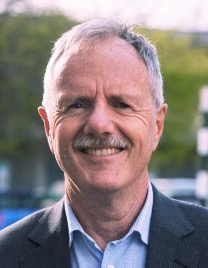 Brett Cowan合作论文数Faculty of Health and Environmental Sciences, Auckland University of Technology10
 Seach Chyr Ernest Goh合作论文数9Arne Reinecke合作论文数9
 Antonella Caldarelli合作论文数9Felicien Filleul合作论文数The University of Auckland9Nuomin Han合作论文数9
 Susann Beier合作论文数School of Mechanical & Manufacturing Engineering, Faculty of Engineering, The University of New South Wales9
 Dan Zhao合作论文数Department of Mechanical Engineering, Faculty of Engineering, University of Canterbury9
 Christine Charles合作论文数Department of Nuclear Physics & Accelerator Applications, Research School of Physics, Australian National University9
 Richard J Clarke合作论文数9
 Alistair Young合作论文数Department of Anatomy and Medical Imaging, University of Auckland;Department of Physiology, University of Auckland;Department of Cardiovascular Imaging, King's College London9
 Mark Webster合作论文数Faculty of Medical and Health Sciences, University of Auckland;Auckland City Hospital9
 John A Ormiston合作论文数8
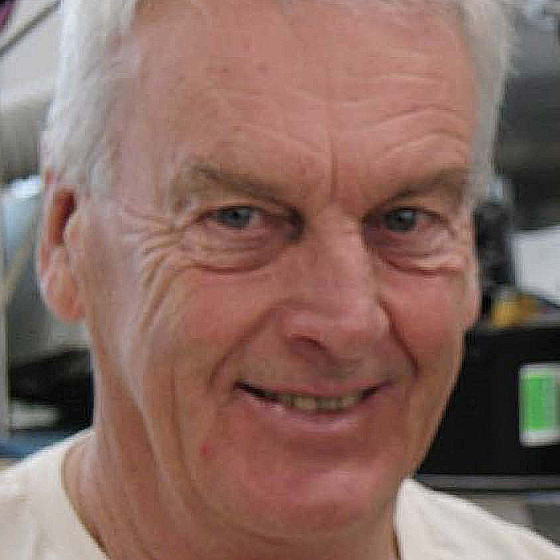 Roderick Boswell合作论文数Department of Nuclear Physics & Accelerator Applications, Research School of Physics, College of Science, Australian National University;Space Plasma, Power and Propulsion Group, Plasma Research Laboratory, The Australian National University8
 Pau Medrano-Gracia合作论文数Auckland Bioengineering Institute, University of Auckland8
 Julio Soria合作论文数Department of Mechanical and Aerospace Engineering, Faculty of Engineering, Monash University7
 Karl Stol合作论文数Department of Mechanical Engineering, Faculty of Engineering, The University of Auckland6
 Nadun Palmada合作论文数5
 Kunal Dayal合作论文数Dept Mech Engn, Univ Auckland5
 Sahan Wasala合作论文数School of Engineering, Trinity College Dublin5Warit Chanprasert合作论文数Department of Mechanical Engineering, University of Auckland5Mikhael Sayat合作论文数Univ Auckland5Sadiq J. Zarrouk合作论文数5Michael MacDonald合作论文数5
 Michael Joseph Kingan合作论文数Department of Mechanical Engineering, Faculty of Engineering, The University of Auckland5
 Leo Cheng (廖郑)合作论文数Auckland Bioengineering Institute, University of Auckland;Riddet Institute5Gilles Bellon合作论文数5Stefano Nava合作论文数4
 Natalia Kabaliuk合作论文数Dept Mech Engn, Univ Canterbury4
 Patrick Henry Geoghegan合作论文数4
 Richard George James Flay合作论文数Department of Mechanical Engineering, Faculty of Engineering, The University of Auckland4
 Mark Jermy合作论文数Department of Mechanical Engineering, University of Canterbury4James P Denier合作论文数4oliver thearle合作论文数3Tet Chuan Lee合作论文数3Marcus Birch合作论文数Res Sch Astron & Astrophys, Australian Natl Univ3
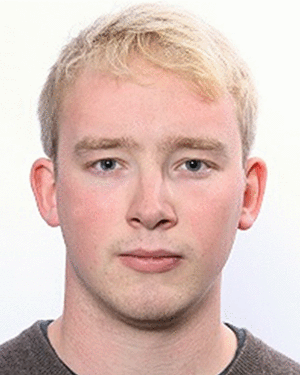 Jan Krecke合作论文数3
 Mohamad Husni Mubarok合作论文数3p p sumets合作论文数3
 Ping Koy Lam合作论文数Centre for Quantum Computation & Communication Technology, College of Science, Australian National University;Agency for Science, Technology and Research3
 Francis Bennet合作论文数Research School of Astronomy & Astrophysics, College of Science, The Australian National University3
 Andrew Charles Mallory Austin合作论文数Dept. of Electr. & Comput. Eng., Univ. of Auckland;c;Dept. of Electr. & Comput. Eng., Univ. of Auckland3Callum James Thomas Spence合作论文数3
 Peter Hunter合作论文数Auckland Bioengineering Institute, University of Auckland3




