Ices are the main carriers of volatiles in protoplanetary disks and are crucial to our understanding of the chemistry that ultimately sets the organic composition of planets. The ERS program Ice Age on the JWST follows the ice evolution through all stages of star and planet formation. JWST/NIRSpec observations of the edge-on Class II protoplanetary disk HH~48~NE reveal spatially resolved absorption features of the major ice components H$_2$O, CO$_2$, CO, and multiple weaker signatures from less abundant ices NH$_3$, OCN$^-$, and OCS. Isotopologue $^{13}$CO$_2$ ice has been detected for the first time in a protoplanetary disk. Since multiple complex light paths contribute to the observed flux, the ice absorption features are filled in by ice-free scattered light. The $^{12}$CO$_2$/$^{13}$CO$_2$ ratio of 14 implies that the $^{12}$CO$_2$ feature is saturated, without the flux approaching 0, indicative of a very high CO$_2$ column density on the line of sight, and a corresponding abundance with respect to hydrogen that is higher than ISM values by a factor of at least a few. Observations of rare isotopologues are crucial, as we show that the $^{13}$CO$_2$ observation allows us to determine the column density of CO$_2$ to be at an order of magnitude higher than the lower limit directly inferred from the observed optical depth. Radial variations in ice abundance, e.g., snowlines, are significantly modified since all observed photons have passed through the full radial extent of the disk. CO ice is observed at perplexing heights in the disk, extending to the top of the CO-emitting gas layer. We argue that the most likely interpretation is that we observe some CO ice at high temperatures, trapped in less volatile ices like H$_2$O and CO$_2$. Future radiative transfer models will be required to constrain the implications on our current understanding of disk physics and chemistry.
We present in this paper mid-infrared (5–8 μ m) spectroscopy toward the massive young binary W3 IRS 5, using the Echelon Cross Echelle Spectrograph (EXES) spectrometer in high-resolution mode ( R ∼ 50,000) from the NASA Stratospheric Observatory for Infrared Astronomy (SOFIA). Many (∼180) ν 2 = 1–0 and (∼90) ν 2 = 2–1 absorption rovibrational transitions are identified. Two hot components over 500 K and one warm component of 190 K are identified through Gaussian fittings and rotation diagram analysis. Each component is linked to a CO component identified in the IRTF/iSHELL observations ( R = 88,100) through their kinematic and temperature characteristics. Revealed by the large scatter in the rotation diagram, opacity effects are important, and we adopt two curve-of-growth analyses, resulting in column densities of ∼10 19 cm −2 . In one analysis, the model assumes a foreground slab. The other assumes a circumstellar disk with an outward-decreasing temperature in the vertical direction. The disk model is favored because fewer geometry constraints are needed, although this model faces challenges as the internal heating source is unknown. We discuss the chemical abundances along the line of sight based on the CO-to-H 2 O connection. In the hot gas, all oxygen not locked in CO resides in water. In the cold gas, we observe a substantial shortfall of oxygen and suggest that the potential carrier could be organics in solid ice.
Ices are the main carriers of volatiles in protoplanetary disks and are crucial to our understanding of the protoplanetary disk chemistry that ultimately sets the organic composition of planets. The Director’s Discretionary-Early Release Science (DD-ERS) program Ice Age on the James Webb Space Telescope (JWST) follows the ice evolution through all stages of star and planet formation. JWST’s exquisite sensitivity and angular resolution uniquely enable detailed and spatially resolved inventories of ices in protoplanetary disks. JWST/NIRSpec observations of the edge-on Class II protoplanetary disk HH 48 NE reveal spatially resolved absorption features of the major ice components H2O, CO2, and CO, and multiple weaker signatures from less abundant ices NH3, OCN−, and OCS. Isotopologue 13CO2 ice has been detected for the first time in a protoplanetary disk. Since multiple complex light paths contribute to the observed flux, the ice absorption features are filled in by ice-free scattered light. This implies that observed optical depths should be interpreted as lower limits to the total ice column in the disk and that abundance ratios cannot be determined directly from the spectrum. The 12CO2/13CO2 integrated absorption ratio of 14 implies that the 12CO2 feature is saturated, without the flux approaching zero, indicative of a very high CO2 column density on the line of sight, and a corresponding abundance with respect to hydrogen that is higher than interstellar medium values by a factor of at least a few. Observations of rare isotopologues are crucial, as we show that the 13CO2 observation allowed us to determine the column density of CO2 to be at least 1.6 × 1018 cm−2, which is more than an order of magnitude higher than the lower limit directly inferred from the observed optical depth. Spatial variations in the depth of the strong ice features are smaller than a factor of two. Radial variations in ice abundance, for example snowlines, are significantly modified since all observed photons have passed through the full radial extent of the disk. CO ice is observed at perplexing heights in the disk, extending to the top of the CO-emitting gas layer. Although poorly understood radiative transfer effects could contribute to this, we argue that the most likely interpretation is that we observed some CO ice at high temperatures, trapped in less volatile ices such as H2O and CO2. Future radiative transfer models will be required to constrain the physical origin of the ice absorption and the implications of these observations for our current understanding of disk physics and chemistry.
The properties of dust change during the transition from diffuse to dense clouds as a result of ice formation and dust coagulation, but much is still unclear about this transformation. We present 2-20 mu m spectra of 49 field stars behind the Perseus and Serpens Molecular Clouds and establish relationships between the near-infrared continuum extinction (A (K)) and the depths of the 9.7 mu m silicate (tau (9.7)) and 3.0 mu m H2O ice (tau (3.0)) absorption bands. The tau (9.7)/A (K) ratio varies from large, diffuse interstellar medium-like values (similar to 0.55), to much lower ratios (similar to 0.26). Above extinctions of A (K) similar to 1.2 (A (V) similar to 10; Perseus, Lupus, dense cores) and similar to 2.0 (A (V) similar to 17; Serpens), the tau (9.7)/A (K) ratio is lowest. The tau (9.7)/A (K) reduction from diffuse to dense clouds is consistent with a moderate degree of grain growth (sizes up to similar to 0.5 mu m), increasing the near-infrared color excess (and thus A (K)), but not affecting the ice and silicate band profiles. This grain growth process seems to be related to the ice column densities and dense core formation thresholds, highlighting the importance of density. After correction for Serpens foreground extinction, the H2O ice formation threshold is in the range of A (K) = 0.31-0.40 (A (V) = 2.6-3.4) for all clouds, and thus grain growth takes place after the ices are formed. Finally, abundant CH3OH ice (similar to 21% relative to H2O) is reported for 2MASSJ18285266+0028242 (Serpens), a factor of >4 larger than for the other targets.
This study assesses the contribution of neutral polycyclic aromatic hydrocarbons (PAHs) and hydrogenated PAHs (H n -PAHs) in H 2 O-ices to the 3 μ m and 5–8 μ m regions of the infrared absorption spectrum of the Young Stellar Object, Mon R2 IRS 3, and the Taurus dense cloud in the direction of Elias 16. We compare the astronomical spectra to the previously published laboratory data of matrix-isolated PAHs and H n -PAHs in H 2 O-ices. For the molecules in this study, the band positions, FWHMs, and integrated band strengths have been measured. For the PAHs considered here, the ratio of the experimental A (C–H) stretch (in H 2 O ices) to the theoretical A (C–H) stretch (in the gas phase) is consistently about 0.10, meaning that the trove of theoretical data can be reliably scaled to compare to the astronomical spectra. We find that the fractional percentage contribution to the 5–8 μ m region for Mon R2 IRS 3 ranges between 2.7 and 3.9 for neutral PAHs and 0.25–1.2 for H n -PAHs. The best match to the observed 3.25 μ m profile in the Mon R2 IRS 3 spectrum is accomplished with the laboratory-measured coronene:H 2 O spectrum. Using this spectrum we estimate that neutral PAHs contribute up to 12.0% of the cosmic carbon budget for Mon R2 IRS 3 and <14.5% for Elias 16. Neutral hydrogenated PAHs contribute mainly to the 3.47 μ m absorption and very little to the 5 to 8 μ m region. For neutral H n -PAHs, we estimate that they contribute up to 0.6% of the cosmic carbon budget for Mon R2 IRS 3 and <1% for Elias 16.
Author(s): Dore, Olivier; Werner, Michael W; Ashby, Matt; Banerjee, Pancha; Battaglia, Nick; Bauer, James; Benjamin, Robert A; Bleem, Lindsey E; Bock, Jamie; Boogert, Adwin; Bull, Philip; Capak, Peter; Chang, Tzu-Ching; Chiar, Jean; Cohen, Seth H; Cooray, Asantha; Crill, Brendan; Cushing, Michael; Putter, Roland de; Driver, Simon P; Eifler, Tim; Feng, Chang; Ferraro, Simone; Finkbeiner, Douglas; Gaudi, B Scott; Greene, Tom; Hillenbrand, Lynne; Hoflich, Peter A; Hsiao, Eric; Huffenberger, Kevin; Jansen, Rolf A; Jeong, Woong-Seob; Joshi, Bhavin; Kim, Duho; Kim, Minjin; Kirkpatrick, J Davy; Korngut, Phil; Krause, Elisabeth; Kriek, Mariska; Leistedt, Boris; Li, Aigen; Lisse, Carey M; Mauskopf, Phil; Mechtley, Matt; Melnick, Gary; Mohr, Joseph; Murphy, Jeremiah; Neben, Abraham; Neufeld, David; Nguyen, Hien; Pierpaoli, Elena; Pyo, Jeonghyun; Rhodes, Jason; Sandstrom, Karin; Schaan, Emmanuel; Schlaufman, Kevin C; Silverman, John; Su, Kate; Stassun, Keivan; Stevens, Daniel; Strauss, Michael A; Tielens, Xander; Tsai, Chao-Wei; Tolls, Volker; Unwin, Stephen; Viero, Marco; Windhorst, Rogier A; Zemcov, Michael | Abstract: SPHEREx is a proposed SMEX mission selected for Phase A. SPHEREx will carry out the first all-sky spectral survey and provide for every 6.2" pixel a spectra between 0.75 and 4.18 $\mu$m [with R$\sim$41.4] and 4.18 and 5.00 $\mu$m [with R$\sim$135]. The SPHEREx team has proposed three specific science investigations to be carried out with this unique data set: cosmic inflation, interstellar and circumstellar ices, and the extra-galactic background light. It is readily apparent, however, that many other questions in astrophysics and planetary sciences could be addressed with the SPHEREx data. The SPHEREx team convened a community workshop in February 2016, with the intent of enlisting the aid of a larger group of scientists in defining these questions. This paper summarizes the rich and varied menu of investigations that was laid out. It includes studies of the composition of main belt and Trojan/Greek asteroids; mapping the zodiacal light with unprecedented spatial and spectral resolution; identifying and studying very low-metallicity stars; improving stellar parameters in order to better characterize transiting exoplanets; studying aliphatic and aromatic carbon-bearing molecules in the interstellar medium; mapping star formation rates in nearby galaxies; determining the redshift of clusters of galaxies; identifying high redshift quasars over the full sky; and providing a NIR spectrum for most eROSITA X-ray sources. All of these investigations, and others not listed here, can be carried out with the nominal all-sky spectra to be produced by SPHEREx. In addition, the workshop defined enhanced data products and user tools which would facilitate some of these scientific studies. Finally, the workshop noted the high degrees of synergy between SPHEREx and a number of other current or forthcoming programs, including JWST, WFIRST, Euclid, GAIA, K2/Kepler, TESS, eROSITA and LSST.
Many materials have been considered for the carrier of the hydrocarbon absorption bands observed in the diffuse interstellar medium (ISM). In order to refine the model for ISM hydrocarbon grains, we analyze the observed aromatic (3.28, 6.2 mu m) and aliphatic (3.4 mu m) hydrocarbon absorption features in the diffuse ISM along the line of sight toward the Galactic center Quintuplet Cluster. Observationally, sp(2) bonds can be measured in astronomical spectra using the 6.2 mu m CC aromatic stretch feature, whereas the 3.4 mu m aliphatic feature can be used to quantify the fraction of sp(3) bonds. The fractional abundance of these components allows us to place the Galactic diffuse ISM hydrocarbons on a ternary phase diagram. We conclude that the Galactic hydrocarbon dust has, on average, a low H/C ratio and sp(3) content and is highly aromatic. We have placed the results of our analysis within the context of the evolution of carbon dust in the ISM. We argue that interstellar carbon dust consists of a large core of aromatic carbon surrounded by a thin mantle of hydrogenated amorphous carbon (a-C:H), a structure that is a natural consequence of the processing of stardust grains in the ISM.
Dust grains are nucleation centers and catalysts for the growth of icy mantles in quiescent interstellar clouds, the products of which may accumulate into preplanetary matter when new stars and solar systems form within the clouds. In this paper, we present the first spectroscopic detections of silicate dust and the molecular ices H2O, CO, and CO2 in the vicinity of the prestellar core L183 (L134N). An infrared photometric survey of the cloud was used to identify reddened background stars, and we present spectra covering solid-state absorption features in the wavelength range 2-20 mu m for nine of them. The mean composition of the ices in the best-studied line of sight (toward J15542044-0254073) is H2O:CO:CO2 approximate to 100:40:24. The ices are amorphous in structure, indicating that they have been maintained at low temperature (less than or similar to 15 K) since formation. The ice column density N(H2O) correlates with reddening by dust, exhibiting a threshold effect that corresponds to the transition from unmantled grains in the outer layers of the cloud to ice-mantled grains within, analogous to that observed in other dark clouds. A comparison of results for L183 and the Taurus and IC 5146 dark clouds suggests common behavior, with mantles first appearing in each case at a dust column corresponding to a peak optical depth iota(9.7) = 0.15 +/- 0.03 in the silicate feature. Our results support a previous conclusion that the color excess EJ-K does not obey a simple linear correlation with the total dust column in lines of sight that intercept dense clouds. The most likely explanation is a systematic change in the optical properties of the dust as the density increases.
Infrared photometry and spectroscopy (1-25 mu m) of background stars reddened by the Lupus molecular cloud complex are used to determine the properties of grains and the composition of ices before they are incorporated into circumstellar envelopes and disks. H2O ices form at extinctions of A(K) = 0.25 +/- 0.07 mag (A(V) = 2.1 +/- 0.6). Such a low ice formation threshold is consistent with the absence of nearby hot stars. Overall, the Lupus clouds are in an early chemical phase. The abundance of H2O ice (2.3 +/- 0.1 x 10(-5) relative to NH) is typical for quiescent regions, but lower by a factor of three to four compared to dense envelopes of young stellar objects. The low solid CH3OH abundance (<3%-8% relative to H2O) indicates a low gas phase H/CO ratio, which is consistent with the observed incomplete CO freeze out. Furthermore it is found that the grains in Lupus experienced growth by coagulation. The mid-infrared (>5 mu m) continuum extinction relative to A(K) increases as a function of A(K). Most Lupus lines of sight are well fitted with empirically derived extinction curves corresponding to R-V similar to 3.5 (A(K) = 0.71) and R-V similar to 5.0 (A(K) = 1.47). For lines of sight with A(K) > 1.0 mag, the tau(9.7)/A(K) ratio is a factor of two lower compared to the diffuse medium. Below 1.0 mag, values scatter between the dense and diffuse medium ratios. The absence of a gradual transition between diffuse and dense medium-type dust indicates that local conditions matter in the process that sets the tau(9.7)/A(K) ratio. This process is likely related to grain growth by coagulation, as traced by the A(7.4)/A(K) continuum extinction ratio, but not to ice mantle formation. Conversely, grains acquire ice mantles before the process of coagulation starts.
s of recently accepted papers Solar Flares and Coronal Mass Ejections: A Statistically Determined Flare Flux CME Mass Correlation Alicia Aarnio, Keivan Stassun, W. Jeffrey Hughes and Sarah McGregor 1 University of Michigan, 830 Dennison Building, 500 Church Street, Ann Arbor, MI 48109, USA 2 Department of Physics and Astronomy, Vanderbilt University, USA 3 Department of Astronomy and Center for Integrated Space Weather Modeling, Boston University, USA E-mail contact: aarnio at umich.edu In an effort to examine the relationship between flare flux and corresponding CME mass, we temporally and spatially correlate all X-ray flares and CMEs in the LASCO and GOES archives from 1996 to 2006. We cross-reference 6,733 CMEs having well-measured masses against 12,050 X-ray flares having position information as determined from their optical counterparts. For a given flare, we search in time for CMEs which occur 10-80 minutes afterward, and we further require the flare and CME to occur within ±45 in position angle on the solar disk. There are 826 CME/flare pairs which fit these criteria. Comparing the flare fluxes with CME masses of these paired events, we find CME mass increases with flare flux, following an approximately log-linear, broken relationship: in the limit of lower flare fluxes, log(CME mass) ∝ 0.68×log(flare flux), and in the limit of higher flare fluxes, log(CME mass) ∝ 0.33×log(flare flux). We show that this broken power-law, and in particular the flatter slope at higher flare fluxes, may be due to an observational bias against CMEs associated with the most energetic flares: halo CMEs. Correcting for this bias yields a single power-law relationship of the form log(CME mass) ∝ 0.70× log(flare flux). This function describes the relationship between CME mass and flare flux over at least 3 dex in flare flux, from ≈10−10 W m. Accepted by Solar Physics http://www.astro.lsa.umich.edu/~aarnio/preprints/AarnioSola2010.pdf On the propensity of the formation of massive clumps via fragmentation of driven shells S. Anathpindika 1 Indian Institute of Astrophysics, Bangalore-560034, India E-mail contact: sumedh a at iiap.res.in Early type massive stars drive thin, dense shells whose edges often show evidence of star-formation. The possibility of fragmentation of these shells, leading to the formation of putative star-forming clumps is examined with the aid of semi-analytic arguments. We also derive a mass-spectrum for clumps condensing out of these shells by performing Monte-Carlo simulations of the problem. By extending on results from our previous work on the stability of thin, dense shells, we argue that clump-mass estimated by other authors in the past, under a set of simplifying assumptions, are several orders of magnitude smaller than those calculated here. Using the expression for the fastest growing unstable mode in a shock-confined shell, we show that fragmentation of a typical shell can produce clumps with a typical mass > ∼10 3 M⊙. It is likely that such clumps could spawn a second generation of massive and/or intermediate-mass stars which could in turn, trigger the next cycle of star-formation. We suggest that the ratio of shell thickness-to-radius evolves only weakly with time. Calculations have been performed for stars of seven spectral types, ranging from B1 to O5. We separately consider the stability of supernova remnants.
The relation between ices in the envelopes and disks surrounding YSOs and those in the quiescent interstellar medium is investigated. For a sample of 31 stars behind isolated dense cores, ground-based and Spitzer spectra and photometry in the 1-25 um wavelength range are combined. The baseline for the broad and overlapping ice features is modeled, using calculated spectra of giants, H2O ice and silicates. The adopted extinction curve is derived empirically. Its high resolution allows for the separation of continuum and feature extinction. The extinction between 13-25 um is ~50% relative to that at 2.2 um. The strengths of the 6.0 and 6.85 um absorption bands are in line with those of YSOs. Thus, their carriers, which, besides H2O and CH3OH, may include NH4+, HCOOH, H2CO and NH3, are readily formed in the dense core phase, before stars form. The 3.53 um C-H stretching mode of solid CH3OH was discovered. The CH3OH/H2O abundance ratios of 5-12% are larger than upper limits in the Taurus molecular cloud. The initial ice composition, before star formation occurs, therefore depends on the environment. Signs of thermal and energetic processing that were found toward some YSOs are absent in the ices toward background stars. Finally, the peak optical depth of the 9.7 um band of silicates relative to the continuum extinction at 2.2 um is significantly shallower than in the diffuse interstellar medium. This extends the results of Chiar et al. (2007) to a larger sample and higher extinctions.
This paper presents spectra in the 2 to 20 μm range of quiescent cloud material located in the IC 5146 cloud complex. The spectra were obtained with NASA's Infrared Telescope Facility SpeX instrument and the Spitzer Space Telescope's Infrared Spectrometer. We use these spectra to investigate dust and ice absorption features in pristine regions of the cloud that are unaltered by embedded stars. We find that the H2O-ice threshold extinction is 4.03 ± 0.05 mag. Once foreground extinction is taken into account, however, the threshold drops to 3.2 mag, equivalent to that found for the Taurus dark cloud, generally assumed to be the touchstone quiescent cloud against which all other dense cloud and embedded young stellar object observations are compared. Substructure in the trough of the silicate band for two sources is attributed to CH3OH and NH3 in the ices, present at the ∼2% and ∼5% levels, respectively, relative to H2O-ice. The correlation of the silicate feature with the E(J − K) color excess is found to follow a much shallower slope relative to lines of sight that probe diffuse clouds, supporting the previous results by Chiar et al.
Archival data from the Infrared Spectrometer of the Spitzer Space Telescope are used to study the 15 mu m absorption feature of solid CO2 toward 28 young stellar objects (YSOs) of approximately solar mass. Fits to the absorption profile using laboratory spectra enable categorization according to the degree of thermal processing of the ice matrix that contains the CO2. The majority of YSOs in our sample (20 out of 28) are found to be consistent with a combination of polar (H2O-rich) and nonpolar (CO-rich) ices at low temperature; the remainder exhibit profile structure consistent with partial crystallization as the result of significant heating. Ice-phase column densities of CO2 are determined and compared with those of other species. Lines of sight with crystallization signatures in their spectra are found to be systematically deficient in solid-phase CO, as expected if CO is being sublimated in regions where the ices are heated to crystallization temperatures. Significant variation is found in the CO2 abundance with respect to both H2O (the dominant ice constituent) and total dust column (quantified by the extinction, AV). YSOs in our sample display typically higher CO2 concentrations (independent of evidence for thermal processing) in comparison to quiescent regions of the prototypical cold molecular cloud. This suggests that enhanced CO2 production is driven by photochemical reactions in proximity to some YSOs, and that photoprocessing and thermal processing may occur independently.
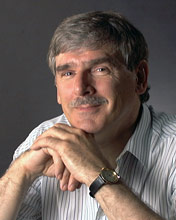 Douglas Whittet合作论文数Center for Studies of Origins of Life, Rensselaer Polytechnic Institute;Department of Physics, Applied Physics and Astronomy, Rensselaer Polytechnic Institute47
 A. C. A. Boogert合作论文数Kapteyn Astronomical Institute22
 Yvonne Pendleton合作论文数22
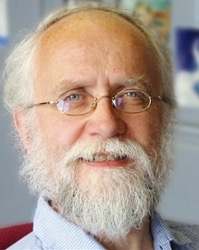 Alexander Tielens合作论文数Department of Astronomy, University of Maryland;Leiden Observatory, Leiden University21
 Andrew J Adamson合作论文数18
 Ewine F. van Dishoeck合作论文数Molecular astrophysics, Leiden University, Spinoza Laureate15
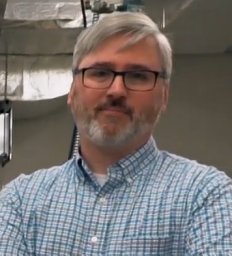 Perry Alexander Gerakines合作论文数Department of Physics;Applied Physics & Astronomy;Rensselaer Polytechnic Institute;Department of Physics, Rensselaer Polytechnic Institute14Aggm Tielens合作论文数12
 Claudia Knez合作论文数12
 Thomas Henderson Kerr III合作论文数Joint Astronomy Centre10Erika L. Gibb合作论文数University of Missouri10ACA Boogert合作论文数9Ennico Kimberly合作论文数9
 Thomas L. Roellig合作论文数NASA Ames Research Center9J. V. Keane合作论文数9
 Amanda Cook合作论文数NASA Ames Research Center8Sachindev S Shenoy合作论文数8
 Thomas Greene合作论文数Space Science and Astrobiology Division, Ames Research Center, National Aeronautics and Space Administration8PA Gerakines合作论文数7
 Charles J. Lada合作论文数Department of Astronomy, Faculty of Arts and Sciences, Harvard University;Harvard-Smithsonian Center for Astrophysics, Harvard College Observatory, Harvard University6W.A. Schutte合作论文数6
 Pascale Ehrenfreund合作论文数Space Policy Institute, Elliott School of International Affairs, George Washington University6
 R. E. Mason合作论文数Gemini Observatory;Northern Operations Center;Northern Operations Center, Gemini Observatory6Els Peeters合作论文数NASA Ames Research Center5Timo Prusti合作论文数5P. F. Roche合作论文数4A. Tielens合作论文数4Michael W. Werner合作论文数Jet Prop Lab, CALTECH4
 Gary Melnick合作论文数Center for Astrophysics, Harvard & Smithsonian4
 David A. Neufeld合作论文数Department of Physics & Astronomy, Johns Hopkins University4
 Thomas Ronald Geballe合作论文数Gemini Observatory4
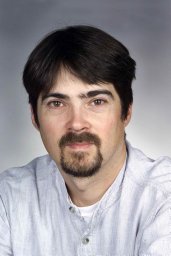 Gregory C. Sloan合作论文数Space Telescope Science Institute4
 Leen Decin合作论文数Institute of Astronomy, Department of Physics and Astronomy, Université Catholique de Louvain4
 Martin Burgdorf合作论文数Deutsch SOFIA Inst, Univ Stuttgart4Max P. Bernstein合作论文数4
 Edwin A. Bergin (Ted)合作论文数Department of Astronomy, University of Michigan4R. Y. Shuping合作论文数3Alexander G. G. M. Tielens合作论文数3
 Louis Allamandola合作论文数Space Science Division, National Aeronautics and Space Administration;Ames Research Center, National Aeronautics and Space Administration3
 Scott Sandford合作论文数Space Sciences and Astrophysics Branch, Space Science and Astrobiology Division, Ames Research Center, National Aeronautics and Space Administration3
 Eric Herbst合作论文数Department of Chemistry, The College and Graduate School of Arts & Sciences, University of Virginia3
 A. Chrysostomou合作论文数3J. H. Hough合作论文数3
 Alessandra Ricca合作论文数SETI Institute;NASA Ames Research Center3Willem A. Schutte合作论文数3
 Alan T. Tokunaga合作论文数Institute for Astronomy, University of Hawaii3
 Ted Snow合作论文数Center for Astrophysics and Space Astronomy, College of Arts and Sciences, University of Colorado Boulder3Graham S. Wright合作论文数3W. R. M. Rocha合作论文数2




