Introduction and Objectives Severe acute respiratory syndrome coronavirus 2 (SARS-CoV-2) is responsible for the current coronavirus disease 2019 (COVID-19) pandemic. Whilst a substantial proportion of adults infected with SARS-CoV-2 progress to develop severe disease, children rarely manifest respiratory complications. However, the underlying mechanism behind this disparity remains largely unknown. Understanding the differences in the local and systemic response to SARS-CoV-2 infection at single cell resolution between children and adults may offer key clues about the pathogenesis of SARS-CoV-2 infection, providing guidance for future therapies and treatments. Methods To address this we generated a healthy reference multi-omics single cell data set from children (n=30) from infancy to adulthood (n=11). Here we profiled triple matched samples: nasal and tracheal brushings and PBMCs for single cell analysis, where we tracked the developmental changes for 59 airway and 45 blood cell populations at both transcriptomic and proteomic level. These were then contrasted with equivalent data from paediatric and adult COVID-19+ patients collected across a range of disease severities (total n=32), enabling age and disease-specific variances to be analysed at single cell level. Results Striking differences within the paediatric and adult immune responses in COVID-19 were observed, including an overall weaker interferon-response signature, with fewer interferon-stimulated immune cell subpopulations within children infected by SARS-CoV-2 compared to adults. In peripheral blood, a greater proportion of naïve cell populations was observed with disease, with the response in adults primarily dominated by the adaptive immune system. In the airway epithelium, we found the highest viral load in goblet and ciliated cells in infected adults and most notably, described a novel inflammatory epithelial cell population, enriched within our COVID-19 patients, representing a transitional regenerative state between secretory and ciliated cells. Through the integration of matched blood and airway samples we were able to investigate the dynamics between local and systemic response to COVID-19, finding marked differences. Conclusions Overall, this largest paediatric single cell COVID-19 study to date showed significant differences in response to SARS-CoV-2 between children and adults, reflecting the changes of the immune landscape over developmental time, which in children are dominated by naïve and innate responses.
BACKGROUND:In July 1995, Chicago sustained a heat wave that resulted in more than 600 excess deaths, 3300 excess emergency department visits, and a substantial number of intensive care unit admissions for near-fatal heat stroke.OBJECTIVE:To describe the clinical features of patients admitted to an intensive care unit with near-fatal classic heat stroke. Patients were followed for 1 year to assess delayed functional outcome and mortality.DESIGN:Observational study.SETTING:Intensive care units in the Chicago area.PATIENTS:58 patients admitted to the hospital from 12 July to 20 July 1995 who met the case definition of classic heat stroke.MEASUREMENTS:The data collection tool was designed to compile demographic and survival data and to permit analysis of organ system function by abstracting data on physical examination findings, electrocardiography and echocardiography results, fluid resuscitation, radiography results, and laboratory findings. Data on functional status at discharge and at 1 year were collected by using a modified Stanford Health Assessment Questionnaire.RESULTS:Patients experienced multiorgan dysfunction with neurologic impairment (100%), moderate to severe renal insufficiency (53%), disseminated intravascular coagulation (45%), and the acute respiratory distress syndrome (10%). Fifty-seven percent of patients had evidence of infection on admission. In-hospital mortality was 21%. Most survivors recovered near-normal renal, hematologic, and respiratory status, but disability persisted, resulting in moderate to severe functional impairment in 33% of patients at hospital discharge. At 1 year, no patient had improved functional status, and an additional 28% of patients had died.CONCLUSIONS:Near-fatal classic heat stroke is associated with multiorgan dysfunction. A high percentage of patients had infection at presentation. A high mortality rate was observed during acute hospitalization and at 1 year. In addition, substantial functional impairment at discharge persisted 1 year. The degree of functional disability correlated highly with survival at 1 year.
 A. Ansari合作论文数4
 Jacob I. Sznajder合作论文数International Institute for Nanotechnology, Weinberg College of Arts and Sciences, Northwestern University4Hinchcliff Monique E合作论文数4G. Budinger合作论文数3IM NDUKWU合作论文数3T. McNamee合作论文数3M. Masihi合作论文数3
 Alexander V Misharin合作论文数Pulmonary and Critical Care, Department of Medicine, Feinberg School of Medicine, Northwestern University3
 Michael J Cuttica合作论文数Pulmonary and Critical Care, Department of Medicine, Feinberg School of Medicine, Northwestern University3Bhorade Sangeeta M合作论文数3Karen O'Mara合作论文数3
 Sanjiv Shah合作论文数Center for Deep Phenotyping and Precision Therapeutics, Institute for Artificial Intelligence in Medicine, Feinberg School of Medicine, Northwestern University;Division of Cardiology, Department of Medicine, Feinberg School of Medicine, Northwestern University3
 Kirtee Raparia合作论文数Weill Medical College, Cornell University3A. Brueder合作论文数2A. Frogameni合作论文数2S. R. Rosenberg合作论文数2J. Katzen合作论文数2J. Lee合作论文数2Sean M. Forsythe合作论文数2a c argento合作论文数2A. J. Esposito合作论文数2R. Tomic合作论文数2
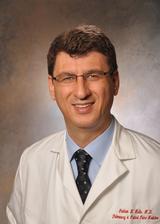 Gokhan M Mutlu合作论文数Pulmonary and Critical Care, Department of Medicine, Feinberg School of Medicine, Northwestern University2
 Ravi Kalhan合作论文数Pulmonary and Critical Care, Department of Medicine, Feinberg School of Medicine, Northwestern University2
 Renea Jablonski合作论文数Department of Medicine, The University of Chicago2Carns Mary合作论文数2
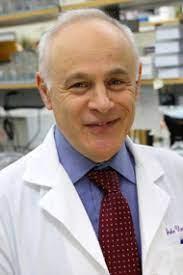 John Varga合作论文数Division of Rheumatology, Medical School, University of Michigan2
 Gao Catherine合作论文数2
 Sangeeta Bhorade合作论文数Division of Pulmonary Medicine, Northwestern University2
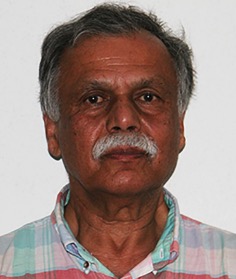 Rishi Raj合作论文数Paul M. Rady Department of Mechanical Engineering, College of Engineering and Applied Science, University of Colorado Boulder2
 David W Kamp合作论文数2H. Abdala-Valencia合作论文数1L. Sivarajan合作论文数1K. Warrior合作论文数1m cassinelli合作论文数1C. Marlin合作论文数1W Olivera合作论文数1K. E. Secunda合作论文数1Robert L. Wollmann合作论文数1Waradon Sungnak合作论文数1
 Eliz Kilich合作论文数1Josephine L Barnes合作论文数1N. Kumasaka合作论文数1h estable合作论文数1J. Runo合作论文数1A. Yeldandi合作论文数1Angus de Wilton合作论文数1Kaylee B Worlock合作论文数1
 Jan Patrick Pett合作论文数Wellcome Sanger Institute1




