Introduction L’hypoparathyroïdie chronique (HPc) est une maladie endocrinienne rare associée à une diminution du renouvellement osseux et à des anomalies de la qualité de l’os. Le but de cette étude était d’évaluer la densité et la qualité de l’os chez les patients HPc, en particulier chez les femmes ménopausées présentant souvent une diminution de la densité minérale osseuse (DMO). Méthode Dans cette étude prospective, la DMO (au niveau de la hanche, de la région lombaire et du col du fémur), le trabecular bone score (TBS), l’évaluation des fractures de fragilité et les biomarqueurs osseux ont été collectés chez 101 patients HPc. Résultats Parmi les 101 patients, 83 étaient des femmes dont 58 % ménopausées. L’âge moyen au début de la maladie était de 52,8 ans, la durée de la maladie de 11,2 ans. L’étiologie la plus fréquente était post chirurgicale (74,3 %). La plupart des patients recevaient du calcium (89,1 %) et de la vitamine D active (80,2 %) par voie orale. Aucune fracture de fragilité ou faible DMO (ostéopénie) n’a été rapportée chez les femmes préménopausées. En revanche, les femmes ménopausées présentaient une faible DMO (25 %), une diminution du TBS (preM 1,41±0,10 vs. postM 1,29±0,16), de l’ostéoporose (31,3 %) et des fractures de fragilité (20,8 %). Conclusion Bien que les recommandations internationales ne préconisent pas une évaluation systématique de l’os, notre étude suggère qu’un suivi rapproché de l’os est nécessaire chez les femmes ménopausées atteintes d’hypoparathyroïdie et justifie une étude plus approfondie.
INTRODUCTION:Current research is elucidating how the addition of depth of invasion (DOI) to the 8th edition of the American Joint Committee on Cancer (AJCC) TNM staging for oral cavity squamous cell carcinoma influences its prognostic accuracy. However, there is limited research on survival in pT3N0M0 oral tongue SCC (OTSCC) patients when stratifying by DOI. OBJECTIVES:Determine 5-year overall survival (OS), and cancer-specific survival (CSS) for patients with pT3N0M0 oral OTSCC based on shallow DOI (<10 mm) and deep DOI (10-20 mm). METHODS:Retrospective review involving three tertiary care cancer centers in North America. cT3N0M0 OTSCC patients receiving primary surgical treatment from 2004 to 2018 were identified. Inclusion: age > 18 years old and confirmation of pT3N0M0 OTSCC on surgical pathology. Exclusion: patients undergoing palliative treatment or previous head and neck surgery/radiotherapy. Analysis comprised two groups: shallow pT3 (tumor diameter > 4 cm, DOI < 10 mm) and deep pT3 (DOI 10 mm-20 mm). RESULTS:One hundred and four patients with pT3N0M0 OTSCC were included. Mean age was 59.1 years (range: 18-80.74). Age, gender, and Charlson Comorbidity Index were similar between the two groups (p > 0.05). Recurrence, LVI, PNI, and positive margins were more common in deep T3 tumors (P < 0.05). 5-year OS (50% vs 26%, p = 0.006) and CSS (72% vs 24%, p = 0.005) were worse in deep pT3 tumors. Deep pT3 disease was an independent predictor of OS (p = 0.004) and CSS (p = 0.01) on Cox-Regression analysis. CONCLUSION:DOI is an independent predictor of poor survival in pT3N0M0 OTSCC patients. Consideration should be given to escalating adjuvant therapy for deep pT3N0M0 OTSCC patients.
Background: Well-differentiated thyroid cancer (DTC) presents at a more advanced stage in men than in women, and the mortality in men is higher than that in women. However, it is not clear whether DTC recurrence is affected by sex independent of stage at presentation. The objective of the present study was to assess if male sex is an independent risk factor for recurrence of DTC. Methods: The Canadian Collaborative Network for Cancer of the Thyroid (CANNECT) is a collaborative registry to describe patterns of care for thyroid cancer. We included patients from the CANNECT registry with DTC diagnosed at age 18 or older between 2000 and 2010. We compared men and women with respect to presentation, management, and recurrence risk, stratified for American Joint Committee on Cancer (AJCC) stage. Results: We included 2595 patients, 2067 (79.7%) women and 528 (20.3%) men. Men presented with more advanced AJCC stage (p < 0.001), T stage (p < 0.001), N stage (p < 0.001), and M stage (p = 0.002) There was no difference in follow-up duration between women (7.7 +/- 4.0 [mean +/- standard deviation] years) and men (7.7 +/- 4.0 years, p = 0.985). Overall recurrence was 2.2% (n = 46) for women and 8.5% (n = 45) for men (p < 0.001). In multivariate analysis adjusted for AJCC stage, men were at significantly greater risk for DTC recurrence than women (adjusted hazard ratio 2.72 [95% confidence interval [CI] 1.78-4.20]; p < 0.001). In multivariate analysis adjusted for tumor-node-metastasis (TNM) stage, men were at significantly greater risk for DTC recurrence than women (adjusted hazard ratio 2.31 [CI 1.48-3.60]; p < 0.001). Conclusions: Our study confirms that the risk for recurrence of DTC is higher in men than in women. Although men tend to present with more advanced-stage disease, the difference in recurrence risk persists when adjusted for stage of presentation. It needs to be determined whether sex should influence follow-up intensity and/or duration.
BACKGROUND:Oropharynx squamous cell carcinoma (OPSCC) has become the predominant subsite for head and neck mucosal cancers (HNC) due to the rise of human papillomavirus (HPV) related disease. Previous studies have suggested an association between marijuana use and HPV-related OPSCC. Despite this, no study has examined the potential relationship between marijuana use and survival in this subset of patients. OBJECTIVE:To examine the survival outcomes of HPV-related OPSCC patients in marijuana users. METHODS:Patients who were marijuana users were identified from a prospectively collected database of HNC patients from January 2011 to 2015. A physical review of clinic records was undertaken to extract relevant patient, tumor, treatment, follow-up, as well as survival data. Patients greater than 17 years of age with pathologically proven p16 positive OPSCC were included. They were then case-matched in a 1-to-1 basis to patients who were non-marijuana users based on age, gender, and cTNM staging. RESULTS:Forty-Seven patients met inclusion criteria within each group. Univariate logistic regression analysis showed that age, gender, and cT-Stage were predictive of disease recurrence within both groups (p < 0.05). However, cN-stage, treatment modality, tumor subsite, tobacco use, and tobacco dose were not (p > 0.05). There was no statistically significant difference between marijuana and non-marijuana user groups in 5-year (p = 0.400) overall survival, disease-specific (p = 0.993), disease-free (p = 0.404), and metastasis-free survival (p = 0.384). CONCLUSIONS:No survival difference is found between HPV-related OPSCC marijuana users and non-users. This finding has implications for both de-escalation regimes and the use of cannabis as a therapeutic agent.
The purpose of this review is to assess the most recent evidence in the management of primary hyperparathyroidism (PHPT) and provide updated recommendations for its evaluation, diagnosis and treatment. A Medline search of "Hyperparathyroidism. Primary" was conducted and the literature with the highest levels of evidence were reviewed and used to formulate recommendations. PHPT is a common endocrine disorder usually discovered by routine biochemical screening. PHPT is defined as hypercalcemia with increased or inappropriately normal plasma parathyroid hormone (PTH). It is most commonly seen after the age of 50 years, with women predominating by three to fourfold. In countries with routine multichannel screening, PHPT is identified earlier and may be asymptomatic. Where biochemical testing is not routine, PHPT is more likely to present with skeletal complications, or nephrolithiasis. Parathyroidectomy (PTx) is indicated for those with symptomatic disease. For asymptomatic patients, recent guidelines have recommended criteria for surgery, however PTx can also be considered in those who do not meet criteria, and prefer surgery. Non-surgical therapies are available when surgery is not appropriate. This review presents the current state of the art in the diagnosis and management of PHPT and updates the Canadian Position paper on PHPT. An overview of the impact of PHPT on the skeleton and other target organs is presented with international consensus. Differences in the international presentation of this condition are also summarized.
The CNHR was formed in 2014 and enrolment of prevalent and incident cases began following approval by McMaster University ERB.
Background. Use of radioactive iodine (RAI) ablation has been reported to vary significantly between studies. We explored variation in RAI ablation care patterns between seven thyroid cancer treatment centers in Canada. Methods. The Canadian Collaborative Network for Cancer of the Thyroid (CANNECT) is a collaborative registry to describe and analyze patterns of care for thyroid cancer. We analyzed data from seven participating centers on RAI ablation in patients diagnosed with well-differentiated (papillary and follicular) thyroid cancer between 2000 and 2010. We compared RAI ablation protocols including indications (based on TNM staging), preparation protocols, and administered dose. We excluded patients with known distant metastases at time of RAI ablation. Results. We included 3072 patients. There were no significant differences in TNM stage over time. RAI use increased in earlier years and then declined. The fraction of patients receiving RAI varied significantly between centers, ranging between 20–85% for T1, 44–100% for T2, 58–100% for T3, and 59–100% for T4. There were significant differences in the RAI doses between centers. Finally, there was major variation in the use of thyroid hormone withdrawal or rhTSH for preparation of RAI ablation. Conclusion. Our study identified significant variation in use of RAI for ablation in patients with well-differentiated thyroid cancer both between Canadian centers and over time.
Purpose The aim of this study was to evaluate the accuracy of multidetector computed tomography (MDCT) in the detection of parathyroid adenoma and hyperplasia in the setting of primary hyperparathyroidism. Methods Records of 48 patients with biochemically confirmed primary hyperparathyroidism, who underwent preoperative imaging with 16- or 64-slice contrast-enhanced MDCT and subsequent successful parathyroidectomy over a 3-year period, were reviewed. Two radiologists, blinded to the operative and histologic findings, independently evaluated multiplanar computed tomographic images for all patients. Results On pathologic examination, 63 abnormal glands were confirmed in 41 female and 7 male patients (mean age, 63 years). Of the 63 abnormal glands, 40 were adenomatous and 23 were hyperplastic. MDCT demonstrated an 88% (95% confidence interval [CI], 77%–99%) positive predictive value for localizing abnormal hyperfunctioning parathyroid glands. The sensitivity of MDCT in detecting single-gland disease was 80% (95% CI, 68%–92%); whereas the specificity for ruling out hyperfunctioning parathyroid tissue, either adenomatous or hyperplastic, was 75% (95% CI, 51%–99%). The sensitivity for exclusively localizing parathyroid hyperplasia was 17% (95% CI, 2%–33%). The parathyroid adenomas were substantially larger and heavier than their hyperplastic counterparts, with an average weight of 1.51 g (range, 0.08–6.00 g) and 0.42 g (range, 0.02–2.0 g) for adenoma and hyperplasia, respectively. Conclusions Contrast-enhanced MDCT demonstrated an 88% positive predictive value for localizing adenomatous and hyperplastic parathyroid glands. The poor sensitivity for detection of multigland disease was likely a result of the smaller size and weight of the abnormal hyperplastic glands.
To determine the rate of increase in serum bupivacaine concentration during continuous extrapleural infusion.
Purpose:The aim of this study was to test the toxicity and efficacy of a regimen of hyperfractiinated accelerated radiation therapy with concurrent Interferon alpha and lsotretinoin for patients with locally advanced squamous cell carcinoma of the head and neck.Methods and Materials: 18 patients with locally advanced squamous cell carcinoma of head and neck were enrolled in this Phase
 Stan van uum合作论文数Dept Med, Western Univ4
 William Leslie合作论文数Section of Endocrinology, Department of Internal Medicine, Max Rady College of Medicine, University of Manitoba;Department of Medicine, Faculty of Medicine, University of Manitoba;Department of Radiology, Faculty of Medicine, University of Manitoba2
 Rajaraman Murali M合作论文数2
 Aliya A. Khan合作论文数Divisions of Endocrinology and Metabolism and Geriatric Medicine, McMaster University/Calcium Disorders Clinic, McMaster University Medical Centre/Bone Research and Education Centre, McMaster University2Zhang Han合作论文数2
 Irina Rachinsky合作论文数2Zubin Punthakee合作论文数Montreal Children's Hospital, McGill University Health Centre2
 Kumar Alok Pathak合作论文数2N. E. Cusano合作论文数1S D Archibald合作论文数1V. L. Biron合作论文数1Josephine Wat合作论文数1Sarah De Brabandere合作论文数1Hisham Al Kassem合作论文数1Terri Paul合作论文数1D. S. Nichols合作论文数1Michael Marcaccio合作论文数1Manoela Braga合作论文数1Rn Gupta合作论文数1Sharjil Hussain合作论文数1Louis Bondaz合作论文数1
 Hajar Abu Alrob合作论文数1
 Rafik El Werfalli合作论文数1Michael Xie合作论文数1
 Jeffrey Richard Harris合作论文数Genmab1Helen Fong合作论文数1P D'Amour合作论文数1Tariq Aziz合作论文数1
 Marc Levin合作论文数Dept Otolaryngol Head & Neck Surg, Univ Toronto1Nhu-Tram Nguyen合作论文数1Bernard Ng合作论文数Department of Statistics, Faculty of Science, The University of British Columbia1
 Afshan Zahedi合作论文数Faculty of Medicine, University of Toronto1Muhammad Shrayyef合作论文数Department of Medicine, Temerty Faculty of Medicine, University of Toronto1
 Venkatesha Basrur合作论文数Department of Pathology, Medical School, University of Michigan-Ann Arbor1
 Sanjay Bhadada合作论文数Department of Endocrinology, Post Graduate Institute of Medical Education and Research1Dziegielewski Peter T合作论文数1Adam Millar合作论文数Department of Laboratory Medicine and Pathobiology, Temerty Faculty of Medicine, University of Toronto1
 John Thomas Potts合作论文数Massachusetts General Hospital;Harvard Medical School1Gupta Michael K合作论文数1
 Maniakas Anastasios合作论文数Montreal University Hospital Center (CHUM),, University of Montreal1
 Tayyab Khan合作论文数1SHONNI J. SILVERBERG合作论文数1
 René Rizzoli合作论文数University Hospital of Geneva;Clinical Medicine Section, Faculty of Medicine, University of Geneva1
 David Goltzman合作论文数Division of Endocrinology & Metabolism, Faculty of Medicine and Health Sciences, McGill University;Endocrine Division, Departments of Medicine, School of Medicine, Faculty of Medicine and Health Sciences, McGill University1
 Jens Bollerslev合作论文数Department of Endocrinology, Morbid Obesity and Preventive Medicine, Institute of Clinical Medicine, Faculty of Medicine, University of Oslo;Oslo Diabetes Research Centre1Claudio Marcocci合作论文数Cattedra di Endocrinologia, Universitá di Pisa1
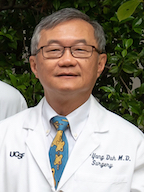 Quan-Yang Duh合作论文数Division of Surgical Oncology, Department of Surgery, University of California, San Francisco1
 Robert Udelsman合作论文数Endocrine Neoplasia Institute, Miami Cancer Institute1
 Stephanie Kaiser合作论文数Division of Endocrinology & Metabolism, Department of Medicine, School of Health and Human Performance, Dalhousie University1




