6117 Background: BRAF-WT ATC carries a poor prognosis due to limited effective therapies and rapid, often fatal locoregional (LR) progression. Although L/P has shown some efficacy, response rates remain modest (36-52%). Prior studies have shown that complete surgical resection of the primary tumor significantly improves overall survival (OS). Methods: We retrospectively reviewed patients with BRAF-WT ATC treated with palliative neck RT (PNRT, ≤45 Gy) administered five days before to 21 days after first-line L/P, between January 2016 and August 2025. Primary objective was to evaluate the efficacy and safety of PNRT combined with L/P. Primary endpoints were progression-free survival (PFS), locoregional PFS (LPFS), and OS, defined from RT start, and estimated using Kaplan-Meier method. Secondary endpoints were overall response rate (ORR) and neck response per RECIST v1.1, changes in surgical morbidity assessed by the Thyroid Neck Morbidity and Complexity (TNMC) score, and proportion of patients proceeding to surgery. Results: Twenty-six patients met inclusion criteria. Median age was 66 years (range, 36-82) and 14 were male (54%). 23/26 (88%) had stage IVC disease. 21/26 (81%) received ‘Quadshot’ regimen (14Gy in 4 fractions), two 20 Gy in 5 fractions and three 30 Gy in 10 fractions. Median time from RT to L/P start was 2 days (range, –4 to 21). Median follow-up was 18.5 months (95% CI, 11.7-25.4). After PNRT and L/P, ORR was 72%, and 72% achieved a complete or partial response in the neck. Median OS and PFS were 10.0 (95% CI, 3.4-16.7) and 7.6 (95% CI, 4.4-10.8) months respectively. Median LPFS was not reached. Median TNMC score (0-4 scale, 4=unresectable) decreased from 4 (range, 2-4) at baseline to 3 (range, 0-4) at time of best response with a mean reduction of 1 point (range, 0-3). Ten patients (38%) proceeded to R0/R1 neck surgery after a median of 5.4 months (range, 1.6-9.5) from RT, with absence of residual ATC in the surgical specimens in 70% (7/10). OS and PFS were significantly longer in patients who underwent surgery compared with those who did not, with median OS 22.8 vs 6.1 months (p=0.002) and median PFS 12.7 vs 3.9 months (p=0.034). Seventeen patients (68%) had disease recurrence/progression: 1 LR, 10 distant, and 6 both LR and distant. All but one (6/7) LR recurrences were in patients who did not undergo surgery. PNRT combined with L/P was well tolerated, with most adverse events grade ≤ 2. One patient had a fistula 3 months after RT requiring emergency tracheostomy. Conclusions: Palliative neck RT combined with L/P for BRAF-WT ATC appears safe and may improve surgical resectability in patients with initially unresectable disease or high baseline surgical morbidity. Patients who proceeded to neck surgery had high pathologic complete response rate (70%) and significantly prolonged OS and PFS with low rate of locoregional relapse.
Importance:Older age at diagnosis is associated with worse outcomes in papillary thyroid carcinoma (PTC). The current American Joint Committee on Cancer tumor-node-metastasis staging system incorporates an age of 55 years or older as staging criteria. TERT promoter variants are also associated with aggressive disease. Objective:To evaluate the interplay between age, TERT promoter variants, and survival outcomes in PTC. Design, Setting, and Participants:This multi-institutional retrospective cohort study was conducted from 1993 to 2020 at 3 academic centers in the US, with integration of publicly available cohorts from The Cancer Genome Atlas (TCGA) and American Association of Cancer Research's Project Genomics Evidence Neoplasia Information Exchange (AACR GENIE). The cohort included 169 patients with PTC from 3 US academic centers, who were integrated with TCGA and AACR GENIE, yielding a combined analytic population of 1555 patients with PTC. The association between age and TERT was examined across all patients. Within the multi-institutional cohort with long-term follow-up (n = 169), the association between TERT and survival was further examined. Exposures:Age at diagnosis and TERT promoter status. Main Outcomes and Measures:The primary outcome was disease-specific survival (DSS), and the secondary outcome was progression-free survival (PFS). Results:Across all cohorts (N = 1555; 966 female individuals [62.1%] and 589 male individuals [37.9%]), the prevalence of TERT promoter variants increased progressively with age (r = 0.59; 95% CI, 0.54-0.63), being rare in patients younger than 30 years (<2%) and reaching 32% to 70% in those older than 65 years. For survival analyses, 169 patients were included (median follow-up, 13.7 years; 95% CI, 10.4-15.9 years). Among patients younger than 55 years without a TERT promoter variant, 10-year DSS was 100% and 10-year PFS was 83%. Among those 55 years or older, 10-year DSS was 91% for TERT wild-type tumors and 51% for TERT-variant tumors (91% vs 51%, respectively; difference, 40%; 95% CI, 4-68). A similar trend was observed for PFS (10-year PFS of 75% for TERT wild-type vs 23% for TERT variant; difference, 52%; 95% CI, 9-82). In multivariable analysis, TERT promoter variants remained independently associated with worse DSS after adjustment for age and pathologic tumor, node, and metastasis categories. Conclusions and Relevance:The findings of this cohort study suggest that the high prevalence of TERT promoter variants in older patients largely explains the association between age and worse prognosis in PTC. TERT promoter status offers more biologically grounded prognostic information than age and may improve risk stratification.
INTRODUCTION:BRAF wild-type anaplastic thyroid carcinomas (BRAFWT-ATCs) have a poor prognosis, in part, due to limited effective therapies. The preliminary results from the phase II ATLEP trial suggest the promising clinical activity of lenvatinib plus pembrolizumab (L/P). We aimed to confirm the real-world efficacy of L/P in BRAFWT-ATC. METHODS:A retrospective single-center study of patients with BRAFWT-ATC treated with first-line L/P between January 2016 and July 2024 outside of a clinical trial. The primary endpoints were confirmed overall response rate (ORR), progression-free survival (PFS), and overall survival (OS). RESULTS:In 36 eligible patients, the median age at treatment start was 64 years (range, 41-84 years). All patients had distant metastases, and 46% had radiological suspicion of locoregional invasion, including that of the trachea, esophagus, and/or internal jugular vein. The most common driver mutations were RAS (39%) and NF1 (19%); 61% had co-occurring TP53 and 50% TERT promoter mutations. In the evaluated specimens, programmed cell death ligand 1 (PD-L1) combined positive score was ≥1 in 96% (27/28), median tumor mutational burden was 2 mut/Mb (interquartile range [IQR], 1-4), and high microsatellite instability (MSI-H) was present in 7% (2/30). Previous therapies for ATC included surgery (69%), definitive- (31%) or palliative-intent (31%) neck external beam radiation, and cytotoxic chemotherapy (9%). The median initial lenvatinib dose was 16 mg (IQR, 10-20 mg). Pembrolizumab dosing was 200 mg Q3 weeks (64%) or 400 mg Q6 weeks (36%). The median time between lenvatinib and pembrolizumab initiation was 0.5 days (IQR, -7.8 to 10.5). With a median follow-up of 39.5 months [confidence interval {CI}, 8.1-54.3], the median OS was 7.7 months [CI, 4.6-22.9], and the median PFS was 6.2 months [CI, 3.1-7.9]. In 33/36 patients evaluable for responses, the confirmed ORR was 36%, and the median duration of the response was 16.0 months [CI, 3.2-28.8]. The best overall response was confirmed complete response in 3 (9%), confirmed partial response in 9 (28%), stable disease in 11 (33%), and progressive disease in 10 (30%) patients. The safety profile was similar to previous studies. Five (14%) patients stopped pembrolizumab due to immune-related toxicity, including pneumonitis (n = 2) and colitis (n = 3). Two patients discontinued lenvatinib due to concern for esophageal or tracheal fistula; however, no further intervention was required in either case. CONCLUSIONS:Our real-world experience with L/P in metastatic BRAFWT-ATC demonstrates the clinical efficacy and safety of this combination, consistent with prior reports. A prospective clinical trial in the United States is ongoing (NCT#04171622).
Abstract Patients with poorly differentiated thyroid cancer (PDTC) and anaplastic thyroid cancer (ATC) face a much poorer prognosis than those with differentiated thyroid cancers. Around 25% of PDTCs and 35% of ATCs carry the BRAFV600E mutation, which constitutively activates the MAPK pathway, a key driver of cell growth. Although combining BRAF and MEK inhibitors can shrink tumors, resistance often develops. The exact cause of this resistance remains unclear. We previously found that in PDTC and ATC cells, the BRAFV600E mutation is strongly linked to the expression of ETV5, a transcription factor downstream of the MAPK pathway. In the current study, we observed a significant association between ETV5 expression and the activation of p38, a central component of the MAPK14 pathway. Upon reduction of ETV5 levels, p38 expression and activation decreased, along with its upstream regulators MKK3/MKK6. This suggests that the MAPK and p38/MAPK14 pathways are interconnected and that p38 has oncogenic properties in these cancers. Using high-throughput screening, we established that combining p38 inhibitors with the BRAF inhibitor dabrafenib showed strong synergy in vitro, including in cells resistant to dabrafenib and trametinib that had acquired a secondary TP53 mutation. We then tested this combination in a genetically engineered mouse model of ATC. Overall, our findings suggest an oncogenic link between the MAPK and p38/MAPK14 pathways and that combining p38 pathway inhibitors with dabrafenib-targeted therapy could improve treatment outcomes for aggressive thyroid cancers. However, more specific and effective p38 inhibitors are required to fully harness this potential.
Patients with poorly differentiated thyroid cancer (PDTC) and anaplastic thyroid cancer (ATC) face a much poorer prognosis than those with differentiated thyroid cancers. Around 25% of PDTCs and 35% of ATCs carry the BRAFV600E mutation, which constitutively activates the MAPK pathway, a key driver of cell growth. Although combining BRAF and MEK inhibitors can shrink tumors, resistance often develops. The exact cause of this resistance remains unclear. We previously found that in PDTC and ATC cells, the BRAFV600E mutation is strongly linked to the expression of ETV5, a transcription factor downstream of the MAPK pathway. In the current study, we observed a significant association between ETV5 expression and the activation of p38, a central component of the MAPK14 pathway. Upon reduction of ETV5 levels, p38 expression and activation decreased, along with its upstream regulators MKK3/MKK6. This suggests that the MAPK and p38/MAPK14 pathways are interconnected and that p38 has oncogenic properties in these cancers. Using high-throughput screening, we established that combining p38 inhibitors with the BRAF inhibitor dabrafenib showed strong synergy in vitro, including in cells resistant to dabrafenib and trametinib that had acquired a secondary TP53 mutation. We then tested this combination in a genetically engineered mouse model of ATC. Overall, our findings suggest an oncogenic link between the MAPK and p38/MAPK14 pathways and that combining p38 pathway inhibitors with dabrafenib-targeted therapy could improve treatment outcomes for aggressive thyroid cancers. However, more specific and effective p38 inhibitors are required to fully harness this potential.
OBJECTIVE(S):National guidelines for HPV-associated head and neck squamous cell carcinoma of unknown primary (HNSCCUP) were adapted into a standardized institutional diagnostic algorithm. This study evaluated the impact of algorithm implementation on primary site detection, treatment selection, and oncologic outcomes. STUDY DESIGN:Retrospective implementation study. SETTING:Single tertiary-care cancer center. METHODS:We reviewed patients with clinically occult, PET/CT nonlocalizing HPV-associated HNSCCUP treated before (2014-2021) and after (2022-2023) implementation of the algorithm. RESULTS:Among 139 patients, those treated after algorithm implementation (n = 33) were more likely to undergo robotic ipsilateral lingual ± palatine tonsillectomy rather than bilateral palatine tonsillectomy, resulting in higher mucosal detection rates (88% vs 59%, P = .003). Postimplementation patients were more likely to receive primary surgical rather than nonsurgical treatment (54% vs 20%, P < .001) and unilateral radiotherapy without elective contralateral nodal irradiation (78% vs 43.5%, P = .002). Algorithm implementation was associated with a fourfold increase in the odds of primary site detection (OR 4.1, 95% CI 1.3-13.0, P = .018); however, detection rates also increased in HNSCCUPs not managed with robotic surgery, from 57% to 87% (P = .04). After implementation, 21.2% of patients received surgery alone compared with 5.7% prior, while postoperative chemoradiation was used in 9.1% versus 3.8%, respectively. No locoregional failures have occurred since implementation. CONCLUSION:Implementation of a standardized diagnostic algorithm for HPV-associated HNSCCUP significantly improved primary site detection and altered treatment without compromising disease control. Improvements in detection were not fully explained by the use of robotic surgery. Potential functional benefits warrant further study. LEVEL OF EVIDENCE: 4:
Histology of ATC tumors in syngeneic mice (SQ injection of MCH2.2. cells) under diverse treatments
CONTEXT:With novel RAS-targeted therapies emerging, better understanding of RAS-driven differentiated (DTC) and anaplastic (ATC) thyroid cancers is warranted. OBJECTIVE:Characterize the genotypic and phenotypic landscape of RAS-driven DTC and ATC and review current and future therapeutic avenues. DESIGN:Retrospective chart review between January 2015 and June 2023. Median follow-up duration 8.4 years in DTC cohort and 36.4 months in ATC cohort. SETTING:Single-center study at MD Anderson Cancer Center. PATIENTS:Individuals with RAS-altered DTC or ATC identified before kinase inhibitor exposure. INTERVENTIONS:None. MAIN OUTCOME MEASURES:Primary objective was to describe clinical and molecular characteristics. Secondary objectives included identifying prognostic factors and assessing survival outcomes with available therapies. RESULTS:Among 120 RAS-driven DTC and 71 RAS-driven ATC, NRAS was the most common alteration (69% of DTC, 70% of ATC), mainly at residue Q61. Brain metastases were found in 22% of patients undergoing brain imaging (19% in DTC, 25% in ATC). Median overall survival (OS) was 15.2 years in DTC, with 49% of patients receiving at least 1 line of systemic therapy, most commonly lenvatinib (66%). Median time to systemic therapy was 3.5 years from diagnosis, and median OS from therapy initiation was 6.0 years. In ATC, median OS was 7.5 months. Stage IVC [hazard ratio (HR) = 6.78)], neck surgery (HR = 0.29), and exposure to immunotherapy (HR = 0.13) were significantly associated with mortality. CONCLUSION:Advanced RAS-driven follicular-derived thyroid cancers seem to exhibit an aggressive behavior, particularly in ATC, in which prognosis remains poor despite expert multidisciplinary care. Advances in RAS-targeted therapies offer hope for improved therapeutic options.
BACKGROUND:Dabrafenib (BRAF inhibitor) plus trametinib (MEK inhibitor) is approved for BRAF V600E-mutated anaplastic thyroid cancer (ATC), but ∼60% of tumors do not harbor BRAF V600E, leaving these patients without effective treatment options. METHODS:This was a phase 2 study of patients with BRAF wild type ATCs treated with concurrent lenvatinib 20 mg po daily and pembrolizumab 400 mg IV Q6 weeks. Those at high risk of bleeding could start on a reduced dose of lenvatinib. The primary endpoint was median OS and secondary endpoints were response rate and PFS. With a historical median OS of 3 months with single agent lenvatinib, the trial aimed to improve OS by an additional 3 months. RESULTS:Twenty-five patients with a median age of 62 years were enrolled, of which 64% were men. All patients had distant metastases at study entry. With a median follow-up time of 18.5 months (range 12-47.1) for alive patients, the median OS and PFS were 13 (95% CI: 7.8-35.6; p < 0.01), and 5.4 months (95% CI: 3.8-11.0), respectively. Best overall response in target lesions was 36%, including 1 complete and 8 partial responses. CONCLUSION:Lenvatinib + pembrolizumab demonstrates clinically meaningful OS in patients with metastatic, non-BRAF mutated ATC, a population with historically poor outcomes, supporting its use as an active therapeutic option. NCT04171622.
PURPOSE:Loss of thyroid differentiation underlies the aggressive behavior of a subset of papillary thyroid carcinomas (PTCs). The Thyroid Differentiation Score (TDS), introduced by The Cancer Genome Atlas (TCGA), quantifies tumor differentiation but has limited reproducibility and clinical applicability. We developed and validated a revised score (xTDS) that enables reproducible assessment of tumor differentiation with prognostic relevance across cohorts. METHODS:We analyzed RNA sequencing data from 570 patients with PTC across three independent cohorts: a discovery cohort from the MD Anderson Cancer Center (n = 111) and two external validation cohorts from Vanderbilt University (n = 69) and TCGA (n = 390). xTDS was evaluated for correlation with the original TDS, association with oncogenic drivers, and prognostic value for disease-specific survival (DSS) and progression-free survival (PFS). RESULTS:xTDS showed near-perfect correlation with the original TDS (Spearman ρ = 0.98) and recapitulated known biological patterns, with BRAF V600E-driven tumors exhibiting the lowest differentiation scores and RAS-driven tumors the highest across all cohorts (P < .001). Low xTDS was associated with worse DSS in the MD Anderson (P < .001) and Vanderbilt (P = .005) cohorts and showed a similar numerical trend in TCGA, without statistical significance because of limited events. Low xTDS was consistently associated with worse PFS across all three cohorts (P = .048, <0.001, and 0.007, respectively). CONCLUSION:xTDS is a reproducible measure of thyroid differentiation that preserves the biological and prognostic relevance of the original TDS while overcoming technical constraints affecting reproducibility.
Abstract Introduction: Oral cavity squamous cell carcinoma (OCSCC) and their precursor lesions, oral potentially malignant diseases (OPMD), arise within a complex mucosal microenvironment where the microbiome may contribute to carcinogenesis. In this cross-sectional observational study, we aimed to compare the bacterial communities of normal oral mucosa, OPMD, and OCSCC to determine whether specific compositional shifts or diversity patterns are associated with progressive disease. Methods: Eighty-one patients with OPMD (n=55) or OCSCC (n=26) undergoing clinical evaluation had site-matched swabs from lesions and contralateral clinically normal mucosa. Twelve patients without OPMD or any malignancy served as controls. Amplicon sequence variants (ASVs) generated from 16S rRNA gene amplicon sequencing data were taxonomically assigned to genus level. Alpha diversity (richness, Shannon, inverse Simpson) was compared within patients using paired Wilcoxon tests and across diagnostic groups using nonparametric tests. Beta diversity (Bray-Curtis) was assessed by principal coordinates analysis (PCoA) with PERMANOVA to estimate effect size (R²) and p values. Alluvial plots and Venn diagrams were generated to evaluate overlap between groups and inter and intra group diversity. Results: Cross-sectionally, alpha diversity did not differ significantly among controls, dysplasia lesions, and cancer lesions across all metrics. In contrast, PCoA of all groups showed modest but statistically significant compositional separation by disease status (PERMANOVA F=2.191, R²=0.052, p=0.001); within cancer patients, lesion versus contralateral normal sites showed a trend (F=1.159, R²=0.028, p=0.055), and within dysplasia patients, separation was minimal but nominally significant (F=0.647, R²=0.009, p=0.025). Overall, 49% of genera were shared among cancer lesions, dysplasia lesions, and controls, while 20% of genera were unique to dysplasia lesions and 10% were unique to cancer lesions. Lastly, both dysplasia and cancer lesions demonstrated higher intragroup Bay-Curtis distances compared with controls (FDR-adj. p<0.001), consistent with a progressive ecological diversification in malignant transformation. Conclusion: In this comparatively large, site-matched cross-sectional cohort spanning normal mucosa, OPMD, and OCSCC, oral carcinogenesis was characterized by shifts in beta diversity. Key findings include significantly increased evenness in dysplasia lesions relative to paired mucosa, small yet significant compositional differences by disease status (R² ≈ 5%), and an increase in unique ASVs within dyplasia and cancer lesions. These results support a model in which oral carcinogenesis is associated with subtle ecological reorganization rather than gross disruption of the microbiome and highlight candidate bacterial taxa for mechanistic and biomarker studies. Citation Format: Anastasios Maniakas, Zoey R. Neale, Jennifer Wargo, Jeffrey N. Myers, Nadim Ajami, Andrew G. Sikora, Lauren E. Colbert. Ecological shifts, not dysbiosis: Microbiome reorganization across oral precancer-cancer spectrum [abstract]. In: Proceedings of the American Association for Cancer Research Annual Meeting 2026; Part 2 (Late-Breaking, Clinical Trial, and Invited Abstracts); 2026 Apr 17-22; San Diego, CA. Philadelphia (PA): AACR; Cancer Res 2026;86(8_Suppl):Abstract nr LB209.
PURPOSE Survivorship care models that extend beyond recurrence surveillance to ones that also address treatment-related symptoms are needed. Using data obtained in routine clinical care, we aimed to examine patient-reported symptom burden among adult thyroid cancer survivors. METHODS Between September 2019 and September 2022, adults were electronically administered the MDASI-Thy, a patient-reported outcome measure that measures symptom severity and interference, within 7 days before their visit at a dedicated thyroid cancer survivorship clinic. The MDASI-Thy generates (1) core symptom severity, (2) thyroid-specific symptom severity, and (3) symptom interference scores, where lower is better. High alert values (HAVs) were defined for four symptoms: Distress (Upset), Pain, Sad, and Shortness of Breath. Multivariable generalized linear models examined associations of patient, cancer, and treatment factors with scores and any HAV. RESULTS Among 1,557 thyroid cancer survivors, 864 (55.5%) responded. Respondents were a median of 5 years from diagnosis (IQR, 4-8) and predominantly female (79.1%), and most had papillary thyroid carcinoma (92.5%). Mean (standard deviation) scores were 1.20 (1.34) for core severity, 0.99 (1.26) for thyroid-specific severity, and 1.07 (1.80) for interference. Fatigue (11.5%) and Disturbed Sleep (11.3%) were the most common severe symptoms. HAVs occurred in 72 survivors (8.3%), of whom 54 (75%) had a documented plan addressing the HAV. Higher symptom burden was associated with female sex, Black race, greater comorbidity, active smoking, and total thyroidectomy. CONCLUSION Routine patient-reported symptom screening in thyroid cancer survivorship identified generally low symptom burden but meaningful variations, with a subset reporting severe symptoms, functional interference, and HAVs requiring action.
 Jennifer Rui Wang合作论文数42Dadu Ramona合作论文数41
 Naifa L Busaidy合作论文数38
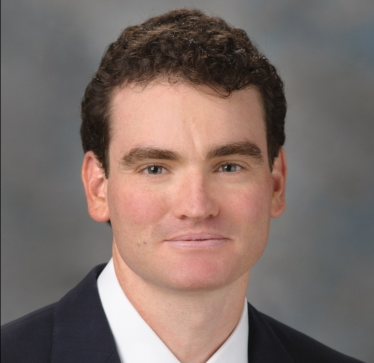 Mark E. Zafereo合作论文数Department of Head and Neck Surgery, Division of Surgery, The University of Texas MD Anderson Cancer Center37
 Maria E. Cabanillas合作论文数Department of Endocrine Neoplasia and Hormonal Disorders, Division of Internal Medicine, The University of Texas MD Anderson Cancer Center34
 Stephen Y. Lai合作论文数Department of Head and Neck Surgery, Division of Surgery, The University of Texas MD Anderson Cancer Center;Department of Radiation Oncology, Division of Radiation Oncology, The University of Texas MD Anderson Cancer Center;Department of Molecular and Cellular Oncology, Division of Basic Science Research, The University of Texas MD Anderson Cancer Center29Sarah Hamidi合作论文数22
 Michelle D. Williams合作论文数Department of Pathology, Division of Pathology/Lab Medicine, The University of Texas MD Anderson Cancer Center21Priyanka Iyer合作论文数Prevent Neurol Unit, Queen Mary Univ London16Ying C. Henderson合作论文数16
 Steven Waguespack合作论文数14
 Xiao Zhao (赵潇)合作论文数National Center for Nanoscience and Technology, Chinese Academy of Sciences13
 Reid T Powell合作论文数Institute of Biosciences and Technology, Texas A&M Health Science Center;Institute of Biosciences and Technology, Texas A&M Health Science Center11
 Tareck Ayad合作论文数11
 Mimi I. Hu合作论文数Department of Endocrine Neoplasia and Hormonal Disorders, Division of Internal Medicine, The University of Texas MD Anderson Cancer Center11Apostolos Christopoulos合作论文数11Nikhil Chari合作论文数10Maria Gule-Monroe合作论文数10
 Anna Lee合作论文数10
 Martin Yvon Desrosiers合作论文数Département de Chirurgie, Faculté de Médecine, Université de Montréal;Probionase Therapies Inc.;Centre Hospitalier de l'Université de Montréal10
 G. Brandon Gunn合作论文数Department of Radiation Oncology, Division of Radiation Oncology, The University of Texas MD Anderson Cancer Center10
 Rozita Bagheri-Yarmand合作论文数Laboratoire de Recherche en Oncologie Moléculaire Humaine, Université Paris-Nord10Issam Saliba合作论文数10
 Renata Ferrarotto合作论文数9Goepfert Ryan P合作论文数9Leandra Endam Mfuna合作论文数8
 Muthusamy Kunnimalaiyaan合作论文数8
 Marie-Claude C Hofmann合作论文数Department of Endocrine Neoplasia and Hormonal Disorders, Division of Internal Medicine, University of Texas MD Anderson Cancer Center8
 S Mohsen Hosseini合作论文数Cardiac Genome Clin, Ted Rogers Ctr Heart Res7
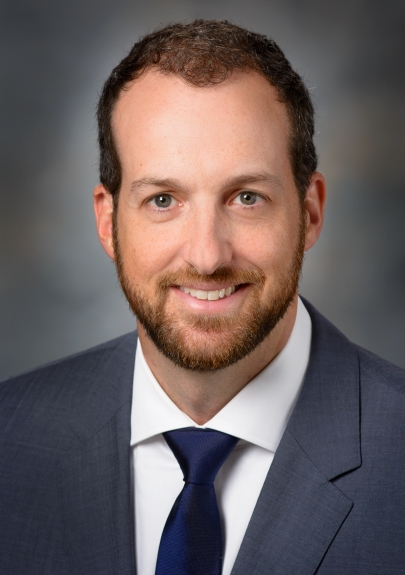 Neil D. Gross合作论文数Department of Head and Neck Surgery, Division of Surgery, The University of Texas MD Anderson Cancer Center7
 Axel E. Renteria合作论文数6Michael P. Hier合作论文数6Louis Guertin合作论文数6
 Marc-Henri Asmar合作论文数5
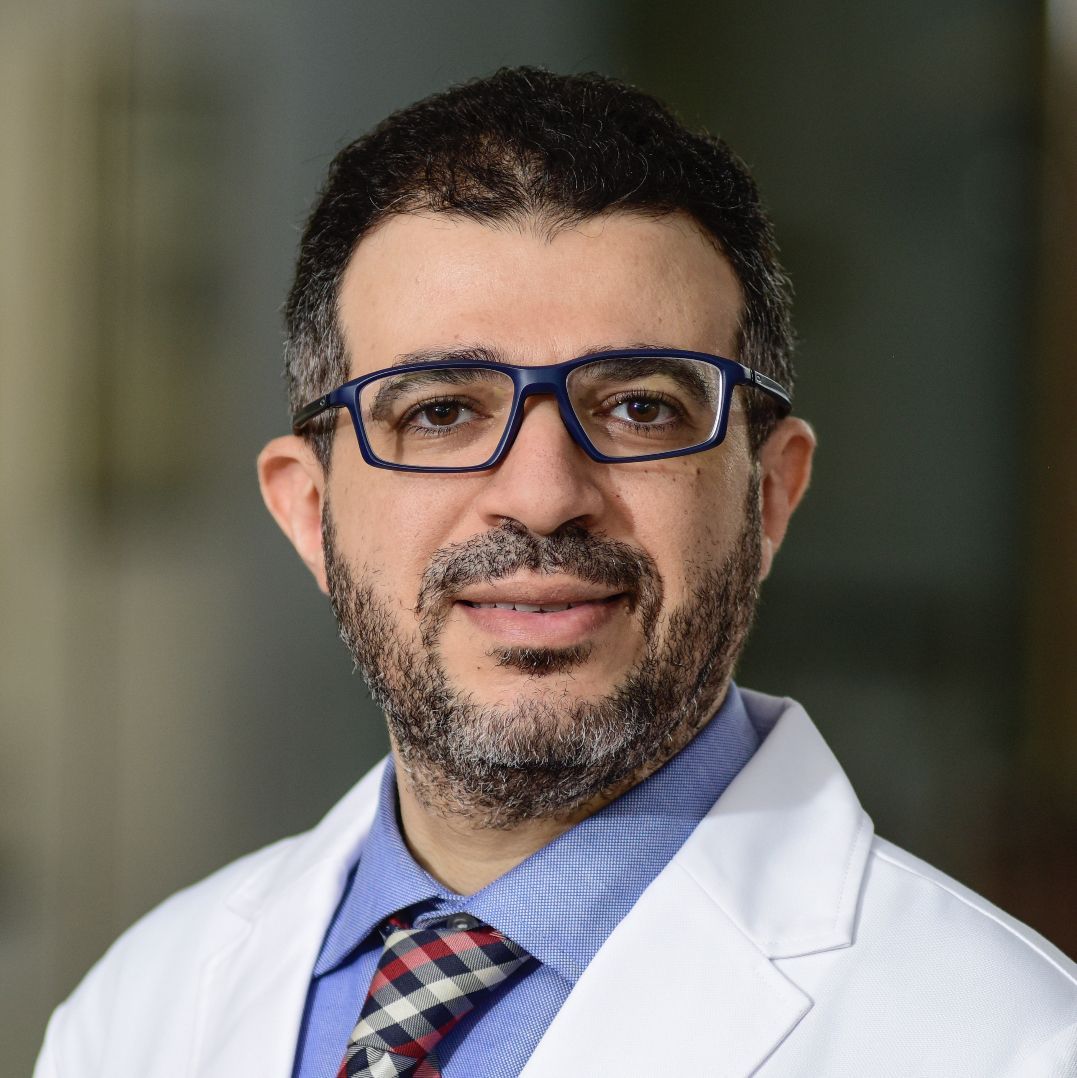 Abdallah Sherif Radwan Mohamed合作论文数Department of Radiation Oncology, Baylor College of Medicine5
 Kim O Learned合作论文数5Bissada Eric合作论文数5
 Jeffrey N. Myers合作论文数Department of Head and Neck Surgery, Division of Surgery, The University of Texas MD Anderson Cancer Center;Department of Cancer Biology, The University of Texas MD Anderson Cancer Center5
 Steven I. Sherman合作论文数Department of Endocrine Neoplasia and Hormonal Disorders, Division of Internal Medicine, The University of Texas MD Anderson Cancer Center5Michael T. Spiotto合作论文数Department of Radiation Oncology, Stanford University School of Medicine5Marie-Jo Olivier合作论文数5Olga Gologan合作论文数4Carol M. Lewis合作论文数4
 Antoine Eskander合作论文数Department of Otolaryngology - Head & Neck Surgery, Faculty of Arts and Science, University of Toronto4Sandulache Vlad C合作论文数4
 Anthony Nichols合作论文数Department of Otolaryngology Head and Neck Surgery, Western University4
 Adam S. Garden合作论文数Department of Radiation Oncology, Division of Radiation Oncology, The University of Texas MD Anderson Cancer Center4
 Amy Moreno合作论文数Department of Surgical Oncology4
 Katherine A. Hutcheson合作论文数Department of Communication Sciences and Disorders, Division of Surgery, The University of Houston College of Liberal Arts and Social Sciences;Section of Speech Pathology and Audiology, Department of Head and Neck Surgery, The University of Texas MD Anderson Cancer Center4




