UNLABELLED:Our aim is to present our experience with split liver transplantation. From 1992-2002, 14 livers were split to obtain 28 grafts that were transplanted to 12 adults and 16 children. Ex situ splitting was performed in all cases. The left graft consisted of the left lateral segment (segments II-III) in 11 cases and the left lobe in three, depending on the size of the pediatric recipient. Pediatric recipients were of mean age 3, 4 years; mean weight 13 kg; six emergency cases for fulminant hepatic failure or urgent retransplantation and seven of 10 elective cases for biliary atresia. Postoperative mortality rate was 31% (five cases), including four of six emergency cases and one elective case (10%). The main cause was multiorgan failure. Technical complications were: one arterial thrombosis, one portal vein thrombosis, and four biliary complications. Eleven patients are alive and well. Adult recipients were of mean age 53 years. The indications were hepatocellular carcinoma in six cases, liver cirrhosis of various etiologies in five, and one recurrence of hepatitis C in a graft. Two patients died during the postoperative period from sepsis after retransplantation for primary nonfunction of the split graft and multiorgan failure with sepsis. One-year actuarial survival was 84%. CONCLUSIONS:The results of split liver transplantation in elective cases are similar to whole liver transplantation, whereas patient survival among emergency cases is low due to the critical condition of the patients.
To evaluate the clinical value of the concurrent use of methotrexate administered immediately before paclitaxel, we investigated the efficacy and toxicity of this two-drug combination administered as palliative second line therapy in patients with advanced urothelial cancer. The design of the schedule and sequence used was based on our previous preclinical data from a comparative study on sequential combinations of paclitaxel and methotrexate in a human bladder cancer cell line. As a confirmation study, we further extended our analysis of in vitro synergism. Twenty patients with advanced transitional cell carcinoma of the urinary tract previously treated with platinum-based therapy, with adequate renal function and a performance status > or = 60 were considered eligible. They received therapy with methotrexate 30 mg/m2 administered as an intravenous bolus, followed immediately by paclitaxel 175 mg/m2 given as a 3-hr infusion, both on day 1 every 21 days. Therapy was given on a compassionate-use basis until either disease progression was documented or the patient became intolerant to therapy. In vitro data were further analyzed using the median-effect principle and the combination index method. Twenty patients with metastatic (16 patients) or locally advanced disease (four patients) received a median of three cycles of therapy. Of the 19 patients assessable for response, there were six partial responses and seven disease stabilizations with no complete responses. Median duration of response was 3 months (range, 2-7) and median survival was 5 months. Three patients developed grade 3-4 neutropenia, one patient had grade 3 anemia, four patients had grade 2-3 sensory neuropathy, and three patients had myalgias. Eighteen patients developed alopecia. Gastrointestinal toxicity was mild. One patient died after the first cycle due to pulmonary thrombo-embolism and could not be evaluated for response. The synergistic in vitro effect of the concurrent combination was confirmed in analyses performed under mutually exclusive and mutually nonexclusive criteria. In conclusion, the combination of methotrexate and paclitaxel at this dose and sequence is feasible and active as a palliative therapy in patients with advanced urothelial cancer previously treated with platinum-based therapies. This schedule merits further investigation in a phase-II trial.
To present the results of hepatectomies performed for hepatocellular carcinoma in a specialist unit and to compare the results of an initial period (1987-1993) with those obtained in a second period (1995-2000) in which the indications were limited to Child class A patients without portal hypertension. During the second period technical improvements such as intermittent selective hilar clamping and greater hiliar restrictions on transfusions were introduced.One hundred and ten hepatectomies were performed in 105 patients with hepatocellular carcinoma in our unit over a 12-year period. Eighty percent of the tumors occurred in cirrhotic livers, mainly caused by hepatitis C virus. In the second period, upper gastrointestinal endoscopy was systematically performed to study the presence of varices. Hemodynamics studies were optionally performed to rule out portal hypertension.In the second period larger tumors were resected, a greater number of major hepatectomies were performed due to the increased frequency of hepatocellular carcinoma in non-cirrhotic liver, and fewer patients underwent transfusion. Early mortality was reduced from 21% to 1.8% and mean survival significantly increased from 37 to 52 months. Actuarial survival increased from 64% to 91% at 1 year and from 23% to 52% at 5 years in the first and second periods, respectively. Disease-free survival also increased significantly from 53% and 84% at 1 year and 27% and 40% at 5 years in the first and second periods, respectively. Analysis of the results in cirrhotic patients also showed a statistically significant improvement in early mortality and survival. Multivariate analysis of prognostic factors for survival demonstrated that the absence of blood transfusion, patients who underwent resection in the second period and the presence of pseudocapsules were independent factors for increased survival.The results of liver resection for hepatocellular carcinoma improved significantly due to the reduction in early mortality produced by more rigorous patient selection and the introduction of technical improvements.
AIM:To present the results of hepatectomies performed for hepatocellular carcinoma in a specialist unit and to compare the results of an initial period (1987-1993) with those obtained in a second period (1995-2000) in which the indications were limited to Child class A patients without portal hypertension. During the second period technical improvements such as intermittent selective hilar clamping and greater hiliar restrictions on transfusions were introduced.PATIENTS AND METHODS:One hundred and ten hepatectomies were performed in 105 patients with hepatocellular carcinoma in our unit over a 12-year period. Eighty percent of the tumors occurred in cirrhotic livers, mainly caused by hepatitis C virus. In the second period, upper gastrointestinal endoscopy was systematically performed to study the presence of varices. Hemodynamics studies were optionally performed to rule out portal hypertension.RESULTS:In the second period larger tumors were resected, a greater number of major hepatectomies were performed due to the increased frequency of hepatocellular carcinoma in non-cirrhotic liver, and fewer patients underwent transfusion. Early mortality was reduced from 21% to 1.8% and mean survival significantly increased from 37 to 52 months. Actuarial survival increased from 64% to 91% at 1 year and from 23% to 52% at 5 years in the first and second periods, respectively. Disease-free survival also increased significantly from 53% and 84% at 1 year and 27% and 40% at 5 years in the first and second periods, respectively. Analysis of the results in cirrhotic patients also showed a statistically significant improvement in early mortality and survival. Multivariate analysis of prognostic factors for survival demonstrated that the absence of blood transfusion, patients who underwent resection in the second period and the presence of pseudocapsules were independent factors for increased survival.CONCLUSIONS:The results of liver resection for hepatocellular carcinoma improved significantly due to the reduction in early mortality produced by more rigorous patient selection and the introduction of technical improvements.
AbstractWe investigated the cytotoxic effect of different sequential combinations of paclitaxel (Taxol, TX), an antimicrotuble agent, and methotrexate (MTX), a potent inhibitor of dihydrofolate reductase, on a human bladder cancer cell line (T24). The results obtained with a colony-forming assay 5 days after 24 hr of exposure to TX alone showed a strong decline in colony growth up to a concentration of 6 nM. There was a plateau phase at TX concentrations ranging from 6 to 10 nM. The IC50 values found with the different dosing sequences and 24-hr exposure to the drugs were 0.24 μM for MTX alone, 3.49 nM for TX alone, 3.84 nM for TX followed by MTX, 3.75 nM for TX and MTX simultaneously, and 2.10 nM for MTX followed by TX. The cytotoxic effect due to drug interactions in the different sequential combinations was evaluated by an algebraic method. All the combination sequences were found to be synergistic (combination index [CI] < 1) at low TX concentrations. An antagonistic effect (CI > 1) was obtained at higher TX concentrations. Our data demonstrate that the T24 cell line is sensitive to TX and that the cytotoxic effect is enhanced to different degrees depending on the treatment sequence when TX is combined with MTX. These findings could have implications in the design of appropriate administration schedules of these two drugs for the treatment of bladder cancer.
The study of alterations of mitochondrial DNA transcription could be of fundamental interest to understand the molecular mechanisms underlying the impairment of mitochondrial function in liver diseases related to hepatocyte energy production. We show that isolated normal human liver mitochondria, when incubated in the presence of [α-32P]UTP in an appropriate incubation medium, in which the energy requirements are provided by exogenous ADP in the presence of oxidizable substrates, are able to support RNA synthesis in a way faithfully resembling the in vivo process. The autoradiographic pattern in agarosemethylmercury hydroxide gels of the newly synthesized RNA shows the presence of all the previously described RNAs coded in the mitochondrial genome (ribosomal, messenger and transfer RNAs). We conclude that this system could be of great value to investigate the role of the mitochondrial genome on human liver pathology related to mitochondrial damage.
The effect of the lipidic composition of the diet on the proteic synthesis of the male Sprague-Dawley rats fed parenterally for four days has been studied. All animals received identical nitrogen and caloric intake, but the ratio of medium to long-chain triglycerides (MCT/LCT) varied: group 1, control (0/100); group 2 (30/70); group 3 (50/50) and group 4 (70/30). Hepatic and jejunal protein synthesis were determined with L-(1-14C)-leucine. In groups 1, 3 and 4 muscle protein synthesis was measured with L-(3,4-3H)-phenylalanine. In liver, there were no significant differences in the fractional synthesis rate among the groups. In jejunum, the control group showed a higher fractional synthesis rate with statistically significant differences among the groups. In muscle, group 3 presented the highest fractional synthesis rate with statistically significant differences (p less than 0.05).
The aim of this study was to evaluate the effect of total parenteral nutrition (TPN) with 100% long-chain triglyceride (LCT) (group A) and 50/50% medium/long-chain triglyceride (MCT/LCT) (group B) fat emulsions on visceral protein synthesis in 70% hepatectomized rats. The rats were fed TPN continuously for 7 days posthepatectomy. Protein synthesis was measured in the liver and jejunal mucosa with the flooding dose method. All rats received the same caloric and nitrogen intake, without statistically significant differences. The only difference between the two groups was the proportion of MCT to LCT in the diets. Hepatic and jejunal mucosa protein synthesis were significantly higher in group B, fed 50/50% MCT/LCT. These results suggest that fat emulsions with 50/50% MCT/LCT significantly enhance visceral protein synthesis after partial hepatectomy.
 Carlos Margarit合作论文数10J L Lázaro合作论文数8
 Itxarone Bilbao合作论文数7R Charco合作论文数7J. Balsells合作论文数5E GIFRE合作论文数4C RUIZ合作论文数4S. Schwartz合作论文数3Ernest Hidalgo合作论文数3J. Cos合作论文数2E GARCIA合作论文数2A L Andreu合作论文数2Lluis Castells合作论文数2
 Joaquim Bellmunt合作论文数Harvard Medical School;Bladder Cancer Center, Dana Farber Cancer Institute2
 Antoni Ribas合作论文数Jonsson Comprehensive Cancer Center;Parker Institute for Cancer Immunotherapy Center, University of California Los Angeles2Mireia Farriol Gil合作论文数2N Eres合作论文数1J López合作论文数1M Asensio合作论文数1Rm Segura合作论文数1F Esteban合作论文数1R Sauri合作论文数1M Mourelle合作论文数1J Gómez-Jiménez合作论文数1E Allende合作论文数1A Salgado合作论文数1A Segarra合作论文数1Peracaula Picart R合作论文数1
 Xavier Nuvials合作论文数1M J López-Pérez合作论文数1
 Juan Ortega合作论文数1Juan Iglesias合作论文数1J. M. Lluis合作论文数1
 Juan Carlos Ruiz合作论文数1E. Gemar合作论文数1
 Acisclo Perez-Martos合作论文数1A. Edo合作论文数1Julio Montoya合作论文数1
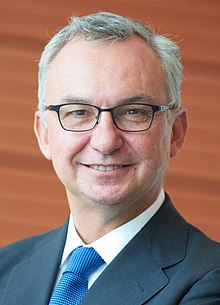 José Baselga合作论文数Weill Cornell Medical College1
 Alfredo Escartin合作论文数Hospital Clı́nico, University of Zaragoza1Elena Allende合作论文数1
 Claudio Martin合作论文数Schulich School of Medicine & Dentistry, Western University1




