Purpose Meningiomas (MNGs) occur in different histopathological subtypes. The WHO grading system classifies a subset as grade 2 and 3, indicating a more aggressive course. Recent advances in risk stratification introduces an integrated molecular-morphological score (IntS), offering improved risk prediction over the traditional WHO classification. This study aims to evaluate the prognostic utility of IntS in the context of the timing of adjuvant radiotherapy (RT). Methods This retrospective study analyzed 55 patients with histologically diagnosed WHO grade 2 and 3 MNG treated with adjuvant RT. Molecular analyses using Illumina 450k Human BeadChip and Illumina 850k EPIC stratified patients into 3 risk groups (low, intermediate and high) using an integrated model that combines WHO grading, Copy Number Variations (CNVs), and Methylation Families (MF). Results After 5 years a local failure-free survival (LFFS) rate of 0% in MF-malignant MNG contrasts with a LFFS rate of 77% and 58% in MF-benign and MF-intermediate MNG. A significant correlation between CNVs and LFFS was also observed in the adjuvant setting. The IntS model revealed distinct 5-year LFFS disparities across different risk categories, underscoring the impact of combined morphological and molecular characteristics on outcome. Conclusion The integration of DNA-methylation and CNV-profiles into the IntS unified risk score offer an enhanced prognostic differentiation of MNG patients. This approach shows a promising direction for guiding the optimal timing of adjuvant RT, offering a path toward more tailored treatment strategies for meningiomas.
Abstract Implantable brain-computer interfaces (iBCIs) with single-neuron resolution are showing great promise for restoring mobility and communication in individuals with spinal cord injury or motor neuron disease. Stroke is the most common cause of acquired brain injury and a major contributor to long-term disability, making chronic stroke a highly relevant indication for iBCIs. However, whether stable intracortical recordings can be obtained from the structurally lesioned human brain is unknown. We report recordings from four 64-channel microelectrode arrays implanted in a participant with chronic aphasia after a large left-hemispheric stroke. The arrays targeted right-hemispheric frontoparietal regions homotopic to the damaged left-hemispheric language network. Across 111 sessions spanning 1,240 days, unit yield and signal quality remained stable. Waveform-based tracking reliably identified individual units across sessions, including across extended recording gaps. Short- and long-term unit stability was comparable to previous reports from iBCI participants without structural brain lesions, and tracked units showed consistent spiking properties across sessions. Our findings provide the first evidence that single-neuron recordings can remain stable over the long term in the stroke-lesioned human brain. They establish the feasibility of chronic, cellular-resolution iBCIs after stroke and support the development of neurorestorative applications for deficits caused by structural brain injury.
Objectives This study aims to evaluate the stylistic and structural equivalence of Artificial Intelligence (AI)-generated summaries, particularly those by Large Language Models (LLMs) like ChatGPT, compared to traditional human-generated case summaries in neuro-oncological board decisions. The primary goal is to explore the stylistic alignment between AI-generated and human-authored summaries from board meeting audio recordings. Methods The study compares 30 traditional human-generated case summaries with 30 AI-generated summaries based on board meeting audio recordings. Two expert raters, blinded to the source of the summaries, evaluated a total of 60 cases. A Likert scale was used to assess the plausibility, linguistic style, evidence adherence, and reference accuracy of the summaries. Results The results indicated that both LLM-generated and human-reviewed summaries demonstrated consistently high performance across all criteria evaluated. The general plausibility ratings were comparable (LLM: 4.7, Human: 4.73, P = .959). Linguistic style ratings also showed similarity (LLM: 4.87, Human: 4.97, P = .512). In terms of adherence to evidence, the means were close (LLM: 4.8, Human: 4.87, P = .541). Reference accuracy was slightly higher for AI-generated summaries (LLM: 4.97, Human: 4.9, P = .664). These findings were consistent with the results from Rater 2, and statistical analysis using Kendall's tau showed no significant differences between methods ( P > .05). Conclusion The study finds that LLM-generated summaries can effectively emulate the style and structure of human-authored ones, indicating their promise as an additional tool in neuro-oncology. These AI models can enhance documentation quality and serve as valuable support in clinical settings. While further research is necessary to explore broader applications, LLMs offer exciting potential as a complement to traditional decision-making processes.
Importance:Variations in perioperative dexamethasone dosing are common in brain metastasis resection, but their impact on patient outcomes remains unclear. Objective:To evaluate the association between perioperative dexamethasone dosing and patient outcomes, focusing on overall survival (OS) and progression-free survival (PFS). Design, Setting, and Participants:This retrospective multicenter comparative effectiveness study used data collected from January 2010 to December 2023. Patients with symptomatic brain metastases undergoing primary surgical resection at 7 neurological centers in Germany and 1 in Austria and who had complete records of perioperative dexamethasone dosing were included. Propensity score matching (PSM) was used to control for confounders. Analysis was conducted from March to June 2024. Exposures:Cumulative perioperative dexamethasone administration over 27 days, dichotomized at 122 mg using maximally selected rank statistics. Main Outcomes and Measures:The primary outcome was OS. Secondary outcomes included extracranial PFS (ecPFS) and intracranial PFS (icPFS) as well as incidence of wound revision surgery after brain metastasis resection. Hazard ratios (HRs) were calculated using Cox proportional hazards models. Results:A total of 1064 patients were included in the analysis. The median (IQR) age was 64 (56-72) years, with 489 female patients (49%) and 541 male patients (51%). Non-small cell lung cancer (NSCLC) was the most common tumor entity (564 patients [53%]), followed by breast cancer (146 patients [14%]) and melanoma (138 patients [13%]). After PSM, patients receiving cumulative dexamethasone doses less than 122 mg had a median OS of 19.1 (95% CI, 15.2-22.4) months compared with 12.0 (95% CI, 9.1-14.7) months for those receiving 122 mg or more (P = .002). Multivariable analysis showed an independent association between higher cumulative dexamethasone doses and reduced OS (HR, 1.40; 95% CI, 1.18-1.66; P < .001). Secondary analyses demonstrated consistent findings with icPFS and ecPFS and a dose-response association between cumulative dexamethasone and hazard for death. Conclusions and Relevance:In this study, higher cumulative perioperative dexamethasone was associated with reduced OS, icPFS, and ecPFS in patients undergoing brain metastasis resection. These findings suggest that stricter dosing protocols could improve outcomes. Prospective trials are warranted to confirm these associations and guide evidence-based practice.
In patients with traumatic brain injury (TBI), adequate oxygenation is crucial to optimize survival and neurological outcome. However, supranormal oxygen partial pressure (PaO2) only leads to minor increase in cerebral oxygen delivery but can cause numerous pathophysiological disturbances. Therefore, we aimed to study effects of hyperoxia on patient outcome and identify optimum PaO2 ranges. This retrospective, single-center cohort study included TBI patients receiving mechanical ventilation for ≥ 72 h. Time-weighted mean PaO2 and integrals above thresholds of 80, 100, 120, and 150 mmHg were calculated over periods of 1, 3, 7, and 14 days. The effects on in-hospital mortality and favorable functional outcome defined as Glasgow Outcome Scale (GOS) ≥ 4 were explored at discharge and after 3–6 months. From 01/2013 until 12/2021, 290 patients fulfilled the inclusion criteria. Hyperoxia was dose-dependently associated with a worsened functional outcome 3–6 months post-injury. Regarding the first 24 h, odds ratios were 0.959 (95
BACKGROUND:One third of adults with cancer suffer from common mental disorders in addition to their malignant disease. However, it is unknown whether this proportion is the same in patients who have brain tumors and which factors modulate the risk for psychiatric comorbidity. METHODS:In a multicenter study, patients with high-grade glioma at 13 neurooncology clinics were enrolled consecutively and interviewed with the Structured Clinical Interview for the Diagnostic and Statistical Manual of Mental Disorders (SCID) to diagnose common mental disorders. Predictors of psychiatric comorbidity were investigated using binary logistic regression. RESULTS:Six hundred ninety-one patients were interviewed. The proportion of patients who had mental disorders was 31% (95% confidence interval [CI], 28%-35%). There was evidence for an association of psychiatric comorbidity with the following factors: younger age (odds ratio [OR], 1.9; 95% CI, 1.1-3.4; p = .04), stable disease versus complete remission (OR, 1.7; 95% CI, 1.1-2.8; p = .04), lower income (OR, 1.7; 95% CI, 1.0-2.8; p = .04), living alone (OR, 1.6; 95% CI, 1.0-2.6; p = .05), fatigue (OR, 1.6; 95% CI, 1.1-2.4; p = .03), and impaired cognitive functioning (OR, 2.3; 95% CI, 1.5-3.6; p < .01). There was no evidence for independent effects of gender, histology, affected lobe, time since diagnosis, or employment status. CONCLUSIONS:Approximately one third of adult patients with high-grade glioma may suffer from a clinically relevant common mental disorder, without notable disparity between the genders. In particular, clinicians should pay attention to possible comorbidities for cases in which patients exhibit compromised subjective cognitive function, are younger than 50 years, maintain a state of stable disease, or live alone.
Background Remote ischemic preconditioning (RIPC) has shown potential in reducing vasospasm-induced secondary ischemia after aneurysmal subarachnoid hemorrhage (aSAH). Research suggests RIPC may help the brain adapt to periods of reduced blood flow, thereby reducing the risk of cerebral infarction secondary to delayed cerebral ischemia. This study aimed to analyze the possible impact of RIPC in patients with vasospasm following aSAH. Methods We performed a prospective, randomized, controlled, and rater-masked trial at our high-volume neurovascular center. Patients treated for aSAH between November 2019 and September 2023 were randomly allocated to either the control or RIPC intervention group. The RIPC intervention involved three upper arm blood pressure cuff inflations (20 mm Hg above systolic pressure) for 5 min, followed by 5 min of reperfusion, administered for 10 consecutive days within the initial 14 days after aSAH. The primary end point was postinterventional computed tomography to identify new cerebral infarction areas. Results Among 60 patients (29 in the intervention group, 31 in the control group) the entire cohort averaged 62.0 years, with no significant age difference between groups ( p = 0.41). RIPC did not significantly affect the initial occurrence of symptomatic vasospasms or the incidence of cerebral infarctions (RIPC 24.1% vs. control 16.1%, p = 0.44). No significant difference was found between the two groups with respect to incidence of new neurological symptoms ( p = > 0.99) or in-hospital mortality ( p = 0.5). Conclusions Remote ischemic preconditioning does not appear to influence the occurrence of vasospasms or the development of new infarcts on computed tomography. Larger studies are needed to further explore whether RIPC may have a role in specific high-risk subgroups or clinical settings.
Background:Classical music influences human physiology, such as the cerebral blood flow velocity (CBFV), in healthy controls and during recovery from ischemic stroke. Aim of this prospective pilot-study was to investigate the effect of classical music on CBFV and other physiological parameters in patients suffering from aneurysmal subarachnoid hemorrhage (SAH). Methods:Twenty patients with SAH were subjected to up to three interventions, in which the patients listened to W. A. Mozart's Symphony No. 40 in G minor. In parallel, CBFV in the right middle cerebral artery (MCA) was continuously measured using transcranial Doppler (TCD). TCD values were averaged per minute, normalized, and analyzed with a mixed-effects linear regression model. In addition, other physiological and laboratory parameters were evaluated. Results:A total of 55 interventions were successfully carried out. The mixed-effects linear regression model revealed significant associations with both time (p < 0.001) and session (p = 0.002), specifically, with each minute of classical music played, there was a 0.3 % reduction in CBFV (95 % confidence interval (CI): 0.2-0.4 %). Heart rate (HR) and respiratory rate (RR) decreased by 0.1 % (95 % CI: -0.2-0.0 %; p = 0.043) 0.3 % (95 % CI: -0.6 % to -0.1 %; p = 0.001), respectively, per minute of exposure. Each additional session resulted in a reduction of HR by 4.3 % and RR by 22.3 % from the baseline at the start of the intervention to minute 25 (both p < 0.001). Conclusions:Our pilot study shows only a very small effect of classical music such as Mozart's Symphony No. 40 in G minor in patients with SAH.
PURPOSE:Patients diagnosed with high-grade gliomas (HGG) often experience substantial psychosocial dis-tress. However, due to neurological and neurocognitive deficits its assessment remains challenging, and needs remain unmet. We compared a novel face-to-face assessment during doctor-patient conversations with questionnaire-based screening. METHODS:In this multicenter, two-arm cluster-randomized study involving 13 centers patients in the interven-tion group (IG) were screened for distress via physician-patient conversations, while the control group (CG) completed the Distress Thermometer. Primary outcome was the proportion of patients with poor emotional functioning (measured with the EORTC Quality of Life Questionnaire) who received specialized psychosocial care (PC) within 3 months. Data were collected via patient and physician reports and medical records. Analysis employed mixed models logistic regression. RESULTS:In total, 763 patients were enrolled at baseline, and 506 completed the follow-up. The emotional functioning was poor in 302/506 (59.7%). The frequency of patients reporting PC utilization was comparable between groups (IG 93/168, 55.4% vs. CG 87/134, 64.9%, odds ratio (OR) =0.67, 95% confidence interval (CI)=0.40-1.11, p=0.115). Likewise, the provision of information about special-ized psycho-oncological care was similar (IG 112/168, 66.7% vs. CG 94/134, 70.1%, OR=0.95, 95%CI=0.39-2.29, p=0.904). CONCLUSION:Physician-led, face-to-face distress screening was not superior to questionnaire-based screening in facilitating psychosocial care referrals. Nonetheless, it represents a feasible and patient-centered alternative, particularly for patients with high-grade gliomas suffering from neurocognitive or func-tional deficits.
We report a rare case of centrally caused hypertension in a 17-year-old adolescent due to neurovascular compression of the root entry/exit zone of the ninth/tenth cranial nerves of the rostral ventrolateral medulla oblongata on the left side. The patient underwent a comprehensive diagnostic workup to exclude other causes of secondary hypertension. A cranial magnetic resonance imaging (cMRI) indicated a neurovascular compression. The patient underwent microvascular decompression (MVD) twice. After the first MVD, blood pressure values significantly decreased to normotensive levels without any antihypertensive medication. After one year without clinical symptoms, the patient experienced recurrent hypertension and underwent a second MVD. Again, the blood pressure normalized without any medication or clinical symptoms within six-month follow-up. This case report highlights neurovascular compression at brainstem level as an important differential diagnosis of centrally caused hypertension, even in the absence of specific cranial nerve deficits. MVD is an effective treatment option.
Extracellular vesicles (EVs) act as carriers of biological information from tumors to the bloodstream, enabling the detection of circulating tumor material and tracking of disease progression. This is particularly crucial in glioblastoma, a highly aggressive and heterogeneous tumor that is challenging to monitor. Using imaging flow cytometry (IFCM), we conducted an immunophenotyping analysis of eight glioma-associated antigens and tetraspanins in plasma EVs from 37 newly diagnosed glioblastoma patients (pre- and post-surgery), 11 matched individuals with recurrent glioblastoma, and 22 healthy donors (HD). Tenascin-C (TNC) positive EVs displayed the strongest differences in newly diagnosed and recurrent glioblastoma patients, when compared to non-tumor subjects. Among dual-positive subpopulations, TNC+/CD9+ EVs were the most elevated in newly diagnosed (FC = 7.6, p <0.0001, AUC = 81%) and recurrent patients (FC = 16.5, p <0.0001; AUC = 90%) than HD. In comparison with other CNS tumors (n = 25), this subpopulation was also 34.5-fold higher in glioblastoma than in meningioma cases (p <0.01). Additionally, TNC+/CD9+ EV levels were 3.3-fold elevated in cerebrospinal fluid from glioblastoma patients (n = 6) than controls (p <0.05). Aberrant TNC levels were further observed in glioblastoma EVs from different sources and purified via different methods. Immunohistochemical analysis revealed high levels of TNC in tumor tissues. Spatial transcriptomic analysis indicated a TNC overexpression in malignant cell populations of glioblastoma resections, particularly in cells with mesenchymal-like signatures and chromosomal aberrations. Lastly, we purified TNC+ EVs from plasma of 21 glioblastoma patients by magnetic sorting and detected the oncogenic mutation TERT*C228T by droplet digital PCR. The mutant allele frequency was higher in TNC+ EVs vs TNC-negative EVs (FC = 32, p <0.001), total EVs (FC = 5.3, p <0.001) or cell-free DNA (FC = 5.3, p <0.01). In conclusion, circulating TNC+ EVs may have potential as clinical biomarkers in glioblastoma, and their purification could improve the identification of tumor-specific mutations in liquid biopsies.
IntroductionEmerging digital biopsy technologies, such as confocal laser endomicroscopy (CLE), have shown how neuro-oncological surgery can be revolutionised with the help of rapid, intraoperative tissue assessment which offers a high diagnostic accuracy. For in vivo CLE of cerebral neoplasia, there is only one existing staining agent—Sodium-Fluorescein (SF)—approved for intravenous application. The staining characteristics of SF yet remain unclear.MethodsIn order to understand the dyeing behaviour of SF, we initiated a pilot study, comparing the staining pattern when incubating established tumour cell lines with SF in vitro to the distribution of intravenously applied SF in situ—examined with CLE ex vivo as well in vivo.ResultsIn vitro, the cell lines showed a hyperbolic, time-dependent cellular accumulation of SF. Carcinoma cell lines showed significantly more intracellular SF than glioma cell lines. This phenomenon could be observed when applying SF intravenously before tumour resection surgery. In gliomas and meningiomas, SF could only be detected in 14.3% and 16.1% of images per case, while in carcinoma metastases, SF would accumulate in 68.1% of images per case.DiscussionThe concordant results from in vitro, ex vivo and in vivo investigations could show that the cellular accumulation of the staining agent SF varies depending on the tumour entity. While primary brain tumours rarely show intracellular SF accumulation, carcinoma metastases display SF intracellularly more frequently. Therefore, SF allows for a better discrimination between brain tumours and brain metastases when performing CLE in vivo.
Isocitrate dehydrogenase (IDH) wildtype (wt) astrocytomas without the microscopic features of glioblastoma have high recurrence rates and were re-classified in the presence of certain molecular features as CNS WHO grade 4 tumors in the latest WHO classification of 2021. This study examines the clinical heterogeneity within this histologically defined group and explores implications for treatment decisions, with particular focus on the role of surgical resection. Data acquisition was conducted as a multi-center retrospective analysis at 6 University Hospitals (2016-2019). Patients with IDH-wt diffuse astrocytoma without histological features of glioblastoma were enrolled. Patients presenting with IDH-wt classical glioblastoma from one institution served as controls. Primary outcome parameters were extent of resection (EOR) according to RANO 2.0 criteria, progression-free survival (PFS), and overall survival (OS). 160 patients with IDH-wt astrocytoma (37.5
Introduction Colloid cysts of the third ventricle are benign brain lesions that may obstruct cerebrospinal fluid flow within the ventricular system and cause symptoms like headaches, deterioration of vision, and acute hydrocephalus. Research Question What is the clinical outcome of surgical treatment of third ventricle colloid cysts, and what factors are influencing long-term complications? Material and Methods In this multicenter retrospective cohort study performed between 2008 and 2023, we assessed the preoperative clinical status, the colloid cyst risk score, surgical techniques, and the clinical outcome of patients undergoing surgical cyst resection for incidental and symptomatic colloid cysts of the third ventricle. We specifically focused on long-term data such as shunt dependency and postoperative complications. Results In total, 190 patients were included. Most presented with headaches (75,3%), while 25% showed signs of acute and 36% signs of chronic hydrocephalus. In 23% of the patients, short-term memory was impaired. The surgical treatment presented a safe and definite treatment, with wound healing disorders (6.3%) and CSF leakage (4.7%) being the most frequently encountered complications. Only 5.3% showed a postoperative shunt dependency. Discussion and Conclusion The surgical treatment of colloid cysts of the third ventricle represents a safe procedure. Acute hydrocephalus was observed more frequently than previously described, and shunt dependency after surgery was low. (211/250 words)
Background:Increased interest in randomized controlled trials (RCTs) in neurosurgical oncology represents a significant advancement in the promotion of rigorous interventions in the field. However, the concept of randomization in neurosurgical oncology contains numerous ethical considerations. In this scoping review, we characterize the landscape of ethical challenges in randomization for neurosurgical oncology trials, highlight gaps in the literature, and delineate best practices for approaching randomization in these trials with a focus on the role of alternative study designs. Methods:A scoping review was conducted using the PubMed, Embase, and Scopus databases. Titles and abstracts were screened for relevance. Studies meeting prespecified inclusion criteria underwent full-text review. Relevant data were extracted. Results:Of 546 resultant articles, 20 were included. Seven (35%) studies focused on limitations of RCTs, 6 (30%) on utility of randomization, 4 (20%) on alternative designs, and 3 (15%) on informed consent. Randomization involves intrinsic ethical challenges in addition to practical challenges specific to neurosurgical oncology, including unrepresentative study populations, uncertainty regarding equipoise, and the inability to attain informed consent. Alternative study designs include preliminary prospective cohort studies with specific properties, on/off studies, seamless phase II/III trials, window-of-opportunity trials, and adaptive randomization models. Conclusions:Randomization in neurosurgical oncology RCTs is ethically challenging. RCTs are most useful when they significantly enhance the quality of evidence and have the potential to be practice-changing. When RCTs are the preferred study design, proper design and implementation may mitigate ethical challenges. In some cases, alternative study designs may advance research while safeguarding ethical priorities.
Introduction: Sex-related differences in the epidemiology of malignant gliomas are acknowledged; however, information regarding their clinical characteristics and outcomes after surgery is limited. Research question: To identify sex-specific differences of all patients with high-grade glioma at our institution and assessed clinical outcomes and prognostic factors. Material and methods: This single-center study included those who underwent surgery for malignant gliomas between 2010 and 2020. Categorical, normally distributed, and skewed continuous variables were compared between men and women using the chi-square test, independent samples t-test, and Mann-Whitney U test, respectively. Survival was calculated using the log-rank and Kaplan-Meier methods. Results: In total, 621 patients with WHO grade IV gliomas were identified (370 (59.58%) male). Men were significantly younger, underwent surgery faster after imaging diagnosis, and had a slightly higher surgical complications incidence than women. Women reported a worse preoperative performance status. Multivariate analysis showed that sex did not affect survival, surgical complications, nicotine or alcohol abuse, or preoperative tumor volume. Age, Karnofsky performance status, neurosurgical resection, and adjuvant radiotherapy with temozolomide showed a survival advantage. Discussion and conclusions: Men are diagnosed with malignant glioma at a younger age than women; however, no advantage in clinical outcomes was observed. No sex-related differences were observed.
The Brain Tumor Group (BTG) of the European Organization for Research and Treatment of Cancer (EORTC) conducts academic clinical trials and translational research to improve clinical management of patients with primary and secondary brain tumors. The EORTC BTG has traditionally played an important role in providing evidence and thus advancing the field, albeit with a main focus on radiotherapy and pharmacotherapy in gliomas. Although examples of well-designed neuro-oncological surgical trials can be found, evidence in surgical neuro-oncology predominantly includes data from uncontrolled prospective series or retrospective cohorts. By means of a thorough literature and EORTC database review, we demonstrate, firstly, that while the pathway of the neuro-oncology patient most often starts with neurosurgery, its several aspects have traditionally been poorly acknowledged in clinical trials in neuro-oncology. We also show that the definitions and methods of assessment vary greatly between studies, limiting generalizability. The newly established Neurosurgery Committee of the EORTC BTG aims to address this gap by increasing the number of prospective surgical trials, but also the involvement of neurosurgeons in clinical trial design, promoting standardized terminology for description of the surgical aspects, including extent of resection. We will also explore alternative trial designs when randomization is deemed difficult, as well as focus on defining surgical quality indicators that influence outcome. By addressing these challenges, the committee aims to enhance the quality of neurosurgical evidence in neuro-oncology and define optimal surgical methods and standards of care. This should ultimately improve outcomes and quality of life for patients with brain tumors through evidence-based surgical interventions.
 Bernhard Meyer合作论文数School of Medicine and Health, Technical University of Munich;Neurosurgical Clinic and Policlinic, Technical University of Munich223
 Florian Ringel合作论文数Department of Neurosurgery, Klinikum rechts der Isar, Technische Universität München98
 Benedikt Wiestler合作论文数School of Medicine and Health, TUM75
 Claus Zimmer合作论文数67
 Jurgen Schlegel合作论文数58
 Stephanie E. Combs合作论文数Faculty of Medicine, Technische Universität München;Institute of Radiation Medicine ,Helmholtz Munich;Department of Radiation Oncology, Klinikum rechts der Isar, Technische Universität München50
 Yu-Mi Ryang合作论文数49
 Bette Stefanie合作论文数49Arthur Wagner合作论文数Dept Neurosurg, Tech Univ Munich45Barz Melanie合作论文数Department of Experimental Surgery, Technische Universität München (TUM),44
 Claire Delbridge合作论文数40
 Friederike Liesche-Starnecker合作论文数38
 Jan S Kirschke合作论文数School of Medicine, Technical University of Munich37Schmidt-Graf Friederike合作论文数37A Kaywan Aftahy合作论文数Dept Neurosurg, Tech Univ Munich34
 Krieg Sandro M合作论文数Dept Neurosurg, Tech Univ Munich31
 Denise Bernhardt合作论文数26Manfred Westphal合作论文数26
 Maria Wostrack合作论文数Department of Neurosurgery, Technische Universität München25Pyka Thomas合作论文数25
 Thomas Huber合作论文数25
 Hanno S. Meyer合作论文数Max Planck Institute for Medical Research, D-69120 Heidelberg, Germany24C. Zimmer合作论文数23
 Niels Buchmann合作论文数23
 Nicole Lange合作论文数Dept Neurosurg, Tech Univ Munich20
 Peter Vajkoczy合作论文数Department of Neurosurgery, Charite - Universitatsmedizin Berlin20
 Vicki Marie Butenschoen合作论文数School of Medicine, Technical University Munich19
 Negwer Chiara合作论文数Department of Neurosurgery, Technische Universität München19
 Tobias Boeckh-Behrens合作论文数19S. E. Combs合作论文数18
 Franz Ricklefs合作论文数18
 Malte Mohme合作论文数Institute for Neuroimmunology and Clinical Multiple Sclerosis Research, University Medical Centre Eppendorf18
 Richard Drexler合作论文数Department of Surgery, Asklepios Hospital Barmbek17
 Annette Forschler合作论文数17Katrin Lamszus合作论文数17
 Igor Yakushev合作论文数Department of Nuclear Medicine, University of Mainz17
 Julia Onken合作论文数Wilhelm Sander-NeuroOncology Unit and Department of Neurology, University Hospital16
 Christine Preibisch合作论文数16
 Christoph Straube合作论文数15
 Cecile Maire合作论文数Department of Pediatric Oncology, Dana-Farber Cancer Institute;Division of Hematology-Oncology, Boston Children's Hospital;Department of Medical Oncology, Dana-Farber Cancer Institute;Department of Pathology, Brigham and Women's Hospital, Boston, Massachusetts (S.H.R., K.L.L.);Karyopharm Therapeutics;Lurie Family Imaging Center, Dana-Farber Cancer Institute;Department of Pathology, Boston Children's Hospital;Department of Pediatrics, Columbia University Medical Center;Dana-Farber Cancer Institute, Columbia University Medical Center15Martin Misch合作论文数15
 Ulrich Schuller合作论文数Research Institute Children's Cancer Center, University Medical Center Hamburg-Eppendorf, Hamburg, Germany14
 Claudius Thome合作论文数University Hospital Mannheim, University of Heidelberg14
 Lea K. Baumgart合作论文数13F. Schmidt-Graf合作论文数12
 Dieter Henrik Heiland合作论文数Univ Freiburg, Med Ctr, Dept Neurosurg, Freiburg, Germany12
 Lasse Duhrsen合作论文数12
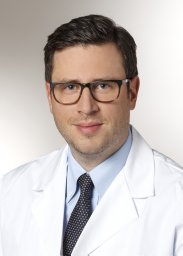 Förster Stefan合作论文数Department of Nuclear Medicine, Technische Universität München12
 Julia Gerhardt合作论文数12




