This presenter symposium features five research studies by well-known disability scholars, from North America and Europe, on the inclusion and workplace experiences of employees with disabilities. Together, these studies extend the boundaries of disability research by showcasing inadvertent ways in which new supposedly inclusive workplace designs (e.g., alternative/digitalized work/conference spaces) can become empty promises or perpetuate social inequality; how and why career advancement may be stalled for some employees with a disability; how an employee’s identity can be associated with their disability management strategy, and in turn their help-seeking preferences; and finally how even conventional large organizations may unintentionally exclude employees with a disability. Our discussants will synthesize the individual presentations to suggest future research directions as well as practical suggestions for promoting equity and inclusion within organizations as well as within important spaces of organizing such as this Academy of Management annual meeting. (In)visibilizing Disability in Activity-Based Working Author: Ive D. Klinksiek; UCLouvain Author: Eline Jammaers; Hasselt U. Author: Laurent Taskin; Critical Management Studies COVID-19 and Conference Accessibility for Persons with Disabilities Author: Joy E. Beatty; Eastern Michigan U. The Effect of Stereotype-Inconsistent Behaviour on the Feedback Provided to Employees Author: Catherine Connelly; McMaster U. Author: Silvia Bonaccio; Telfer School of Management, U. of Ottawa Author: Ian R. Gellatly; U. of Alberta Author: Sarah-Kay Walker; McMaster U. Author: Jennifer Ho; DeGroote School of Business, McMaster U. Differential Help-Seeking Patterns among the Invisibly Disabled Author: Jordan Nielsen; Purdue U. Author: Seonyoung Ji; Purdue U., West Lafayette Author: John Lynch; U. of Illinois at Chicago Author: Julia Stevenson-Street; Purdue U., West Lafayette Experiences of State Agency Employees with Disabilities who Request Accommodations Author: Christine Nittrouer; Texas Tech U. Author: Claudia Cogliser; Texas Tech U.
This symposium discusses the perpetuation of societal defaults—assumptions favoring the majority category as opposed to specified linguistics which explicitly state the category—and how they maintain systems of structural inequality. The fist presentation articulates the process through which linguistics constructively influence the default understanding of various identities in the workplace. The second presentation dives deeper into linguistic default assumptions that affect marginalized individuals by examining the affects of pronoun signposting during the hiring process. The third presentation expounds upon the minority/ally relationship by quantitatively exploring factors critical to its existence and communication of minority identity to allies. In the third presentation, a comprehensive framework on workplace allies elucidates factors preventing allyship and teases out the underlying mechanisms leading to stronger relationships between stigmatized employees (such as LGB employees) and their allies (heterosexual employees). The fourth presentation involves an intervention study looking at how diversity, equity, and inclusion (DEI) initiatives can influence dominant employees (e.g., whites, men) to change their default understanding of their membership to a privileged social identity group. Finally, the last presentation qualitatively explores alternatives to the default professional image and formulates definitions of Hood culture, Hood identity, and its presence in the workplace. This symposium speaks to a variety of stigmatized groups, not fully embraced by organizations, and argues that their inclusion into organizational norms is critical to advancing the DEI literature as a whole. Changing the Default Presenter: Ryan Scott Teschner; U. of Texas at Dallas
The six works in this symposium provide examples of scale development and exemplify best practices. Rather than reiterate similar steps among the six studies, the presenters will focus on the most difficult aspect(s) of developing each scale providing a “behind the scenes” look at challenges in scale development. Two measurement expert discussants will subsequently expand on each challenge and provide recommendations and general feedback regarding the challenge and how best to address it within the field of management. Following the paper presentations, the discussants will share their thoughts on the future of scale development as well as answer audience questions. Challenges in Developing and Validating Target neutral Scales of Different Bond Types Presenter: Howard Klein; Ohio State U. Presenter: Heiko Breitsohl; U. of Klagenfurt, Austria Presenter: Marina Schefer; U. of Osnabrueck Presenter: Tammo Straatmann; U. of Osnabrueck Presenter: Karsten Mueller; U. of Osnabrueck Rebuilding the Foundation: What Is Status and How Do We Measure It? Presenter: Truit Gray; Bowling Green State U. Presenter: Lisa Schurer Lambert; Oklahoma State U. Scale Development Challenges Related to Scoring the CRT-A Presenter: Sydney Reichin; Pennsylvania State U. Presenter: Ashley Linden-Carmichael; Pennsylvania State U. Presenter: Daniel Smith; United States Military Academy Presenter: James M. LeBreton; Pennsylvania State U. Transparency With One’s Measure: The Impact of Construct and Item Wording on Measurement Development Presenter: John Lynch; U. of Illinois at Chicago Presenter: Jingyu Zhang; U. of Illinois at Chicago Workplace Boredom: Defining a Construct and Developing a Measure Presenter: Anna Maria Zabinski; Illinois State U. Presenter: Lisa Schurer Lambert; Oklahoma State U. Developing the Facets of AI-Attitudes Scale Presenter: Daria Morozova; HEC Paris
This symposium brings together a set of four papers that aim to advance our understanding of LGBTQ identity management. All these papers draw from diverse theoretical perspectives to identify and understand the factors that may contribute to managing LGBTQ identities and their outcomes. Multiple papers in this session also examine other forms of identity management strategies that move beyond the decision between disclosure and concealment. To tease apart identity management processes both within and across each unique identity group, multiple papers take an intersectionality perspective to further our understanding of managing LGBTQ identities at work. These papers contribute empirically to research on diversity and invisible marginalized identities, and offer practical implications for building a more inclusive workplace. The Role of Employee Scanning in LGBTQ Identity Management Presenter: John Lynch; U. of Illinois at Chicago Presenter: Alexander Lyle Effinger; U. of Illinois at Chicago Presenter: Jingyu Zhang; U. of Illinois at Chicago An Examination of Coworkers’ Reactions to Sexual Minority Employees’ Identity Disclosure Presenter: Lindsay Dhanani; Ohio U. Presenter: REbecca Totton; Amherst College Presenter: Taylor Hall; Ohio U. Relationship Status Congruence and Self-Presentational Accuracy Presenter: Hayden DuBois; U. of Texas At Arlington Presenter: David F. Arena; U. of Texas At Arlington Why and How LGB Employees Leverage Their Identity at Work Presenter: Cheng-Huan Liu; Rutgers U., School of Management and Labor Relations Presenter: Maria Kraimer; Rutgers U., School of Management and Labor Relations
Over the past few decades, research on the inclusion of employees with a disability has allowed for theoretical as well as practical contributions. A key focus of this research has been on how best to include (e.g., through accommodations, legislation) those with a disability in the workplace (Beatty, Baldridge, Boehm, Kulkarni, & Colella, 2019). While this research has alluded to the importance of allies and detractors in influencing workplace inclusion, this topic has not received as much research attention. Specifically, allies can support others through affording tangible help, support, defense from threats, and policy advocacy (Asta & Vacha-Haase, 2013; DiStefano, Croteau, Anderson, Kampa-Kokesch, & Bullard, 2000; Sabat et al., 2013; 2014). To address this important albeit under-researched area, this presenter symposium features five research papers by well-known disability scholars. Together, these studies summarized below, extend the boundaries of disability research by highlighting who can be an ally (e.g., internal stakeholders such as managers, external stakeholders such as vocational rehabilitation employees), when, and forms of help extended by such allies. Informal accommodations for employees with disabilities: i-deal or no i-deal? Presenter: Catherine Connelly; McMaster U. Presenter: Silvia Bonaccio; Telfer School of Management, U. of Ottawa Presenter: Ian R. Gellatly; U. of Alberta More than a pillar: When co-workers and supervisors become allies for persons with disabilities Presenter: Amit Jain; S P Jain Institute of Management and Research Presenter: Christoph Breier; U. of St. Gallen Presenter: Miriam Karin Baumgaertner; U. of St. Gallen Presenter: Stephan Alexander Boehm; U. of St. Gallen Allies as intermediaries: Strategies that promote hiring people with intellectual disabilities Presenter: Christine Nittrouer; U. of Houston, Downtown Presenter: Michelle Hebl; Rice U. Presenter: Eden King; Rice U. Enacting and slipping: Workplace behaviors of disability allies Presenter: John Lynch; U. of Illinois at Chicago Presenter: Arjun Mitra; California State U., Los Angeles Presenter: Haoying Xu; U. of Illinois at Chicago Workplace materiality as an ally or detractor Presenter: Koen Van Laer; Hasselt U. Presenter: Frederike Scholz; Hasselt U.
One of the most challenging features of a managerial role is the exposure individuals have to informal negative feedback from subordinates, peers, and supervisors. Although such feedback is an inevitable component of a manager’s job, we suggest that it can interrupt a manager’s sense of self, or identity, such that their well-being and behavior is negatively affected. Drawing from identity theory and identity perspectives on leadership and stress, this research introduces the phenomenon of leader identity threats— a situation where claims to leadership are not reciprocated through grants of leadership from others. In a two-wave survey of 158 full- time managers from a variety of industries and organizations, we found that managers who experienced leader identity threats to a greater degree in the last year were more likely to experience psychological strain, form intentions to turnover, and self-report negative leader behaviors. Contrary to expectations, support from supervisors did not reduce the negative effects of leader identity threat; indeed, leader identity threat actually negated the positive effects of such support. A third survey employing a critical incidents technique led us to identify four response tactics that managers use to address leader identity threats, including derogating, confessing, teaching, and feedback-seeking. These inductively derived tactics were supplemented by four additional deductively derived responses (withdrawing, shifting, re-framing, and importance change). Finally, through content validation, EFA, and CFA, a scale was developed to measure these eight response tactics. We close by discussing the implications of these findings for organizations, and for future research furthering this line of inquiry.
Servant leadership, which prioritizes the interests of followers and other shareholders, is considered as a unique approach that offers much potential to enrich our understanding of leadership. Despite the robust findings on how servant leaders motivate their teams and employees to achieve better performance outcomes, what is much less often a research focus are the questions of what motivates leaders to demonstrate servant leadership and how servant leaders encourage followers’ serving, prosocial behaviors that benefit people within and outside organizations. To extend our conceptual and empirical understanding of servant leadership, we offer five papers in this symposium that examine the causes and outcomes of servant leadership, highlighting how servant leadership can be developed through leaders’ own experiences and how their servant behaviors can inspire followers to contribute to others at work and to the larger community. Exploring its Relationships with Perceived Prosocial Impact, Power Distance, and Servant Leadership Presenter: Jia Hu; Ohio State U. Presenter: Chih-Hsun Chuang; National Chung Hsing U. Presenter: Robert C Liden; U. of Illinois at Chicago Volunteering as a Training Ground for Servant Leadership Presenter: Haoying Xu; U. of Illinois at Chicago Presenter: John Lynch; U. of Illinois at Chicago Presenter: Sandy J. Wayne; U. of Illinois at Chicago Presenter: Siyi Tao; U. of Illinois at Chicago The Mediating Processes Linking Servant Leadership to OCB and Emotional Exhaustion Presenter: Dong Pei; U. of Missouri Presenter: Ann Peng; U. of Missouri Presenter: Riguang Gao; Jiangxi U. of Finance and Economics Presenter: Biying Wang; Jiangxi Normal U. How does Servant Leadership Equip and Focus Prosocially-Oriented Employees to Serve Others? Presenter: Chad Hartnell; Georgia State U. Presenter: G. James Lemoine; U. at Buffalo, The State U. of New York Presenter: Snehal Hora; U. at Buffalo, The State U. of New York Presenter: Daniel I. Watts; Georgia State U. How Comparative Thinking Influences Subordinates’ Feelings of Gratitude for Servant Leadership Presenter: Jiaqing Sun; U. of Illinois at Chicago Presenter: Robert C Liden; U. of Illinois at Chicago
This symposium showcases recent work about the processes of stigmatization and potential for destigmatization in organizations. Five papers ranging from empirical to conceptual discuss how and why different types of employee identities and characteristics are stigmatized and the implications of that stigmatization. The papers investigate a diverse set of stigmas non-native accents, sexual minority status, mental illnesses, cumulative stigmas, and stigma by association and a diverse array of outcomes: entrepreneurial funding decisions, coworker treatment, trust, psychological outcomes, and hireability. Further, each paper provides insight what factors may increase or decrease these stigmatization processes. Together, the papers of this symposium fulfill two goals: 1) provide deeper explanations as to how and why stigmatization occurs; and 2) shed light on the role destigmatization can play in making organizations more inclusive. Effects of Disclosure on Evaluations of Nonnative Speakers and Entrepreneurial Investment Decisions Presenter: Regina Kim; IESEG School of Management Presenter: Rae Yunzi Tan; U. of Baltimore Heterosexual Employees’ Identity Threat Responses to Gay/Lesbian Disclosure Presenter: Brent John Lyons; Schulich School of Business Presenter: John Lynch; U. of Illinois at Chicago Presenter: Tiffany Dawn Johnson; Georgia Institute of Technology A Continuum of Workplace Mental Health and Illness and its Relationship with Leader Trust Presenter: Amanda J. Hancock; Memorial U. of Newfoundland Presenter: Kara Anne Arnold; Memorial U. of Newfoundland Validation of a Stigma Load Instrument: Implications for Developing an Inclusive Organization Presenter: Roxanne Beard; McKendree U. Presenter: Robyn A. Berkley; Southern Illinois U., Edwardsville Presenter: Catherine Daus; Southern Illinois U., Edwardsville Destigmatization and Its Imbalanced Effects in Labor Markets Presenter: Giacomo Negro; Emory U. Presenter: Melissa J. Williams; Emory U. Presenter: Elizabeth Pontikes; UC Davis
During colleague interactions, employees face the challenge of managing their personal information. Traditionally, the disclosure of personal information has been treated as self-initiated behavior. However, it is unclear how employees respond when others prompt them to share details of their personal life. To investigate this phenomenon, an inductive study was conducted to identify the characteristics of workplace conversations when others inquire about personal topics. Second, drawing from the personal disclosure, privacy, and stress appraisal literatures, an experience sampling methodology study was conducted to examine how employees appraise and respond to these conversations. One hundred twenty-eight full-time employees were recruited to complete daily surveys over 16 workdays. Findings showed that conversations about meaningful topics and conducted more formally were more likely to elicit revealing responses, whereas conversations about inappropriate topics and felt judgmental were more likely to elicit concealing responses. These revealing and concealing responses ultimately had consequences for commitment, emotional exhaustion, and emotional distraction that persisted throughout the day. This research extends theorizing about how employees manage the interface of their personal and professional roles and has practical implications for how managers can influence personal disclosure norms in the workplace.
 Christine Nittrouer合作论文数Dept Management, Texas Tech Univ3
 Lyons Brent J合作论文数3
 Silvia Bonaccio合作论文数Purdue University3
 Ian R. Gellatly合作论文数University of Alberta3
 Catherine E. Connelly合作论文数McMaster University3
 Mukta Kulkarni合作论文数Indian Institute of Management3
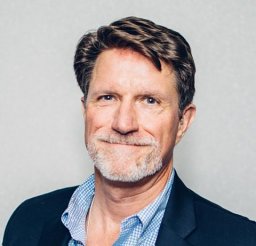 David C. Baldridge合作论文数College of Business;Oregon State University;College of Business, Oregon State University3
 Jordan Nielsen合作论文数Krannert School of Management, Purdue University;Krannert School of Management, Purdue University2
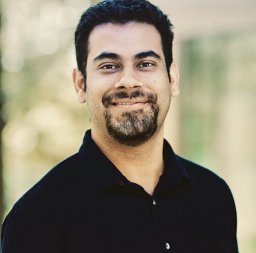 Arjun Mitra合作论文数Stuart Sch Business, IIT2
 Haoying Xu合作论文数2
 David F Arena Jr.合作论文数2
 Eline Jammaers合作论文数Fac Business Econ, Hasselt Univ2
 Eden King合作论文数Department of Psychological Sciences, School of Social Sciences, Rice University2
 Joy E. Beatty合作论文数Management Studies;University of Michigan-Dearborn;Management Studies, University of Michigan-Dearborn2Roxanne Beard合作论文数1Anna Maria Zabinski合作论文数1
 Jingyu Zhang合作论文数1
 Cynthia E. Devers合作论文数1Queen Jaks合作论文数1
 Snehal Hora合作论文数1Kristie L. McAlpine合作论文数1
 Daria Morozova合作论文数1
 Ive David Klinksiek合作论文数1Camellia Bryan合作论文数1
 Thomas Ptashnik合作论文数1Amanda Hancock合作论文数1
 Ann Chunyan Peng合作论文数1
 Daniel Smith合作论文数1Jennifer A. Ho合作论文数1
 Ryan Scott Teschner合作论文数U. of Texas at Dallas1
 Yashodhara Basuthakur合作论文数Mays Business School, Texas A&M U.1Siyi Tao合作论文数Dept Managerial Studies, Univ Illinois1
 Kyle Dobson合作论文数Northwestern Kellogg School of Management1
 Sydney Reichin合作论文数Dept Psychol, Penn State Univ1
 Truit W. Gray合作论文数Bowling Green State Univ1Daniel I. Watts合作论文数1
 Jared Allen合作论文数Texas Tech University1
 Joanna Maria Szulc合作论文数Business Sch, Univ Huddersfield1
 G. James Lemoine合作论文数1
 Frederike Scholz合作论文数SEIN, Hasselt Univ1
 David J. G. Dwertmann合作论文数Rutgers Univ Camden1Rebecca Ponce de Leon合作论文数1
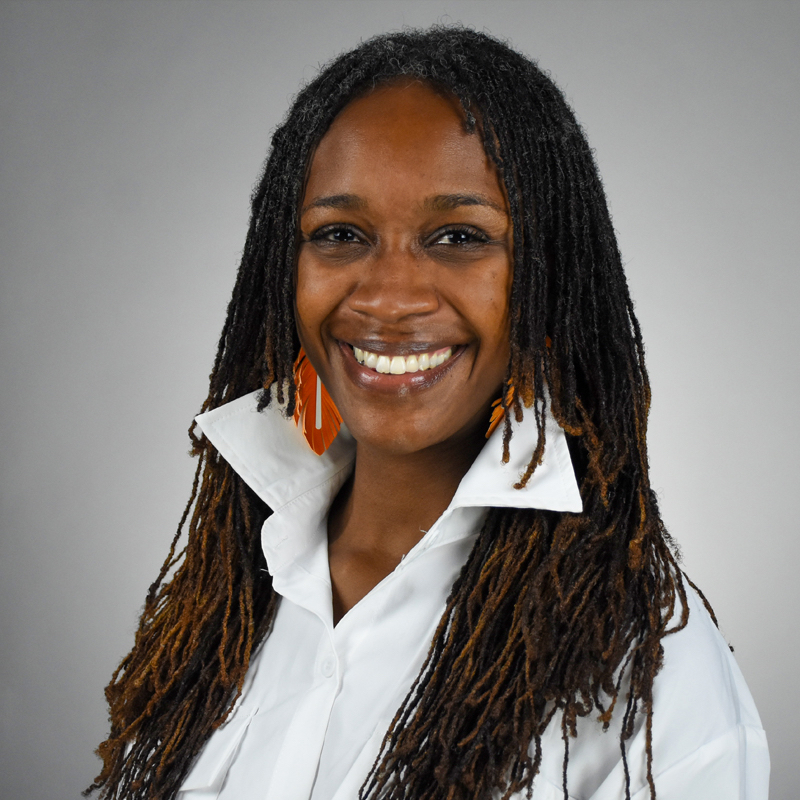 Lex Washington合作论文数Management Department, Oklahoma State University;Spears School of Business, Oklahoma State University;Ramapo College1Priyanka Dwivedi合作论文数Mays Business School, Texas A&M U.1
 Justin Desimone合作论文数Culverhouse College of Business, University of Alabama1
 Sophie Hennekam合作论文数Univ Bordeaux1
 Heiko Breitsohl合作论文数U. of Klagenfurt1
 Jiaqing Sun (孙嘉卿)合作论文数Dept Management, London Sch Econ & Polit Sci1Michelle R. Hebl合作论文数1




