Abstract: Despite a recent increase in therapeutic options, patients with relapsed/refractory B-cell non-Hodgkin lymphoma (R/R B-NHL) eventually require novel therapies. We conducted a phase 1 trial of blinatumomab and lenalidomide in R/R B-NHL. Three dose levels representing 2 schedules were explored. The primary end points were adverse events (AEs) and determining the maximum tolerated dose (MTD)/recommended phase 2 dose (RP2D). Thirty-five patients were enrolled, and 34 patients initiated treatment with a median number of prior regimens of 3 (range, 2-8). There were no dose-limiting toxicities (DLTs) in the first 2 dose levels. Dose level 3, 20 mg of lenalidomide daily on days 1 to 21 and days 29 to 49 of a 56-day induction cycle plus blinatumomab 9 μg/d continuous IV infusion (CIVI) on days 1 to 7, 28 μg/d CIVI on days 8 to 14, and 112 μg/d CIVI on days 15 to 56 was determined to be the MTD/RP2D. The most common grade ≥2 AE was neurotoxicity in 11 of 34 patients (32%), with 4 of 16 patients (25%) at the RP2D. At the RP2D, there was 1 DLT, a patient with grade 2 tremor and word-finding difficulty. For all patients completing induction, the overall response rate was 80% (95% confidence interval, 56-94) with a complete response rate of 70%, and 8 of 34 patients (24%) had durable remissions lasting >2 years. GranB+ CD56bright CD16dim CD11b+ natural killer cells and memory regulatory T cells in the peripheral blood at baseline were predictive of response. Concomitant administration of lenalidomide appeared to reduce blinatumomab-mediated T-cell exhaustion. In conclusion, encouraging activity was seen with blinatumomab and lenalidomide in heavily pretreated R/R B-NHL (NCI Protocol no. 9924).
Introduction: Immune evasion through inhibition of effector T cells is a key survival mechanism of lymphoma cells. We hypothesized that reinstating effector T cell activity through concurrent inhibition of the PD1/PD-L1 axis and of Treg activity will result in a synergistic anti-tumor effect with an acceptable toxicity profile. Methods: Phase I multi-institutional NCI-ETCTN trial aimed to evaluate the safety and tolerability of the combination of mogamulizumab and pembrolizumab in relapsed or refractory non-Hodgkin lymphoma. The study used a 3 + 3 design. Treatment consisted of mogamulizumab 1 mg/kg on days 1, 8, and 15 of cycle 1, followed by 1.5 mg/kg on day 1 of each subsequent 21-day cycle in combination with pembrolizumab 200 mg on day 1 of each cycle. A de-escalation level was defined as a 50% reduction in the dose of mogamulizumab (registered in clinicaltrials.gov NCT03309878). Results: The study was discontinued early, after treating seven patients (two angioimmunoblastic T cell lymphoma, four transformed follicular lymphoma, and one diffuse large B cell lymphoma of germinal center subtype) for concerns of futility and non-tolerability. Only two patients completed the first two cycles of treatment. Three patients presented with an early progression and three withdrew consent in the setting of general deterioration with clinically suspected progression. All six patients expired shortly after withdrawal from the study. The remaining patient experienced stress cardiomyopathy during the third cycle and was taken off the study. Discussion: In striking difference to the observation in solid malignancies, the combination of mogamulizumab with pembrolizumab was associated with low tolerability and suspected hyper-progression in patients with lymphoma.
Patients with relapsed/refractory diffuse large B-cell lymphoma (DLBCL) transformed from indolent B-cell lymphomas, including Richter transformation, have a poor prognosis. PD-1/PD-L1 antibodies produce modest objective and complete response rates in B-cell non-Hodgkin lymphoma as monotherapy but may synergize with immunogenic chemotherapies such as gemcitabine and oxaliplatin (GemOx). Thus, we evaluated the safety and efficacy of atezolizumab plus rituximab and GemOx (R-GemOx+Atezo) in R/R transformed DLBCL, including Richter transformation. We conducted a phase I trial including patients with transformed DLBCL after ≥1 prior therapy. Patients received up to four cycles of R-GemOx+Atezo. Patients in complete remission could then proceed to R-Atezo maintenance until progression. A safety lead-in with evaluation of dose-limiting toxicity was performed to confirm the recommended phase II dose; subsequently the treatment was administered to two expansion cohorts: one with transformed follicular lymphoma (FL) and the other with non-FL transformed DLBCL, including Richter transformation. Twenty-seven patients were enrolled. One of the six patients in the safety lead-in had a dose-limiting toxicity attributed to atezolizumab, a grade 4 Stevens-Johnson syndrome. The most common grade ≥3 events were neutropenia (18.5%), lymphopenia (18.5%), and thrombocytopenia (14.8%). The overall and complete response rates were 59% and 33%, respectively. The overall and complete response rates in transformed FL were 79% and 43%, respectively, and 38% and 23% in transformed non-FL, respectively. The median progression-free survival and overall survival of the total population were 4.2 and 7.7 months, respectively. R-GemOx+Atezo was well tolerated and demonstrated promising preliminary efficacy in patients with relapsed/refractory transformed DLBCL.
Older patients with classic Hodgkin lymphoma (cHL) have inferior survival compared with younger patients. We report a subset analysis of older patients (60 years and older) enrolled in the phase three S1826 trial conducted by SWOG that randomly assigned patients with newly diagnosed advanced-stage (III-IV) cHL to six cycles of nivolumab (N)-AVD or brentuximab vedotin (BV)-AVD. Of 103 enrolled patients 60 years and older, 99 were eligible. At a median follow-up of 2.1 years, the 2-year progression-free survival was 89% after N-AVD (n = 50) and 64% after BV-AVD (n = 49, HR 0.24, 95%CI 0.09-0.63, 1-sided stratified log-rank P = .001). The 2-year OS was 96% with N-AVD versus 85% with BV-AVD (HR 0.16, 95%CI 0.03-0.75 stratified 1-sided log-rank P = .005). Six cycles were delivered without dose reduction in 69% on N-AVD and 26% on BV-AVD; 55% discontinued BV, and 14% discontinued nivolumab. The nonrelapse mortality was 16% with BV-AVD and 6% with N-AVD. Despite more neutropenia with N-AVD, febrile neutropenia, sepsis, and infections were higher with BV-AVD, as was peripheral neuropathy. Patient-reported outcomes of key adverse events confirmed the improved toxicity profile of N-AVD over BV-AVD. N-AVD was better tolerated and more effective than BV-AVD and is therefore a new standard of care for older patients with advanced-stage cHL fit for anthracycline-based combination therapy.
Supplemental Figure 3. Representative baseline pre-treatment tumor specimen of a patient with AITL (H&E, ICOS staining and CD3 staining by IHC)
Supplemental Figure 1. CD4 count recovery after end of treatment (by local site collection)
Despite the use of hypomethylating agents (HMA), outcomes remain poor for patients with higher-risk myelodysplastic syndromes (HR-MDS). Ibrutinib (IBR) is a Bruton's Tyrosine Kinase (BTK) inhibitor that can exert anti-myeloblast activity through inhibition of NF-kB signaling. IBR also has immunomodulatory activity through binding to interleukin-2-inducible kinase (ITK). We conducted a multicenter Phase 1b trial (NCT02553941) to evaluate the safety, tolerability, and preliminary efficacy of the combination of IBR and azacitidine (AZA) in patients with HR-MDS. Patients received standard AZA in combination with IBR at two dose levels (DL), 420 mg (DL1) and 560 mg (DL2). Twenty-one patients were enrolled, including 17 with high- or very high-risk disease and six with prior HMA therapy. No dose-limiting toxicities were observed in the dose escalation cohorts. The most common grade 3 or higher adverse events included thrombocytopenia, neutropenia, anemia, and febrile neutropenia. Bleeding events occurred in 14 patients (67 %), with a grade 3 event in one patient. The overall response rate was 48 %, including 3 (14 %) complete remissions (CR) and 4 (19 %) marrow CR. Responses were seen in patients with TP53 mutations or deletions. CD34 positive bone marrow mononuclear cells (BMMC) BTK and peripheral blood MC (PBMC) ITK occupancy by IBR demonstrated on-target activity in relevant target cells. In patients with HR-MDS, the combination of IBR and AZA is safe, tolerable, and active, including responses in patients with TP53 aberrations and with prior HMA therapy. Further study in a larger, randomized trial is necessary to assess efficacy of this regimen for patients with HR-MDS.
Supplemental Figure 2. MEDI-570 effects on lymphocyte and leukocyte populations. Baseline-normalized, absolute counts (ABS) of circulating cell populations were plotted on study days 1, 7, 14 and 21 from patients enrolled in each dose group as indicated. A) Total CD3+CD8+ cytotoxic T cells B) CD14+ monocytes C) CD3-CD56+ and/or CD16+ NK cells D) CD3-CD19+ B cells.
Background Clarithromycin is a macrolide antibiotic with anti-MM activity when combined with dexamethasone, and immunomodulatory agents. We designed a phase I/II study of clarithromycin, ixazomib, pomalidomide and dexamethasone (ClIPd) to assess the tolerability and efficacy of this oral quadruplet in RRMM. Methods The primary endpoints were the maximal tolerated and recommended phase 2 dose of ClIPd. Key secondary endpoints were overall response rate (ORR) (≥ PR), disease control rate (DCR) (≥ SD), progression free (PFS) and overall survival (OS). All four medications were given at full dose for 6 cycles. Pomalidomide, ixazomib and dexamethasone were given at reduced doses, with full dose clarithromycin, for subsequent cycles as maintenance. Treatment continued until unacceptable toxicity or PD. Clarithromycin was held during weeks 1-2 of cycle 1 to facilitate correlative studies. Results 28 patients were enrolled and evaluable for response/survival. ORR was 75%, DCR was 100%; 56% achieved ≥VGPR while 14% achieved CR/sCR. High risk cytogenetics were not associated with ORR (Fisher exact test P=1) or ≥VGPR rates (Fisher exact test P=0.42). Median PFS was 22.2 months (13.3 – NR). There was no difference in median PFS in patients with or without del(17p): 26.8 months (10.2 – NR) vs 22.2 months (13.3 – NR) respectively (log rank P=0.4). Patients with +1q had a median PFS of 17.0 months (11 – NR) vs to 25.0 (13.3 – NR) in those without +1q (log rank P=0.3). Median OS was not reached. Conclusions Overall, ClIPd combines convenient PO administration, tolerable side effect profile, and long duration of disease control. NCT02542657
The improved sensitivity of total-body (TB) PET/CT offers the possibility of reducing injected activities. The aim of our study was to define a lower limit of reduced injected activities in [18F]FDG TB PET/CT for interim and end-of-treatment assessment of patients with lymphoma at 2 acquisition times. Methods: Twenty-four consecutive patients with lymphoma who were undergoing interim and end-of-treatment TB PET/CT were prospectively enrolled in this study. An [18F]FDG activity of 3.0 MBq/kg served as the reference standard (RS). Images simulating low doses of 1.0, 0.5, 0.25, and 0.125 MBq/kg were reconstructed at 1 and 2 h after injection. The coefficient of variation of the liver was assessed. Lymphoma lesions were segmented and semiquantitatively compared with the RS using the SUV. Additionally, metabolic tumor volume (MTV) for each lesion, patient-based total MTV, and total-lesion glycolysis (TLG) were analyzed. Semiquantitative parameters were normalized to the liver and blood pool by tumor-to-background ratios (TBRs) and contrast-to-noise ratios. Therapy response was assessed using Deauville criteria. Results: Overall, 191 lymphoma lesions were analyzed. SUVmax demonstrated a trend toward a statistically significant increase in scans with reduced activity at 1 h after injection (6.28 ± 5.87 for RS vs. 7.76 ± 6.69 for 0.125 MBq/kg; P = 0.07) and 2 h after injection (7.14 ± 7.16 for RS vs. 8.67 ± 7.62 for 0.125 MBq/kg; P = 0.13). SUVpeak, SUVmean, MTV, and TLG did not significantly differ between the reduced injected activities and the RS. The coefficient of variation for the liver increased significantly with decreasing injected activities (P < 0.01). The TBR for the liver did not differ significantly, whereas the TBR for the blood pool was significantly higher only for the lowest injected activity (P < 0.01) at 2 h after injection. The contrast-to-noise ratio significantly decreased with reduced activities. Deauville scores did not differ significantly, up to a dose of 0.25 MBq/kg at 1 h after injection and a dose of 1.0 MBq/kg at 2 h after injection. Below this limit, we noted significantly lower Deauville scores for reduced injected activities (P < 0.01). Conclusion: Reduction of injected activities with [18F]FDG TB PET/CT for therapy response assessment in patients with lymphoma may be possible and does not result in significant differences in MTV, TBR, or TLG. SUVmax and Deauville scores were comparable to the RS to a lower limit of 0.25 MBq/kg at 1 h after injection and 1.0 MBq/kg at 2 h after injection.
Peripheral T-Cell Lymphoma (PTCL) remains a difficult-to-treat heterogeneous group of Non-Hodgkin Lymphomas. Our current treatment guidelines have been largely based on studies evaluating the treatment of B-cell Lymphomas, in which there were small subsets of T-cell lymphoma patients included. Additionally, there is no clear guideline for sequencing of subsequent salvage regimens. Prior retrospective studies have reported activity with the combination chemotherapy, Gemcitabine, Vinorelbine, and Doxorubicin (GVD) in the treatment of relapsed and refractory PTCL, but these have been international retrospective analyses. Thus, we performed a retrospective analysis within our own institution of the efficacy and safety of GVD in the treatment of relapsed and refractory PTCL. We found an overall response rate of 80%, complete response rate of 50%. Complete response rates were higher in patients receiving GVD as second-line therapy as compared to later lines of therapy. GVD was well tolerated with the most common adverse effects being neutropenia, infection, and peripheral neuropathy. Ultimately, our data supports the use of GVD in relapsed and refractory PTCL, with possible greatest benefit when used as second-line therapy.
Background: Follicular lymphoma frequently follows an indolent course requiring only intermittent treatment with survival rates similar to the general population. 20% of patients can experience a more aggressive disease course with shorter remission durations, frequent relapses and shortened survival. Brentuximab vedotin, a CD30 directed antibody drug conjugate, has demonstrated efficacy in treatment of Hodgkin lymphoma and CD30+ non-Hodgkin Lymphoma (NHL). The combination of Brentuximab Vedotin and Bendamustine has been found to be safe and effective as a first salvage regimen in relapsed/refractory Hodgkin's lymphoma. CD30 expression has been described in follicular lymphoma. In a study of 22 follicular lymphoma cases, 32% demonstrated definitive CD30 positivity in malignant cells by immunohistochemistry (Gardner et al. 2001) In this study, we evaluated the efficacy and toxicity of Brentuximab Vedotin in combination with Bendamustine in the treatment of relapsed/refractory follicular lymphoma. Here we report the first interim analysis. Methods In this single arm, phase II study, adults with histologically or cytologically confirmed relapsed or refractory follicular lymphoma (grade I, II, IIIa) were eligible for enrollment. CD30 positivity was not required for eligibility. A minimum of 4 cycles of Brentuximab Vedotin (1.8mg/kg IV one day 1 of each 21 day cycle) and Bendamustine (70mg/m2 on day 1 and 2 of each 21 day cycle) were administered until progressive disease, autologous stem cell transplant, or unacceptable toxicity. Patients who were not transplant candidates and demonstrated stable disease, partial response or complete response, without excessive toxicity at the completion of 6 cycles of combination therapy, received an additional 10 cycles of single-agent brentuximab vedotin. The primary endpoints were complete and best overall response rate as defined per Lugano criteria. Results Between May 2021-May 2024, 10 patients were enrolled in the study with 1 patient subsequently characterized as unevaluable due to ineligibility for treatment on C1D1. Six (60%) patients demonstrated stage III disease, and 4 (40%) had stage IV disease. Two (20%) patients were refractory to their most recent treatment while 7 (70%) were enrolled with relapsed disease. Four (40%) patients received 1 prior line of treatment, 2 (20%) received 6 prior lines and 1 (10%) patient each received 2, 3, 4, and 5 prior lines of therapy. Three (30%) patients received prior radiation treatments. Five (50%) patients completed 4 cycles of treatment with 1 (10%) patient each completing 2, 6 and 12 cycles. One (10%) patient continues on treatment and has completed 3 cycles with partial response on most recent testing. Four patients were previously treated with Bendamustine-based regimens with 100% ORR with 2 (50%) patients demonstrating complete response and 2 (50%) achieving partial response. Amongst these four patients, 1(10%) patient had previously been refractory to bendamustine based treatment. As defined by 2014 Lugano criteria, when considering all patients, the best overall response rate was 90% with 9 patients demonstrating either complete or partial response during the trial. The complete response rate was 50% (n=5). Grade 3 treatment related adverse events were reported in 5 (50%) of patients including sepsis, dehydration, anorexia, fatigue and supraventricular tachycardia. No grade 4 or 5 adverse events were reported. Three patients (30%) reported peripheral motor or sensory neuropathy with 1 patient (10%) endorsing grade 1 neuropathy and 2 (20%) noting grade 2. Two (20%) patients experienced neutropenia and were treated with G-CSF. An additional 2 (20%) patients received prophylactic G-CSF with concern for development of neutropenia. No neutropenic fevers or infections were reported. Enrollment is ongoing and a subsequent correlative analysis will assess the relationship between CD30 expression and response. Conclusion Combination treatment with Brentuximab Vedotin and Bendamustine was safe and active in relapsed/refractory follicular lymphoma with 9 (90%) of patients currently demonstrating response. With the absence of serious grade 4 and 5 adverse effects, the efficacy of Brentuximab Vedotin and Bendamustine provides rationale to consider this combination in the treatment of follicular lymphoma.
Background: Despite recent therapeutic advancements in the treatment of indolent non-Hodgkins Lymphoma (iNHL), most patients eventually relapse. Active agents that are utilized to treat relapse/refractory (R/R) iNHL include the combination of obinutuzumab and lenalidomide, which have demonstrated significant efficacy by enhancing host immune effector mechanisms and antibody-dependent cellular toxicity (ADCC), surpassing the efficacy of rituximab plus lenalidomide (Reddy 2008, Wu 2009, Gandhi 2009). Hypomethylating agents, such as azacitidine (CC-486), have been shown to mimic a viral infection by induction of dsRNA expression potentially leading to neo-antigen expression that mediates an enhanced adaptive immune response (Chiappinelli K, 2015). Consequently, CC-486 may make tumors more susceptible to cell-mediated immune responses and work synergistically with immunotherapy like lenalidomide. Thus, in this single-center phase I study, we evaluated the safety and efficacy of the triplet combination that includes CC-486, lenalidomide, and obituzumab in R/R iNHL. Methods: Patients with R/R iNHL that had been previously treated with at least one prior therapy were eligible for enrollment. Patients previously treated with a lenalidomide-based regimen were eligible. Patients with active CNS disease were excluded. CC-486 was administered at 300mg/d (dose level 1) which was deescalated if ≥2 dose-limiting toxicities were observed. CC-486 was given on days 1-28 of cycle 1, and the same dose on days 1-21 of subsequent cycles. Lenalidomide was administered at 10 mg on days 8-28 of cycle 1, and on days 1-21 of subsequent cycles to facilitate correlative analysis. The total number of planned cycles was 12. Obinutuzumab 1000 mg IV was given on days 8,15, 22, and 29 of cycle 1, and only on day 1 of each subsequent cycle. Cycle 1 was 35 days and subsequent cycles were 28 days. The primary end point was assessing the safety and toxicity of CC-486 in combination with lenalidomide and obinutuzumab. Secondary endpoints included complete response rate (CRR), as determined by PET/CT based on Lugano 2014 criteria, overall response rate (ORR), time to response (TTR), duration of response (DoR), treatment-emergent adverse events (TEAEs), and determination of the recommended phase II dose (RP2D). DoR was defined as time from the first response, either partial (PR) or complete response, to progression, death, or date of the last follow-up. Results: The study was terminated due to withdrawal of support from the sponsor. Eight patients were enrolled and 7 were evaluable for efficacy, and all 8 were evaluable for toxicity. Eligible candidates were diagnosed either with follicular lymphoma (n=5) or marginal zone lymphoma (n=3). The median age (range) was 68.5 years old (58-78) with a 50:50 male-to-female ration. All patients had an ECOG ≤1 and the median number of prior therapies was 2 (range,1-4). No DLTs were observed, and the RP2D of CC-486 with lenalidomide and obituzumab was 300mg daily. The CRR and ORR were 71% and 100%, respectively. This included one patient that had been previously treated with lenalidomide and rituximab and progressed on treatment that subsequently obtained a CR on study. The median TTR was 64 days. In total,2/7 patients achieved CR upon first response assessment after 3 cycles, 1 additional patient achieved CR upon first response assessment after 5 cycles, and 2 additional patients achieved CR at the end of treatment (EOT) after a median of 4 cycles. Two patients achieved a PR as their best response, one upon the third response assessment after 7 cycles and the other one at the first response assessment. The median DoR was 2 years, and the median number of cycles administered was 11 (range, 1-12) The TEAEs observed were leukopenia [grade 4 (n=1), grade 1-2 (n=1)], neutropenia [grade 4 (n=1)], sepsis [grade 3 (n=1)], diarrhea [grade 3 (n=1), grade 1-2 (n=5)], nausea [grade 3 (n=1), grade 1-2 (n=7)], constipation [grade 3 (n=1), grade 1-2 (n=5)], and enterocolitis [grade 3 (n=1), grade 1-2 (n=1)]. Conclusion: The combination of CC-486, lenalidomide, and obinutuzumab was well tolerated, and all toxicities were manageable. The RP2D of CC-486 was 300mg/d. The early results reveal promising efficacy, which warrants further study with lenalidomide or a next generation cereblon-targeted CELMoD.
Introduction: Azacitidine (AZA) plus venetoclax (VEN) is standard of care for induction chemotherapy (IC) ineligible AML and leads to a complete remission (CR) rate of 38.8% and CR plus CR with incomplete count recovery (CRi) rate of 66.8% (Pratz 2024). Achieving a measurable residual disease negative (MRD-ve) CR/CRi by multiparameter flow cytometry (MFC) leads to improved outcomes; however, only 42% of CR/CRi responders are MRD-ve. AZA/VEN leads to myelosuppression and dose modifications and delays in most patients (pts). Uproleselan (UPRO) is an E-selectin antagonist that improves responses in preclinical models, including with AZA +/- VEN. A Phase I/II study of UPRO combined with IC in AML established a recommended Phase II dose (RP2D) and showed clinical activity (DeAngelo 2022). We are testing the safety and preliminary efficacy of UPRO combined with AZA/VEN in pts with untreated AML ineligible for IC. Methods: This is a single center Phase I trial of UPRO with AZA/VEN in untreated older or unfit AML pts (NCT04964505), consisting of a dose optimization portion to confirm the RP2D UPRO dose, and a dose expansion cohort. We report results of the dose optimization and ongoing expansion cohorts. Key eligibility criteria included age ≥18 years, AML diagnosis by WHO criteria, and eligibility for frontline AZA/VEN. Pts received UPRO 800 mg IV q12h (RP2D) and AZA 75 mg/m2 IV/SC q24h for 7 days, and VEN 400 mg PO daily for up to 28 days in 28-day cycles. Treatment continued until progression, intolerance, or pt or investigator decision to discontinue treatment. Pts had a VEN ramp-up in cycle 1, including tumor lysis syndrome monitoring and prophylaxis. A bone marrow biopsy was done after every cycle until achieving morphologic leukemia-free state or better response (MLFS+). UPRO was given for up to 6 cycles, decreased to daily with AZA in cycles after achieving MLFS+, and pts could continue AZA/VEN after stopping UPRO. The primary objective was to determine safety and tolerability. Adverse events (AE) were monitored throughout treatment, and dose-limited toxicities (DLT) assessed in cycle 1. The secondary objective was to evaluate preliminary efficacy, including MRD-ve CR/CRi rate, as measured by MFC with a sensitivity of at least <0.1%. Descriptive statistics were used for data analysis. Results: As of July 1, 2024, 16 pts [56% female, median age 78.5 (range 70-86)] were enrolled in dose optimization (n=6) and dose expansion (n=10) cohorts. Seven (54%) had secondary AML, including 4 (25%) with therapy-related AML. Eleven (69%) had ELN 2017 adverse risk disease; 5 (31%) had complex cytogenetics. The most common mutations identified were RUNX1 (n=5), TP53, BCOR, and DNMT3A (n=4 each), NPM1, IDH2, and ASXL1 (n=3 each), and FLT3-ITD, TET2, DDX41, and NRAS (n=2 each). All pts completed cycle 1. Median time on study was 315 days (range 31-937). Pts received a median of 3 treatment cycles (range 2-12). No DLTs were observed. Thirty- and 60-day mortality was 0% and 6%, respectively. All pts had at least one treatment-emergent AE (TEAE). The most common TEAE regardless of grade and attribution included platelet count decreased (n=14), anemia (n=12), neutropenia (n=12), nausea (n=10), anorexia (n=8), constipation (n=7), diarrhea (n=6), and febrile neutropenia (n=6). Fifteen pts (94%) experienced at least one ≥grade 3 TEAE, with platelet count decreased (n=14), anemia (n=12), neutropenia (n=12), and febrile neutropenia (n=6) most common. Ten pts (63%) experienced treatment-emergent serious AEs (SAEs), including febrile neutropenia (n=4), platelet count decreased (n=4), and lung infection (n=2). There were three grade 5 events, sepsis, death NOS, and disease progression, all unrelated to UPRO. Two pts remain on study treatment, and 14 have discontinued study therapy [pt decision (n=8), progression (n=4), and death (n=2)]. All responding pts had dose modifications and/or cycle delays. All 16 pts had a MLFS+ response. Eleven (69%) achieved CR and three CRi (19%), for a total CR/CRi rate of 88%. Eleven CR/CRi occurred with cycle 1. Nine of the CR/CRi responders were MRD-ve, for an MRD-ve CR/CRi rate of 64%. Conclusions: Ongoing results from this Phase I study demonstrate feasibility of combining UPRO with AZA/VEN in pts with untreated AML ineligible for IC. No DLTs were observed, and the most common Grade 3-4 AE and SAE were hematologic. The combination shows promising preliminary efficacy, including a 64% rate of MRD-ve CR/CRi.
Chimeric antigen receptor (CAR) T cell therapy targeting proteins such as CD19 and BCMA has achieved considerable success in treating B cell cancers with several multicenter clinical trials reporting an overall response rate greater than 90%. However, relapse occurs in up to 50% of patients receiving treatment and remains a major limitation in part due to antigen downmodulation. To circumvent this, we have developed and generated CAR T cells using a bicistronic CAR vector (“DuoCAR”) simultaneously targeting 3 antigens: CD19, CD20, and CD22 and compared them to CD19-Targeted CAR (“CAR19”) T cells using in vitro and in vivo readouts. Purified CD3+ T cells were activated, transduced with either DuoCAR- or CAR19-encoding lentivirus, and expanded in rhIL2. Overall, DuoCAR T cells showed superior ex vivo expansion compared to regular CAR19 T cells. In our in vitro studies, DuoCAR T cells showed robust upregulation of T cell activation markers, such as CD25, Granzyme B, and HLA-DR, and potent target cell killing when co-cultured with the B cell lymphoma cell line, Raji, or CRISPR-derived Raji CD19 knockout (KO) cells while CAR19 T cells were capable of doing so only with parental Raji cells. Furthermore, when cultured with Raji CD19, CD20, or CD22 KO cell lines, DuoCAR T cells produced high levels of IFNg, IL2, and TNF. In vivo, we observed that DuoCAR T cells were capable of eradicating both Raji and Raji CD19 KO cells in tumor-bearing NSG mice within a week and displayed upregulation of T cell activation markers along with increased levels of serum cytokines. Furthermore, DuoCAR T cells displayed strong engraftment and persistence in both the bone marrow and spleen of treated mice several weeks after tumor clearance suggesting that they can potentially provide long-term immunity against relapse. Overall, our results demonstrate the feasibility of engineering tri-specific CAR T cells and their strong capabilities in eradicating both wild-type and antigen-loss tumor cells in vitro and in vivo, raising the likelihood of superior anti-tumor efficacy in B cell lymphoma treatment despite potential antigen downmodulation.
 Rosenberg Aaron S合作论文数Division of Hematology/Oncology, UC Davis Comprehensive Cancer Center31
 Brian Andrew Jonas合作论文数School of Medicine, University of California, Davis27Robert O'Donnell合作论文数24Mehrdad Abedi合作论文数23Rasmus T Hoeg合作论文数20
 Thomas M. Habermann合作论文数Mayo Clinic Comprehensive Cancer Center;Departments of Hematology, Mayo Clinic20Ted Wun合作论文数18Tamer Othman合作论文数Ctr Comprehens Canc, Univ Calif Davis15
 Julie M. Vose合作论文数Division of Oncology and Hematology, Department of Internal Medicine, College of Medicine, University of Nebraska Medical Center15Paul Frankel合作论文数15
 Yunpeng Ma合作论文数15
 Nancy L. Bartlett合作论文数Divisions of Hematology & Oncology, Department of Medicine, Washington University School of Medicine in St. Louis13Edward M. Newman合作论文数13Naseem S Esteghamat合作论文数12
 Jasmine M. Zain合作论文数Division of Lymphoma, Department of Hematology & Hematopoietic Cell Transplantation, City of Hope;Toni Stephenson Lymphoma Center, City of Hope;Columbia University12Brunson Ann合作论文数11
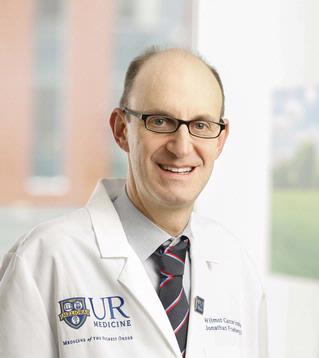 Jonathan W. Friedberg合作论文数Wilmot Cancer Institute11Carol Richman合作论文数11Dennis Pietronigro合作论文数11Leslie Popplewell合作论文数11
 Ranjana Advani合作论文数Division of Oncology, Department of Medicine, Stanford University;Stanford Cancer Institute11
 Tanya Siddiqi合作论文数10Hayes C. Mcknight合作论文数10
 Sandra Horning合作论文数Department of Medicine, Stanford University9
 Gustavo A Barisone合作论文数9
 Richard I. Fisher合作论文数Fox Chase Cancer Center9
 William Basem M合作论文数University Hospitals Seidman Cancer Center, Case Western Reserve University9
 Bruce D. Cheson合作论文数Lombardi Comprehensive Cancer Center, Georgetown University Medical Center9Patrick Stiff合作论文数9Jeanna Welborn合作论文数9Jason Kato合作论文数9
 Randy Gascoyne合作论文数Centre for Lymphoid Cancers, BC Cancer Research Institute;Department of Pathology and Laboratory Medicine, Faculty of Medicine, University of British Columbia9Christina Poh合作论文数University of Washington8
 Francine M. Foss合作论文数Department of Internal Medicine, Yale School of Medicine, Yale University8
 Kristie Blum合作论文数Winship Cancer Institute, Emory University;Department of Hematology and Medical Oncology, School of Medicine, Emory University8Hong Fangxin合作论文数Dana Farber Canc Inst8
 Richard Hoppe合作论文数Department of Radiation Oncology, School of Medicine, Stanford University8Abuhay Mastewal合作论文数8
 Izidore S. Lossos合作论文数Division of Hematology, Department of Medicine, Sylvester Comprehensive Cancer Center, University of Miami8
 Sonali M. Smith合作论文数Section of Hematology/Oncology, The University of Chicago Medical Center8
 Brad S. Kahl合作论文数Division of Oncology, John T. Milliken Department of Medicine, Washington University School of Medicine8Benjamin N Moskoff合作论文数7David Pearson合作论文数7Martin Mwangi合作论文数7
 John H. Kehrl合作论文数Laboratory of Immunology, National Institute of Allergy and Infectious Diseases, National Institutes of Health7
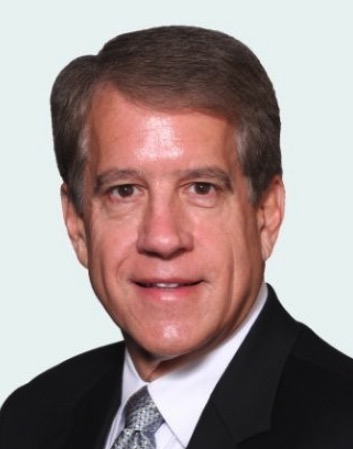 Thomas Tedder合作论文数Duke University Medical Center7
 PRAVEEN RAMAKRISHNAN GEETHAKUMARI合作论文数Department of Pharmacology and Experimental Therapeutics (CD),, Thomas Jefferson University;Department of Internal Medicine, Albert Einstein Healthcare Network (PRG);Cancer Center, Albert Einstein Healthcare Network;Center for Health Promotion and Prevention Research, University of Texas School of Public Health;University of Texas School of Public Health, Thomas Jefferson University7
 David R. Gandara合作论文数Department of Internal Medicine, UC Davis Comprehensive Cancer Center7




