OBJECTIVES:To assess the presence of restless legs syndrome, periodic leg movement, and sleep disorders in female adolescents with idiopathic musculoskeletal pain through a sleep scale and polysomnography, and to compare these data in adolescents without pain history. METHOD:Twenty-six adolescents diagnosed with idiopathic musculoskeletal pain followed in a pain outpatient clinic and 25 healthy controls matched by age and education were recruited. The restless legs syndrome criteria were evaluated according to the International Restless Legs Syndrome Study Group, the Sleep Disturbance Scale for Children was completed, nocturnal polysomnography was performed, and anxiety symptoms were recorded. RESULTS:The mean age of idiopathic musculoskeletal pain adolescents was 13.9±1.6 years; in controls, it was 14.4±1.4 years. One adolescent in the control group (4 %) and nine patients with idiopathic musculoskeletal pain (34.6 %) fulfilled the restless legs syndrome criteria (p=0.011). The authors did not observe significant differences in Sleep Disturbance Scale for Children scores between the groups in all components: disorders of initiating and maintaining sleep (p=0.290), sleep breathing disorders (p=0.576), disorders of arousal (p=0.162), sleep-wake transition disorders (p=0.258), disorder of excessive daytime somnolence (p=0.594), and sleep hyperhidrosis (p=0.797). The neurophysiological, respiratory, and periodic leg movement parameters were similar in both groups. Having anxiety was not associated with restless legs syndrome (p=0.11). Three patients with idiopathic musculoskeletal pain (11.5 %) presented restless legs syndrome and periodic leg movement simultaneously, which was absent in the control group. CONCLUSION:Female adolescents with idiopathic musculoskeletal pain present criteria for RLS more frequently than healthy adolescents. However, this study did not observe relevant changes in objective and subject sleep variables.
Background: Adherence to treatment for chronic diseases is lower in children than in adults, less extensively studied in children and is associated with multiple related factors. The aim of this study is to perform a descriptive analysis of psycho-cognitive aspects of primary caregivers of pediatric patients with chronic rheumatic diseases, as well as socioeconomic and clinical factors, family functioning and treatment satisfaction. Methods: Primary caregivers of 90 patients were included. Pairs (caregiver plus patient) were grouped as presenting good adherence (n = 50) or poor adherence (n = 40) according to the Morisky Adherence Test. Psycho-cognitive aspects were evaluated by Adult Self-Report and Wechsler Adult Intelligence Scale tests. For statistical comparisons, quantitative variables with normal distribution were analyzed by Student's t test, and those with non-Gaussian distribution with the Mann Whitney test. Categorical variables were analyzed by Chi square test. A multivariate logistic regression analysis was performed to estimate the contribution of the independent variables to adherence. Results: Compared to caregivers in the good adherence group, caregivers in the poor adherence group were more likely to be classified as clinical on the scales for attention problems and externalizing problems, which include impulsiveness and aggressiveness. They also scored higher on the depressive problem scale. In addition, the average number of children per caregiver and the mean age of caregivers and patients were significantly higher in the poor adherence group, while the proportion of caregivers with higher education was lower. The poor adherence group also included a higher incidence of pediatric patients assuming sole responsibility for managing medications. Economic status, clinical factors, treatment satisfaction, family functioning and caregiver cognitive profile were not related to adherence, except for working memory index. Conclusion: Older patients, patients as the one solely responsible for medication management, and caregivers with externalizing problems, were observed to be the most strongly associated to poor adherence. Interventions aimed at adolescent patients are needed. Also, psychological programs and interventional studies to better determine caregivers' behavioral/emotional status, and parent-child relationships are recommended.
Human relationship with dogs associates with numerous and varied benefits on human health; however, it also presents significant risks. The goal of this study was to describe demographic parameters and characteristics of dog ownership with possible implications on human health and to evaluate the prevalence of dog bites and traffic accidents due to dogs. Interviews were conducted in the neighborhoods of Nuestras Malvinas and Nahuel Hue in San Carlos de Bariloche. The percentage of homes with at least one dog, the average number of dogs per home, the prevalence of dog bites and traffic accidents due to dogs and the general awareness of the population on dog transmitted zoonoses were estimated. Regarding ownership characteristics, the degree of sterilization, vaccination and parasite control and the percentage of dogs allowed to roam freely in public places were evaluated. A total of 141 interviews were conducted; 87% of the households had at least one dog, with an average of 2.2 dogs. In 26% of the households someone had suffered a traffic accident caused by dogs and in 41% someone had been bitten. Antiparasite treatment was administered to 83% of the dogs in the last 12 months, on average 1.4 times (recommended 6 times), 51% were sterilized, 55% were allowed to roam freely. This study shows a disturbing situation regarding the canine population of the evaluated neighborhoods. The number of dogs allowed to roam freely and the low level of parasite control and sterilization provide suitable conditions for the spread of zoonoses.
Fil: Garibotti, Gilda Malena. Universidad Nacional del Comahue. Centro Regional Universitario Bariloche; Argentina
Studies on functional magnetic resonance imaging (fMRI) have shown that adults with musculoskeletal pain syndromes tolerate smaller amount of pressure (pain) as well as differences in brain activation patterns in areas related to pain.The objective of this study was to evaluate, through fMRI, the brain activation in adolescents with idiopathic musculoskeletal pain (IMP) while performing an experimental paradigm of pain.
A presente obra traz ao público os temas e diálogos promovidos por pesquisadores convidados nas diferentes edições do Colóquio sobre Ensino e Aprendizagem da Matemática. Os textos aqui reunidos são frutos de trabalhos apresentados numa das edições do evento, o qual é organizado pelo grupo Análise do Comportamento e Ensino-Aprendizagem da Matemática (ACEAM) e faz parte da programação científica do Instituto Nacional de Ciência e Tecnologia sobre Comportamento, Cognição e Ensino (INCT-ECCE) e do Programa de Pós-Graduação em Psicologia (PPGPsi) da UFSCar. A primeira edição do colóquio ocorreu em 2008 e, tendo já ultrapassado a marca de 10 edições, o evento tem se consolidado como um espaço de diálogo entre educadores em geral, educadores matemáticos, estudantes de pós-graduação e de graduação, em torno de temáticas relacionadas ao ensino e aprendizagem da matemática. O objetivo principal é que esse espaço possibilite a divulgação e o debate de pesquisas conduzidas por pesquisadores de diversas áreas do conhecimento e de diferentes vertentes teórico-metodológicas, de todas as partes do país, gerando aproximação entre a academia e profissionais da educação. O público-alvo são professores do ensino fundamental e do médio, graduandos e pós-graduandos de Psicologia, Educação, Educação Especial e áreas afins, além de todos os interessados. Como estímulo à participação e forma de alcançar o maior número possível de pessoas, a inscrição tem sido gratuita e com direito a certificação. Pretende-se, assim, oferecer uma contribuição, ainda que reconhecidamente modesta, porém, absolutamente imprescindível, para a redução da persistente distância entre a pesquisa científica feita na academia e a prática pedagógica em sala de aula. O Colóquio possibilita a exposição de pressupostos, procedimentos, dados, conclusões sem restrições quanto a filiação teórica ou de qualquer outra natureza. Os pesquisadores não precisam abandonar seus princípios e convicções nem assumir postura eclética. Mas, de alguma forma, as contribuições geradas por eles devem chegar ao conhecimento do profissional do ensino. Um dos méritos do Colóquio, portanto, é o de romper o isolamento por áreas de conhecimento e/ou vertentes teóricas, assim como por níveis de atuação. Esse espírito de exposição de contrastes se expressa no livro, que traz ao conhecimento do leitor pelo menos duas formas de se fazer pesquisa e pensar o ensino da matemática, as quais o leitor poderá conferir na leitura dos capítulos que compõem cada uma de suas duas seções. Selo Editorial: Base de Dados:
The Numerical Cognition is infl uenced by biological, cognitive, educational and cultural factors.It consists of a primary system, called Number Sense that would be innate and universal, also of secondary systems: the Calculation, implied to perform mathematical operations by means of symbols or words and Number Processing, which is divided into two components, Number Comprehension, related with the understanding of numerical symbols and Number Production, which includes reading, writing and counting numbers.However, studies that show the development of these functions in children of preschool age are scarce.Therefore, aims of this study were to investigate numerical cognition in preschool Brazilian children to demonstrate the construct validity of the ZAREKI-K (A Neuropsychological Battery for the Assessment of Treatment of Numbers and Calculation for preschool children).The participants were 42 children of both genders, who attended public elementary schools; the children were evaluated by this battery and WISC-III.The results indicated signifi cant differences associated with age which children of 6 years had better scores on subtests related to Number Production, Calculation and Number Comprehension, as well moderate and high correlations between some subtests of both instruments, demonstrating the construct validity of the battery.In conclusion, preliminary normative data were obtained for ZAREKI-K.The analyses suggested that it is a promising tool for the assessment of numerical cognition in preschool children.
Amplified pain syndrome preferentially affects girls between the ages of 10-17 years. It is a disease with multiple causes that could be associated with major psychosocial disorders of patients and caregivers, affecting their quality of life. These psychosocial aspects can interfere intensifying the pain.
The adhesion to treatment is a key factor for an effective treatment. Studies have showed considerable taxes in poor adhesion in children and adolescents with rheumatic diseases, which lead to long-term costs and consequences for the patient, the family, and society. Psychological conditions and familial support have demonstrated to be a strong influence in the adhesion to treatment.
Pain is a frequent complaint in pediatric practice and is present in several chronic organic diseases, such as juvenile idiopathic arthritis (JIA). While JIA patients show symptoms such as inflammation of the joints and other structures, such as the heart and eyes, patients with idiopathic musculoskeletal pain (IMP) experience a painful condition that is not associated with presence of tissue injuries. Juvenile fibromyalgia (JFM), disorder characterized by recurrence of disabling pain, is a classic example IMP. This study shows preliminary data of a protocol for evaluation of brain activation using functional magnetic resonance imaging (fMRI) after a painful stimulus produced by pressure.
OBJECTIVE:To translate to Brazilian Portuguese and to evaluate the reliability of the Healthcare Satisfaction (HS) Generic Module version 3.0 of the PedsQL inventory for the Brazilian culture.METHOD:The methods recommended by the authors of the original version of the questionnaire were used: 1) translation by bilingual experts; 2) back translation into English and evaluation by the authors of the original version; 3) a pilot study including 10 parents (cognitive interview); and 4) evaluation of the measurement properties of the questionnaire. The questionnaire was administered to 60 parents of children and adolescents with chronic diseases in key units of the Department of Pediatrics.RESULTS:Cronbach's alpha ranged from 0.57 to 0.78 for all domains (information, family inclusion, communication, technical skills, emotional needs and overall satisfaction), which confirmed good internal consistency. Test-retest reproducibility was evaluated using 20% of the sample (Spearman correlation coefficient = 0.909). The satisfaction score was good in all areas (> 4.3 points) except in the emotional needs domain.CONCLUSION:The Brazilian version of the HS-PedsQL is a valid and reliable tool to measure the overall satisfaction of parents and caregivers with the treatment of their children.
PURPOSE:To assess eating disorders, nutritional status, body composition, and food intake in adolescents presenting with fibromyalgia.METHODS:In a cross-sectional study, we evaluated the nutritional status (z score of body mass index [ZBMI]), waist circumference, body fat percentage by bioelectrical impedance analysis, symptoms of disordered eating, and possible eating disorders (Kids' Eating Disorders Survey [KEDS]) of 23 female adolescents with fibromyalgia and 23 matched healthy control subjects.RESULTS:Median age for both groups was 15 years. In the fibromyalgia group, the median time for diagnosis was 13.5 months. We did not observe a statistically significant difference between the control and fibromyalgia groups in relation to ZBMI, fat mass percentage, food intake, and symptoms of disordered eating (KEDS). In the fibromyalgia group, there was a significant correlation between fat mass percentage and the total KEDS score (r = .587, p = .003); the same correlation was observed for ZBMI (r = .0778, p < .001).CONCLUSIONS:This study verified an absence of nutritional and eating disorders in adolescents recently diagnosed with fibromyalgia that, in addition to the correlation between adiposity indexes and KEDS total score, emphasizes the importance of nutritional and body composition assessment, allowing an early and adequate nutritional intervention.
OBJECTIVES: The aims of this study were to measure levels of sleep, stress, and depression, as well as health-related quality of life, and to assess the neurocognitive profiles in a sample of adolescents with idiopathic musculoskeletal pain. METHODS: Nineteen adolescents with idiopathic musculoskeletal pain and 20 age-matched healthy control subjects were evaluated regarding their levels of sleep and stress, as well as quality of life, and underwent neurocognitive testing. RESULTS: The sample groups consisted predominantly of females (84%), and the socioeconomic status did not differ between the two groups. In addition, the occurrence of depressive symptoms was similar between the two groups; specifically, 26% of the idiopathic musculoskeletal pain patients and 30% of the control subjects had scores indicative of depression. Teenagers in the group with idiopathic musculoskeletal pain reported poorer quality of life and sleep scores than those in the control group. Regarding stress, patients had worse scores than the control group; whereas 79% of the adolescents with idiopathic musculoskeletal pain met the criteria for a diagnosis of stress, only 35% of the adolescents in the control group met the criteria. In both groups, we observed scores that classified adolescents as being in the resistance phase (intermediate) and exhaustion phase (pathological) of distress. However, the idiopathic musculoskeletal pain group more frequently reported symptomatic complaints of physical and emotional distress. The neurocognitive assessment showed no significant impairments in either group. CONCLUSION: Adolescents with idiopathic musculoskeletal pain did not exhibit cognitive impairments. However, adolescents with idiopathic musculoskeletal pain did experience intermediate to advanced psychological distress and lower health-related quality of life, which may increase their risk of cognitive dysfunction in the future.
OBJETIVO: A dor musculoesquelética difusa idiopática persistente ou intermitente é definida pela presença de dor com duração de três meses ou mais, sem etiologia aparente, e tem acometido cada vez mais crianças e adolescentes. Este estudo objetivou relatar dois pacientes com dor incapacitante submetidos à abordagem e ao tratamento multiprofissional, além de discutir o tratamento conduzido, por meio de revisão da literatura atual. DESCRIÇÃO DO CASO: O primeiro caso é de uma menina com nove anos de idade, com histórico de cefaleia, dor mus-culoesquelética e dor abdominal há dois anos, período no qual apresentou quatro episódios de ausência de marcha, sem causas orgânicas aparentes. O segundo caso refere-se a uma adolescente de 14 anos com lombalgia diária há 14 meses de forte intensidade, com irradiação para membros inferiores, acompanhada de cefaleia, fadiga e adinamia. Ambas apresentavam exame físico normal, exceto pela presença de alodínia (caso 1) e pontos de fibromialgia (caso 2); além de exames subsidiários normais, sem justificativas orgânicas para as queixas dolorosas. Houve melhora clínica significativa após diagnóstico e tratamento diferencial por meio de abordagem multiprofissional (médico, psicólogo, fisioterapeuta e nutricionista), com retomada das atividades regulares pelas pacientes. COMENTÁRIOS: A atuação integrada da equipe em um curto período de tempo proporcionou às pacientes a retomada de suas atividades normais, visto que fatores emocionais, físicos e nutricionais relacionam-se à dor.
A 46-year-old woman with systemic lupus erythematosus(SLE) and concomitant severe pulmonary hypertension (PH) is described. Other secondary causes of PH including thromboembolism, phospholipid syndrome, valvular disease and interstitial pulmonary involvement were ruled out. Owing to her lack of clinical response to conventional therapy, sildenafil was begun at increasing doses up to 400 mg daily. Both clinical and hemodynamic improvement ensued. This appears to be the first clinical report of the use of sildenafil in SLE followed by resolution of severe PH.
 Claudio Arnaldo Len合作论文数Escola Paulista de Medicina, Universidade Federal de Sao Paulo13
 Maria Teresa de Sande e Lemos Ramos Ascensão Terreri合作论文数Departamento de Pediatria, Universidade Federal de São Paulo11
 Flávia Heloísa Dos Santos合作论文数7
 Hilário Maria Odete E合作论文数6
 Melissa Fraga合作论文数Departamento de Pediatria, Universidade Federal de São Paulo5Simone Guerra Lopes Da Silva合作论文数5Bugni Miotto e Silva Vanessa合作论文数4
 Fabiana Silva Ribeiro合作论文数3Bugni Vanessa M合作论文数3Gabriela Vázquez合作论文数2
 Luciana Tudech S. P. Paulo合作论文数2Keppeke Lívia de Freitas合作论文数2Teles Fernanda Moreira合作论文数2
 Michael von Aster合作论文数2
 Edson Amaro合作论文数Faculty of Medicine, University of São Paulo2
 Liana Sanches合作论文数2
 Gustavo Pedro Viozzi合作论文数2
 Verónica R. Flores合作论文数Universidad Nacional del Comahue Laboratorio de Parasitología, Centro Regional Universitario Bariloche Quintral2Luciana S. Ozaki合作论文数1Surpik Kabaradjian合作论文数1VANIA SCHINZEL合作论文数1
 Rocio Vega合作论文数1Karine Y. K. Okamoto合作论文数1
 Rita Aparecida Ribeiro Amorim合作论文数1Matias Soto合作论文数1Teresa Helena Schoen合作论文数1
 Daniela Zacharias合作论文数Dept Estadist, Univ Nacl Comahue1Gilda Garibotti合作论文数1Liliana Lourenço Jorge合作论文数1Souza Fernanda M de合作论文数1
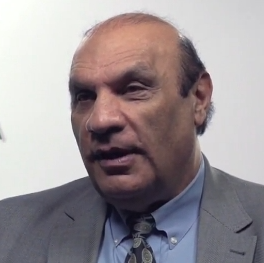 Sergio Tufik合作论文数Departamento de Psicobiologia, Universidade Federal de São Paulo1
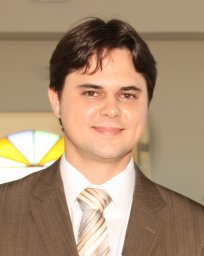 Gerson Dierley Keppeke合作论文数Rheumatology Division, Universidade Federal de São Paulo1
 Paulo Adilson da Silva合作论文数1
 Gustavo Antonio Moreira合作论文数Departamento de Psicobiologia, Federal University of São Paulo;EPM1
 Rafaela Larsen Ribeiro合作论文数1
 Alberto Berman合作论文数1Alberto Spindler合作论文数1
 Roseli Oselka Saccardo Sarni合作论文数Centro Universitário Faculdade de Medicina do ABC1
 Carlos Alejandro Rauque合作论文数Universidad Nacional del Comahue Laboratorio de Parasitología, Centro Regional Universitario Bariloche Quintral1E Lucero合作论文数1Veronica Bellomio合作论文数1
 Fabíola Isabel Suano-Souza合作论文数Departamento de Pediatria, Federal University of São Paulo;Escola Paulista de Medicina da Universidade Federal de São Paulo;Centro Universitário FMABC1




