WD40 and SOCS box protein-2 (WSB2), a member of the large family of suppressor of cytokine signaling (SOCS)-box proteins, has recently been identified as a substrate receptor of cullin 5 E3 ligase that plays an important role in proteomic regulation through substrate ubiquitination and proteasomal degradation. Here we report five patients from four unrelated families presenting with neurodevelopmental delay, dysmorphic features, brain structural abnormalities with or without growth restriction, hypotonia, and microcephaly, all of whom are homozygous for extremely rare and predicted loss-of-function (pLoF) or missense variants in WSB2, inherited from consanguineous parents. The Wsb2-mutant mice exhibited several neurological findings that included hyperactivity, altered exploration, and hyper alertness. They also weighed less, had a lower heart rate, and presented an abnormal retinal blood vessel morphology and vasculature pattern along with decreased total thickness of the retina. Our findings suggest that homozygous LoF WSB2 variants cause a novel neurodevelopmental disorder in humans with similar neurologic and developmental findings seen in Wsb2-mutant mouse models.
Neurodevelopmental disorders are highly heterogenous conditions resulting from abnormalities of brain architecture and/or function. FBXW7 (F-box and WD-repeat-domain-containing 7), a recognized developmental regulator and tumor suppressor, has been shown to regulate cell-cycle progression and cell growth and survival by targeting substrates including CYCLIN E1/2 and NOTCH for degradation via the ubiquitin proteasome system. We used a genotype-first approach and global data-sharing platforms to identify 35 individuals harboring de novo and inherited FBXW7 germline monoallelic chromosomal deletions and nonsense, frameshift, splice-site, and missense variants associated with a neurodevelopmental syndrome. The FBXW7 neurodevelopmental syndrome is distinguished by global developmental delay, borderline to severe intellectual disability, hypotonia, and gastrointestinal issues. Brain imaging detailed variable underlying structural abnormalities affecting the cerebellum, corpus collosum, and white matter. A crystal-structure model of FBXW7 predicted that missense variants were clustered at the substrate-binding surface of the WD40 domain and that these might reduce FBXW7 substrate binding affinity. Expression of recombinant FBXW7 missense variants in cultured cells demonstrated impaired CYCLIN E1 and CYCLIN E2 turnover. Pan-neuronal knockdown of the Drosophila ortholog, archipelago, impaired learning and neuronal function. Collectively, the data presented herein provide compelling evidence of an F-Box protein-related, phenotypically variable neurodevelopmental disorder associated with monoallelic variants in FBXW7.
PAX5 is a transcription factor associated with abnormal posterior midbrain and cerebellum development in mice. PAX5 is highly loss-of-function intolerant and missense constrained, and has been identified as a candidate gene for autism spectrum disorder (ASD). We describe 16 individuals from 12 families who carry deletions involving PAX5 and surrounding genes, de novo frameshift variants that are likely to trigger nonsense-mediated mRNA decay, a rare stop-gain variant, or missense variants that affect conserved amino acid residues. Four of these individuals were published previously but without detailed clinical descriptions. All these individuals have been diagnosed with one or more neurodevelopmental phenotypes including delayed developmental milestones (DD), intellectual disability (ID), and/or ASD. Seizures were documented in four individuals. No recurrent patterns of brain magnetic resonance imaging (MRI) findings, structural birth defects, or dysmorphic features were observed. Our findings suggest that PAX5 haploinsufficiency causes a neurodevelopmental disorder whose cardinal features include DD, variable ID, and/or ASD.
Huntington's disease pathogenesis involves a genetic gain-of-function toxicity mechanism triggered by the expanded HTT CAG repeat. Current therapeutic efforts aim to suppress expression of total or mutant huntingtin, though the relationship of huntingtin's normal activities to the gain-of-function mechanism and what the effects of huntingtin-lowering might be are unclear. Here, we have re-investigated a rare family segregating two presumed HTT loss-of-function (LoF) variants associated with the developmental disorder, Lopes-Maciel-Rodan syndrome (LOMARS), using whole-genome sequencing of DNA from cell lines, in conjunction with analysis of mRNA and protein expression. Our findings correct the muddled annotation of these HTT variants, reaffirm they are the genetic cause of the LOMARS phenotype and demonstrate that each variant is a huntingtin hypomorphic mutation. The NM_002111.8: c.4469+1G>A splice donor variant results in aberrant (exon 34) splicing and severely reduced mRNA, whereas, surprisingly, the NM_002111.8: c.8157T>A NP_002102.4: Phe2719Leu missense variant results in abnormally rapid turnover of the Leu2719 huntingtin protein. Thus, although rare and subject to an as yet unknown LoF intolerance at the population level, bona fide HTT LoF variants can be transmitted by normal individuals leading to severe consequences in compound heterozygotes due to huntingtin deficiency.
Introduction: Rapid-onset obesity, hypoventilation, hypothalamic dysfunction and autonomic dysregulation (ROHHAD) is a rare syndrome beginning at 3-6 years of age with approximately 150 cases described. Additional features include eye abnormalities, neurobehavioral dysfunction and paraneoplastic tumors. The etiology of the complex phenotype remains unknown. Methods: This study aims to investigate the genetic landscape of this complex phenotype by whole exome sequencing (WES) and copy number variation (CNV) analysis. We recruited 33 families (27 trios, 1 duo and 5 singletons) with a proband with ROHHAD syndrome (Ize-Ludlow 2007, Pediatrics). WES of 89 individuals was performed at the Center for Mendelian Genomics, Broad Institute. The Illumina platform with a mean coverage of ~100X (> 90% targets 20x) and Infinium Global Screening Array BeadChip 24v1.0 were used. Results: This report includes 28 probands (female = 18, 64%) with rapid onset obesity (100%), hypoventilation (88%), hypothalamic dysfunction (69%), eye disorders (62%) and neurobehavioral abnormalities (76%). Neuroendocrine tumor, ganglioneuroblastoma, was present in 38% (n=13). No unifying causative single gene or CNV was identified, but a number of sequence variants are prioritized. ARNT2, which encodes for a helix-loop-helix transcription factor, plays a role in the development of the hypothalamic-pituitary axis, postnatal brain growth, and visual and renal function. The de novo monoallelic missense variant was found in a 14-year old white girl (BMIz +3.25) with extreme obesity and a neurobehavioral phenotype. OCRL1, a multi-domain protein involved in cytoskeleton-plasma membrane adhesion, endosomal trafficking and in primary cilium assembly. Mutations in this gene have also been known to cause Lowe syndrome. A hemizygous X-linked frameshift variant in a 5-year old white boy with extreme obesity (BMIz +5.48), central hypoventilation neurobehavioral dysfunction and ganglioneuroblastoma. A monoallelic missense variant in NSD1, a transcriptional intermediary factor acting as a histone methyltransferase, was identified in a 8-year old Hispanic girl with severe obesity (BMIz +2.91), neurobehavioral disorder, pituitary and eye dysfunction and ganglioneuroblastoma. NSD1 is known to cause Sotos and Beckwith-Wiedemann. Compound heterozygous variants in KIF7, a key component of the Hedgehog signaling pathway, were identified in a 14-year old white girl with severe obesity (BMIz +3.00), autistic behavior, pituitary dysfunction and central hypoventilation. This gene is known to cause autosomal recessive hydrolethalis and acroscallosal syndromes with mutations also noted in Bardet-Biedl, Meckel and Joubert syndromes. Conclusion: While no unifying genetic cause has been identified in ROHHAD syndrome, it is possible that the phenotype represents a collection of complex genetic syndromes.
OBJECTIVE:We determined the yield, genetic spectrum, and actual origin of de novo mutations (DNMs) for infantile spasms (ISs) in a Chinese cohort. The efficacy of levetiracetam (LEV) for STXBP1-related ISs was explored also. METHODS:Targeted sequencing of 153 epilepsy-related candidate genes was applied to 289 Chinese patients with undiagnosed ISs. Trio-based amplicon deep sequencing was used for all DNMs to distinguish somatic/mosaic mutations from germline ones. RESULTS:Total of 26 DNMs were identified from 289 recruited Chinese patients with undiagnosed ISs. Among them, 24 DNMs were interpreted as pathogenic mutations based on American College of Medical Genetics and Genomics guidelines, contributing to 8.3% (24/289) of diagnosis yield in the Chinese IS cohort. CDKL5 and STXBP1 are the top genes with recurrent DNMs, accounting for 3.1% (9/289) of yield. Further deep resequencing for the trio members showed that 22.7% (5/22) of DNMs are actually somatic in the proband or a parent. These somatic carriers presented milder seizure attacks than those with true germline DNMs. After treatment with LEV for half a year, three patients with DNM in STXBP1 showed improved clinical symptoms, including seizure-free and normal electroencephalogram, except for a patient with a second DNM in DIAPH3. SIGNIFICANCE:Our study confirmed the contribution and genetic spectrum of DNMs in Chinese IS patients. Somatic mutation account for a quarter of DNMs in IS cases. Treatment with LEV improved the prognosis of STXBP1-related ISs.
Attention deficit hyperactivity disorder (ADHD) is a common and highly heritable neurodevelopmental disorder with poorly understood pathophysiology and genetic mechanisms. A balanced chromosomal translocation interrupts CTNND2 in several members of a family with profound attentional deficit and myopia, and disruption of the gene was found in a separate unrelated individual with ADHD and myopia. CTNND2 encodes a brain-specific member of the adherens junction complex essential for postsynaptic and dendritic development, a site of potential pathophysiology in attentional disorders. Therefore, we propose that the severe and highly penetrant nature of the ADHD phenotype in affected individuals identifies CTNND2 as a potential gateway to ADHD pathophysiology similar to the DISC1 translocation in psychosis or AUTS2 in autism.
Clinical exome sequencing (CES) is increasingly being utilized; however, a large proportion of patients remain undiagnosed, creating a need for a systematic approach to increase the diagnostic yield. We have reanalyzed CES data for a clinically heterogeneous cohort of 102 probands with likely Mendelian conditions, including 74 negative cases and 28 cases with candidate variants, but reanalysis requested by clinicians. Reanalysis was performed by an interdisciplinary team using a validated custom-built pipeline, "Variant Explorer Pipeline" (VExP). This reanalysis approach and results were compared with existing literature. Reanalysis of candidate variants from CES in 28 cases revealed 1 interpretation that needed to be reclassified. A confirmed or potential genetic diagnosis was identified in 24 of 75 CES-negative/reclassified cases (32.0%), including variants in known disease-causing genes (n = 6) or candidate genes (n = 18). This yield was higher compared with similar studies demonstrating the utility of this approach. In summary, reanalysis of negative CES in a research setting enhances diagnostic yield by about a third. This study suggests the need for comprehensive, continued reanalysis of exome data when molecular diagnosis is elusive.
Hexokinase 1 (HK1) phosphorylates glucose to glucose-6-phosphate, the first rate-limiting step in glycolysis. Homozygous and heterozygous variants in HK1 have been shown to cause autosomal recessive non-spherocytic hemolytic anemia, autosomal recessive Russe type hereditary motor and sensory neuropathy, and autosomal dominant retinitis pigmentosa (adRP). We report seven patients from six unrelated families with a neurodevelopmental disorder associated with developmental delay, intellectual disability, structural brain abnormality, and visual impairments in whom we identified four novel, de novo missense variants in the N-terminal half of HK1. Hexokinase activity in red blood cells of two patients was normal, suggesting that the disease mechanism is not due to loss of hexokinase enzymatic activity.
Purpose Associations of psychiatric and psychological symptoms with homocystinuria (HCU) have been described in multiple reports. This retrospective study was undertaken to refine the psychological phenotype among HCU patients and identify biomedical markers that could be used for prediction of those psychiatric or psychological symptoms. Methods This study examines the prevalence of psychological symptoms within a sample of 25 patients with classical homocystinuria. Results Psychological symptoms were noted in 16 of the 25 patients in the sample (64%), including a high prevalence of both anxiety (32%) and depression (32%) and correlated with IQ < 85. There was no difference in the type or the number of psychological symptoms between those diagnosed from newborn screening and early treated and those treated after 2 years of age. Conclusion The results support the possible role of homocysteine as a risk factor for psychological and psychiatric problems and cognitive deficits and suggest that earlier diagnosis and treatment may reduce risk of their occurrences. Although early treatment clearly prevented serious medical complications, psychological and psychiatric symptoms were not associated with medical complications, highlighting the need for continued investigation.
SLC1A2 is a trimeric transporter essential for clearing glutamate from neuronal synapses. Recurrent de novo SLC1A2 missense variants cause a severe, early onset developmental and epileptic encephalopathy via an unclear mechanism. We demonstrate that all 3 variants implicated in this condition localize to the trimerization domain of SLC1A2, and that the Leu85Pro variant acts via a dominant negative mechanism to reduce, but not eliminate, wild‐type SLC1A2 protein localization and function. Finally, we demonstrate that treatment of a 20‐month‐old SLC1A2‐related epilepsy patient with the SLC1A2‐modulating agent ceftriaxone did not result in a significant change in daily spasm count. ANN NEUROL 2019;85:921–926.
Infants who die within the first weeks to months of life may have genetic disorders, though many die without a confirmed diagnosis. Non-genetic conditions may also be responsible for unexplained infant deaths, and the diagnosis may be reliant upon studies performed in the peri-mortem period. Neonatologists, obstetricians, or pediatricians caring for these children and their families may be unsure of which investigations can and should be performed in the setting of a newborn or infant who is dying or has died. Recent advances in genomic sequencing technology may provide additional diagnostic options, though the interpretation of genetic variants discovered by this technique may be contingent upon clinical phenotype information that is obtained peri-mortem or upon autopsy. We have reviewed the current literature concerning the evaluation of an unexplained neonatal or infantile demise and synthesized a diagnostic approach, with a focus on the contribution of new and emerging genomic technologies.
Objective To study the utility of genetic evaluation and testing in patients with suspected fetal alcohol spectrum disorder (FASD). Study design We performed a retrospective chart review of all patients (n = 36) referred for evaluation for suspected FASD to the genetics clinic at Boston Children's Hospital between January 2006 and January 2013. Records of all patients were reviewed to obtain the medical history, family history, examination findings, and investigations, including genetic testing. Results Of the 36 patients, definite prenatal exposure was documented in 69%. Eight patients did not fulfill clinical criteria for FASD. Chromosomal microarray analysis (CMA) detected 19 copy number variants (CNVs) in 14 patients. Among patients who fulfilled criteria for FASD and underwent CMA, pathogenic CNVs were detected in 3 patients (2q37del, 22q11.22dup, and 4q31.21del syndromes), giving a yield of 14.3%. All 3 patients had overlapping features between FASD and the genetic syndrome. Conclusion Genetic testing, especially CMA, should be considered in patients referred for evaluation of FASD, as a significant proportion have a clinically significant CNV even when they fulfill diagnostic criteria for FASD spectrum.
The cover image, by Yuri A. Zarate et al., is based on the Original Article Natural history and genotype-phenotype correlations in 72 individuals with SATB2-associated syndrome, DOI: 10.1002/ajmg.a.38630
Genomic sequencing has allowed for the characterization of new gene-to-disease relationships, as well as the identification of variants in established disease genes in patients who do not fit the classically-described phenotype. This is especially true in rare syndromes where the clinical spectrum is not fully known. After a lengthy and costly diagnostic odyssey, patients with atypical presentations may be left with many questions even after a genetic diagnosis is identified. We present a 22-year old male with hypotonia, developmental delay, seizure disorder, and dysmorphic facial features who enrolled in our rare disease research center at 18 years of age, where exome sequencing revealed a novel, likely pathogenic variant in the OPHN1 gene. Through efforts by the study team and collaborations with the larger genetics community, contacts with other families with OPHN1 variants were eventually made, and outreach by these families expanded the patient network. This partnership between families and researchers facilitated the gathering of phenotypic information, allowing for comparison of clinical presentations among three new patients and those previously reported in the literature. These comparisons found previously unreported commonalities between the newly identified patients, such as the presence of otitis media and the lack of genitourinary abnormalities (i.e. hypoplastic scrotum, microphallus, cryptorchidism), which had been noted to be classic features of patients with OPHN1 variants. As genomic sequencing becomes more common, connecting patients with novel variants in the same gene will facilitate phenotypic analysis and continue to refine the clinical spectrum associated with that gene.
Oxcarbazepine is an antiepileptic drug (AED) commonly used as a first-line treatment option for focal epilepsy. Several AEDs, including carbamazepine, oxcarbazepine, and phenytoin are associated with various delayed-hypersensitivity reactions such as drug reaction with eosinophilia and systemic symptoms, Stevens-Johnson syndrome, or toxic epidermal necrolysis. The Food and Drug Administration-approved label for oxcarbazepine currently presents information regarding a pharmacogenomic association with the HLA antigen allele HLA-B*15:02 and hypersensitivity reactions in certain ancestry groups with a high incidence of this allele. However, unlike carbamazepine, screening for the presence of this allele is not routinely recommended before administration of oxcarbazepine. In practice, even with carbamazepine, HLA antigen testing is not always performed before initiating treatment because of lack of physician awareness of the recommendations and because of the desire to initiate treatment without delay. We present the clinical course of a pediatric patient with focal epilepsy refractory to several AEDs who developed drug reaction with eosinophilia and systemic symptoms after oxcarbazepine administration. The pharmacogenomic testing for various HLA antigen alleles was performed post hoc, and results were evaluated for structural similarities between AEDs and their molecular associations with HLA antigen proteins. In addition, we review the population-wide prevalence of various hypersensitivity reactions to AEDs and associated HLA antigen alleles. Finally, we discuss the potential utility of preemptive pharmacogenomic screening of patients before pharmacological treatment of epilepsy to assess the risk of developing hypersensitivity reactions.
Mitochondrial dynamics, including mitochondrial division, fusion and transport, are integral parts of mitochondrial and cellular function. DNM1L encodes dynamin-related protein 1 (Drp1), a member of the dynamin-related protein family that is required for mitochondrial division. Several de novo mutations in DNM1L are associated with a range of disease states. Here we report the identification of five patients with pathogenic or likely pathogenic variants of DNM1L, including two novel variants. Interestingly, all of the positions identified in these Drp1 variants are fully conserved among all members of the dynamin-related protein family that are involved in membrane division and organelle division events. This work builds upon and expands the clinical spectrum associated with Drp1 variants in patients and their impact on mitochondrial division in model cells.
SATB2-associated syndrome (SAS) is an autosomal dominant disorder characterized by significant neurodevelopmental disabilities with limited to absent speech, behavioral issues, and craniofacial anomalies. Previous studies have largely been restricted to case reports and small series without in-depth phenotypic characterization or genotype-phenotype correlations. Seventy two study participants were identified as part of the SAS clinical registry. Individuals with a molecularly confirmed diagnosis of SAS were referred after clinical diagnostic testing. In this series we present the most comprehensive phenotypic and genotypic characterization of SAS to date, including prevalence of each clinical feature, neurodevelopmental milestones, and when available, patient management. We confirm that the most distinctive features are neurodevelopmental delay with invariably severely limited speech, abnormalities of the palate (cleft or high-arched), dental anomalies (crowding, macrodontia, abnormal shape), and behavioral issues with or without bone or brain anomalies. This comprehensive clinical characterization will help clinicians with the diagnosis, counseling and management of SAS and help provide families with anticipatory guidance.
Pathogenic missense and truncating variants in the GABRG2 gene cause a spectrum of epilepsies, from Dravet syndrome to milder simple febrile seizures. In most cases, pathogenic missense variants in the GABRG2 gene segregate with a febrile seizure phenotype. In this case series, we report a recurrent, de novo missense variant (c0.316 G > A; p.A106T) in the GABRG2 gene that was identified in five unrelated individuals. These patients were described to have a more severe phenotype than previously reported for GABRG2 missense variants. Common features include variable early-onset seizures, significant motor and speech delays, intellectual disability, hypotonia, movement disorder, dysmorphic features and vision/ocular issues. Our report further explores a recurrent pathogenic missense variant within the GABRG2 variant family and broadens the spectrum of associated phenotypes for GABRG2-associated disorders.
 Sharyn A Lincoln合作论文数7
 Pankaj Agrawal合作论文数Div Newborn Med, Boston Childrens Hosp6
 Amy R. U. L. Calhoun合作论文数6
 Yiping Shen (沈亦平)合作论文数Boston Children's Hospital;Department of Neuroscience, Harvard Medical School, Harvard University6
 Alan Beggs合作论文数Department of Pediatrics, Boston Children's Hospital;Intellectual and Developmental Disabilities Research Center, Boston Children's Hospital;The Manton Center for Orphan Disease Research, Boston Children's Hospital;Department of Pediatrics, Harvard Medical School;Division of Genetics and Genomics, Boston Children's Hospital6
 David T Miller合作论文数From the Department of Clinical Pathology & Diagnostic Medicine, East Carolina University School of Medicine6
 Julie S. Cohen合作论文数Department of Otolaryngology-Head and Neck Surgery, School of Medicine, Johns Hopkins University5Rodan Lance H合作论文数5Towne Meghan C合作论文数5
 James Francis Gusella合作论文数Department of Genetics, Blavatnik Institute, Harvard Medical School;Center for Genomic Medicine, Massachusetts General Hospital5
 Alexander Rotenberg合作论文数Children's Hospital5
 Joseph Gonzalez-Heydrich合作论文数Children's Hospital, Boston, Mitsubishi Electric Research Laboratory Inc.5
 Catherine Brownstein合作论文数PatientsLikeMe® Research and Development5Casie A Genetti合作论文数4
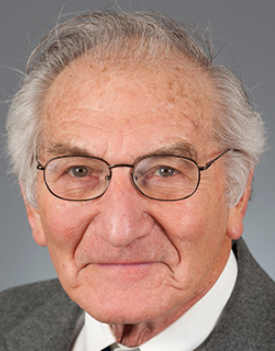 Harvey L. Levy合作论文数Departments of Genetics, Children's Hospital Boston4Wojcik Monica H合作论文数4
 Joseph T. Coyle合作论文数Harvard Medical School, Harvard University4
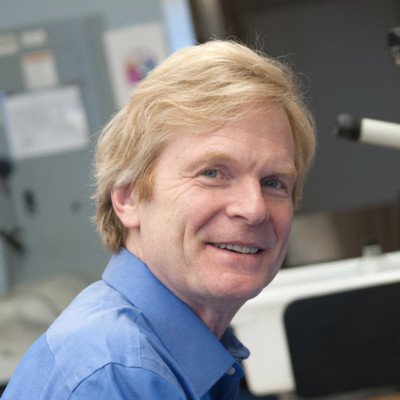 Christopher A Walsh合作论文数The Paul G. Allen Frontiers Group Discovery Center for Human Brain Evolution;Howard Hughes Medical Institute;Division of Genetics & Genomics, Boston Children's Hospital;Harvard Medical School4
 Wendy Chung合作论文数Department of Pediatrics, Columbia University;Division of Genetics and Genomics, Boston Children’s Hospital;Harvard Medical School4Robert R. Wolff合作论文数4Joan M. Stoler合作论文数4Robert Herzstein合作论文数3Joseph P. Griffin合作论文数3Robert Maccrate合作论文数3Aron Broches合作论文数3Peter Ehrenhaft合作论文数3David Carliner合作论文数3Robert Hayton合作论文数3John Devine合作论文数3Elliot L. Richardson合作论文数3Wendy Smith合作论文数3charles n brower合作论文数3Charles S. Rhyne合作论文数3Mary-Alice Abbott合作论文数3Amelia Kirby合作论文数3Louise C. Wilson合作论文数3Margarita Saenz合作论文数3
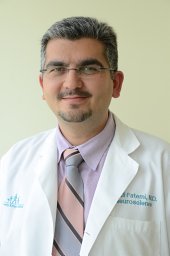 Ali Fatemi合作论文数Department of Neurology, Johns Hopkins University School of Medicine3
 Angela Sun合作论文数3
 Yuri Zarate合作论文数Division of Human Genetics, Cincinnati Children's Hospital Medical Center3
 Fuki M. Hisama合作论文数Genetic Medicine Clinic, University of Washington Medical Center3Sellars Elizabeth A合作论文数3
 Klaus Schmitz-Abe合作论文数3
 Joel Hirschhorn合作论文数Broad Institute;Division of Endocrinology, Boston Children's Hospital;Harvard Medical School3
 Elaine H. Zackai合作论文数Children's Hospital of Philadelphia;Perelman School of Medicine, University of Pennsylvania3
 Elizabeth C. Engle合作论文数Harvard Medical School, Harvard University
3
Elizabeth C. Engle合作论文数Harvard Medical School, Harvard University
3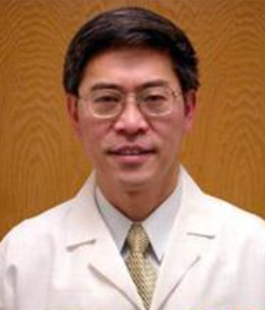 Bai-Lin Wu (吴柏林)合作论文数Institutes of Biomedical Sciences, Fudan University;Boston Children's Hospital, Harvard University;Claritas Genomics3
 David Urion合作论文数3
 Martina Bebin合作论文数School of Medicine, University of Alabama at Birmingham3




