BACKGROUND:Leukodystrophies are a clinically and genetically heterogeneous group of diseases characterized by white matter abnormalities on brain magnetic resonance imaging. Clinical, biochemical, molecular, and/or neuroimaging findings collectively support the diagnosis confirmation. The heterogeneous and overlapping clinical presentations of different leukodystrophies and non-diagnostic molecular testing pose a significant challenge to establishing a definitive diagnosis in these rare diseases. The Myelin Disorders Biorepository Project is an observational research program that aims to establish new tests to diagnose leukodystrophies and describe the natural history of these disorders. Ensuring an accurate diagnosis is critical to the goals of this project, and this paper aims to describe the rigorous diagnostic review and confirmation process which was developed. RESULTS:We present a diagnosis review process that contributes to an accurate diagnosis for participants enrolled in this study. Board-certified genetic counselors with expertise in these disorders audit medical records to carefully assess each enrolled participant's clinical, biochemical, and molecular features. A scale of diagnostic categories is assigned based on the record review, and a team of leukodystrophy physician experts consults for cases that require further characterization or clarification. CONCLUSIONS:This robust review process has resulted in a database of individuals with verified diagnoses that may be easily queried for inclusion in appropriate natural history studies and/or treatment trials. This is a model framework that may be adapted and implemented by other rare disease groups.
Objectives:To determine whether boys with VUS detected through Newborn screening (NBS) for Adrenoleukodystrophy (ALD) develop adrenal insufficiency (aiALD) and cerebral ALD (cALD) at rates comparable to those with pathogenic variants, and to evaluate the relationship between C26:0-lysophosphatidylcholine (C26:0-LPC) levels and clinical outcomes. Methods:We conducted a retrospective multicenter cohort study (2013-2025) across six US centers, including 201 males identified through NBS in 19 states. Variants were classified as pathogenic (n=65), likely pathogenic (n=45), or VUS (n=88). Primary outcomes were development of aiALD and cALD; secondary outcomes included C26:0-LPC levels. Statistical analyses included Kaplan-Meier, mixed-effects regression, and Cox models. Results:201 males with ABCD1 variants identified through NBS for ALD. Median age at last follow-up was 4.2 years (IQR 2.5-7.9). Overall, 26% developed aiALD (54% pathogenic, 16% likely pathogenic, 11% VUS), and 8% developed cALD (11%, 9%, and 4.5%, respectively). Pathogenic/likely pathogenic variants were associated with higher odds of aiALD than VUS (OR 5.8; 95% CI 2.16-15.58; p=0.001). At 150 months, 39% of individuals with pathogenic/likely pathogenic variants remained free of aiALD versus 85% with VUS. C26:0-LPC levels were higher in pathogenic variants and correlated with genotype (p=0.0006). Higher levels were associated with increased aiALD risk and earlier onset (HR 1.38 per 0.1 µmol/L; 95% CI 1.20-1.59; p<0.0001). Conclusions:Boys with VUS had lower rates of aiALD and lower C26:0-LPC levels than those with pathogenic variants, although some developed disease. C26:0-LPC correlates with genotype and risk, supporting its role in variant classification and risk-stratified surveillance. What’s Known on This Subject:Newborn screening for X-linked adrenoleukodystrophy has increased identification of variants of uncertain significance, accounting for up to 50% of screen-positive cases in some states. These are often associated with borderline biomarker levels, and their natural history remains poorly understood. What This Study Adds:Screen-positive individuals with VUS had substantially lower rates of disease onset than those with pathogenic variants. Newborn biomarker levels also correlated with variant pathogenicity and disease onset, which may aid future variant classification and risk stratification.
PURPOSE:ZIC1 encodes a transcription factor with critical roles in vertebrate neural and skeletal development. Heterozygous deletions encompassing ZIC1 and ZIC4 cause Dandy-Walker malformation, whilst in the final exon heterozygous ZIC1 variants result in a distinct phenotype of craniosynostosis with variable intellectual disability via a gain-of-function mechanism. We describe the largest group of individuals harboring ZIC1 variants to date, significantly expanding the phenotypic spectrum and allowing genotype-phenotype correlation. METHODS:Through international collaboration we identified 18 different heterozygous ZIC1 variants from 22 families, comprising 30 individuals. RESULTS:Twelve families segregated a phenotype comprising craniosynostosis with facial dysmorphism, structural brain abnormalities and developmental delay, whereas 10 families had a neurodevelopmental disorder alone without craniosynostosis. Variants associated with craniosynostosis were clustered in the final exon (3) and were predominantly truncating variants predicted to escape nonsense-mediated decay. Variants associated with neurodevelopmental disorder alone included missense substitutions within exons 1 and 2 predicted to disrupt the normal function of the zinc-finger domain, leading to loss of ZIC1 function, which was confirmed in a functional assay. CONCLUSION:This study presents evidence for a ZIC1 genotype-phenotype correlation differentiating variants that cause a neurodevelopmental phenotype with and without craniosynostosis.
Abstract Background NPTN encodes human neuroplastin (hNp), a transmembrane immunoglobulin (Ig)-superfamily glycoprotein and a subunit of the plasma membrane calcium (Ca2+)-ATPases (PMCA). The critical importance of hNp and its associations with PMCA in the human brain remains unknown. Methods Here, we describe de novo NPTN variants in individuals with autism and mild-to-severe DD/ID and evaluate their effects using animal models and in silico, molecular, and cellular approaches. Results Four individuals present variants affecting the two hNp isoforms, hNp55 and hNp65. Other four variants affect only the hNp65 isoform. Two individuals independently carry the same loss-of-function nonsense variant, predicted to cause haploinsufficient production of all hNp isoforms. Haploinsufficient Nptn +/– mice displayed reduced levels of Np and PMCA and exhibited altered social behavior. Insufficient Np55/65 production in neurons resulted in reduced PMCA expression and function. Two missense variants caused particular structural and thermodynamic abnormalities and lower expression of hNps in human embryonic kidney (HEK) cells. In primary neurons, these hNp variants failed to regulate cytosolic Ca2⁺ transients. In Drosophila, a missense mutation affecting the PMCA interaction failed to prevent the lethal phenotype caused by hNp ortholog elimination. Conclusions We show that a novel neurodevelopmental disorder characterized by intellectual disability and autism originates from haploinsufficient NPTN gene dosage or insufficient functionality of mutant hNp related to PMCA hypofunction.
ZNF536 encodes a C2H2 zinc-finger transcription factor that functions as a transcriptional repressor. While common noncoding variants at the ZNF536 locus have been reported to be associated with schizophrenia in a genome-wide association study (GWAS), the contribution of rare, protein-altering variants to human disease has not been systematically investigated. Through an international collaboration, we assembled a cohort of 21 affected individuals carrying 18 unique, rare, heterozygous, protein-altering ZNF536 variants. Most variants (15/18) were predicted loss-of-function (LoF) alleles, with the remainder being missense variants. Among families with available inheritance data (17/20), most variants arose de novo (12/17), while others were inherited from mosaic or mildly affected parents (5/17). Clinically, affected individuals presented with developmental delay along with high rates of autism spectrum disorder, intellectual disability, hyperactivity, aggressive behavior, anxiety, and hyperphagia; epilepsy and sleep disturbances were also frequently observed. To assess functional consequences of a proband-associated ZNF536 variant, we generated a Zfp536p.Gln169Ter knock-in mouse model. Homozygous mutants were non-viable, while heterozygotes survived but displayed autism-like behaviors, increased anxiety, and impaired recognition memory. Embryonic brain analysis revealed reduced cortical size, cortical thickness, and decreased deep-layer neuronal density. These features are consistent with phenotypes of a publicly available mouse knockout model and support our clinical cohort findings that rare monoallelic LoF variants in ZNF536 underlie a genetic neurodevelopmental disorder characterized by developmental delay, autism, and behavioral dysregulation. The pathogenicity of missense variants in disease remains to be determined. These results support a role for ZNF536 as a dosage-sensitive regulator of cortical development.
IMPORTANCE: Most United States children with neurodevelopmental disorders have not received genetic testing aligned with current guidelines. Integration of genetic counselors into non-genetics departments is a potential strategy to improve uptake, but prevalence and details of integrated care models are unknown. OBJECTIVE: To characterize availability, utilization, and perceived need for genetic counselors across non-genetics departments caring for patients with neurodevelopmental disorders DESIGN: Cross-sectional observational department-level survey SETTING: Child neurology, adult neurology, developmental pediatrics, child psychiatry, and adult psychiatry departments at Intellectual and Developmental Disabilities Research Centers PARTICIPANTS: The survey was distributed to 67 departments across 15 institutions. The departmental response rate was 52% (35/67), with at least one response from 87% (13/15) of institutions. EXPOSURE: Presence/absence of dedicated genetic counselor(s), where "dedicated" was defined as hired by the department MAIN OUTCOME(S) AND MEASURE(S): This was a descriptive study only, with no comparative statistical analyses due to the exploratory nature. RESULTS: One third of departments (34%; 12/35) reported having dedicated clinical genetic counselors. Prevalence was highest in child neurology (67%; 8/12), followed by adult neurology (40%; 2/5) and developmental pediatrics (22%; 2/9), with none in child psychiatry (0/7) or adult psychiatry (0/2). In almost all departments with genetic counselors (92%; 11/12), they directly billed for their services, which universally included pre-test counseling/consent and post-test counseling. In departments without genetic counselors, only 39% (9/23) reported providers ordered their own genetic testing. Among all departments, over half (57%) were interested in adding/increasing genetic counseling support, while 26% were unsure and 17% uninterested. Insufficient funding was the most cited barrier; only one department reported insufficient need. CONCLUSIONS AND RELEVANCE: Though currently implemented in only one third of departments, our findings suggest those with dedicated genetic counselors directly pursue genetic testing (without referring to genetics) more than those without genetic counselors. Interest in increasing or adding genetic counseling support was high, and though funding was a reported barrier, feasible funding models were described. In the context of limited medical geneticists and expanding precision therapies, alternate delivery models for neurodevelopmental genetic testing including genetic counselor integration in non-genetics departments may help to scale and sustain uptake.
Precision medicine aims to enhance diagnosis, treatment, and prognosis by integrating multimodal data at the point of care. However, challenges arise due to the vast number of diseases, differing methods of classification, and conflicting terminological coding systems and practices used to represent molecular definitions of disease. This lack of interoperability artificially constrains the potential for diagnosis, clinical decision support, care outcome analysis, as well as data linkage across research domains to support the development or repurposing of therapeutics. There is a clear and pressing need for a unified system for managing disease entities-including identifiers, synonyms, and definitions. To address these issues, we created the Mondo disease ontology-a community-driven, open-source, unified disease classification system that harmonizes diverse terminologies into a consistent, computable framework. Mondo integrates key medical and biomedical terminologies, including Online Mendelian Inheritance in Man (OMIM), Orphanet, Medical Subject Headings (MeSH), National Cancer Institute Thesaurus (NCIt), and more, to provide a comprehensive and accurate representation of disease concepts with fully provenanced and attributed links back to the sources. Mondo can be used as the handle for curation of gene-disease associations utilized in diagnostic applications, research applications such as computational phenotyping, and in clinical coding systems in clinical decision support by pointing the clinician to the numerous knowledge resources linked to the Mondo identifier. Mondo's community-centric approach, stewarded by the Monarch Initiative's expertise in ontologies, ensures that the ontology remains adaptable to the evolving needs of biomedical research and clinical communities, as well as the knowledge providers.
Background:The absence of standardized approaches for handling genetic test results in electronic health records (EHRs), combined with a lack of diagnostic codes for most rare disorders, hinders accurate and timely identification of patients with rare genetic variants. This impedes access to research opportunities and genomic-driven care. To reduce the diagnostic odyssey, identify research-eligible subjects, and ultimately enhance patient care, it is critical to optimize approaches to retrieve genetic results. Objectives:To characterize resource requirements, yield, and biases among methods for identifying and retrieving genetic test results across 11 Intellectual and Developmental Disability Research Centers (IDDRC). Design:A survey was used to collect details from the authors on approaches to identify EHRs from patients who had genetic testing and variants of interest were reported; surveys were completed in 2022. Methods:Strengths and limitations in approaches to identify and retrieve genetic test results conducted from the implementation of EHR systems were evaluated. A standard template was used to collect genetic testing storage formats, methods to identify patients with rare disease variants, estimates of time/cost, nature of accessed data, method-specific bias in types of American College of Medical Genetics and Genomics classified variants identified. When possible, precision when performing gene name searches in the EHR was calculated. Results:Four approaches were used: (1) manual searches, reviews, and extractions, (2) natural language processing software-aided manual reviews and extractions, (3) custom databases via testing lab collaborations, and (4) testing EHR vendor-designed genomics modules. The fully manual approach required minimal infrastructure and allowed access to clinical notes but missed variants of unknown clinical significance. Precision for gene name matches based on searches of 59 genes was 0.16. Natural language processing software minimized effort but required considerable informatics support. Custom databases and EHR vendor modules necessitated substantial computational support; however, genetic testing results retrieval was efficient. Conclusion:Leveraging the IDDRC network, we found that methods to store, search and extract genetic testing results vary widely, especially regarding older test results, and have distinct benefits and limitations. Limitations are best addressed through practice guidelines that standardize storage and retrieval of genetic test results to facilitate efficient identification of research eligible subjects and genomic-informed patient care.
Importance:Single gene variants can cause cerebral palsy (CP) phenotypes, yet the impact of genetic diagnosis on CP clinical management has not been systematically evaluated. Objective:To evaluate how frequently genetic testing results would prompt changes in care for individuals with CP and the clinical utility of precision medicine therapies. Data Sources:Published pathogenic or likely pathogenic variants in OMIM genes identified with exome sequencing in clinical (n = 1345) or research (n = 496) cohorts of CP were analyzed. A systematic literature review for evidence of effective therapies for specific genetic etiologies was performed. Study Selection:Nonstandard interventions that led to a detectable improvement in a defined outcome in individuals with variants in the gene of interest were included. Data Extraction and Synthesis:Literature was evaluated using PRISMA guidelines. A diverse, expert working group was established, scoring rubrics adapted, and scoring consensus built with a modified Delphi approach. Main Outcomes and Measures:Overall clinical utility was calculated from metrics assessing outcome severity if left untreated, safety and practicality of the intervention, and anticipated intervention efficacy on a scale from 0 to 3. Results:Of 1841 patients with CP who underwent exome sequencing, 502 (27%) had pathogenic or likely pathogenic variants related to their phenotype. A total of 243 different genes were identified. In 1841 patients with identified genetic etiologies of CP, 140 (8%) had a genetic etiology classified as actionable, defined as prompting a change in clinical management. Also identified were 58 of 243 genes with pathogenic or likely pathogenic variants with actionable treatment options: 16 targeting the primary disease mechanism, 16 with specific prevention strategies, and 26 with specific symptom management. The level of evidence was also graded according to ClinGen criteria; 45 of 101 interventions (44.6%) had evidence class D or below. The potential interventions have clinical utility with 98 of 101 outcomes (97%) being moderate-high severity if left untreated and 63 of 101 interventions (62%) predicted to be of moderate-high efficacy. Most interventions (72 of 101 [71%]) were considered moderate-high safety and practicality. Conclusions and Relevance:The findings indicate that actionable genetic findings occurred in 8% of individuals referred for genetic testing with CP. Evaluation of potential efficacy, outcome severity, and intervention safety and practicality indicates moderate-high clinical utility of these genetic findings. Genetic sequencing can identify precision medicine interventions that provide clinical benefit to individuals with CP. The relatively limited evidence base underscores the need for additional research.
Germline variants that disrupt components of the epigenetic machinery cause syndromic neurodevelopmental disorders. Using exome and genome sequencing, we identified de novo variants in KDM2A, a lysine demethylase crucial for embryonic development, in 18 individuals with developmental delays and/or intellectual disabilities. The severity ranged from learning disabilities to severe intellectual disability. Other core symptoms included feeding difficulties; growth issues, such as intrauterine growth restriction, short stature, and microcephaly; and recurrent facial features, such as epicanthic folds, upslanted palpebral fissures, thin vermillion of the lips, and low-set ears. Expression of human disease-causing KDM2A variants in a Drosophila melanogaster model led to neural degeneration, motor defects, and reduced lifespan. Interestingly, pathogenic variants in KDM2A affected physiological attributes, including subcellular distribution, expression, and stability in human cells. Genetic epistasis experiments indicated that KDM2A variants act via a dual mechanism—loss of nuclear function for some variants tested and additional cytoplasmic gain-of-function toxicity for c.704C>T (p.Pro235Leu), as eliminating endogenous Drosophila Kdm2 did not produce noticeable neurodevelopmental phenotypes. Data from enzymatic-methylation sequencing support the suggested gene-disease association by showing aberrant methylome profiles in affected individuals’ peripheral blood. Combining our genetic, phenotypic, and functional findings, we establish de novo variants in KDM2A as causative for a syndromic neurodevelopmental disorder.
NPTN encodes human neuroplastin (hNp), a subunit of plasma membrane Ca 2+ -ATPases (PMCA). The critical importance of hNp and its associations with PMCA are unknown for the human brain. Here, we describe de novo NPTN variants in seven individuals with autism and mild-to-severe DD/ID and evaluate them using animal models and in silico , molecular and cellular approaches. We identified NPTN variants with dominant-negative (missense) or loss-of-function (nonsense/ frameshift) effect on hNp-PMCA expression and function. The missense variants caused structural and thermodynamic molecular abnormalities and lower expression of hNp in HEK cells. In neurons, hNp missense variants affected PMCA levels and cytosolic Ca²⁺ regulation. In Drosophila , a missense mutation with affected PMCA interaction failed to prevent a lethal phenotype caused by hNp ortholog elimination. In Nptn +/− mice, levels of Np and PMCA were reduced and insufficient for normal social behavior. Therefore, we show that de novo variants in NPTN cause a neurodevelopmental disorder with intellectual disability and autism, likely linked to PMCA dysfunction.
OBJECTIVE:DYNC1H1 variants are involved on a disease spectrum from neuromuscular disorders to neurodevelopmental disorders. DYNC1H1-related epilepsy has been reported in small cohorts. We dissect the electroclinical features of 34 patients harboring de novo DYNC1H1 pathogenic variants, identify subphenotypes on the DYNC1H1-related epilepsy spectrum, and compare the genotype-phenotype correlations observed in our cohort with the literature. METHODS:Patients harboring de novo DYNC1H1 pathogenic variants were recruited through international collaborations. Clinical data were retrospectively collected. Latent class analysis was performed to identify subphenotypes. Multivariable binary logistic regression analysis was applied to investigate the association with DYNC1H1 protein domains. RESULTS:DYNC1H1-related epilepsy presented with infantile epileptic spasms syndrome (IESS) in 17 subjects (50%), and in 25% of these individuals the epileptic phenotype evolved into Lennox-Gastaut syndrome (LGS). In 12 patients (35%), focal onset epilepsy was defined. In two patients, the epileptic phenotype consisted of generalized myoclonic epilepsy, with a progressive phenotype in one individual harboring a frameshift variant. In approximately 60% of our cohort, seizures were drug-resistant. Malformations of cortical development were noticed in 79% of our patients, mostly on the lissencephaly-pachygyria spectrum, particularly with posterior predominance in a half of them. Midline and infratentorial abnormalities were additionally reported in 45% and 27% of subjects. We have identified three main classes of subphenotypes on the DYNC1H1-related epilepsy spectrum. SIGNIFICANCE:We propose a classification in which pathogenic de novo DYNC1H1 variants feature drug-resistant IESS in half of cases with potential evolution to LGS (Class 1), developmental and epileptic encephalopathy other than IESS and LGS (Class 2), or less severe focal or genetic generalized epilepsy including a progressive phenotype (Class 3). We observed an association between stalk domain variants and Class 1 phenotypes. The variants p.Arg309His and p.Arg1962His were common and associated with Class 1 subphenotype in our cohort. These findings may aid genetic counseling of patients with DYNC1H1-related epilepsy.
Neurodevelopmental disorders (NDDs) are a group of conditions characterized by impairments of brain processes that impact cognition, communication, motor abilities, and/or behavior during development. These conditions typically have significant effects across the life span and impact personal, social, academic, or occupational functioning. The US Centers for Disease Control and report that 1 in 6 children has a developmental disability, making it highly likely for child and adolescent psychiatrists to encounter children with NDDs in daily practice.1 While the etiologies of NDDs are broad, genetic syndromes are a common cause of NDDs. The diagnostic yield of thorough genetic testing for NDDs as a group is about 40% based on meta-analysis, including 30% to 50% yield in patients with global developmental delay (GDD) or intellectual disability (ID) and 15% to 20% yield in patients with in autism spectrum disorder.1-3 The findings are extremely heterogeneous, including chromosomal copy number variants (CNVs) and more than 2,000 known monogenic disorders associated with NDDs.3 Diagnostic yields will increase over time with advances in technology and disease gene discovery.3.
Genetic testing of patients with neurodevelopmental disabilities (NDDs) is critical for diagnosis, medical management, and access to precision therapies. Because genetic testing approaches evolve rapidly, professional society practice guidelines serve an essential role in guiding clinical care; however, several challenges exist regarding the creation and equitable implementation of these guidelines. In this scoping review, we assessed the current state of United States professional societies' guidelines pertaining to genetic testing for unexplained global developmental delay, intellectual disability, autism spectrum disorder, and cerebral palsy. We describe several identified shortcomings and argue the need for a unified, frequently updated, and easily-accessible cross-specialty society guideline. ANN NEUROL 2024;96:900-913.
OBJECTIVE:POLR3B encodes the second largest subunit of RNA polymerase III, which is essential for transcription of small non-coding RNAs. Biallelic pathogenic variants in POLR3B are associated with an inherited hypomyelinating leukodystrophy. Recently, de novo heterozygous variants in POLR3B were reported in six individuals with ataxia, spasticity, and demyelinating peripheral neuropathy. Three of these individuals had epileptic seizures. The aim of this article is to precisely define the epilepsy phenotype associated with de novo heterozygous POLR3B variants. METHODS:We used online gene-matching tools to identify 13 patients with de novo POLR3B variants. We systematically collected genotype and phenotype data from clinicians using two standardized proformas. RESULTS:All 13 patients had novel POLR3B variants. Twelve of 13 variants were classified as pathogenic or likely pathogenic as per American College of Medical Genetics (ACMG) criteria. Patients presented with generalized myoclonic, myoclonic-atonic, atypical absence, or tonic-clonic seizures between the ages of six months and 4 years. Epilepsy was classified as epilepsy with myoclonic-atonic seizures (EMAtS) in seven patients and "probable EMAtS" in two more. Seizures were treatment resistant in all cases. Three patients became seizure-free. All patients had some degree of developmental delay or intellectual disability. In most cases developmental delay was apparent before the onset of seizures. Three of 13 cases were reported to have developmental stagnation or regression in association with seizure onset. Treatments for epilepsy that were reported by clinicians to be effective were: sodium valproate, which was effective in five of nine patients (5/9) who tried it; rufinamide (2/3); and ketogenic diet (2/3). Additional features were ataxia/incoordination (8/13); microcephaly (7/13); peripheral neuropathy (4/13), and spasticity/hypertonia (6/13). SIGNIFICANCE:POLR3B is a novel genetic developmental and epileptic encephalopathy (DEE) in which EMAtS is the predominant epilepsy phenotype. Ataxia, neuropathy, and hypertonia may be variously observed in these patients.
The Rab family of guanosine triphosphatases (GTPases) includes key regulators of intracellular transport and membrane trafficking targeting specific steps in exocytic, endocytic, and recycling pathways. DENND5B (Rab6-interacting Protein 1B-like protein, R6IP1B) is the longest isoform of DENND5, an evolutionarily conserved DENN domain-containing guanine nucleotide exchange factor (GEF) that is highly expressed in the brain. Through exome sequencing and international matchmaking platforms, we identified five de novo variants in DENND5B in a cohort of five unrelated individuals with neurodevelopmental phenotypes featuring cognitive impairment, dysmorphism, abnormal behavior, variable epilepsy, white matter abnormalities, and cortical gyration defects. We used biochemical assays and confocal microscopy to assess the impact of DENND5B variants on protein accumulation and distribution. Then, exploiting fluorescent lipid cargoes coupled to high-content imaging and analysis in living cells, we investigated whether DENND5B variants affected the dynamics of vesicle-mediated intracellular transport of specific cargoes. We further generated an in silico model to investigate the consequences of DENND5B variants on the DENND5B-RAB39A interaction. Biochemical analysis showed decreased protein levels of DENND5B mutants in various cell types. Functional investigation of DENND5B variants revealed defective intracellular vesicle trafficking, with significant impairment of lipid uptake and distribution. Although none of the variants affected the DENND5B-RAB39A interface, all were predicted to disrupt protein folding. Overall, our findings indicate that DENND5B variants perturb intracellular membrane trafficking pathways and cause a complex neurodevelopmental syndrome with variable epilepsy and white matter involvement.
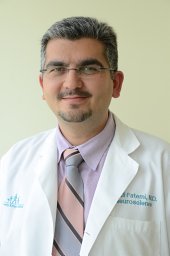 Ali Fatemi合作论文数Department of Neurology, Johns Hopkins University School of Medicine37
 Srivastava Siddharth合作论文数Hugo W. Moser Research Institute, Kennedy Krieger Institute.20
 Anne Slavotinek合作论文数Sherr Lab, University of California, San Francisco12
 Sakkubai Naidu合作论文数Department of Neurogenetics, Kennedy Krieger Institute;Johns Hopkins University10
 Helbig Katherine L合作论文数9
 Kathleen M Murphy合作论文数Department of Oncology, Johns Hopkins University School of Medicine9
 Constance L. Smith-Hicks合作论文数Department of Neurology, Johns Hopkins University School of Medicine9Katheryn Grand合作论文数8Dubbs Holly合作论文数8Boris Keren合作论文数8Katherine Bergstrom合作论文数7Kristin W Barañano合作论文数7Konrad Platzer合作论文数Institute of Human Genetics, University of Leipzig Medical Center7
 Rikke S Møller合作论文数Department of Regional Health Research, University of Southern Denmark;Institut for Regional Sundhedsforskning, Syddansk Universitet;Department of Epilepsy Genetics and Personalized Medicine, Danish Epilepsy Centre7Samantha a Schrier Vergano合作论文数7
 John Graham合作论文数Cedars-Sinai Medical Center;Guerin Children's;School of Medicine, UCLA7
 Wendy Chung合作论文数Department of Pediatrics, Columbia University;Division of Genetics and Genomics, Boston Children’s Hospital;Harvard Medical School7
 Fowzan S. Alkuraya (Fowzan Alkuraya)合作论文数College of Medicine, Alfaisal University;Department of Translational Genomics, King Faisal Specialist Hospital and Research Center7Mary-Alice Abbott合作论文数6Alyssa Ritter合作论文数6
 Michael Kruer合作论文数6Maria J Guillen Sacoto合作论文数6Usha Kini合作论文数Oxford Centre for Genomic Medicine, Oxford University Hospitals NHS Foundation Trust6Natalie S Hauser合作论文数6Li Dong合作论文数6
 Mustafa Sahin合作论文数Rosamund Stone Zander Translational Neuroscience Center, Boston Children's Hospital;Department of Neurology, Boston Children's Hospital;Harvard Medical School6Chopra Maya合作论文数6
 Elaine H. Zackai合作论文数Children's Hospital of Philadelphia;Perelman School of Medicine, University of Pennsylvania6
 Ingo Helbig合作论文数University Medical Center Schleswig-Holstein Department of Neuropediatrics Kiel Campus6
 Xilma R. Ortiz-Gonzalez合作论文数Department of Neurosurgery, University of Minnesota Medical School6
 Jill Anne Mokry合作论文数Department of Molecular and Human Genetics, Baylor College of Medicine6
 Reza Maroofian合作论文数5Margarita Saenz合作论文数5Jonathan A Bernstein合作论文数5Julie Vogt合作论文数5Sarah E Sheppard合作论文数5
 Anne M Comi合作论文数Communications should be addressed to: Dr. Comi;Department of Neurology and Developmental Medicine;Hugo Moser Kennedy Krieger Research Institute;801 N. Broadway;Baltimore;Department of Neurology and Developmental Medicine, Hugo Moser Kennedy Krieger Research Institute5
 John G. Pappas合作论文数Division of Clinical Genetics, Department of Pediatrics, Grossman School of Medicine, New York University5
 Kosuke Izumi合作论文数Department of Genetics, Perelman School of Medicine, University of Pennsylvania5Rodan Lance H合作论文数5
 Sara Lewis合作论文数5
 Barbara Biesecker合作论文数RTI International5Shinde Deepali N合作论文数5
 Jonathan Picker合作论文数5Marilyn C. Jones合作论文数5
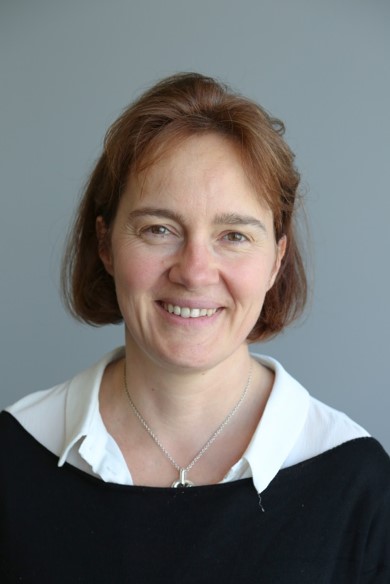 Faivre Laurence合作论文数Faculty of Medicine, University of Bourgogne;Medical Genetics Department, Hopital d'Enfants;Genetics Centre, Children's Hospital, Dijon University Hospital5Bertrand Isidor合作论文数Unité de Génétique clinique, Service de génétique médicale, Centre Hospitalier Universitaire de Nantes5Brad Angle合作论文数5
 Meena Balasubramanian合作论文数Department of Oncology and Metabolism, The Medical School, Faculty of Medicine, Dentistry & Health, The University of Sheffield5




