Pectoralis muscle mass and tissue attenuation obtained on preoperative CT scans are powerful predictors of mortality after LVAD implantation. Gastrointestinal (GI) bleeding remains a common problem on mechanical support. It is unknown whether these skeletal muscle measures, which correlate with frailty and tissue quality, are associated with the development of recurrent GI bleeding.
The Readmission Assessment Measure (RAM) was developed at Fairview Health Services in 2016 to predict the likelihood of readmission for hospitalized patients during their admission and up to 90 days post-discharge. This model incorporates age, length of stay, hospital utilization in the last 6 months, mechanism of admission (transfer, emergency room), admission diagnosis, and several other hospitalization factors and is available in real time starting on the second day of the hospitalization. While effective at predicting readmissions, it is unknown whether this score can predict mortality in patients hospitalized with heart failure.
Pectoralis muscle mass and tissue attenuation obtained on preoperative CT scans are powerful predictors of mortality after LVAD implantation. A multivariable prediction model incorporating pectoralis muscle measures was created and tested in this analysis.
ABCG2 is a membrane transport protein that effluxes growth-promoting molecules, such as folates and dihydrotestosterone, as well as chemotherapeutic agents. Therefore it is important to determine how variants of ABCG2 affect the transporter function in order to determine whether modified treatment regimens may be necessary for patients harboring ABCG2 variants. Previous studies have demonstrated an association between the ABCG2 Q141K variant and overall survival after a prostate cancer diagnosis. We report here that in patients with recurrent prostate cancer, those who carry the ABCG2 Q141K variant had a significantly shorter time to PSA recurrence post-prostatectomy than patients homozygous for wild-type ABCG2 (P=0.01). Transport studies showed that wild-type ABCG2 was able to efflux more folic acid than the Q141K variant (P<0.002), suggesting that retained tumoral folate contributes to the decreased time to PSA recurrence in the Q141K variant patients. In a seemingly conflicting study, it was previously reported that docetaxel-treated Q141K variant prostate cancer patients have a longer survival time. We found this may be due to less efficient docetaxel efflux in cells with the Q141K variant versus wild-type ABCG2. In human prostate cancer tissues, confocal microscopy revealed that all genotypes had a mixture of cytoplasmic and plasma membrane staining, with noticeably less staining in the two homozygous KK patients. In conclusion, the Q141K variant plays contrasting roles in prostate cancer: 1) by decreasing folate efflux, increased intracellular folate levels result in enhanced tumor cell proliferation and therefore time to recurrence decreases; and 2) in patients treated with docetaxel, by decreasing its efflux, intratumoral docetaxel levels and tumor cell drug sensitivity increase and therefore patient survival time increases. Taken together, these data suggest that a patient's ABCG2 genotype may be important when determining a personalized treatment plan.
Deamidation of asparaginyl residues can affect the biopotency and stability of proteins stored in solution. Conventional methods of detection are inadequate for dealing with this commonly occurring problem. The radioactive assay described in this article may enable researchers to determine storage conditions that minimize deamidation.
Background Active compression-decompression (ACD) cardiopulmonary resuscitation (CPR) has recently been demonstrated to provide significantly more blood flow to vital organs during cardiac arrest. To further enhance the effectiveness of this technique, we tested the hypothesis that intermittent impedance to inspiratory gas exchange during the decompression phase of ACD CPR enhances vital organ blood flow.Methods and Results ACD CPR was performed with a pneumatically driven automated compression-decompression device in a porcine model of ventricular fibrillation (VF). Nine pigs were randomized to receive ACD CPR alone, while 8 pigs received ACD CPR plus intermittent impedance to inspiratory gas exchange with a threshold valve set to 40 cm H2O. Results comparing 2 minutes of ACD CPR alone versus ACD CPR with the inspiratory impedance threshold valve (ITV) revealed significantly higher mean (+/-SEM) coronary perfusion pressures (diastolic aortic minus diastolic right atrial pressures) in the ITV (31.0+/-2.3 mm Hg) group versus with ACD CPR alone (21+/-3.6 mm Hg) (P<.05). Total left ventricular and cerebral blood flows, determined by radiolabeled microspheres, were 0.77+/-0.095 and 0.47+/-0.06 mL/min per gram, respectively, with ACD CPR plus the ITV versus 0.45+/-0.1 and 0.32+/-0.016 mL/min per gram, respectively, with ACD CPR alone (P<.05). Similar improvements in the ITV group were observed after 7 minutes of ACD CPR. After 16 minutes of VF and 13 minutes of ACD CPR, 6 of 8 pigs in the ITV group were successfully resuscitated with less than three successive 150-J shocks, whereas only 2 of 9 pigs with ACD CPR alone were resuscitated with equivalent energy levels (P<.02). With up to three additional and successive 200-J shocks, all pigs in the ITV group and 7 of 9 pigs with ACD CPR alone were resuscitated (P=.18).Conclusions Intermittent impedance to inspiratory flow of respiratory gases during ACD CPR significantly improves coronary perfusion pressures and vital organ blood flow and lowers defibrillation energy requirements in a porcine model of VF.
Objectives: This study was designed to assess whether a new method of cardiopulmonary resuscitation (CPR), termed active compression-decompression CPR, or ACD-CPR, improves organ perfusion when compared with standard (S) CPR in a dog model of ventricular fibrillation.Background: ACD-CPR has recently been shown to improve hemodynamic and respiratory parameters during cardiac arrest when compared with standard CPR. However, to our knowledge, the effects of ACD-CPR on tissue perfusion have not been investigated.Methods: Ventricular fibrillation was induced in eight anesthetized, intubated animals. ACD-CPR and standard CPR were each performed twice in alternating order. All interventions were preceded by 1 min of ventricular fibrillation, in which no CPR was performed, and consisted of 6 min of CPR with either technique during which tissue perfusion was measured. Compressions were performed at 80/min with a 50 percent duty cycle and 175 to 200 N downward force applied to the chest wall for both techniques. Epinephrine was administered at the beginning of each 6-min CPR interval. Hemodynamic monitoring of aortic and right atrial pressure was performed continuously and myocardial, cerebral, and renal blood flows were measured using the radiolabeled microsphere technique at baseline and during all interventions.Results: Baseline organ perfusion and hemodynamics were similar for all dogs. Baseline left ventricular, brain, and renal blood flows were 62.0 +/- 5.5, 14.1 +/- 2.1, and 476.3 +/- 55.5 ml/min/100 g, respectively (mean +/- SEM). Compared with standard CPR, ACD-CPR resulted in higher global left ventricular (22.5 +/- 6.2 vs 14.1 +/- 4.0 ml/min/100 g, p<0.01), cerebral (12.0 +/- 2.4 vs 8.5 +/- 2.3 ml/min/100 g, p<0.01), and renal cortical (27.8 +/- 5.0 vs 17.5 +/- 5.0 ml/min/100 g, p<0.05) blood flows. Regional flows to the epicardium, endocardium, and midmyocardium as well as to the frontal, parietal, and occipital lobes of the brain were all significantly improved by ACD-CPR. Aortic systolic (61.7 +/- 4.1 vs 49.5 +/- 3.1 mm Hg, p<0.01), aortic mean (31.6 +/- 2.8 vs 27.2 +/- 2.2 mm Hg, p=0.001), and myocardial perfusion pressure (12.9 +/- 3.4 vs 10.4 +/- 3.4 mm Hg, ACD-CPR vs standard CPR, p<0.01) were all higher during ACD-CPR than during standard CPR.Conclusions: We conclude that ACD-CPR improves tissue perfusion and systemic hemodynamics compared with standard CPR.
Pericardial constriction associated with the placement of intrapericardial defibrillator patches is a rare occurrence that is reported only one tenth as often in defibrillator patients as in patients undergoing other types of cardiac operations. Although this discrepancy may be attributable to a lower incidence of constriction with the defibrillator patch electrode procedure, it may also indicate a failure to recognize that progressive right heart failure and signs of low cardiac output that could be due to pericardial constriction and not progressive systolic dysfunction. Because surgical removal of the patches and decortication of the epicardial surface is the only effective therapy, it is important to recognize this uncommon, but profoundly debilitating entity.
The authors describe a patient who experienced recurrent wide-complex and narrow-complex tachycardias during exercise. Electrophysiologic testing in the resting state revealed dual atrioventricular (AV) nodal pathways. AV nodal reentrant tachycardia was inducible by ventricular premature stimulation but was always nonsustained, terminating with block in the anterograde slow pathway. During isoproterenol infusion, runs of ventricular tachycardia occurred frequently, and spontaneously initiated sustained AV nodal reentrant tachycardia. Exercise testing also provoked ventricular tachycardia and sustained AV nodal reentrant tachycardia. The patient was effectively treated with a combination of atenolol and verapamil. This case is an unusual example of a catecholamine-induced arrhythmia, possibly due to triggered activity (exercise-induced ventricular tachycardia), initiating an arrhythmia due to reentry (AV nodal reentrant tachycardia).
The problems faced by children in school are often seen as residing in either the individual or in one of the groups of which the child is a member. Rarely, in the way practitioners, theorists, and researchers describe what happens in schools, is the relationship between the two, individual and group, taken into account. After examining this dichotomy, an interpretive approach is proposed in which individuals and groups, the worlds of actions and ideas, are seen as mutually defining and constitutive.
The problems faced by children in school are often seen as residing in either the individual or in one of the groups of which the child is a member. Rarely, in the way practitioners, theorists, and researchers describe what happens in schools, is the relationship between the two, individual and group, taken into account. After examining this dichotomy, an interpretive approach is proposed in which individuals and groups, the worlds of actions and ideas, are seen as mutually defining and constitutive.
The translated sequence of aroF, the first structural gene of the tyrosine operon of Escherichia coli, has been determined. The 1068 nucleotides encode the 356 amino acids that form the subunit of the dimeric tyrosine-sensitive 3-deoxy-D-arabino-heptulosonate 7-phosphate synthase. The primary structure of this enzyme has been confirmed by automated Edman degradation of peptide fragments produced by cleavage with cyanogen bromide, limited trypsin digestion, Staphylococcus aureus strain V8 protease, or mild acid hydrolysis. The amino acid sequence of this enzyme is compared with the sequence of the phenylalanine-sensitive 3-deoxy-D-arabino-heptulosonate 7-phosphate synthase, deduced from the aroG DNA sequence (Davies, W. D., and Davidson, B. E. (1982) Nucleic Acids Res. 10, 4045-4058).
Anthropology & Education QuarterlyVolume 14, Issue 2 p. 159-166 Free Access Council on Anthropology and Education Jean J. Schensul, Jean J. Schensul President, CAESearch for more papers by this authorJeffrey Shultz, Jeffrey Shultz President-elect, CAESearch for more papers by this author Jean J. Schensul, Jean J. Schensul President, CAESearch for more papers by this authorJeffrey Shultz, Jeffrey Shultz President-elect, CAESearch for more papers by this author First published: Summer 1983 https://doi.org/10.1525/aeq.1983.14.2.05x1646hAboutPDF ToolsExport citationAdd to favoritesTrack citation ShareShare Give accessShare full text accessShare full-text accessPlease review our Terms and Conditions of Use and check box below to share full-text version of article.I have read and accept the Wiley Online Library Terms and Conditions of UseShareable LinkUse the link below to share a full-text version of this article with your friends and colleagues. Learn more.Copy URL Share a linkShare onFacebookTwitterLinked InRedditWechat Volume14, Issue2Summer 1983Pages 159-166 RelatedInformation
 Keith Lurie合作论文数Department of Emergency Medicine, University of Minnesota Twin Cities6
 Hendrik Weiner合作论文数4Coffeen P.合作论文数3Cogswell Rebecca合作论文数3
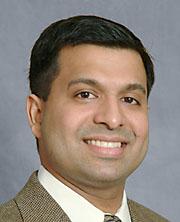 Ranjit John合作论文数Division of Cardiothoracic Surgery, Department of Surgery, Medical School, University of Minnesota3Klaus M. Herrmann合作论文数3Christopher T Martin合作论文数3J Fetter合作论文数2K Mulligan合作论文数2
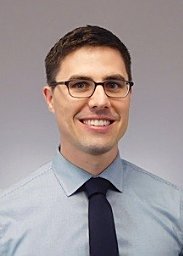 Teigen Levi合作论文数Department of Clinical Dietetics, Mayo Clinic College of Medicine2Zhou Wenhui合作论文数2
 Hartnett James合作论文数2Susan Florio-Ruane合作论文数Michigan State University;Michigan State University;Literacy Achievement Research Center2Andrew Niles合作论文数Research and Development, Promega Corporation2Scott Mcknite合作论文数2Kevin R. Kupcho合作论文数2
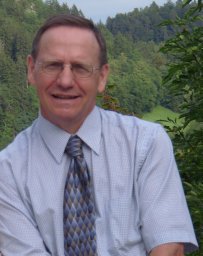 B. Detloff合作论文数2
 Carrie P Earthman合作论文数2
 Terry Riss合作论文数2Robin Hurst合作论文数2M. A. Hermodson合作论文数1Df Lazar合作论文数1MA HERMODSON合作论文数1Cw White合作论文数1Sc Remole合作论文数1Mw Chang合作论文数1R J Bache合作论文数1P Lindstrom合作论文数1A Sugiyama合作论文数1R D Myers合作论文数1S Sakaguchi合作论文数1Remole S合作论文数1
 Andrew Rhodes合作论文数St George’s University of London;St George’s Healthcare NHS Trust1
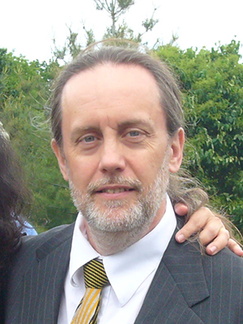 James Hodges合作论文数Division of Biostatistics, School of Public Health, University of Minnesota1Westcott J合作论文数1Akiyoshi R合作论文数1Michael J. Reiter合作论文数1David E. Mann合作论文数1
 David Benditt合作论文数Cardiovascular Division, Medical School, University of Minnesota1J. A. Suzich合作论文数1Scott H. Mcknite合作论文数1
 Stuart Adler合作论文数Cardiac Arrhythmia Center, University of Minnesota Medical School Min1Antonio Asso合作论文数1Jacob K. Frenkel合作论文数University of New Mexico;University of Kansas1Paula Marmont合作论文数1Craig C. Garner合作论文数1Forum Kamdar合作论文数Division of Cardiothoracic Surgery, University of Minnesota1
 T. Thenappan合作论文数Department of Physics, Alagappa University1Tamas Alexy合作论文数Department of Physiology;University of Southern California;School of Medicine;School of Medicine, University of Southern California1




