Human pressures are leading to the replacement of macroalgal forests by alternative opportunistic species on shallow temperate reefs. Nonetheless, the ecological consequences of habitat reconfiguration for coastal biodiversity and ecosystem functioning remain poorly quantified. By means of a field study, we compared the metabolic functioning and biodiversity of macroalgal forests dominated by the fucoid Ericaria brachycarpa at pristine sites with that of assemblages formed by a shrub-like rhodophyte (i.e., Halopithys incurva) at urban sites. Dominant macroalgae at pristine and urban sites supported similar abundance and species richness of vagile invertebrates, but macroalgal forests supported higher invertebrate biomass. Shrub-like assemblages at urban sites sustained an autotrophic metabolism with a net diel O2 production throughout the year, whereas macroalgal forests tended to be heterotrophic during warmer months. Diel fluxes of total dissolved inorganic carbon, as well as the contribution of production/respiration, were consistent with O2 fluxes, with E. brachycarpa forests functioning as a heterotrophic carbon source in summer. This could be the result of reduced photosynthetic performance of the dominant brown macroalga and/or increased community respiration in warmer seawater. Our findings suggest that benthic assemblages in urban areas, formed by large and architecturally complex macroalgae, do not markedly differ from those found in pristine areas in terms of supported biodiversity and may sustain a more stable autotrophic balance under varying environmental conditions. Avoiding further degradation of these urban habitats (i.e., shift from shrub-like to mat-like turfs) could be a viable strategy for sustaining ecosystem functioning along peri-urban and urban Mediterranean coasts.
Wintertime thunderstorms over the Eastern Mediterranean Sea exhibit relatively low flash rates but an anomalously high incidence of very intense cloud-to-ground (CG) discharges. Recent work suggests that sea-spray flux (SSF) may influence lightning via microphysical pathways, but its electrical effects in low-CAPE winter regimes remain poorly constrained. Here we investigate how SSF and sea state modulate lightning activity in the Israeli Mediterranean Exclusive Economic Zone (IMEEZ) during the winters of 2017–2024. We combine Earth Networks Total Lightning Network (ENTLN) observations with reanalysis-based winds, measured significant wave height, and parameterized SSF to quantify the dependence of CG density, polarity, and peak current on sea state and distance from the coast. Lightning density peaks in a narrow coastal zone and declines rapidly offshore, while mean peak current increases with both distance from shore and increasing SSF. Under high sea state conditions, lightning is strongly suppressed over the IMEEZ, yet the fraction of high peak-current CG discharges rises. These results support a framework in which enhanced SSF simultaneously inhibits lightning initiation and favors fewer, more intense CG discharges over the Eastern Mediterranean Sea.
In the oligotrophic Southeastern Mediterranean Sea (SEMS), it has been shown that dissolved inorganic nutrient (DIN) from fresh submarine groundwater discharge (FSGD) enhance primary production in coastal waters. In this study pH, TA and DIN of seawater and fresh water in a sea-cave in the northern part of the Israeli Mediterranean coast and a nearby contact spring, respectively, were measured during October 2018 – March 2020. The results show gradients of measured salinity, TA, pH and DIN along the cave axis year-round, suggesting that they are influenced by FSGD. The seawater near the back of the cave was supersaturated with respect to atmospheric CO2 nearly year-round and there is a strong positive divergence from its regional open-water thermal dependence, which suggests that FSGD is also a source of atmospheric CO2 in this region. Comparison of TA, salinity and pCO2 from the back of the sea cave to their corresponding values from an abrasion platform monitoring site, ca. 3 km south of the cave, suggests that FSGD is occurring along the entire shoreline in this region. Thus, despite the increased productivity due to FSGD mediated nutrient enrichment of adjacent coastal waters of the oligotrophic SEMS, they are still a source of atmospheric CO2 nearly year-round. Finally, the apparent trends of seawater acidification (ΔpH/Δt = -0.006 yr-1) and pCO2 increase (+8 ppmV yr-1) observed at the nearby monitoring site since 2013 are explained by increased groundwater recharge and resulting FSGD total alkalinity compared to dissolved inorganic carbon inputs (ΔTA/ΔDIC=1:1.2).
In 2016, the World Meteorological Organization declared that lightning is an essential climate variable. To date, global change studies have only considered the effect of warming on lightning flash frequency and the global distribution of lightning activity. Furthermore, none of these studies considered the effects of climate change on lightning flash intensity. In our previous studies we suggested based on laboratory experiments that lightning intensity over water surfaces may be influenced by their chemical properties, including salinity (S), pH and total alkalinity (TA). In this study we tested the combined effects of changes in S, TA and pH in Mediterranean Sea surface water on the intensity of laboratory generated electrical sparks, which are considered to be analogous to cloud to sea-surface intensity of lightning discharges. The range of values tested in the lab correspond to changes in S, pH and TA of Mediterranean surface water that were caused by the anthropogenic climate change, ocean acidification and damming of the Nile in the 1960s. Where, the damming of the Nile is generally accepted to have caused nearly 30% of the total salination of Mediterranean surface water until now. The experimental results were used to develop a multivariate linear model of Lightning Flash Intensity (LFI) as a function of S, TA/S, which and pH. The model was validated with wintertime (DJF) LFI measurements along a Mediterranean Sea zonal profile during the period 2009-2020 compared to corresponding climate model outputs of S, TA and pH. Based on this model, the combined effects of climate change, ocean acidification and the damming of the Nile, may have increased LFI in the Levantine Sea by 16±14% until now relative to the pre-Aswan Dam period. Furthermore, assuming that salinization and acidification of the Levantine Sea will continue at current trends, the LFI is predicted to increase by 25±13% by the year 2050.
Lightning superbolts (SBs), defined as Cloud-to-Ground strikes (CGs) with extraordinarily high peak currents (Ips), represent a rare and extreme category of lightning events (< 1% of the total lightning). This study reevaluates the global and temporal distributions of SBs using data from the Earth Networks Total Lightning Network (ENTLN) collected between 2018 and 2021. By focusing on strokes with Ip ≥ 30 kA, which constitute approximately 3.25% of all recorded events, the study analyzes their spatial distribution, diel patterns, and land-ocean ratios and reevaluates the Ip cutoff for SBs. The results indicate that CGs with Ip > 30 kA are more densely concentrated over land than oceans, with continental hotspots identified in regions such as the Andes, Lake Maracaibo, the tall grass prairies of the United States and Southeast Asia. Conversely, oceanic CGs with Ip > 30 kA are relatively evenly distributed across latitudes but exhibit localized hotspots in areas such as the Mediterranean Sea, Gulf of Mexico, Maritime Indonesia and of the western coasts of Africa and Central America. The study also finds that CGs with Ip > 50 kA exhibit a sea-to-land ratio greater than one, peaking at ~ 15 for Ip > 120 kA before declining at higher Ip thresholds. Finally, temporal analyses reveal distinct diel patterns for CGs with Ips > 30,50,100 and 200 kA over land and sea, with oceanic distributions of the total lightning closely mirroring the Carnegie Curve’s fair-weather atmospheric electric field diel variation.
Lightning is an essential climate variable that could be influenced by climate change processes. In this study, wintertime lightning data over the Mediterranean Sea (MS) during the period 2009-2019 from the World-Wide Lightning Location Network were analyzed together with corresponding observational and modeled data of solar activity, atmospheric dynamics and seawater chemistry. The results of this analysis demonstrate that solar activity is the dominant parameter that influences lightning activity over the MS. Where, wintertime lightning intensity and frequency for lightning with energy >0.5 MJ over the MS is 237 and 517 times greater during the solar maximum compared to the minimum, respectively. In contrast, lightning activity parameters have a significantly smaller dependence on climate change parameters, including convective available potential energy, seawater salinity, pH and total alkalinity. Therefore, it is highly unlikely that trends in lightning activity over the MS due to climate change will be detectable in the near future.
Previous studies, based on satellite optical data and VLF network observations, determined that lightning superbolts (SBs) that have exceptionally high peak currents occur predominantly over the oceans. Satellite measurements were categorized according to optical intensity out of which the highest 1% were categorized as SBs and occurred predominantly over the NW Pacific near the coast of Japan. In contrast, VLF measurements were categorized according to their energy, out of which the highest 0.001% of the cloud-to-ground lightning strikes (CG) were categorized as SBs and occurred predominantly over the oceans (>90%) and during the wintertime of the northern hemisphere.This study analyzed the spatial-temporal distribution of 3.8·109 CG strokes observed during 2018-2023 by the Earth Networks Total Lightning Network (ENTLN). It was determined that the proportion of high peak current (Ipeak) CG over the oceans compared to land was greater than 1 starting at PC>80 kA and no more than ~2 for PC=180-310 kA. Above 200-kA, 67% of the CG occurred over the oceans. The percent of PC>200 kA from the total CG (PC>2 kA) is ~0.3%. The percent of the total CG is 0.001% at PC~935 kA, where the sea-to-land ratio is only ~1.2. Over the annual cycle, CG with PC>200 kA was not observed at all during the months of May-September in both hemispheres, while during the rest of the year, most of the events over land occurred in the southern hemisphere at a ratio of 4.4:1 relative to the northern hemisphere, while over the oceans there was a 1:1 ratio between hemispheres. Finally, the hourly distribution of CG over land with PC>200 kA is consistent with the shape of the Carnegie curve as determined for lightning in general in previous studies. The hourly distribution over the oceans exhibits a higher number of events from midnight until 06:30 local time and is relatively constant and low throughout the daytime until 17:30 and afterward increases up to the midnight maximum frequency. These results demonstrate the small contribution of CG with PC>200 kA over the oceans to the atmospheric electric field variations in the Carnegie curve.
Sea turtles roam vast regions of the Mediterranean Sea throughout their lives, during which they accumulate mercury, primarily as a function of their tropic level, age and exposure. This study examined the spatial distribution of mercury in hatched eggshells of Loggerhead Sea turtles (Caretta caretta, n = 180) and Green Sea turtles (Chelonia mydas, n = 40) from nests along the Mediterranean coast of Israel. This was done to determine spatial trends of mercury exposure on a regional scale in nesting females, assuming that eggshell mercury levels are related to the gravid female's mercury burden. In this study, mercury levels were measured in ten hatched eggshells, sampled from 22 nests (18 Loggerhead and 14 Green Sea turtle nests) in four hatcheries along the Mediterranean coast of Israel, during the nesting seasons of 2022, and 2023. The mean mercury level in Loggerhead eggshells was significantly higher than Green Sea turtle eggshells (7.8 ± 0.5 and 1.3 ± 0.2 ng g DW-1 (mean ± standard error), respectively, Students t-test, p < 0.0001), possibly reflecting the differences in maternal trophic levels. Furthermore, mercury in Loggerhead eggshells decreased from the northern to the southern region of Israel, from 9.7 ± 0.8 ng g DW-1 (n = 100) to 5.4 ± 0.3 ng g DW-1 (n = 80), respectively. Finally, mercury levels in Loggerhead eggshells are substantially higher than previously reported values from other regions in the Mediterranean Sea and globally, suggesting that eastern Levantine female Sea turtles are more exposed to mercury pollution than other marine areas of the Mediterranean Sea and globally.
Deep-sea habitats are currently recognized as a hot spot for mercury (Hg) accumulation from anthropogenic sources, resulting in elevated concentrations of total mercury (THg) in deep-sea megafauna. Among them, deep-sea sharks (Class Chondrichthyes) are characterized by high trophic position and extended longevity and are, therefore, at high risk for mercury contamination. Despite this, sharks are overexploited by fishing activity in increasingly deeper water, worldwide, imposing health risks to human consumption. While it is imperative to better understand long-term mercury contamination in deep-sea megafauna, few historical data sets exist to capture this process. Here we explore four decades (1985-2022) of THg accumulation in five species of deep-sea sharks (G. melastomus, E. spinax, S. rostratus, C. granulosus, and D. licha) of the ultra-oligotrophic Southeastern Mediterranean Sea (SEMS) sampled during 19 research cruises. We exhibited exceptionally high THg levels (per length/weight), the highest as 16.6 μg g-1 (wet wt.), almost entirely (98.9 %; n = 298 specimens) exceeding the limit for safe consumption (0.3-0.5 μg THg g-1 wet wt.). The maximal THg levels of the long-lived species D. licha and C. granulosus in the SEMS were enriched by a factor of ∼ 7 and >10 compared to counterpart species from other oceanic areas, respectively. We attribute this to the ultra-oligotrophic conditions of the SEMS, which cause slower growth rates and dwarfism in deep-sea sharks, resulting in an extended exposure time to mercury contamination. In the long-lived species, C. granulosus and D. licha, a temporal increase of average THg levels of ∼ 80 % was recorded between 1987-1999 and 2021-2022. This likely reflects the long-term accumulation of historical anthropogenic Hg in deep-sea environments, which is further amplified in marginal seas such as the Mediterranean, impacted by global air pollution crossroads and surrounded by land-based pollution sources. Future consumption of products from deep-sea sharks is potentially high risk to human health.
Coral reefs provide ecosystem benefits to millions of people but are threatened by rapid environmental change and ever-increasing human pressures. Restoration is becoming a priority strategy for coral reef conservation, yet implementation remains challenging and it is becoming increasingly apparent that indirect conservation and restoration approaches will not ensure the long-term sustainability of coral reefs. The important role of environmental conditions in restoration practice are currently undervalued, carrying substantial implications for restoration success. Giving paramount importance to environmental conditions, particularly during the pre-restoration planning phase, has the potential to bring about considerable improvements in coral reef restoration and innovation. This Essay argues that restoration risk may be reduced by adopting an environmentally aware perspective that gives historical, contemporary, and future context to restoration decisions. Such an approach will open up new restoration opportunities with improved sustainability that have the capacity to dynamically respond to environmental trajectories.
This study explores the accumulation of total mercury (THg) in deep-sea sediments and demersal megafauna of the ultra-oligotrophic Southeastern Mediterranean Sea (SEMS) across bathymetric gradients in the range 35–1900 m, sampled in seven cruises during 2013, 2017–2021, and 2023. Measurements of THg were conducted in surficial (0.0–0.5 cm) and subsurface (9.0–10 cm) sediments, demersal sharks, demersal teleost fish, and benthic crustaceans. Sedimentary organic carbon and biota δ13C and δ15N values were determined to explore possible foraging habitats and dietary sources of THg. The results exhibit an increasing trend of THg in surficial sediments with increasing bottom depth, while in the subsurface, pre-industrial sediments, THg remains lower, slightly increasing with depth. Having no major terrestrial point sources in this area, this increasing trend of THg in surficial sediments across bathymetric gradients is controlled by atmospheric mercury deposition, scavenged by the biological pump, and by lateral transport of particulate Hg in winnowed fine particles from the shelf. Similarly, the THg in benthic crustaceans and demersal fish ranged between 0.02 and 2.71 μg g−1 wet weight (0.06 and 10.8 μg g−1 dry weight) and increased with muscle δ13C as a function of distance offshore, while presenting a low THg-δ15N bio-magnification power. Our results suggest that foraging habitats, longevity, and species-specific depth distribution control their muscle THg bioaccumulation. Despite this complexity, the pooling of THg in megafauna into specific deep zones reflected the trend of increasing anthropogenic THg across bathymetric gradients. Furthermore, many of the biota measurements exceeded safe consumption thresholds for Hg and therefore, should be considered carefully in the development and regulation of deep-sea trawling in this region.
The Levantine basin (LB) in the Southeastern Mediterranean Sea is a high-risk oil pollution hot spot owing to its dense maritime traffic and intense oil and gas exploration and exploitation activities. In February 2021 the Israeli LB shorelines were impacted by an exceptional tar pollution event (~550 tons; average distribution: ~3 kg tar m-1 front beach) of an unknown oil spill source. Here we report on the immediate numerical modelling assessment of the oil spill propagation and tar distribution; operational use of underwater gliders for tracking water column anomalies of dissolved polycyclic aromatic hydrocarbons (PAHs) and turbidity signals; the beached tar composition and amounts and the short-term response of the microbial population along the ~180 km shoreline. This pollution event emphasizes the need for improving the early warning systems for oil spills and implementing continuous operational monitoring at high-risk, ecologically sensitive and valuable resource areas like the Israeli LB waters.
Based on data obtained by the Earth Networks Total Lightning Network (ENTLN) for 5 winter seasons (DJF, 2018-2022), the flash density of lightning striking the water surface of the eastern Mediterranean Sea up to 50 km from the Israeli coastline is on average 3 strokes/km2. Out of the total lightning that strike the sea surface in the said area, about 0.05% on are superbolts with peak current > 200 kA. Cloud-to-water strikes generate thunder and underwater acoustic noise that can propagate for a few km from the strike location. While anthropogenic noises have been shown to cause negative stress responses in the marine environment and specifically in aquaculture fish cages, no stress response of cultured fish due to lightning strikes have been recorded yet. New areas in the Israeli territorial waters are allocated to fish farms. These commercial farms will be using net cages, with high fish density expecting large yields.This research aims to find out how cultured fish respond to the acoustic noises generated by lightning strikes. This hypothesis meets a growing awareness in the aquaculture field to research fish stress that, in this case, stay trapped in the water body without the ability to effectively respond and flee lightning strikes. Continual stress of cultured fish can economically adversely affect the fish farm due to high mortality rates and decreased growth rates. By monitoring sea bream (Sparus aurata) cages, with cameras and hydrophone, during winter months of years 2021-2023, we have found several cases of stress related behavior. These cases were correlated with precise lightnings data, videos of surveillance cameras pointed toward the fish farm, audio records of underwater sound and indications of abnormal fish behavior (sudden dive or direction changes). We will present results from newly developed image processing algorithm that reads underwater fish videos files and automatically finds abnormal behavior events.
Freshwater scarcity, driven by population growth and climate change, is increasingly mitigated by seawater desalination, globally. As an energy-intensive process, desalination is a substantial source of atmospheric CO2. Nevertheless, desalination may hold a potential for ocean-based atmospheric carbon removal. Here we describe, for the first time, the carbonate chemistry of desalination brines near the submerged marine outfalls of a large desalination plant, their unique CO2 buffering capacity, and potential for deep sea carbon sequestration. We show that reverse osmosis acts as a carbon concentration factory and that the high-density brine plumes could create a vector for long-term CO2 removal to the deep sea below the seasonal thermocline. At present desalination capacity, we estimate that Desalination Assisted Carbon Concentration (DACC) and Carbon Dioxide Removal (CDR) could potentially remove 3.8 Mton CO2/year globally, with a negligible contribution to ocean acidification. This mechanism partially mitigates the high carbon print associated with desalination. Synopsis: Desalination reject brines pose environmental challenges upon disposal to sea, but due to their unique properties, may become an opportunity for long-term carbon sequestration.
Despite the effects of ocean acidification (OA) on seagrasses have been widely investigated, predictions of seagrass performance under future climates need to consider multiple environmental factors. Here, we performed a mesocosm study to assess the effects of OA on shallow and deep Posidonia oceanica plants. The experiment was run in 2021 and repeated in 2022, a year characterized by a prolonged warm water event, to test how the effects of OA on plants are modulated by thermal stress. The response of P. oceanica to experimental conditions was investigated at different levels of biological organization. Under average seawater temperature, there were no effects of OA in both shallow and deep plants, indicating that P. oceanica is not limited by current inorganic carbon concentration, regardless of light availability. In contrast, under thermal stress, exposure of plants to OA increased lipid peroxidation and decreased photosynthetic performance, with deep plants displaying higher levels of heat stress, as indicated by the over-expression of stress-related genes and the activation of antioxidant systems. In addition, warming reduced plant growth, regardless of seawater CO2 and light levels, suggesting that thermal stress may play a fundamental role in the future development of seagrass meadows. Our results suggest that OA may exacerbate the negative effects of future warming on seagrasses.
The current study (2015–2016) evaluated changes in the net community calcification (NCC) and maximum nighttime CaCO 3 dissolution ( D max ) in the Nature Reserve Reef (NRR), northern Gulf of Eilat (GOE), and northern Red Sea, compared to measurements made at the same site during 2000–2002. The NCC and D max were calculated as a function of the reef‐water residence time, the difference between the open‐sea total alkalinity (TA) and its reef‐water daily average (for NCC), and its nighttime maximum (for D max ). The average NCC was 50 ± 13 and 68 ± 22 mmol C m −2 day −1 in 2000–2002 and 2015–2016, respectively. This change is consistent with the live coral cover increase in the NRR during this period, following the final removal of fish cages from the northern GOE in 2008. In contrast, wintertime D max values in 2015–2016 were five times higher on average compared to 2000–2002. We hypothesize that these higher rates could be the result of increased boring organism activity and sedimentary organic content, which developed throughout the fish farming period and are maintained by the naturally occurring seasonal eutrophication in the northern GOE. Where, in general, D max was higher during the winters, when nighttime reef water aragonite saturation ( Ω arag ) was lower, while open water chlorophyll a and nitrate were higher, compared to summertime. Thus, it is possible that the combination of seasonal eutrophication and ocean acidification (OA) in the GOE and possibly other coral reef sites around the world, may shift coral reefs to net dissolution even sooner than previously predicted from OA alone.
The divergence of total alkalinity (TA) from conservation with salinity (S) and relatively acidic conditions (pH) in surface seawater was suggested to explain the high prevalence of lightning superbolts in the Mediterranean sea, North sea and upwelling regions of the oceans. In this study we tested the combined effects of changes in S, TA and pH of Mediterranean sea surface water on the intensity of laboratory generated electrical sparks, which are considered to be analogous to cloud to sea-surface intensity of lightning discharges. The experimental results were used to develop a multivariate linear equation (MLE) of Lightning Flash Intensity (LFI) as a function of S, TA/S and pH. This relation was validated with wintertime (DJF) LFI measurements along a Mediterranean sea zonal profile during the period 2009–2020 compared to corresponding climate model outputs of S, TA and pH. Based on the resulting MLE, the combined effects of climate change, ocean acidification and the damming of the Nile, may have increased LFI in the Levantine Sea by 16 ± 14% until now relative to the pre-Aswan Dam period. Furthermore, assuming that salinization and acidification of the Levantine Sea will continue at current trends, the LFI is predicted to increase by 25 ± 13% by the year 2050.
The oceans play a major role in the earth’s climate by regulating atmospheric CO 2 . While oceanic primary productivity and organic carbon burial sequesters CO 2 from the atmosphere, precipitation of CaCO 3 in the sea returns CO 2 to the atmosphere. Abiotic CaCO 3 precipitation in the form of aragonite is potentially an important feedback mechanism for the global carbon cycle, but this process has not been fully quantified. In a sediment-trap study conducted in the southeastern Mediterranean Sea, one of the fastest warming and most oligotrophic regions in the ocean, we quantify for the first time the flux of inorganic aragonite in the water column. We show that this process is kinetically induced by the warming of surface water and prolonged stratification resulting in a high aragonite saturation state (Ω Ar ≥ 4). Based on these relations, we estimate that abiotic aragonite calcification may account for 15 ± 3% of the previously reported CO 2 efflux from the sea surface to the atmosphere in the southeastern Mediterranean. Modelled predictions of sea surface temperature and Ω Ar suggest that this process may weaken in the future ocean, resulting in increased alkalinity and buffering capacity of atmospheric CO 2 .
In this study, we examined the response of phytoplankton and heterotrophic bacteria to B-12 amendments in microcosm experiments in the coastal southeastern Mediterranean Sea (SEMS) during the summer, where ambient levels of dissolved B-12 ranged from as low as similar to 2 pmol L-1 to 60 pmol L-1 (median 5.3 pmol L-1). Additions of B-12 (20 pmol L-1) to surface seawater triggered a 4-fold increase in NO3+NO2 uptake compared to unamended seawater, resulting in proliferation of mainly pico/nano-eukaryotic phytoplankton (similar to 30%) and increase in primary and bacterial productivity (40%-50%). Complimentary experiments that tested the combined effects of nutrient (NO3 and PO4) and B-12 additions suggest that phytoplankton were primarily NO3 and B-12 co-limited, whereas heterotrophic bacteria were PO4 and B-12 co-limited. These results provide valuable information about the marine distribution of nutrient limitation in low nutrients low chlorophyll (LNLC) environments such as the SEMS, and how bacterioplankton might respond to environmental perturbations.
The relationships between the interannual variations of the Levantine intermediate water (LIW) core properties and the corresponding biochemical variations in the euphotic zone were systematically studied in the Southeastern Mediterranean during 2013–2021 and since 2002 based on a previous study. Salinity and temperature interannual fluctuations in the LIW continue to follow the Adriatic–Ionian Bimodal Oscillating System (BiOS) mechanism, with salinity and temperature peaks in the years 2008–2010, 2014–2015, and 2018–2019 coinciding with periods of anticyclonic circulation of the North Ionian Gyre (NIG). During these anticyclonic periods, the transport of Atlantic Water into the Levant is reduced together with the transport of LIW out of the basin. These interannual fluctuations are superimposed on a long-term warming trend clearly evident from previous studies, showing a maximal temperature in 2018–2019, higher than the previously mentioned temperature peaks by ~0.7°C and ~0.4°C. The enhanced warming in 2018–2019 has caused a decrease in density (sigma) values of the LIW core, which gave way to the shallowest record of this water mass (~110-m depth), bringing it well within the lower photic zone. We suggest that a higher level of nutrients became available, supporting the observed long-term rise of the intergraded chlorophyll a (Chl. a ) (0.89 mg m −2 year −1 ), with a maximum recorded during 2018–2019. The long-term record of the mixed layer depths shows no significant change; thus, the uplift of nutrients during winter mixing cannot support the trend and variations of the integrated Chl. a . Additional biological parameters of specific pico-phytoplankton populations and integrated bacterial production and abundance were measured in 2013–2021, but the measurements were too sparse to follow a clear interannual dynamics. Yet significantly higher average levels for integrated primary production and bacterial abundances were observed during the anticyclonic period (as for Chl. a ). The combined impacts of the BiOS mechanism and global warming, and hence the increase in LIW residence time and buoyancy, may impact the primary producers’ biomass at the photic zone. This latter feedback may slightly counter the enhanced oligotrophication due to enhanced stratification.
 Barak Herut合作论文数Israel Oceanographic and Limnological Research;University of Haifa18
 Boaz Lazar合作论文数The Fredy & Nadine Herrmann Institute of Earth Sciences, The Hebrew University of Jerusalem14
 Guy Sisma-Ventura合作论文数Department of Environmental Sciences and Energy Research, Weizmann Institute of Science14
 Eyal Rahav合作论文数Faculty of Life Sciences;Bar Ilan University;Faculty of Life Sciences, Bar Ilan University14
 Jonathan Erez合作论文数The Fredy & Nadin Herrman Institute of Earth Sciences, The Hebrew University of Jerusalem14
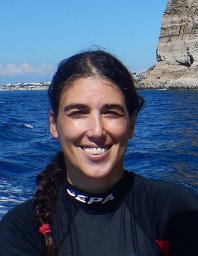 Tamar Guy-Haim合作论文数Bar-Ilan University, Bar Ilan University10
 Mustafa Asfur合作论文数Department of Geophysics and Planetary Sciences, Tel-Aviv University10
 Ken Caldeira合作论文数Sustainable Solutions Lab, Doerr School of Sustainability, Stanford University;Gates Ventures;Department of Global Ecology, Carnegie Institution for Science8
 Gil Rilov合作论文数Tel Aviv University, University of Canterbury Ramat-Aviv Tel Aviv8
 Colin Price合作论文数Department of Geophysics, Tel Aviv University7
 Nurit Kress合作论文数Israel Oceanographic and Limnological Research, National Institute of Oceanography7
 Isaac Gertman合作论文数Israeli Oceanographic and Limnological Institute5Tanya Rivlin合作论文数5Kenneth Schneider合作论文数4Or M. Bialik合作论文数4
 Rebecca Albright合作论文数Rosenstiel School of Marine and Atmospheric Science, University of Miami4
 Maxim Rubin-Blum合作论文数Israel Oceanographic & Limnological Research4Belkin Natalia合作论文数4Or Hazan合作论文数3Ofrat Raveh合作论文数3
 Tal Ozer合作论文数3
 Martina Mulas合作论文数Israel Oceanographic & Limnological Research, The National Institute of Oceanography3
 David I Kline合作论文数Scripps Inst Oceanog, Univ Calif San Diego3
 Maria Byrne合作论文数School of Life and Environmental Sciences, Faculty of Science, The University of Sydney3
 Martin Wahl合作论文数GEOMAR Helmholtz Centre for Ocean Research Kiel3Timor Katz合作论文数3T. Ozer合作论文数2Stefanie Raddatz合作论文数2Edna Shefer合作论文数2Yitzhak Jacobson合作论文数2Peleg Astrahan合作论文数2Hanoch Kashtan合作论文数2Yoram Klein合作论文数2
 Chiara Ravaglioli合作论文数CoNISMa, Università di Pisa2
 David A. Koweek合作论文数Ocean Vis Inc2
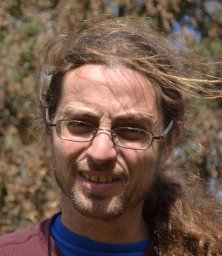 Sher Daniel合作论文数Department of Marine Biology, University of Haifa2
 Fabio Bulleri合作论文数Dipartimento di Biologia, Universita di Pisa2
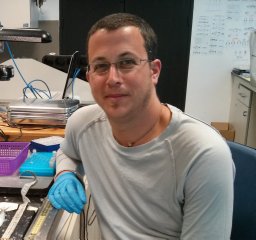 Nir Stern合作论文数Faculty of Life Science, Tel Aviv University2
 Tyler Cyronak合作论文数2
 Woolsey Erika合作论文数2Biton Eli合作论文数2Emily C. Shaw合作论文数2Efrat Shoham-Frider合作论文数2Micha Y. Shamir合作论文数2E. Biton合作论文数2
) Long Cao (曹龙)合作论文数School of Earth Sciences, Zhejiang University2Aya Schneider-Mor合作论文数2
Long Cao (曹龙)合作论文数School of Earth Sciences, Zhejiang University2Aya Schneider-Mor合作论文数2 Hampus Eriksson合作论文数Uppsala University2Moti Klein合作论文数2




