A ~fivefold decrease in the atmospheric concentration of CO2 took place during the Cenozoic. This has often been viewed within the context of silicate weathering changes, although the specific contributions of the potential drivers remain poorly understood. Indeed, it has been alternatively argued that changes in the sea floor spreading rate contributed to the Cenozoic pCO2 decline, although the magnitude of the decrease means that this is unlikely to account for the entirety of the pCO2 change. One previously overlooked factor is the concomitant change in the major element composition of seawater, especially the concentration of calcium ([Ca2+sw]), which is typically viewed as responding to processes such as weathering, rather than representing a driver in and of itself. Here, we present the first detailed record of the Cenozoic major ion chemistry of seawater and show that [Ca2+sw] has the potential to control key processes that impact the carbon cycle. Although our record cannot determine whether CO2 is causally driven by [Ca2+sw], carbon cycle box modeling identifies that this may have been the case. Whether or not [Ca2+sw] indeed directly drove pCO2 during the Cenozoic principally depends on the strength of the silicate weathering feedback and the magnitude of any possible changes in organic carbon burial, both of which could overwhelm a [Ca2+sw]-driven impact on the carbon cycle. As such, determining the sensitivity of the weathering-climate relationship on million-year timescales is key to resolving whether factors such as seawater major ion composition are important carbon cycle drivers.
Giant clams such as Tridacna are exceptionally well suited for studying past environmental changes on daily to multidecadal timescales. The visible growth bands in their shells, which can be yearly, seasonal or even daily, are accompanied by changes in the elemental composition of the shell and provide insights into their growth and environmental history. The daily elemental cycles, particularly in Mg/Ca and Sr/Ca, can be used to determine age and growth rates. However, the mechanisms creating the visible day and night banding and the associated elemental cycles, remain unclear. To better understand the mechanisms of El/Ca incorporation into the shells of Tridacna during day and night growth, we performed controlled growth experiments using 135Ba-labelled seawater. The isotope spike was alternatingly applied in 12 h intervals in order to individually and unequivocally mark day and night growth segments in Tridacna. These experiments show that Tridacna calcification rates are nearly five times higher during the day than at night. In addition, based on the observed changes in shell composition we deduce that the bivalve's extrapallial fluid (EPF) reacts to changes in seawater chemistry within tens of minutes, both during day and night. A full compositional replenishment is achieved after approximately 1 d, assuming a similar residence time for all elements. During daytime, El/Ca (for El = B, Mg, Sr, Ba) decrease, while Na/Ca increases. The opposite behaviour occurs at night. The night peak in El/Ca occurs in the earliest morning, shortly before the change between spiked and non-spiked water at 07:30 UTC+2. Daily El/Ca cycles are likely dominantly driven by variations in active Ca2+ and HCO3- transport into the EPF, influenced by light availability, circadian rhythms and/or energy availability (from both photosymbionts and filter feeding), rather than a closed-system Rayleigh fractionation process driven by contrasting El-distribution coefficients alone. We propose that active Ca2+ and HCO3- pumping into the EPF might also drive diurnal changes of growth rate, shell structure and possibly organic content.
Abstract Clumped isotope (∆47) analyses of foraminifera provide a powerful means to reconstruct upper and bottom water temperatures, independent of seawater δ18O and elemental composition. We show statistically significant disequilibrium in the dual (∆47-∆48) clumped isotope composition of some large benthic foraminifera, while other large benthic foraminifera plot within analytical uncertainty of ∆47–∆48 equilibrium. This deviation suggests the influence of reaction kinetics, such as kinetic effects during CO2 absorption or a combination of ion attachment/detachment effects at the solution-crystal interface and slight DIC disequilibrium. Measured core-top, planktic and deep-sea benthic foraminifera plot within the 95% confidence level of empirical ∆47-∆48 equilibrium, although additional measurements are required to confidently exclude kinetic ∆47-∆48 bias. Dual clumped isotope measurements of large benthic foraminifera from the Eocene of the Paris and Hampshire basins that conform with ∆47-∆48 equilibrium (95% confidence level) further support existing evidence for surface ocean temperatures ~12–17 °C warmer than today.
The incorporation of trace and minor elements into coral skeletons and the underlying chemical and biological processes that govern them, are highly relevant for understanding coral biomineralization and for accurate reconstructions of past ocean conditions. In the present experimental study, that follows our previous publications (Ram and Erez, 2021, 2023), we determined the partition of six cations (Li, Na, Mg, K, Sr and Ba) into corals skeletons by culturing nine hermatypic coral species in seawater with four different calcium concentrations (similar to 10,15, 20 and 25 mM). The cation to Ca ratios in the skeletons correlated linearly with their ratios in seawater, revealing consistent and species-specific partition coefficients (D-Coral). Consistent with our previous work, we find that the partition coefficients for Li, Mg, Na, and K were significantly lower than one but higher than the inorganic values (D-Inorg), while for Sr and Ba, D-Coral were higher than one but lower than D-Inorg values. In addition, D-Coral for the elements with D-El < 1, showed significant inter-species systematic order, with the highest D-Coral for A. lamarcki, corresponding to its highest calcification rates, whereas P. damicornis showed the lowest D-Coral values, consistent with its lowest calcification rates. The opposite systematic trend was observed for the elements with D-El > 1. We attribute these systematic relationships between elemental partitioning and calcification rates to species-specific physiological control, indicating precipitation of the skeleton from a semi-closed seawater reservoir. The modified seawater that comprises this extracellular calcifying fluid follows Rayleigh distillation with respect to all the measured trace and minor elements. The level of Ca utilization (1-f) and the degree of isolation of the calcifying fluid from external seawater, control the efficiency and rate of the calcification. Given the consistent D-Coral values observed across all Ca treatments (for all elements and all coral species) we conclude that kinetic effects on the partition coefficients were unlikely. The deviations from D-Inorg values (the so-called "vital effect") are governed by the physiology of the calcification process, involving mainly pH and DIC elevation in the ECF that is well known for corals. In addition, the present study provides a strong basis for utilizing multi-elemental proxies in fossil corals for reconstructing past ocean chemistry and climate changes during the Cenozoic era and possibly beyond, well into the Mesozoic.
The sodium-to-calcium ratio (Na/Ca) of biogenic CaCO3 has recently been introduced as a proxy for past seawater Ca2+ concentrations ([Ca2+ Na/Ca with a minor influence of salinity. In the present study, we investigate the effect of carbonate chemistry on the Na/Ca proxy by conducting a set of experiments in which pH and the concentration of dissolved inorganic carbon (DIC) were independently varied. In addition to Na+, the incorporation of Li+, Mg2+, and Sr2+ into the shells of the large benthic high-Mg calcitic foraminifer Operculina ammonoides was assessed by culturing under constant DIC ( 2170 mu mol kg- 1) with varying pH (7.5-8.4 NBS scale), and under varying DIC (830-2470 mu mol kg- 1) with constant pH ( 7.9). Foraminiferal growth rate correlates linearly with calcite saturation state (ohm) of the experimental seawater (SW). The lowest pH and DIC experiments were characterized by low population growth rates, and some of these specimens died and their shells partially dissolved. Na/Cashell and Li/Cashell in O. ammonoides are positively correlated with SW [CO32-] and Omega, whereas Sr/Cashell and Mg/Cashell are much less sensitive to these parameters. The relative sensitivity of Na/Cashell to Omega in O. ammonoides is 4 % per Omega unit. However, given that past changes in surface water ohm were probably small relative to changes in [Ca2+ sw] the correction for this secondary effect over the Cenozoic is likely to be small. Therefore, we conclude that the sensitivity of O. ammonoides Na/Ca to the carbonate system is unlikely to compromise the use of this proxy to reconstruct past [Ca2+sw]. In the case of the low-Mg planktic and benthic foraminifera, a data compilation exercise indicates that no resolvable carbonate chemistry effect exists on Na/Ca. Thus, the Na/Ca proxy in benthic nummulitid and planktic foraminifera can be utilized for past [Ca2+ constructions. Furthermore, coupling this information with the distribution coefficients of other elemental and isotopic systems (e.g., Li+, Sr2+, Mg2+, K+, B, delta 11B) may allow the reconstruction of wider aspects of past ocean chemistry. Finally, comparison of trace and minor element incorporation into low and high-Mg foraminiferal species, coccolithophores, inorganic calcite, and amorphous CaCO3 (ACC), we propose a modified biomineralization model for hyaline foraminifera centered on SW vacuolization. Foraminiferal data can be explained by a biomineralization process in which high-Mg species utilize a precursor phase (ACC) to produce high-Mg calcite whereas low-Mg species actively remove Mg2+ from the site of calcification.
The boron isotope palaeo-pH/CO2 proxy is one of the key quantitative tools available to reconstruct past changes in the concentration of CO2 in the atmosphere. In particular, marine calcifying organisms have been shown to be useful archives of this proxy, enabling quantitative variations in pH/CO2 to be reconstructed throughout the Cenozoic. In order to provide an alternative proxy archive to the widely used planktonic foraminifera, we investigated the symbiont-bearing, high-Mg, shallow-dwelling, tropical large benthic foraminifera (LBF) species Operculina ammonoides and present a calibration of the relationship between the shell boron isotopic composition and seawater pH. We investigated specimens collected from both several reefs as well as grown in laboratory culture experiments in which pH and DIC were decoupled from each other, measuring newly-formed chambers using laser-ablation as a sample introduction technique. Based on our laboratory culture samples, the resulting linear relationship between the in situ boron isotopic composition of aqueous borate ion (B(OH)4−) and the shells of O. ammonoides is characterised by a gradient of 0.38-0.10+0.12. In contrast, the boron isotopic composition of the field collected samples displays a near 1:1 relationship with B(OH)4−. We suggest that the shallow slope of the laboratory culture regression is the result of the difference between their micro-environment carbonate chemistry and that of the surrounding seawater driven by a pH dependence of the relative rates of calcification and photosynthesis. Based on a model of the effect of these processes on the diffusive boundary layer, we show that this effect is expected in laboratory culture experiments free from micro-turbulence, but not in the foraminifer’s natural environment. As such, we demonstrate the utility of these organisms as proxy archive, while also highlighting how laboratory experimental design has the potential to drive important changes in the micro-environment and resulting shell chemistry of organisms of this size. Given that the genus Operculina originated in the late Palaeocene, this work paves the way towards deep-time palaeo-pH/CO2 reconstructions using foraminifer species which have a very closely related modern representative.
Calcium carbonate precipitation in the ocean is a major process of the global carbon cycle controlling atmospheric CO2 and climate. Almost all the CaCO3 precipitation in the today’s ocean is biological and most organisms that calcify in the ocean bring seawater directly into their privileged space where skeletal precipitation of CaCO3 occurs. The only significant exception to these observations (to the best of our knowledge) are the photosynthetic coccolithophores that transport calcium and bicarbonate ions and calcify intracellularly, also referred to as the transmembrane transport model. All other calcifying invertebrates that were examined: foraminifera, corals, echinoderms, mollusks, sponges and other minor groups, regardless of their mineralogy, precipitate their skeleton directly from seawater. These organisms bring bulk seawater directly to their calcification site with slight modifications to form their calcifying fluid. Seawater contains high concentration of Ca2+ (>10 mM) and considerable concentration of dissolved inorganic carbon (DIC, 2 mM) and is supersaturated for both calcite and aragonite. The seawater calcifying fluid hypothesis is supported by different lines of evidence: 1. The most obvious one is the incorporation of membrane-impermeable fluorescent dyes (calcein and FITC-Dextran) into the skeletons of all these organisms. 2. The skeletons of these marine organisms contain most of the major, minor and trace elements found in seawater including their stable isotopes, with only slight deviations compared to inorganic precipitation of CaCO3 from seawater. 3. Direct in vivo microscopic observations at the calcifying site of corals, foraminifera and echinoderms using cell impermeable fluorescent dyes that show the presence of seawater at the calcification sites. Furthermore, pulse-chase experiments with calcein in these organisms demonstrate the dynamics of seawater supply for calcification is fast enough to support the observed calcification rates (corals and foraminifera). Calcification in marine organisms that transport seawater have excess Ca2+ over CO32- and hence the main modifications of the calcifying seawater are pH and DIC elevation. This is achieved by continuous alkalinity transport into the calcifying seawater in exchange for protons followed by CO2 diffusion into the alkaline calcifying fluid thus building an internal carbon pool. The transporters responsible for the alkalinity increase are most likely Na and K ATPases, while other trace elements (e.g. Li) are leaking through these transporters. Recent experimental studies on the partition of elements in coral and foraminifera skeletons under variable Ca2+ concentrations show clear Rayleigh distillation behavior with increased CO32- concentrations that support the seawater model as opposed to the trans-membrane alternative. Our model explains well why foraminifera and corals are excellent archives for reconstructing past seawater chemistry, improve the reliability of existing proxies and introduce new ones.
The elemental composition of coral skeletons provides important information for palaeoceanographic reconstructions and coral biomineralization. Partition of anions and their stable isotopes in coral skeleton enables the reconstruction of past seawater carbonate chemistry, paleo-CO2, and past climates. Here, we investigated the partition of B, S, As, Br, I, and Mo into the skeletons of two corals, Acropora cervicornis and Pocillopora damicornis, as a function of calcium and carbonate concentrations.* Anion-to-calcium ratio in the corals (An/CaCoral) were correlated with the equivalent ratios in the culturing seawater (An/CO32-SW). Negative intercepts of these relationships suggest a higher CO32- concentration in the coral extracellular calcifying fluid (ECF) relative to seawater, from which the skeleton precipitates. The enrichment factor of CO32- at the ECF was 2.5 for A. cervicornis and 1.9 for P. damicornis, consistent with their relative calcification rates. The CO32-ECF concentrations thus calculated are similar to those proposed by previous studies based on B/Ca coupled with δ11B, as well as by direct measurements using microsensors and fluorescent dyes. Rayleigh fractionation modeling demonstrates a uniform Ca utilization at various CaSW concentrations, providing further evidence that coral calcification occurs directly from a semiclosed seawater reservoir as reported previously. The partition coefficients reported in this study for B, S, As, Br, I, and Mo open up wide possibilities for past ocean chemistry reconstructions based on Br having long residence time (~160 Ma) in the ocean. Other elements like S, Mo, B, as well as pCO2 may also be calculated based on these elements in fossil coral.
The current study (2015–2016) evaluated changes in the net community calcification (NCC) and maximum nighttime CaCO 3 dissolution ( D max ) in the Nature Reserve Reef (NRR), northern Gulf of Eilat (GOE), and northern Red Sea, compared to measurements made at the same site during 2000–2002. The NCC and D max were calculated as a function of the reef‐water residence time, the difference between the open‐sea total alkalinity (TA) and its reef‐water daily average (for NCC), and its nighttime maximum (for D max ). The average NCC was 50 ± 13 and 68 ± 22 mmol C m −2 day −1 in 2000–2002 and 2015–2016, respectively. This change is consistent with the live coral cover increase in the NRR during this period, following the final removal of fish cages from the northern GOE in 2008. In contrast, wintertime D max values in 2015–2016 were five times higher on average compared to 2000–2002. We hypothesize that these higher rates could be the result of increased boring organism activity and sedimentary organic content, which developed throughout the fish farming period and are maintained by the naturally occurring seasonal eutrophication in the northern GOE. Where, in general, D max was higher during the winters, when nighttime reef water aragonite saturation ( Ω arag ) was lower, while open water chlorophyll a and nitrate were higher, compared to summertime. Thus, it is possible that the combination of seasonal eutrophication and ocean acidification (OA) in the GOE and possibly other coral reef sites around the world, may shift coral reefs to net dissolution even sooner than previously predicted from OA alone.
Seawater chemistry exerts an important control on the incorporation of trace elements into the shells of marine calcifying organisms. Variability in the major ion chemistry of seawater is a tracer of past geological processes, and the influence of seawater chemistry on trace element incorporation in calcium carbonate can be harnessed to determine changes in the composition of seawater through time. Here, we investigate whether key oceanographic parameters (temperature, salinity, and the carbonate system) affect the incorporation of potassium (K) into foraminiferal calcite, and explore the utility of K/Ca ratios in foraminifera as an indicator of past variability in the seawater Ca2+ concentration. We analysed both low-Mg and high-Mg modern foraminifera, including planktonic (Globigerinoides ruber) and shallow-dwelling larger benthic (Operculina ammonoides) species, using laser-ablation sector-field inductively-coupled plasma mass spectrometry (LA-SF-ICPMS). Both species show no resolvable influence of temperature, salinity, pH, or [CO32−] on K incorporation across the range that these vary at our samples sites. In order to determine the effect of the seawater Ca concentration ([Ca2+]sw) on K incorporation, we analysed laboratory-cultured O. ammonoides, the close living relative of the abundant Eocene Nummulites, grown at four different [Ca2+]sw. We find a significant relationship between seawater and shell K/Ca, albeit with a shallower slope compared to most other trace elements which we suggest is driven by a crystal growth rate effect on K incorporation, constrained using culture experiments of O. ammonoides grown at different pH. If the K+ concentration has remained relatively constant throughout the Phanerozoic Eon, our data may pave the way forward for the use of K/Ca as a direct proxy for past [Ca2+]sw variability. Alternatively, coupling K/Ca with the similar Na/Ca proxy would allow more accurate reconstruction of [Ca2+]sw or verification of whether [K+]sw and [Na+]sw have indeed remained within narrow bounds.
<p>The drawdown of CO<sub>2</sub> via the temperature-dependent weathering of silicate minerals is thought to be one of the key processes acting to maintain Earth&#8217;s climate within narrow bounds over geologic time. However, the climatic responsiveness of weathering on multi-million-year timescales is, to our knowledge, yet to be demonstrated. If other factors dominate climate regulation on geologic timsecales, previously unexplored factors may be important in driving long-term carbon cycle changes. Here, we present the first continuous Cenozoic record of the concentration of calcium in seawater ([Ca<sup>2+</sup><sub>sw</sub>]). Our record is based on the Na/Ca of exceptionally well-preserved foraminiferal calcite, a methodology which leverages the extremely long seawater Na<sup>+</sup> residence time (>40 Myr) to interpret such changes predominantly in terms of [Ca<sup>2+</sup><sub>sw</sub>] fluctuation. We show that a 12 mM decrease in [Ca<sup>2+</sup><sub>sw</sub>] occurred over the last ~50 Ma, with a close correspondence to the timing of atmospheric CO<sub>2</sub> changes, potentially implying a common driver. Using a carbon cycle box model, we demonstrate that, if the relationship between silicate weathering is shallower than commonly assumed, then this change in [Ca<sup>2+</sup><sub>sw</sub>] can mechanistically explain the majority of the Cenozoic CO<sub>2</sub> decrease, via the effect that Ca<sup>2+</sup> has on CaCO<sub>3</sub> burial rates. Given the recently identified major change in the global sea floor spreading rate, this finding shifts the key driver of long-term climate from the terrestrial to marine realm. Conversely, if there is a steep relationship between silicate weathering and climate, the climatic responsiveness of weathering is such that the system would rebalance before [Ca<sup>2+</sup><sub>sw</sub>] can drive a major CO<sub>2</sub> change. Our results therefore highlight the need to determine whether silicate weathering is responsive to climate change on geologic timescales before the long-term drivers of CO<sub>2</sub> can be determined.</p>
Calcium carbonate (CaCO3) biomineralizing organisms have played major roles in the history of life and the global carbon cycle during the past 541 Ma. Both marine diversification and mass extinctions reflect physiological responses to environmental changes through time. An integrated understanding of carbonate biomineralization is necessary to illuminate this evolutionary record and to understand how modern organisms will respond to 21st century global change. Biomineralization evolved independently but convergently across phyla, suggesting a unity of mechanism that transcends biological differences. In this review, we combine CaCO3 skeleton formation mechanisms with constraints from evolutionary history, omics, and a meta-analysis of isotopic data to develop a plausible model for CaCO3 biomineralization applicable to all phyla. The model provides a framework for understanding the environmental sensitivity of marine calcifiers, past mass extinctions, and resilience in 21st century acidifying oceans. Thus, it frames questions about the past, present, and future of CaCO3 biomineralizing organisms.
The ratio of sodium to calcium in the shells of foraminifera (Na/Ca shell ) has been experimentally calibrated as a proxy for past ocean Ca concentrations (Hauzer et al., 2018, https://doi.org/10.1016/j.epsl.2018.06.004 ). In parallel, it has been suggested that Na/Ca shell could be used as a proxy for paleo‐salinity. In this study, we determined the extent to which foraminiferal Na/Ca (and other elements) change with salinity for the shallow‐dwelling large benthic foraminifer Operculina ammonoides , an extant relative of the abundant Eocene Nummulites . The culture experiment was conducted under four salinities between 33 and 43 psu. Shell chemistry was measured by LA‐ICPMS with the newly precipitated CaCO 3 identified by a 135 Ba‐spike added to the experimental seawater. Na/Ca shell , Mg/Ca shell and Li/Ca shell in O. ammonoides increased slightly with salinity, while Sr/Ca shell showed no resolvable change. The change in Na/Ca shell due to salinity was small (∼1.4%/psu) compared to the changes in this ratio caused by varying seawater calcium concentrations (Ca sw ) with a sensitivity of ∼5%/(mmol kg −1 ) Ca sw . Moreover, the change in salinity in most regions of the past open oceans is minor compared to the large secular variations in Ca sw during the Phanerozoic (10–40 mmol kg −1 ). Thus, if at all, paleo‐salinity may be reconstructed based on Na/Ca shell only for samples younger than Ca sw residence time (∼1 Myr). Furthermore, both regional and global changes in ocean salinity over geological time do not pose a significant complication for the use of Na/Ca shell as a proxy for past changes in seawater calcium concentrations.
The alkalinity of seawater sets the overall capacity of the ocean to hold carbon dioxide in dissolved forms. Variations in past alkalinity, related to changing weathering or carbonate compensation, may have played an important role in moderating or controlling past variations of atmospheric pCO2. Future manipulation of ocean alkalinity by direct addition of suitable chemicals to seawater, or through enhanced weathering on land, has also been suggested as one possible route to intentionally draw CO2 from the modern atmosphere and mitigate the impacts of future climate change [1]. Although we know an increasing amount about how biological species and ecosystems respond to changes in pH, we know much less about their response to changes in alkalinity. Calcifying plankton play a crucial role in modulating the surface ocean carbonate system and its buffering of alkalinity perturbations [2]. Here we investigate the growth and calcification response of both coccolithophores and foraminifera to elevated ocean alkalinity and potential CO2 limitation [3] through a series of carefully designed batch culture laboratory experiments. Alkalinity is raised by two different methods during the experiments: by (i) addition of NaHCO3 and (ii) addition of Na2CO3 and CaCl2. The reason for two differing elevated alkalinity treatments is that they allow us to constrain how physiology and calcification respond to two different modes of alkalinity manipulation; both of which provide simple laboratory analogues for probable real-world scenarios. I will present results from experiments with two species of coccolithophores: Emiliania huxleyi and Coccolithus braarudii, as well as two species of planktonic foraminifera: Gloigerinoides ruber and Globigerinella siphonifera. We have found that the main bloom-forming coccolithophore, Emiliania huxleyi, may increase its calcification and growth rate in response to enhanced alkalinity up to Total Alkalinity (TA) = 4000µmol/kg. Whereas Coccolithus braarudii, a much larger and relatively less abundant coccolithophore, shows only a hint of increased calcification in enhanced alkalinity, with negligible changes in growth rate in enhanced alkalinity up to a threshold of Total Alkalinity (TA) = 3500µmol/kg. However, at TA = 4000µmol/kg, C. braarudii’s growth is significantly suppressed/delayed compared to control conditions. In contrast, planktonic foraminifera’s gametogenic success rate alters with enhanced alkalinity, and they may live longer in enhanced alkalinity before undergoing gametogenesis, but with no concurrent measurable increase in calcification. These results from two major groups of calcifiers have implications for future experiments on biotic response to ocean alkalinity enhancement (OAE) schemes, as well as implications for the design implementation of OAE schemes. [1] Renforth, P., Henderson, G., 2017. Assessing ocean alkalinity for carbon sequestration. Rev. Geophys. [2] Boudreau, B.P., Middelburg, J.J., Luo, Y., 2018. The role of calcification in carbonate compensation. Nat. Geosci. 11, 894. [3] Bach, L. T., Gill, S. J., Rickaby, R. E. M., Gore, S., Renforth, P., 2019. CO2 Removal With Enhanced Weathering and Ocean Alkalinity Enhancement: Potential Risks and Co-Benefits for Marine Pelagic Ecosystems. Frontiers in Climate 1.
 Boaz Lazar合作论文数The Fredy & Nadine Herrmann Institute of Earth Sciences, The Hebrew University of Jerusalem27
 David Evans合作论文数Department of Geography, Durham University20
 Anton Eisenhauer合作论文数19
 Hagar Hauzer合作论文数15
 Jacob Silverman合作论文数Institute of Earth Sciences, Hebrew University of Jerusalem14
 Wolfgang Muller合作论文数12
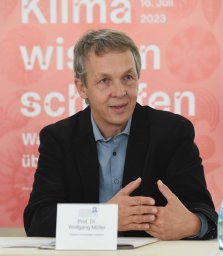 Wolfgang Müller合作论文数Department of Earth Sciences, Royal Holloway University of London12
 Yair Rosenthal合作论文数Department of Marine and Coastal Sciences, School of Environmental and Biological Sciences, Rutgers University12
 Shmuel Bentov合作论文数Department of Life Sciences;National Institute for Biotechnology;Department of Biotechnology Engineering;Department of Biotechnology Engineering, National Institute for Biotechnology11
 Florian Bohm合作论文数11Isabelle Taubner合作论文数10
 Jess F. Adkins合作论文数Division of Geological and Planetary Sciences, California Institute of Technology9
 Laura Jane Cotton合作论文数Natural History Museum of Denmark, Exercise and Sports, Faculty of Science, University of Copenhagen8
 Claire Rollion-Bard合作论文数CRPG-CNRS BP 20 158Basak Kisakurek合作论文数7
 Willem Renema合作论文数Nationaal Natuurhistorisch Museum7b ter kuile合作论文数6
 Romi Nambiar合作论文数Phys Res Lab, Ahmadabad, Gujarat, India6
 Ken Caldeira合作论文数Sustainable Solutions Lab, Doerr School of Sustainability, Stanford University;Gates Ventures;Department of Global Ecology, Carnegie Institution for Science6
 William M. Berelson (William Berelson)合作论文数Department of Earth Sciences, University of Southern California6
 Zvy Dubinsky合作论文数The Mina & Everard Goodman Faculty of Life Sciences, Bar-Ilan University6
 Jan Fietzke合作论文数IFM-GEOMAR Dienstgebäude Ostufer, Biogeochemie Leibniz-Institut für Meereswissenschaften6itay cohen合作论文数5
 Nick Rollins合作论文数5
 Zvi Steiner合作论文数The Fredy and Nadine Herrmann Institute of Earth Sciences, The Hebrew University;The Interuniversity Institute for Marine Sciences;The Hebrew University, The Interuniversity Institute for Marine Sciences5
 Rae J W B合作论文数California Institute of Technology, University of St Andrews5
 Michael James Henehan合作论文数University of Southampton, Yale University5Susumu Honjo合作论文数5Ahuva Almogi-Labin合作论文数Geological Survey of Israel5
 Adam V. Subhas合作论文数California Institute of Technology5F. Boehm合作论文数4B. Kisakuerek合作论文数4a lagziel合作论文数4Sharon Ram合作论文数4Kenneth Schneider合作论文数4Adam Levi合作论文数4
 Xiaoli Zhou (周晓理)合作论文数School of Ocean and Earth Science, Tongji University4Hagit P. Affek合作论文数Department of Environmental;Sciences and Energy Research;Weizmann Institute of Science;Department of Environmental|Sciences and Energy Research, Weizmann Institute of Science4
 Alexander C. Gagnon合作论文数Division of Geological and Planetary Sciences, California Institute of Technology4
 Meir Abelson合作论文数4
 Ilana Berman-Frank合作论文数The Mina and Everard Goodman Faculty of Life Sciences, Bar-Ilan University4
 Dieter Garbe-Schonberg合作论文数INSTITUTE FOR GEOSCIENCES4
 Adrian A. Finch合作论文数School of Geography and Geosciences, University of St. Andrews4
 Nicola Allison合作论文数Centre for Advanced Materials and School of Geography and Geosciences, University of St Andrews4D. Garbe-Schoenberg合作论文数3
 Douglas Coenen合作论文数3Yael Levenson合作论文数Institute of Earth Sciences, The Hebrew University of Jerusalem3
 William R. Gray合作论文数School of Earth and Environmental Sciences, University of St Andrews3
 Shai Oron合作论文数Leon Charney School of Marine Sciences, University of Haifa3




