BACKGROUND:Digital health programs provide individualized support to patients with chronic diseases and their effectiveness is measured by the extent to which patients achieve target individual clinical outcomes and the program's ability to sustain patient engagement. However, patient dropout and inequitable intervention delivery strategies, which may unintentionally penalize certain patient subgroups, represent challenges to maximizing effectiveness. Therefore, methodologies that optimize the balance between success factors (achievement of target clinical outcomes and sustained engagement) equitably would be desirable, particularly when there are resource constraints. OBJECTIVE:Our objectives were to propose a model for digital health program resource management that accounts jointly for the interaction between individual clinical outcomes and patient engagement, ensures equitable allocation as well as allows for capacity planning, and conducts extensive simulations using publicly available data on type 2 diabetes, a chronic disease. METHODS:We propose a restless multiarmed bandit (RMAB) model to plan interventions that jointly optimize long-term engagement and individual clinical outcomes (in this case measured as the achievement of target healthy glucose levels). To mitigate the tendency of RMAB to achieve good aggregate performance by exacerbating disparities between groups, we propose new equitable objectives for RMAB and apply bilevel optimization algorithms to solve them. We formulated a model for the joint evolution of patient engagement and individual clinical outcome trajectory to capture the key dynamics of interest in digital chronic disease management programs. RESULTS:In simulation exercises, our optimized intervention policies lead to up to 10% more patients reaching healthy glucose levels after 12 months, with a 10% reduction in dropout compared to standard-of-care baselines. Further, our new equitable policies reduce the mean absolute difference of engagement and health outcomes across 6 demographic groups by up to 85% compared to the state-of-the-art. CONCLUSIONS:Planning digital health interventions with individual clinical outcome objectives and long-term engagement dynamics as considerations can be both feasible and effective. We propose using an RMAB sequential decision-making framework, which may offer additional capabilities in capacity planning as well. The integration of an equitable RMAB algorithm further enhances the potential for reaching equitable solutions. This approach provides program designers with the flexibility to switch between different priorities and balance trade-offs across various objectives according to their preferences.
Restless multi-armed bandits (RMABs) are an important model to optimize allocation of limited resources in sequential decision-making settings. Typical RMABs assume the budget --- the number of arms pulled --- to be fixed for each step in the planning horizon. However, for realistic real-world planning, resources are not necessarily limited at each planning step; we may be able to distribute surplus resources in one round to an earlier or later round. In real-world planning settings, this flexibility in budget is often constrained to within a subset of consecutive planning steps, e.g., weekly planning of a monthly budget. In this paper we define a general class of RMABs with flexible budget, which we term F-RMABs, and provide an algorithm to optimally solve for them. We derive a min-max formulation to find optimal policies for F-RMABs and leverage gradient primal-dual algorithms to solve for reward-maximizing policies with flexible budgets. We introduce a scheme to sample expected gradients to apply primal-dual algorithms to the F-RMAB setting and make an otherwise computationally expensive approach tractable. Additionally, we provide heuristics that trade off solution quality for efficiency and present experimental comparisons of different F-RMAB solution approaches.
In 2020, maternal mortality in India was estimated to be as high as 130 deaths per 100K live births, nearly twice the UN's target. To improve health outcomes, the non-profit ARMMAN sends automated voice messages to expecting and new mothers across India. However, 38% of mothers stop listening to these calls, missing critical preventative care information. To improve engagement, ARMMAN employs health workers to intervene by making service calls, but workers can only call a fraction of the 100K enrolled mothers. Partnering with ARMMAN, we model the problem of allocating limited interventions across mothers as a restless multi-armed bandit (RMAB), where the realities of large scale and model uncertainty present key new technical challenges. We address these with GROUPS, a double oracle–based algorithm for robust planning in RMABs with scalable grouped arms. Robustness over grouped arms requires several methodological advances. First, to adversarially select stochastic group dynamics, we develop a new method to optimize Whittle indices over transition probability intervals. Second, to learn group-level RMAB policy best responses to these adversarial environments, we introduce a weighted index heuristic. Third, we prove a key theoretical result that planning over grouped arms achieves the same minimax regret--optimal strategy as planning over individual arms, under a technical condition. Finally, using real-world data from ARMMAN, we show that GROUPS produces robust policies that reduce minimax regret by up to 50%, halving the number of preventable missed voice messages to connect more mothers with life-saving maternal health information.
The success of many healthcare programs depends on participants' adherence. We consider the problem of scheduling interventions in low resource settings (e.g., placing timely support calls from health workers) to increase adherence and/or engagement. Past works have successfully developed several classes of Restless Multi-armed Bandit (RMAB) based solutions for this problem. Nevertheless, all past RMAB approaches assume that the participants' behaviour follows the Markov property. We demonstrate significant deviations from the Markov assumption on real-world data on a maternal health awareness program from our partner NGO, ARMMAN. Moreover, we extend RMABs to continuous state spaces, a previously understudied area. To tackle the generalised non-Markovian RMAB setting we (i) model each participant's trajectory as a time-series, (ii) leverage the power of time-series forecasting models to learn complex patterns and dynamics to predict future states, and (iii) propose the Time-series Arm Ranking Index (TARI) policy, a novel algorithm that selects the RMAB arms that will benefit the most from an intervention, given our future state predictions. We evaluate our approach on both synthetic data, and a secondary analysis on real data from ARMMAN, and demonstrate significant increase in engagement compared to the SOTA, deployed Whittle index solution. This translates to 16.3 hours of additional content listened, 90.8% more engagement drops prevented, and reaching more than twice as many high dropout-risk beneficiaries.
Much of Earth's charismatic megafauna is endangered by human activities, particularly the rhino, which is at risk of extinction due to the poaching crisis in Africa. Monitoring rhinos' movement is crucial to their protection but has unfortunately proven difficult because rhinos are elusive. Therefore, instead of tracking rhinos, we propose the novel approach of mapping communal defecation sites, called middens, which give information about rhinos' spatial behavior valuable to anti-poaching, management, and reintroduction efforts. This paper provides the first-ever mapping of rhino midden locations by building classifiers to detect them using remotely sensed thermal, RGB, and LiDAR imagery in passive and active learning settings. As existing active learning methods perform poorly due to the extreme class imbalance in our dataset, we design MultimodAL, an active learning system employing a ranking technique and multimodality to achieve competitive performance with passive learning models with 94% fewer labels. Our methods could therefore save over 76 hours in labeling time when used on a similarly-sized dataset. Unexpectedly, our midden map reveals that rhino middens are not randomly distributed throughout the landscape; rather, they are clustered. Consequently, rangers should be targeted at areas with high midden densities to strengthen anti-poaching efforts, in line with UN Target 15.7.
Restless multi-armed bandits (RMABs) are a popular framework for algorithmic decision making in sequential settings with limited resources. RMABs are increasingly being used for sensitive decisions such as in public health, treatment scheduling, anti-poaching, and -- the motivation for this work -- digital health. For such high stakes settings, decisions must both improve outcomes and prevent disparities between groups (e.g., ensure health equity). We study equitable objectives for RMABs (ERMABs) for the first time. We consider two equity-aligned objectives from the fairness literature, minimax reward and max Nash welfare. We develop efficient algorithms for solving each -- a water filling algorithm for the former, and a greedy algorithm with theoretically motivated nuance to balance disparate group sizes for the latter. Finally, we demonstrate across three simulation domains, including a new digital health model, that our approaches can be multiple times more equitable than the current state of the art without drastic sacrifices to utility. Our findings underscore our work's urgency as RMABs permeate into systems that impact human and wildlife outcomes. Code is available at https://github.com/google-research/socialgood/tree/equitable-rmab
An extreme chronic wound tissue microenvironment causes epigenetic gene silencing. An unbiased whole-genome methylome was studied in the wound-edge tissue of patients with chronic wounds. A total of 4,689 differentially methylated regions (DMRs) were identified in chronic wound-edge skin compared with unwounded human skin. Hypermethylation was more frequently observed (3,661 DMRs) in the chronic wound-edge tissue compared with hypomethylation (1,028 DMRs). Twenty-six hypermethylated DMRs were involved in epithelial-mesenchymal transition (EMT). Bisulfite sequencing validated hypermethylation of a predicted specific upstream regulator TP53. RNA-Seq analysis was performed to qualify findings from methylome analysis. Analysis of the downregulated genes identified the TP53 signaling pathway as being significantly silenced. Direct comparison of hypermethylation and downregulated genes identified 4 genes, ADAM17, NOTCH, TWIST1, and SMURF1, that functionally represent the EMT pathway. Single-cell RNA-Seq studies revealed that these effects on gene expression were limited to the keratinocyte cell compartment. Experimental murine studies established that tissue ischemia potently induces wound-edge gene methylation and that 5′-azacytidine, inhibitor of methylation, improved wound closure. To specifically address the significance of TP53 methylation, keratinocyte-specific editing of TP53 methylation at the wound edge was achieved by a tissue nanotransfection-based CRISPR/dCas9 approach. This work identified that reversal of methylation-dependent keratinocyte gene silencing represents a productive therapeutic strategy to improve wound closure.
Motivated by applications such as machine repair, project monitoring, and anti-poaching patrol scheduling, we study intervention planning of stochastic processes under resource constraints. This planning problem has previously been modeled as restless multi-armed bandits (RMAB), where each arm is an intervention-dependent Markov Decision Process. However, the existing literature assumes all intervention resources belong to a single uniform pool, limiting their applicability to real-world settings where interventions are carried out by a set of workers, each with their own costs, budgets, and intervention effects. In this work, we consider a novel RMAB setting, called multi-worker restless bandits (MWRMAB) with heterogeneous workers. The goal is to plan an intervention schedule that maximizes the expected reward while satisfying budget constraints on each worker as well as fairness in terms of the load assigned to each worker. Our contributions are two-fold: (1) we provide a multi-worker extension of the Whittle index to tackle heterogeneous costs and per-worker budget and (2) we develop an index-based scheduling policy to achieve fairness. Further, we evaluate our method on various cost structures and show that our method significantly outperforms other baselines in terms of fairness without sacrificing much in reward accumulated.
We introduce robustness in \textit{restless multi-armed bandits} (RMABs), a popular model for constrained resource allocation among independent stochastic processes (arms). Nearly all RMAB techniques assume stochastic dynamics are precisely known. However, in many real-world settings, dynamics are estimated with significant \emph{uncertainty}, e.g., via historical data, which can lead to bad outcomes if ignored. To address this, we develop an algorithm to compute minimax regret -- robust policies for RMABs. Our approach uses a double oracle framework (oracles for \textit{agent} and \textit{nature}), which is often used for single-process robust planning but requires significant new techniques to accommodate the combinatorial nature of RMABs. Specifically, we design a deep reinforcement learning (RL) algorithm, DDLPO, which tackles the combinatorial challenge by learning an auxiliary "$\lambda$-network" in tandem with policy networks per arm, greatly reducing sample complexity, with guarantees on convergence. DDLPO, of general interest, implements our reward-maximizing agent oracle. We then tackle the challenging regret-maximizing nature oracle, a non-stationary RL challenge, by formulating it as a multi-agent RL problem between a policy optimizer and adversarial nature. This formulation is of general interest -- we solve it for RMABs by creating a multi-agent extension of DDLPO with a shared critic. We show our approaches work well in three experimental domains.
Motivated by a broad class of mobile intervention problems, we propose and study restless multi-armed bandits (RMABs) with network effects. In our model, arms are partially recharging and connected through a graph, so that pulling one arm also improves the state of neighboring arms, significantly extending the previously studied setting of fully recharging bandits with no network effects. In mobile interventions, network effects may arise due to regular population movements (such as commuting between home and work). We show that network effects in RMABs induce strong reward coupling that is not accounted for by existing solution methods. We propose a new solution approach for networked RMABs, exploiting concavity properties which arise under natural assumptions on the structure of intervention effects. We provide sufficient conditions for optimality of our approach in idealized settings and demonstrate that it empirically outperforms state-of-the art baselines in three mobile intervention domains using real-world graphs.
Research in artificial intelligence (AI) for social good presupposes some definition of social good, but potential definitions have been seldom suggested and never agreed upon. The normative question of what AI for social good research should be "for" is not thoughtfully elaborated, or is frequently addressed with a utilitarian outlook that prioritizes the needs of the majority over those who have been historically marginalized, brushing aside realities of injustice and inequity. We argue that AI for social good ought to be assessed by the communities that the AI system will impact, using as a guide the capabilities approach, a framework to measure the ability of different policies to improve human welfare equity. Furthermore, we lay out how AI research has the potential to catalyze social progress by expanding and equalizing capabilities. We show how the capabilities approach aligns with a participatory approach for the design and implementation of AI for social good research in a framework we introduce called PACT, in which community members affected should be brought in as partners and their input prioritized throughout the project. We conclude by providing an incomplete set of guiding questions for carrying out such participatory AI research in a way that elicits and respects a community's own definition of social good.
This paper presents new algorithms and theoretical results for solutions to Multi-action Multi-armed Restless Bandits, an important but insufficiently studied generalization of traditional Multi-armed Restless Bandits (MARBs). Though MARBs are popular for modeling many problems, they are restricted to binary actions, i.e., "to act or not to act". This renders them unable to capture critical complexities faced by planners in real domains, such as a systemmanager balancing maintenance, repair, and job scheduling, or a health worker deciding among treatments for a given patient. Limited previous work on Multi-action MARBs has only been specialized to subproblems. Here we derive multiple algorithms for use on general Multi-action MARBs using Lagrangian relaxation techniques, leading to the following contributions: (i) We develop BLam, a bound optimization algorithm which leverages problem convexity to quickly and provably converge to the well-performing Lagrange policy; (ii) We develop SampleLam, a fast sampling technique for estimating the Lagrange policy, and derive a concentration bound to investigate its convergence properties; (iii) We derive best and worst case computational complexities for our algorithms as well as our main competitor; (iv) We provide experimental results comparing our algorithms to baselines on simulated distributions, including one motivated by a real-world community health intervention task. Our approach achieves significant, up to ten-fold speedups over more general methods without sacrificing performance and is widely applicable across general Multi-action MARBs. Code is available at https://github.com/killian-34/MAMARB-Lagrange-Policies.
Multi-action restless multi-armed bandits (RMABs) are a powerful framework for constrained resource allocation in which N independent processes are managed. However, previous work only study the offline setting where problem dynamics are known. We address this restrictive assumption, designing the first algorithms for learning good policies for Multi-action RMABs online using combinations of Lagrangian relaxation and Q-learning. Our first approach, MAIQL, extends a method for Q-learning the Whittle index in binary-action RMABs to the multi-action setting. We derive a generalized update rule and convergence proof and establish that, under standard assumptions, MAIQL converges to the asymptotically optimal multi-action RMAB policy as t → ∞. However, MAIQL relies on learning Q-functions and indexes on two timescales which leads to slow convergence and requires problem structure to perform well. Thus, we design a second algorithm, LPQL, which learns the well-performing and more general Lagrange policy for multi-action RMABs by learning to minimize the Lagrange bound through a variant of Q-learning. To ensure fast convergence, we take an approximation strategy that enables learning on a single timescale, then give a guarantee relating the approximation's precision to an upper bound of LPQL's return as t → ∞. Finally, we show that our approaches always outperform baselines across multiple settings, including one derived from real-world medication adherence data.
As the COVID-19 pandemic continues, formulating targeted policy interventions that are informed by differential SARS-CoV2 transmission dynamics will be of vital importance to national and regional governments. We develop an individual-level model for SARS-CoV2 transmission that accounts for location-dependent distributions of age, household structure, and comorbidities. We use these distributions together with age-stratified contact matrices to instantiate specific models for Hubei, China; Lombardy, Italy; and New York City, United States. Using data on reported deaths to obtain a posterior distribution over unknown parameters, we infer differences in the progression of the epidemic in the three locations. We also examine the role of transmission due to particular age groups on total infections and deaths. The effect of limiting contacts by a particular age group varies by location, indicating that strategies to reduce transmission should be tailored based on population-specific demography and social structure. These findings highlight the role of between-population variation in formulating policy interventions. Across the three populations though, we find that targeted "salutary sheltering" by 50% of a single age group may substantially curtail transmission when combined with the adoption of physical distancing measures by the rest of the population. Code may be found at https://github.com/bwilder0/covid_abm_release.
As the COVID-19 pandemic continues, formulating targeted policy interventions that are informed by differential SARS-CoV2 transmission dynamics will be of vital importance to national and regional governments. We develop an individual-level model for SARS-CoV2 transmission that accounts for location-dependent distributions of age, household structure, and comorbidities. We use these distributions together with age-stratified contact matrices to instantiate specific models for Hubei, China; Lombardy, Italy; and New York City, United States. Using data on reported deaths to obtain a posterior distribution over unknown parameters, we infer differences in the progression of the epidemic in the three locations. We also examine the role of transmission due to particular age groups on total infections and deaths. The effect of limiting contacts by a particular age group varies by location, indicating that strategies to reduce transmission should be tailored based on population-specific demography and social structure. These findings highlight the role of between-population variation in formulating policy interventions. Across the three populations though, we find that targeted “salutary sheltering" by 50% of a single age group may substantially curtail transmission when combined with the adoption of physical distancing measures by the rest of the population.
Background: The United States has been particularly hard-hit by COVID-19, accounting for almost one third of global cases and one quarter of global deaths from
As the COVID-19 pandemic continues, formulating targeted policy interventions that are informed by differential severe acute respiratory syndrome coronavirus 2 (SARS-CoV-2) transmission dynamics will be of vital importance to national and regional governments. We develop an individual-level model for SARS-CoV-2 transmission that accounts for location-dependent distributions of age, household structure, and comorbidities. We use these distributions together with age-stratified contact matrices to instantiate specific models for Hubei, China; Lombardy, Italy; and New York City, United States. Using data on reported deaths to obtain a posterior distribution over unknown parameters, we infer differences in the progression of the epidemic in the three locations. We also examine the role of transmission due to particular age groups on total infections and deaths. The effect of limiting contacts by a particular age group varies by location, indicating that strategies to reduce transmission should be tailored based on population-specific demography and social structure. These findings highlight the role of between-population variation in formulating policy interventions. Across the three populations, though, we find that targeted "salutary sheltering" by 50% of a single age group may substantially curtail transmission when combined with the adoption of physical distancing measures by the rest of the population.
Background: On March 24, India ordered a 3-week nationwide lockdown in an effort to control the spread of COVID-19. While the lockdown has been effective, our model suggests that completely ending the lockdown after three weeks could have considerable adverse public health ramifications. We extend our individual-level model for COVID-19 transmission to study the disease dynamics in India at the state level for Maharashtra and Uttar Pradesh to estimate the effect of further lockdown policies in each region. Specifically, we test policies which alternate between total lockdown and simple physical distancing to find "middle ground" policies that can provide social and economic relief as well as salutary population-level health effects.Methods: We use an agent-based SEIR model that uses population-specific age distribution, household structure, contact patterns, and comorbidity rates to perform tailored simulations for each region. The model is first calibrated to each region using publicly available COVID-19 death data, then implemented to simulate a range of policies. We also compute the basic reproduction number R0 and case documentation rate for both regions.Results: After the initial lockdown, our simulations demonstrate that even policies that enforce physical distancing while otherwise returning to normal activity could lead to widespread outbreaks in both states. However, "middle ground" policies that alternate weekly between total lockdown and physical distancing may lead to much lower rates of infection while simultaneously permitting some return to normalcy.
 Milind Tambe合作论文数Center for Research in Computation and Society, Harvard University;John A Paulson School of Engineering and Applied Sciences, Harvard University;Google Research23
 Bryan Wilder合作论文数Carnegie Bosch Institute, Carnegie Mellon University;Machine Learning Department, School of Computer Science, Carnegie Mellon University10
 Andrew Perrault合作论文数Department of Computer Science and Engineering, College of Engineering, The Ohio State University9
 Majumder Maimuna S合作论文数Engineering Systems Division, Massachusetts Institute of Technology7
 Marie-Laure Charpignon合作论文数Institute for Data, Systems and Society, Massachusetts Institute of Technology, Cambridge, MA, 02142, USA6
 Han-Ching Ou合作论文数Harvard University, Cambridge, MA, USA6
 Aditya Mate合作论文数Microsoft6
 Shahin Jabbari合作论文数Computer Science Department, College of Computing & Informatics, Drexel University5Angel N Desai合作论文数4
 Arpita Biswas合作论文数Department of Computer Science, Rutgers University4
 Lily Xu合作论文数Leverhulme Centre for Nature Recovery, University of Oxford;Department of Economics, University of Oxford4
 Paula Rodriguez Diaz合作论文数Harvard University;Quantil — Applied Mathematics3Vinod Choudhary合作论文数3
 Amit Sharma合作论文数Microsoft Research India3
 Pearlly S Yan合作论文数The James Comprehensive Cancer Center, The Ohio State University;Center for Clinical and Translational Science, The Ohio State University3
 Aparna Taneja合作论文数ETH3
 Ralf Bundschuh合作论文数Department of Chemistry & Biochemistry, and Hematology, The Ohio State University;Department of Physics, College of Arts and Sciences, The Ohio State University3Jonathan Amar合作论文数2
 Manish Jain合作论文数University of Southern California, Los Angeles, CA2
 Shresth Verma合作论文数ABV IIITM Gwalior2Yugang Jia合作论文数2
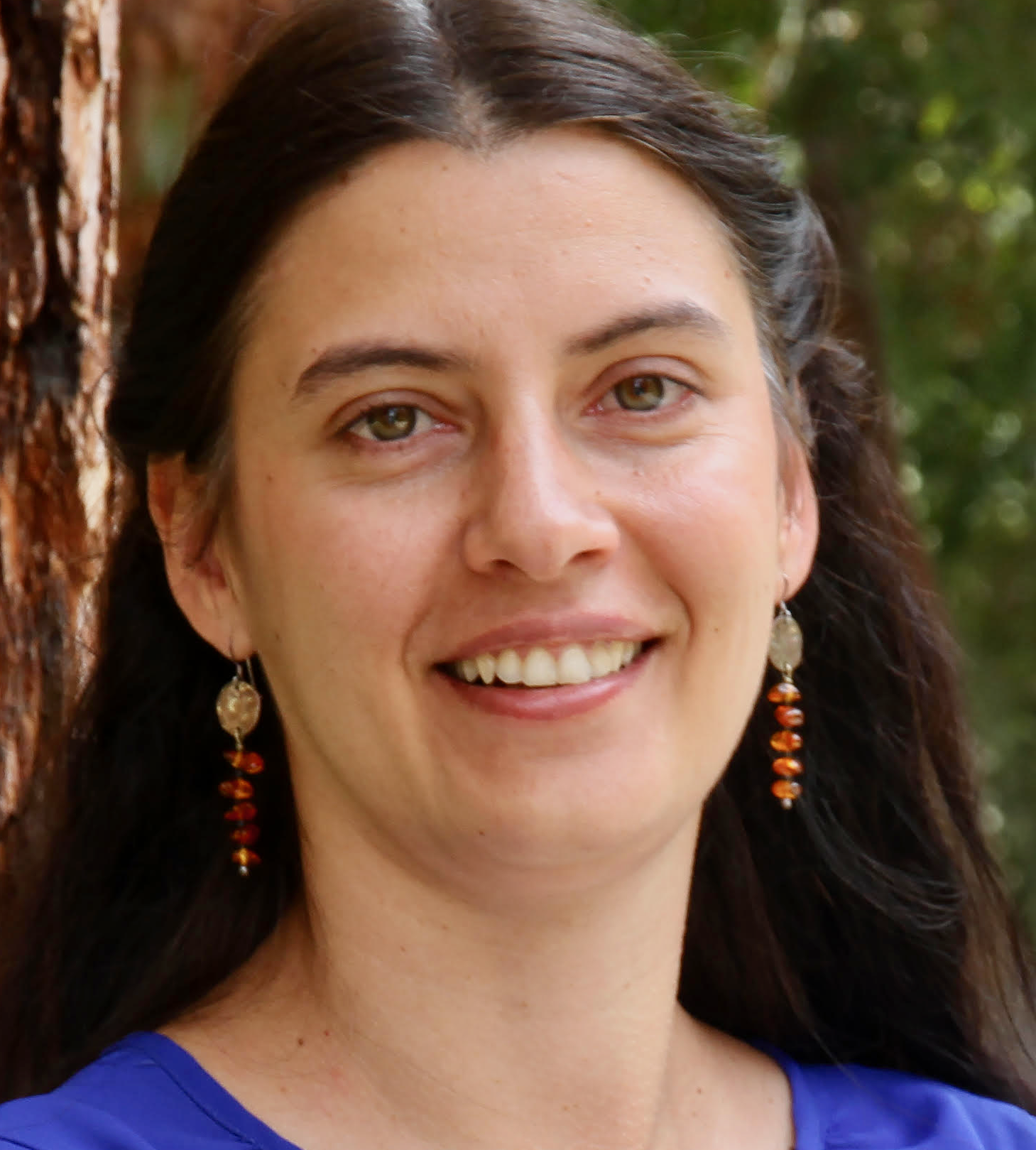 Bistra Dilkina合作论文数Center for AI in Society, University of Southern California;Thomas Lord Department of Computer Science, Viterbi School of Engineering, University of Southern California2Samuel Collier合作论文数1Logan A Walker合作论文数1Kristen E Wanczyk合作论文数1Sanskruti Mahajan合作论文数1Alexander R Pelletier合作论文数1Elizabeth Bondi-Kelly合作论文数1Lucia Gordon合作论文数1Catherine Ressijac合作论文数1Sonja Johnson-Yu合作论文数1
 Ahmed S Abouhashem合作论文数Indiana Center for Regenerative Medicine & Engineering, Indiana University School of Medicine1
 Shomita S Mathew-Steiner合作论文数Comprehensive Wound Center, Indiana University School of Medicine1
 Durba Pal合作论文数Department of Biomedical Engineering, Indian Institute of Technology Ropar1
 Christoph Siebenbrunner合作论文数Math Inst, Univ Oxford1Meredith B Brooks合作论文数Ctr Global Hlth Delivery, Harvard Med Sch1
 Peter Brehm Boucher合作论文数Department of Organismic and Evolutionary Biology, Harvard University1
 Sanket Shah合作论文数Harvard University1Nikhil Behari合作论文数1
 Saba Tabasum合作论文数Indiana Univ Hlth Comprehens Wound Ctr, Indiana Univ Sch Med1
 Dolly K Khona合作论文数Indiana Univ Hlth Comprehens Wound Ctr, Indiana Univ Sch Med1
 Priyanka Verma合作论文数Div Arbor1Edward Hernandez合作论文数Department of Surgery, Indiana University School of Medicine1Poornachander Reddy Guda合作论文数1
 Pamela Brock合作论文数1
 Manishekhar Kumar合作论文数Indiana University Health Comprehensive Wound Center, Indiana University School of Medicine1Rulong Shen合作论文数1
 Jun Wan合作论文数Indiana Univ Sch Med, Dept Med & Mol Genet, Indianapolis, IN 46202 USA1
 Danielle R Madden合作论文数Univ Southern Calif1




